
American travelers can run into trouble in Spanish-speaking cities where local rules are enforced more strictly than they expect. These rules are not just social norms. They are written into municipal codes or national laws, and fines are often issued on the spot. Common issues include bans on street drinking, limits on smoking outdoors, plate-based driving restrictions, and limits on drones or certain photography. Knowing the basics before arrival helps trips stay on schedule and avoids costs that can feel disproportionate to a small mistake. Check city websites or travel guidance and follow posted signs, even in tourist districts.
1. Barcelona, Spain
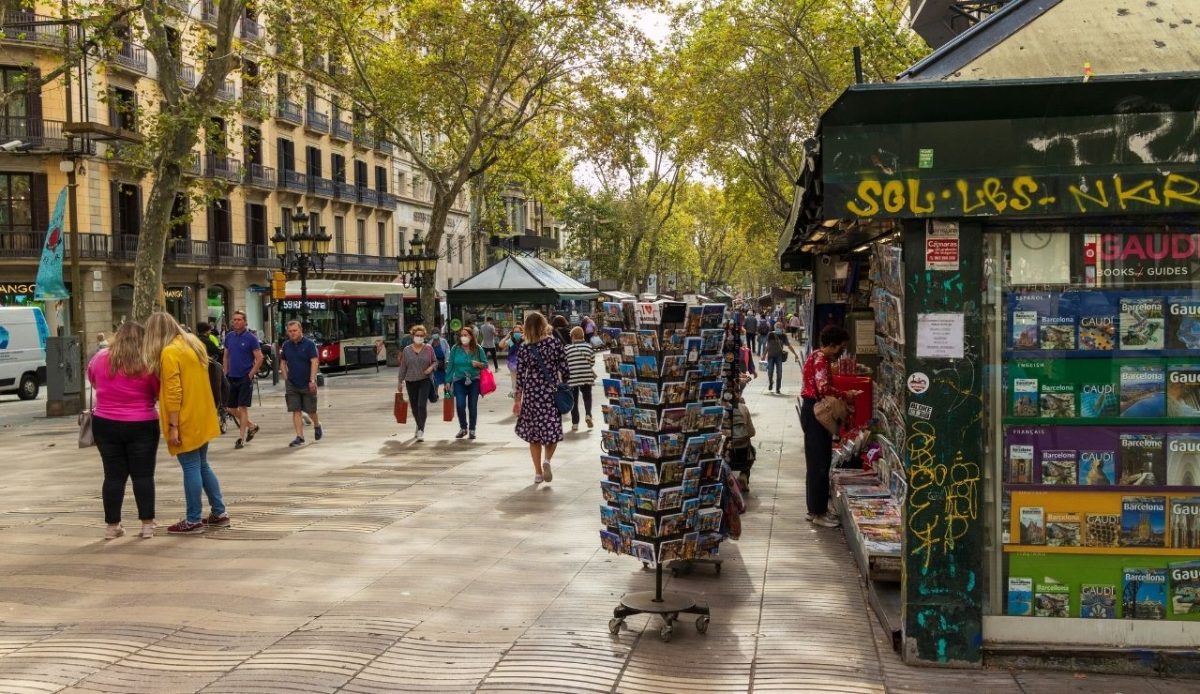
Barcelona uses civic coexistence rules to curb behavior that affects public order. Street drinking and large botellon-style gatherings can be fined, and the amount can rise when noise or litter is involved. Beach areas and busy old town streets are patrolled, so enforcement is usually visible at night. Payment may be asked for immediately, and identification can be required. To stay clear, keep alcohol inside licensed venues and avoid carrying open containers between stops. Tickets are administrative, so the process can feel quick and formal. Even a brief stop with a drink can be treated as a violation in some zones.
2. Madrid, Spain
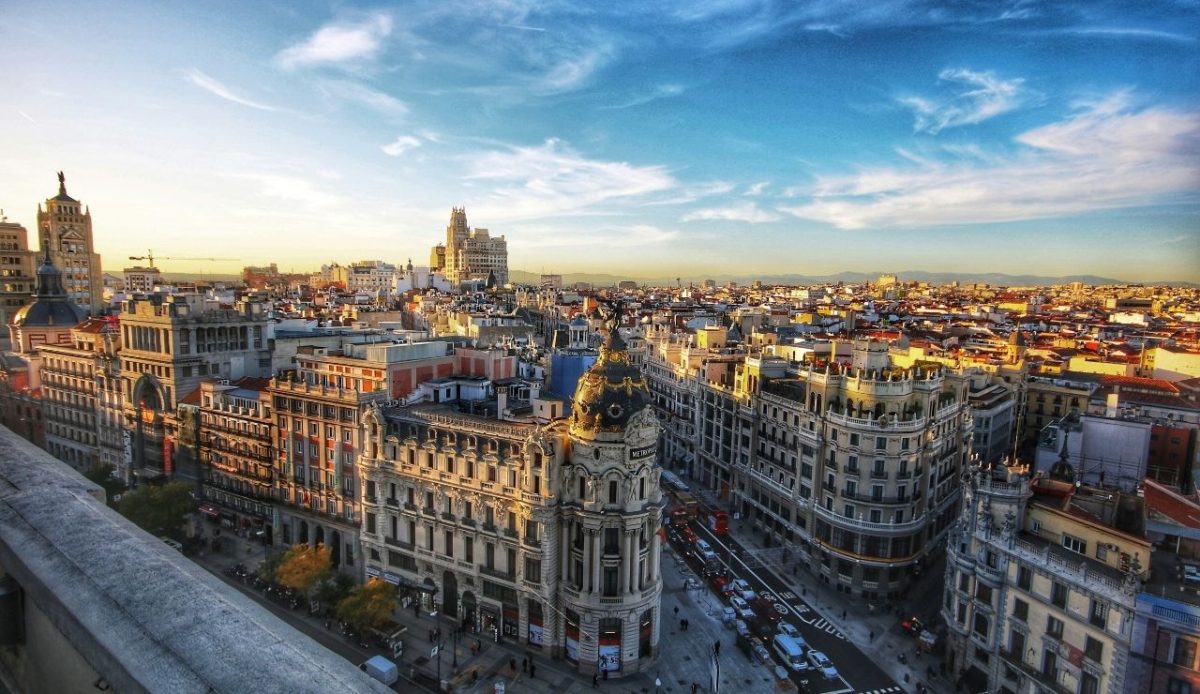
Madrid treats public alcohol consumption as an administrative offense under city coexistence rules. The botellon habit is targeted across plazas, parks, and nightlife streets, and fines can be issued even to small groups. Retail alcohol sales also follow set hour limits that vary by area, so last-minute purchases may be refused. During weekends, policing is intensified near entertainment corridors and transport hubs. If you carry a drink outside, finish it before leaving a bar or dispose of it before stepping onto the sidewalk. An ID check can be asked for, and glass bottles may draw extra attention when crowds are dense.
3. Palma de Mallorca, Spain
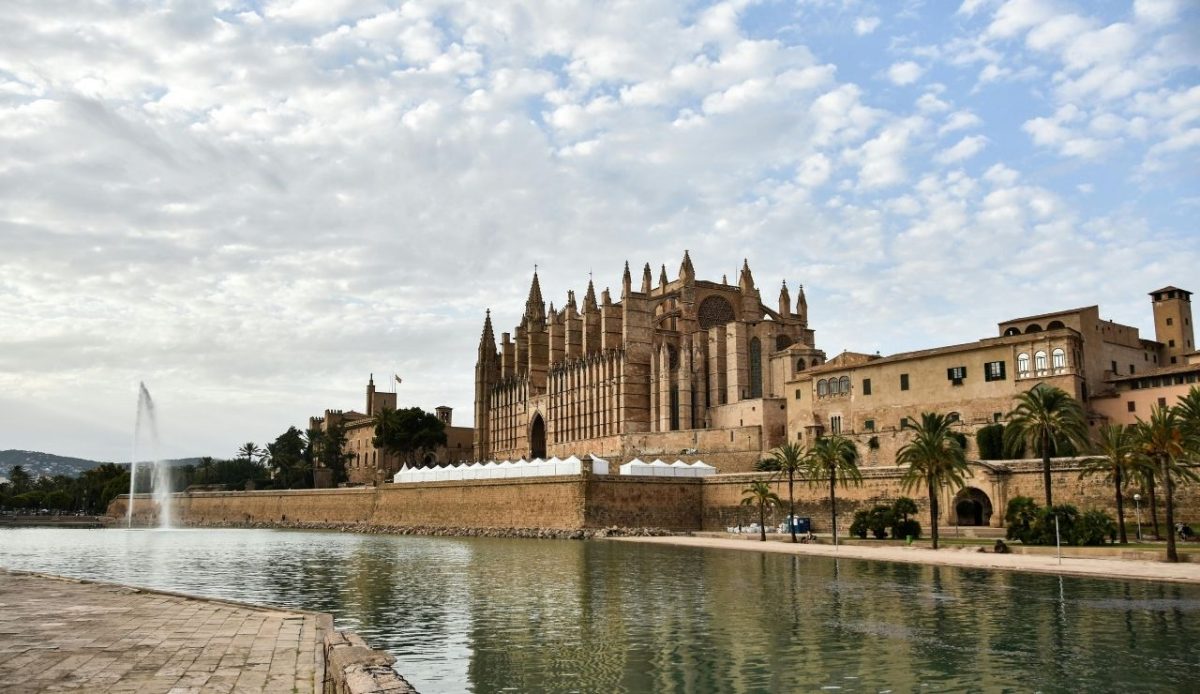
Palma de Mallorca is covered by the Balearic Islands’ responsible tourism rules in certain high-impact areas. In those zones, drinking alcohol on public streets is prohibited, and only licensed terraces and indoor venues are allowed. Nighttime retail sales of alcohol can be restricted, which changes how visitors stock up for evenings. Fines can be substantial, and enforcement has been reported around resort corridors and beach approaches. Before planning a night out, confirm whether your hotel is located within a regulated zone and rely on permitted venues. Signs are posted, but they can be missed when moving between beaches and restaurants.
4. Sant Antoni de Portmany, Spain
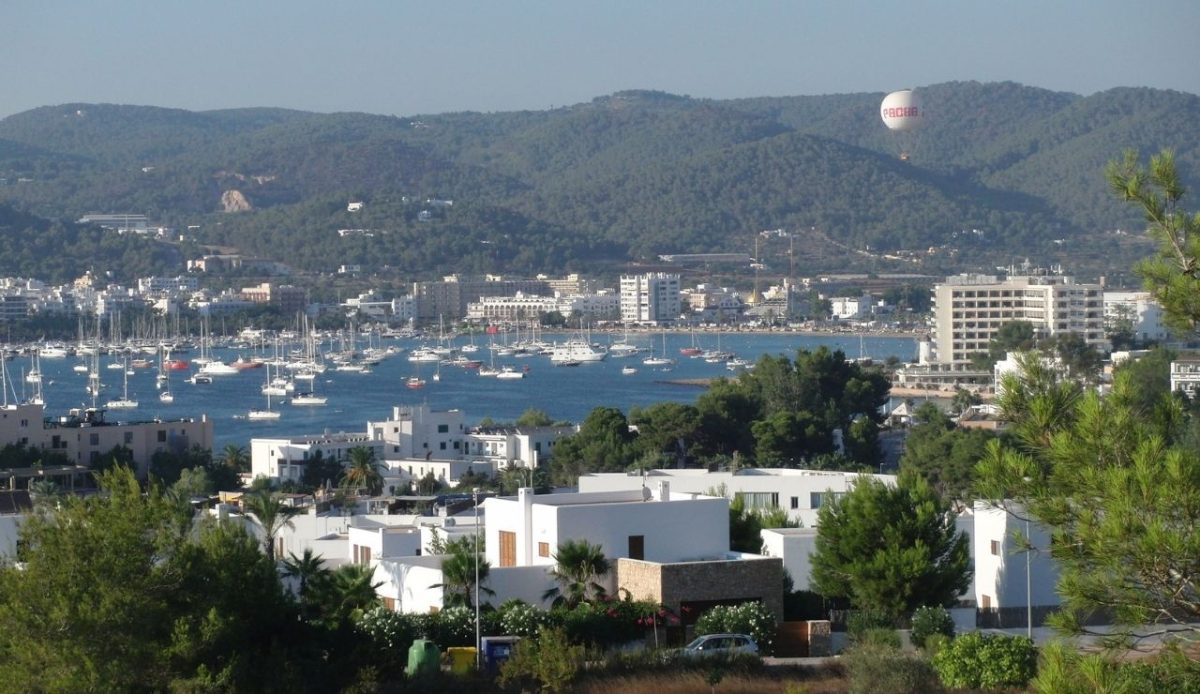
Sant Antoni de Portmany on Ibiza is also included in the Balearic responsible tourism framework. Public street drinking is banned within specified areas, and late-night alcohol sales from shops are limited. Authorities focus on pre-club gathering points, where people often meet before entering venues. Enforcement may include orders to stop drinking, identity checks, and fines that are issued under local procedures. Visitors should avoid carrying multipacks or open cups in nightlife streets and use licensed bars for drinks and meetups. Noise and public nuisance complaints are taken seriously, so keep your voices down when walking back tothe lodging.
5. Mexico City, Mexico
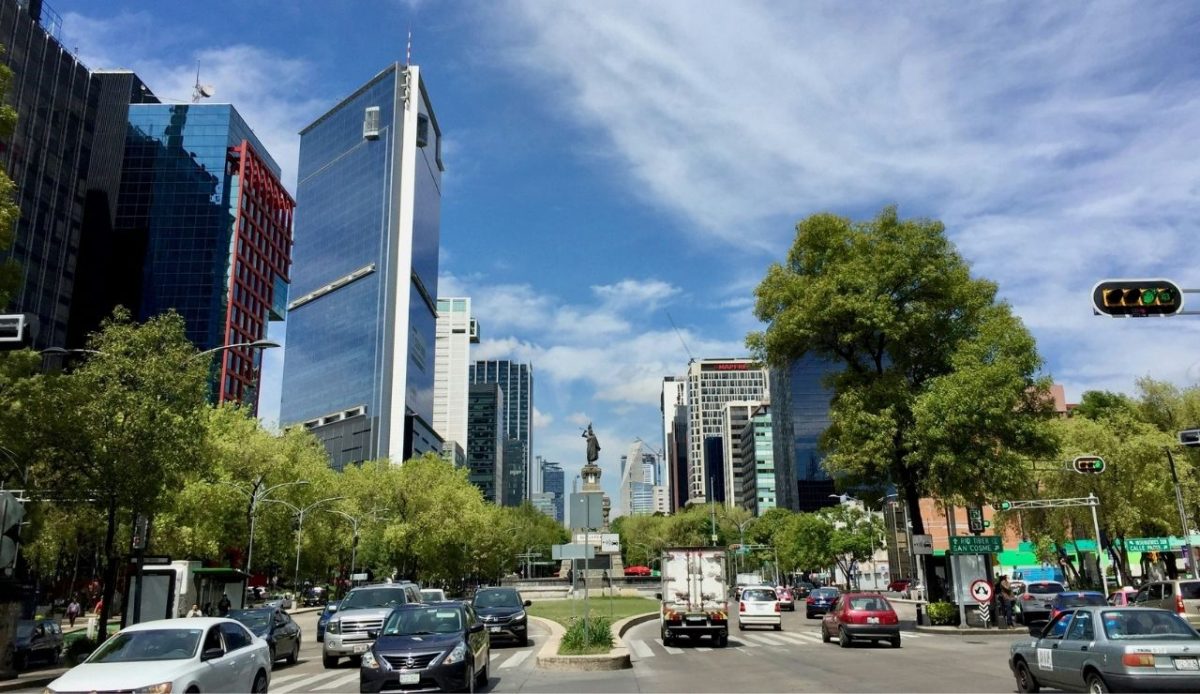
Mexico City follows national tobacco rules that ban smoking in many public spaces, including a wide range of outdoor areas. Parks, entrances to restaurants, and transit-related zones may be covered, and compliance can be required by staff or inspectors. Vaping products are heavily restricted under federal policy, so bringing or buying them can create problems. Because boundaries are not always obvious, posted no-smoking signs should be treated as mandatory. To avoid fines or conflict, step well away from crowds and choose clearly permitted locations before lighting anything. Venues may enforce it strictly, and service can be refused.
6. Bogotá, Colombia
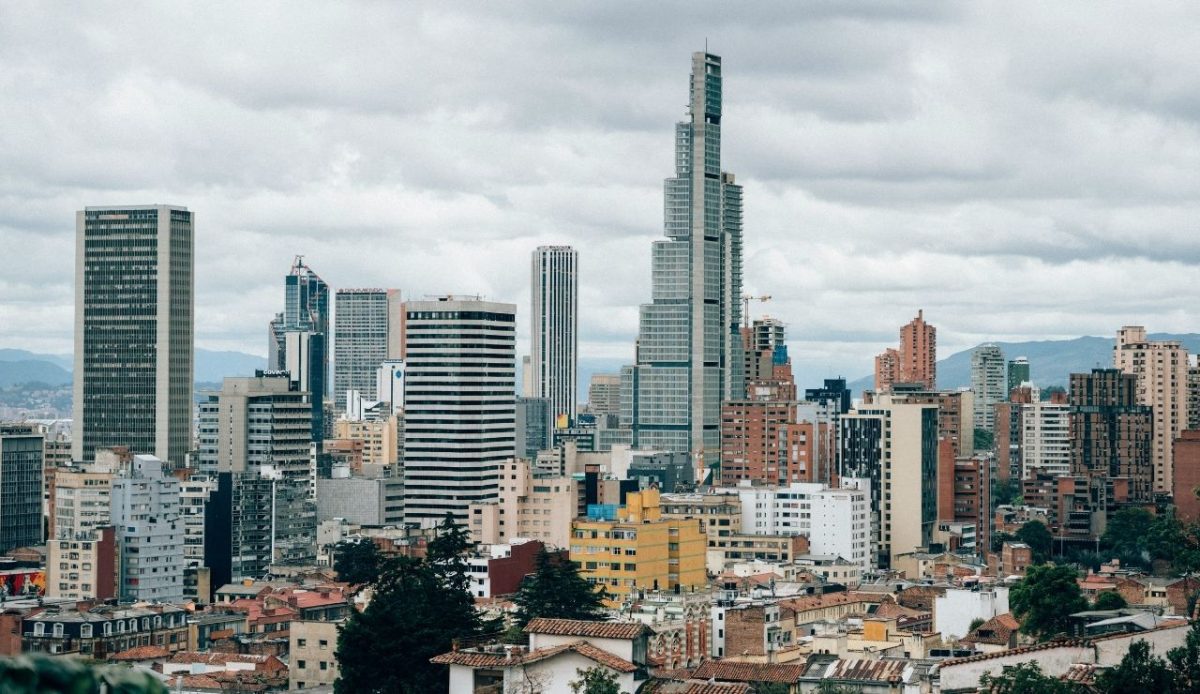
Bogota uses the pico y placa system to reduce congestion by limiting driving based on license plate numbers. The restriction applies during long weekday windows and can affect rental cars, hired drivers, and airport transfers. Schedules can change by decree, so a rule that was valid last month may be different now. Violations can lead to fines, and the trip may be delayed if a stop occurs. Before any drive, check the city’s posted schedule for that date and plan routes that avoid restricted hours when possible. Your last plate digit is what matters, and exemptions are limited, so do not assume tourist rentals are excluded.
7. Quito, Ecuador
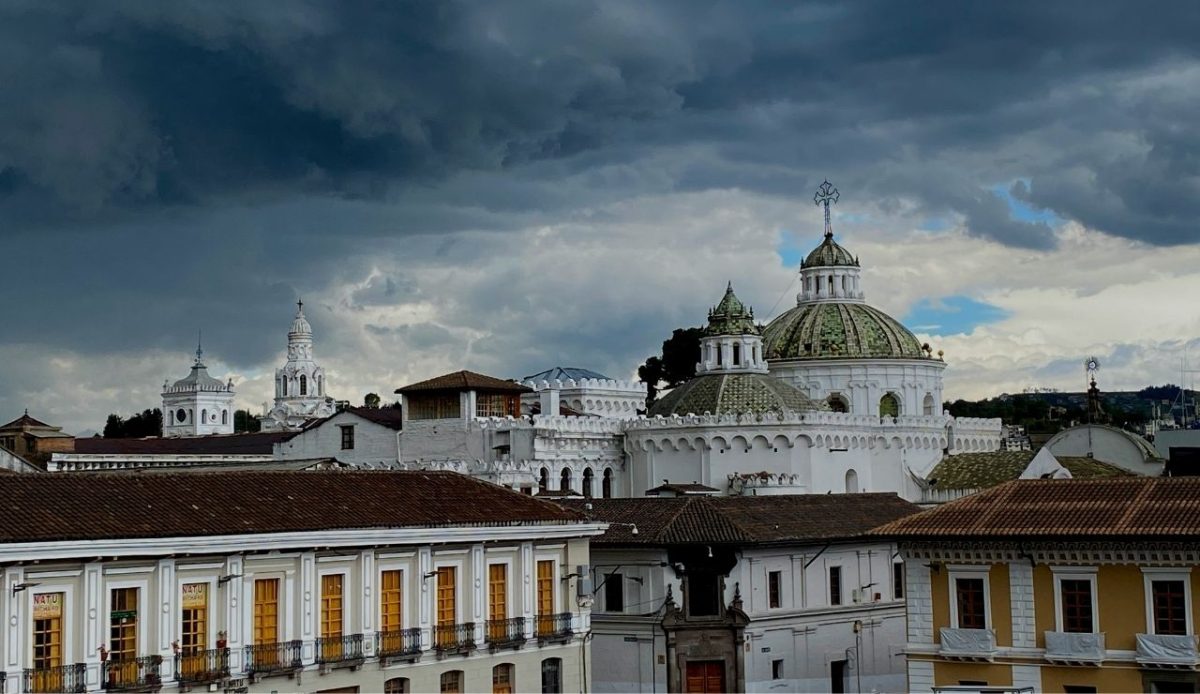
Quito applies a pico y placa circulation rule during weekday rush periods to manage traffic and air quality. The restriction is tied to the final digit of the license plate and is enforced through stops and monitoring. Tourists who rent a car for day trips can be caught when returning through the city at peak time. Penalties are set by local regulation and may include a fine, so the risk is more than inconvenience. Build buffers around morning and late afternoon travel, or use taxis and the metro when the restriction is active. Ask your hotel or driver to confirm the allowed hours for your plate before heading out.
8. Havana, Cuba
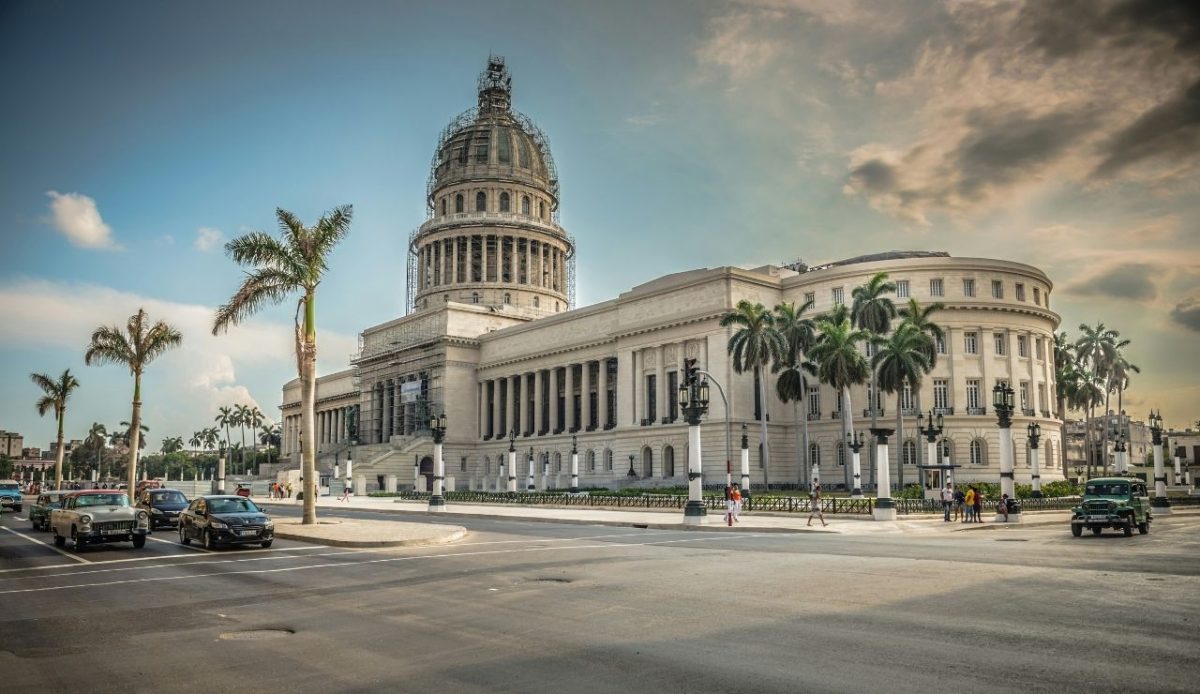
Havana has entry controls that can catch visitors when electronics are packed without checking the rules. Drones are prohibited and are commonly confiscated at the airport, even if they are intended for hobby use. Some professional camera equipment can require prior authorization, and photography near military or police sites may be restricted. Once gear is held, recovery during a short visit can be difficult because the process is handled through formal channels. Leave drones at home, keep lenses modest, and ask before filming people or infrastructure in sensitive areas. If stopped for checks, stay calm, show receipts, and follow instructions.
