
Some places feel unsettling not because they are dangerous, but because something about them quietly refuses to settle. Travelers often describe these destinations as heavy, silent, or strangely hollow, even when nothing obvious is wrong. The unease comes from abandoned streets, distorted landscapes, interrupted histories, or environments that feel slightly out of sync with human presence. These locations challenge expectations of travel as comfort or escape. Instead, they invite reflection, alertness, and emotional awareness. Visiting them is rarely about fear. It is about sensing absence, interruption, or stillness in ways that linger long after leaving.
1. Pripyat
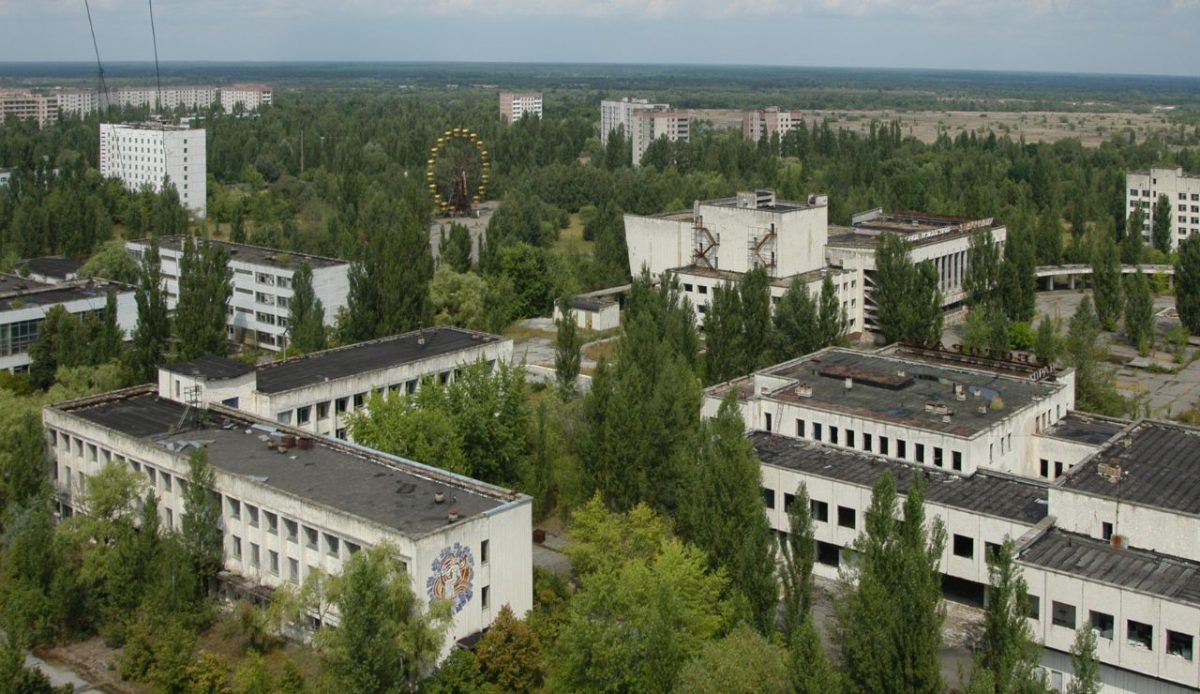
Pripyat unsettles travelers because it captures a precise moment where everyday life stopped without closure. Built to house workers from the Chernobyl nuclear plant, the city was evacuated in haste, leaving behind schools, apartments, hospitals, and playgrounds exactly as they were. What disturbs visitors most is not decay alone, but familiarity. Children’s books still sit on shelves, furniture remains arranged, and public spaces feel designed for crowds that never returned. Nature has crept in slowly rather than reclaiming everything, which keeps the human presence feeling recent. Sound behaves strangely here. Wind echoes through empty buildings, but there are no voices to balance it.
2. Hashima Island
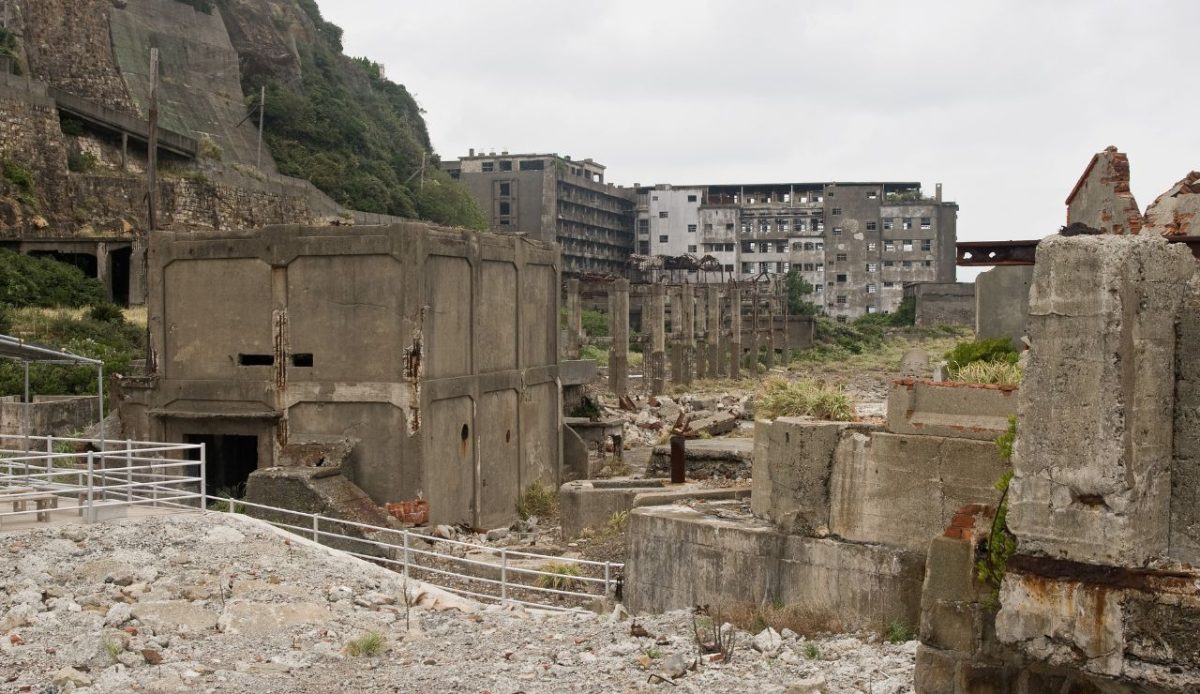
Hashima Island feels disturbing because of its extreme density paired with total emptiness. Once home to thousands of people packed into concrete high rises, it now stands as a compressed city with no human activity. The buildings rise straight from the sea, creating a hard, enclosed feeling even in the open air. Narrow walkways, stairwells, and corridors amplify the sense of confinement. Unlike places slowly abandoned, Hashima emptied rapidly when its coal industry collapsed. There was no gradual transition. The silence is absolute except for the waves and the wind. Travelers often describe the sensation of being surrounded by lives that were tightly woven together, then erased all at once.
3. Centralia
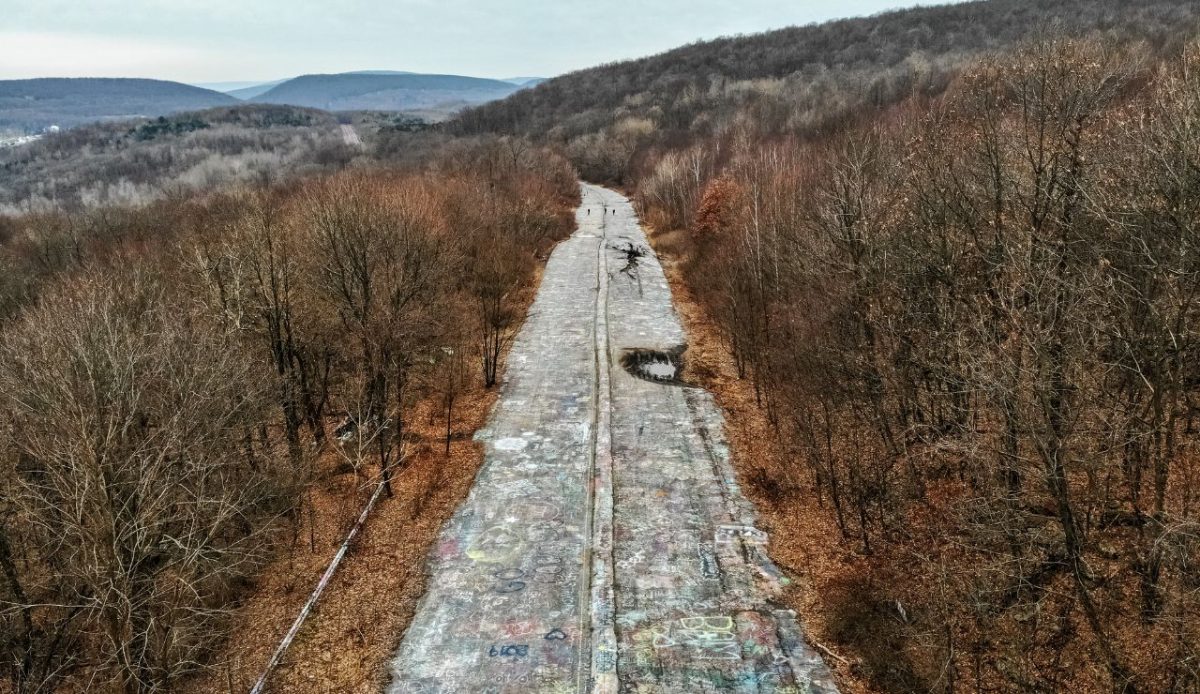
Centralia feels unsettling because danger exists beneath the surface rather than in plain sight. An underground coal seam fire has burned beneath the town since the 1960s, slowly forcing residents to leave. Today, streets remain mapped, but houses are gone. Steam rises from cracks in the ground, and warning signs appear in places that otherwise look peaceful. Visitors describe a constant sense of unease because nothing visibly dramatic is happening, yet the land itself is unstable. The knowledge that the ground could collapse or release toxic gases creates quiet tension. Centralia feels wrong because it looks calm while actively failing. The emptiness is not historical. It is ongoing.
4. Hoia Baciu Forest
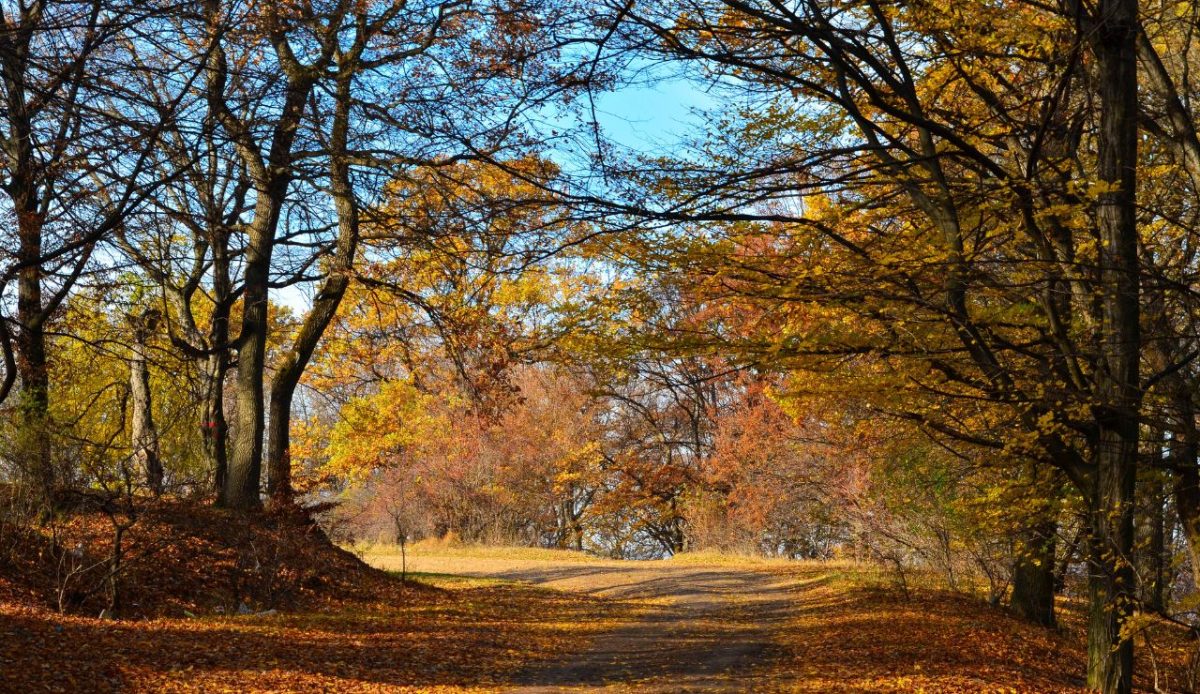
Hoia Baciu Forest unsettles visitors through atmosphere rather than an obvious threat. Trees grow twisted and uneven, creating unnatural shapes that disrupt depth perception. Paths seem to loop or shift, causing mild disorientation even during short walks. Light filters unevenly through the canopy, making some clearings feel exposed while others feel closed in. Travelers often report heightened anxiety without being able to explain why. Sound behaves oddly, with normal forest noises feeling distant or muted. While folklore surrounds the forest, many visitors say the unease comes before they think about its reputation.
5. Poveglia Island
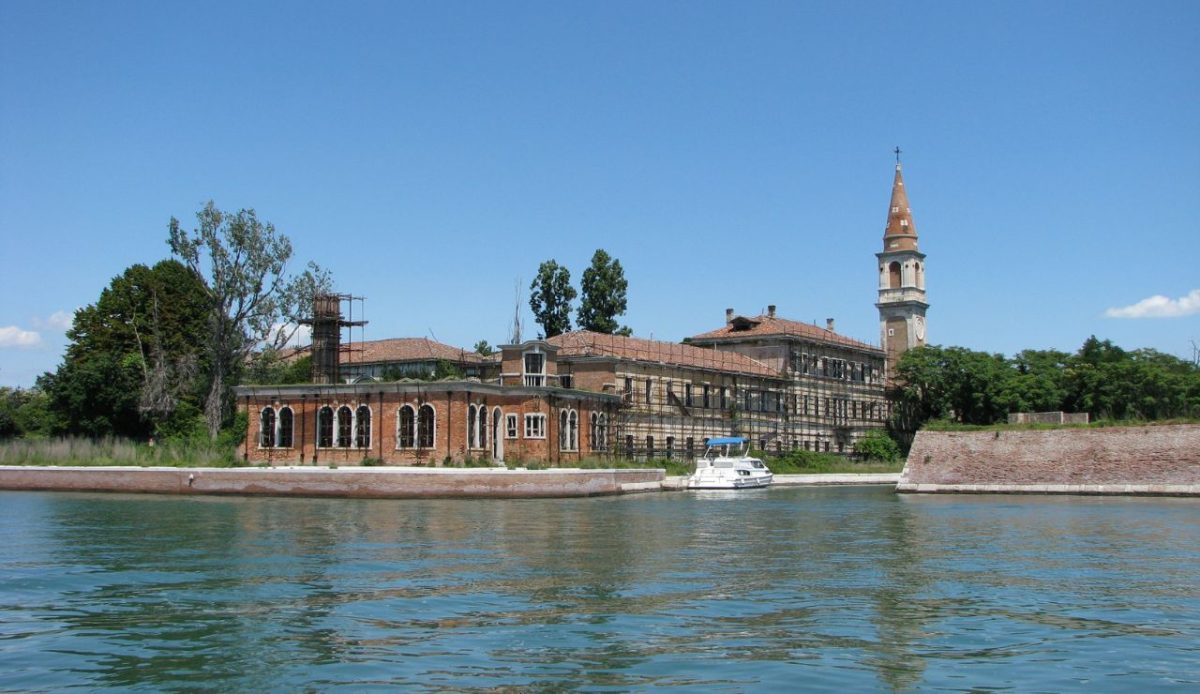
Poveglia feels creepy because it exists in sharp contrast to its surroundings. Sitting quietly in the Venetian lagoon, it is close enough to see boats pass, yet remains inaccessible and silent. Overgrown buildings and collapsing structures hint at long abandonment, but the island never fully surrendered to nature. Its history as a quarantine station adds emotional weight, but even without knowing details, travelers sense isolation. The silence feels intentional rather than accidental. Unlike remote ghost towns, Poveglia sits beside constant life and movement, which makes its stillness feel deliberate. It feels less forgotten and more sealed off.
6. Kolmanskop
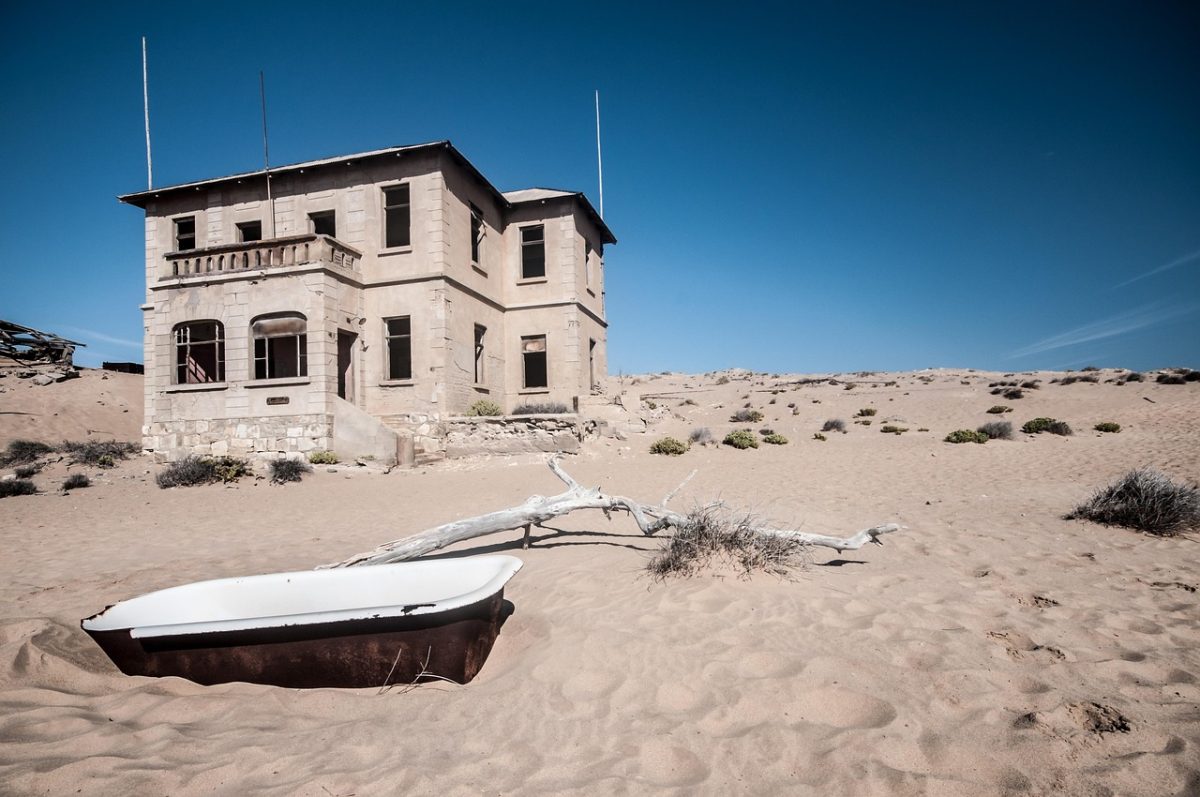
Kolmanskop disturbs travelers through visual contradiction. Built as a wealthy mining town, its houses were designed for comfort and elegance. Today, desert sand fills hallways, staircases, and bedrooms. Sunlight pours through windows onto rippled dunes inside living rooms. The effect is striking but unsettling. Nature has not erased the town. It has moved in slowly and visibly. Travelers often describe discomfort because the buildings remain intact enough to imagine daily life, yet are completely unusable. The town feels suspended between existence and disappearance. That incomplete ending is what lingers.
7. Aokigahara Forest
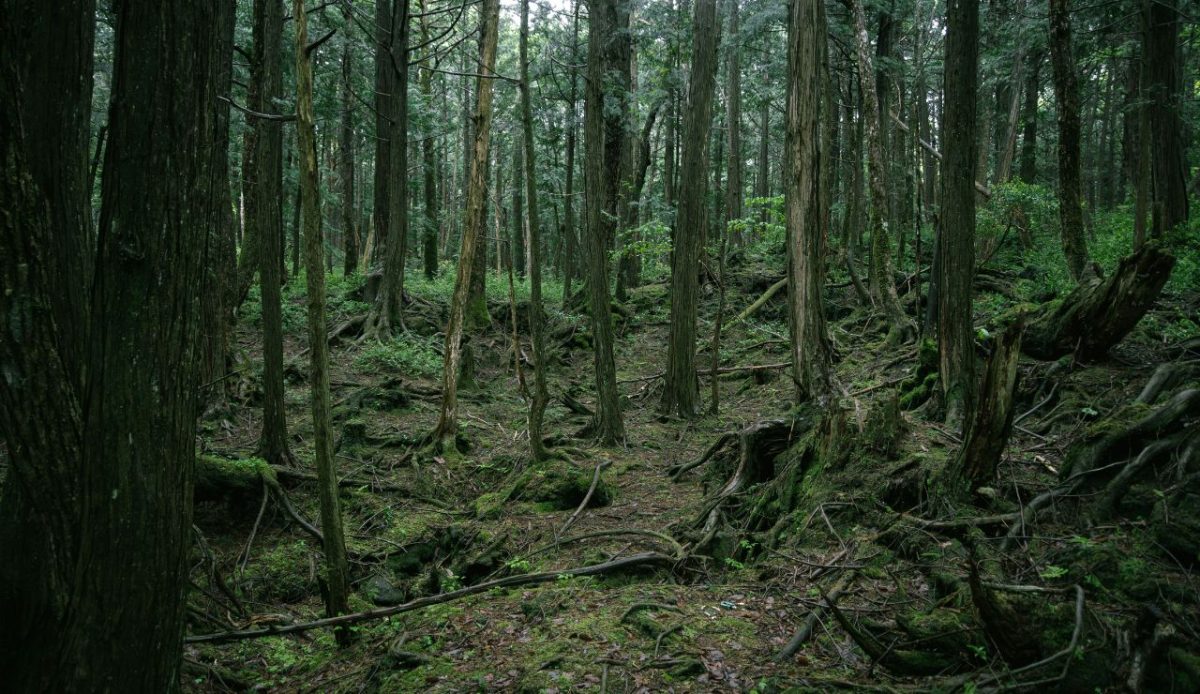
Aokigahara feels unsettling because of its silence and density rather than visible decay. The forest floor absorbs sound, causing footsteps and voices to fade quickly. Trees grow close together, limiting sightlines and making direction harder to judge. Even on marked paths, travelers often report disorientation and heightened alertness. The environment feels heavy, as if it resists movement. Unlike dramatic landscapes, Aokigahara does not overwhelm visually. Instead, it creates constant low-level tension. The lack of sound and visual landmarks removes reassurance. Visitors describe the experience as mentally draining rather than frightening, which makes the unease harder to shake.
