
Cruise tourism has brought economic benefits to many coastal destinations, but it can also overwhelm local communities, damage ecosystems, and strain infrastructure. In response, some destinations are implementing restrictions to preserve the quality of life and environmental integrity. Limiting cruise ship traffic ensures that residents and visitors alike can enjoy sustainable tourism experiences. These seven destinations have taken measures to balance tourism with cultural and ecological preservation. Travelers can still enjoy the beauty and charm of these locations while respecting local initiatives and minimizing their impact.
1. Venice, Italy
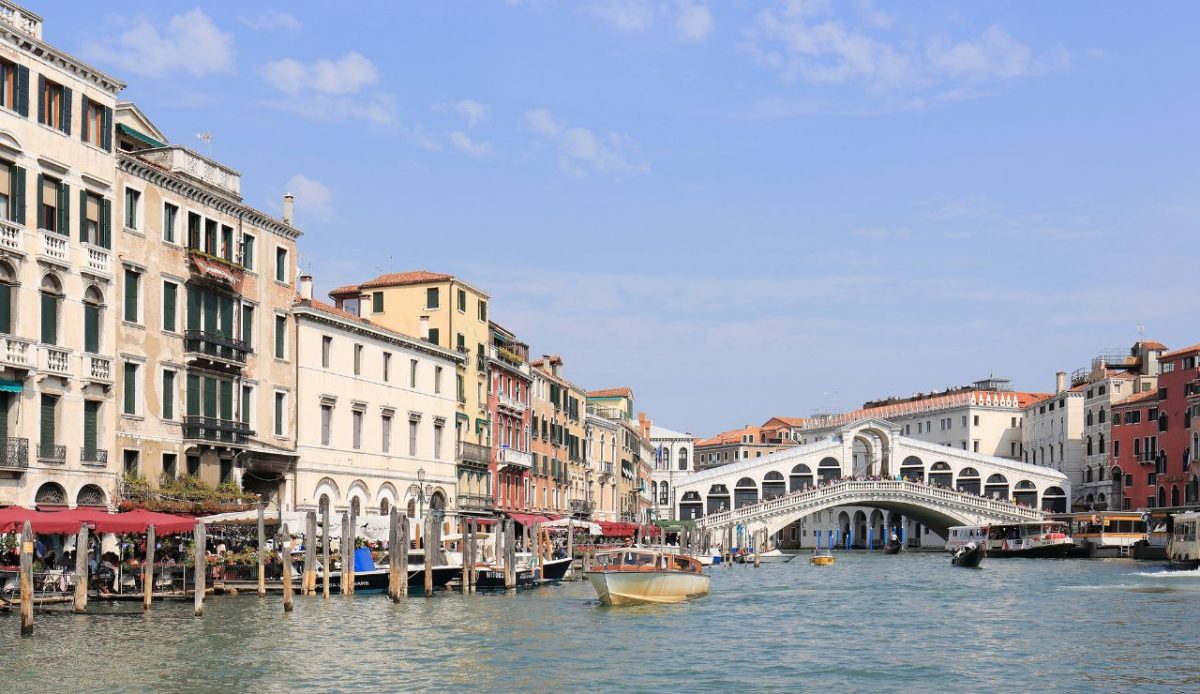
Venice has long struggled with the impact of massive cruise ships on its delicate canals, historic buildings, and local life. To protect the city, authorities have introduced limitations on ship size, docking locations, and passenger numbers. Tourists are encouraged to use smaller boats and explore the city on foot. These measures preserve Venice’s architectural heritage, waterways, and urban environment. By reducing cruise traffic, visitors can enjoy quieter streets, local culture, and authentic experiences. Respecting these restrictions allows travelers to support sustainable tourism while still witnessing Venice’s iconic beauty.
2. Dubrovnik, Croatia
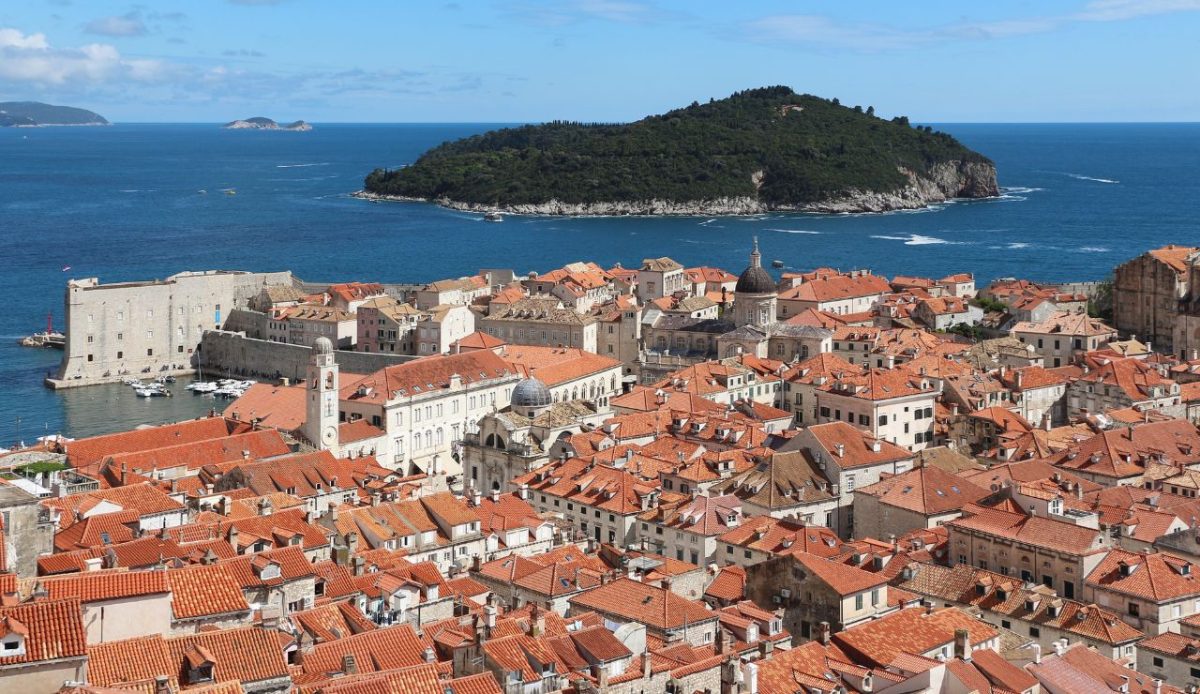
Dubrovnik has faced challenges from overtourism, particularly due to the influx of cruise ship passengers. To mitigate crowding, the city limits daily cruise arrivals and regulates access to its historic Old Town. Visitors are encouraged to explore beyond popular areas and stagger sightseeing times. These measures protect medieval walls, narrow streets, and residents’ quality of life. By managing cruise tourism, Dubrovnik preserves its cultural heritage while maintaining visitor enjoyment. Travelers who respect these rules experience a more authentic, relaxed visit and support sustainable practices.
3. Barcelona, Spain

Barcelona has taken measures to manage cruise ship traffic to protect its vibrant neighborhoods and historic landmarks. Large vessels are limited in the port, and authorities monitor passenger flow into popular areas like La Rambla and the Gothic Quarter. By controlling crowds, the city preserves local life, streets, and businesses from overtourism pressures. Travelers can enjoy architecture, cultural attractions, and seaside promenades without feeling overwhelmed. These regulations ensure visitors experience authentic Catalan culture while supporting sustainable tourism practices that benefit both residents and tourists.
4. Cannes, France
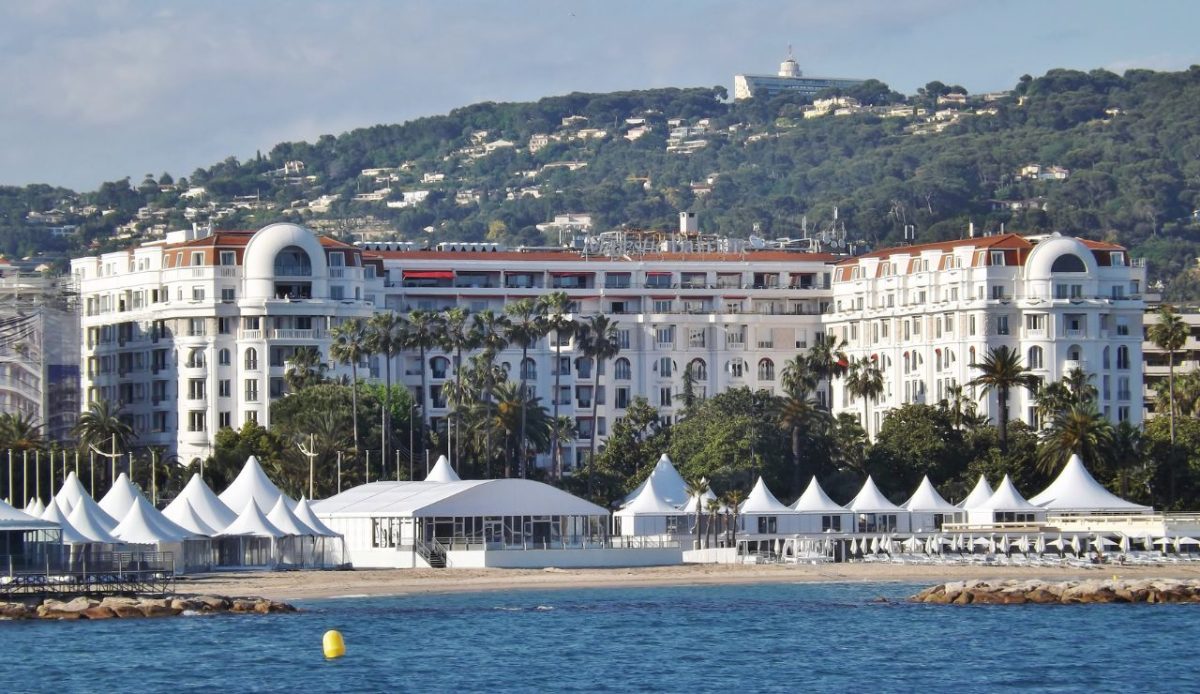
Cannes, famed for its film festival and luxury coastline, restricts cruise ship arrivals to prevent overcrowding in the historic city center and along the Croisette. Authorities coordinate docking schedules and limit daily passengers, helping preserve local streets, shops, and beaches. Travelers benefit from a calmer experience, enjoying iconic landmarks, seaside views, and cultural attractions without congestion. These measures balance economic benefits from cruise tourism with the quality of life for residents. Respecting the city’s regulations allows visitors to fully appreciate Cannes’ charm, glamour, and Mediterranean allure sustainably.
5. Palma de Mallorca, Spain
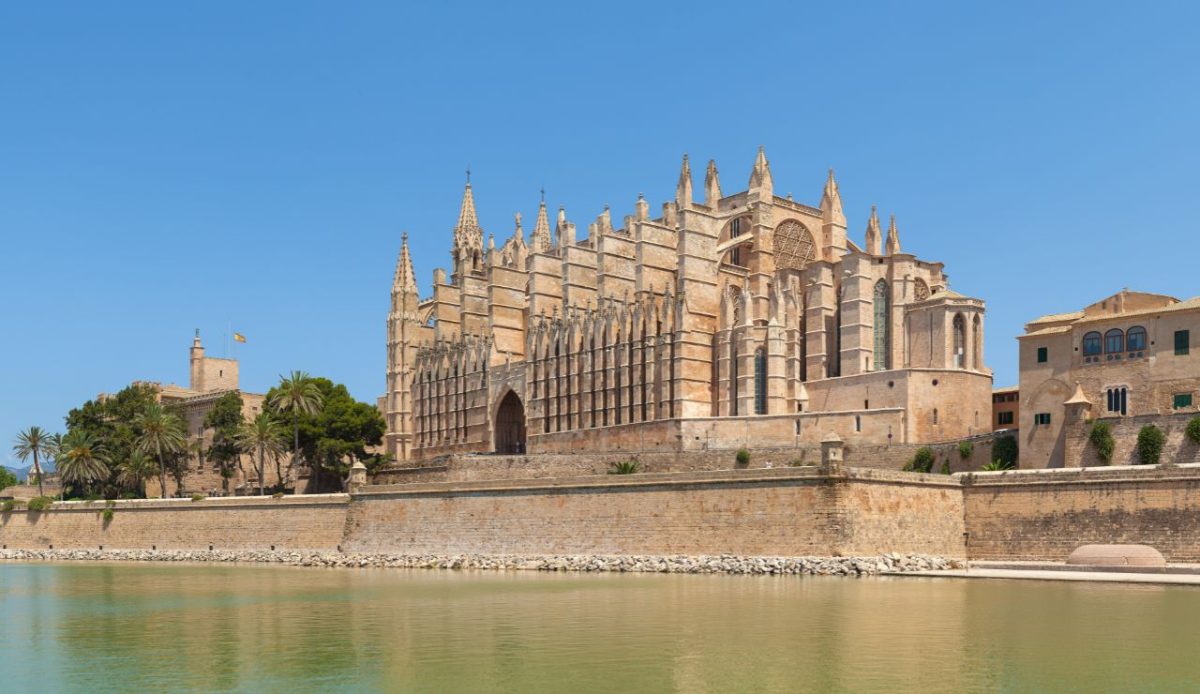
Palma de Mallorca has implemented cruise ship limits to protect its historic center, beaches, and vibrant streets from overcrowding. Docking schedules are controlled, and only a certain number of passengers are allowed ashore at a time. These measures help preserve local culture, shops, and cafés while maintaining the island’s charm. Travelers can enjoy Palma’s Gothic cathedral, Mediterranean promenade, and bustling markets in a more relaxed environment. Limiting cruise traffic ensures sustainable tourism, allowing visitors to explore the city fully while respecting the quality of life for residents and the natural beauty of Mallorca.
6. Nice, France
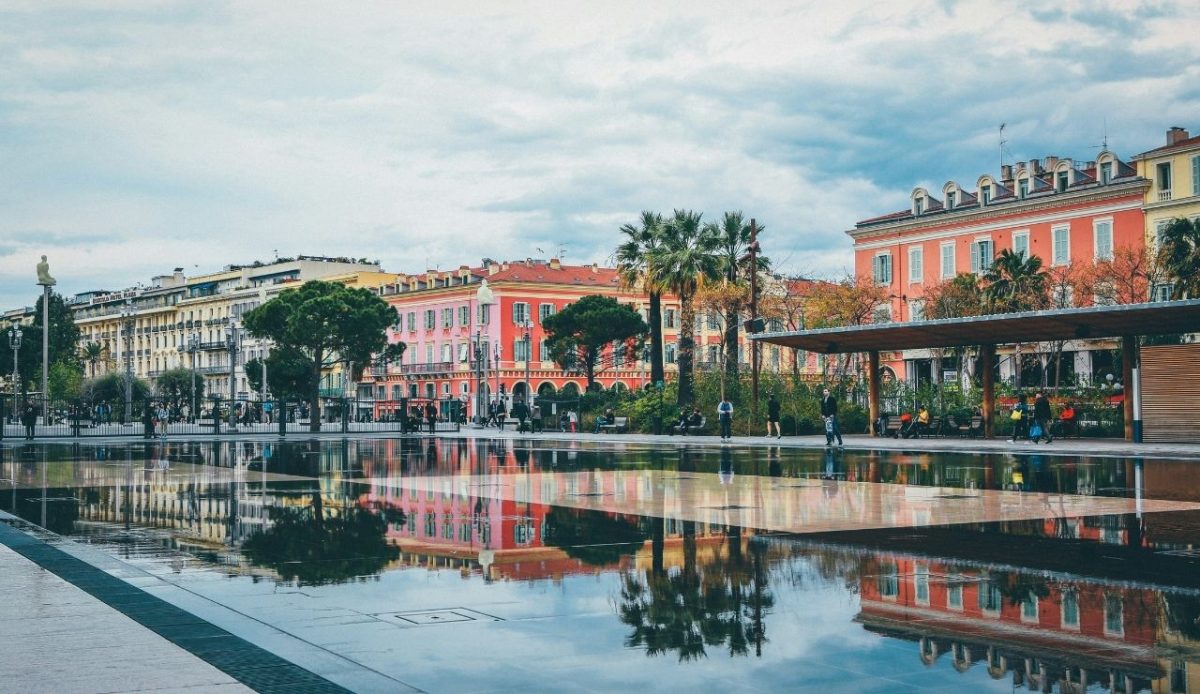
Nice, located along the French Riviera, regulates cruise ship arrivals to prevent congestion in its historic Old Town and along the Promenade des Anglais. Authorities monitor port capacity and manage passenger flow to maintain comfort for both locals and tourists. These measures allow visitors to enjoy Mediterranean beaches, markets, and cultural landmarks without overcrowding. Sustainable cruise policies help protect Nice’s architectural heritage, streets, and seaside environment. Travelers benefit from a calmer, more authentic experience while the city balances tourism revenue with preserving its charm and residents’ quality of life.
7. Bergen, Norway
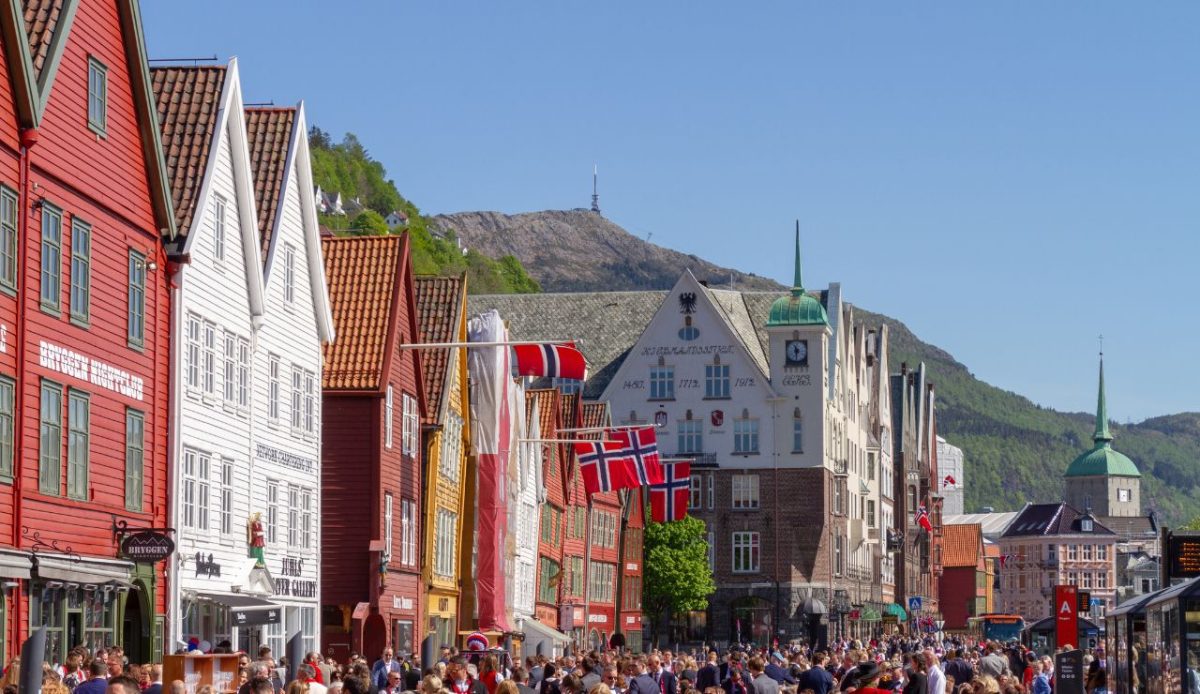
Bergen, a gateway to Norway’s fjords, restricts cruise ship traffic to reduce pressure on its historic waterfront and infrastructure. Only a limited number of ships dock daily, and port authorities coordinate scheduling to prevent overcrowding. Visitors can explore the Hanseatic Wharf, local markets, and scenic fjord excursions more comfortably. These measures protect Bergen’s cultural heritage and local residents’ quality of life. Travelers experience a more relaxed and authentic visit while supporting sustainable tourism practices. Responsible cruise management ensures Bergen remains vibrant and accessible for future generations.
