
Some European cities are known for evenings that stay calm because late licenses are limited, historic districts are protected, and residents expect quiet after dinner. A low-key nightlife scene can still include good food, local beer, and small music sets, yet crowds thin out early and streets settle fast. The ten places below are often described in tourism and travel guidance as better for conversation than club hopping, with routines that favor early closing times and stronger noise control. Visitors who value sleep, early tours, or family travel usually find these destinations easier to manage at night.
1. Bruges, Belgium
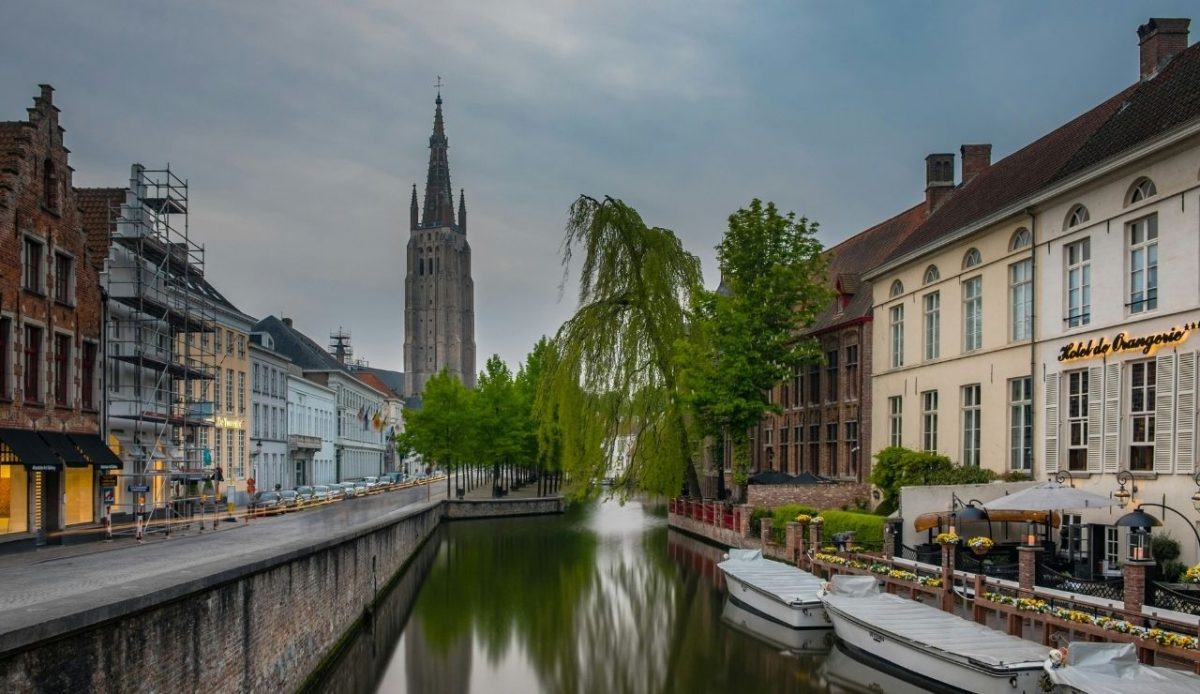
Bruges tends to wind down soon after the dinner rush, especially inside the medieval core. Preservation rules and tight street layouts leave little room for large late venues, so the evening focus leans toward small beer cafés and seated bars. Many visitors notice that the canals and squares empty quickly as closing time nears. Because big clubs are scarce, the sound level stays low, and late foot traffic is limited, even in busy seasons. Most lodging is walkable, which cuts late rides and keeps streets calmer. A night plan often means one last drink indoors, then a quiet return through lit lanes without the usual party crowd.
2. Siena, Italy
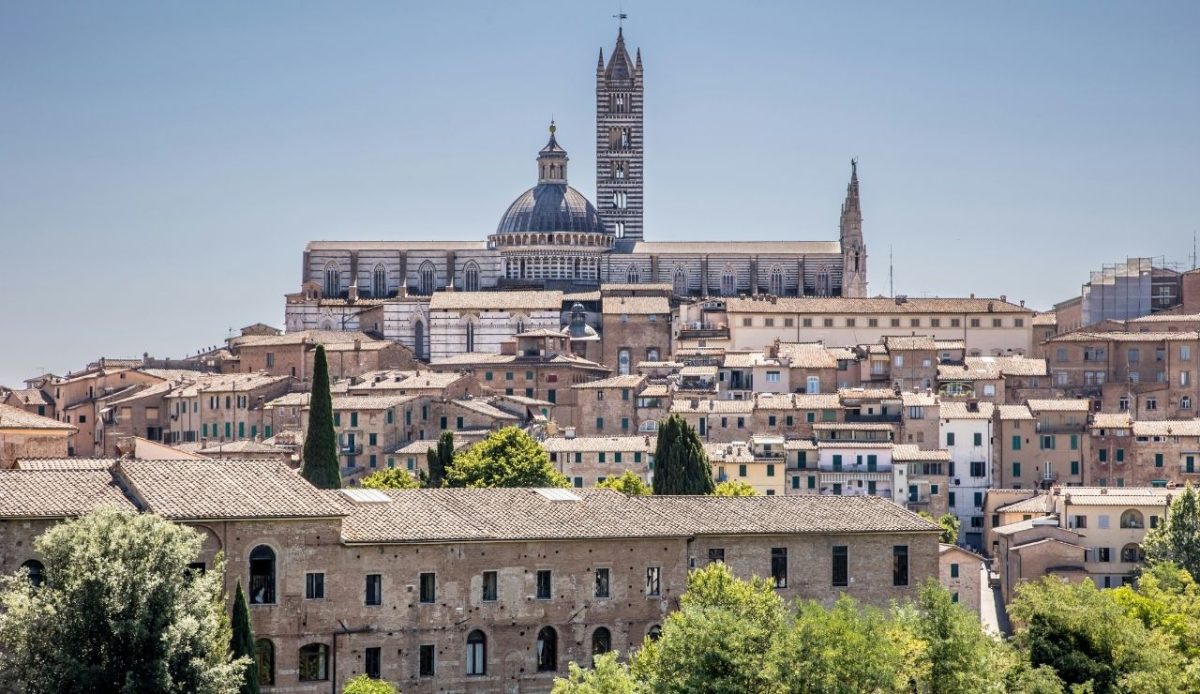
In Siena, the evening pace is guided by long meals and local routines rather than a heavy club calendar. Social time often happens at wine bars where people stop briefly, then head home before midnight. The historic center has narrow streets and residential squares, so loud late-night activity is discouraged, and complaints are taken seriously. When restaurants finish service, the main lanes quiet down fast, leaving a calm setting for a short stroll. Student nights exist, yet they stay contained and are earlier than in larger cities. Travelers who prefer sleep can pick a central stay and still avoid street noise after the last tables clear.
3. Hanover, Germany
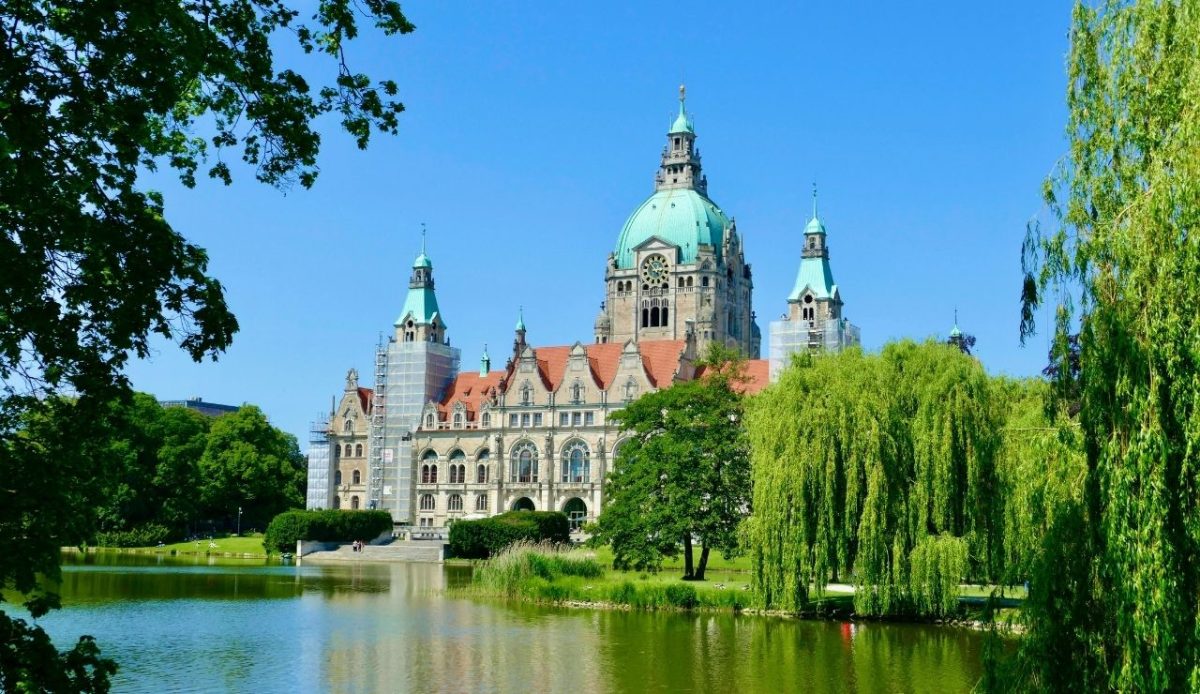
Hanover is often viewed as practical after dark, with nightlife spread across neighborhoods instead of one loud strip. Bars and pubs serve regulars and business travelers, and many close earlier than venues in Berlin or Hamburg. Local quiet hours and residential planning help keep late noise down, especially on weeknights. Public transit supports evening dinners, but the city rarely feels crowded late, so streets return to normal quickly. When concerts or fairs happen, activity clusters near the site and then disperses. For many visitors, the best night option is a low-volume pub, then a quiet walk back with little street traffic.
4. Monte Carlo, Monaco
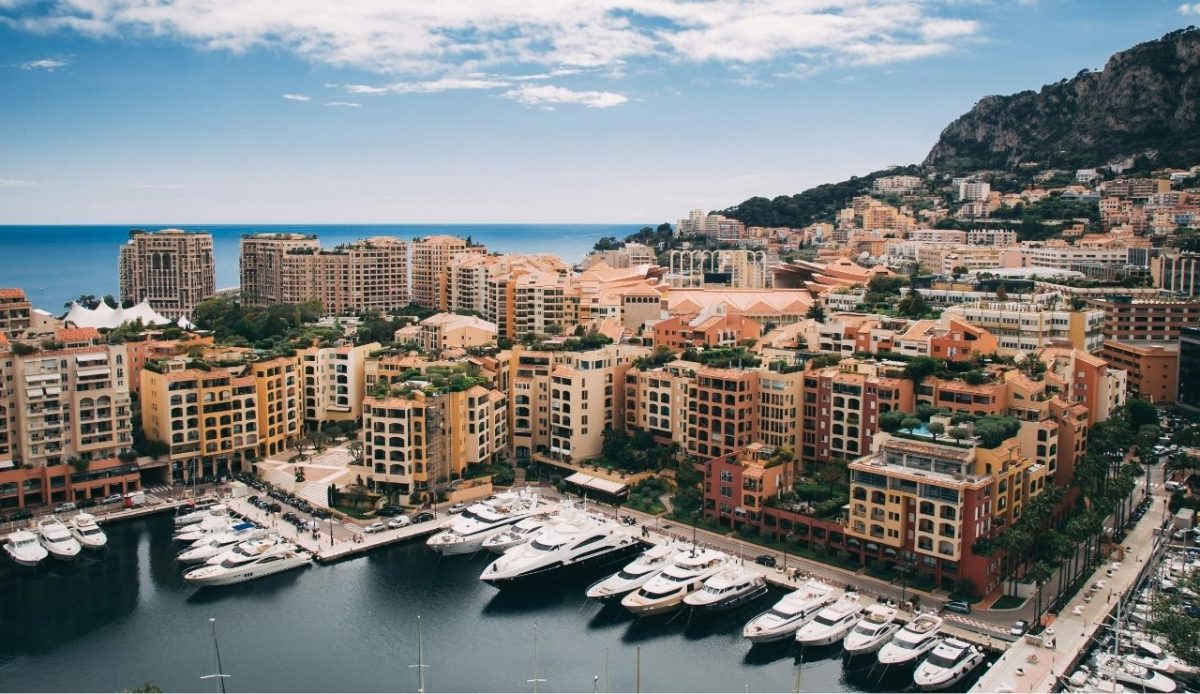
Monte Carlo can look glamorous, yet its nights are controlled and relatively small in scale. Casinos, lounges, and hotel bars draw seated crowds, and entry policies reduce rowdy behavior. Because venues are limited and close times are managed, loud spillover onto the street is less common than in club districts elsewhere. Many people dress up for an early evening visit, then the area becomes quiet again once the main rooms thin out. Prices also discourage all-night hopping, so the pace stays slower and more predictable. With a strong security presence and nearby residences, noise is kept in check, and late crowds are usually minimal.
5. Avignon, France
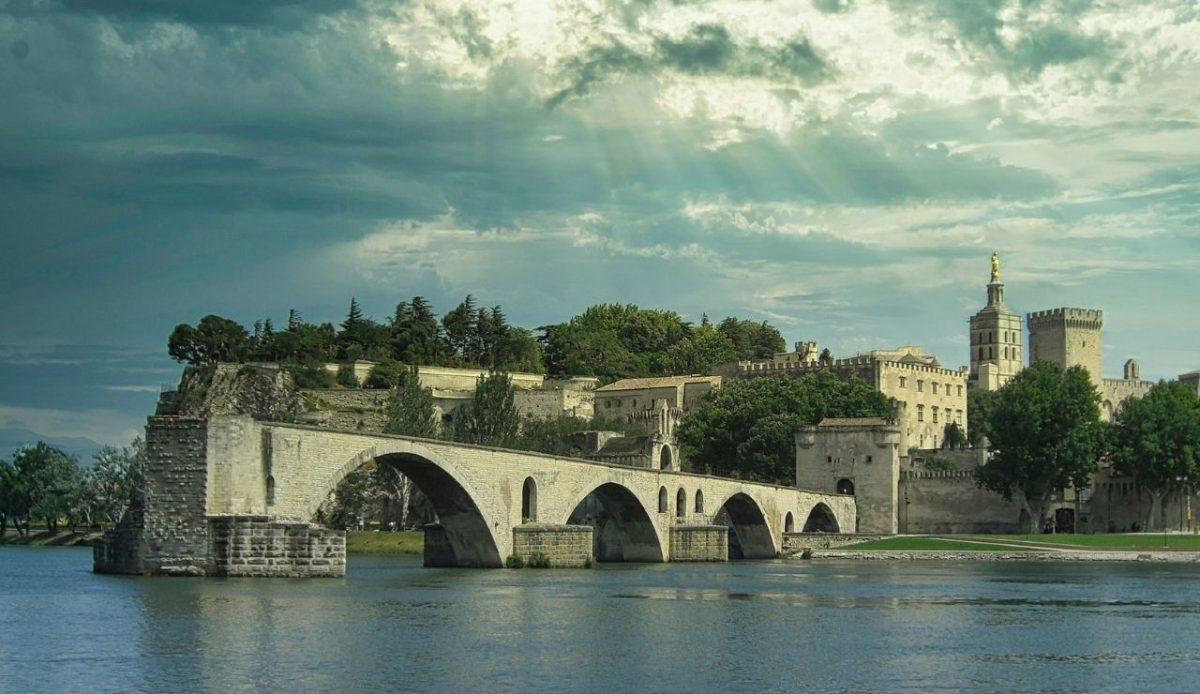
Avignon feels active during dinner and theater hours, then settles soon after. Outside the summer festival period, nightlife centers on restaurants, small bars, and riverside cafés rather than big dance floors. The old town streets are narrow and residential, so noise limits matter and late volume is not welcomed. Once kitchens close, visitors often notice that plazas are empty and footpaths grow quiet, which makes night walks comfortable and unrushed. Many stays are inside the walls, so returning on foot avoids late traffic. If a performance night is planned, it usually ends earlier than club hours, keeping the city calm before midnight.
6. Vaduz, Liechtenstein
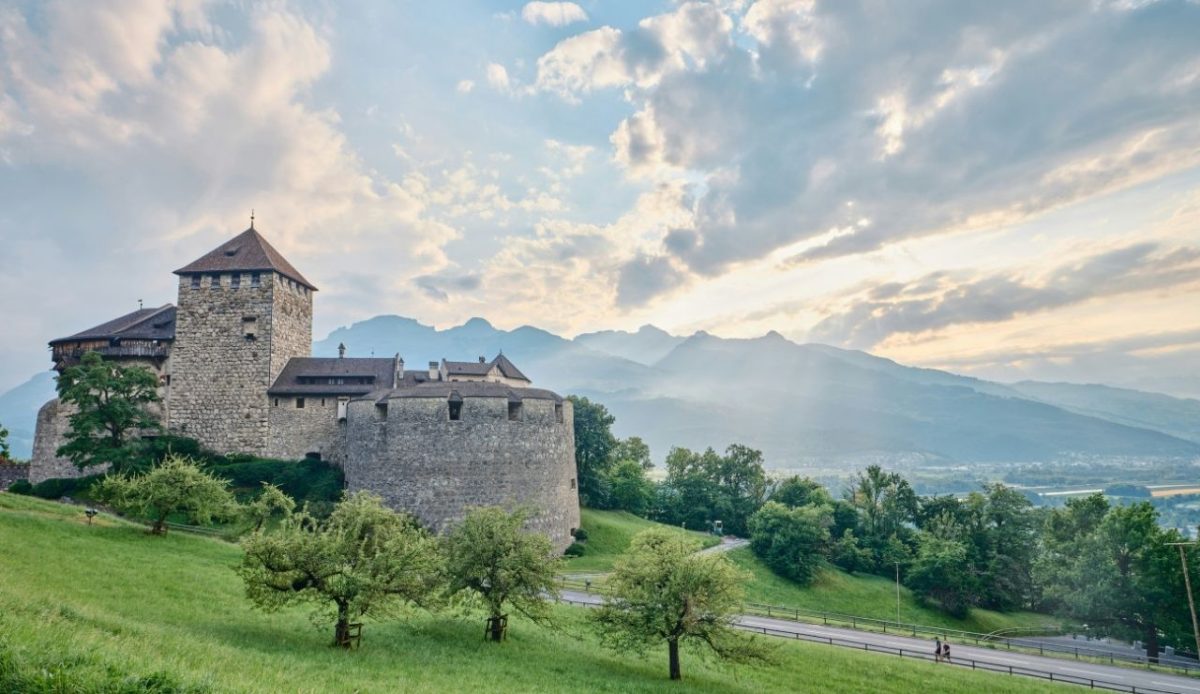
Vaduz offers a capital city setting without the usual late-night scene found in larger cities. Evening options tend to be hotel lounges, a few wine-focused spots, and quiet restaurant dining. There is no major nightclub district, and most places close early because demand is limited. With a small population and tidy streets, late movement stays minimal, so visitors often describe nights as calm and nearly silent. This suits travelers who plan mountain walks or museum visits the next morning. After dinner, the best plan is usually a short drink indoors, then rest, since few late venues stay open past midnight.
7. Mdina, Malta
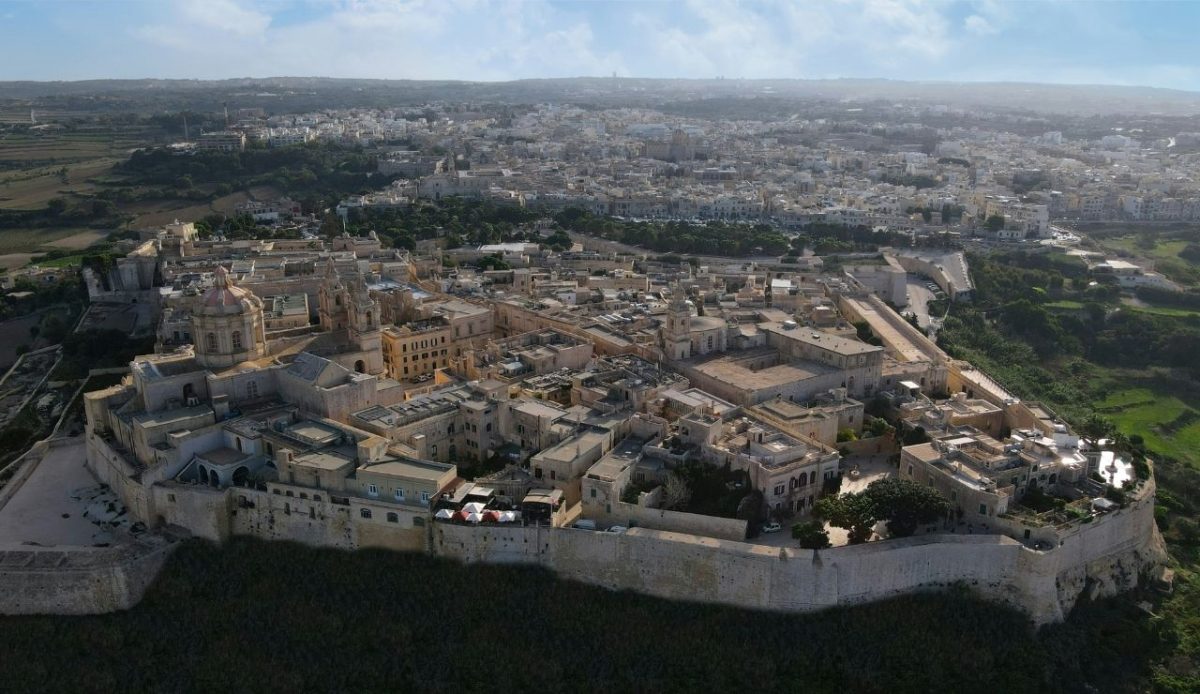
Mdina is known for its still evenings because access and noise are tightly restricted within its walls. Car traffic is limited, and the number of late venues is small, so there is little reason for crowds to linger after dinner. Most day visitors leave before nightfall, which reduces street chatter and keeps the sound low in the lanes. A few restaurants remain open, yet amplified music is uncommon, so the mood stays quiet from sunset onward. Overnight guests often notice that even simple footsteps echo, which encourages everyone to keep voices down. If a late drink is wanted, it is usually taken at a hotel terrace nearby rather than in a busy bar street.
8. Valletta, Malta
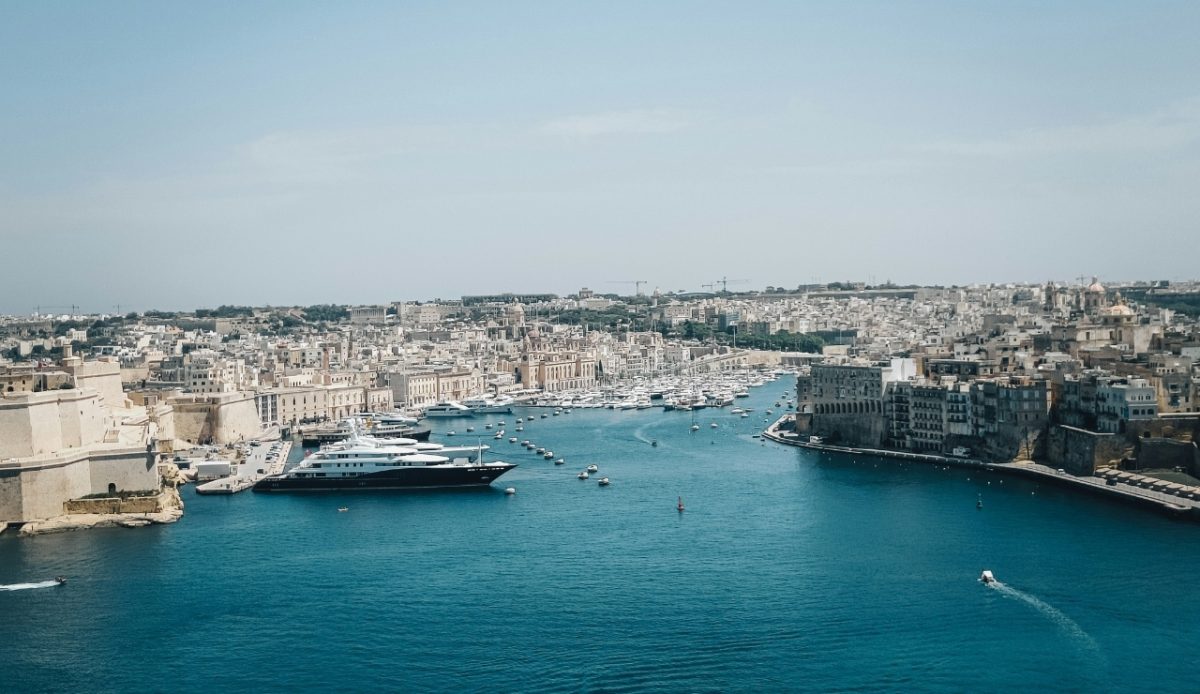
Valletta has lively pockets, yet the overall evening scene leans toward wine bars, cafés, and food rather than huge clubs. Many party-heavy areas in Malta are outside the capital, so late crowds concentrate elsewhere. Within the city, closing times are more predictable, and noise controls are watched closely near housing. After midnight, streets that were busy at dinner often thin out, leaving a calmer walk between historic buildings and waterfront views. Live music is often scheduled earlier in the night, which helps the city stay orderly later. Ferries and buses make returns easy, so visitors can enjoy an evening without a late taxi search.
9. Hallstatt, Austria
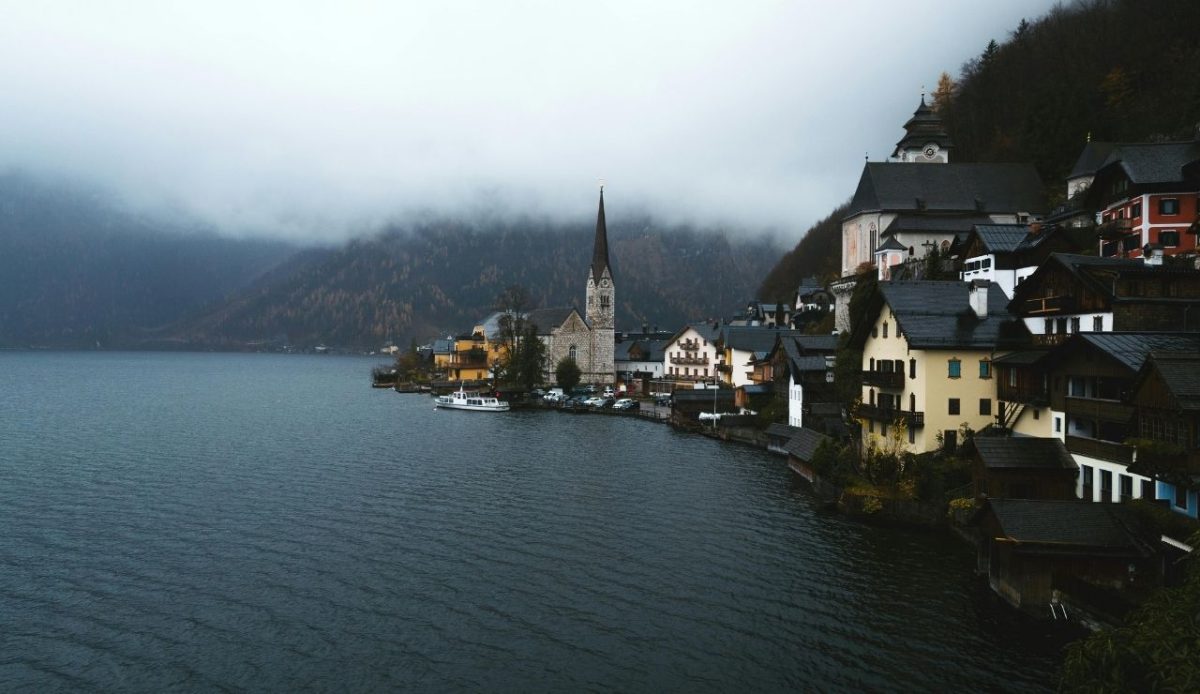
Hallstatt becomes very quiet once daytime tour groups depart and restaurants finish service. The village has limited venues, so nightlife is not a focus, and late entertainment options are rare. Many guests stay for the scenery and early morning lake light, which naturally supports earlier bedtimes. With residential rules and a small footprint, noise carries easily, so evenings stay subdued and streets can feel empty soon after dusk. Travelers who want social time usually choose a hotel lounge or a quiet drink with dinner. Because transport links are limited at night, most people remain close to their stay, which keeps movement low.
10. Rothenburg ob der Tauber, Germany
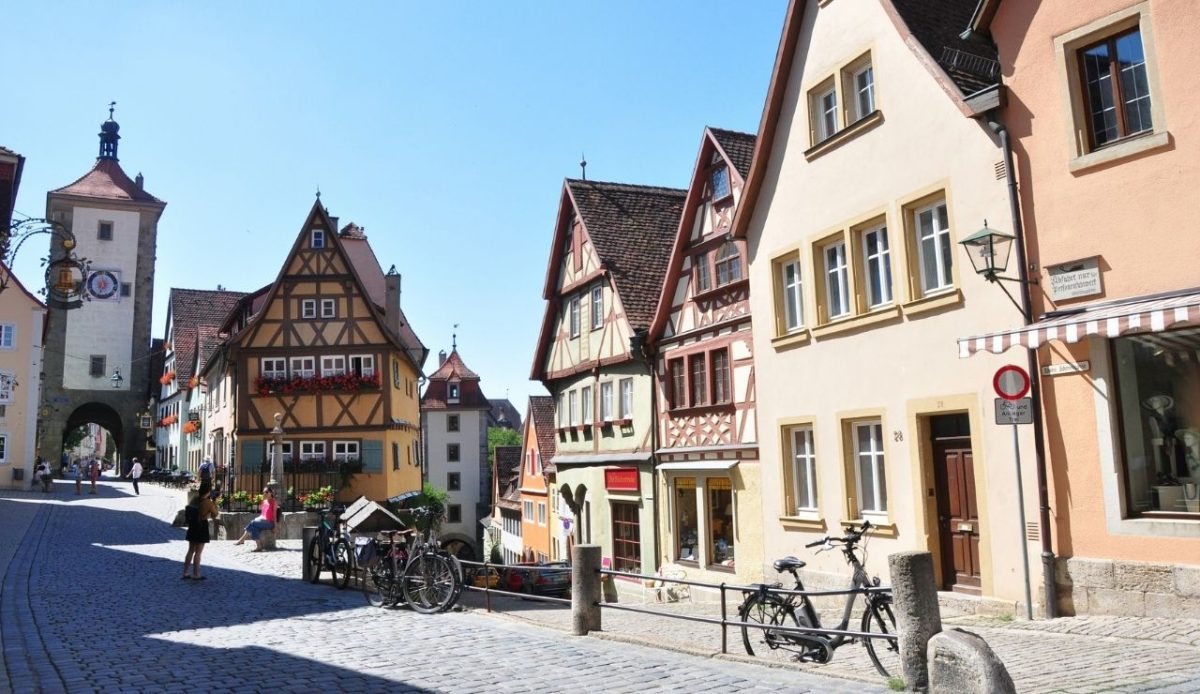
Rothenburg ob der Tauber is a classic day-trip town, and that pattern carries into its evenings. After the tour buses leave, the walled old town grows calm, with only a handful of pubs and restaurants staying open. There is no major club presence, and quiet hours are respected in the historic lanes near homes. Nighttime activity usually means a short drink or a guided walk, then an early close that leaves streets still and quiet. Overnight guests often appreciate how easy it is to sleep without outside noise. Because the center is compact, returning to a hotel is quick, and late traffic is minimal even on weekends.
