
Travel risk is rarely about an entire country. It is often tied to specific neighborhoods, political moments, housing pressure, or migration crackdowns. This article keeps the same ten locations from the most recent list and explains what has been documented there from 2023 to 2025, who tends to be targeted, and what patterns visitors should recognize. Foreign residents and asylum seekers are usually at higher risk than short-term tourists, but tensions can spill into public spaces. Practical steps include checking local advisories, staying away from rallies, and using trusted transport after dark in tense districts.
1. Ballymena, Northern Ireland
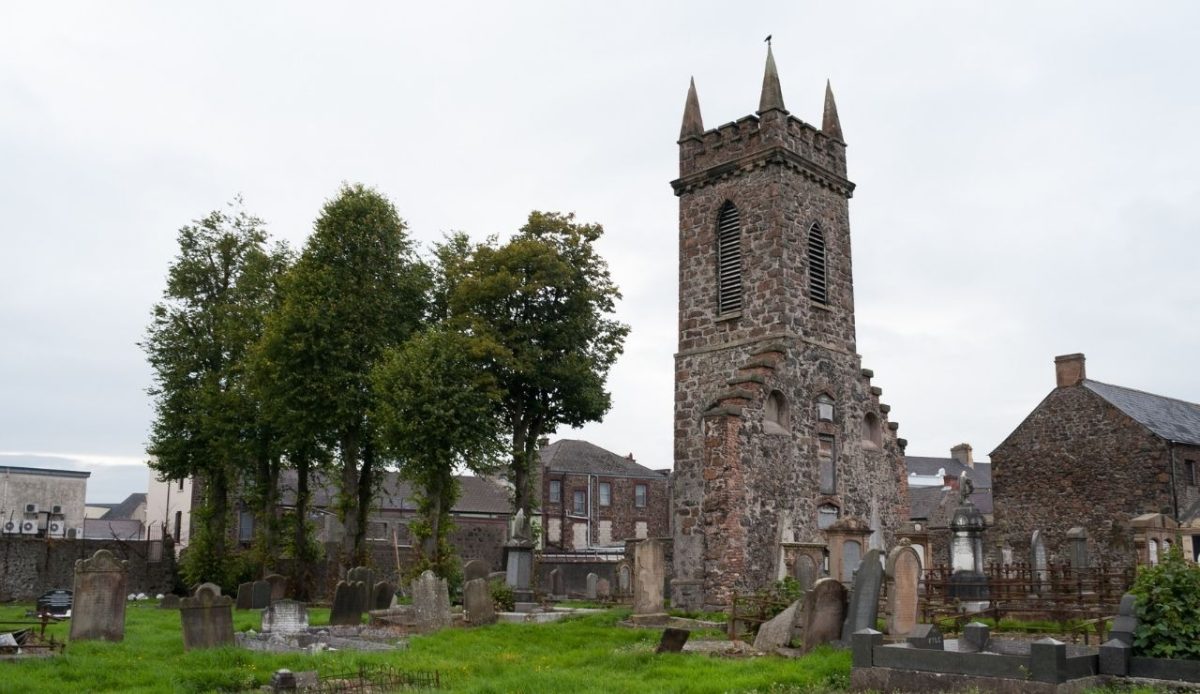
Ballymena became a symbol of how fast rumors and local grievance can turn into anti migrant violence. In June 2025, disorder and intimidation were reported, with immigrant families, including Roma, described as targets for threats and property damage. The hostility was tied to a specific surge of mobilization, not daily life everywhere in town. Visitors should treat evenings near gathering points as higher risk, follow police guidance, and avoid filming crowds, since attention can escalate confrontations. If staying overnight, choose lodging with secure entry and a staffed reception. Daytime movement was generally calmer.
2. Moygashel, Northern Ireland
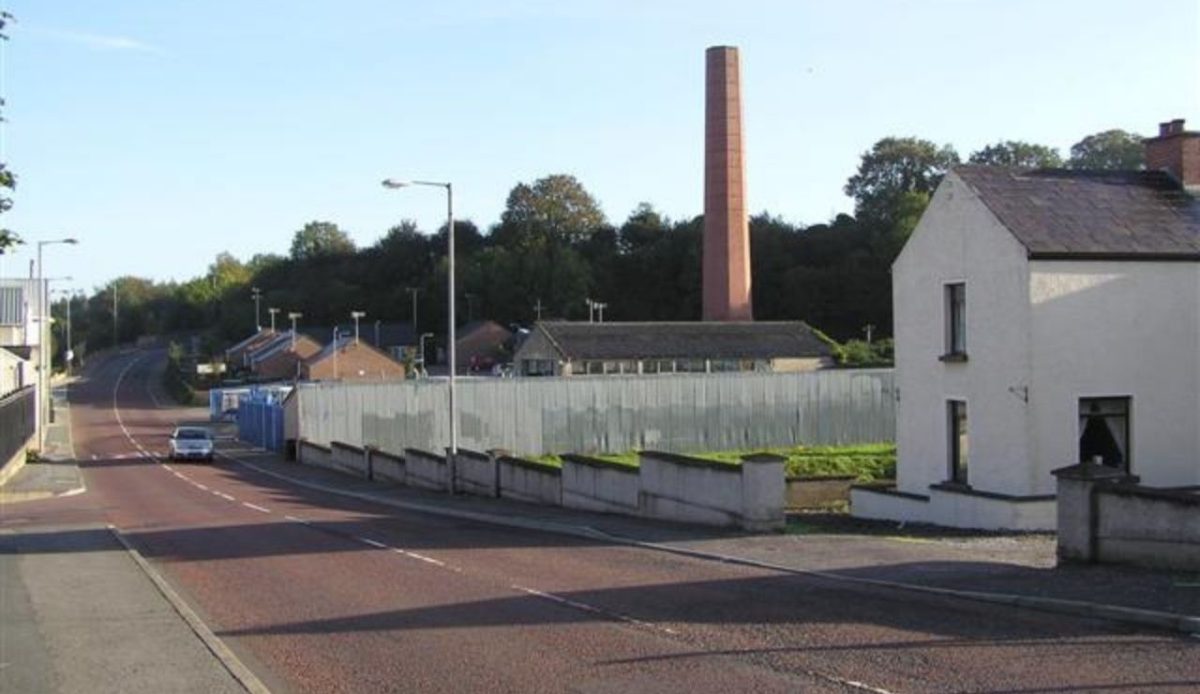
Moygashel drew attention in July 2025 when an annual bonfire display featured anti-refugee messaging and imagery that was treated as a hate incident. The episode matters because it signals how cultural events can be used to broadcast exclusion. Foreigners are unlikely to be singled out on normal days, yet tension can be concentrated around parades, bonfires, and the routes that lead to them. Travelers should avoid these events if they do not have trusted local hosts, and should plan alternate roads in case closures and crowds build quickly. Photos that show faces may be taken as provocation. Keep plans flexible.
3. Dublin, Ireland
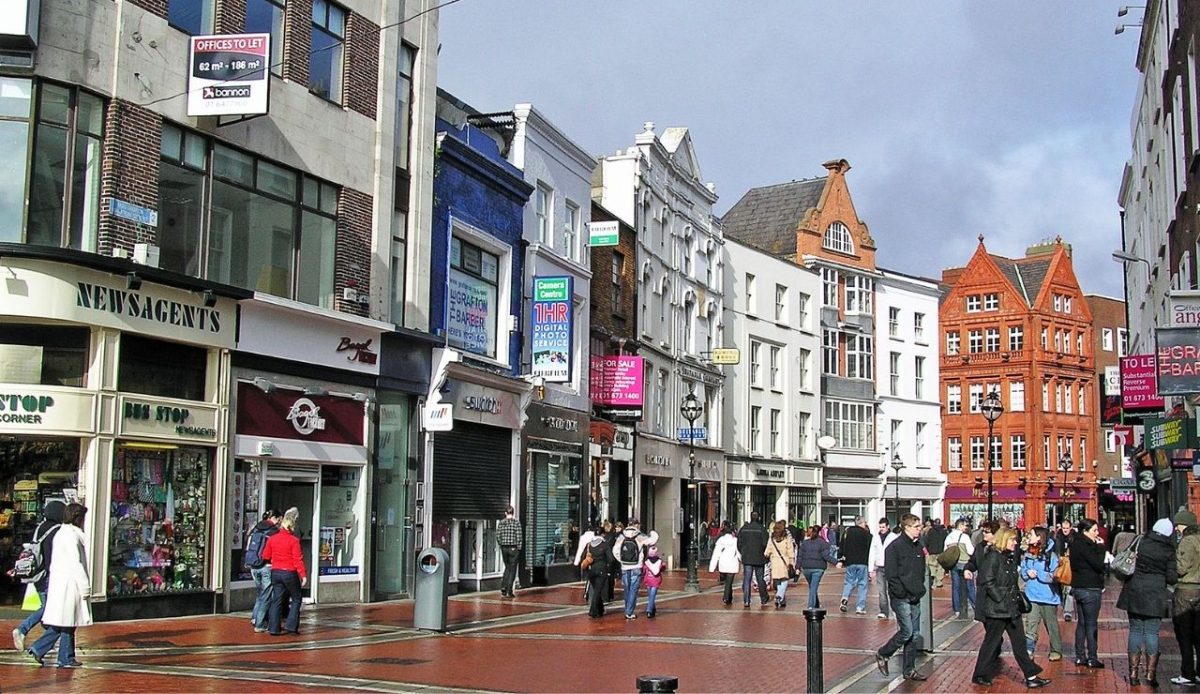
Dublin has seen repeated flashpoints near sites used to house asylum seekers, where protests and counter-protests have sometimes turned into unrest. Foreign workers and students usually move through the city without incident, but confrontations can cluster around specific hotels, shelters, or civic squares when marches are announced. Risk rises when misinformation spreads online, and large groups arrive at night. Public transit may be disrupted, and policing can shift fast. Travelers should check local news each day, reroute around demonstration corridors, and keep identification secure. Small groups were arrested in some episodes.
4. Johannesburg, South Africa
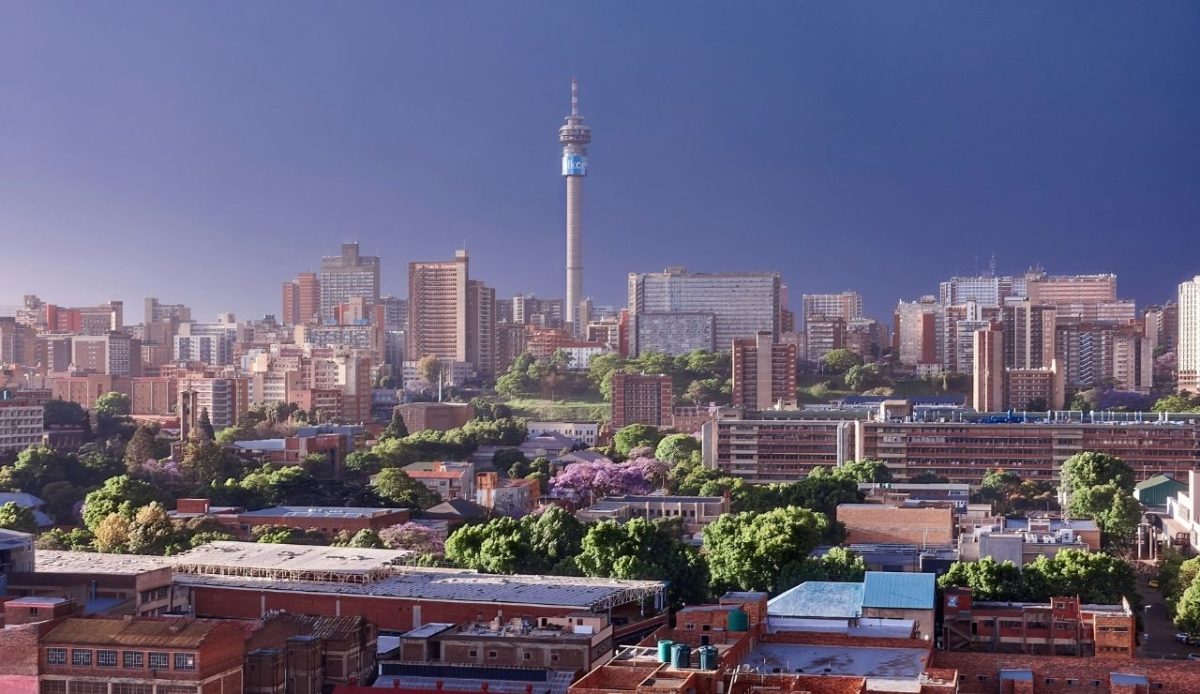
Johannesburg represents a longer-running pattern in South Africa where foreign nationals have been blamed during economic strain and local politics. Xenophobic campaigns and sporadic attacks have been documented over many years, often aimed at African migrants, Somali shopkeepers, and other visible communities. The threat level varies block by block, with markets, taxi ranks, and informal trading areas sometimes becoming pressure points. Tourists are not the main targets, yet being perceived as an outsider can draw attention. Use reputable operators, avoid rumor-driven gatherings, and keep cash exposure low.
5. Berlin, Germany
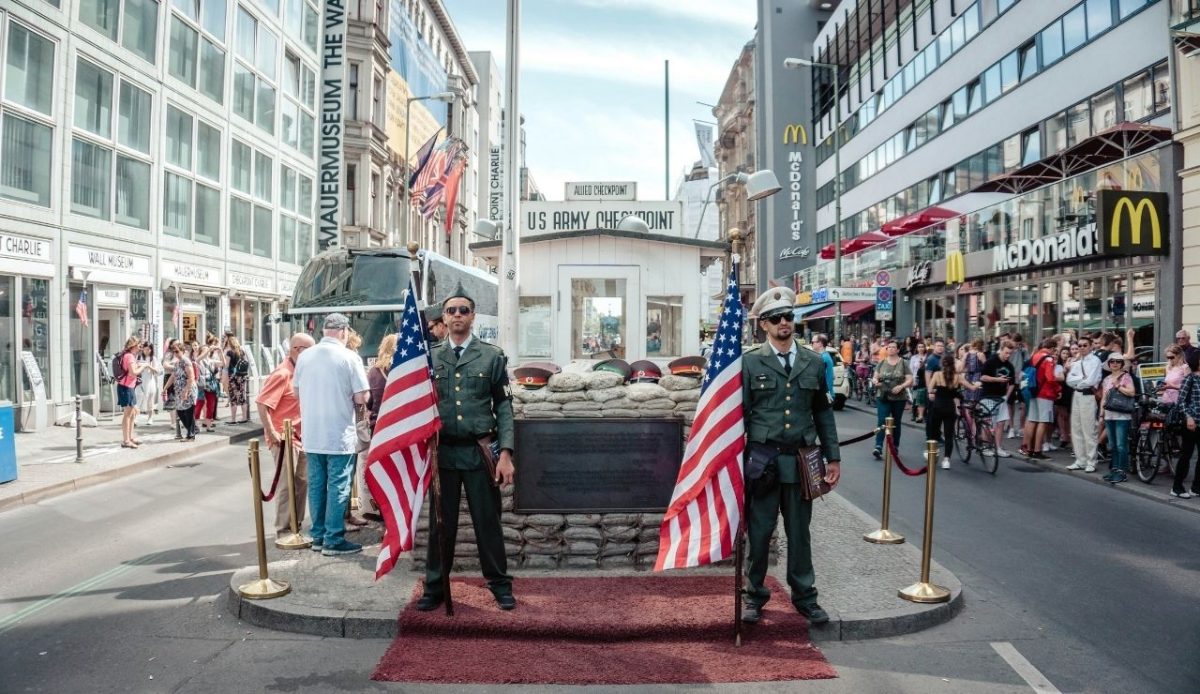
Berlin is not defined by hostility to foreigners, but recent reporting has tracked assaults and arson attacks directed at refugees and asylum housing. These incidents tend to be linked to extremist networks and spikes in political agitation rather than everyday interactions in central districts. Visitors are most likely to encounter tension near protest sites or in areas where far-right groups stage demonstrations. If you plan to visit solidarity events or migrant cultural centers, go with locals and leave early. Emergency response can be quick, yet bystanders may be unsettled, and police zones may be set up with little notice.
6. Sfax And Southern Tunisia, Tunisia
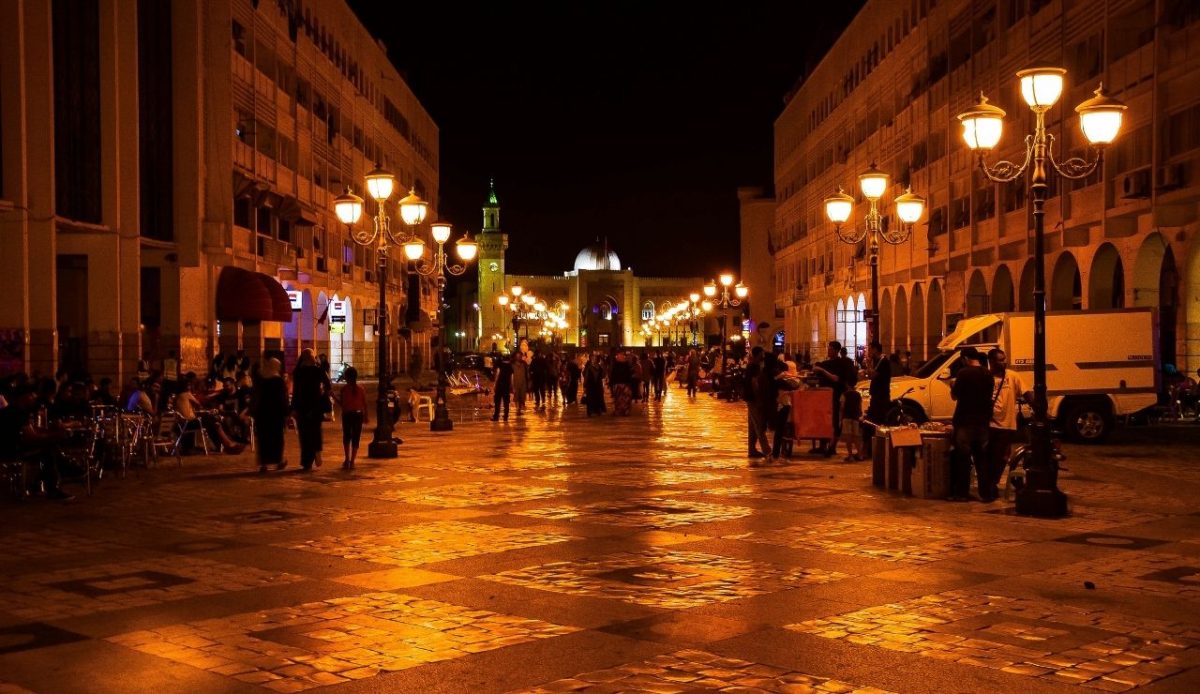
Sfax and nearby towns in southern Tunisia became focal points after an escalation of violence and expulsions affecting sub-Saharan African migrants. Reports described raids, forced removals, and attacks tied to national rhetoric and tighter border enforcement. Foreign tourists are not the usual targets, but anyone who resembles the affected communities can face profiling, questioning, or harassment. Travel should be planned with reputable guides, especially outside city centers. Avoid areas where migrant camps or police operations are active, and do not document security activity, since phones can be seized and tempers can rise.
7. Tripoli And Zawiya, Libya
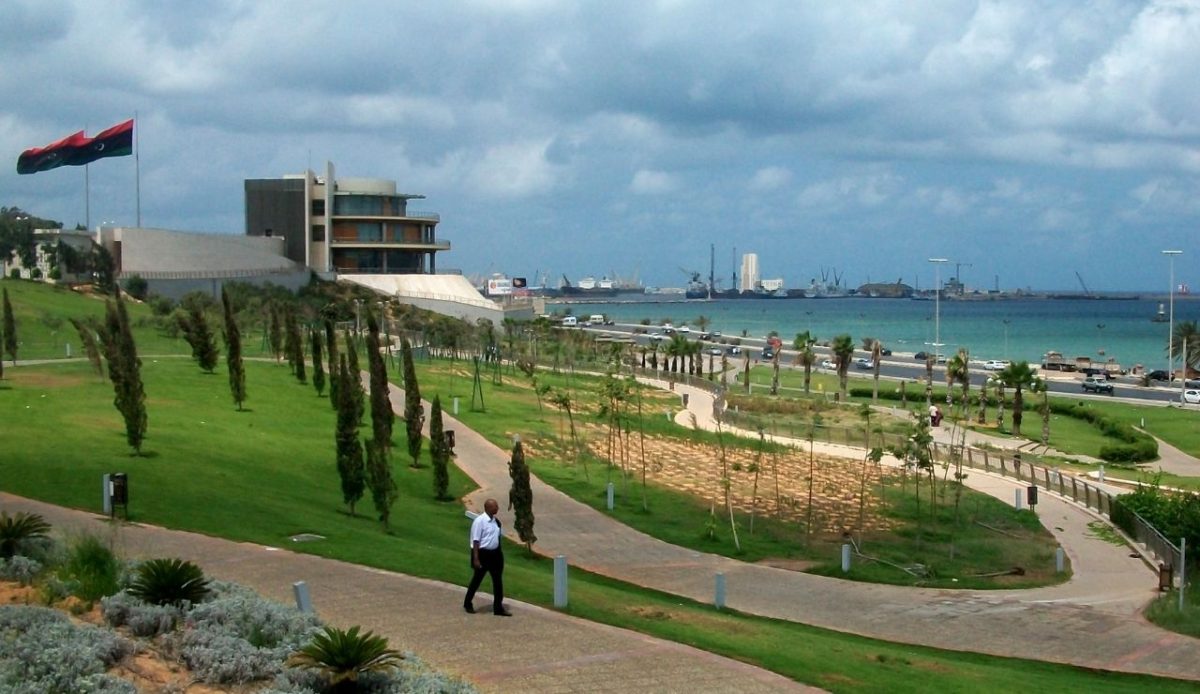
Tripoli and coastal hubs such as Zawiya have been cited in rights reporting for serious abuse of migrants, including violence, detention, mistreatment, and hate speech. Risk is shaped by armed groups, smuggling routes, and limited oversight, so conditions can shift without warning. Many governments advise against travel, yet business staff and aid workers still transit. Use vetted security drivers, keep routes controlled, and schedule frequent check-ins. Street photography can attract scrutiny, and foreigners may be assumed to be journalists. If unrest starts, movement may be restricted, and official help may be limited.
8. Mexico City, Mexico
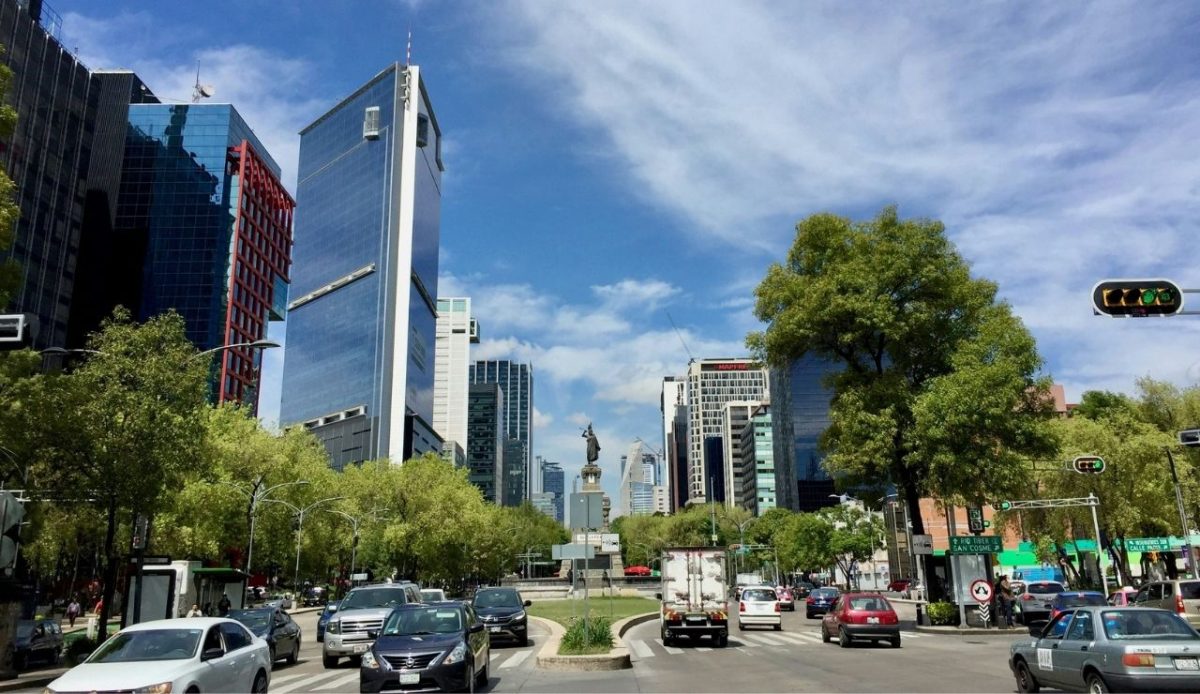
Mexico City has seen recent protests that blamed foreigners for gentrification, short-term rentals, and rising rents in trendy neighborhoods. The anger has been aimed most clearly at North American remote workers and new arrivals who are perceived as pricing locals out. Most visits remain routine, but tensions can flare around marches, graffiti campaigns, and confrontations near restaurants or apartment blocks in affected zones. If you are staying in Roma, Condesa, or similar areas, avoid arguing with protesters and do not photograph individuals. Choose hotels with clear security policies, and use ride-hail services when crowds form at night.
9. Barcelona And Palma De Mallorca, Spain
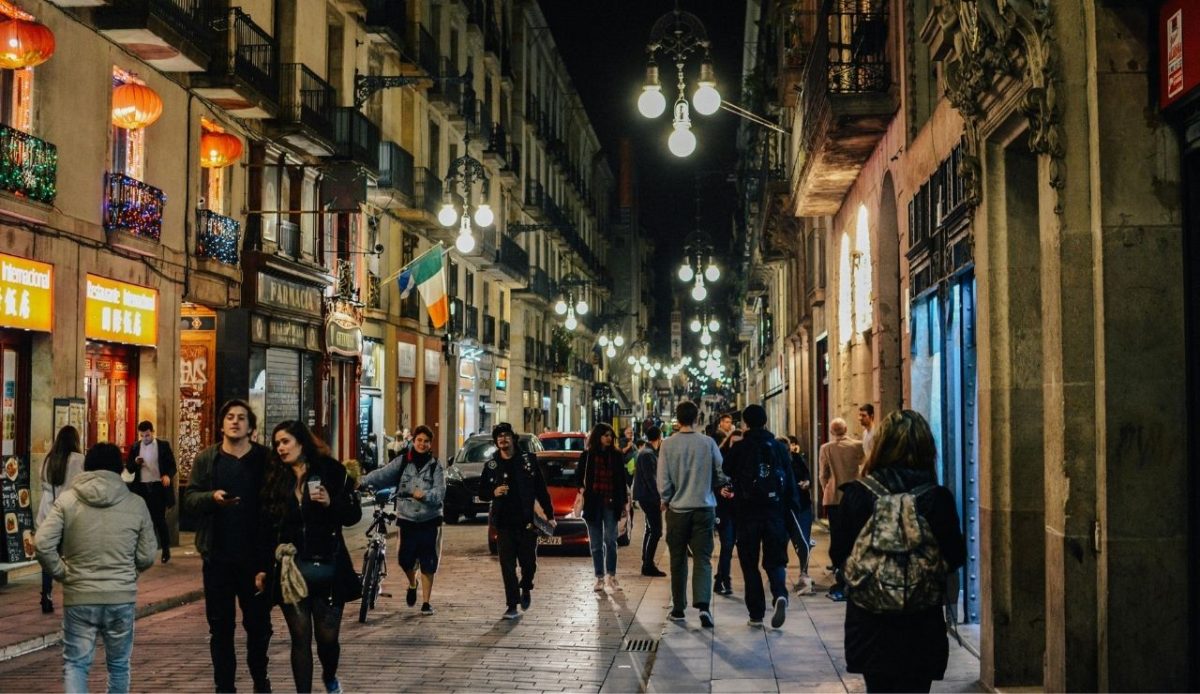
Barcelona and Palma de Mallorca have hosted large protests against mass tourism, with messaging that sometimes turns hostile toward visitors. Demonstrations have highlighted housing shortages, low wages, and crowded services, and actions such as blocking streets have been reported. Most hostility is directed at systems, yet tourists can be confronted in busy corridors, especially near landmarks and nightlife strips. Travelers should monitor protest calendars, avoid the densest routes during peak hours, and pick lodging outside pressured districts. Polite de-escalation helps, as an argument can be perceived as a disrespect for local customs.
10. Kyoto Gion, Japan
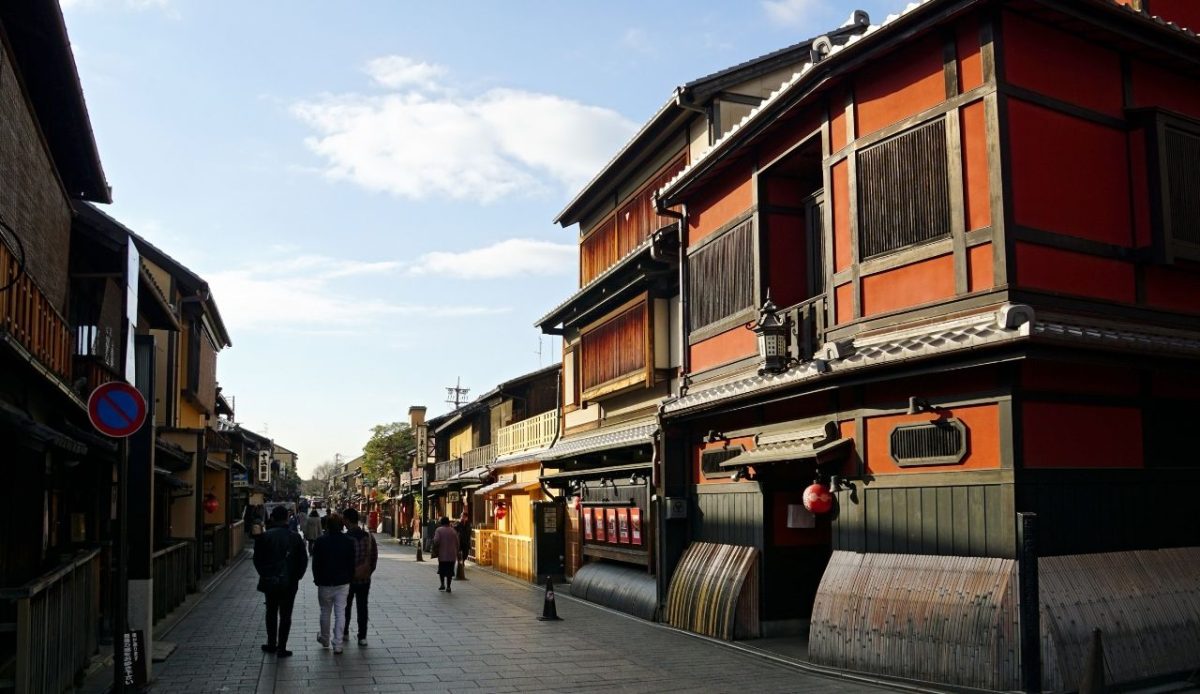
Kyoto, particularly the Gion area, has tightened rules after residents and performers reported harassment, aggressive photography, and overcrowding. The pushback is aimed at visitor behavior rather than nationality, yet foreigners are often the visible face of the problem and may receive sharper reactions. Some alleys have been restricted, and fines and enforcement have been discussed as tools to protect daily life. If you visit, follow the posted signs, keep a distance from maiko and geiko, and avoid blocking lanes. A respectful approach reduces friction, whereas a single rude moment can be shared online and trigger broader resentment toward outsiders.
