
For travelers who plan trips around sunshine rather than umbrellas, annual rainfall matters more than almost any other climate factor. Some countries receive remarkably little rain year-round, offering clear skies, dry air, and predictable travel conditions. These destinations appeal to beach lovers, desert explorers, city sightseers, and anyone hoping to avoid weather disruptions. Low rainfall doesn’t mean zero humidity or mild temperatures, but it often means longer outdoor days. From desert nations to island climates shaped by trade winds, these nine countries rank among the driest on Earth for reliable sunshine.
1. Egypt
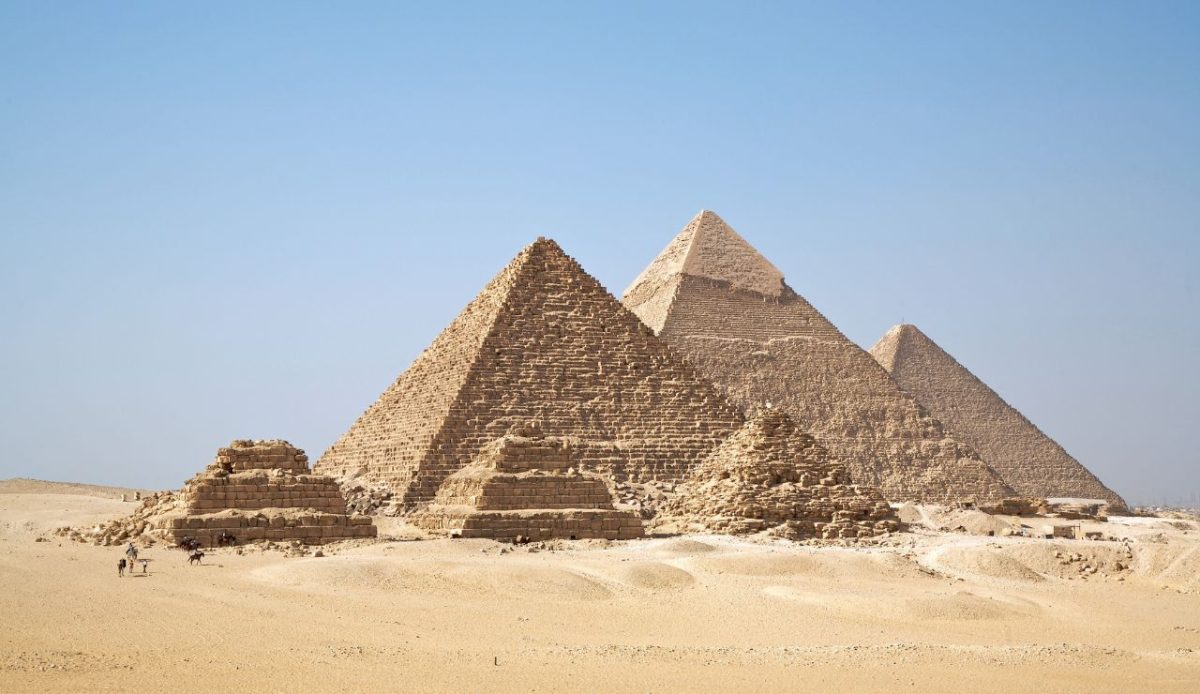
Egypt consistently ranks among the driest countries in the world, with vast desert regions receiving little to no rainfall annually. Cities like Cairo and Luxor may go months without measurable rain, while southern areas experience near-permanent dry conditions. This predictability makes Egypt ideal for sightseeing-heavy travel, especially when exploring ancient temples, tombs, and open-air archaeological sites. Coastal destinations along the Red Sea, such as Hurghada and Sharm El Sheikh, combine dry weather with sea breezes. Travelers can confidently plan outdoor excursions year-round, knowing rain delays are extremely rare.
2. Saudi Arabia
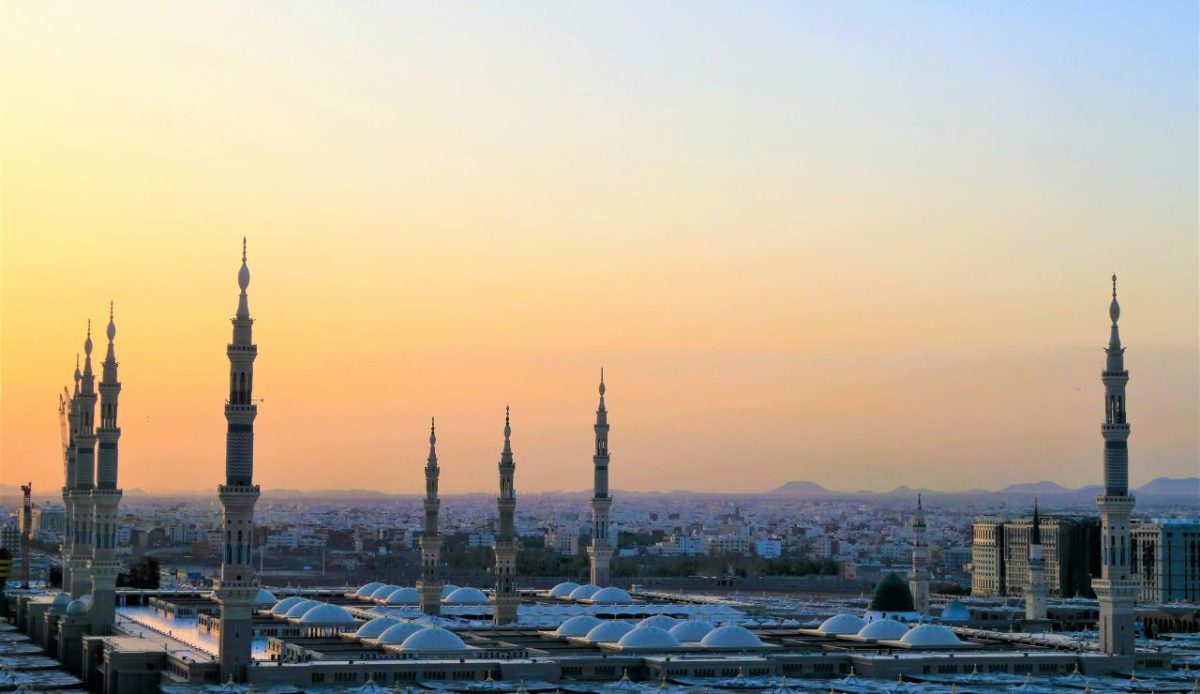
Saudi Arabia’s climate is dominated by arid deserts that receive minimal rainfall throughout the year. Many regions average fewer than a dozen rainy days annually, creating reliable sunshine. Cities such as Riyadh and Jeddah experience brief, infrequent showers, usually limited to short seasonal windows. For travelers, this means predictable conditions for cultural tourism and coastal visits along the Red Sea. While summer temperatures can be intense, the dry climate ensures minimal disruption. Saudi Arabia’s low rainfall supports year-round planning for travelers prioritizing clear skies and uninterrupted outdoor experiences.
3. United Arab Emirates
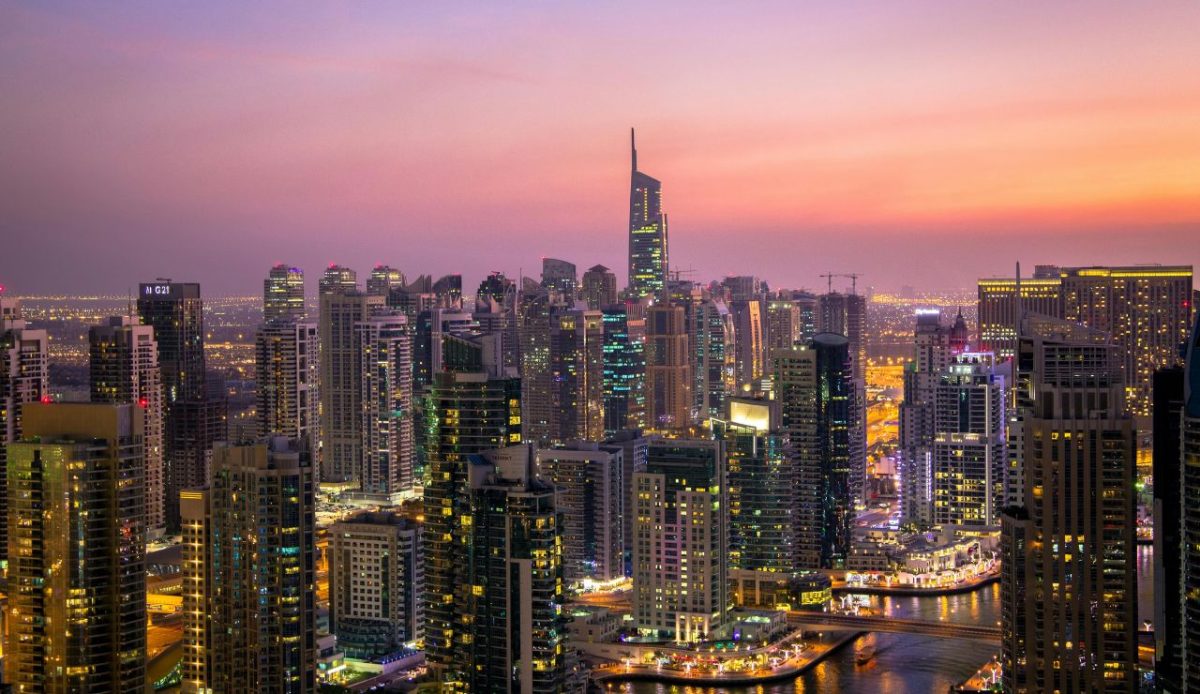
The United Arab Emirates is known for its dry, sunny climate, with annual rainfall typically measured in just a few inches. Rainfall events are sporadic and often limited to brief winter showers. Cities like Dubai and Abu Dhabi benefit from long stretches of blue skies, making them popular for sun-focused travel. Outdoor attractions, desert safaris, and beachfront resorts operate with minimal weather interruptions. While humidity can rise in summer, rainfall remains rare. For travelers seeking reliable sunshine combined with modern infrastructure and luxury experiences, the UAE offers one of the most weather-stable travel environments.
4. Qatar

Qatar’s desert climate results in extremely low annual rainfall, often concentrated into a few short periods during the winter months. For most of the year, skies remain clear and dry, supporting outdoor sightseeing and coastal activities. Doha’s modern cityscape, museums, and waterfront promenades benefit from this predictability, allowing travelers to plan confidently. Rainfall is so limited that many visitors never experience it during their stay. While summer heat requires planning, the lack of rain ensures uninterrupted schedules. Qatar’s dry climate appeals to travelers who value sunshine and dependable weather.
5. Namibia

Namibia is one of the driest countries in sub-Saharan Africa, defined by the Namib Desert and wide open landscapes. Large portions of the country receive minimal rainfall, creating stable travel conditions for wildlife viewing and scenic exploration. The dry climate supports clear skies and excellent visibility, especially in regions like Sossusvlei and the Skeleton Coast. Rainfall, when it occurs, is usually short and localized. For travelers interested in safaris, desert photography, and remote landscapes, Namibia’s low rainfall offers dependable conditions that make planning easier year-round.
6. Jordan
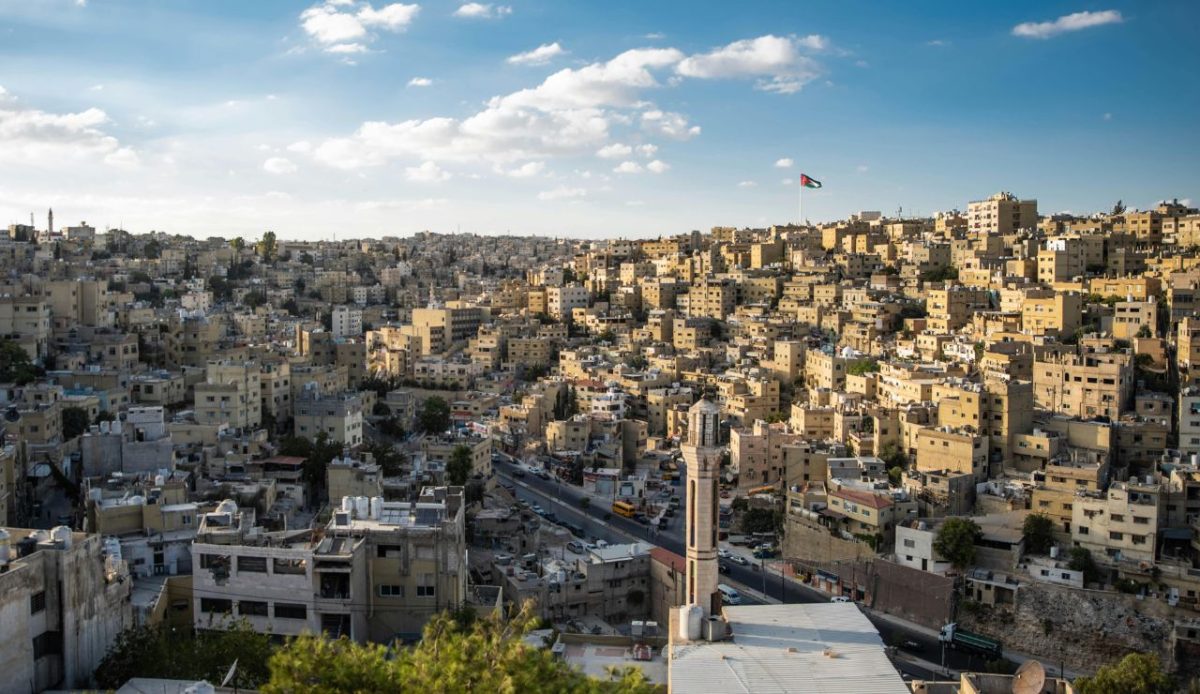
Jordan’s arid climate keeps rainfall low across much of the country, particularly in desert regions like Wadi Rum. Even in cities such as Amman and Petra, rain is limited and seasonal, mostly appearing in winter months. This makes Jordan especially appealing for travelers exploring outdoor historical sites, where clear weather enhances accessibility and visibility. The dry climate also benefits visitors to the Dead Sea, where sunny conditions dominate most of the year. Jordan’s low rainfall allows travelers to plan archaeological tours, hikes, and desert excursions with minimal concern for weather disruptions.
7. Chile
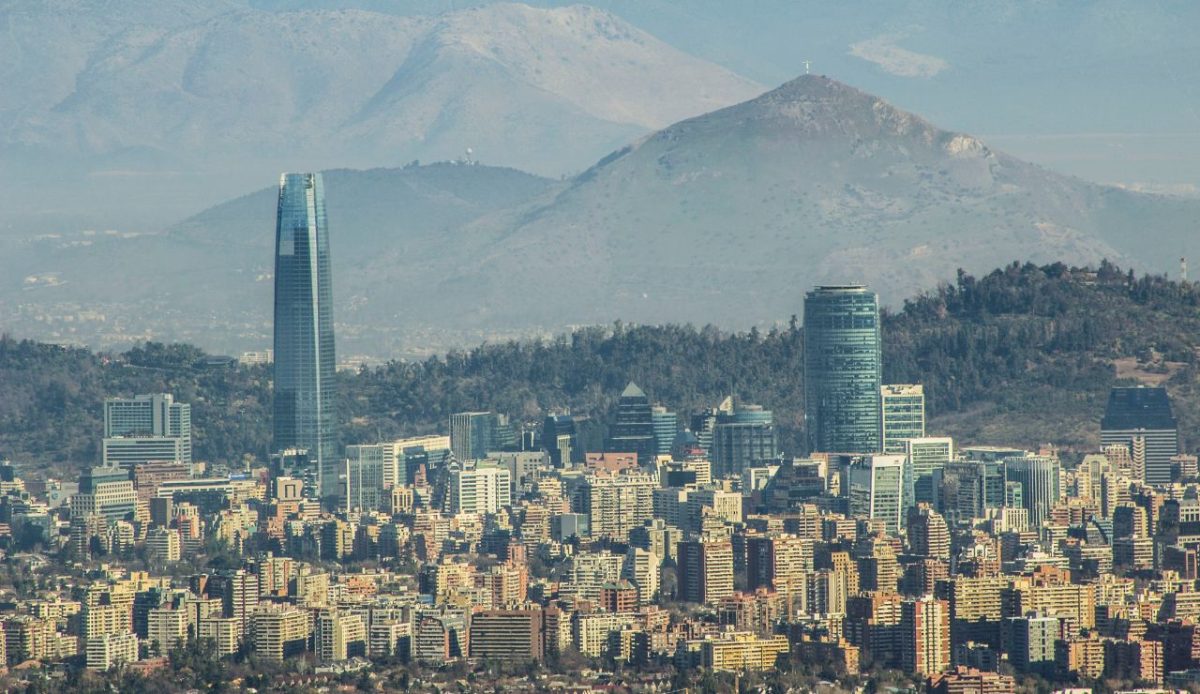
Northern Chile is home to the Atacama Desert, one of the driest places on Earth, where rainfall can be virtually nonexistent for years. While southern Chile experiences wetter conditions, much of the country’s popular desert and highland travel regions remain extremely dry. Destinations like San Pedro de Atacama offer clear skies ideal for stargazing, hiking, and landscape photography. The lack of rain ensures stable travel conditions and uninterrupted outdoor activities. Travelers seeking dramatic scenery under consistently sunny skies often find Chile’s northern regions uniquely reliable for weather-dependent adventures.
8. Morocco
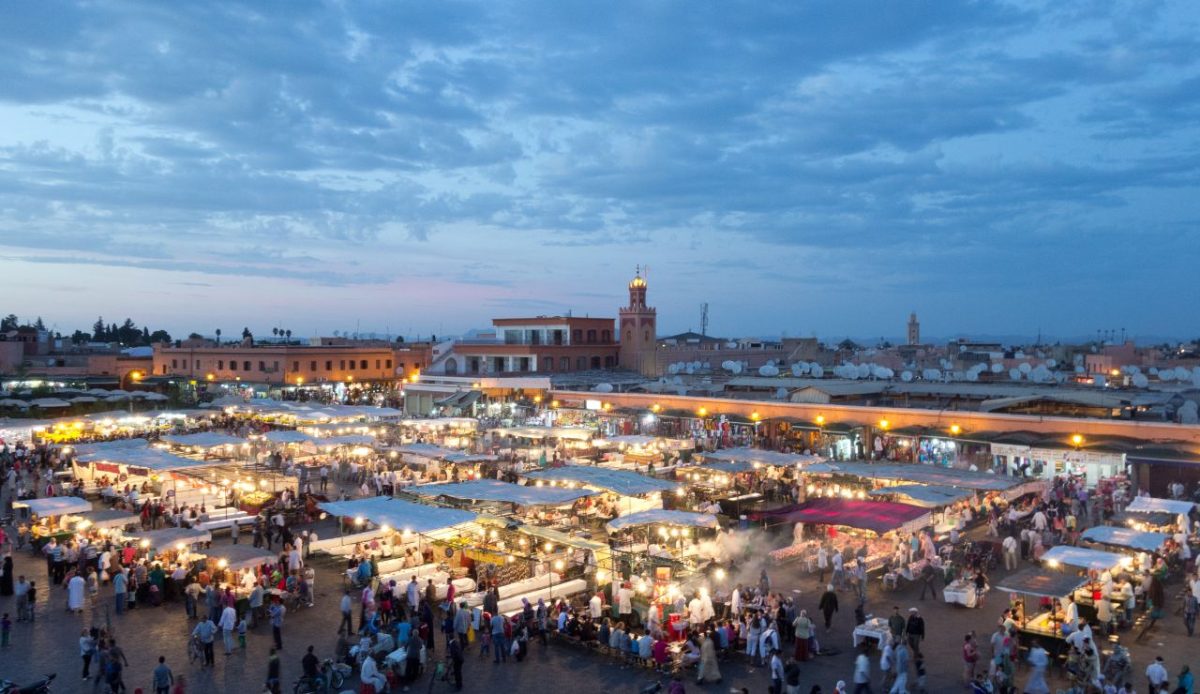
Morocco’s climate varies by region, but much of the country, particularly inland and desert areas, receives low annual rainfall. Cities like Marrakech and Fez experience long dry seasons, making them attractive for sightseeing and cultural exploration. The Sahara region offers near-constant sunshine, ideal for desert tours and overnight camps. Coastal areas see slightly more moisture but remain relatively dry compared to many European destinations. For travelers seeking warm temperatures, vibrant cities, and dependable weather, Morocco’s low rainfall contributes to a travel experience with fewer weather-related interruptions.
9. Peru
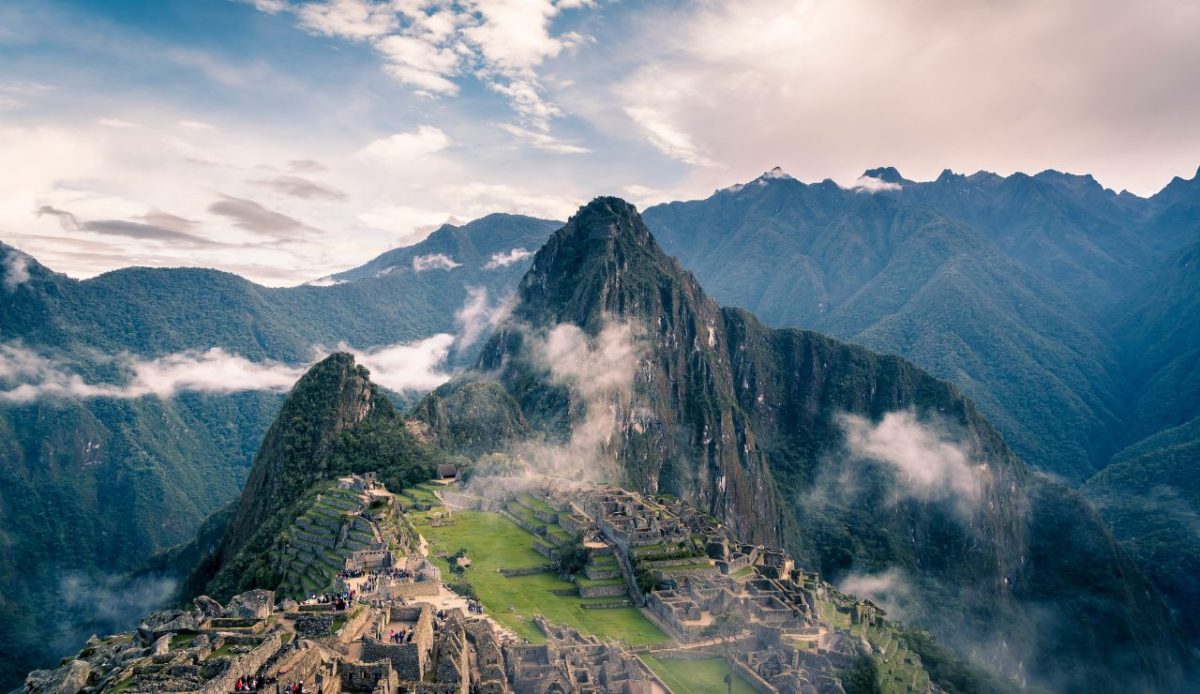
While parts of Peru experience seasonal rain, the country’s coastal region remains remarkably dry throughout the year. Cities like Lima receive minimal rainfall, often marked by overcast skies rather than rain. This creates stable conditions for urban exploration, culinary travel, and coastal sightseeing. Even in desert regions further south, rainfall is rare. Travelers visiting Peru’s coast can plan confidently without worrying about storms disrupting itineraries. Combined with cultural depth and coastal scenery, Peru’s low-rainfall zones offer dependable travel conditions for visitors seeking consistency.
