
Luxembourg’s small towns can feel like story settings because medieval street plans, river valleys, and castle walls still guide daily movement. Many centers stayed compact, so a visitor can walk from a bridge to a church square, then climb toward a ruin or lookout in minutes. Northern valleys in the Ardennes and rock country near the Mullerthal keep skylines tight and views dramatic even on ordinary days. The picks below were chosen for specific features you can see on arrival, such as restored castles, abbey landmarks, and riverside cores, not for vague charm claims or simple popularity. Each stop works well on foot.
1. Vianden
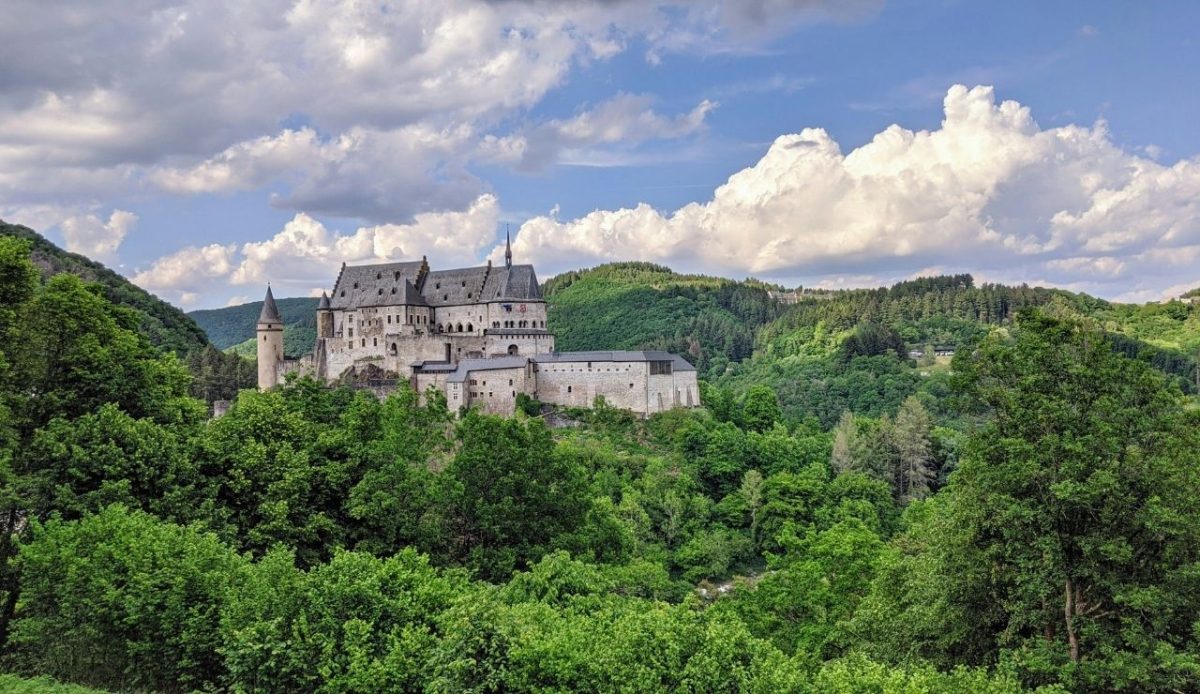
Vianden lines the Our River under a castle that dominates the ridge and frames nearly every photo. Inside town, steep lanes connect the waterfront to small squares, stone homes, and viewpoints that reveal the fortress above the roofs. The castle shows Romanesque and Gothic work and was extensively restored, yet the streets below stay active with cafés, bakeries, and local shops. Victor Hugo spent time here, and his former house adds context without changing the quiet pace. Crossing the bridge gives a postcard angle, while the riverside path and chairlift provide fresh perspectives in the same compact valley.
2. Clervaux
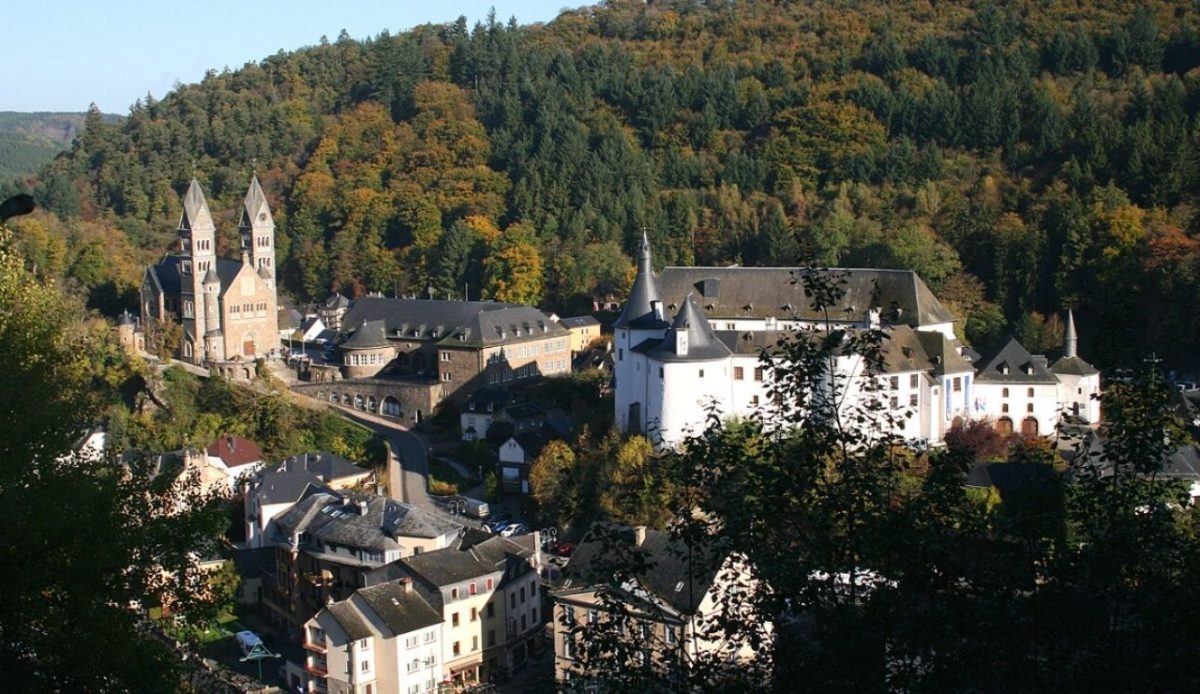
Clervaux occupies a narrow Ardennes valley where forested slopes tighten the view and make the center feel close-knit. A castle rises above the rooftops, and the short climb to its terraces delivers a fairy tale silhouette over the town. The castle also houses the UNESCO-listed photography exhibition The Family of Man, adding a cultural reason to go beyond the viewpoint. On the streets below, a compact loop passes cafés, small stores, and bridges where the valley walls frame every turn. The abbey on the hillside anchors the skyline, so evening walks near the river feel theatrical without any effort.
3. Echternach
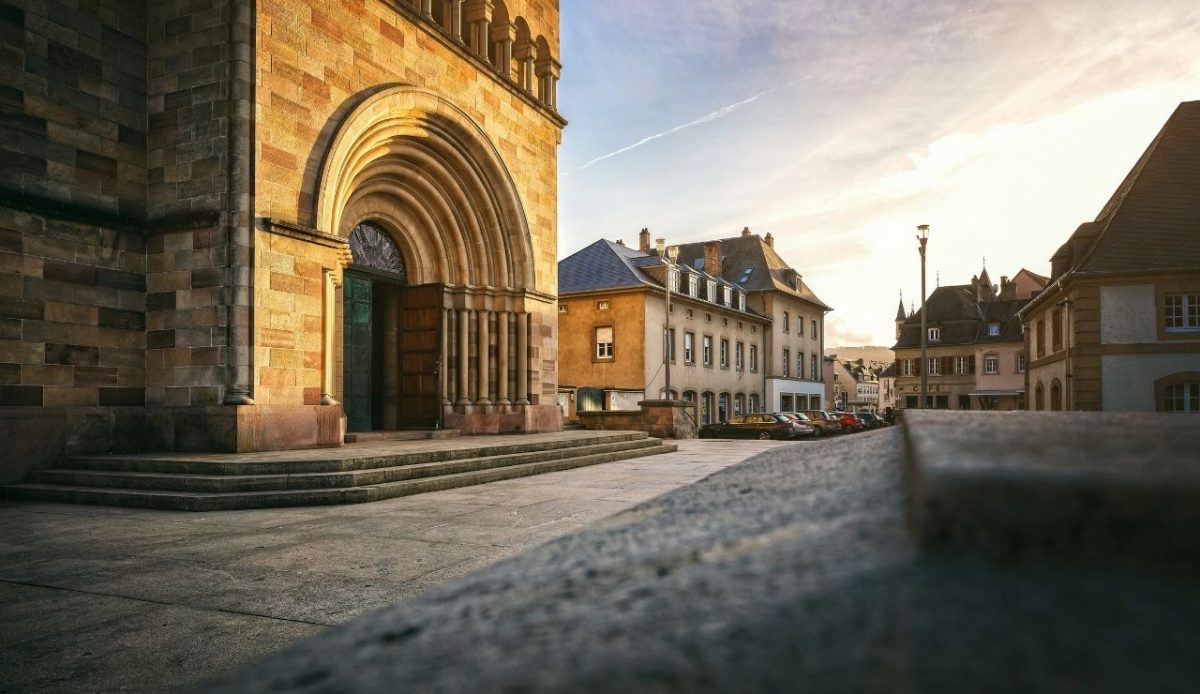
Echternach is Luxembourg’s oldest town, and its center still circles the abbey precinct that drew pilgrims for centuries. The Basilica of Saint Willibrord and the market area create a calm historic core where cafés and shops operate beside religious landmarks. Each spring, the Dancing Procession moves through town and is recognized by UNESCO as Intangible Cultural Heritage, keeping tradition in view. Fragments of walls and gates hint at earlier defenses, while the lake park offers open space next to the old streets. From town edges, Mullerthal hikes begin fast, so a day can mix basilica steps with rocky woodland scenery.
4. Esch-sur-Sûre
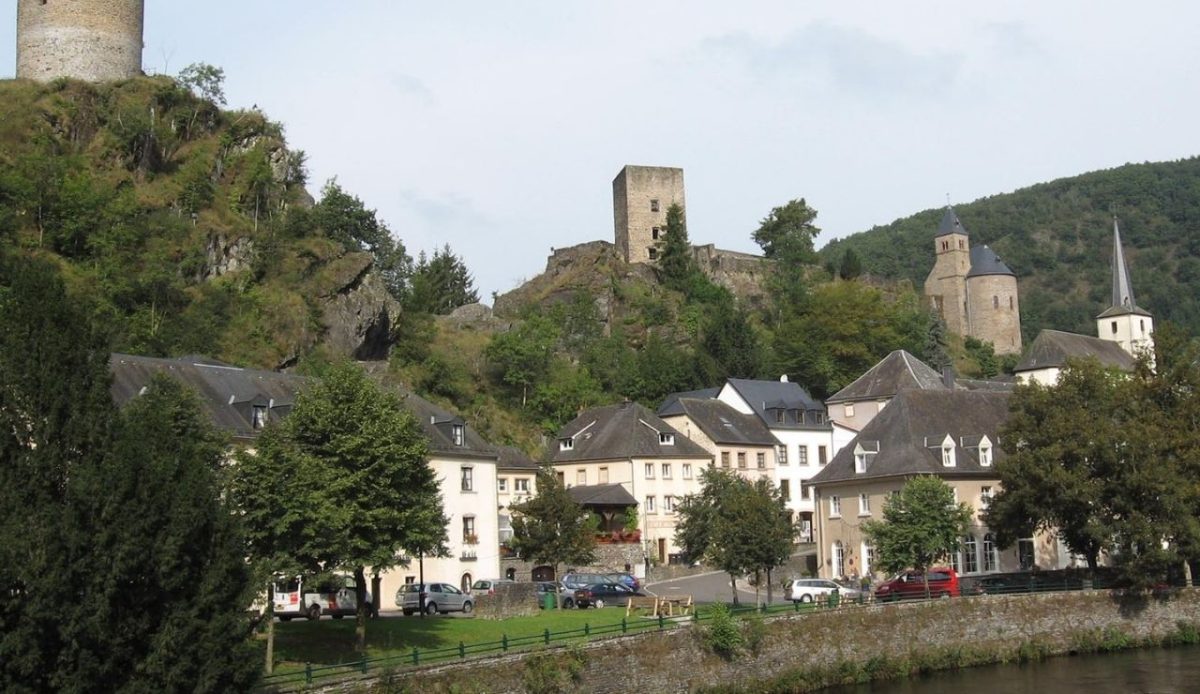
Esch-sur-Sûre bends around a tight curve of the Sûre River, with castle ruins perched high on a rocky spur above the water. The village is small enough that the main lanes and riverbank paths can be covered before lunch, yet the scenery keeps changing with each bend. Stone houses follow the slope, and small bridges connect viewpoints where the ruin walls appear to hover over rooftops. The surrounding Upper Sûre Nature Park adds wooded trails and quiet coves, so the medieval look is paired with real outdoor time. After dark, soft lighting along the waterline turns the reflection into a simple storybook scene without crowds.
5. Larochette
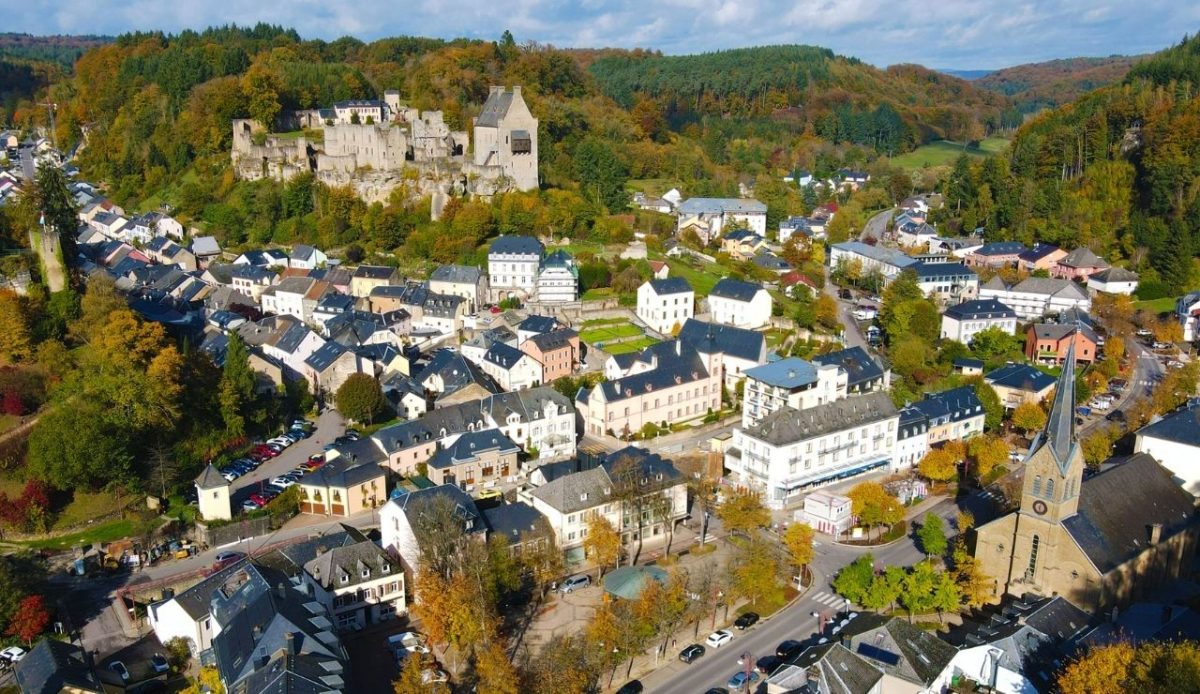
Larochette lies in a narrow valley where castle ruins rise above the old center and keep the medieval outline easy to read. A short walk from the village square leads uphill to the ruins, passing stone houses and lanes that curve with the terrain. Below the walls, the historic core remains compact, with cafés and basic services clustered close together, so the town feels intimate on foot. The area links well to Mullerthal routes, adding quick hikes through sandstone boulders and shaded streams. From several small lookouts, the ruins, roofs, and forest line up in a way that resembles an illustrated set piece.
6. Beaufort
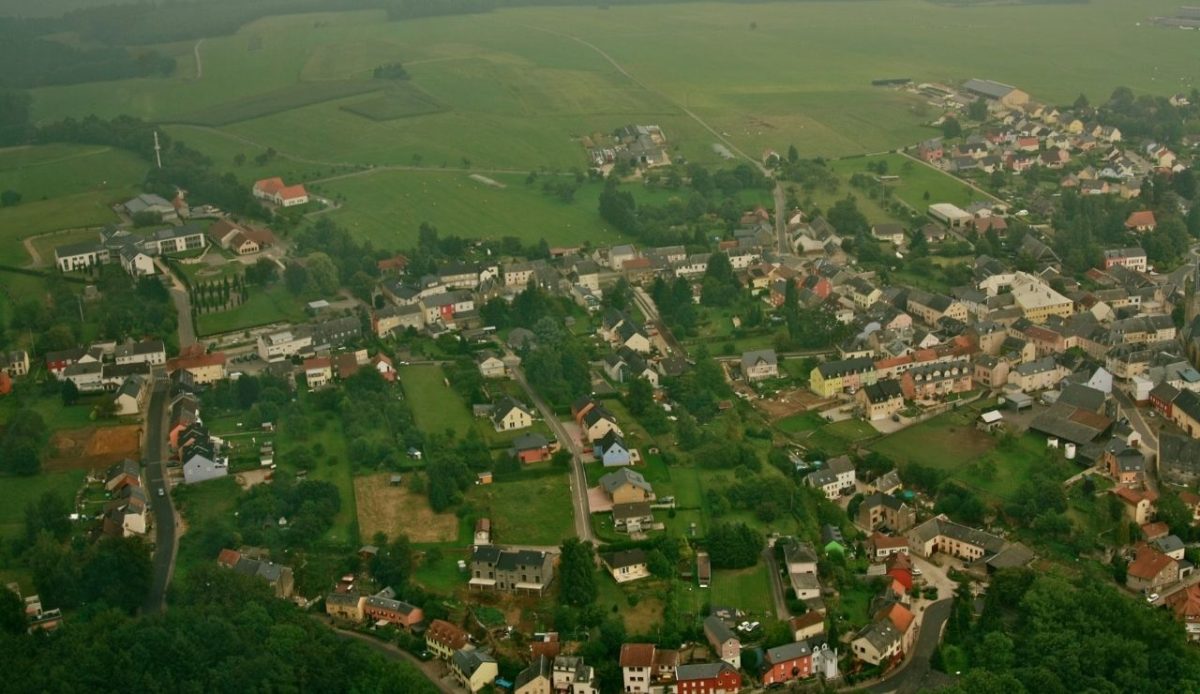
Beaufort draws visitors with two castle sites that show different eras, a medieval ruin with moats, and a Renaissance residence nearby. The village is quiet and walkable, so the castle stop can be paired with woods and small valleys in the same afternoon. Inside the ruin, towers, arches, and courtyards create a ready fairy tale setting, especially when damp weather deepens the stone color. Guided tours explain how defenses and living rooms worked, adding detail beyond the view from the walls. Marked trails reach Mullerthal rock scenery and stream crossings, giving the town a scenic frame that feels natural rather than staged.
7. Bourscheid
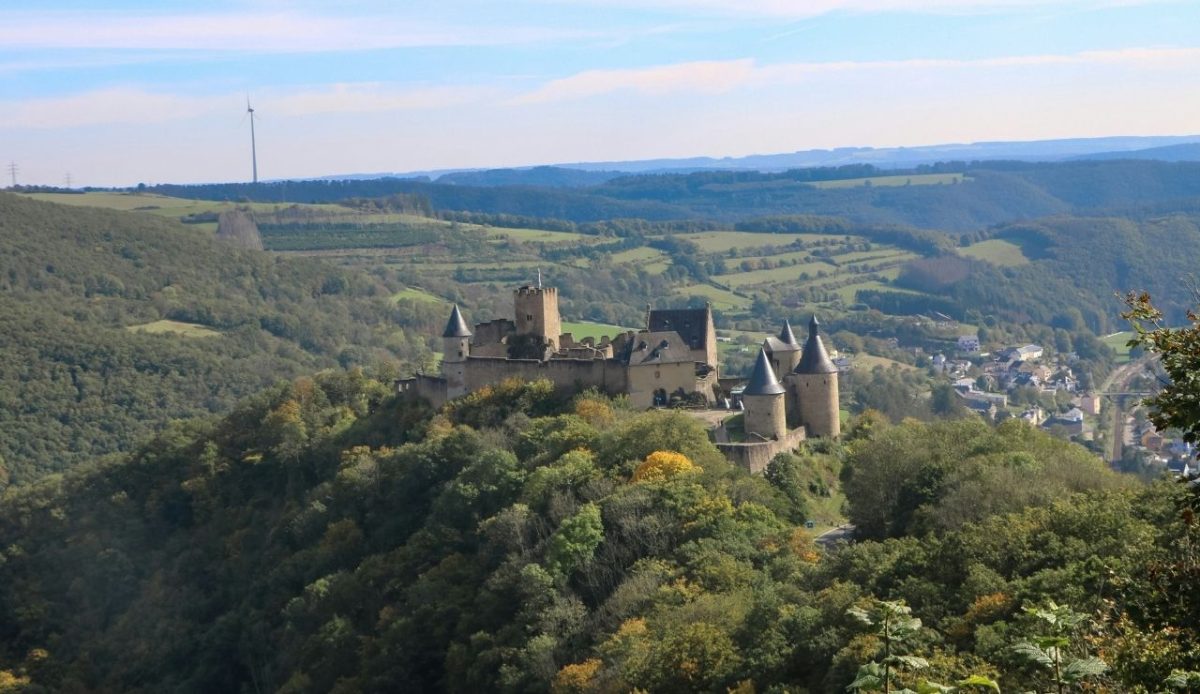
Bourscheid is a tiny hill village known for Luxembourg’s largest castle, which crowns a high promontory above the Sûre River. A ring path around the fortress offers changing angles over the valley, and the steep drop makes the site feel dramatic even in bright daylight. The walls, towers, and courtyards outline how the stronghold expanded over time, so the visit is more than a simple viewpoint. Below, a handful of lanes and lookouts keep the pace slow, with the castle visible as a constant landmark. At night, the ruins are often illuminated, and the river far below catches the glow, completing the storybook impression.
