
Travel scams usually work because they feel like normal travel friction, a closed gate, a missing receipt, or a helpful stranger. Across major tourist hubs, the same playbooks have been repeated for years, which is why so many visitors have been caught in large numbers. These schemes often involve commissions, fake authority, or pressure that keeps a traveler from checking details. Reports from regulators, consumer agencies, and embassies describe repeated patterns in taxis, exchanges, rentals, and booking messages. Knowing the mechanics makes it easier to pause, verify, and walk away before money, passports, or cards are put at risk.
1. The Attraction Is Closed Tuk Tuk Detour

Outside landmark entrances in Bangkok, a stranger may claim the temple is closed for a ceremony, cleaning, or a lunch break. You are then guided toward a tuk-tuk ride that seems like a favor and a bargain. The driver is paid to stop at a tailor, gem store, or travel desk where inflated prices are pushed, and paperwork can be confusing. Polite small talk is used to keep you seated while the staff frames the stop as required for fuel coupons or a special deal. State one destination, keep your map open, and walk away if anyone blocks the gate, offers a guide, or insists on a detour. Paying nothing upfront helps.
2. Jet Ski Damage Shakedowns

At beach rental strips, a jet ski can be handed over with prior cracks that are hard to see in bright sunlight. When it is returned, damage is alleged, and a large cash fee is demanded immediately, sometimes in a back room. Voices may rise, other staff may gather, and your passport or phone might be requested as leverage. The amount is often negotiated, which shows the claim is being used as a payday loan rather than a repair bill. Take a timed video of the hull, do not sign blank forms, avoid leaving ID as a deposit, and call local tourist police if intimidation begins. Booking through a hotel desk with documented vendors can reduce risk.
3. Airport Taxi Impersonators
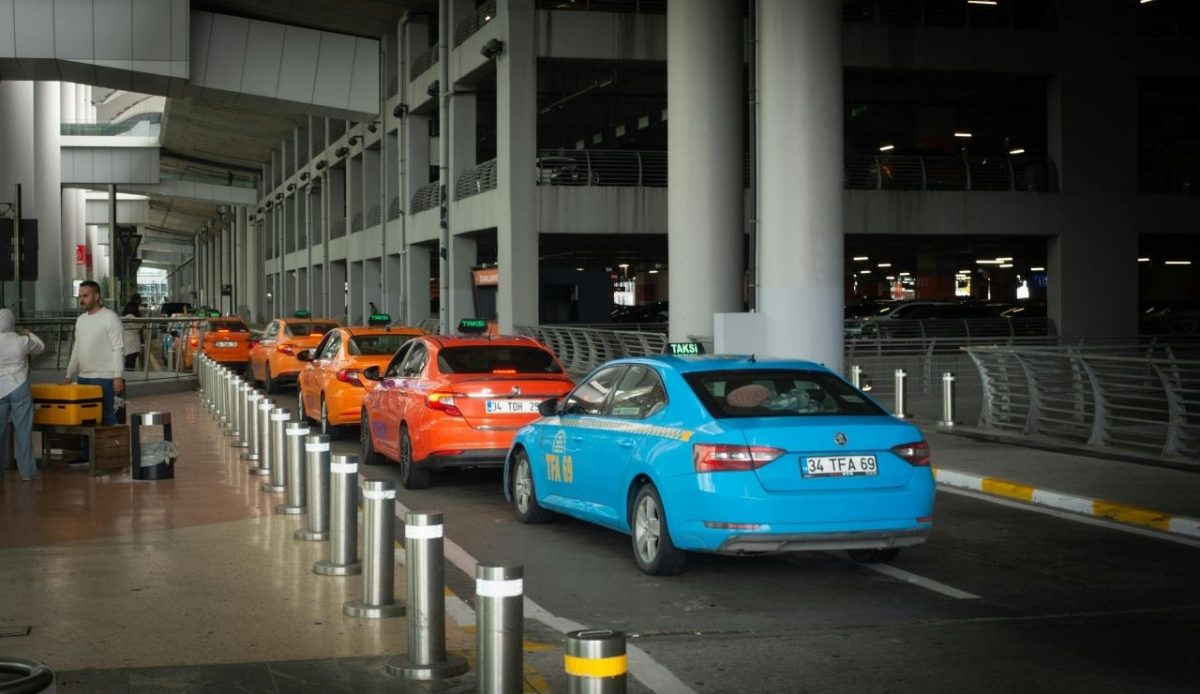
At some airports, unofficial drivers pose as dispatchers and approach passengers before they reach the licensed queue. They may offer help with bags, quote a fixed price, then steer you to an unmarked car parked nearby. Once moving, the fare can be inflated with fake surcharges for luggage, night hours, or highway use, and a card reader may be claimed as broken. A receipt can be refused, or a fake company logo may be shown on a clipboard to look official. Use the marked taxi rank or a vetted ride app, confirm the meter or fare cap in advance, and record the plate number before the door closes.
4. Misleading Currency Exchange Rates
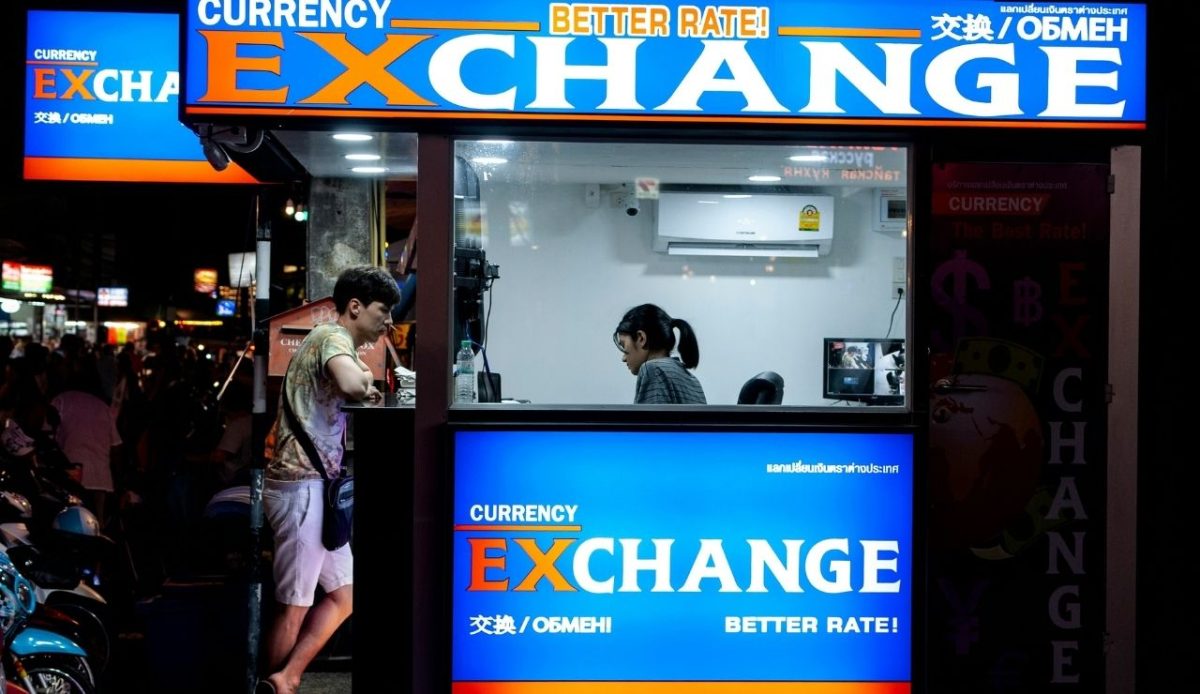
In busy tourist centers, exchange windows advertise a great rate with large numbers and tiny print. The best rate may apply only above a high minimum, while normal amounts are converted under a worse table that is easy to miss. After you hand over cash, the clerk counts out far fewer bills, then points to fine print on a sign or a receipt line that was not explained. Travelers may be rushed by a queue, so the math is not checked until later, and refunds are denied. Ask what you will receive before paying, count notes at the counter, and use bank ATMs or bank branches when the fee and rate are clear.
5. Friendship Bracelet Pressure Play

Around crowded monuments, a street hustler starts friendly talk, then ties a string bracelet onto your wrist as if it were a gift. Money is demanded right away, and the tone can turn harsh if you hesitate or try to untie it. Some groups work in pairs, one distracting you while another blocks your path or reaches toward pockets during the argument. Tourists often pay a few bills just to end the confrontation, which keeps the tactic profitable in high foot traffic zones. Keep moving, keep your hands close to your bag, refuse contact, and if a bracelet is forced on, drop it and step into a nearby shop.
6. Fake Booking Payment Messages

During a trip, a message may arrive that appears to come from your lodging, warning that your card failed or your reservation will be canceled. A link sends you to a page that looks real and asks for card details or a new payment. In many cases, the message is sent after a property account is compromised, so the timing and booking facts appear accurate. Travelers act fast because they fear losing the room, and the payment is captured by criminals. Never pay through a link in a message; open the platform app directly, and call the property using a verified number from the site listing. Save screenshots for the dispute.
7. The Tourist Gem Investment Trap

A polished stranger may claim to work for a teacher group or a government office and mention a limited gem sale for foreigners. You are offered a ride to a showroom where staff present certificates, bright lights, and charts about resale profit. Prices are far above market value, yet urgency is created by saying the sale ends today, and export rules make it rare. Many buyers discover later that the stones are low-grade or hard to resell at any meaningful price. Treat any profit promise as a red flag, buy gems only from established dealers you researched beforehand, and keep purchases insured and appraised.
