
Some cities gain a reputation for rule-breaking not through chaos, but through policies that flip a familiar default. Instead of treating cars, paperwork, or zoning habits as fixed, leaders rewrote the playbook and kept it enforced. The results show up in daily routines, from how streets are crossed to how services are delivered. Because these moves affect budgets and commutes, they were debated, measured, and adjusted over time. Each city below is known for a concrete change that challenged expectations and pushed residents to use space and systems differently. In many places, the old rule never returned.
1. Barcelona, Spain

Barcelona broke with the usual car-first hierarchy through its Superblocks program. Several blocks are treated as one unit, so through traffic is pushed to boundary avenues while interior streets allow only local access at low speed. Shortcuts are blocked using planters, bollards, and turn limits, and space is reassigned to crossings, seating, and trees. Because the rule is physical, it is followed even when police are absent, and noise and air readings can be compared before and after. Delivery hours and loading zones were adjusted to keep shops supplied, and the redesign sparked public debate over access and equity.
2. Ghent, Belgium
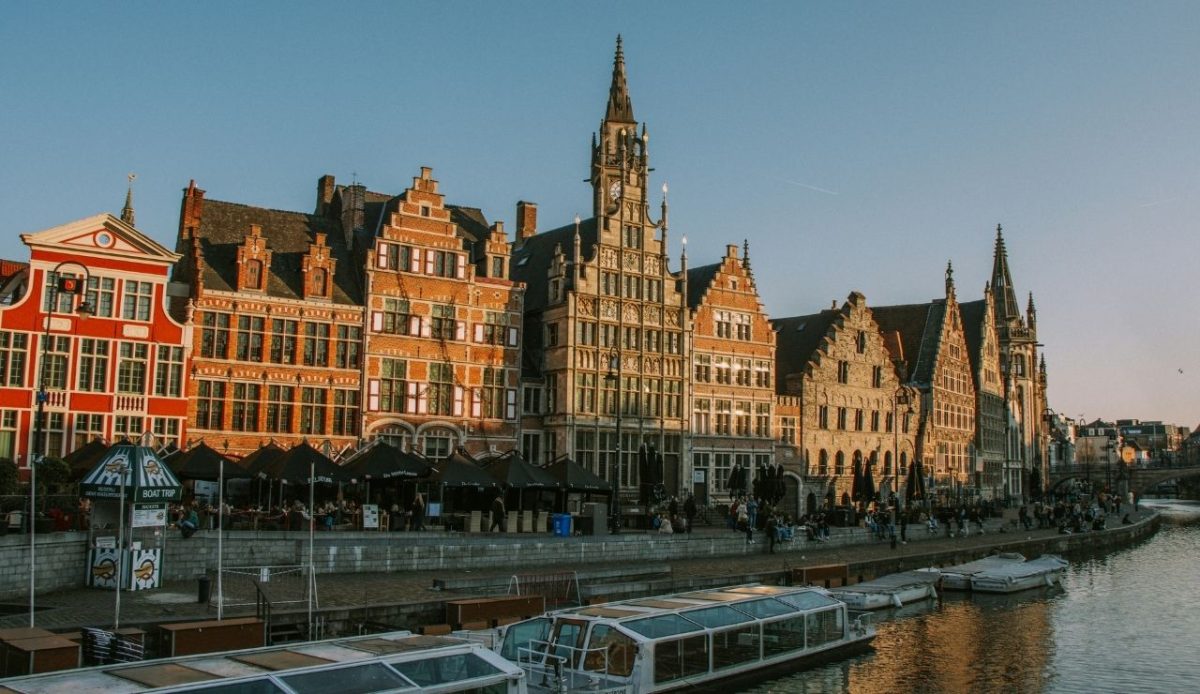
Ghent surprised drivers with a citywide circulation plan that removed the old habit of cutting across the medieval center by car. The core was split into sectors, and cars traveling between them must use the ring road rather than cross straight through. Bikes and pedestrians can pass directly, so the quickest route depends on mode. The change launched quickly instead of as a slow pilot, and traffic patterns shifted within weeks. Retail access remained, yet congestion and collisions dropped. Clear signage, one-way turns, and permit rules for deliveries made the boundaries understandable for visitors.
3. Paris, France
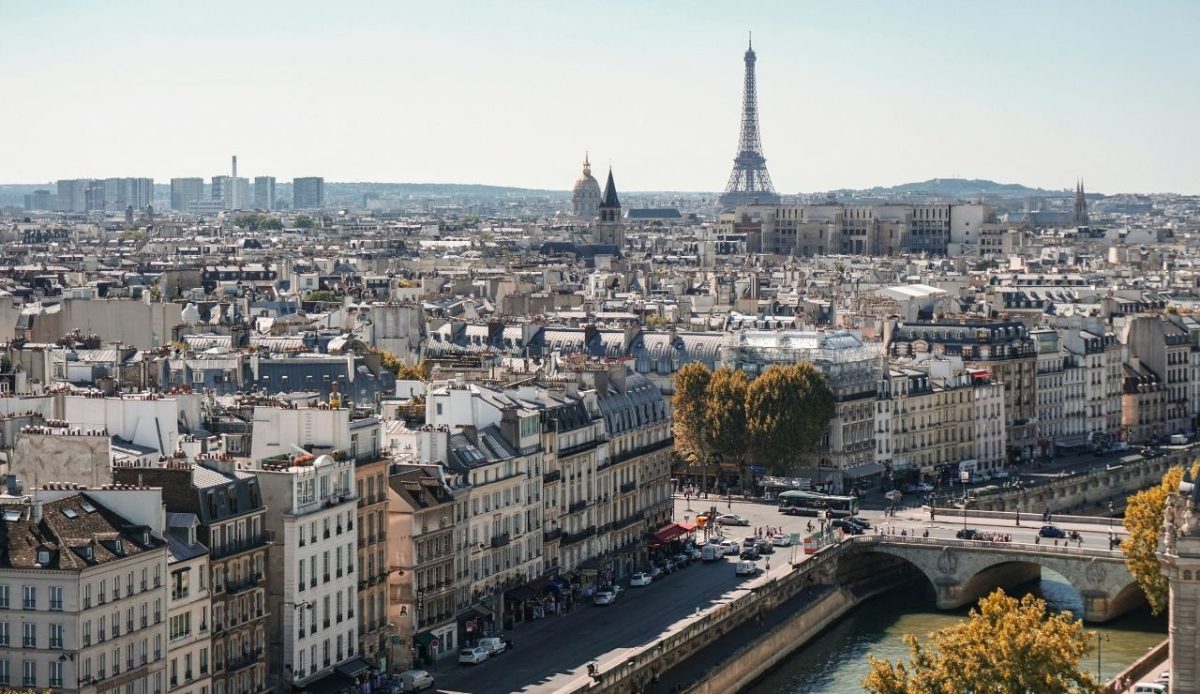
Paris challenged the assumption that riverfront highways must stay by closing parts of the Right Bank expressway along the Seine. A corridor built for commuter flow was converted into space for walking, cycling, and events beside the water. Drivers were pushed toward alternative routes and transit, and the city argued that health and public access mattered more than peak speed. Seasonal flooding and air quality debates added pressure, yet the car lanes did not return. The move signaled that even central arteries can be removed. Barriers, new signals, and continuous paths made the shift permanent rather than a weekend closure.
4. Bologna, Italy
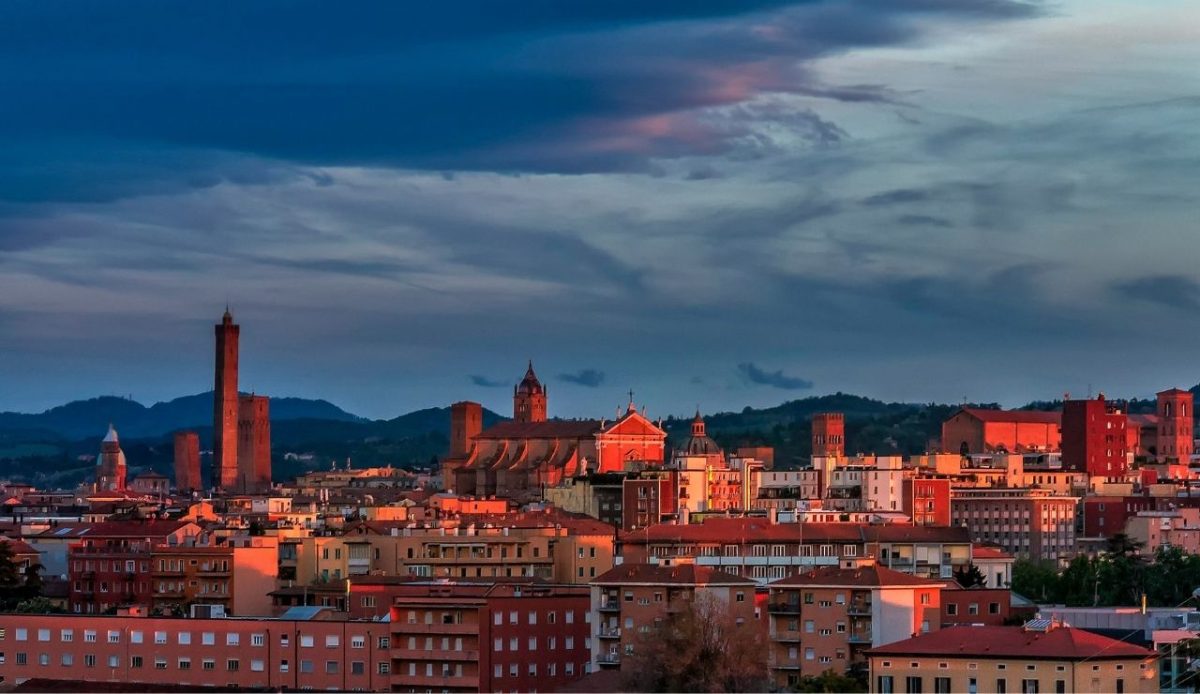
Bologna broke a familiar speed rule by making 30 kilometers per hour the default across most city streets under its Citta 30 policy. Instead of limiting slow zones to schools or narrow lanes, the city treated calmer speeds as the baseline for safety. Signs were updated, cameras and patrols supported enforcement, and street design changes reduced the incentive to rush. Supporters pointed to fewer severe crashes and quieter neighborhoods, while critics worried about travel time. The policy forced the driving culture to adjust. Transit schedules and emergency routes were reviewed so buses and ambulances could keep reliable response.
5. Tallinn, Estonia

Tallinn overturned the pay-to-ride norm by offering fare-free public transport for registered residents. The change shifted funding toward city budgeting and relied on residency registration to define eligibility. Boarding became faster because ticket checks were reduced, and the policy was marketed as a mobility and social inclusion step. Ridership rose, and some commuters left cars at home, though effects varied by neighborhood and income. By removing the fare gate, Tallinn treated access as a civic service. Visitors still buy tickets, and inspectors focus on residency status rather than tap validation.
6. London, England
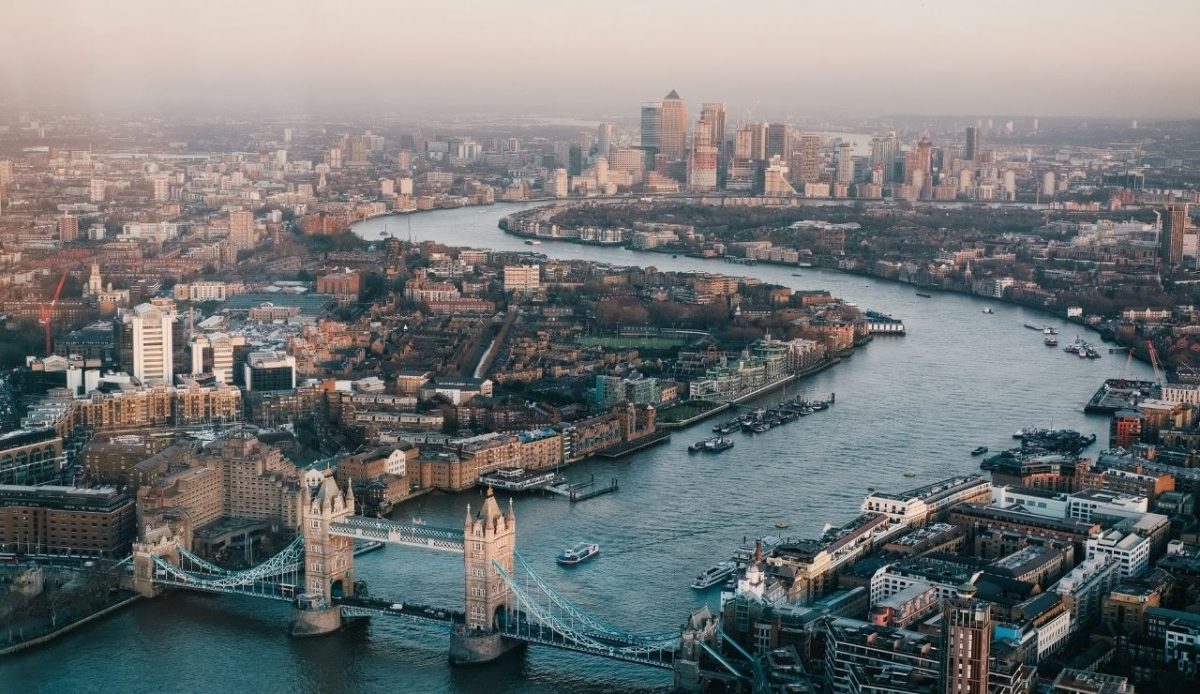
London broke with the idea that roads are free at the point of use by introducing a congestion charge for driving in the central zone. Instead of expanding lanes, the city priced entry and reinvested revenue in buses and street management. Cameras read plates, and payment rules are tied to time windows and exemptions, so the system works daily without toll booths. Traffic volume fell in the charged area, and delivery planning changed as fleets adjusted schedules. The policy normalized demand management in a major global capital. Later air rules added stricter charges for higher-emitting vehicles, tightening the same principle.
7. Milan, Italy
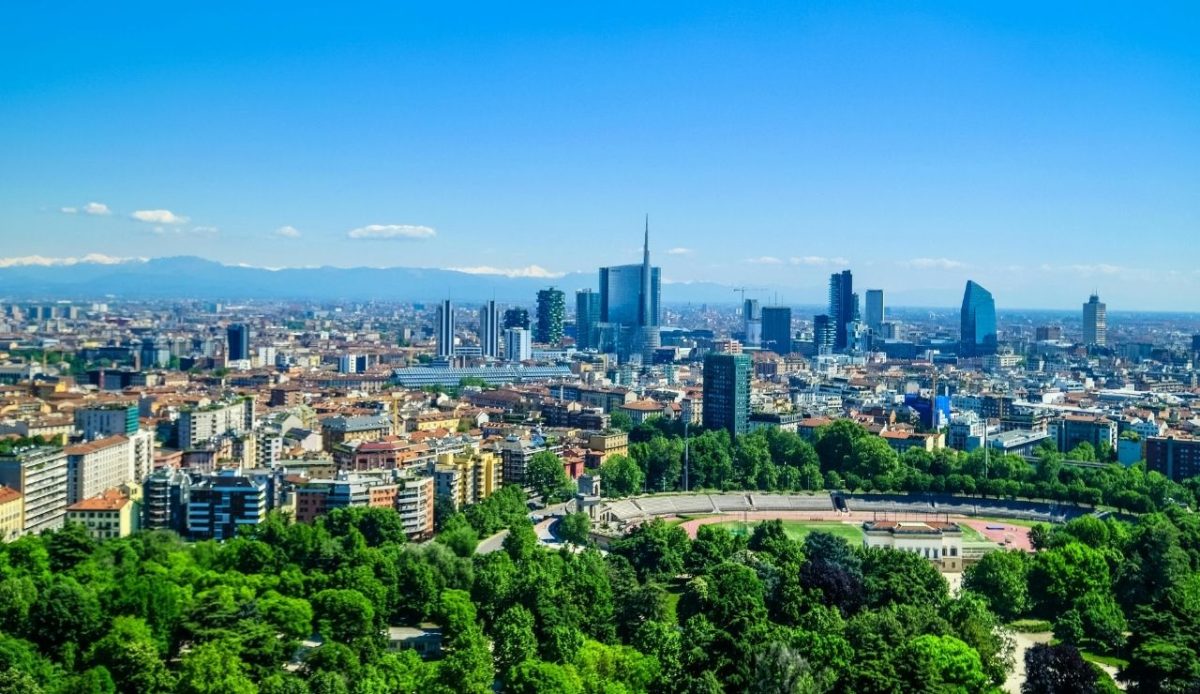
Milan took rule-breaking further with Area C, an access scheme in the historic center that limits peak car entry. Drivers pay to enter on weekdays, and some vehicle types face added limits based on emissions. This replaced the expectation that anyone can drive into the core if they accept slow traffic. Entry is monitored by cameras, fines are automatic, and transit use increased as commuters changed habits. Residents receive a limited set of free entries, which keeps the rule strict while allowing essential trips. Revenue supports street work, and the quieter center made room for walking routes and outdoor seating on key corridors.
8. Seoul, South Korea
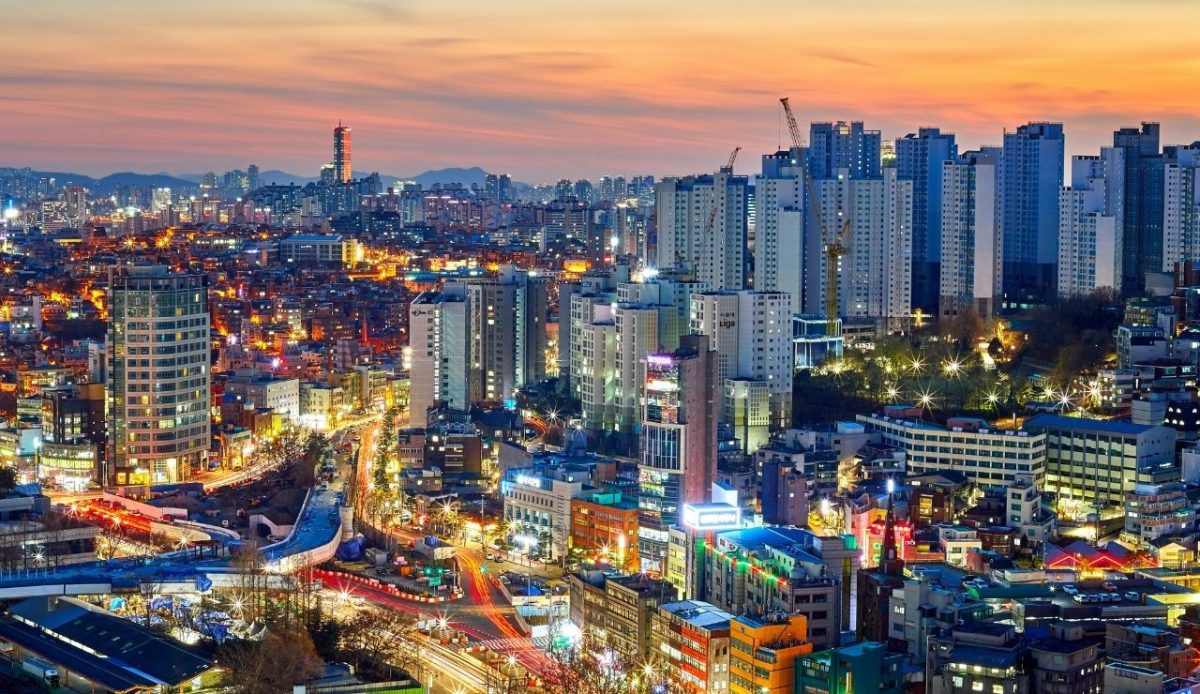
Seoul broke an urban rule that says major highways cannot be removed by taking down a raised expressway over the Cheonggyecheon corridor. The space was rebuilt as a restored stream and linear park with bridges, paths, and transit connections nearby. Instead of adding road capacity to fight congestion, the city bet on traffic redistribution and better public transport. Heat and air conditioning improved around the corridor, and the project reset expectations for what infrastructure can become once cars lose priority. Shop owners feared losses during construction, yet foot traffic later increased as the area became a destination.
9. Bogota, Colombia
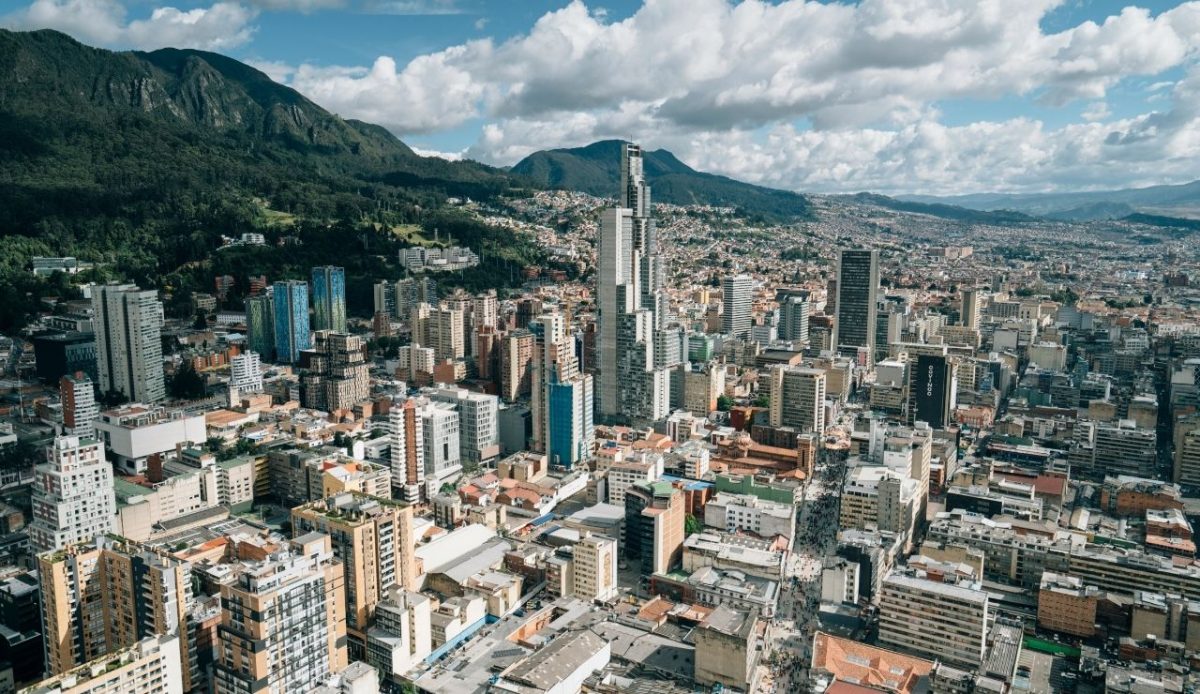
Bogota breaks the weekday rulebook every Sunday and holiday through Ciclovia, when many main roads are closed to cars and open to people. The closures form a citywide network for cycling, running, and family outings, supported by control points and fitness classes. Instead of treating streets as fixed vehicle corridors, the program treats them as flexible public spaces on a regular schedule. Neighborhoods plan around it, and the repeated practice built a strong biking culture that later influenced transport policy. Tens of miles connect on one morning, drawing broad participation. The rule is simple and widely understood.
10. Curitiba, Brazil
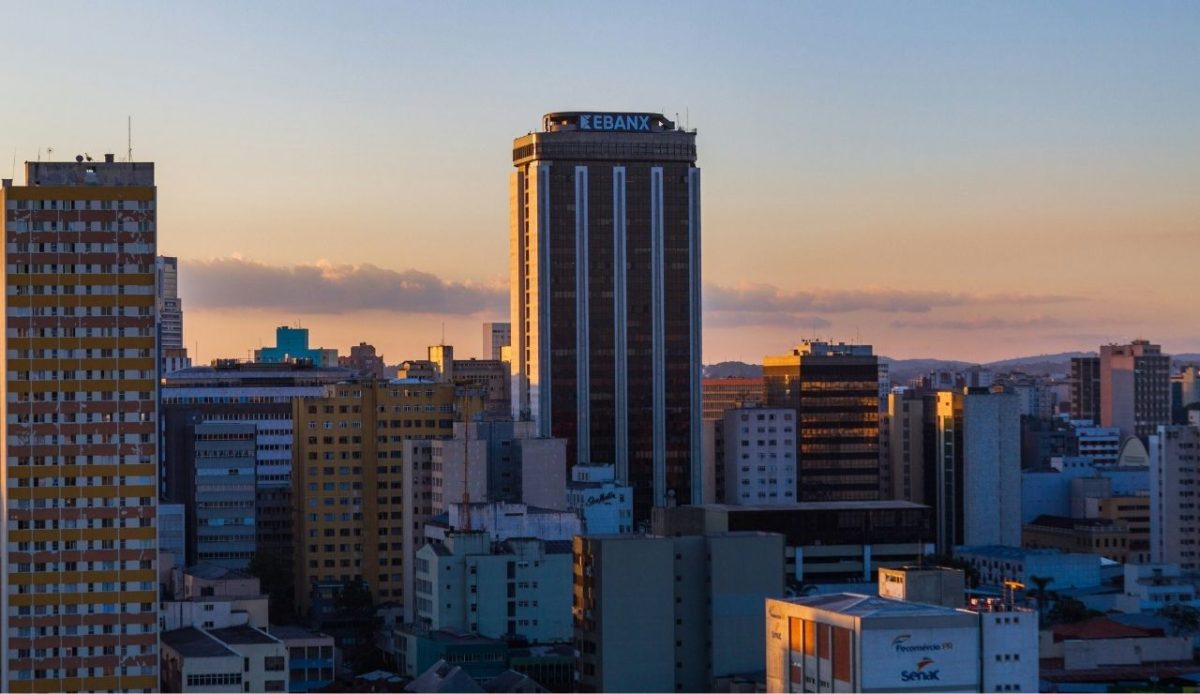
Curitiba rewrote transit expectations by building a bus rapid transit network that works like rail without a subway budget. Dedicated busways, tube stations, and pre-boarding fare payment allow fast loading and frequent service. The rule that high-capacity transit requires trains was challenged, and the system was tied to corridor planning that guided growth. Because buses arrive often, riders can treat the line as turn up and go service, which reduces car dependence for many trips. Curitiba became a model copied by other cities. Level boarding and bi-articulated vehicles boosted capacity while keeping operating costs predictable.
11. Dubai, UAE
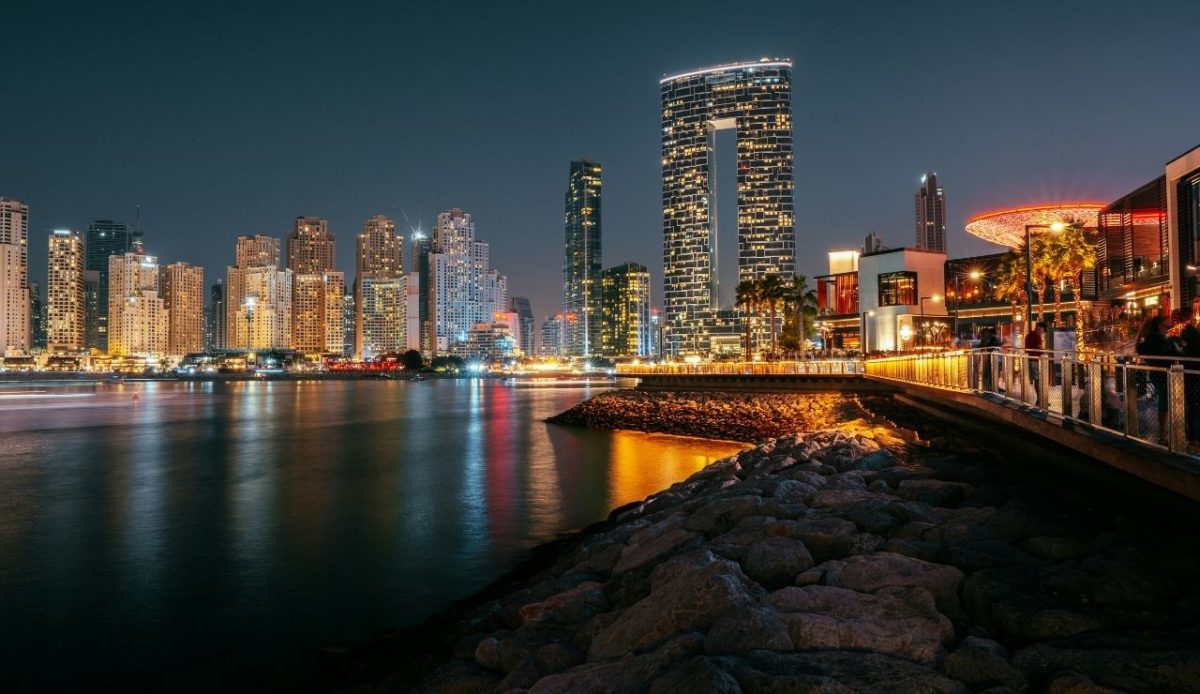
Dubai challenged office tradition by pushing government services toward paperless transactions across agencies. Permits, payments, and many approvals moved to digital platforms, and residents were encouraged to use apps instead of stamped forms. The change broke the rule that official work must leave a paper trail to feel legitimate, so identity checks and secure records were built into systems. Staff training and interagency standards were required to keep decisions consistent. By cutting printing and in-person queues, Dubai changed how citizens expect to interact with the government. Cost and time savings helped justify the shift.
12. Vienna, Austria
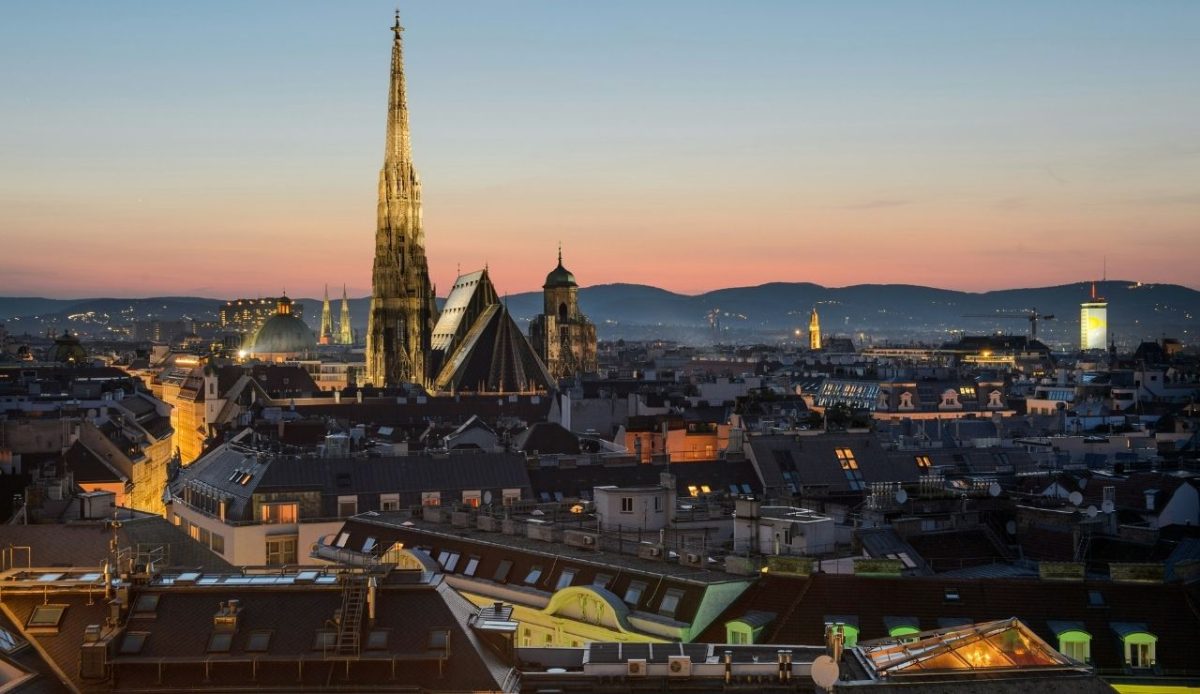
Vienna breaks a common housing rule by treating affordable rental supply as long term public infrastructure, not a short term safety net. The city has maintained large-scale municipal and supported housing, setting standards for rent levels and building quality across many districts. That approach limits the idea that the market alone should set prices, and it affects who can live near jobs and schools. Allocation rules, tenant protections, and steady construction budgets make the system durable. Vienna is often cited because its housing policy shapes social stability in a way many cities consider impossible.
