
Paris has more museums than most travelers can fit into a first trip, so choices matter. Large institutions reward planning, while smaller ones fit between walks and café stops. This list favors places that explain the city’s story through art, design, and daily life, not only famous objects. Expect security lines, bag limits, and timed tickets at several sites, and updates should be checked on official pages. Transit strikes or holiday closures can also affect hours, so a backup option is useful. Pick two anchors for the week, add one neighborhood museum, and leave space for rest so the experience stays enjoyable.
1. Louvre Museum
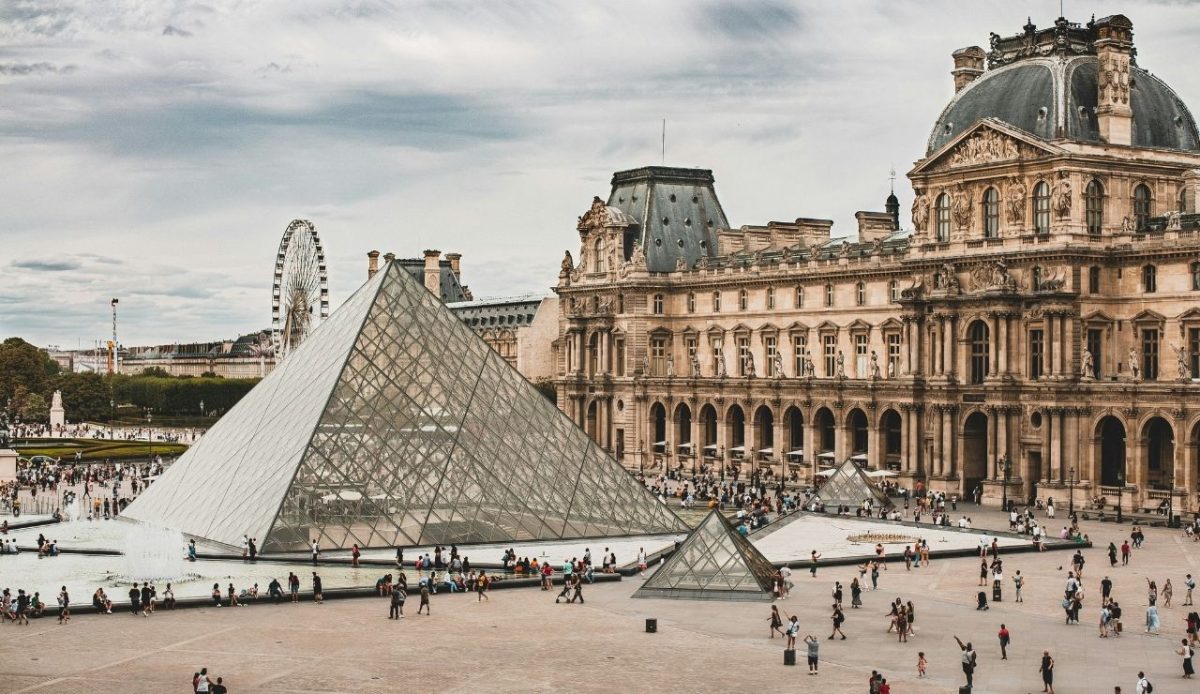
The Louvre Museum rewards a targeted plan because its collections are immense and crowds are common. Choose two or three priorities, then use quieter wings to recover between major rooms. Antiquities, Islamic art, and French decorative suites show how power and taste were presented across centuries. Multiple entrances exist, but reserved time slots are frequently enforced, especially in peak months. Bring a small bag, expect checks at the door, and consider an evening session when some galleries feel less packed. For newcomers, the palace layout teaches royal history as clearly as the masterpieces do.
2. Musée d’Orsay
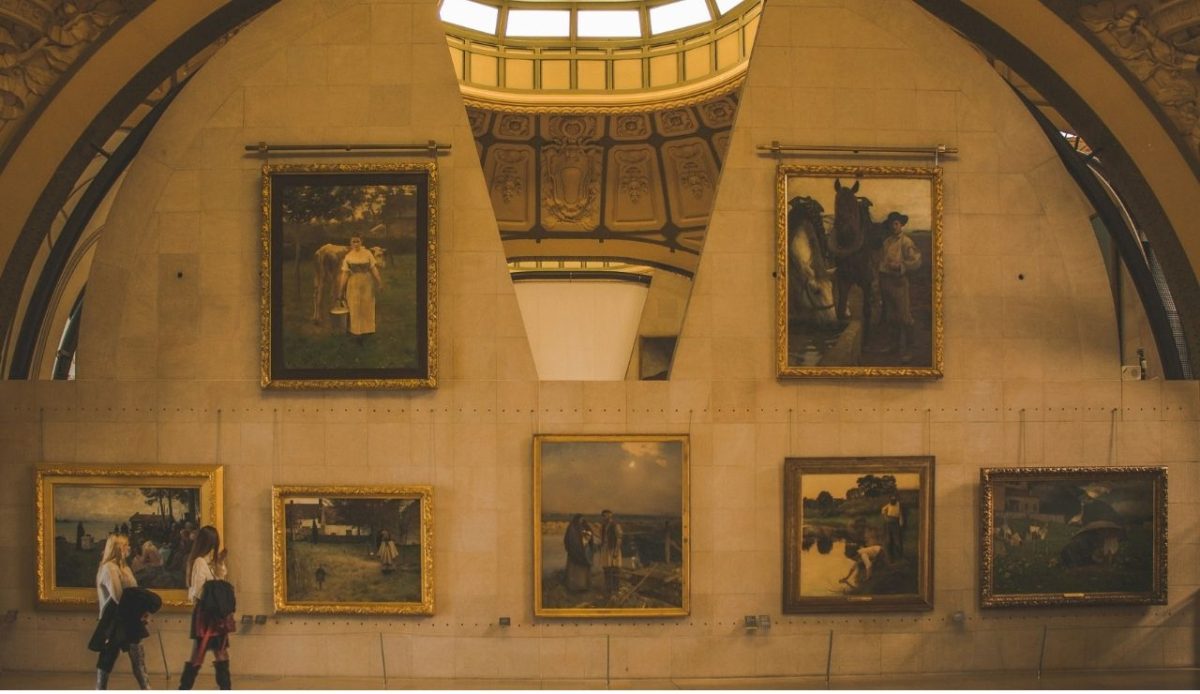
Musée d’Orsay is a strong starting point for understanding how modern art formed in the late nineteenth century. Inside a converted rail station, works are arranged so the shift from realism to Impressionism can be followed without a guidebook. Monet, Degas, and Van Gogh appear alongside sculpture, photography, and design tied to industrial life. Because the building is compact, walking strain is reduced compared with larger venues. Arrive early to avoid school-group rushes, then pause at the river-facing terrace by the giant clock. The collection helps first-time visitors connect Paris streets to the era that painted them.
3. Centre Pompidou
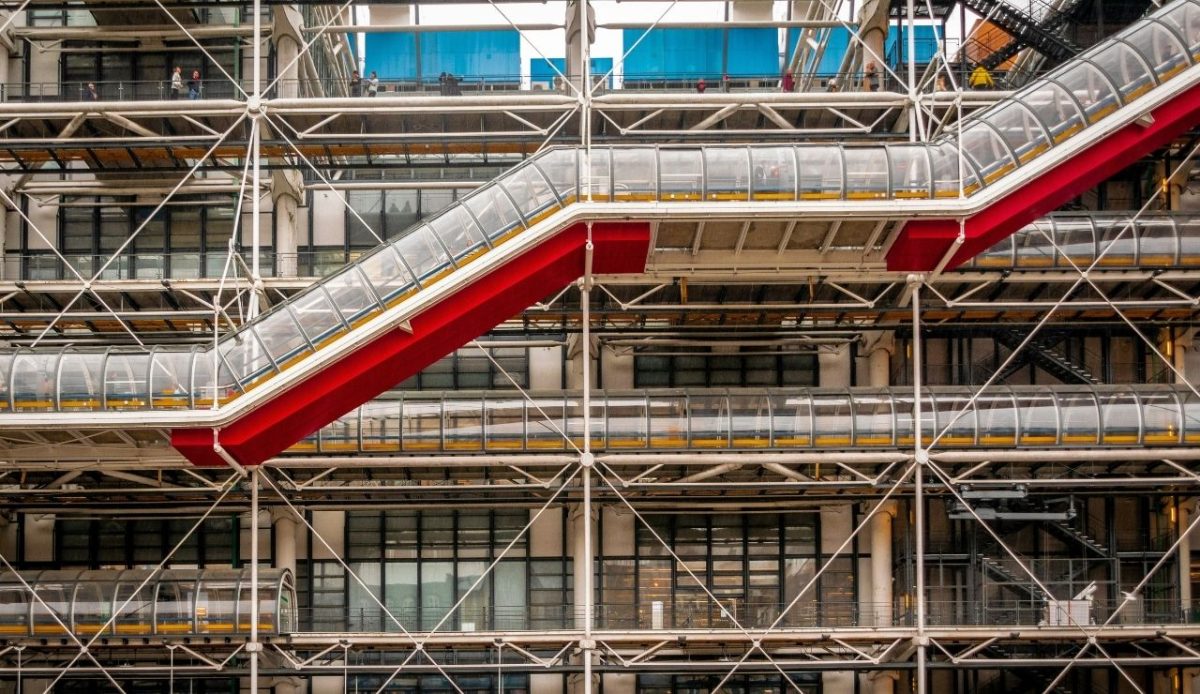
Centre Pompidou introduces modern and contemporary art with a visit style that can be shaped to any schedule. Its inside-out structure is part of the lesson, showing how cultural buildings were rethought in the 1970s. Collections move from Cubism and Surrealism to postwar experiments and newer installations. Not every room will click, yet key movements are clarified by clear labels and timeline notes. Upper floors are reached by long escalators, and the ride itself becomes a moving view over rooftops. Plan a short loop if time is tight, or linger with one artist to visit feel personal.
4. Musée de l’Orangerie
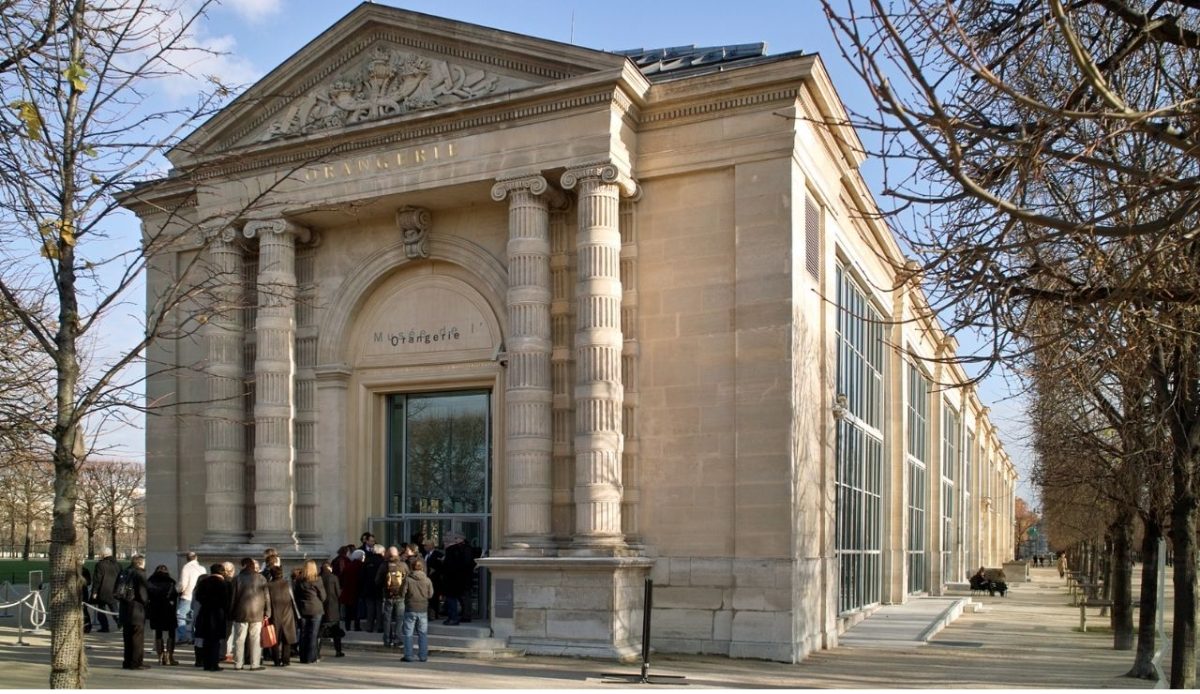
Musée de l’Orangerie works well when time is limited but depth is still wanted. Monet’s Water Lilies are displayed in oval rooms built for immersion, so the viewing pace slows naturally. Downstairs, paintings by Cézanne, Matisse, and others link Impressionism to early modern styles. Entry is usually timed, which helps lines stay manageable even in busy seasons. Benches are placed for long viewing, and photography rules are posted at the entrance. Afterward, the nearby garden paths allow a mental reset before another museum or a long walk. For first trips, it provides a calm counterpoint to huge collections while still delivering major art.
5. Musée Rodin
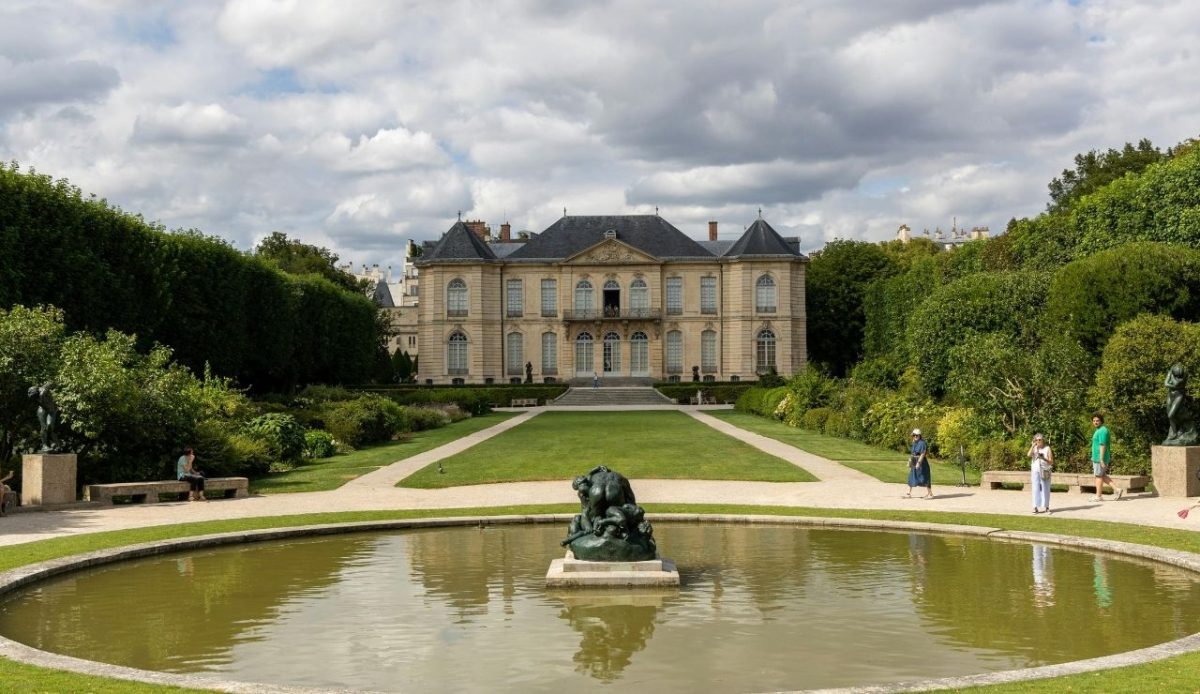
Musée Rodin blends galleries with open air, which can be welcome after hours indoors elsewhere. Rodin’s works are shown with studies and casts, so the creative process is made visible, not only final results. The garden lets pieces like The Thinker be seen in changing light, and benches encourage slow looking. Short wall text explains commissions, public reactions, and how sculpture was funded in his time. Because the campus is smaller, it fits into a half day and leaves energy for nearby streets. A brief visit still gives a clear sense of Paris’s role in influencing modern sculpture and taste for many visitors.
6. Musée de l’Armée
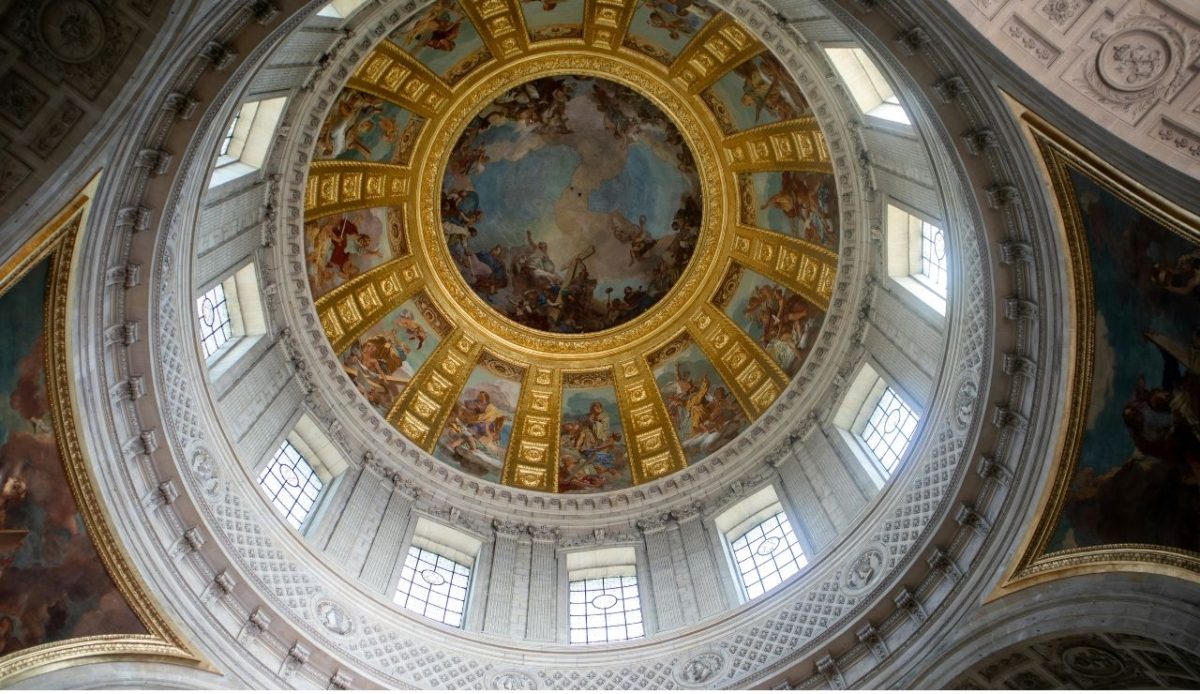
Musée de l’Armée at Les Invalides covers centuries of French military history in a highly organized route. Armor, maps, and uniforms are grouped to show how warfare influenced borders, government, and technology. Napoleon’s tomb is visited for symbolism, but galleries on World War eras provide a wider context and a human scale. Audio guides are available and can be useful for readers who want names and dates kept straight. Allow extra time for security and for the dome area, where quiet behavior is expected. The story is carried by objects, so attention is held even when the subject feels dense for most visitors.
7. Musée Carnavalet
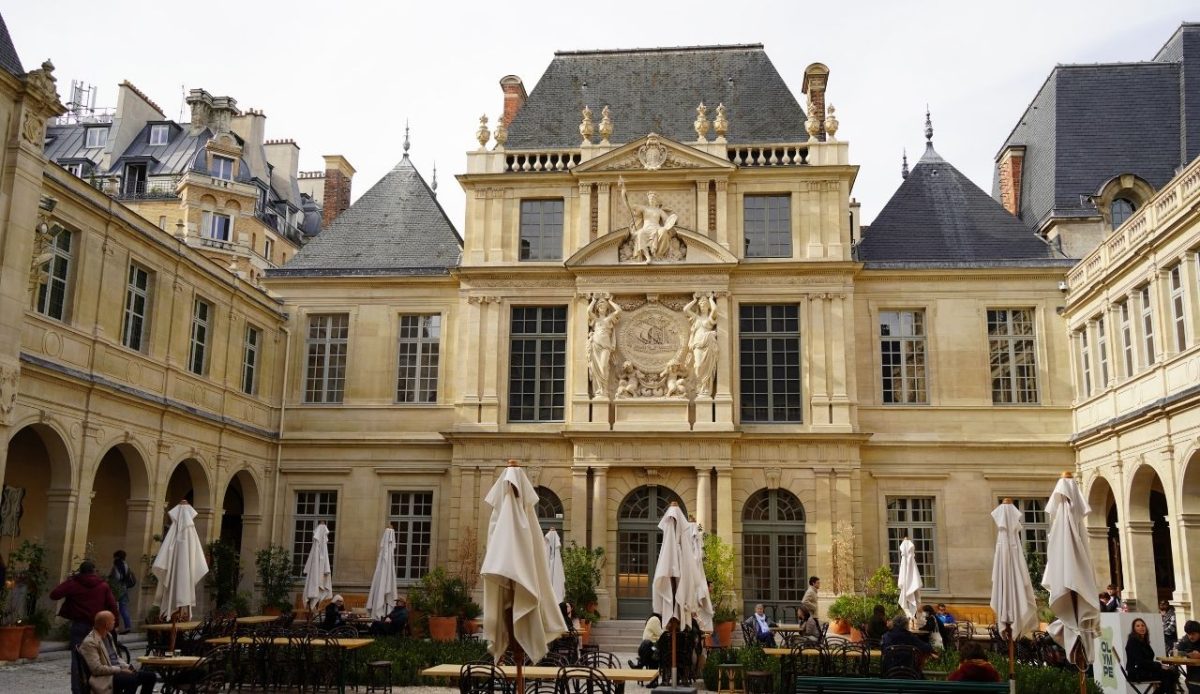
Musée Carnavalet focuses on the history of Paris, making it a smart stop before exploring nearby neighborhoods. Rooms recreate interiors, and everyday artifacts show how residents lived through monarchies, revolutions, and redesign. The French Revolution is well covered, yet the museum also tracks posters, shop signs, fashion, and street culture. Since the permanent collection is free, time pressure is lowered and return visits are easy. Signs are offered in French and English, and the path through the building stays intuitive. For newcomers, the exhibits turn familiar corners into places with deeper meaning and remembered lives.
8. Petit Palais
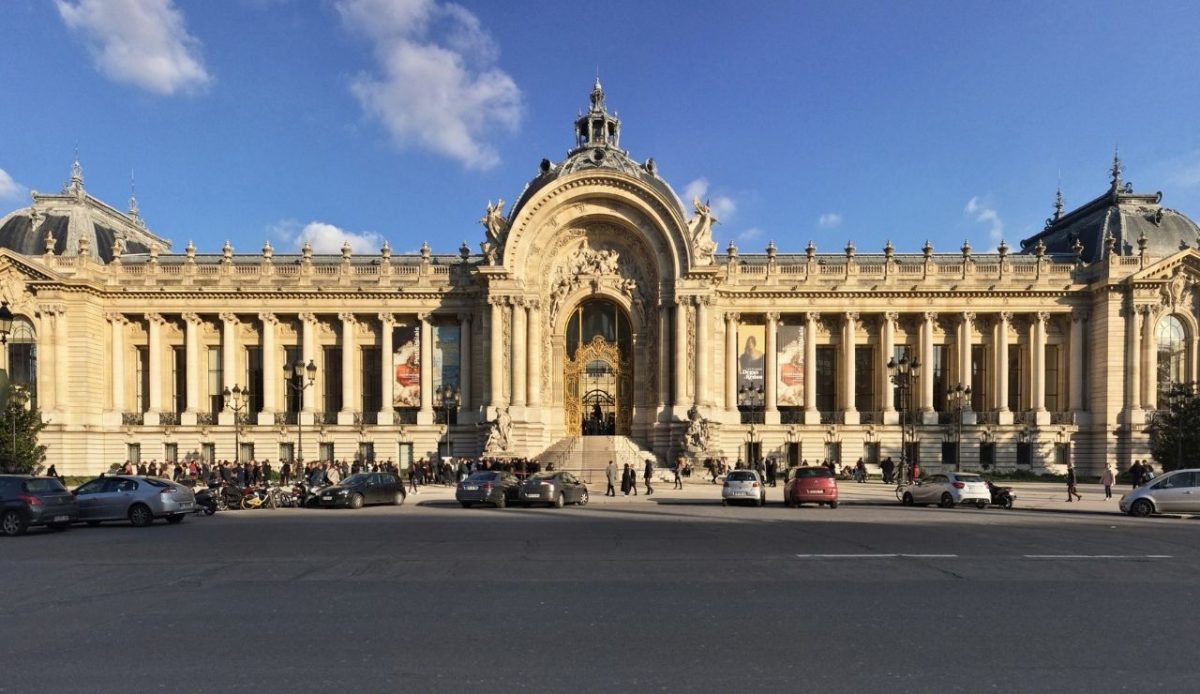
Petit Palais is often skipped by first-timers, but it offers a rewarding collection with minimal stress. The permanent galleries are free, and the painted ceilings, staircases, and courtyard add architectural interest. Art ranges from antiquity to the early 1900s, including decorative objects that show Parisian craft traditions. Because crowds are lighter than at the biggest museums, viewing can be done at a personal pace. Use it as a break between the Seine and the Champs-Élysées, or pair it with a short walk to nearby bridges. It proves that major art can be enjoyed without a full day commitment.
9. Musée du Quai Branly – Jacques Chirac
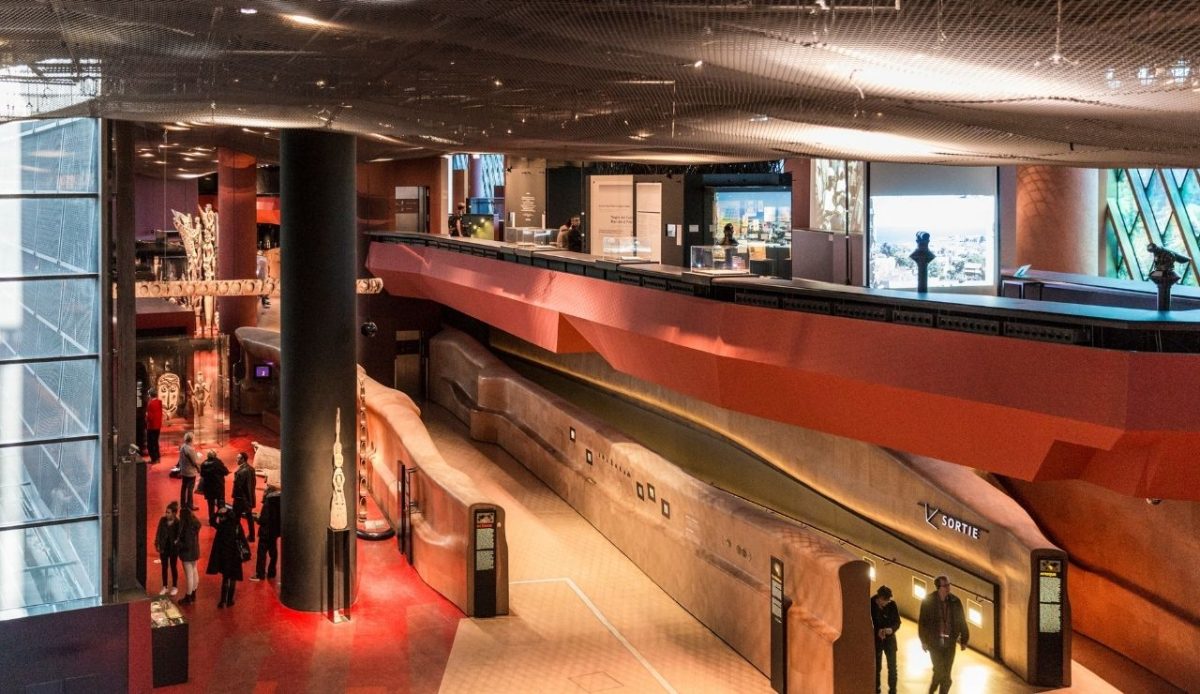
Musée du Quai Branly – Jacques Chirac widens the itinerary beyond Europe through Indigenous arts and traditions. Works from Africa, Asia, Oceania, and the Americas are presented with attention to materials, ritual use, and meaning. The lighting is intentionally low, so eyes may need a moment to adjust after entering. Short films and sound elements appear in some areas, and headphones can help keep the visit comfortable. A garden path surrounds the building and can be used as a quiet reset between exhibits. For first visits, it adds global context to France’s history of collecting, trade, and colonial contact.
10. Palais de Tokyo
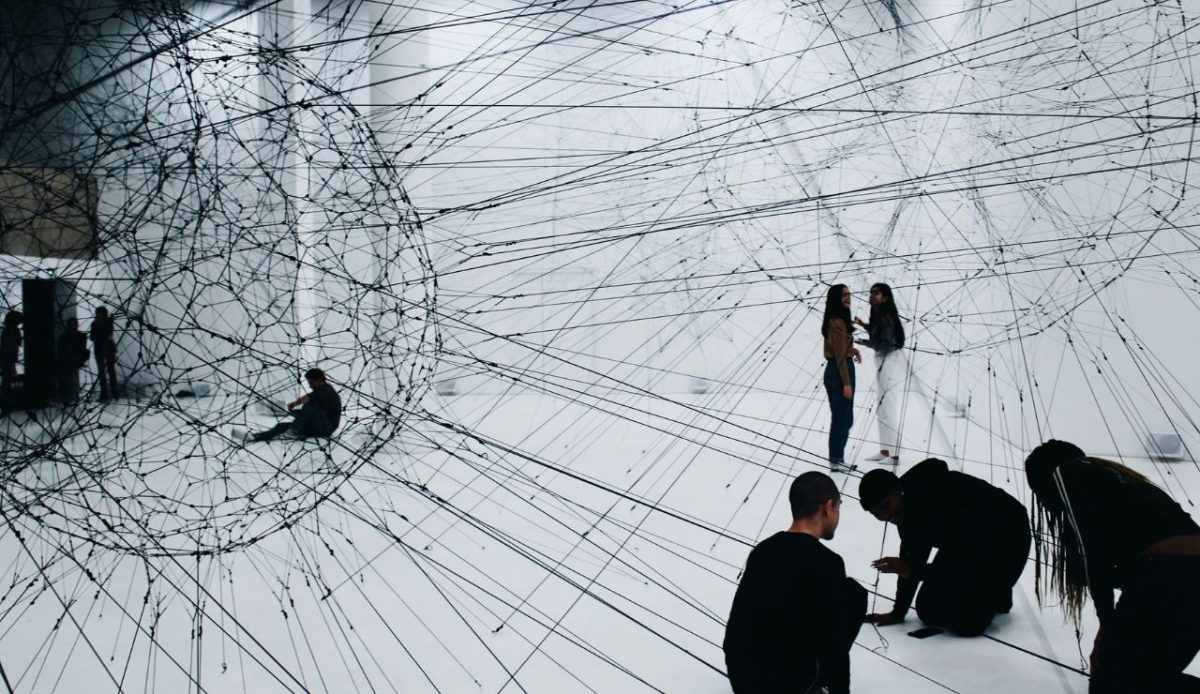
Palais de Tokyo suits visitors who want contemporary work that is still being tested, challenged, and debated. Exhibitions change often, and large installations, video, and performance are common rather than rare. The raw interior was left unfinished on purpose, so focus stays on the art instead of ornate décor. Some shows can feel demanding, but explanations are provided, and guided talks are sometimes scheduled. Check the program ahead because late hours are offered on certain nights, which can fit busy itineraries. For a first Paris trip, it balances classical museums by showing what artists are making right now.
11. Musée Picasso
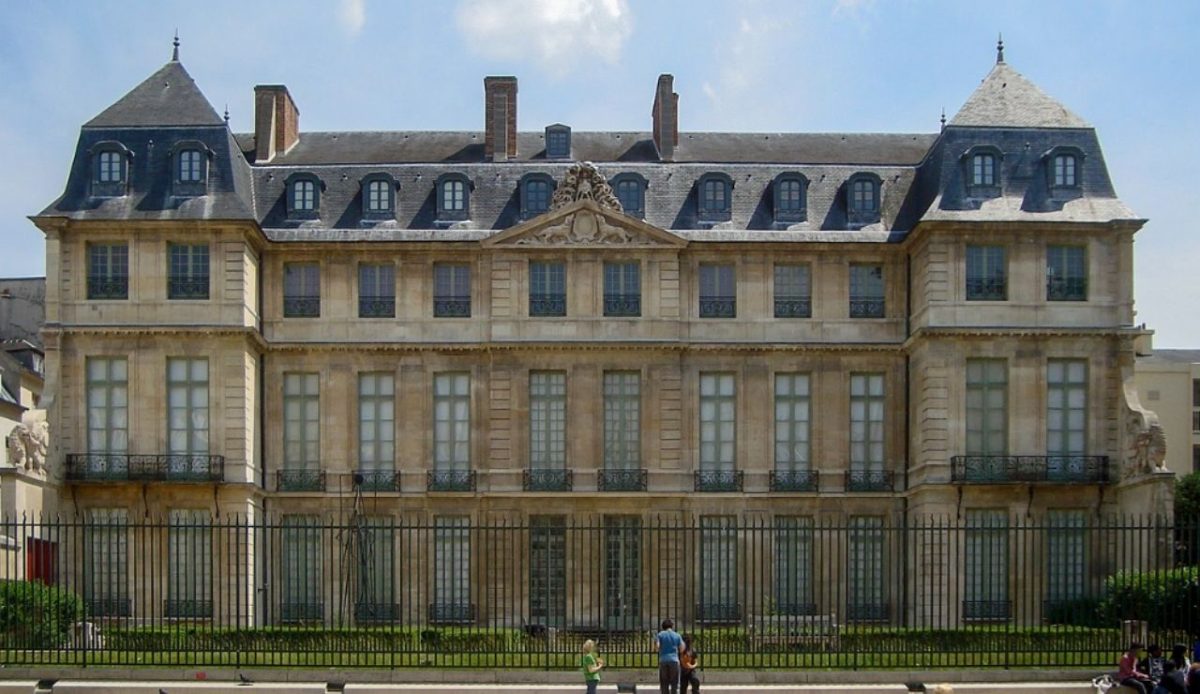
Musée Picasso in the Marais offers a concentrated look at one artist across many phases and mediums. Paintings, drawings, ceramics, and archives are arranged so themes can be traced as they return in new forms. The seventeenth-century townhouse adds another layer, with rooms that frame the work differently from modern galleries. Temporary shows often highlight friendships, collectors, or writers who shaped the art scene around them. Because the visit is contained, it fits between cafés, markets, and small boutiques nearby. For newcomers, it clarifies why Paris mattered to twentieth-century creativity and exchange.
