
World War II left much of Europe in ruins, yet some towns miraculously survived the devastation. These resilient communities retain their historic charm, architecture, and cultural heritage, offering travelers a glimpse of Europe as it once was. Visiting these towns allows families and history enthusiasts to explore cobblestone streets, centuries-old buildings, and vibrant town squares that endured despite the war. From hidden gems in France to fortified towns in Germany, each destination tells a story of survival, resilience, and continuity, making them unforgettable stops on any European itinerary.
1. Rothenburg ob der Tauber, Germany
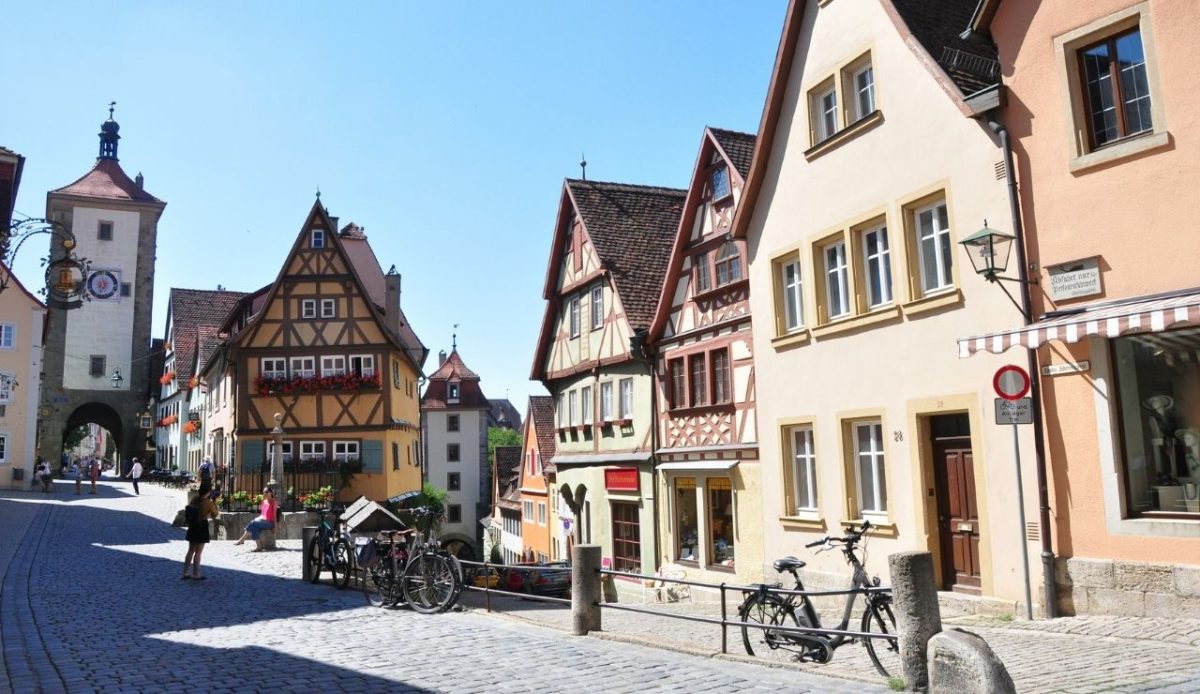
Rothenburg ob der Tauber, perched on a hill in Bavaria, remained largely untouched during World War II. Its medieval walls, half-timbered houses, and historic town square evoke the charm of centuries past. Travelers can stroll through narrow streets, visit old churches, and admire the town’s intricate architecture. The town’s resilience makes it a living museum, showcasing German culture and history without the scars seen elsewhere. Seasonal markets and small museums offer insights into local traditions, while walking tours provide engaging storytelling that brings Rothenburg’s rich heritage and wartime survival to life.
2. Bayeux, France
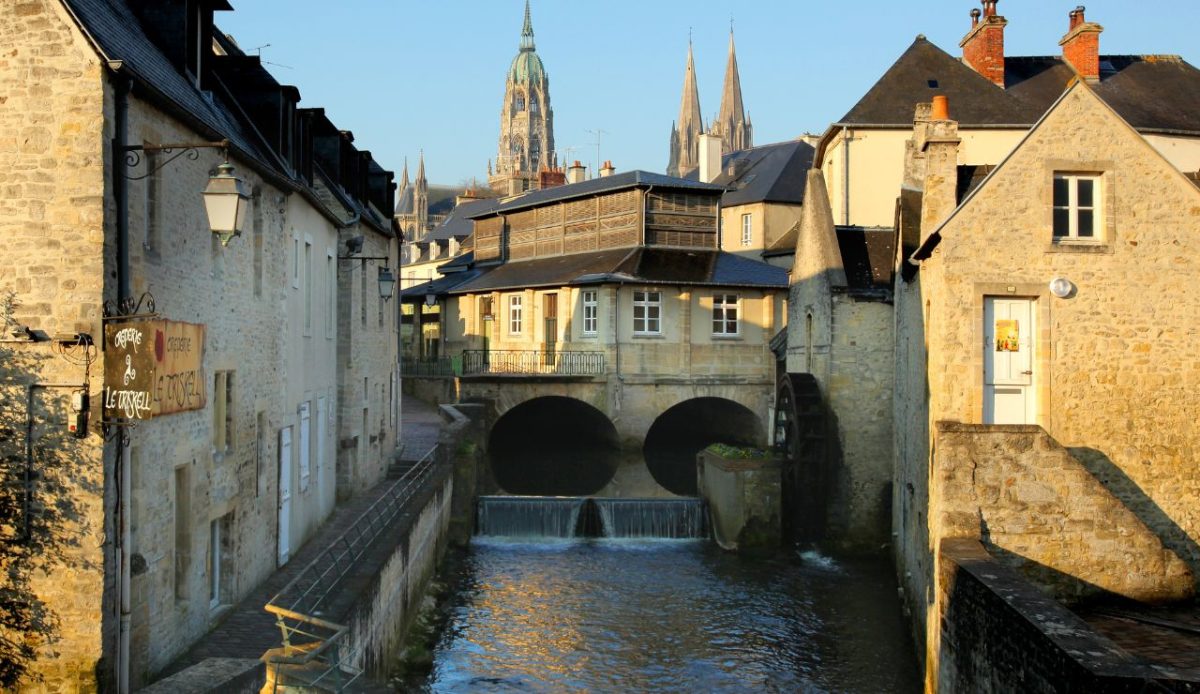
Bayeux is famous for its tapestry and historic cathedral, both of which survived World War II intact. The town avoided heavy bombing, preserving its medieval charm and architectural landmarks. Visitors can explore the Bayeux Tapestry Museum, stroll through quiet streets, and learn about the town’s wartime history and its role in the D-Day invasion. The preservation of these sites allows travelers to experience authentic French history and culture, making Bayeux a compelling stop for those who wish to understand the impact of war while enjoying a town that maintained its heritage despite the surrounding turmoil.
3. Dubrovnik, Croatia
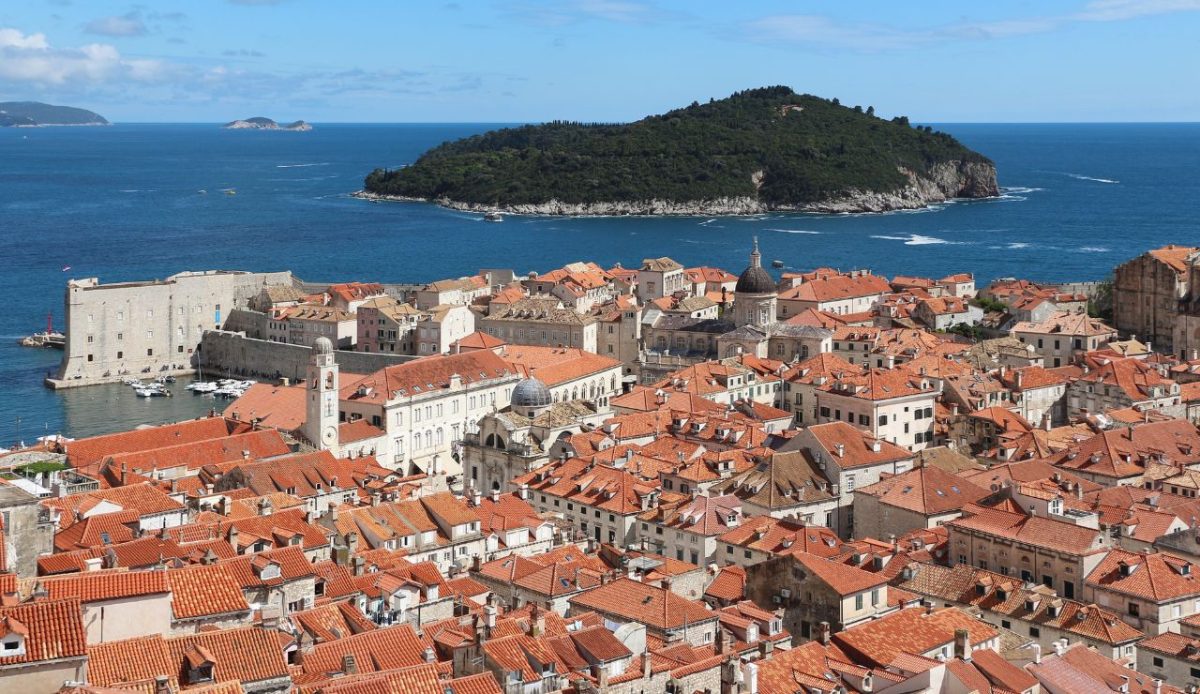
Dubrovnik’s Old Town, with its massive stone walls and terracotta roofs, survived extensive bombing during World War II, preserving its medieval architecture. Known as the “Pearl of the Adriatic,” it allows travelers to walk along fortified walls, explore historic palaces, and enjoy stunning coastal views. The town’s endurance provides a window into Croatia’s past, offering cultural, architectural, and scenic experiences without the heavy wartime damage seen in other European cities. Dubrovnik blends history, resilience, and natural beauty, making it a destination where travelers can appreciate both heritage and the Adriatic’s charm.
4. Český Krumlov, Czech Republic
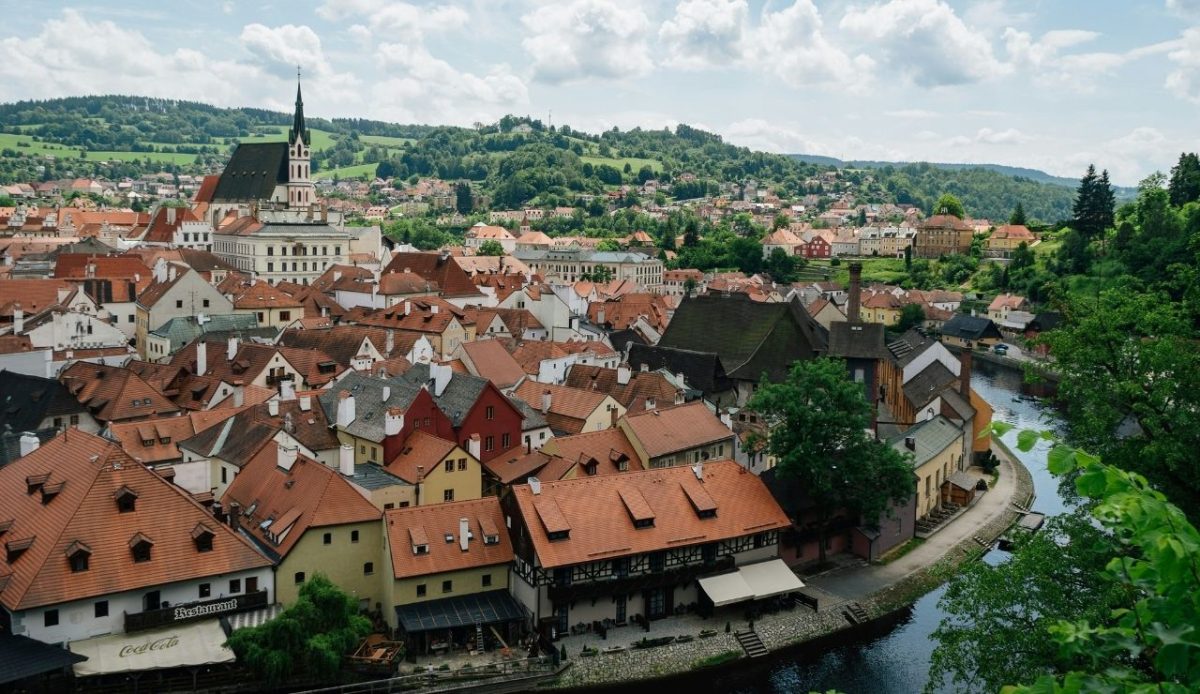
Nestled along the Vltava River, Český Krumlov survived World War II virtually unscathed. Its preserved medieval town center, castle, and narrow streets offer a fairy-tale-like experience for visitors. Travelers can explore winding alleys, artistic workshops, and historic churches while enjoying the town’s riverside beauty. The survival of its historic structures allows for an authentic glimpse into European life centuries ago, making Český Krumlov a standout destination. Walking tours and guided history lessons enrich the experience, providing families and solo travelers with insights into the town’s resilience and cultural heritage.
5. Heidelberg, Germany
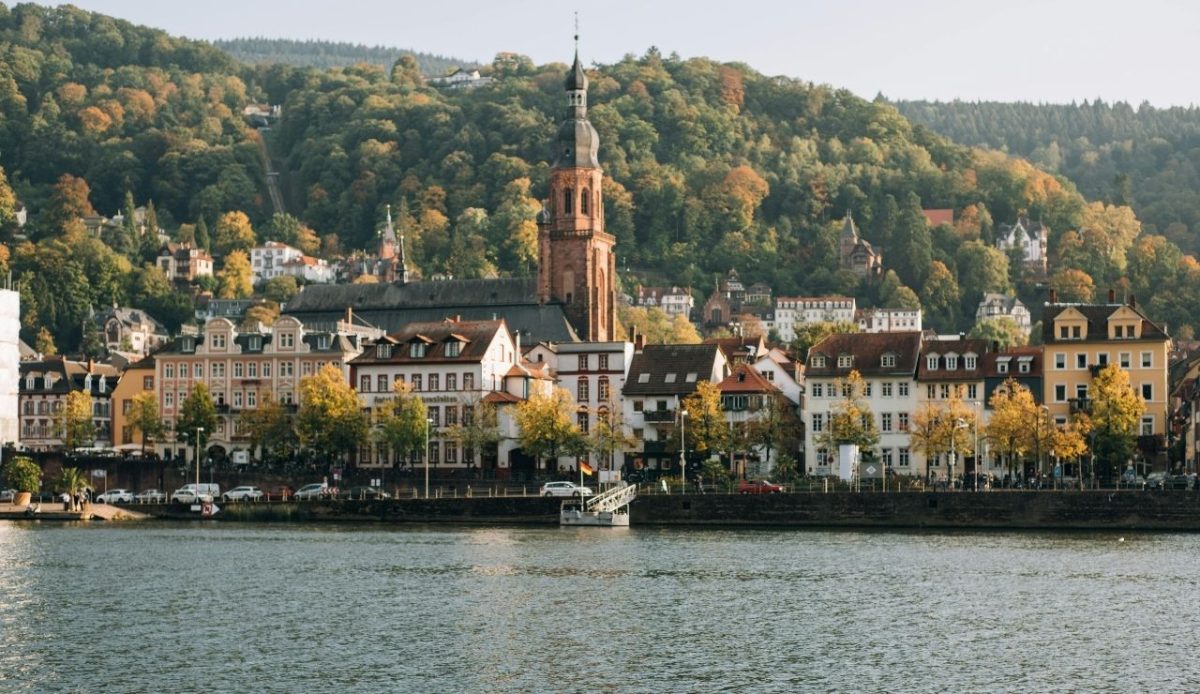
Heidelberg, home to Germany’s oldest university, avoided major destruction during World War II. Its baroque architecture, scenic Old Town, and iconic castle overlooking the Neckar River remain intact. Visitors can explore cobblestone streets, historic bridges, and gardens while learning about Heidelberg’s cultural significance. The town’s preservation offers a unique opportunity to experience German history, education, and architecture in a city that survived conflict with minimal damage. Festivals, museums, and scenic viewpoints enhance the journey, combining history, culture, and beauty in a resilient European town.
6. Lucca, Italy
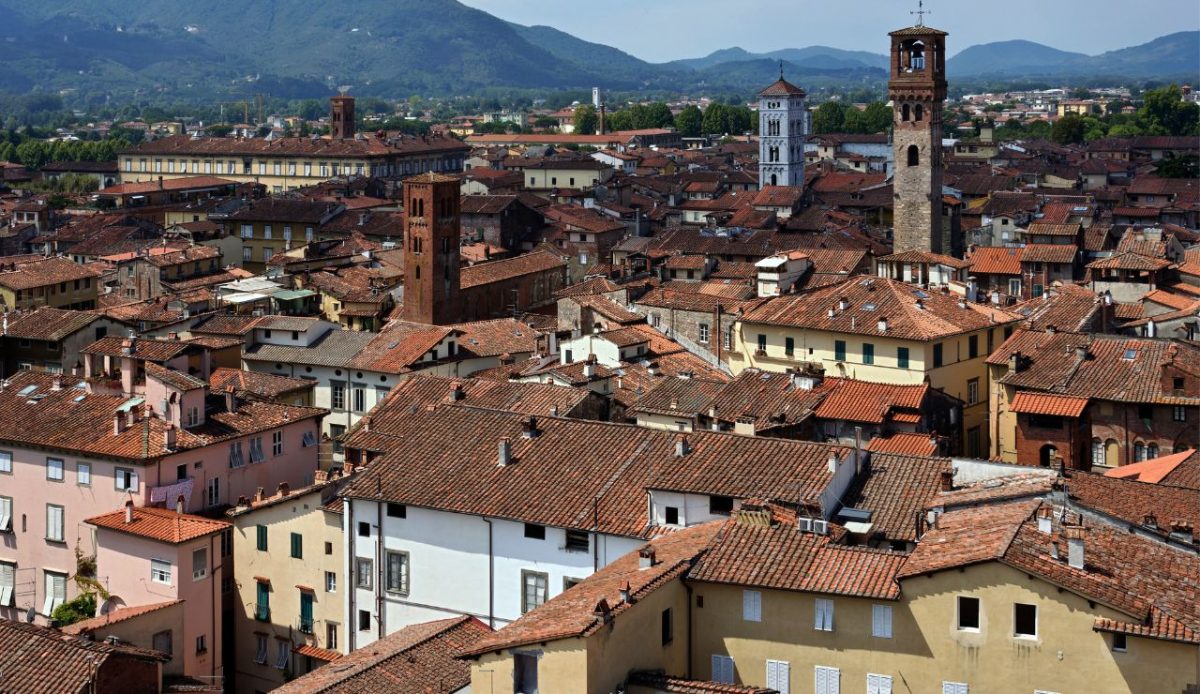
Lucca, located in Tuscany, escaped significant destruction during World War II, retaining its Renaissance walls and charming streets. Travelers can cycle along the intact city walls and visit historic churches and towers. The town’s resilience preserves centuries of Italian architecture and culture, allowing visitors to experience authentic local life. Culinary experiences, artisan shops, and seasonal festivals further enrich the trip. Lucca offers a blend of history, architecture, and Italian charm that survived the turmoil of war, making it a must-see for travelers seeking European towns that retained their historic identity.
7. Bruges, Belgium
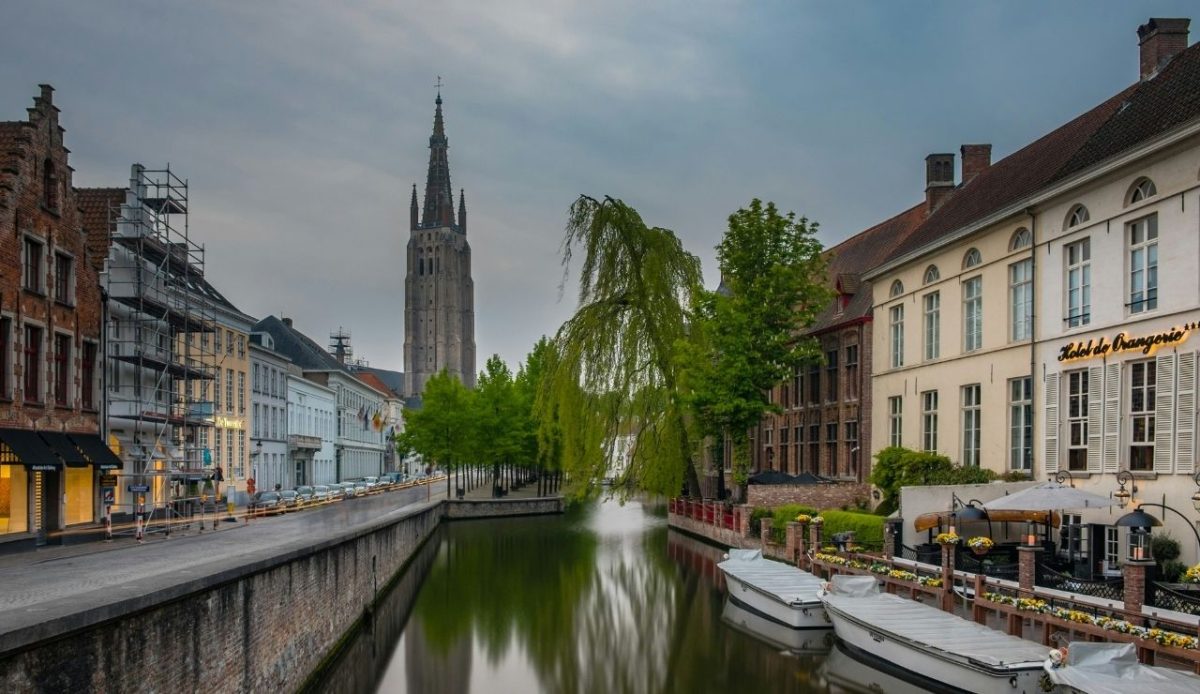
Bruges, known for its canals and medieval architecture, remained largely untouched during World War II. Its preserved city center allows travelers to enjoy cobblestone streets, historic squares, and ornate churches. Boat tours along the canals provide scenic views while highlighting the town’s history. Bruges’ survival ensures visitors can experience Belgium’s cultural and architectural heritage without the interruption of wartime damage. Chocolate shops, museums, and local markets make it a lively yet historical destination. The town’s charm and resilience make it a favorite for those exploring Europe’s enduring medieval treasures.
8. Tallinn, Estonia
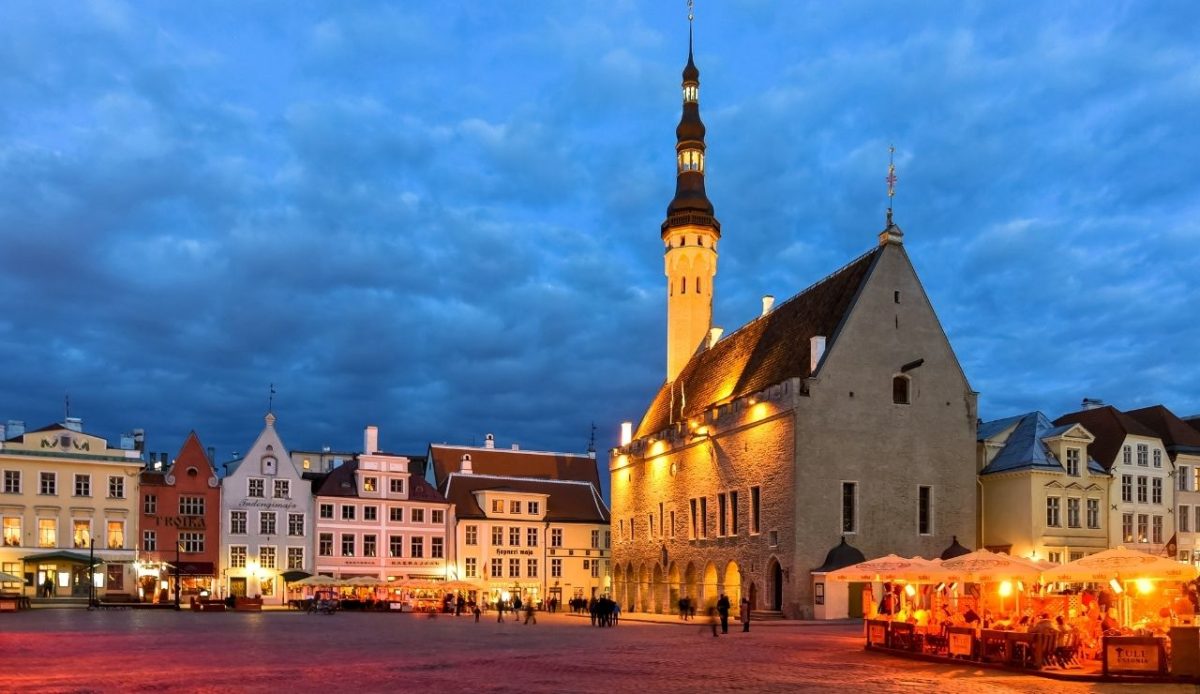
Tallinn’s Old Town, a UNESCO World Heritage site, escaped widespread destruction during World War II. Its medieval walls, towers, and narrow streets provide an authentic historical experience for visitors. Travelers can explore historic squares, Gothic churches, and cobblestone alleys while learning about Estonia’s resilience. The preservation of Tallinn allows families, solo travelers, and history enthusiasts to immerse themselves in a city where centuries-old architecture remains largely intact. Cultural events, museums, and markets enhance the experience, combining European history, architecture, and vibrant culture in one walkable city.
9. Salzburg, Austria
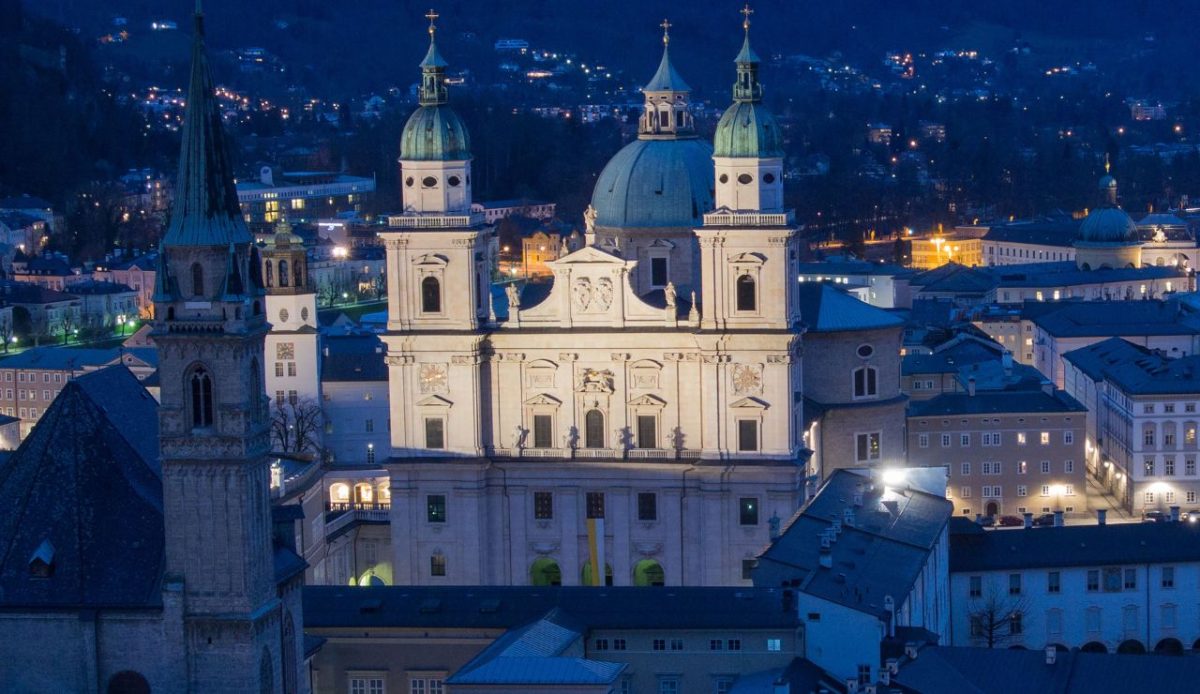
Salzburg survived World War II with minimal damage, preserving its baroque architecture, historic squares, and the birthplace of Mozart. Travelers can visit palaces, churches, and museums while enjoying views of the surrounding Alps. The intact historic center offers insights into Austrian culture and history, with guided tours highlighting wartime stories and musical heritage. Festivals and culinary experiences make Salzburg an enriching destination. Its combination of preserved architecture, music, and scenic beauty allows travelers to explore a city that endured history’s turbulence while retaining its charm and cultural identity.
10. Regensburg, Germany
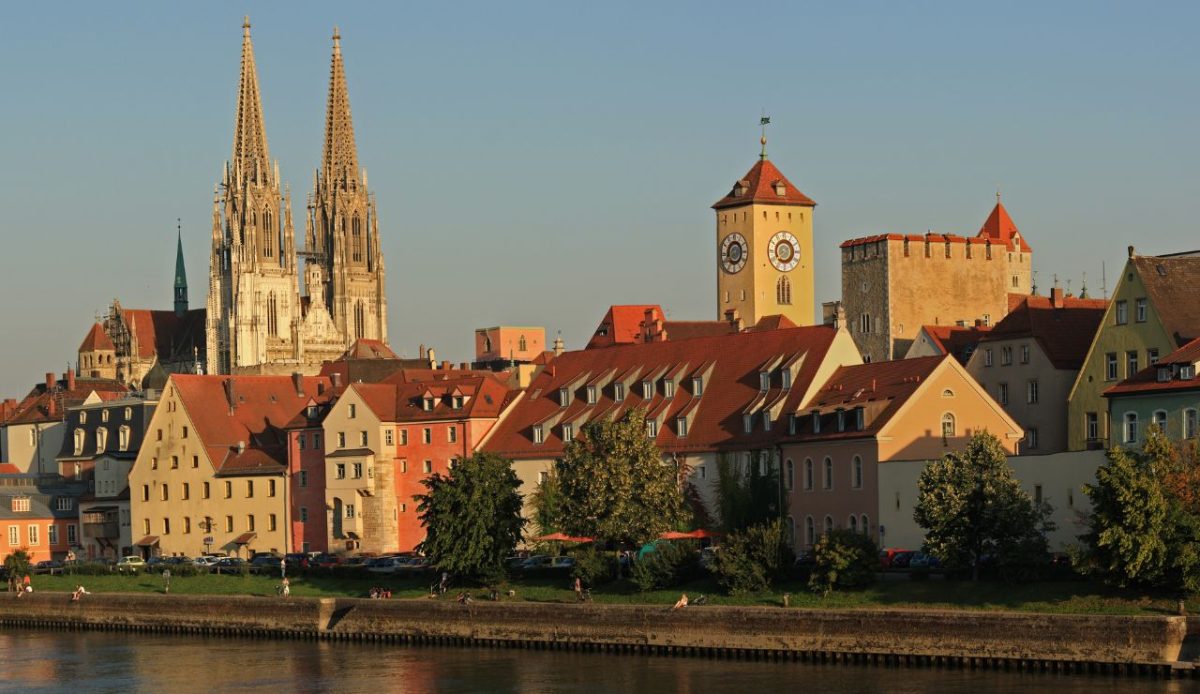
Regensburg, on the Danube River, avoided major destruction during World War II, preserving its medieval old town. Visitors can explore Romanesque churches, stone bridges, and historic squares, experiencing centuries of German history. Walking tours reveal stories of trade, governance, and wartime survival, making the city an educational and scenic stop. Its preserved architecture, cultural sites, and riverside charm allow travelers to experience authentic European life. Festivals, museums, and local cuisine further enrich the visit, combining history, resilience, and travel enjoyment in one remarkable German town.
