
Living cheaply in Europe often depends on daily routines rather than headline rent alone. Smaller towns can reduce costs through local food networks, short travel distances, and pricing that is not driven by mass tourism. Groceries, utilities, and basic services often remain steady year-round, making monthly spending easier to predict. Walkable layouts reduce transportation expenses, while regional transit can replace car ownership. Healthcare access and routine maintenance costs also stay lower. The towns below are recognized for lower routine costs compared with nearby capitals, though housing choice and season still influence final budgets.
1. Plovdiv, Bulgaria
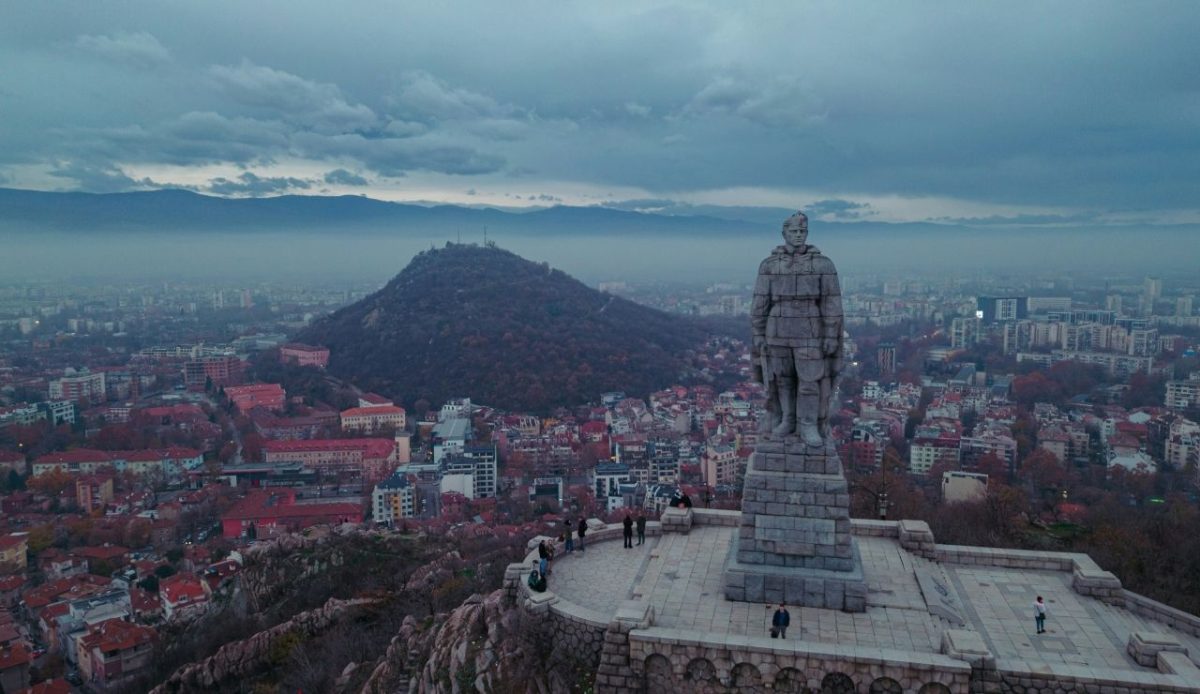
Plovdiv keeps routine living costs low while offering reliable services and a well-preserved historic core. Local markets and neighborhood shops offer produce and dairy at prices significantly lower than those in Sofia. Cafés and bakeries remain affordable outside tourist streets, supporting modest food budgets. Many districts allow errands on foot, reducing fuel or transit passes. Smaller apartments beyond the old town provide better value for rent. Heating costs can rise in winter, so efficient buildings, proper insulation, and modern radiators play an important role in keeping expenses controlled for long-term residents.
2. Timișoara, Romania
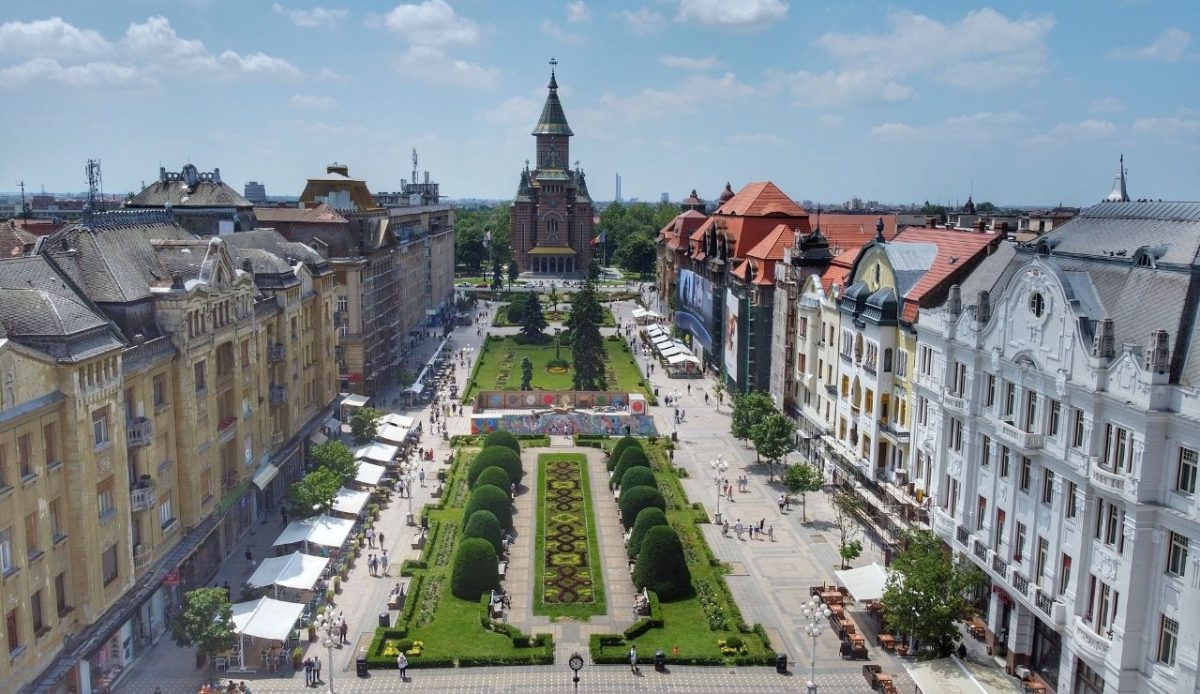
Timișoara provides urban infrastructure at a noticeably lower daily cost than many European hubs. Supermarkets compete aggressively, and bakeries make breakfast inexpensive. Utilities and mobile plans are generally manageable, especially in newer blocks with central systems. Trams cover most daily routes, limiting transport spending. As a university city, secondhand furniture, repair services, and budget gyms remain easy to find. Long-term renters save by avoiding central squares, where short stays push prices higher during busy academic and event periods each year, especially around festivals and conferences.
3. Brno, Czechia
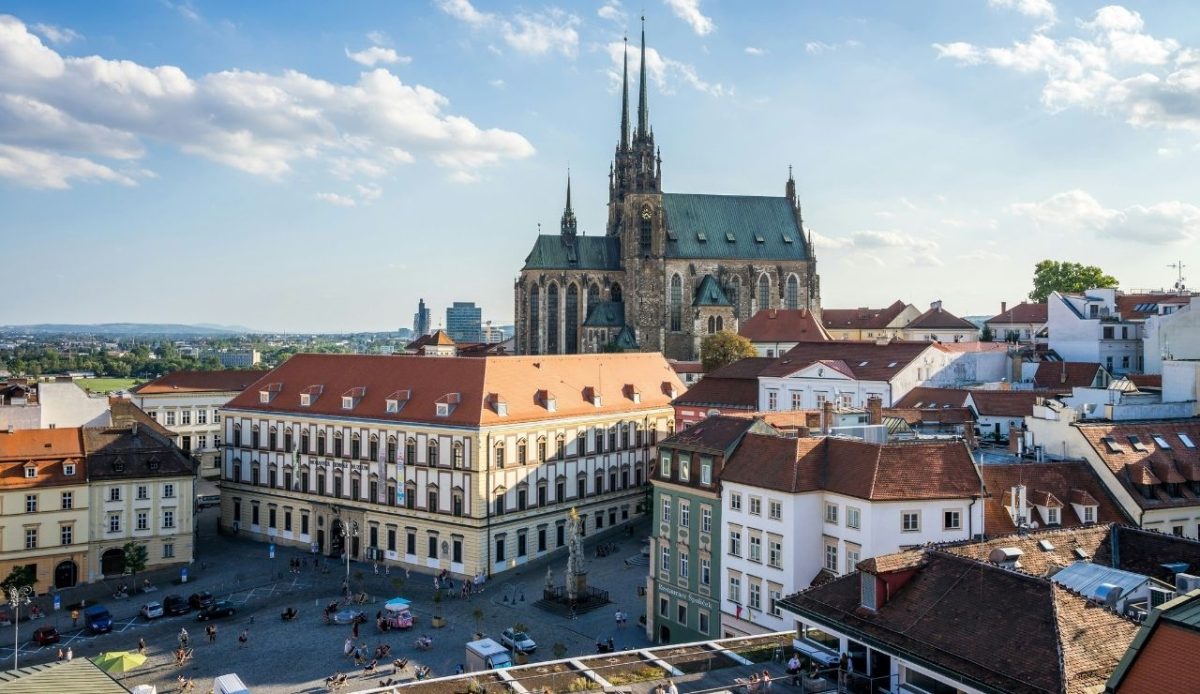
Brno often costs less than Prague while maintaining strong transit and public services. Student demand supports low-priced canteens, bakeries, and pubs where meals remain reasonable. Apartments in outer neighborhoods rent for less than in the capital, and cycling infrastructure lowers commuting expenses. Discount grocers and weekend markets help reduce food costs when shopping seasonally. Rail connections to Vienna and Bratislava limit travel spending. Older residential blocks may increase energy bills, so checking insulation and heating systems helps avoid budget strain over time for households.
4. Coimbra, Portugal
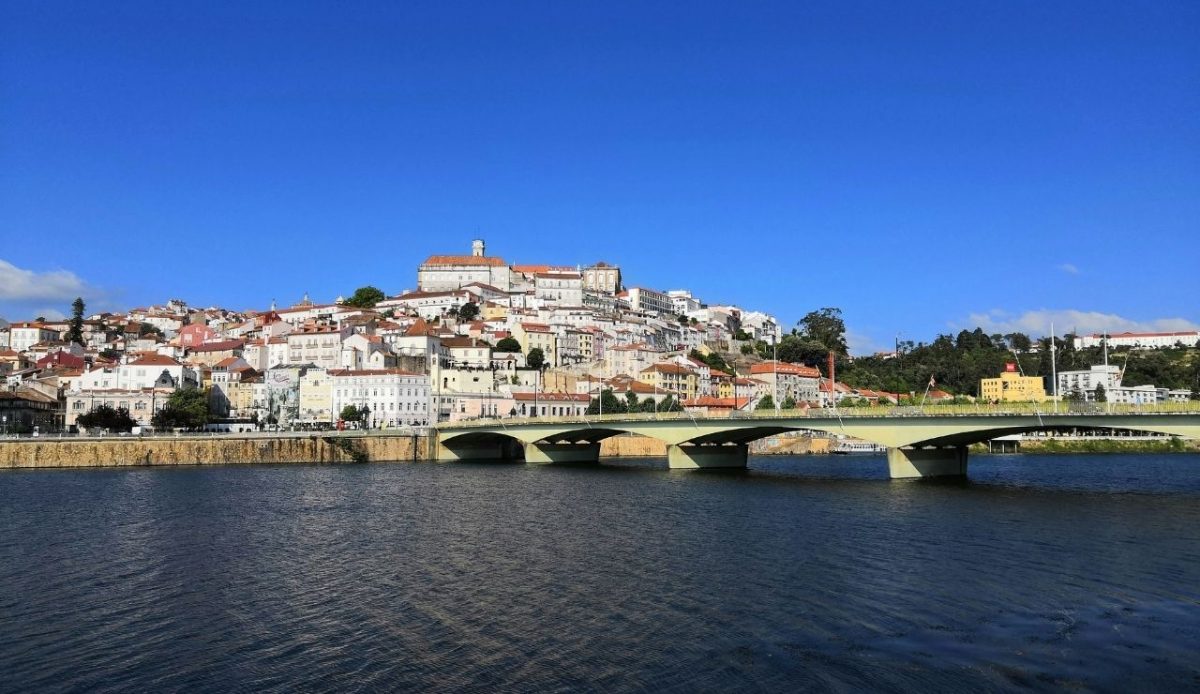
Coimbra delivers lower everyday costs than Lisbon or Porto, largely due to its student-driven economy. Lunch menus near campuses stay inexpensive, and hillside supermarkets price essentials competitively. Local markets offer affordable fish, vegetables, and dry goods when bought in season. Walking and buses handle most travel needs, minimizing fuel costs. Rental prices fluctuate around academic terms, so longer leases outside peak months reduce housing expenses. Electricity can raise monthly totals, making efficient appliances, shared housing, and shaded units financially important for long-term residents.
5. Thessaloniki, Greece
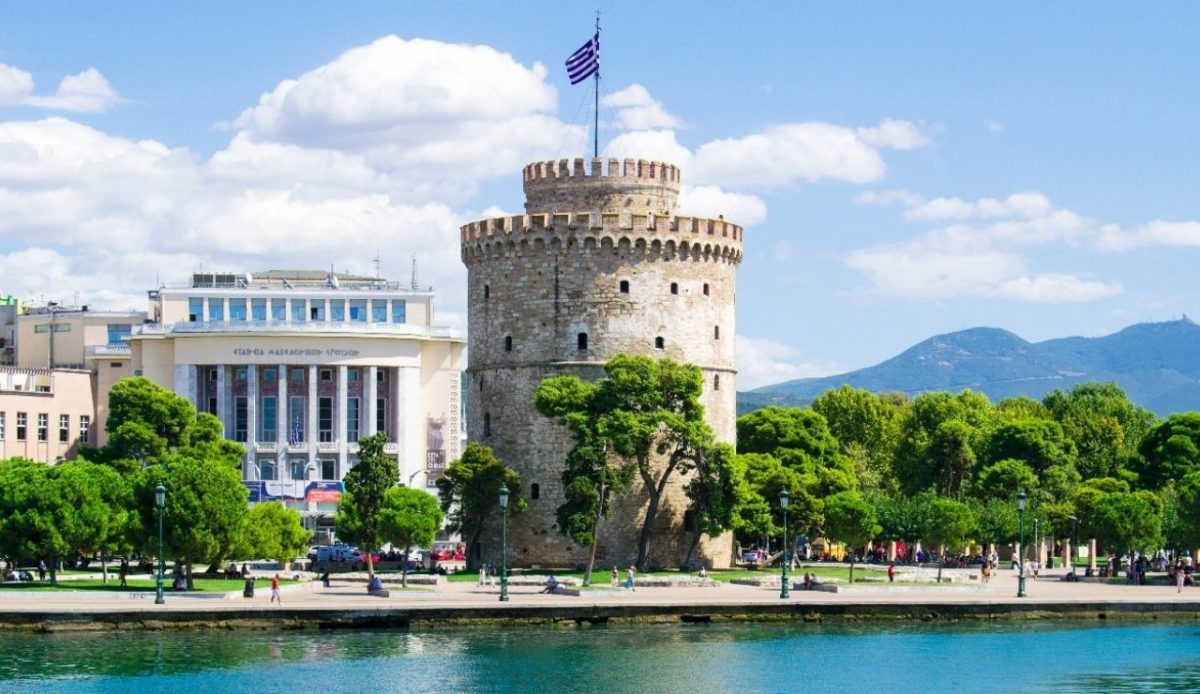
Thessaloniki typically runs cheaper than Athens while still offering broad services. Neighborhood produce shops, bakeries, and casual food counters make eating out affordable. Open markets sell olives, cheese, and fruit at prices below waterfront areas. Many residents rely on buses or walking, limiting transport costs. Older apartments may require higher heating use, so insulation and the heat source deserve attention. Visiting or renting outside peak summer weeks often leads to lower short-term rates, easier apartment searches, and reduced pressure on local services across most districts during the year.
6. Granada, Spain
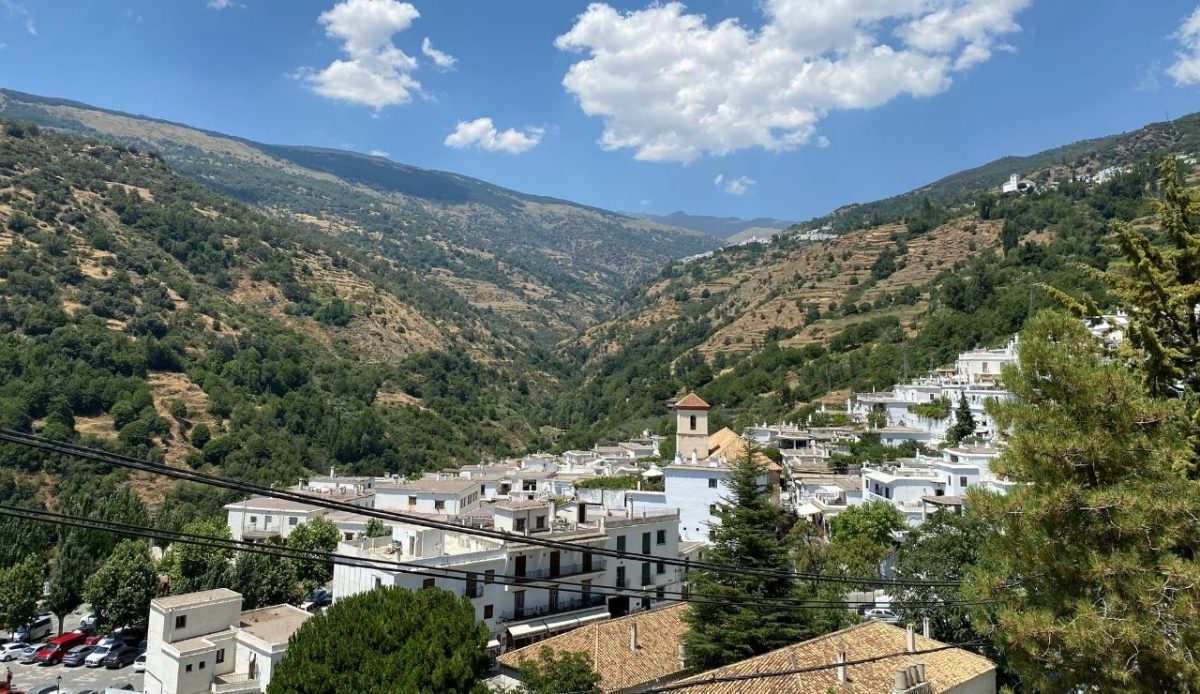
Granada supports low daily spending due to its large student population and inland location. Markets and small grocers keep food prices steady, while traditional eateries offer affordable fixed menus. Many neighborhoods are compact, allowing walking instead of frequent transit use. Rent remains lower than in Madrid or coastal cities, particularly outside historic quarters. Utilities stay moderate, though winter heating in older buildings can add costs. Cultural events and public spaces remain accessible without expensive ticketing or memberships, helping residents maintain an active social life on limited budgets.
7. Pécs, Hungary
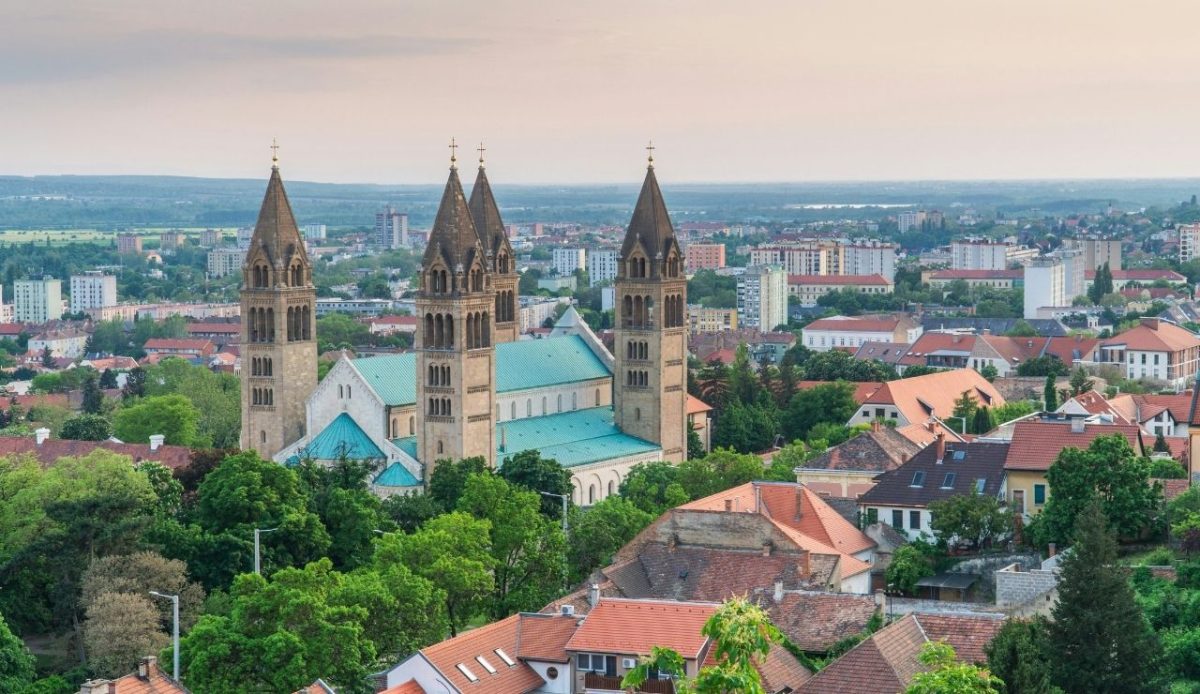
Pécs maintains modest living expenses compared with Budapest, supported by a regional economy and university presence. Grocery prices remain stable, and local bakeries reduce food budgets. Bus routes cover most neighborhoods, limiting transport spending. Rental housing outside the center offers good value, especially for smaller apartments. Healthcare access is reliable and affordable for residents. Energy bills vary by building age, making insulation checks important. Cultural venues and public spaces provide low-cost recreation throughout the year, including festivals, exhibitions, and community events that residents can attend regularly.
8. Lecce, Italy
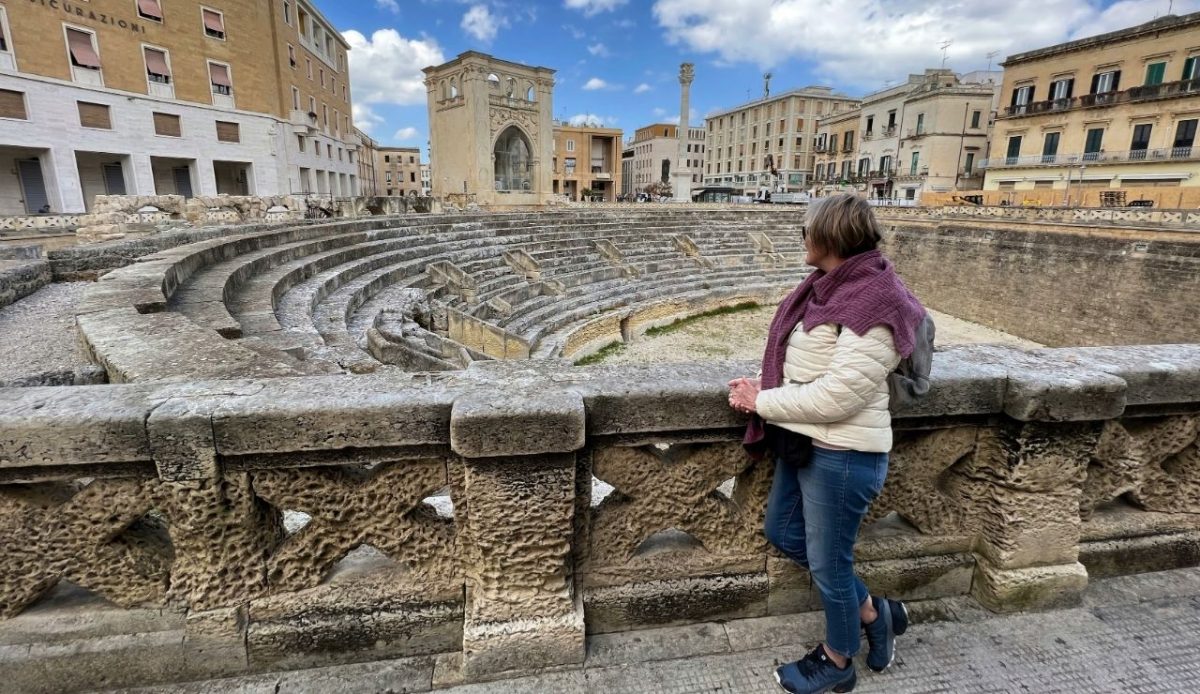
Lecce offers southern Italian living costs that stay below those of northern cities. Fresh produce, bread, and dairy from neighborhood shops remain affordable year-round. Dining out can stay inexpensive by choosing local trattorias away from main squares. Compact streets reduce transport needs, with buses filling longer routes. Rent prices remain reasonable outside peak tourist seasons. Summer cooling can affect utility bills, so shaded apartments and efficient systems help manage electricity expenses for residents during hotter months, especially in older stone buildings common across the historic area.
9. Sibiu, Romania
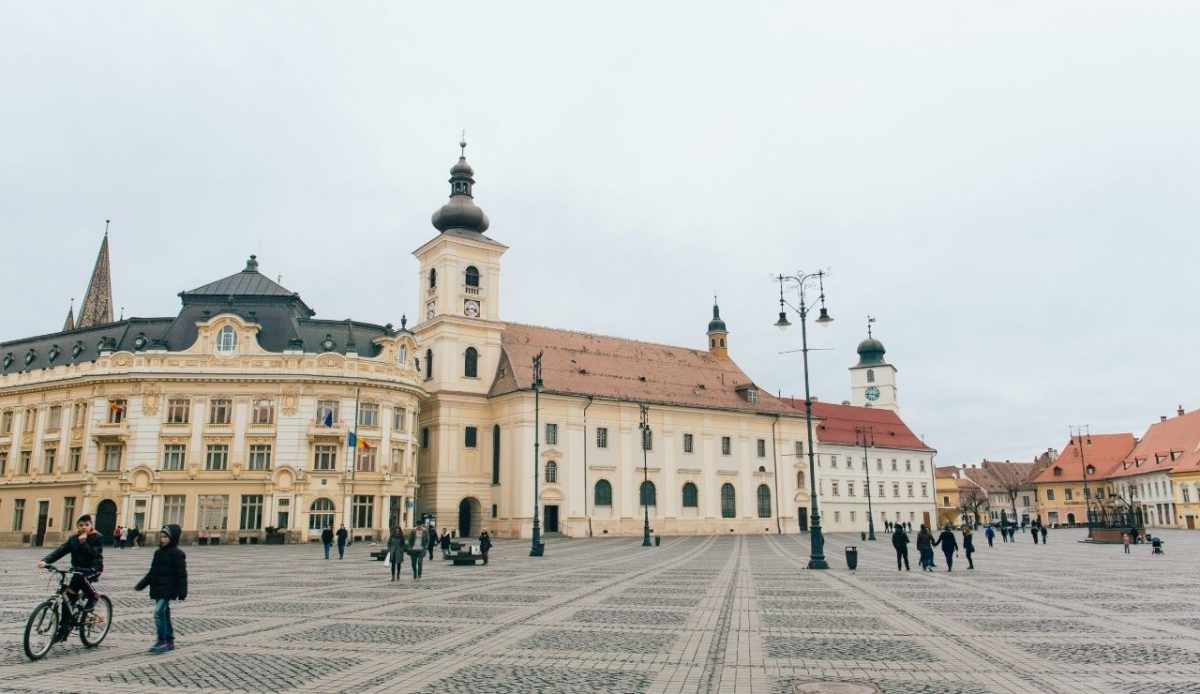
Sibiu combines a historic center with daily costs that remain accessible. Local markets and supermarkets keep food spending low, especially for seasonal items. Many residents walk within central districts, reducing reliance on paid transport. Rental prices stay moderate compared with Western Europe, particularly in residential zones beyond the old town. Utilities are predictable, though winter heating adds expense in older buildings. Public events and museums often offer low entry fees, supporting affordable leisure options for residents throughout the year and during cultural festivals hosted by the city.
10. Šiauliai, Lithuania
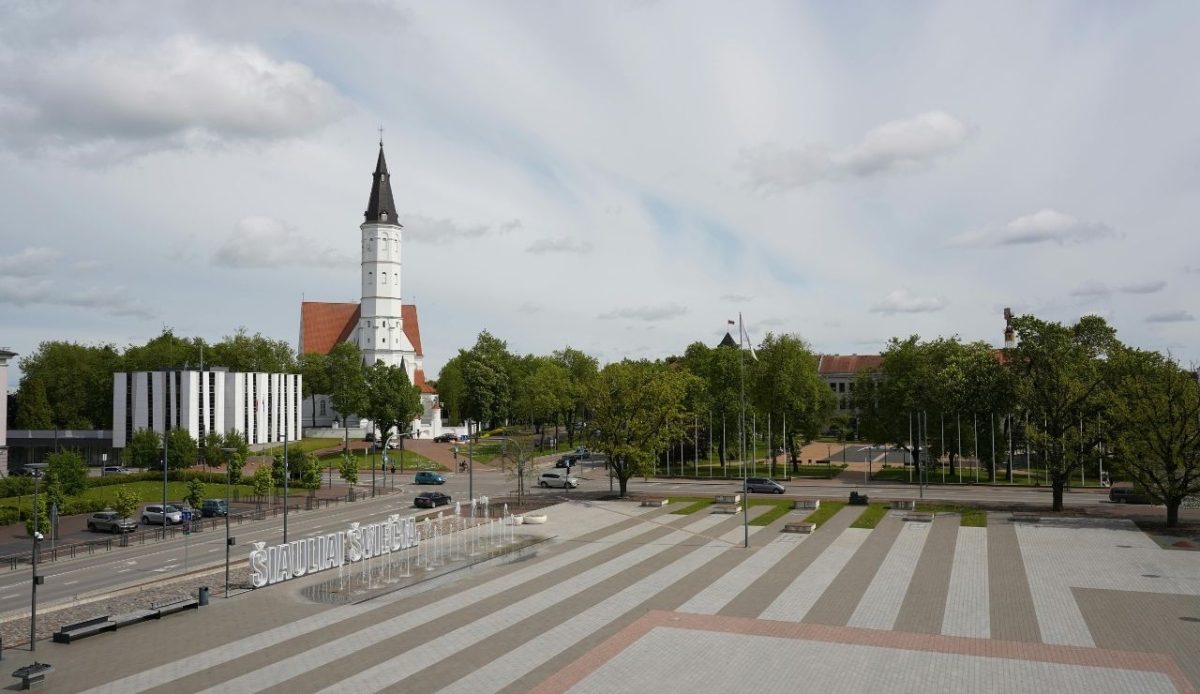
Šiauliai supports low routine expenses due to its regional role and smaller population. Grocery prices remain competitive, and home cooking stays affordable. Public transport covers daily needs at a low monthly cost. Rental housing is less expensive than in Vilnius, especially for modest apartments. Utilities remain stable, with heating being the main seasonal factor. Healthcare access and basic services are reliable, reducing unexpected costs. The town’s size helps keep daily life manageable without premium pricing pressures for long-term residents and families, particularly retirees and students.
