
Big-name landmarks can look perfect online, yet on the ground, they sometimes feel smaller, pricier, or harder to enjoy than expected. Visitor reviews repeat a few triggers: long waits, crowd pressure at photo points, confusing tickets, and surrounding blocks that feel worn or pushy. These seven cities each have a headline attraction that many reviewers label disappointing in recent review-based studies. That does not mean the city is not worth visiting, but it helps to plan smarter, pick off-peak hours, and prioritize experiences beyond the famous stop. Each section explains why expectations clash with reality and what to do instead.
1. Los Angeles: Hollywood Walk Of Fame
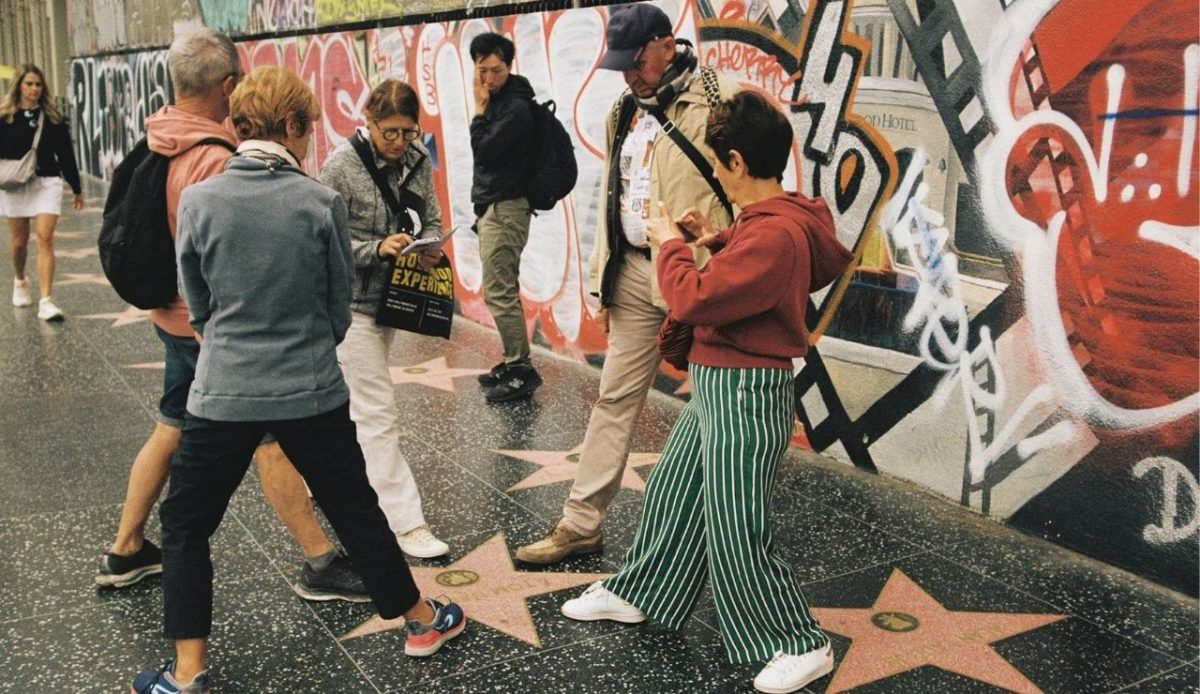
In Los Angeles, the Hollywood Walk of Fame can disappoint visitors who expect glamour and get a long, gritty sidewalk instead. Complaints often mention constant soliciting, strong odors, and a tense street scene that does not match the movie image. Because the stars look similar block after block, the novelty fades quickly once a few names are found. Go in daylight, keep the visit short, avoid late-night hours, and plan a second stop nearby that offers a clearer payoff, such as a museum ticket or a hillside view. Using transit can also reduce stress, since parking and traffic are frequent frustrations in the area.
2. San Francisco: Fisherman’s Wharf
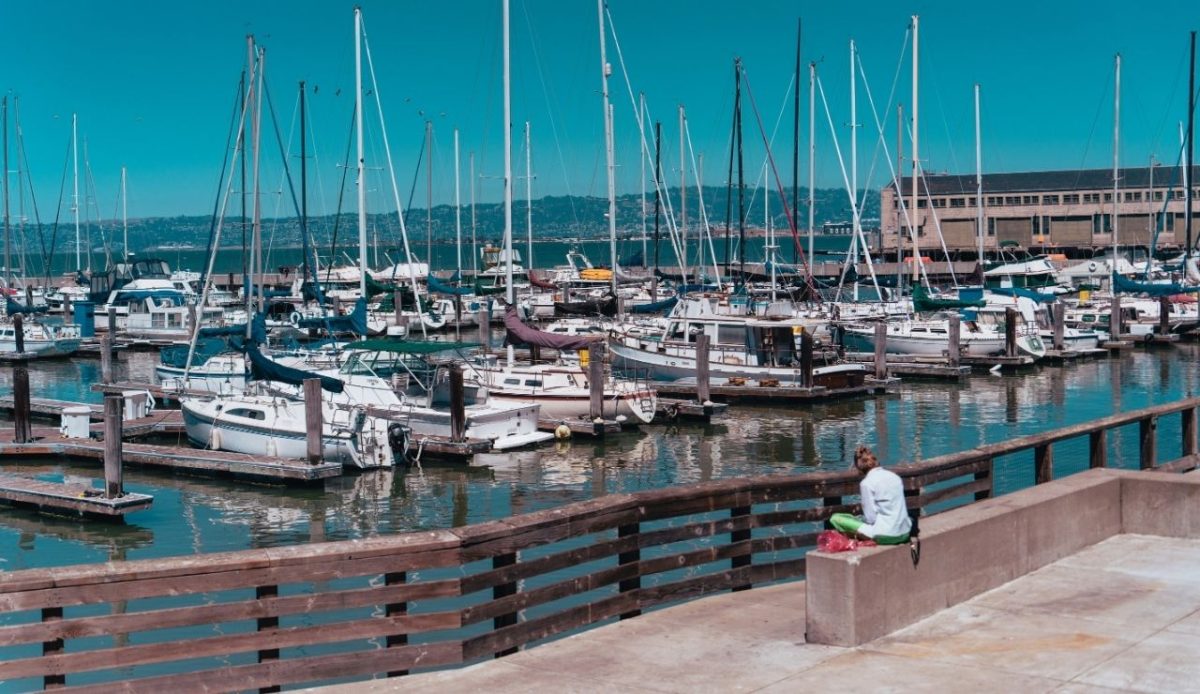
San Francisco’s Fisherman’s Wharf draws visitors with postcard expectations, yet many reviews describe it as a tourist trap tied for the most “tourist trap” mentions in a 2025 review analysis. The area is heavy on souvenir stands, loud street sales, and inflated menu prices, so travelers can feel they paid for a waterfront view and little else. Even the sea lions can be a quick watch once the novelty wears off. Arrive with a single goal, like a short pier walk or a ferry ticket, then spend more time in districts where restaurants and shops cater to residents as well. Going early can cut noise and crowds.
3. Barcelona: Las Ramblas
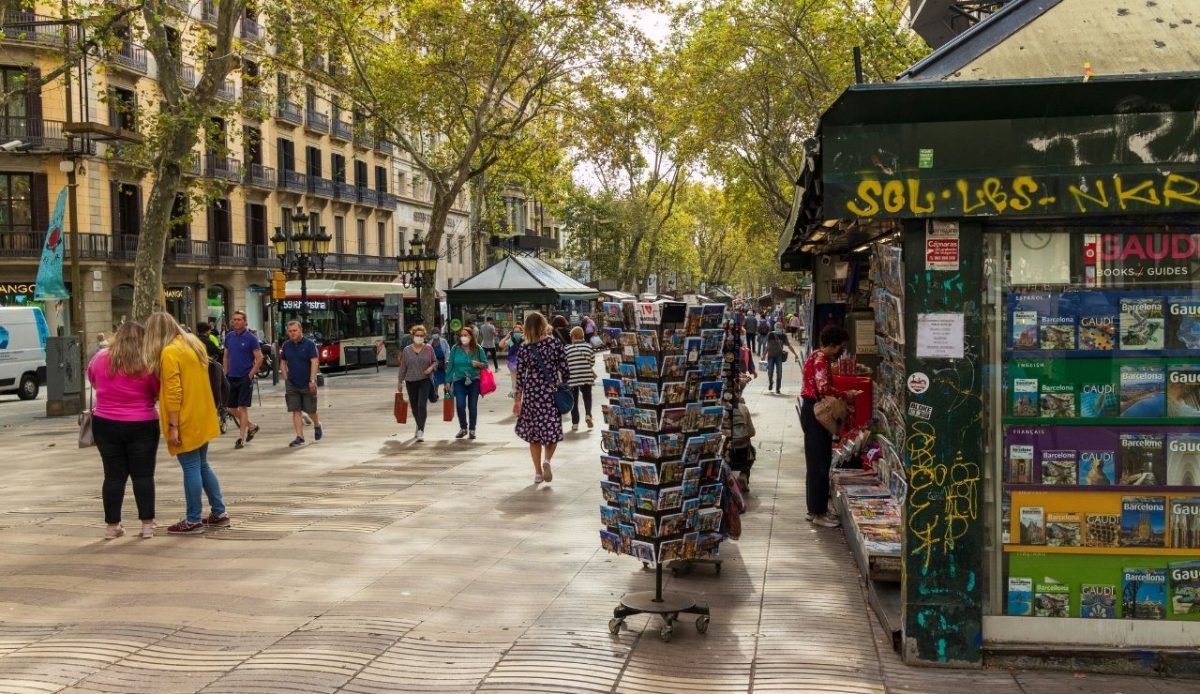
Barcelona’s Las Ramblas is marketed as a must-walk boulevard, but many visitors report it feels crowded, overpriced, and stressful. In Nomad’s 2025 review text scan, it ranked near the top for “tourist trap” mentions, reflecting repeated complaints about scams and low-value meals. Street performers and kiosks add energy, yet the constant jostling can drown out the charm. Walk a short segment in daytime, keep bags zipped in front, and treat the route as a link between places rather than the main event, then detour into calmer lanes. A short guided walk nearby can add history without the hassle.
4. Dublin: Temple Bar District
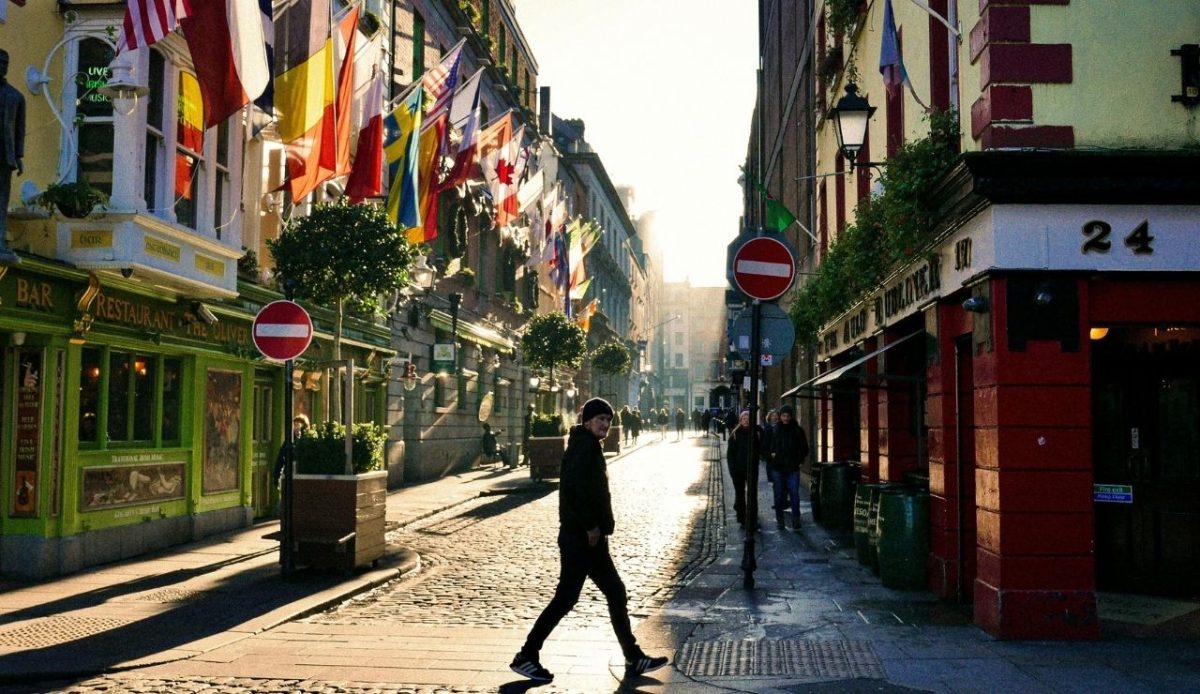
Dublin’s Temple Bar district looks like the perfect pub postcard, yet many visitors say it feels staged and expensive once they arrive. In a 2025 review analysis, it ranked high for “tourist trap” mentions, with complaints about packed streets, loud late-night energy, and drinks priced well above other parts of the city. The neighborhood can still work for a quick photo and one pint, but the experience often peaks fast. Visit earlier in the day if possible, and treat the area as a waypoint before seeking smaller pubs where menus and crowds feel more manageable. Live music calendars help you choose better nights.
5. Berlin: Checkpoint Charlie

Berlin’s Checkpoint Charlie carries heavy Cold War symbolism, but many visitors find the site itself underwhelming. Review-based rankings list it among the top “tourist trap” spots, often because the checkpoint area is small, crowded, and dominated by souvenir kiosks and paid photo actors rather than clear historical interpretation. Without context, it can feel like a quick selfie stop with little substance. To get more value, read the signage carefully, limit time on the street corner, and schedule a nearby museum visit that explains the border story in depth. Early hours reduce crowd pressure and make photos easier.
6. Edinburgh: The Royal Mile
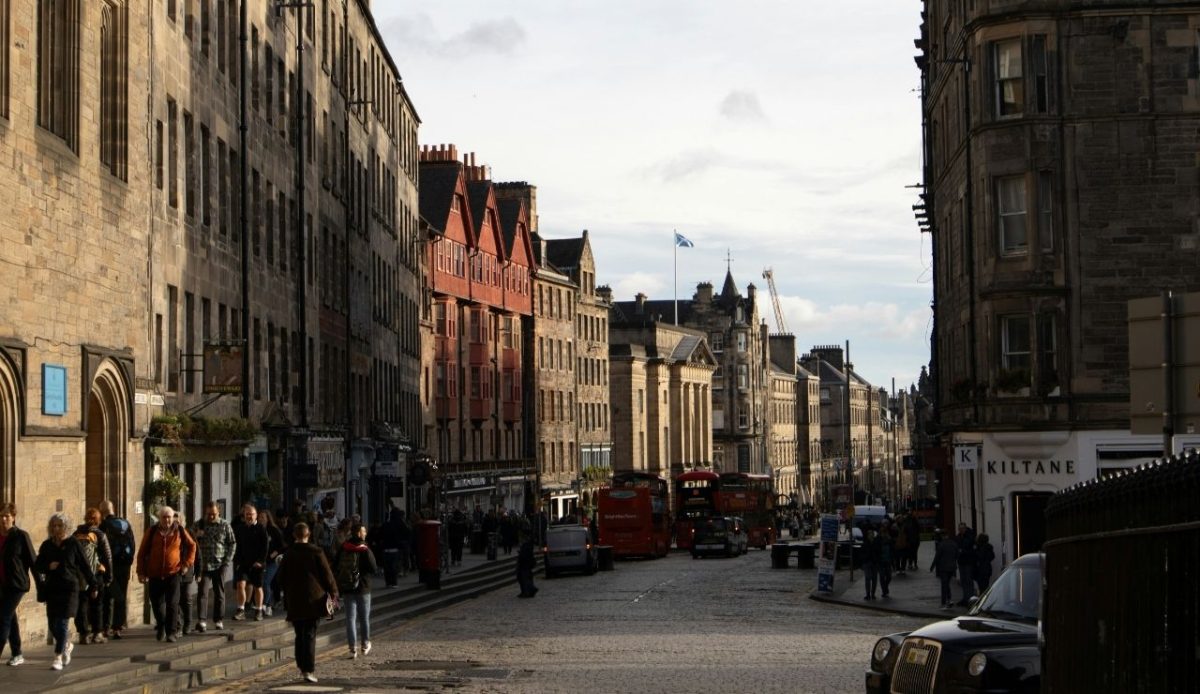
Edinburgh’s Royal Mile sounds like an atmospheric old-street walk, yet many visitors report it becomes a corridor of crowds and high-cost shops. In the 2025 review text analysis, it appeared near the top for “tourist trap” mentions, reflecting frustration with bus groups, street pitches, and stores that feel repetitive from block to block. The architecture remains impressive, but the vibe can shift when the route is treated as the only thing to do. Walk a short stretch, duck into closed and side streets, and time castle-area visits outside peak mid-day hours. Festival season can intensify the squeeze.
7. Rome: Trevi Fountain
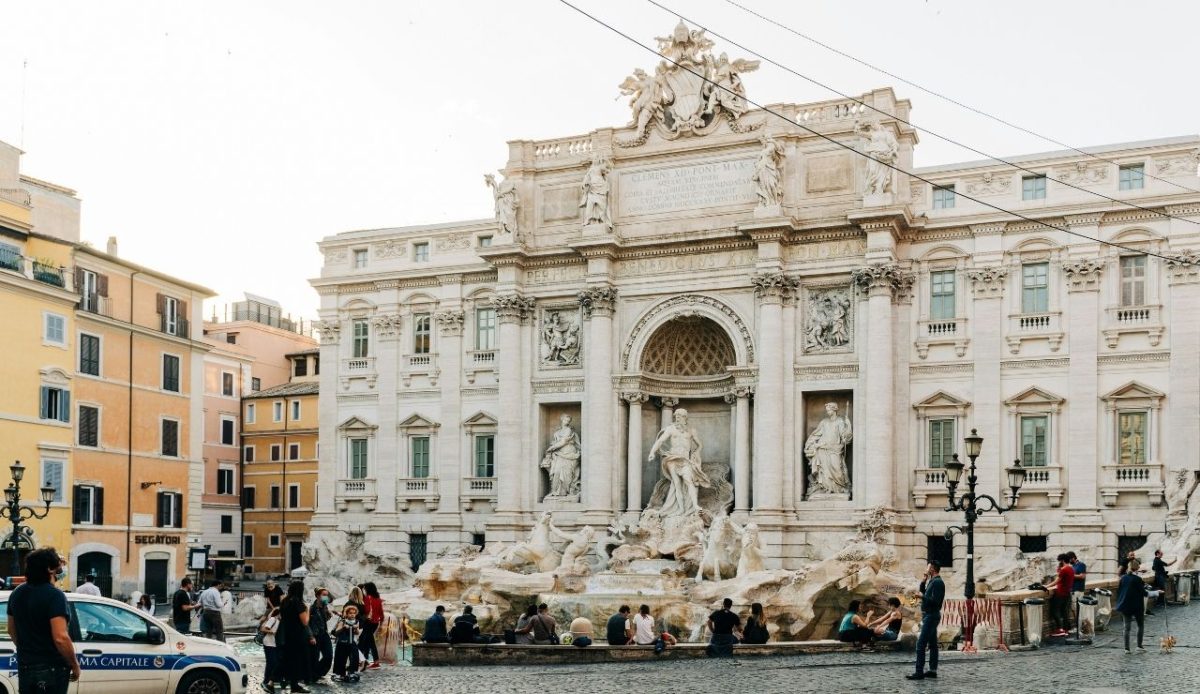
Rome’s Trevi Fountain is iconic, but many visitors leave disappointed because the space around it is tight and constantly packed. A large review study found crowd and access complaints were a major theme, with many people describing the moment as rushed and hard to enjoy. The fountain also becomes a background for elbows, selfie sticks, and vendors, which can flatten the magic that photos promise. Go very early or late, keep the stop brief, and set expectations that the best view may come from watching from the edges rather than forcing a front-row spot. Planning a second, quieter monument stop can balance the day.
