
Many airports use the name of a major city even though they stand far outside the area that travelers expect. This creates longer trips after landing, higher transfer costs, and tighter schedules for people on short visits. Routes to distant airports often depend on buses with fixed timetables or lengthy drives that change with the weather or heavy traffic. Visitors who book low fares sometimes learn about these extended transfers only after planning their arrival. The airports below show how distance can change the comfort and timing of a trip, especially when travelers assume a quick ride into the city.
1. Frankfurt-Hahn Airport, Germany
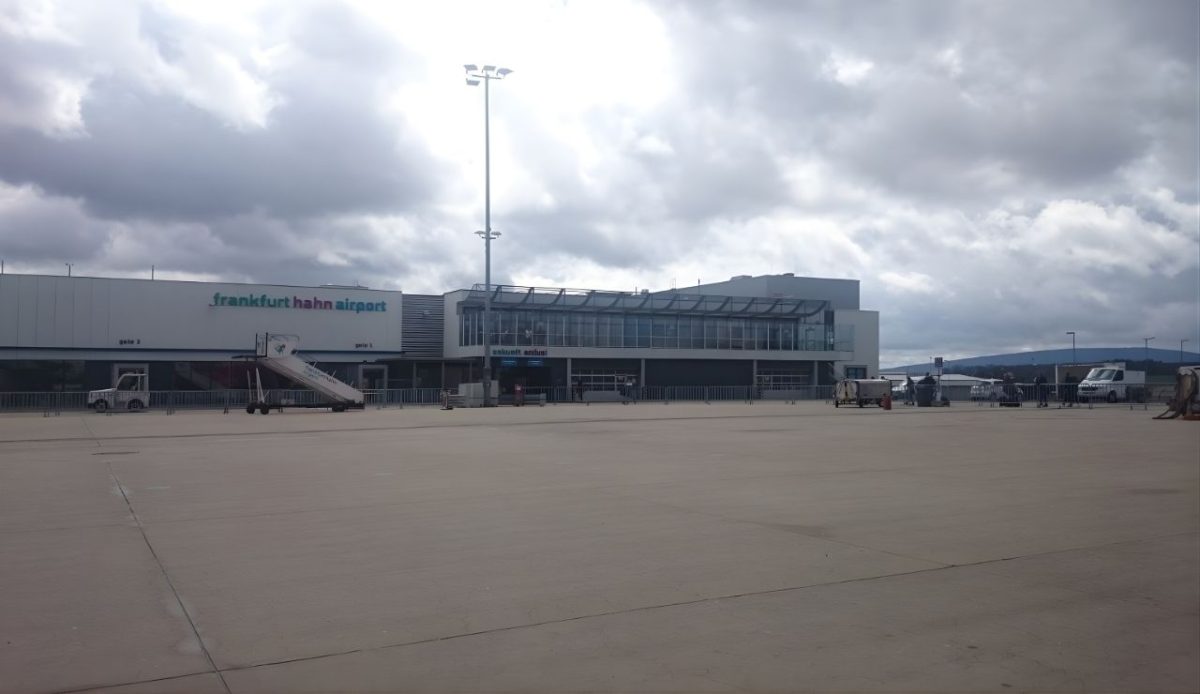
Frankfurt–Hahn surprises many travelers because it is set roughly 120–125 kilometers from central Frankfurt in a rural part of Rhineland-Palatinate. There is no train station at the terminal, so passengers rely on long-distance buses that often take close to two hours during busy times. The route can slow further during winter or holiday travel periods. Many visitors choose the airport for low fares but later discover that the lengthy transfer reduces some of the savings. Frankfurt–Hahn works well for people heading to nearby towns, yet it becomes demanding for travelers with short stays or early appointments in Frankfurt.
2. Oslo Torp Airport, Norway
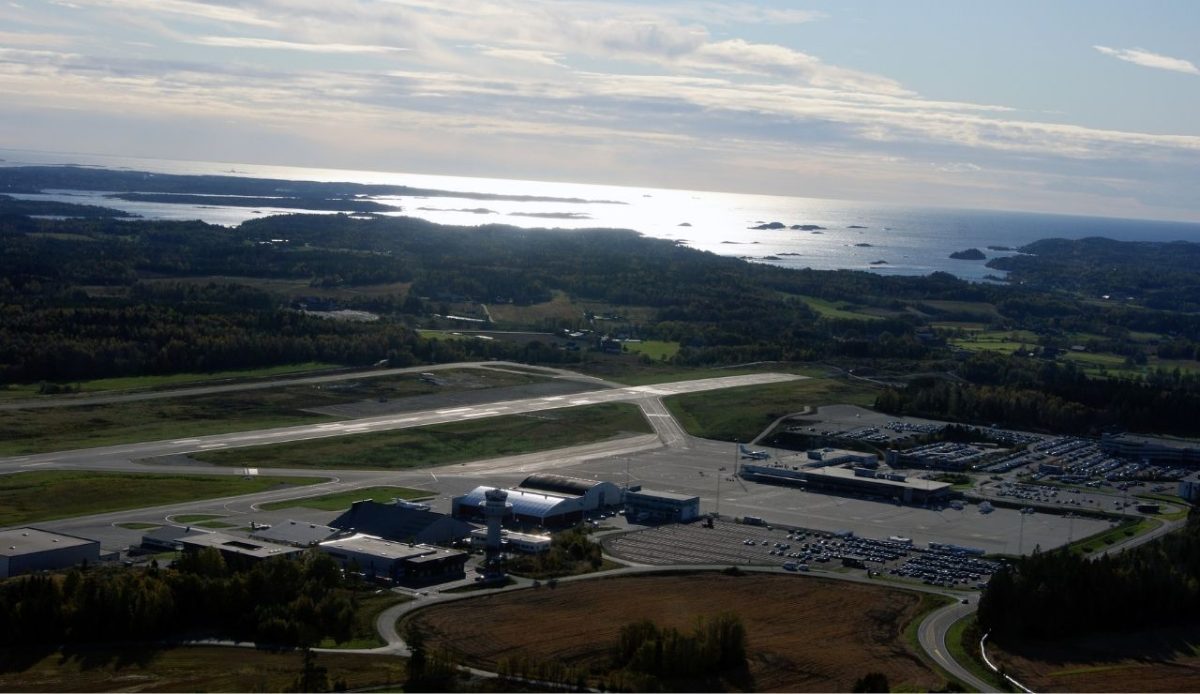
Oslo Torp is listed as an Oslo airport even though it stands near Sandefjord, roughly 110–120 kilometers south of the capital. Travelers usually combine a bus or train from Torp with another ride toward the city center, creating a long chain of transfers that often takes 80–100 minutes on normal days. Peak seasons introduce delays that stretch arrival times even more. Many passengers only learn about these requirements after booking discounted flights, making tight itineraries difficult. Torp suits visitors who plan to explore southern coastal towns, but anyone staying in Oslo needs to plan generous travel windows to stay on schedule.
3. Stockholm Skavsta Airport, Sweden
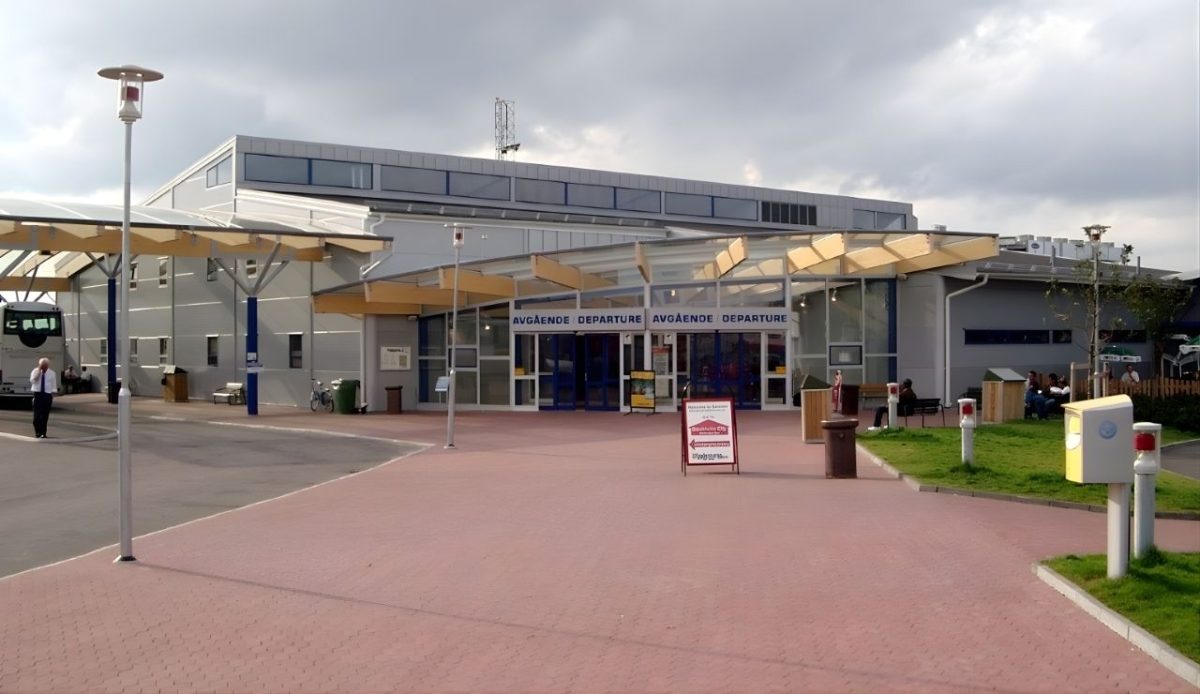
Stockholm Skavsta serves many low-cost carriers even though the airport stands near Nyköping, about 100–106 kilometers from Stockholm. It does not include a rail link at the terminal, so visitors depend on long-distance buses that take more than eighty minutes on most days. Travel duration varies because traffic near Stockholm changes throughout the day, and schedules adjust between seasons. Many passengers heading into the capital must plan their trips carefully to avoid missed tours or evening check-ins. Skavsta works better for visitors staying in towns to the south, while travelers focused on Stockholm often find the transfer longer than expected.
4. Barcelona Girona Airport, Spain
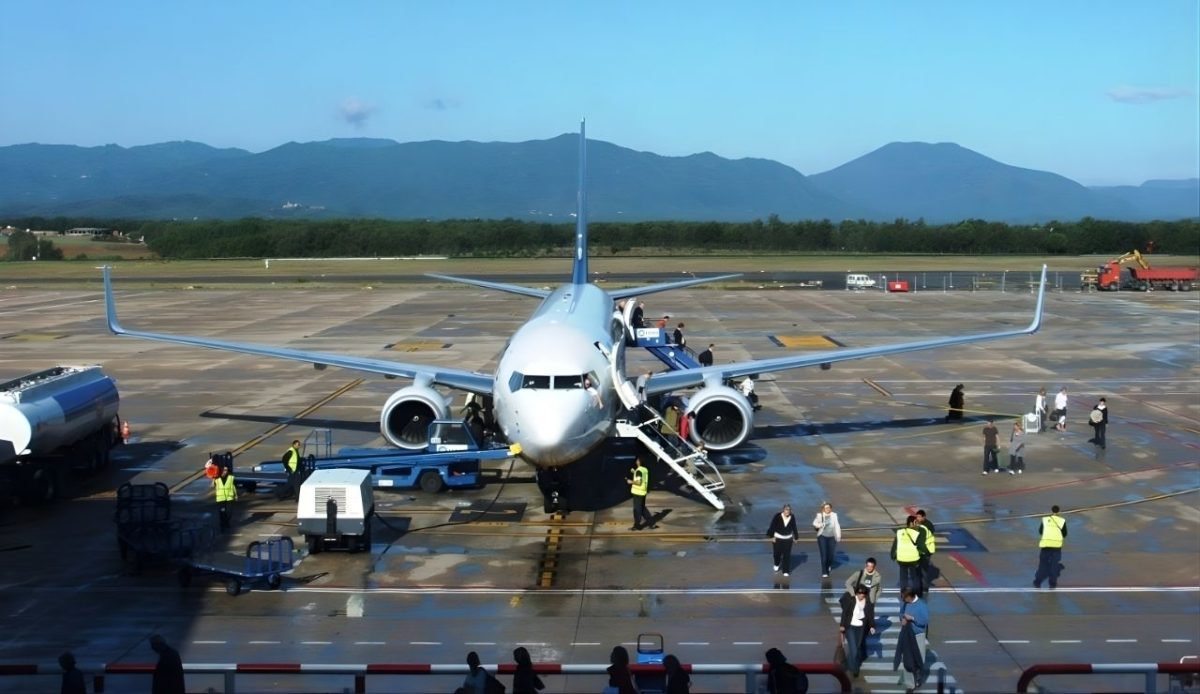
Barcelona Girona often appears in flight searches as a Barcelona option, though it is nearly 88–90 kilometers from the city. Buses connecting the airport to Barcelona commonly take 75–90 minutes, with more delays during summer when coastal routes become crowded. The airport suits travelers visiting Girona or the Costa Brava, yet those aiming for a quick arrival in Barcelona usually need extra planning. Seasonal changes also affect how often buses run, leading to longer waits for passengers arriving late in the day. Anyone planning early activities in Barcelona should factor in the long ride before finalizing schedules.
5. Tokyo Narita Airport, Japan
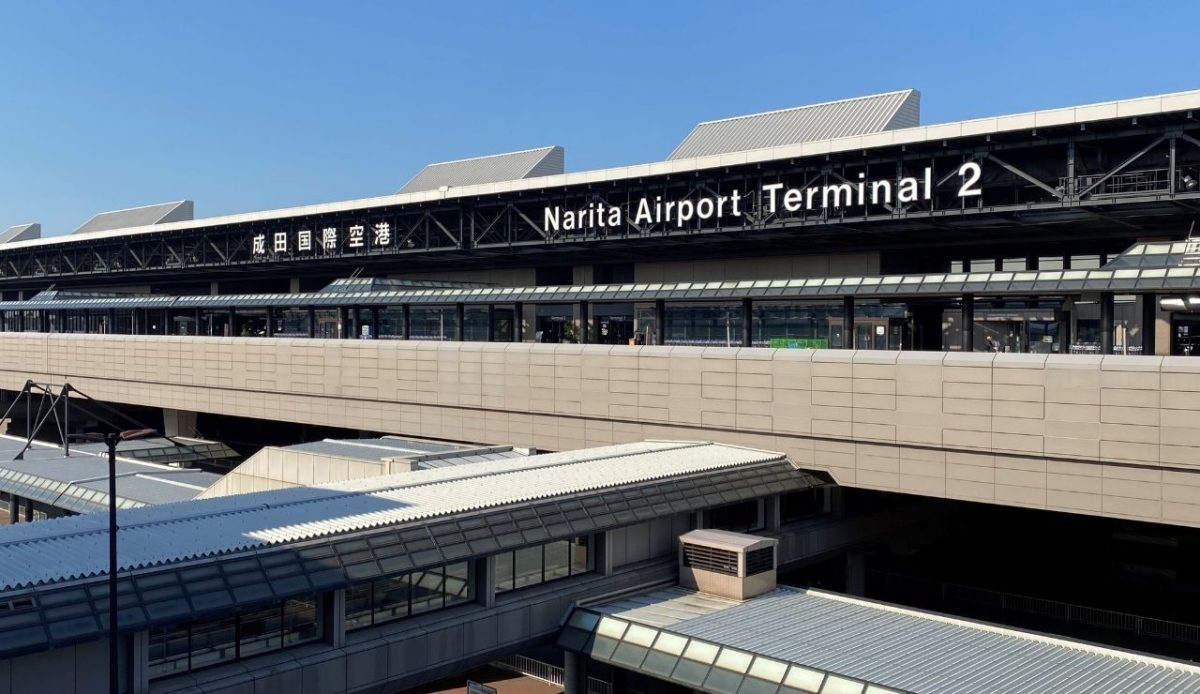
Tokyo Narita sits about 60–65 kilometers from central Tokyo in Chiba Prefecture. Visitors often take the Narita Express or Keisei Skyliner, which run 40–60 minutes depending on the time of day. Buses add more options but can slow down when highway traffic becomes heavy. Narita manages a large number of international routes, so processing times during entry can add minutes before transfers even begin. Travelers with short visits or tight meeting schedules need to plan extra space to handle the lengthy route into the city. Many first-time visitors expect shorter distances because of Tokyo’s size, but later learn the true location of the airport.
6. Munich Memmingen Airport, Germany

Munich Memmingen carries the Munich label in flight listings, though it stands around 110 kilometers from the city. Passengers usually take long-distance buses that require 75–90 minutes under normal road conditions. Winter weather can change travel time quickly, and connections may become less frequent during late hours. The airport mainly serves the Allgäu region and smaller towns, making it convenient for those areas rather than Munich itself. Travelers booking low fares often do not realize how far they will travel after landing. Coordinating arrival times with bus schedules becomes important for smooth movement toward Munich.
7. Milan Bergamo Airport, Italy
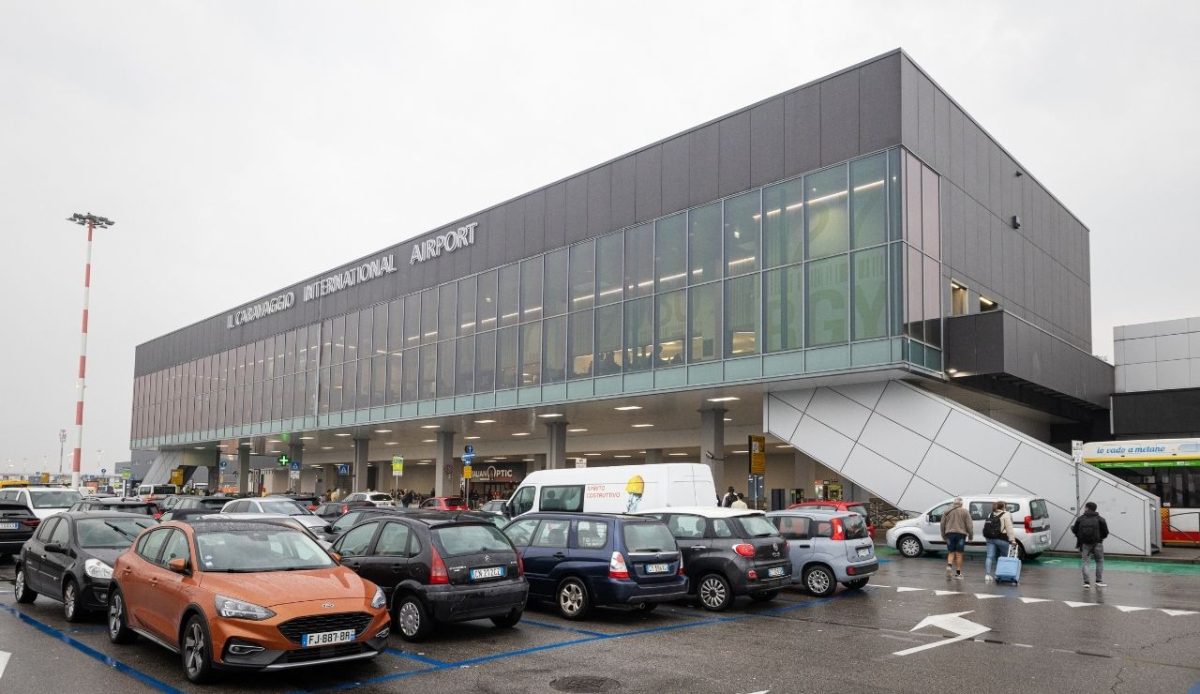
Milan Bergamo sits beside the city of Bergamo and is roughly 45–50 kilometers from Milan. Many carriers use the Milan name, which leads travelers to assume that the airport is close to the center. In practice, buses to Milan’s stations usually take about an hour, and heavy congestion can add more time. The airport handles steady traffic from budget carriers, so transportation lines may grow during holiday seasons. Visitors who stay in Bergamo often find the airport convenient, yet those planning business or cultural visits in Milan should include added travel time to avoid missed reservations or events.
8. Toronto Hamilton Airport, Canada

Toronto Hamilton Airport lies near Hamilton, approximately 80–85 kilometers from downtown Toronto. Many visitors pick it for affordable fares, but later discover the long transfer required to reach Toronto’s center. Driving normally takes about an hour, though rush-hour traffic on major highways can extend that by a wide margin. Public transport requires multiple steps, which adds time for those carrying luggage or traveling late in the day. The location works better for communities west of Toronto, while city visitors must plan. Early check-ins, tours, or morning meetings require careful timing to avoid delays.
