
Yellowstone attracts travelers from around the world, yet many arrive without understanding how distance, weather, and wildlife shape a safe and steady visit. The park covers a wide area with slow speed limits, active thermal zones, and boardwalks that require close awareness. People who overlook key rules or rush from one stop to another often create avoidable problems. A calm plan helps visitors use their time well, avoid unsafe behavior, and experience the highlights without stress. Knowing what mistakes happen most often leads to a smoother day and a clearer understanding of how to move around the park responsibly.
1. Approach the Wildlife
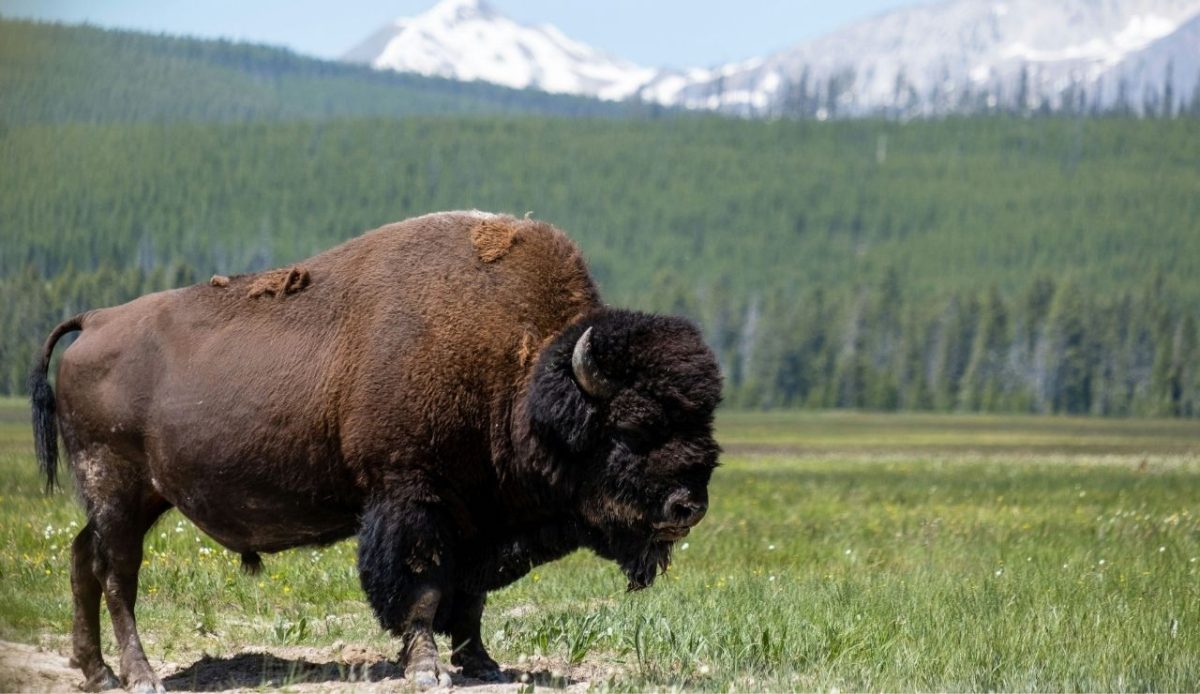
Visitors often move too close to bison, elk, or bears because the wide landscape makes the space feel safer than it is. Even calm animals can react quickly when stressed or surprised, creating dangerous moments for both people and wildlife. Rangers remind travelers daily that distance, patience, and a zoom lens provide safer opportunities for viewing. Crowds that push toward animals encourage others to copy the behavior, turning a single error into a larger risk. Keeping a wide buffer supports better wildlife movement and allows visitors to enjoy sightings without creating tension that disrupts the natural calm of the area.
2. Drive Drunk
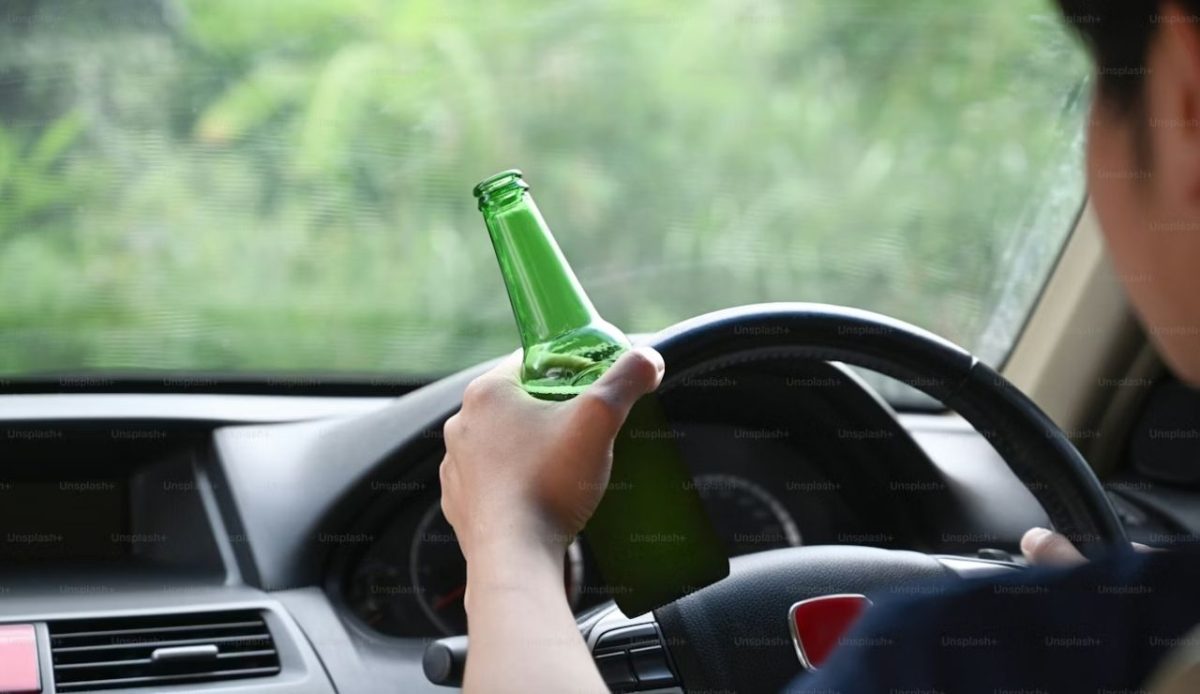
Driving under the influence becomes especially dangerous inside Yellowstone because wildlife often steps onto the road without warning, and sharp turns appear along several long routes. Visitors who drink before driving limit their ability to react and increase the chance of serious accidents. Rangers patrol major loops to keep traffic steady, yet some travelers still take risks that endanger others. Staying sober ensures better control, safer navigation, and respectful sharing of narrow roads with wildlife and fellow drivers. Responsible decisions help prevent emergencies in remote locations where assistance may take time, and they support a safer experience for everyone on the road.
3. Hike Without Bear Spray
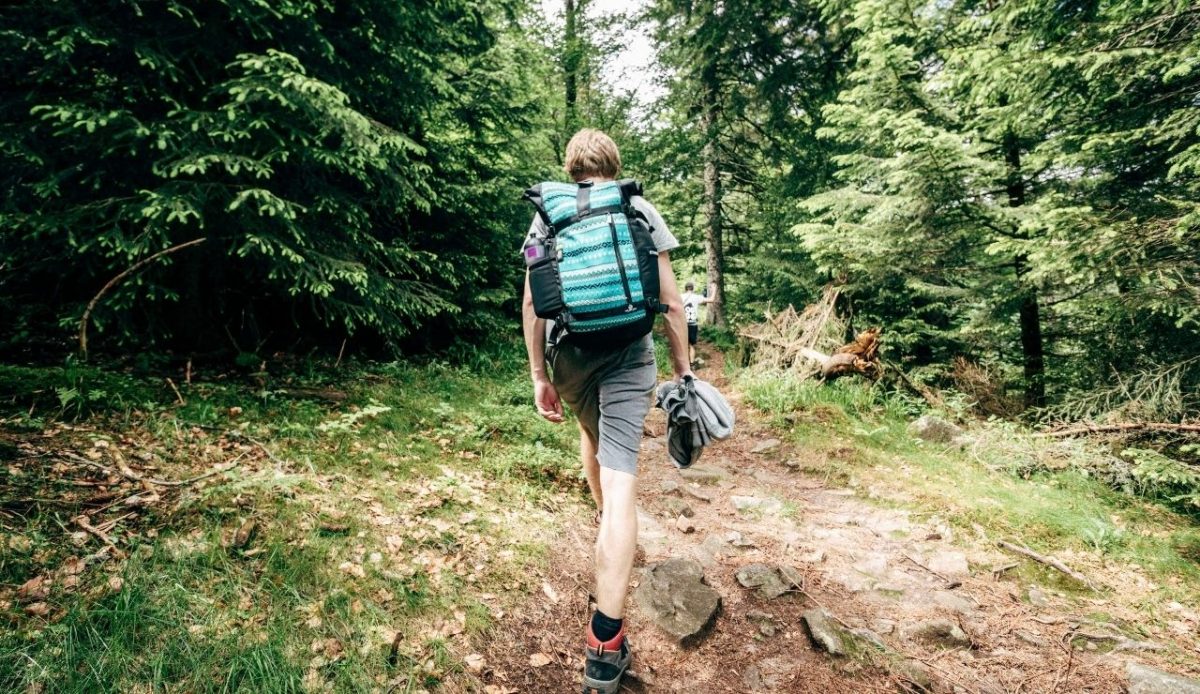
Many travelers begin hikes without bear spray, assuming short walks or busy trails remove the need for caution. Surprise encounters can happen near parking areas, and noise alone does not guarantee that wildlife will stay away. Carrying bear spray within easy reach gives hikers an added layer of protection when quick changes occur. Understanding how to use it helps during sudden moments when distance closes faster than expected. Visitors who leave it behind increase their risk during unpredictable wildlife movement. This simple habit supports safer hiking, reduces stress, and helps protect both people and bears during routine trail use.
4. Fail to Drink Water

Dry air, higher elevation, and long distances cause visitors to lose moisture more quickly than they expect. Many travelers bring only small bottles or forget to refill before heading toward distant viewpoints. Dehydration slows walking, creates headaches, and shortens plans, turning a full day into a difficult outing. Carrying enough water and drinking steadily helps visitors stay comfortable across boardwalks and open areas. Hydration supports better focus, smoother movement, and stronger awareness of surroundings. Staying prepared allows travelers to enjoy more stops without ending the day early due to fatigue or discomfort brought on by simple oversight.
5. Fail to Wear Layers
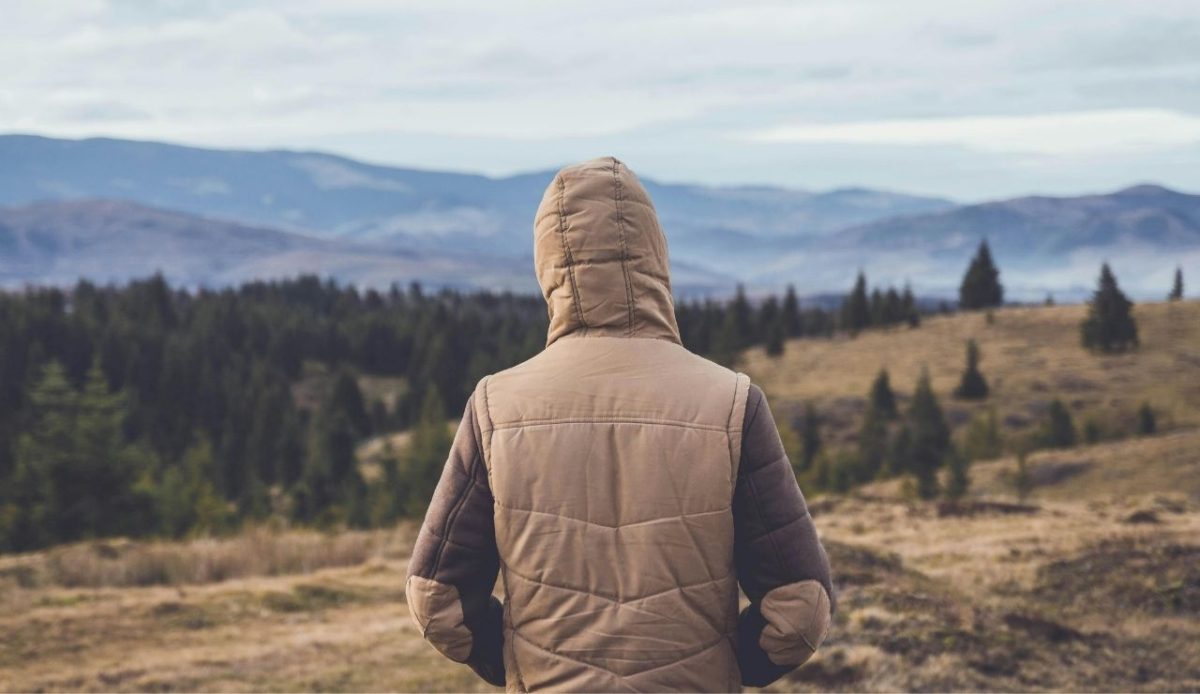
Yellowstone’s weather changes rapidly, shifting from warm sun to cool air or rain within a short period. Visitors who dress lightly often rush back to their cars to escape the sudden chill or wind. Packing layers allows travelers to adjust smoothly as temperatures shift through the day. A light jacket, warm shirt, and solid shoes help maintain comfort across walkways, trails, and viewpoints. This preparation supports a steady pace and reduces interruptions caused by discomfort. With the right clothing, visitors stay engaged with the scenery rather than the weather, making the experience far more enjoyable and balanced.
6. Litter
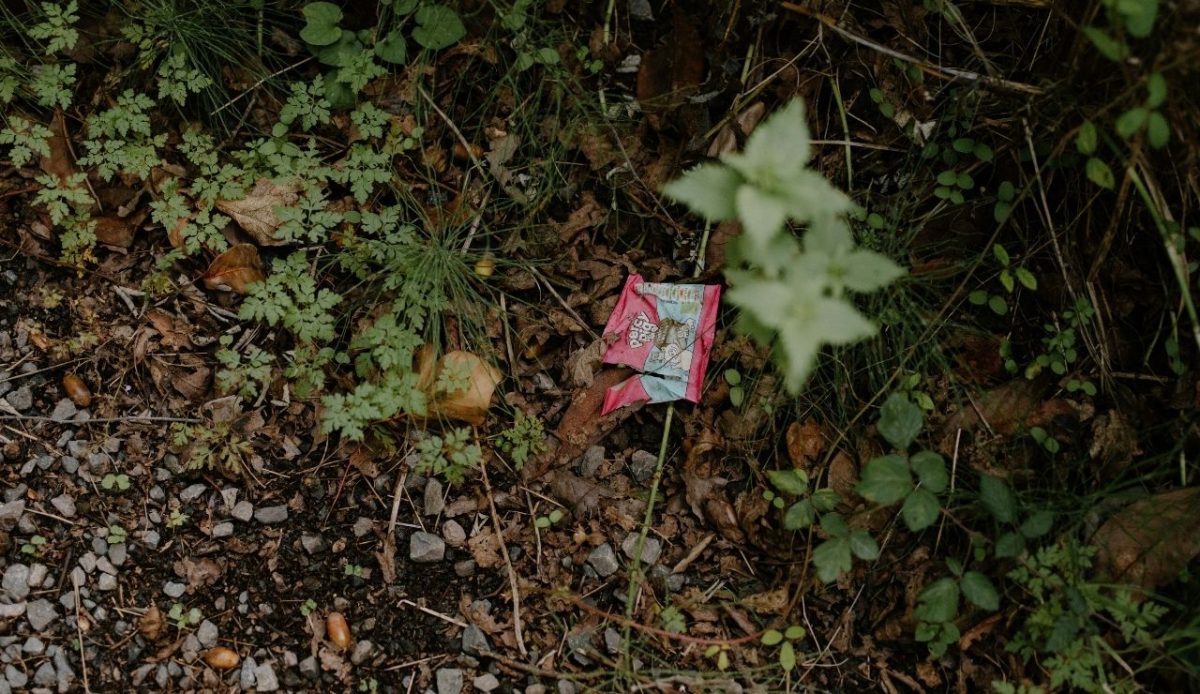
Even small pieces of trash can travel quickly across the park when winds rise, settling in meadows or thermal areas where wildlife may mistake them for food. Litter harms the environment and disrupts the experience of others who expect clean views. Rangers spend valuable time collecting waste that should have been packed out, diverting attention from safety work. Carrying a small trash bag prevents this issue and keeps the surroundings natural. A clean park supports healthier wildlife behavior and helps preserve Yellowstone for future visitors who come to enjoy an unspoiled setting across its busy and quiet seasons.
