
Cycling on scenic routes gives travelers a dependable way to explore long stretches of coastlines, hills, and rural paths, yet many riders encounter avoidable issues. Simple checks and small adjustments can prevent discomfort, equipment trouble, and safety concerns. Scenic areas often include mixed terrain, changing weather, and limited service points, making preparation useful for smoother movement. Riders who stay aware of basic habits maintain better control and enjoy longer routes with fewer delays. This guide outlines mistakes that often interrupt rides and offers practical ways to avoid them without using complex gear or advanced skills.
1. Choosing the Wrong Bike for the Terrain
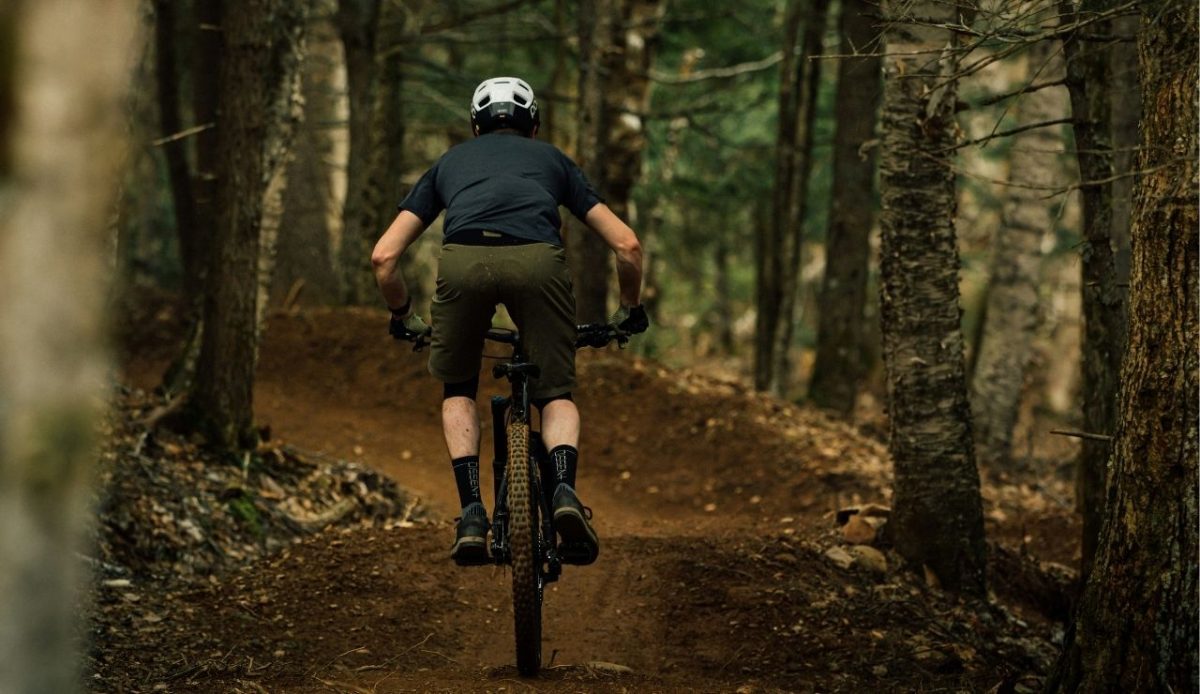
Many riders begin scenic trips with bikes that do not match the route, which creates early strain and slows progress. Travelers sometimes assume a basic model can handle gravel, hills, or long paved stretches, yet each surface demands specific features. A bike with unsuitable tires or a frame design increases effort on climbs and reduces control when descending. People also fatigue faster when gears do not support steady pacing. Shops near popular routes often help travelers understand what works best before they begin. Choosing correctly prevents unnecessary stops and keeps the trip manageable.
2. Ignoring Tire Pressure Before Starting
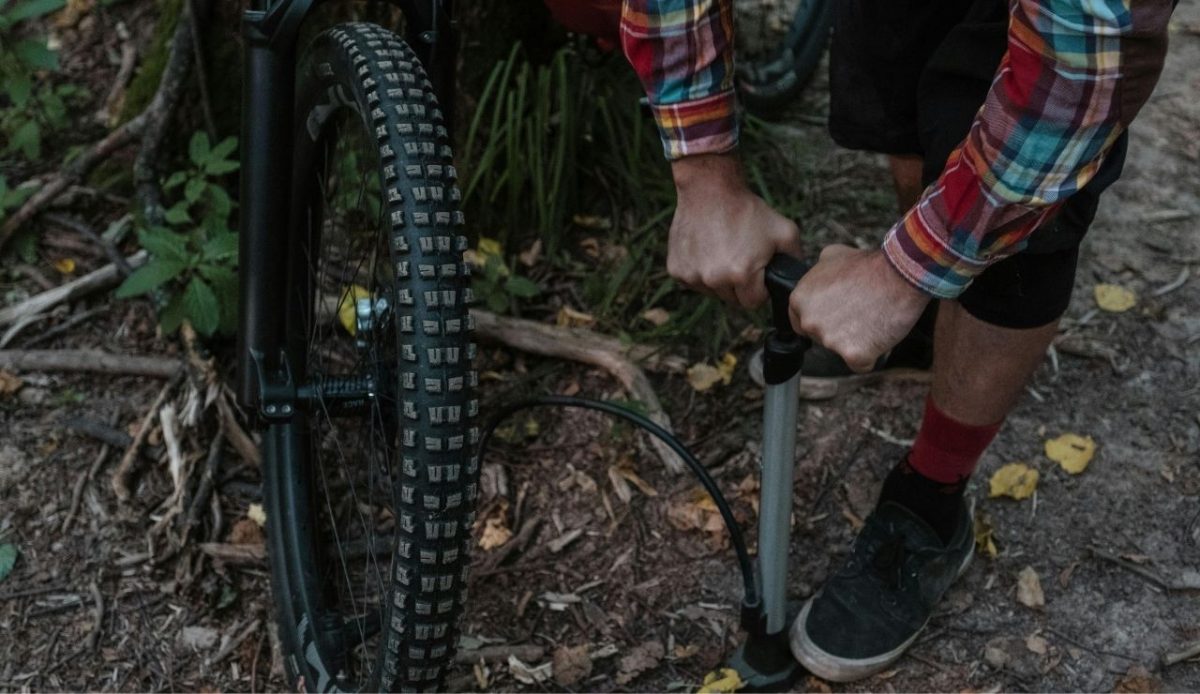
Tire pressure plays a major role in how a bike handles, yet many travelers leave without checking it. Underinflated tires make pedaling harder and reduce stability on rough ground, while overinflated ones create harsh vibration that slows riders over long distances. Carrying a small gauge helps cyclists confirm what their route needs. People often notice improved control and smoother movement when they check pressure at the start of each day. A quick adjustment prevents small issues from turning into bigger delays. Reliable pressure also protects the rims and supports a consistent pace.
3. Skipping Basic Route Checks

Some travelers set out without reviewing the route, which leads to missed turns, unexpected climbs, or limited access to rest areas. Scenic rides often weave through rural stretches where services appear far apart, making basic planning helpful even for short trips. Checking distance markers and elevation outlines helps cyclists pace themselves and set realistic goals. Riders who study maps also avoid wasting time on unsuitable paths. A quick review of landmarks, water points, and road conditions makes the entire ride more predictable. This simple planning supports steady movement.
4. Packing Too Much Weight
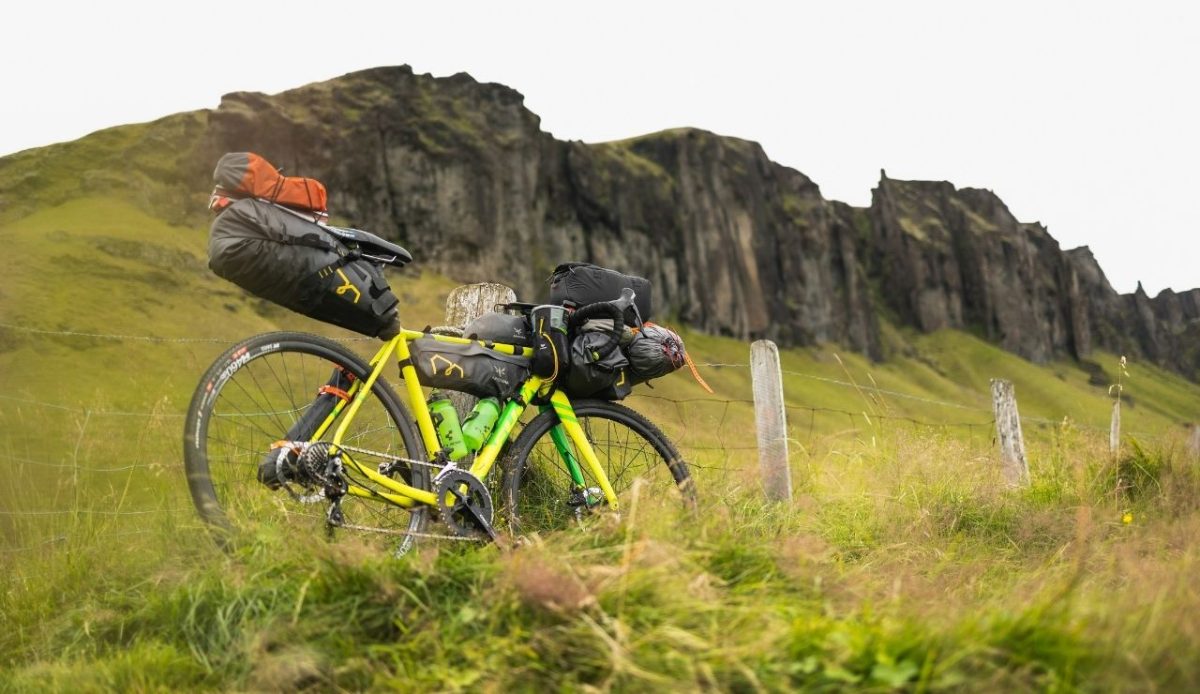
Packing becomes a challenge when riders add nonessential items that increase strain during long rides. Extra weight slows acceleration, makes climbs harder, and causes instability on uneven surfaces. Cyclists often find that removing a few pounds improves comfort and helps them maintain a steady speed. Lightweight gear, compact clothing, and basic repair tools usually cover most needs on scenic routes. Riders can carry snacks and water without overloading the bike when they distribute weight evenly. A balanced setup gives better control and reduces fatigue during long hours on the road.
5. Not Checking the Bike After Each Ride

Post-ride checks prevent problems from carrying into the next day, yet many travelers skip this simple step. Tightening bolts, wiping the chain, and spinning the wheels to listen for unusual sounds help riders catch issues early. Scenic routes often expose bikes to dust, moisture, and small impacts that need attention. A five-minute review ensures smooth shifting and dependable braking for the next ride. Travelers who maintain their bikes daily enjoy safer and more efficient trips. Simple upkeep prevents unexpected delays.
6. Not Adjusting the Seat Height
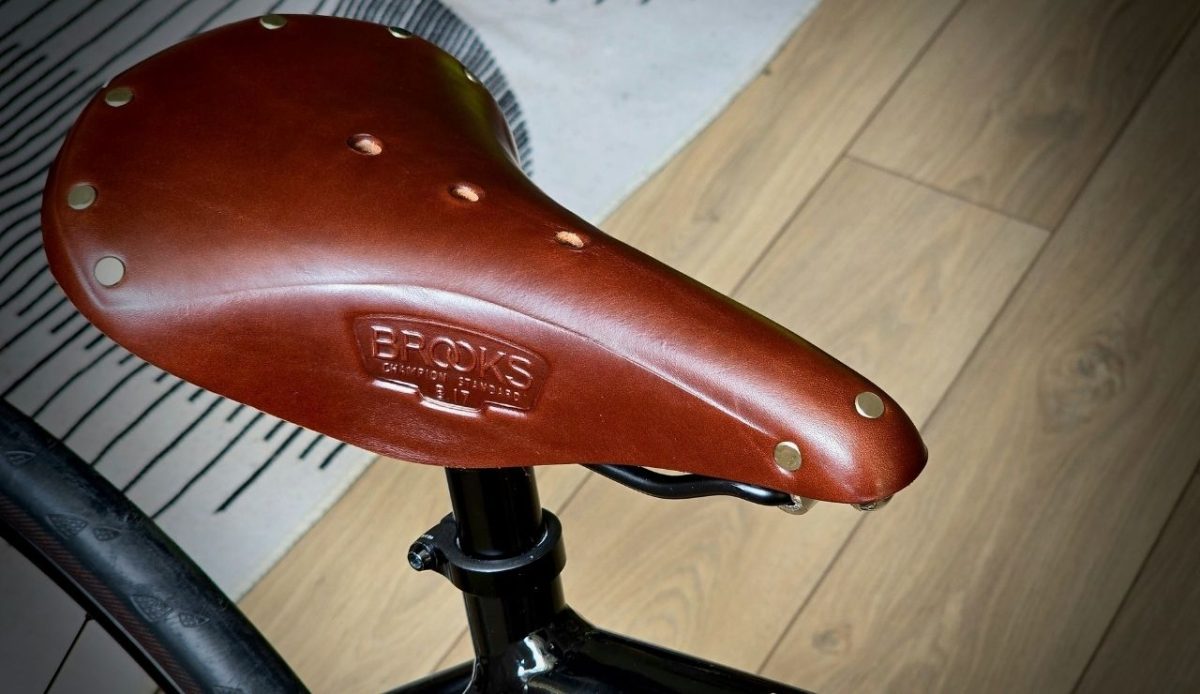
Incorrect seat height forces riders into an awkward posture, which increases knee strain and reduces power on every pedal turn. Travelers often set the seat too low, causing their legs to work harder on long stretches. Others position it too high, limiting control during short climbs or sharp turns. Adjusting the seat so the knee stays slightly bent at the bottom of each rotation gives better efficiency. Cyclists can test this by pedaling a short distance before committing to a longer route. A proper height setup supports a steady pace and reduces early fatigue.
7. Forgetting to Carry Water

Hydration becomes essential on scenic rides because travelers often cover long distances with limited access to refill points. Many cyclists underestimate how quickly they lose fluid, especially on windy or sunny routes. A single bottle may not support a full day, so carrying an extra one prevents sudden fatigue. Riders who drink small amounts at regular intervals maintain better focus and steadier movement. Lightweight bottle holders make it simple to reach water without stopping. Keeping hydration a priority supports stronger performance throughout the trip.
8. Overlooking Weather Changes
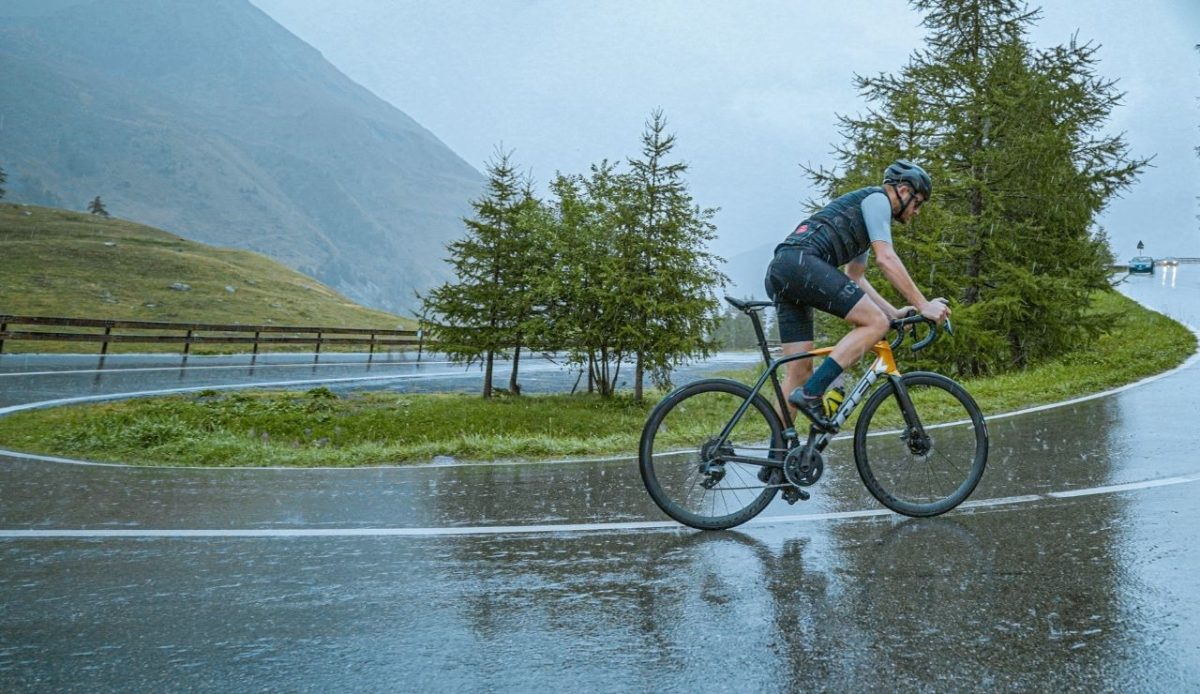
Weather can shift without warning on scenic routes, and ignoring early signs leads to uncomfortable or unsafe conditions. Riders who prepare with simple layers can adjust quickly when temperatures drop or winds rise. Checking the forecast before starting helps travelers avoid sudden storms or fog on high routes. Even light rain affects traction and braking, making caution necessary. Carrying a compact jacket or cover prevents riders from losing momentum during changing conditions. Staying aware of the weather helps maintain a consistent pace.
9. Riding Without Proper Lights
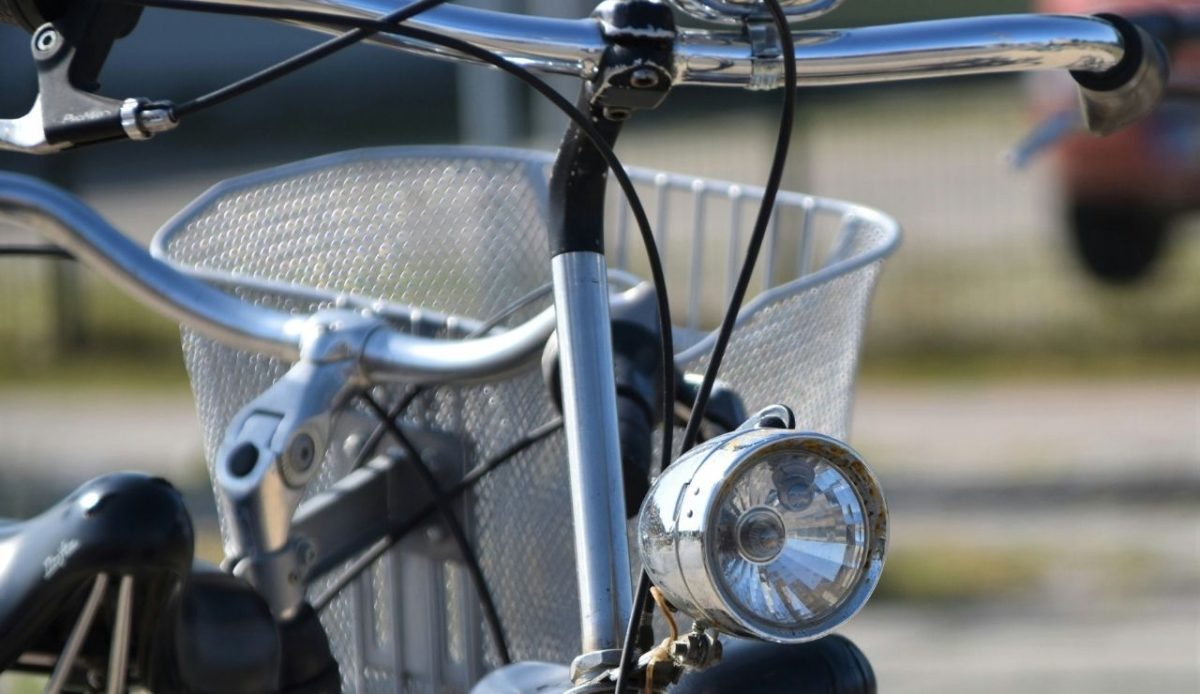
Some travelers assume they will finish before dusk and skip lights, which becomes risky on shaded paths or forested routes. Proper lighting helps riders stay visible to drivers, walkers, and other cyclists in low light. Front and rear lights also improve navigation when shadows or tree cover reduce visibility. Compact LED lights last for hours and attach easily to most frames. Testing brightness before heading out helps prevent surprises. Keeping lights active throughout the ride adds an important safety layer.
10. Using Poor Braking Technique
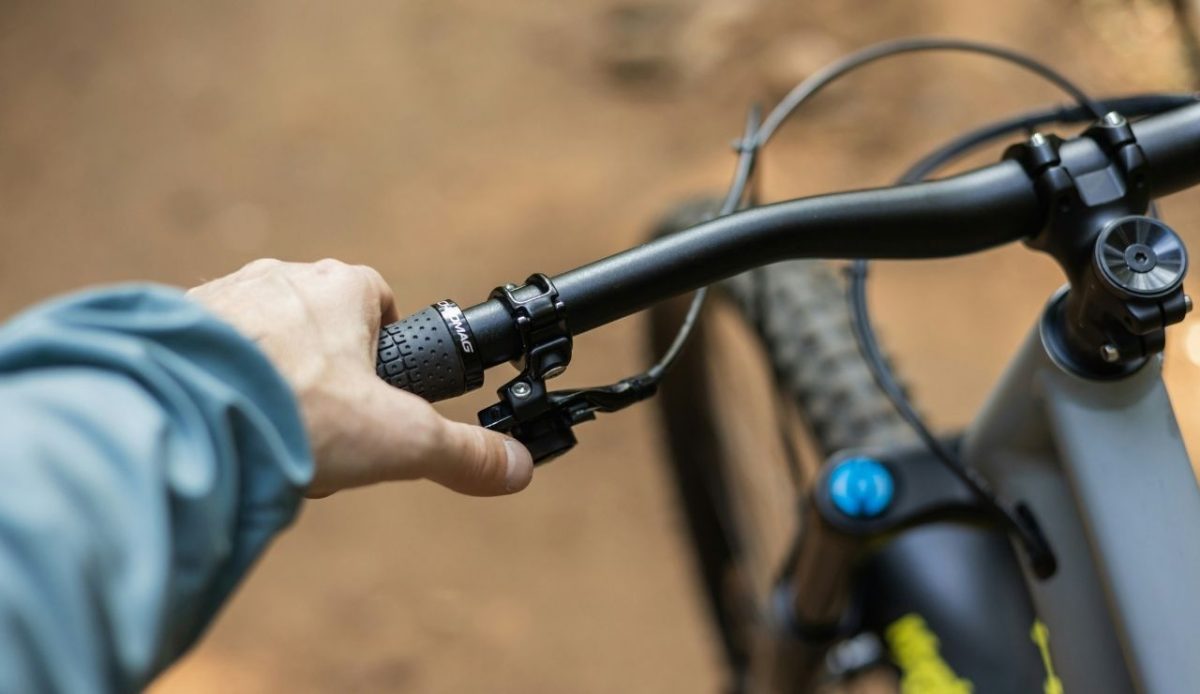
Poor braking habits create problems on scenic routes where downhill sections and sharp curves often appear. Riders who squeeze both brakes suddenly lose control, while those who rely only on the rear wheel risk skidding. A steady approach that uses more front brake on descents gives smoother stops. Testing brake response at low speed helps travelers understand bike behavior. Cleaning brake pads before riding improves grip on dusty or wet paths. Proper technique supports better balance and prevents avoidable accidents.
