
Africa is a continent of diverse landscapes, cultures, and histories, yet many cities fly under the radar of travelers. Beyond iconic destinations like Cape Town, Marrakech, or Nairobi, numerous urban gems offer authentic experiences, rich culture, and unique attractions. These lesser-known cities allow visitors to explore vibrant local markets, historic neighborhoods, and stunning natural surroundings without the crowds. From coastal towns to inland cultural hubs, these cities deliver memorable adventures, authentic cuisine, and fascinating stories that reveal the heart of Africa far from the usual tourist trails.
1. Essaouira, Morocco
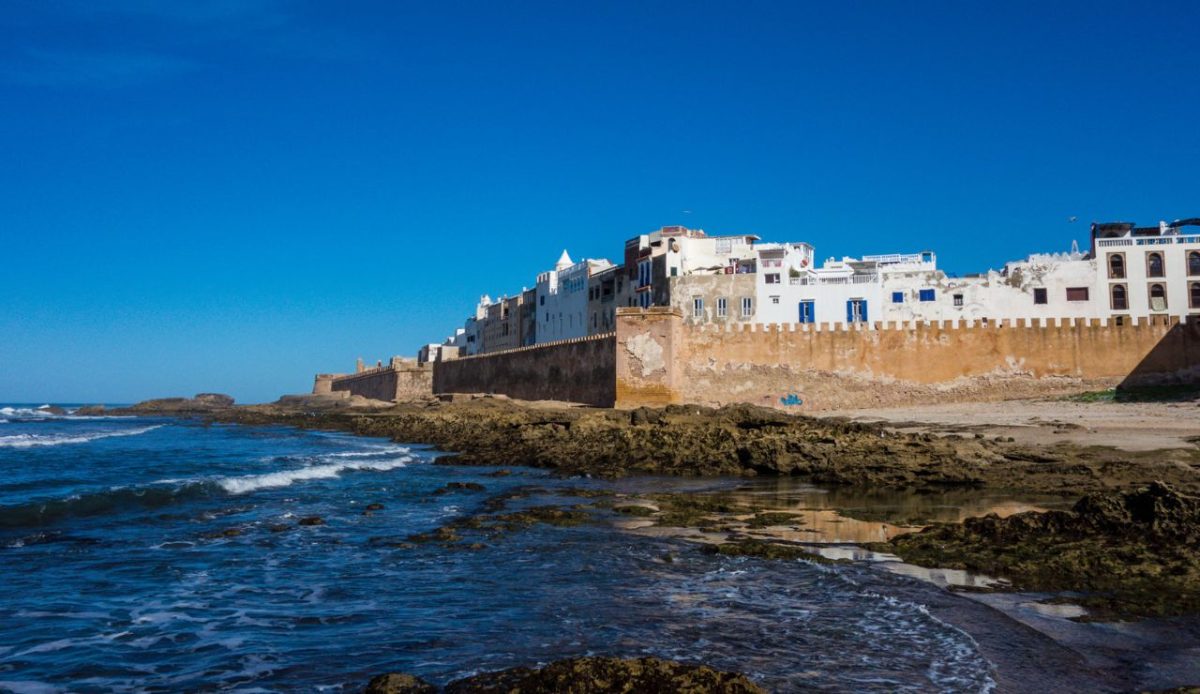
Essaouira, a breezy coastal town on Morocco’s Atlantic shore, charms with its historic medina, whitewashed houses, and vibrant fishing port. Known for its laid-back vibe and colorful markets, the city is a haven for artisans, musicians, and travelers seeking authentic Moroccan culture. Windswept beaches and seafood markets offer local flavor, while the medina’s ramparts provide panoramic ocean views. Essaouira’s blend of history, art, and natural beauty makes it an often-overlooked Moroccan gem, perfect for travelers who want a mix of culture, relaxation, and seaside charm away from the busier cities.
2. Lubumbashi, Democratic Republic of Congo
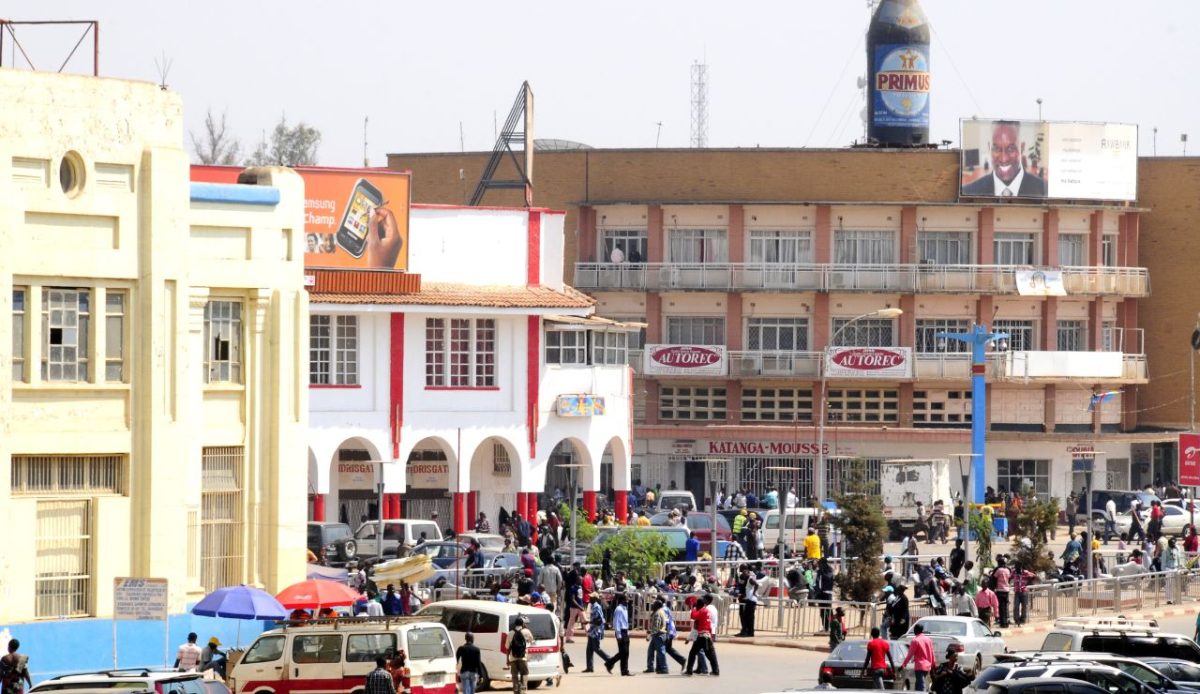
Lubumbashi, the DRC’s second-largest city, combines colonial architecture, lively markets, and cultural richness. Its museums and cultural centers highlight Congolese art and history, while local markets bustle with colorful textiles, crafts, and fresh produce. Surrounded by scenic landscapes and mining heritage, Lubumbashi offers an authentic perspective of urban life in central Africa. For travelers seeking to explore beyond the usual safari destinations, the city provides insight into the country’s dynamic culture, thriving community, and unique attractions, making it a rewarding and educational stop on any African itinerary.
3. Saint-Louis, Senegal
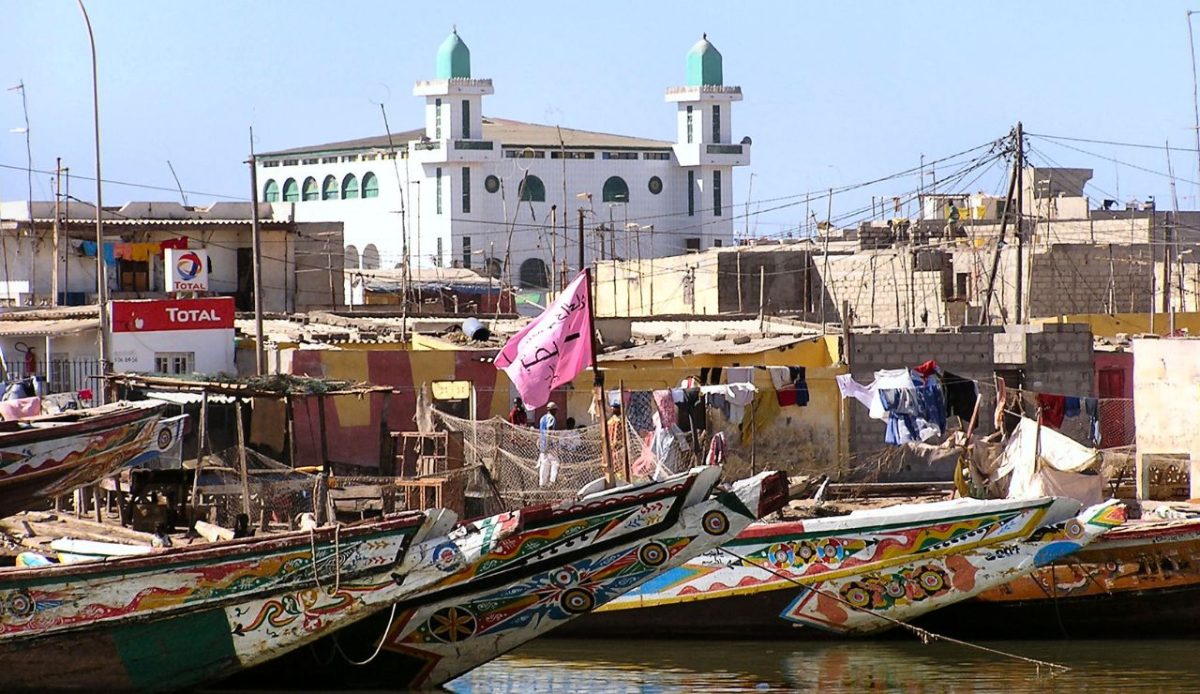
Saint-Louis, perched on the Senegal River’s mouth, boasts colonial architecture, cobbled streets, and a vibrant cultural scene. Once the French colonial capital, the city retains its old-world charm with elegant buildings, horse-drawn carriages, and art galleries. Saint-Louis is also a gateway to nearby wildlife reserves and the bird-rich Djoudj National Park. Festivals, music, and local cuisine create a lively atmosphere, offering visitors an immersive experience. Its blend of history, culture, and natural surroundings makes Saint-Louis a must-see for travelers looking to explore Senegal beyond Dakar and the more typical coastal resorts.
4. Banjul, The Gambia
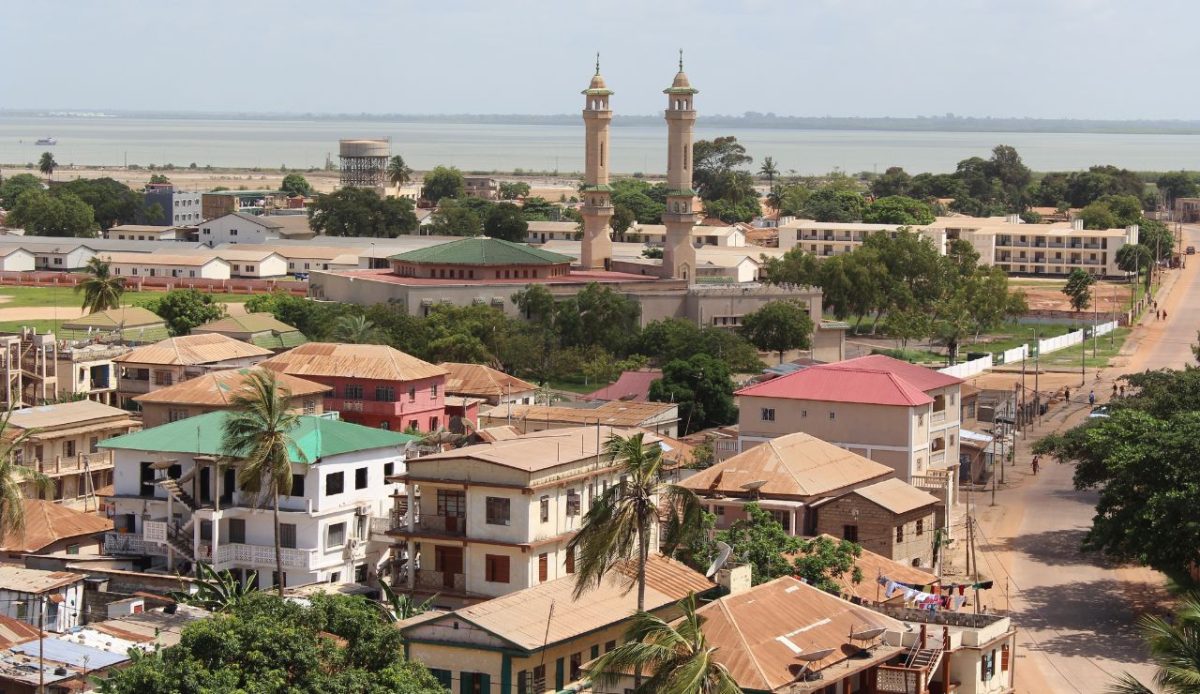
Banjul, the capital of The Gambia, is small but rich in culture and history. The city’s markets, colonial buildings, and riverfront charm provide a unique perspective on daily Gambian life. Museums and craft centers showcase local art, history, and heritage. Situated on an island at the Gambia River’s mouth, Banjul allows easy access to coastal beaches, bird-watching sites, and river excursions. Visitors can enjoy authentic cuisine, lively markets, and scenic surroundings while experiencing a slower pace compared to larger West African capitals. Banjul is ideal for travelers seeking history, culture, and a peaceful urban setting.
5. Toliara, Madagascar
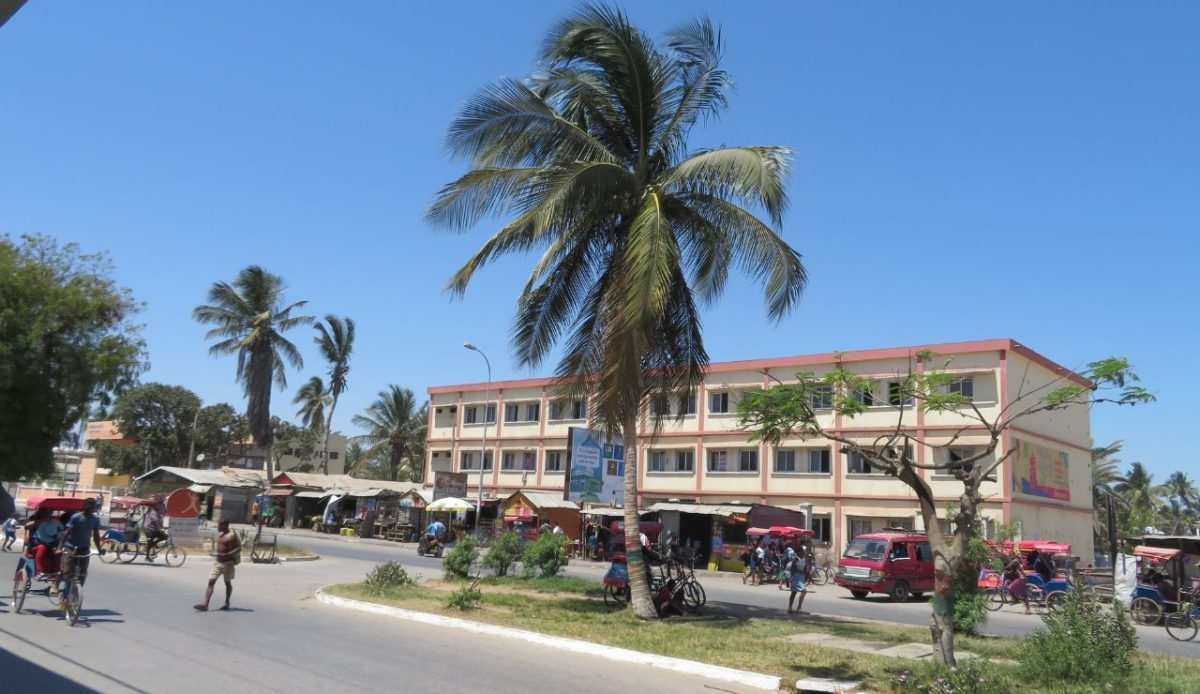
Toliara, located on Madagascar’s southwest coast, offers a blend of unique ecosystems, local culture, and serene beaches. Its proximity to spiny forests and coral reefs makes it ideal for nature enthusiasts, while the city itself features colorful markets, historic sites, and Malagasy traditions. Toliara is less frequented by tourists, allowing for authentic interactions with local communities. The relaxed coastal atmosphere, combined with access to natural wonders and wildlife, creates a memorable experience for travelers seeking adventure, culture, and picturesque landscapes far from Madagascar’s busier cities like Antananarivo or Nosy Be.
6. Asmara, Eritrea
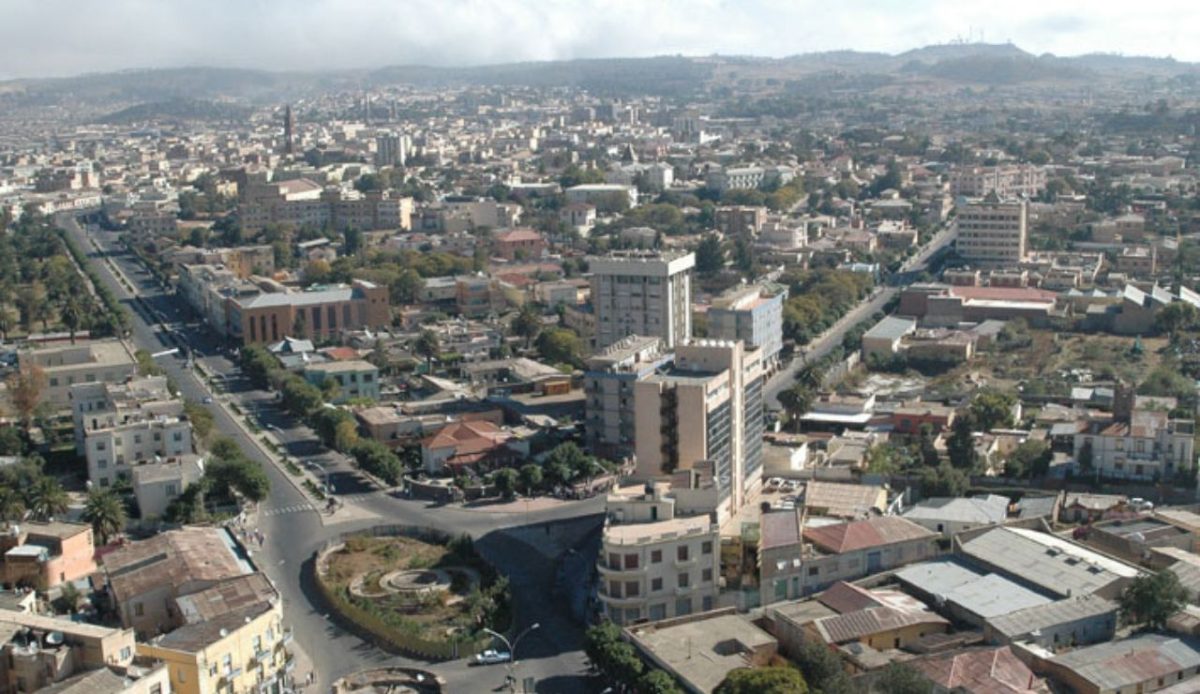
Asmara, Eritrea’s capital, is renowned for its stunning Italian colonial architecture and modernist buildings. Wide boulevards, Art Deco theaters, and coffee shops create a European-inspired urban feel set against the backdrop of the Eritrean highlands. Cultural institutions, lively markets, and nearby hiking opportunities offer visitors both historical and outdoor experiences. Asmara’s unique architectural heritage, combined with a vibrant café culture and friendly locals, provides an enriching and off-the-beaten-path destination for travelers seeking a city with history, charm, and authenticity in East Africa.
7. Maputo, Mozambique
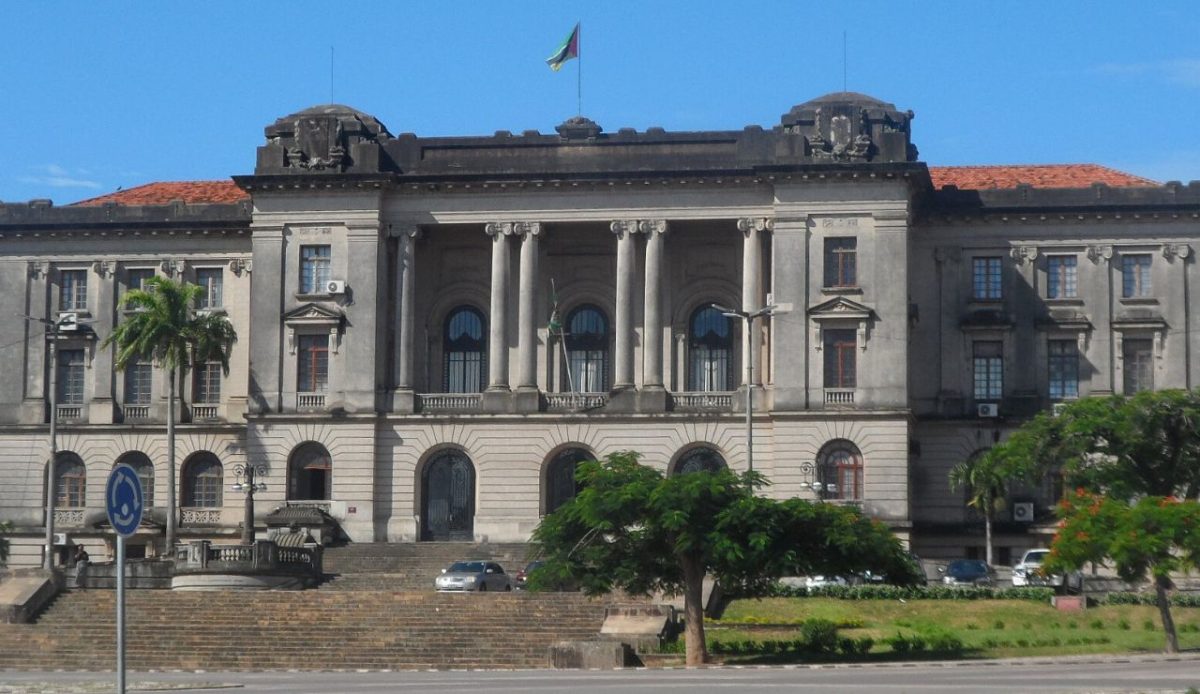
Mozambique’s coastal capital, Maputo, is a lively city known for its Portuguese colonial buildings, bustling markets, and vibrant arts scene. Street music, seafood eateries, and the waterfront bring local culture to life, while art galleries and museums highlight Mozambican creativity. Its location along the Indian Ocean allows easy access to beaches, islands, and marine adventures. Maputo offers travelers an exciting blend of urban energy, cultural depth, and natural beauty. Those seeking destinations that mix city life with tropical charm will find Maputo a rewarding and often-overlooked choice in southern Africa.
8. Lamu, Kenya
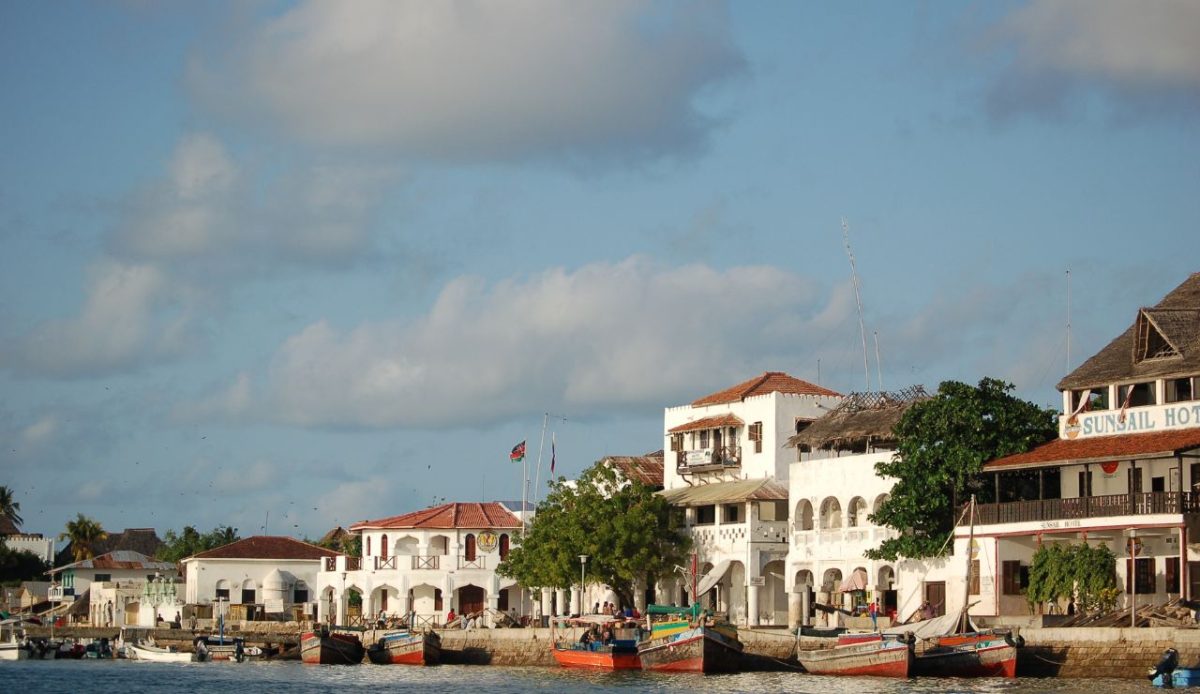
Lamu, on Kenya’s northern coast, is a historic Swahili town with narrow streets, traditional architecture, and a peaceful island atmosphere. Its UNESCO-listed old town preserves centuries-old culture, wooden dhows, and local markets. Visitors can enjoy beaches, cultural festivals, and boat tours along the coast, as well as sample local seafood and Swahili cuisine at charming cafés. Lamu offers a tranquil alternative to Kenya’s safari towns, focusing on heritage, ocean views, and relaxed island life. Its unique blend of history, culture, and scenery makes it an essential stop for travelers seeking authentic coastal experiences in East Africa.
9. Gaborone, Botswana
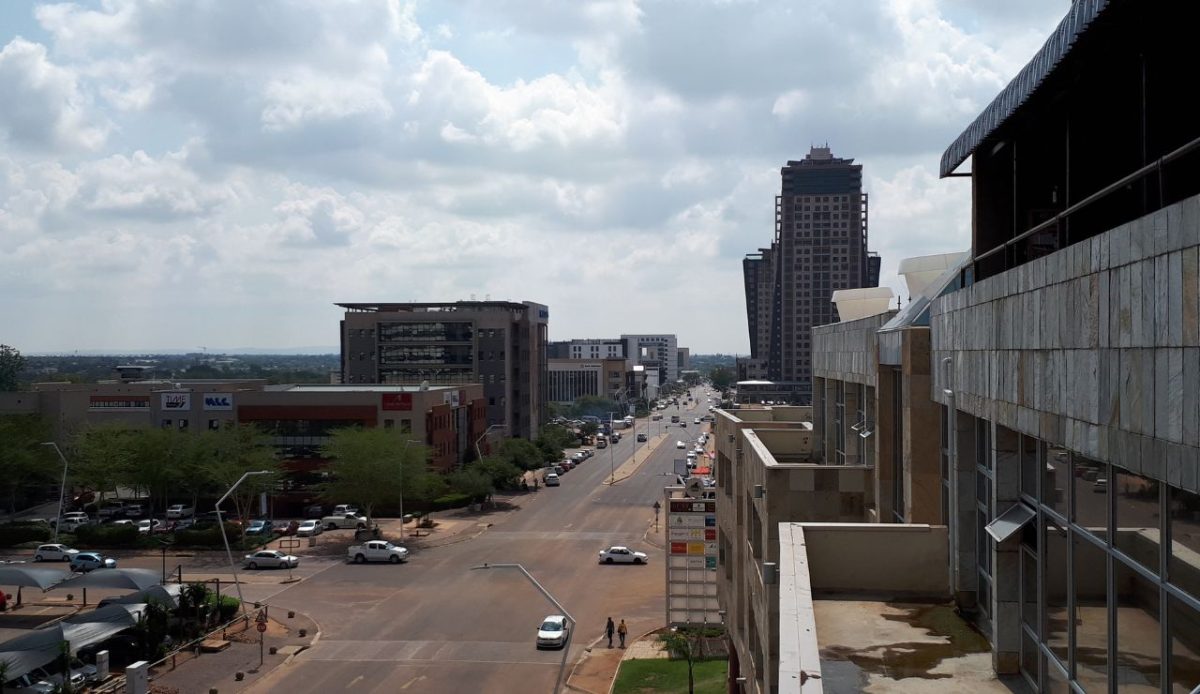
Gaborone, Botswana’s capital, blends modern urban life with access to nature. The city features cultural centers, markets, and museums, showcasing local art, crafts, and heritage. Nearby wildlife reserves provide safari experiences without leaving the city, while restaurants and cafés offer local flavors and traditional dishes. Gaborone is less touristy than Botswana’s safari hubs like Maun or Kasane, making it ideal for travelers seeking insight into urban life alongside natural attractions. Its mix of modernity, culture, and proximity to wildlife makes it a fascinating and overlooked African city worth exploring for any adventurous visitor.
10. Fianarantsoa, Madagascar
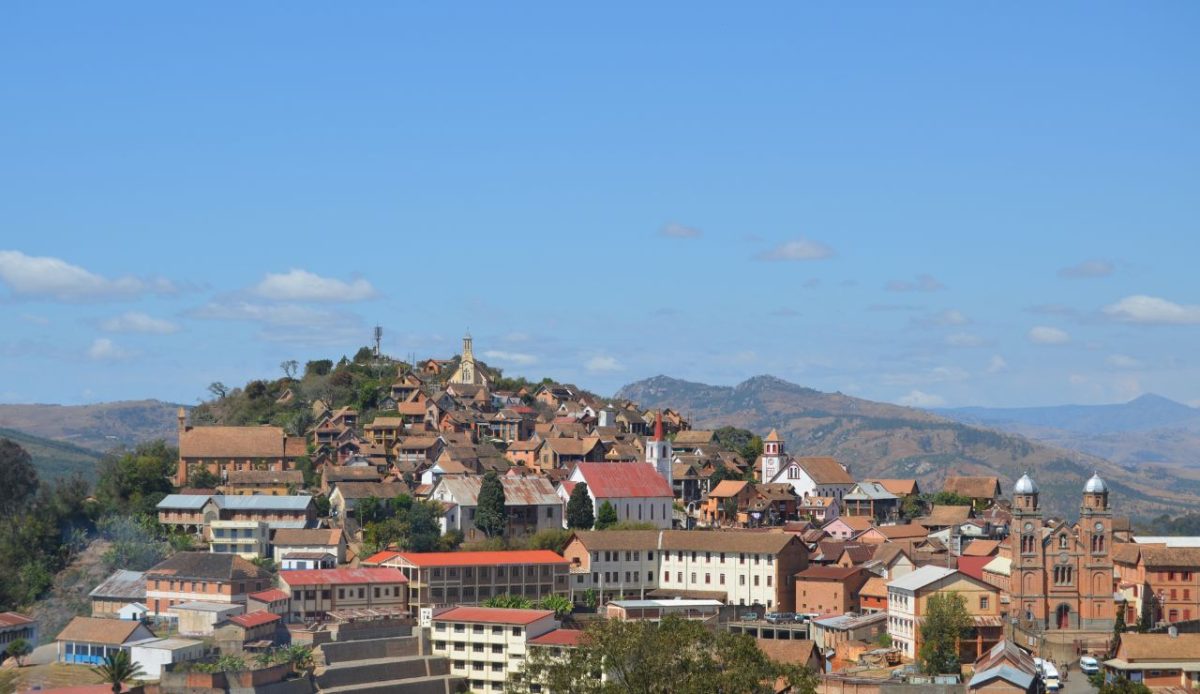
Fianarantsoa, in central Madagascar, offers historic charm, rolling highland landscapes, and traditional Malagasy culture. Its old town features narrow streets, religious architecture, and local markets brimming with crafts and fresh produce. The city is a gateway to tea plantations, vineyards, and scenic train journeys through lush highlands. Less visited than coastal resorts, it provides travelers with an authentic glimpse into everyday Malagasy life. Fianarantsoa’s combination of history, culture, and natural beauty makes it a must-see destination for adventurous visitors seeking unique experiences away from typical tourist routes.
11. Saint-Pierre, Réunion
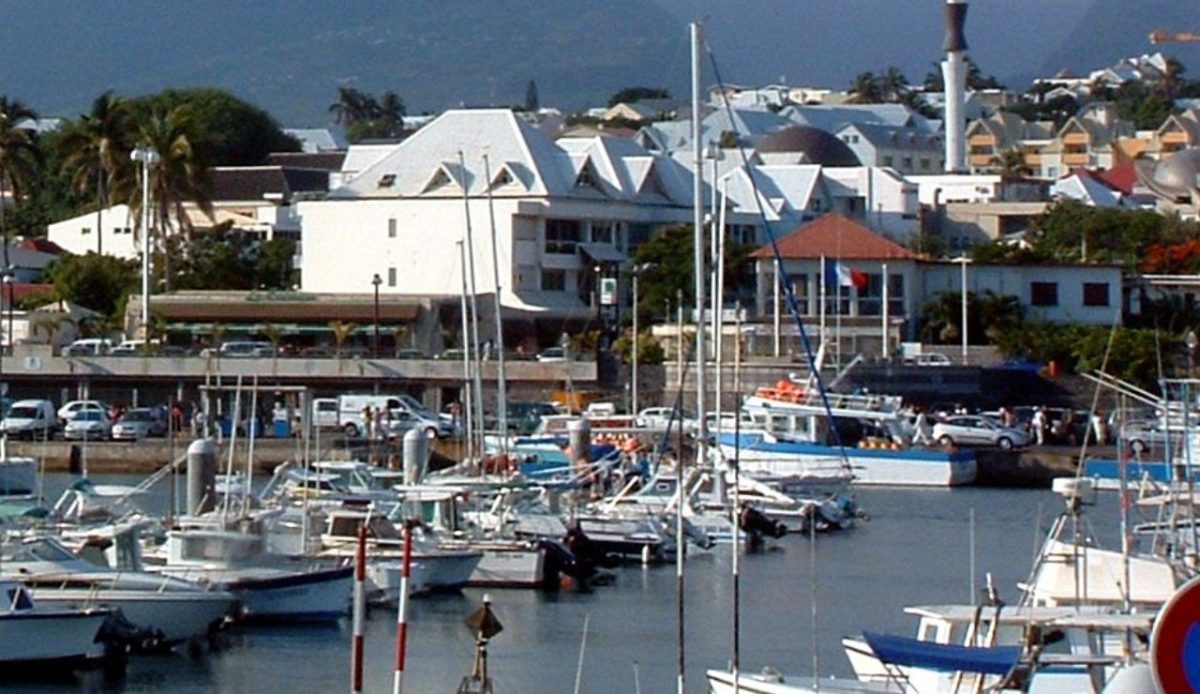
Saint-Pierre, on the island of Réunion, offers a vibrant coastal town with tropical charm and a melting pot of cultures. Its markets, colorful streets, and oceanfront promenade showcase local life, while nearby volcanic landscapes, sugarcane fields, and lush hiking trails invite exploration. Festivals and cultural events throughout the year add energy to the city. Saint-Pierre combines natural beauty with authentic urban experiences, giving travelers a chance to enjoy beaches, cuisine, heritage, and unforgettable island adventures. It’s a hidden gem for those seeking a less touristy, culturally rich island destination.
12. Lubango, Angola
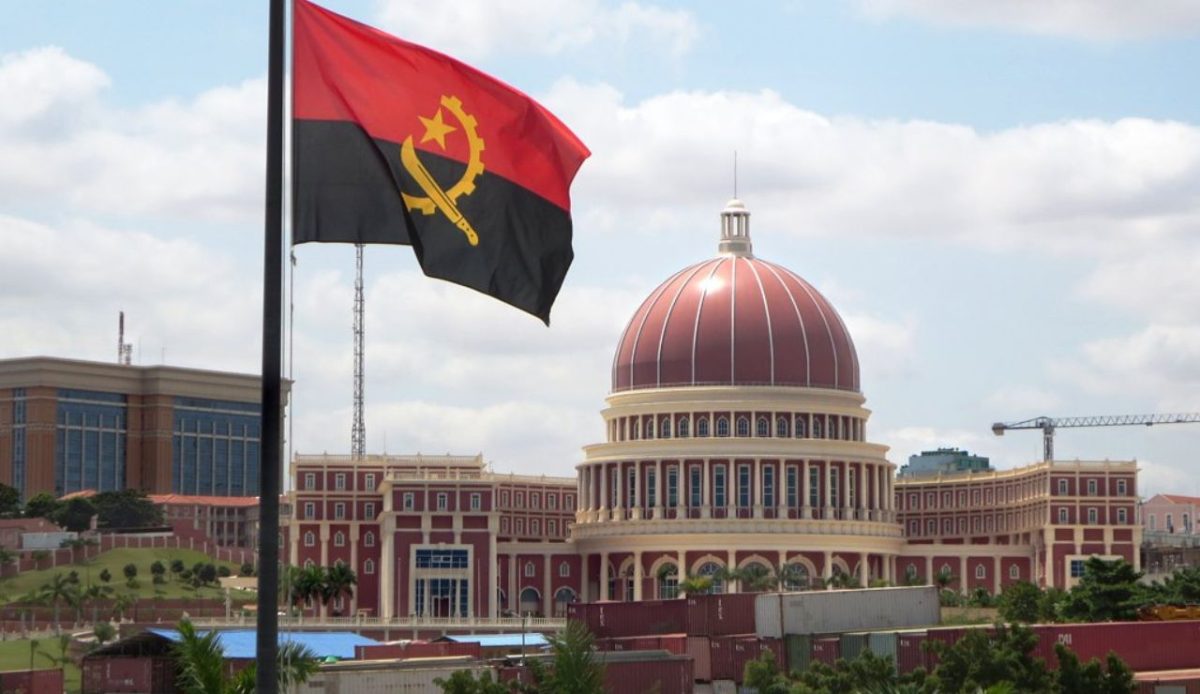
Lubango, in southern Angola, is known for its dramatic landscapes, colonial architecture, and friendly local culture. Nestled near the Serra da Leba mountains, the city provides stunning viewpoints, waterfalls, and scenic hiking trails. Lubango’s markets and cafés reveal authentic Angolan life, while cultural events highlight music, dance, and local cuisine. Less frequented by international tourists, it offers a peaceful and immersive experience. For travelers seeking natural beauty combined with urban charm, Lubango delivers a unique off-the-beaten-path destination in southern Africa with memorable scenery.
13. Mombasa, Kenya
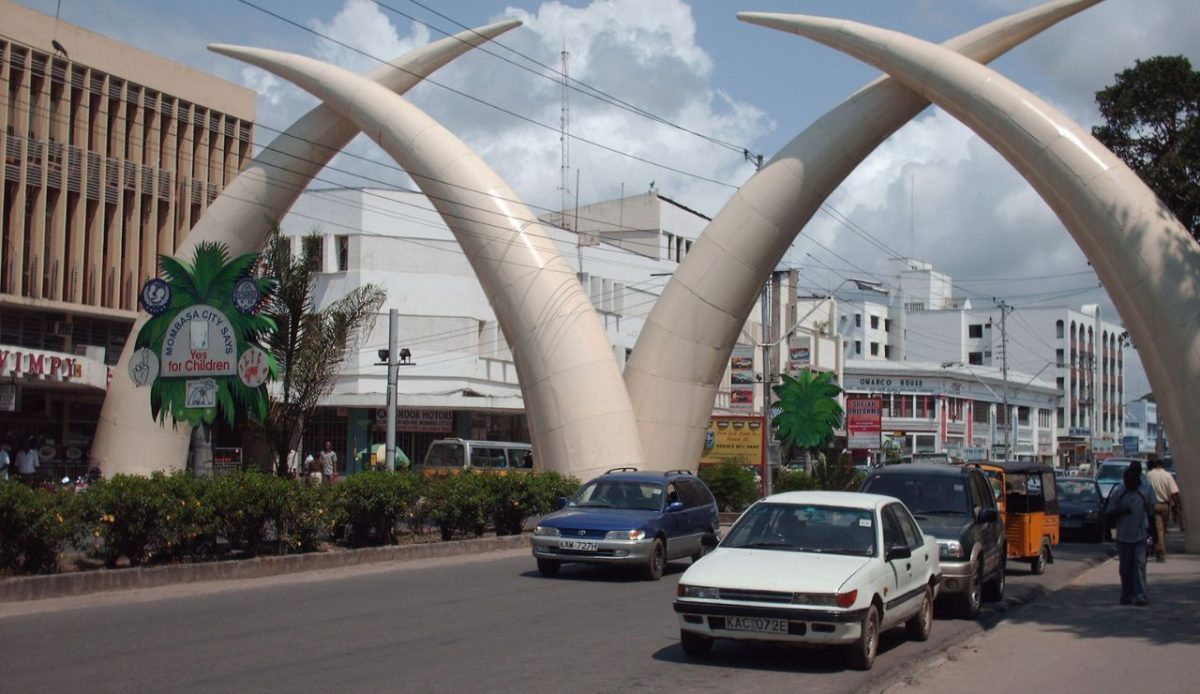
While Mombasa is Kenya’s second-largest city, it’s often overlooked by travelers focused on Nairobi or safari destinations. The city offers historic architecture in Fort Jesus, bustling markets, and coastal culture along the Indian Ocean. Beaches, coral reefs, and Swahili cuisine create a vibrant mix of leisure and heritage. Mombasa’s old town streets and cultural festivals provide insight into centuries-old traditions. Its blend of history, coastal beauty, and lively urban life makes Mombasa an enriching destination, perfect for visitors wanting an authentic East African experience beyond safaris.
14. Windhoek, Namibia
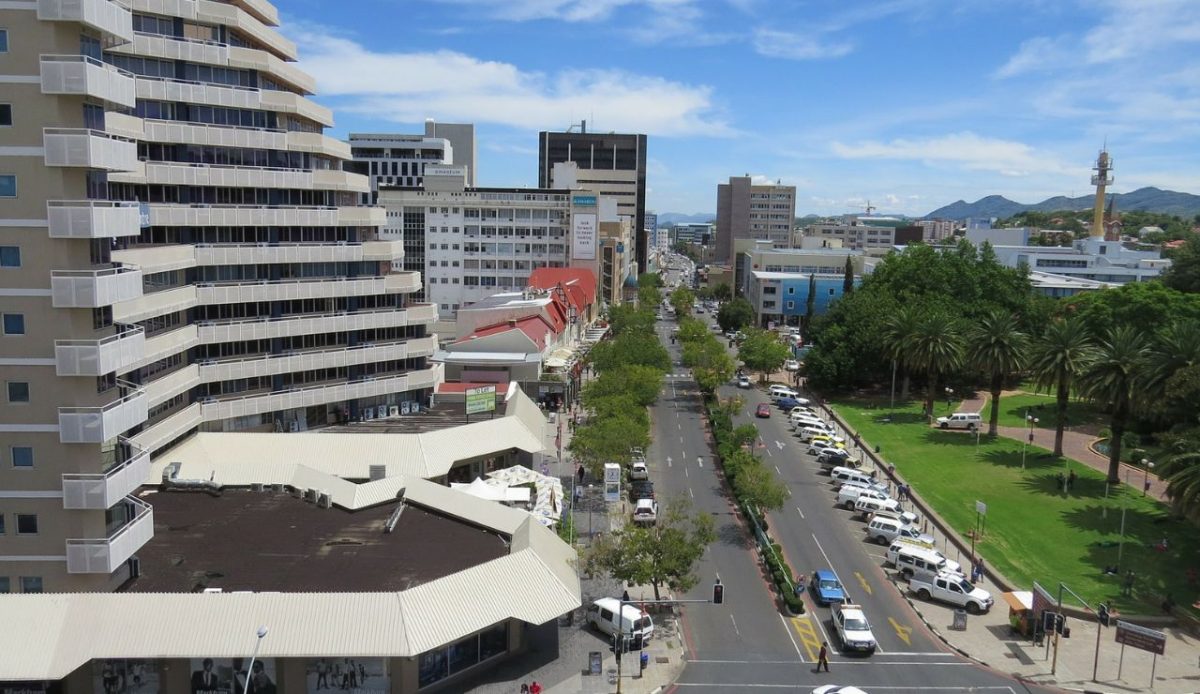
Windhoek, Namibia’s capital, blends modern urban living with German colonial influences. The city offers museums, markets, and cultural centers highlighting Namibian heritage. Nearby natural attractions, including savannas and desert landscapes, allow easy excursions for adventure-seeking travelers. Windhoek’s cafés, restaurants, and art galleries give visitors insight into the city’s lifestyle and creativity. Less crowded than southern Africa’s safari hubs, Windhoek provides a calm yet engaging urban experience. Its combination of culture, history, and proximity to Namibia’s natural wonders makes it a hidden African treasure.
15. Beira, Mozambique
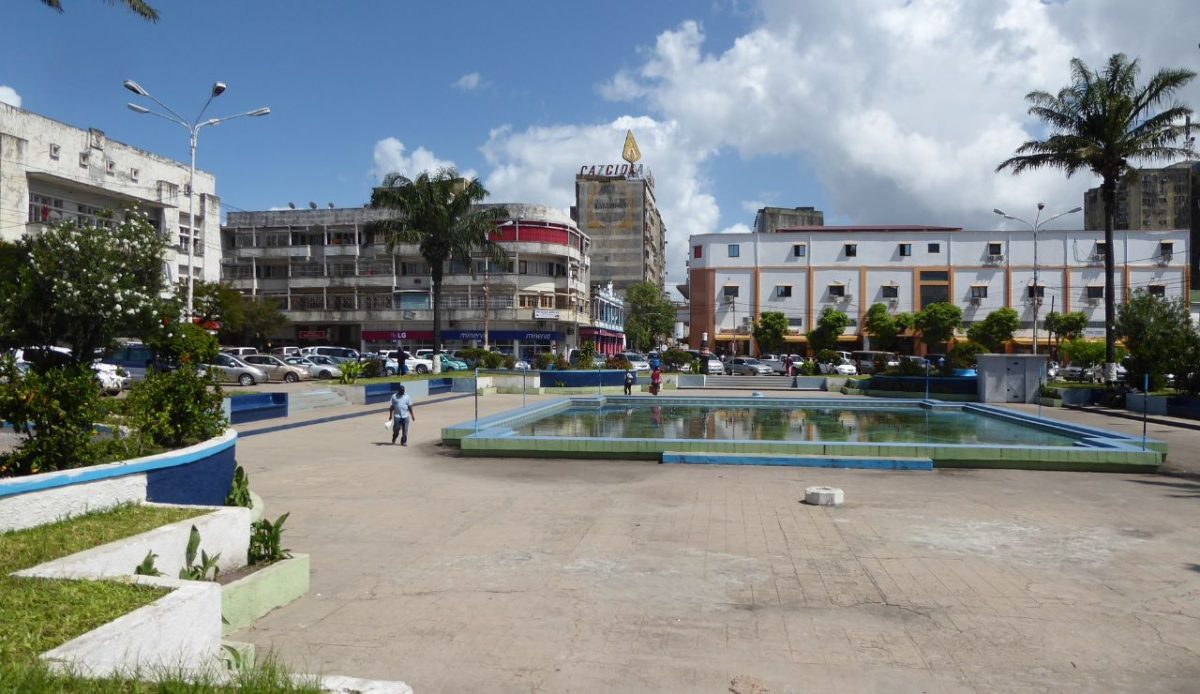
Beira, a port city on Mozambique’s central coast, offers coastal charm, colorful markets, and rich local culture. Its beaches, riverfront, and historic architecture make it an appealing destination for travelers seeking authenticity. Beira serves as a gateway to inland nature reserves and islands, offering outdoor activities alongside city exploration. Despite being off the main tourist trail, the city has lively music, cuisine, and cultural traditions to explore. For visitors looking to experience Mozambique beyond Maputo, Beira provides a welcoming, vibrant, and often-overlooked coastal destination.
