
Carry-on rules look simple, yet travelers continue to run into problems at airports because airlines and security agencies follow different standards. Many passengers rely on past experiences and assume all flights work the same way, which leads to confusion at checkpoints and boarding gates. Airlines set separate limits for size, weight, and items allowed, and those rules often change on international routes or smaller aircraft. Security agencies check liquids, electronics, and medications under safety protocols that do not match airline baggage rules, creating more misunderstandings. Learning how these rules actually work helps travelers avoid delays, fees, and last-minute bag checks.
1. Many Airlines Enforce Carry-On Weight
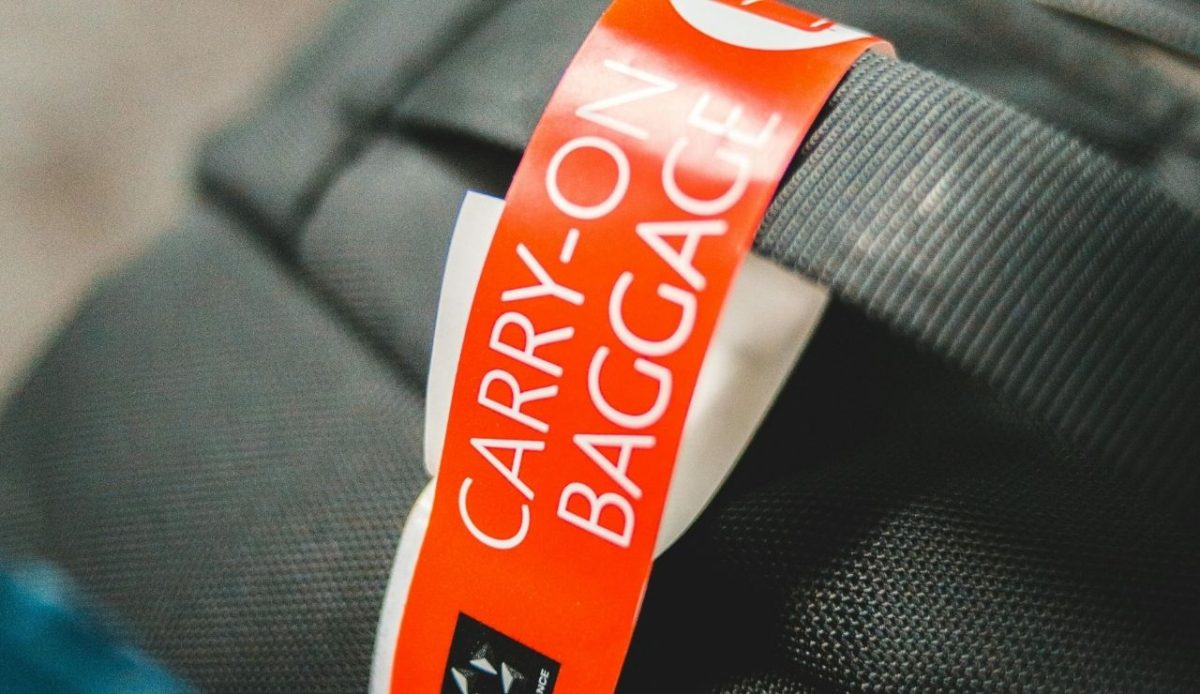
Carry-on weight rules surprise passengers because U.S. airlines rarely enforce them, while many international carriers check weight at the counter. Bags that meet size rules still fail if they exceed the posted limit, and some airlines weigh both the carry-on and personal item together. Electronics and shoes make bags heavier than travelers realize, and moving items between bags is difficult during check-in lines. Airlines enforce these limits early in the process, leaving little time to adjust. When travelers reach the counter unprepared, the airline may require a paid checked bag. Knowing the limit before packing keeps the process smooth.
2. Lap Infants Don’t Get Their Own Bag
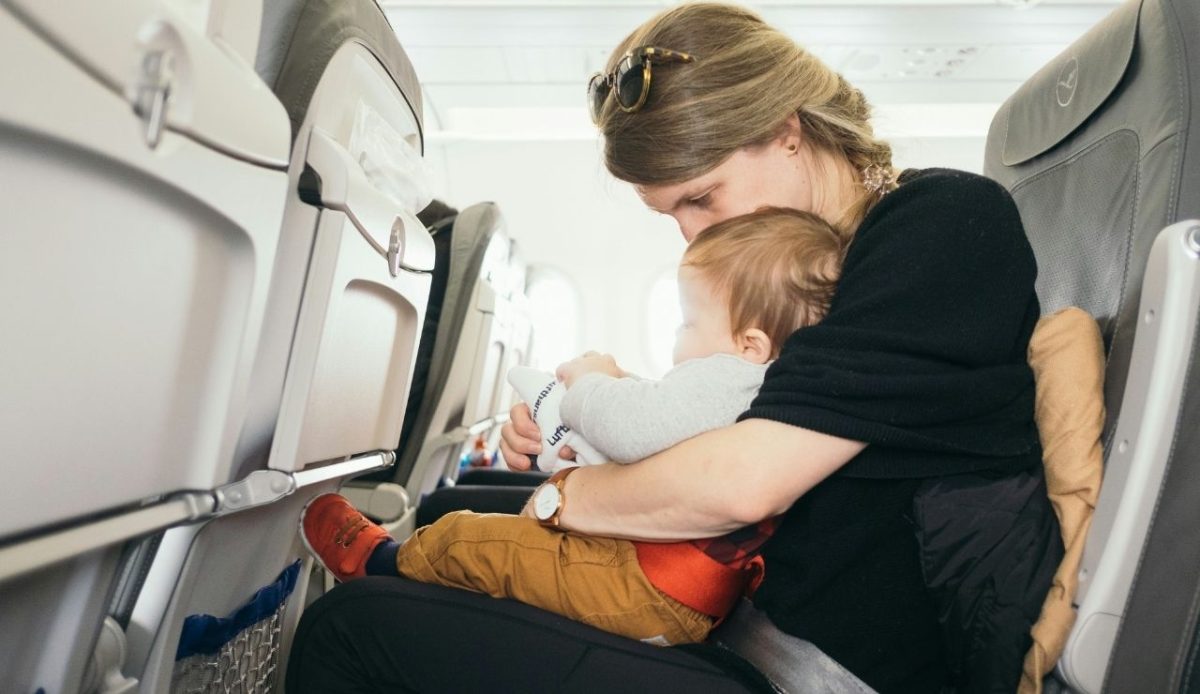
Parents often assume each infant receives a carry-on allowance, but airlines usually give only the adult’s standard allowance unless the infant has a purchased seat. Items such as diapers, bottles, toys, and snacks must fit inside the adult’s existing bags, which creates problems on longer flights. Some airlines allow a diaper bag as an extra item, while others treat it as part of the adult’s allowance. Rules differ widely, leading parents to overpack and face repacking at the gate. Strollers and car seats travel for free but do not count as carry-on bags. Checking the airline’s infant rules avoids confusion and last-minute stress.
3. Liquids Must Follow the 3-1-1 Rule

Travelers still misunderstand liquid rules, especially with partly empty containers. Officers judge the container size, not the amount left inside, so any container over 3.4 ounces violates the rule, whether it holds a full or half-full product. All liquids must fit in one quart-sized bag that closes fully without stretching. Items such as lotions, creams, gels, and pastes fall under the same rule, and many travelers forget to include them. Medically necessary liquids receive exceptions, but they must be declared clearly at screening. Being aware of these details keeps the line moving and prevents item disposal.
4. Duty-Free Liquids Have Special Packaging Rules
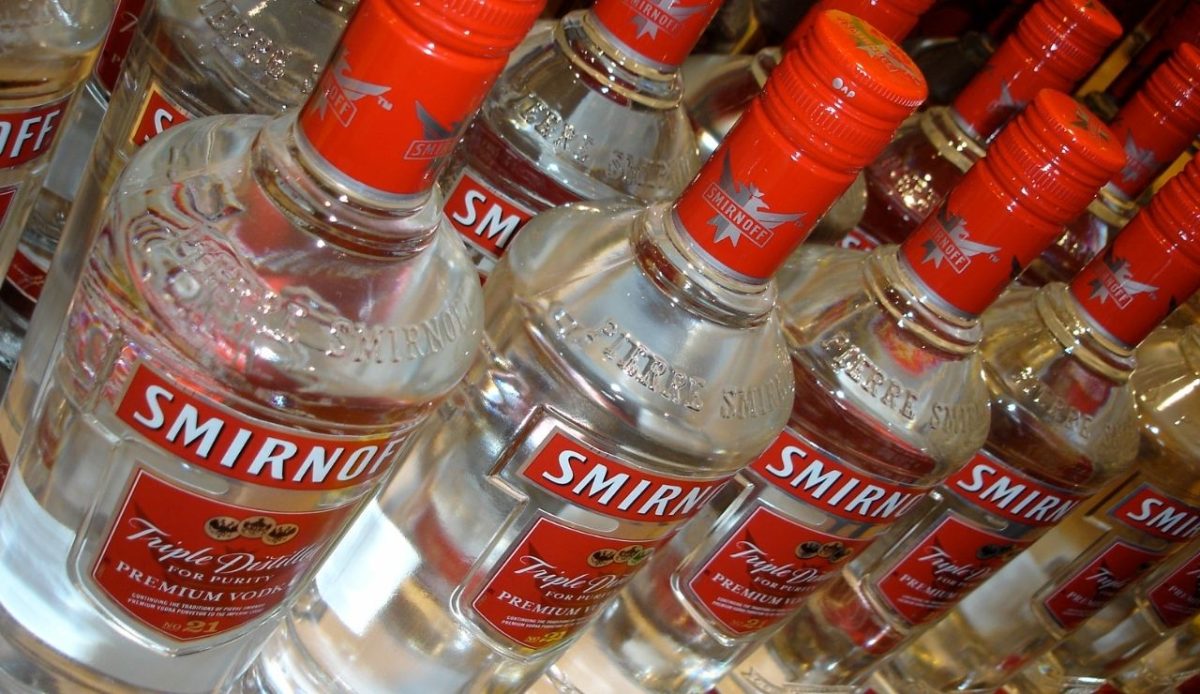
Duty-free liquids follow different security rules because they must remain sealed in tamper-evident airport bags. Travelers often open the bag to check the product or remove the receipt, which breaks the seal and voids the exemption. This becomes a problem when connecting through another airport that requires a second screening. Officers may confiscate the item if the bag isn’t sealed properly, even if purchased legally. Receipts must stay inside the bag, and the seal must remain untouched until the final destination. Understanding the packaging requirement prevents lost purchases during transfers.
5. Medicine Rules Still Confuse Many Travelers

Prescription medicine is allowed in carry-on bags, yet travelers misunderstand how officers check it. Labels must match the traveler’s name, and unlabeled pills can delay screening. Officers often ask travelers to separate medicines during the scan, and large liquid medications require extra checks. Medicine does not need to fit in the quart-sized liquids bag, but travelers often pack it there anyway. Items such as inhalers, insulin, and EpiPens remain allowed but may require brief inspection. Keeping labels visible and packing medicine in a small pouch helps avoid delays at security.
6. Food Is Allowed but Not Always at Arrival
Food passes through security at departure airports, but arrival rules differ and often catch travelers by surprise. Customs officers may restrict fruit, meat, dairy, or seeds even if security officers allowed them earlier. Travelers carrying snacks from home often believe they can bring them into another country, but agricultural rules strictly control what enters. These rules protect crops and livestock, not aircraft safety, which explains the difference between departure and arrival checks. Not knowing the rules can result in fines or questioning. Checking the arrival country’s policies prevents these issues.
7. Electronics Sometimes Need Extra Screening
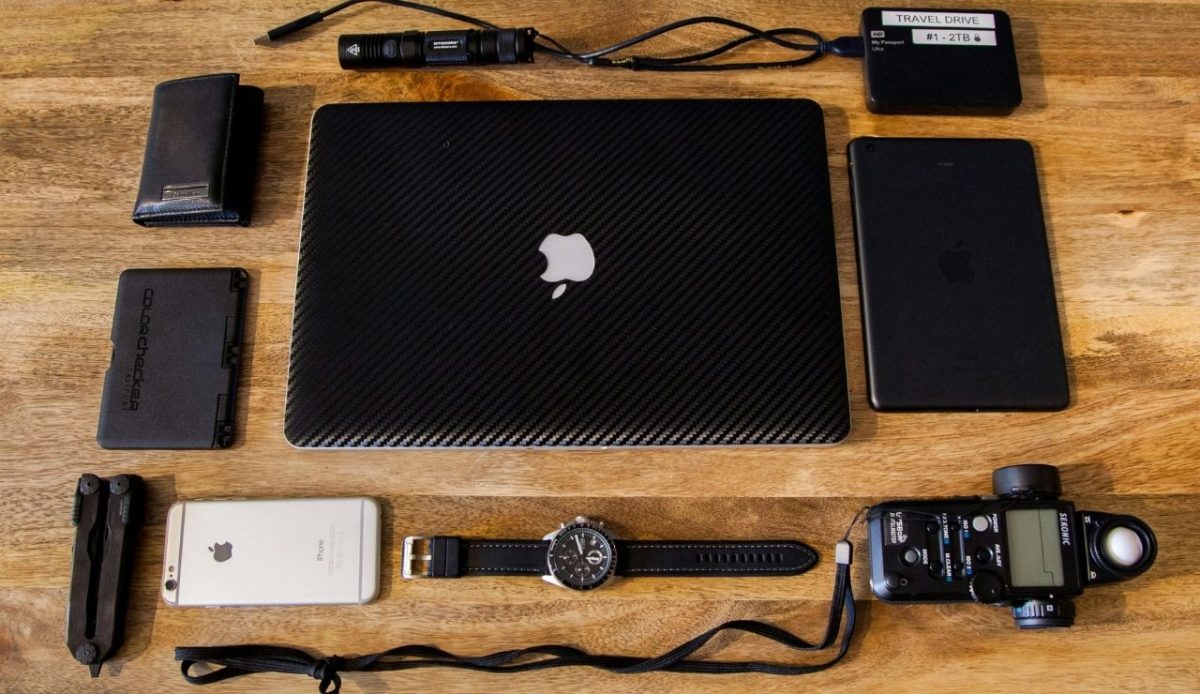
Travelers assume all airports use updated scanners that allow electronics to stay in bags, yet many still require laptops, tablets, and cameras to be removed. When travelers leave devices inside, officers often pull the entire bag aside, adding minutes to the process. Power banks and external hard drives sometimes trigger alarms when tightly packed with cables. Older scanners struggle to read overlapping electronics, forcing manual checks. Following posted signs or officer instructions keeps the line moving and reduces the chance of multiple scans. Removing electronics when required avoids delays at crowded checkpoints.
8. Snow Globes Count as Liquid Items

Snow globes seem harmless, but their internal liquid makes them subject to the 3-1-1 rule. Most gift shop snow globes exceed the allowed volume, and travelers lose them at security because they don’t fit in the quart-sized bag. Officers judge the item by the liquid amount, not the appearance, so even small globes must meet the same standards. Placing snow globes in checked luggage is usually the safest choice. Travelers often buy them during trips and forget about the rule until reaching the checkpoint. Understanding the requirement avoids losing souvenirs.
