
Airline passengers often try small gestures that seem polite or helpful, yet many of these actions unintentionally create problems for fellow travelers or the cabin crew. Some behaviors slow down service, interfere with safety routines, or cause confusion even when the person means well. Understanding how certain habits backfire helps travelers avoid unnecessary stress during busy flights. When passengers know which actions disrupt the flow of the cabin, they are better equipped to support a smoother and more comfortable experience for everyone. These examples highlight how good intentions can easily turn into misunderstandings at 35,000 feet.
1. Standing Up Too Early After Landing
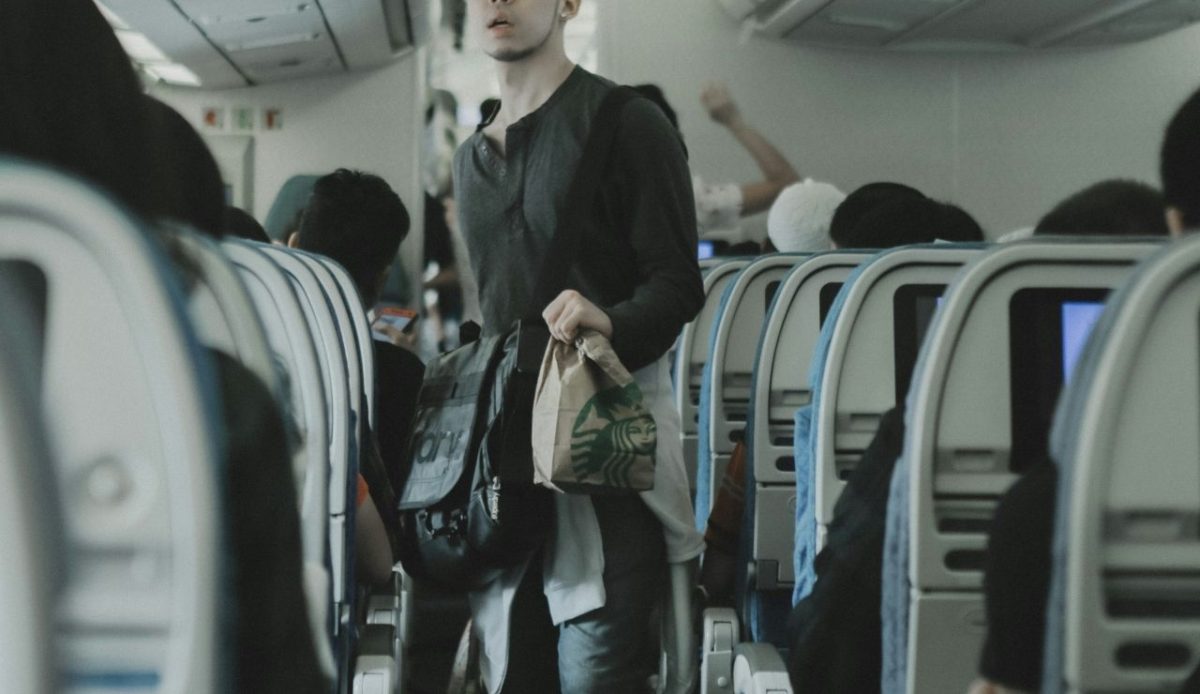
Passengers often rise from their seats the moment the aircraft touches down because they hope to exit faster. Instead, early movement clogs the aisle, slows deplaning, and challenges crew who need space to open doors and start their post-landing checks. The plane may still roll slightly, increasing the chance of bumps or falls. Waiting for the row ahead to move keeps the process steady and prevents crowding near the front or middle of the cabin. Staying seated until movement begins makes deplaning smoother, safer, and far more predictable for the entire aircraft.
2. Helping Others Lift Bags Without Asking
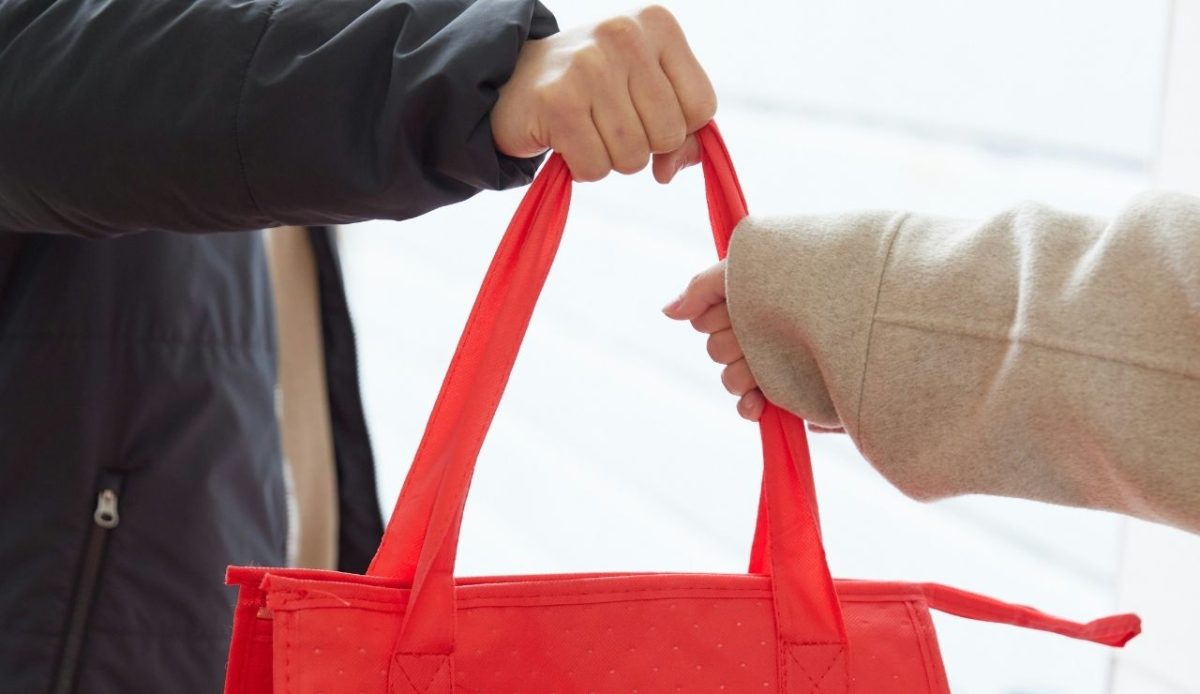
Many travelers try to assist others with placing bags in overhead bins. Although considerate, unsolicited help can cause injuries, dropped luggage, or awkward moments when a passenger wants to handle their own items. The crew also monitors bin activity for safety, and unexpected lifting can interrupt their process. Some travelers carry fragile or sensitive belongings and prefer full control over how those items are stored. Asking before helping prevents misunderstandings and reduces the chance of accidents that delay boarding. Respecting personal boundaries ensures that assistance is welcome rather than disruptive.
3. Overusing the Call Button to Be Polite
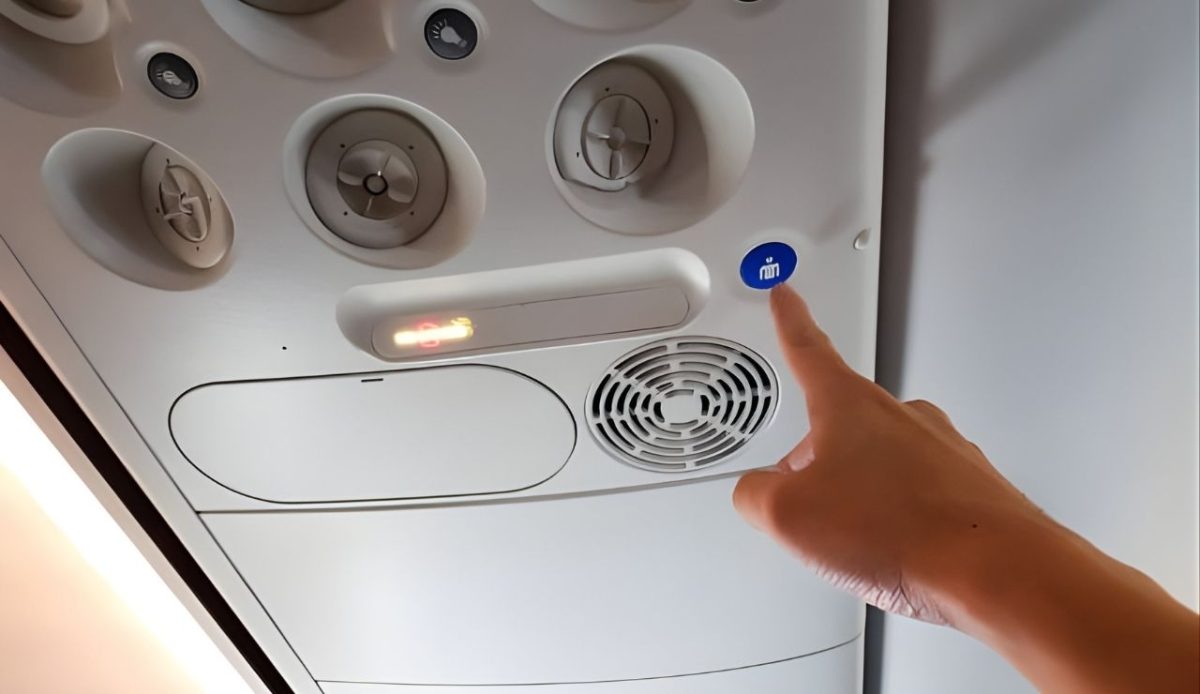
Some passengers rely heavily on the call button to avoid walking the aisle or interrupting crew tasks. While they may believe this shows respect, frequent calls slow service because the crew must stop other duties to respond. Repeated requests for minor items distract from more urgent needs and make it harder for the crew to manage time-sensitive responsibilities. Passengers can often wait for the service cart or request several items at once. Using the call button only when necessary keeps the cabin flow steady and helps ensure that serious situations receive prompt attention.
4. Wiping Seats or Trays With Strong Cleaners
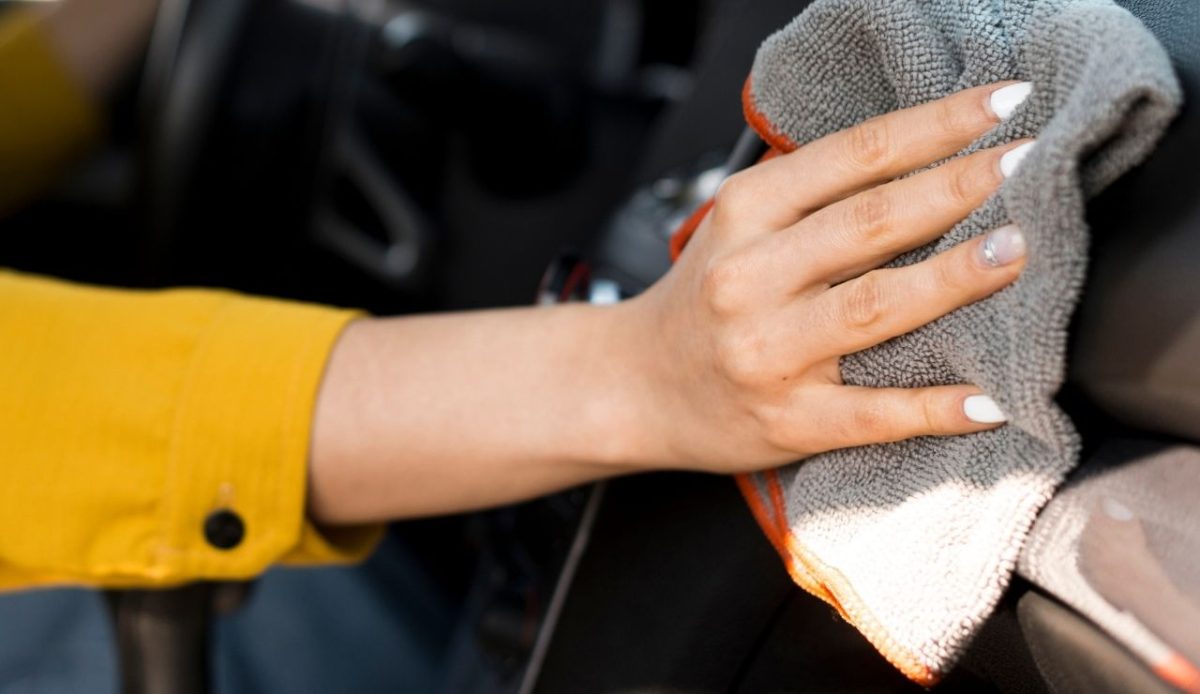
Travelers often bring personal wipes to clean surfaces, intending to create a safer space. Problems arise when strong fragrances or harsh chemicals spread through the cabin. These products can trigger allergies, headaches, or coughing among nearby passengers because the air circulates throughout the cabin. Certain cleaners also damage seat materials or screens, creating extra work for maintenance teams. While light, unscented wipes are usually fine, anything with a strong smell can affect others. Using mild products discreetly protects the comfort of the entire row and avoids unintended cabin discomfort.
5. Switching Seats to “Help” Families
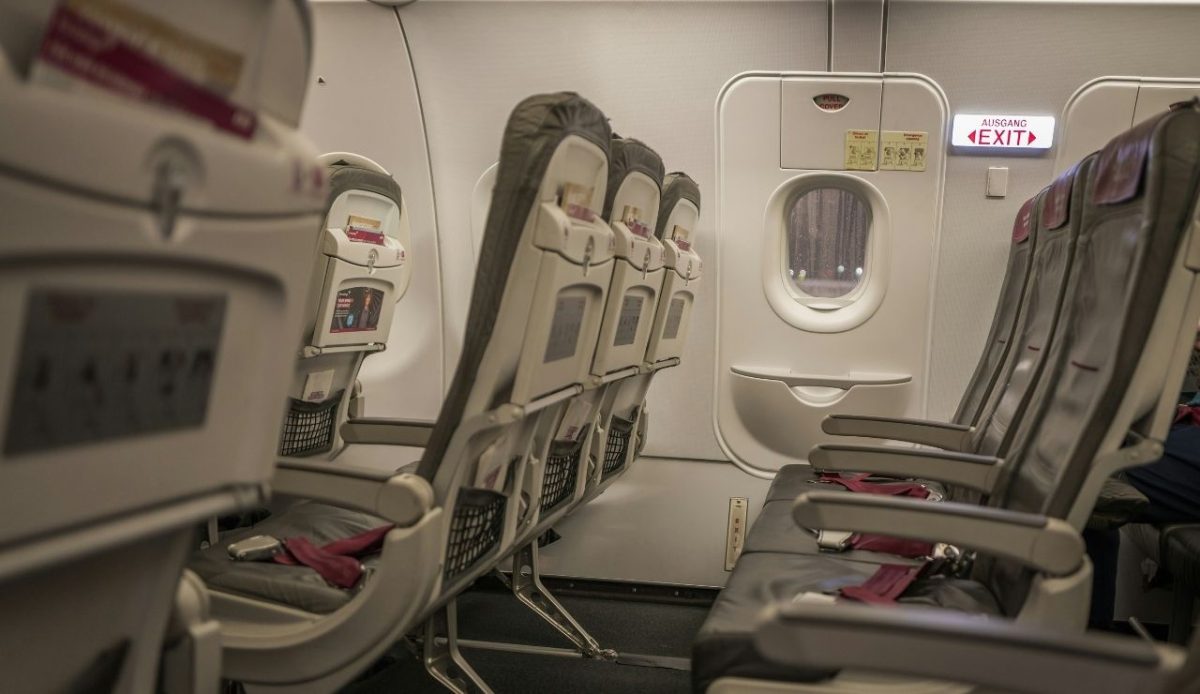
Seat swaps often begin with good intentions as travelers try to help families sit together. However, unplanned changes disrupt the seating plan and can complicate weight distribution on lightly filled flights. Crew track seat assignments for safety, and unsupervised moves create confusion, especially during boarding. Negotiations between passengers also slow the process, causing delays when the flight is already tight on time. Asking the crew before moving ensures the shift will not interfere with operations. Their guidance helps families and volunteers reach a suitable arrangement without disrupting the flight.
6. Sharing Snacks With Nearby Passengers
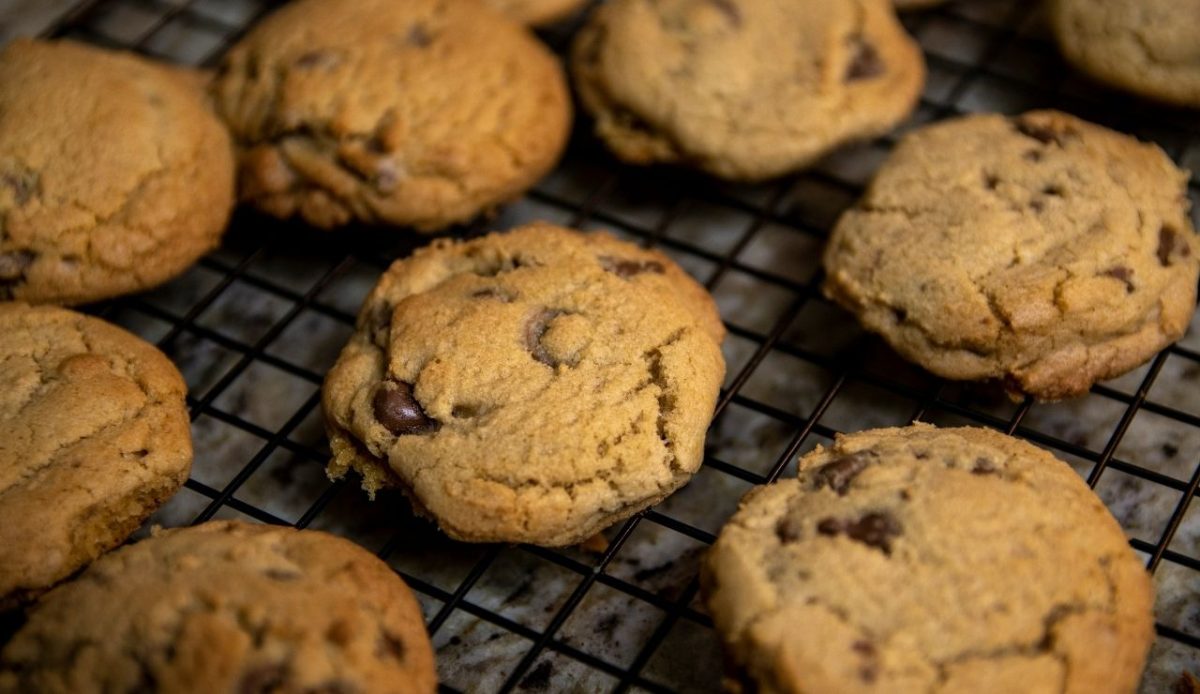
Offering snacks to strangers may seem friendly during a long flight, but this gesture often creates more problems than comfort. Food allergies are not always visible, and even small traces can cause discomfort or reactions. Crew also discourages sharing because it introduces unknown risks into the cabin and complicates their ability to manage safety concerns tied to allergens. Keeping snacks personal protects the health of nearby passengers and reduces the chance of misunderstandings. A simple smile or polite conversation is usually a safer way to create a friendly atmosphere without involving food.
7. Chatting With Seatmates to Be Friendly

Some people enjoy talking during flights and strike up conversations to pass the time. Although well-intended, not everyone wants to chat, especially if they are tired, working, or hoping to rest. Prolonged conversation can make others feel trapped or uncomfortable if they are unsure how to end the exchange politely. It may also disturb nearby passengers who prefer quiet. Starting with a short greeting and observing the other person’s body language helps avoid awkward situations. Respecting a desire for space ensures that the flight remains pleasant for those who prefer silence.
8. Giving Crew Extra Trash at the Wrong Times
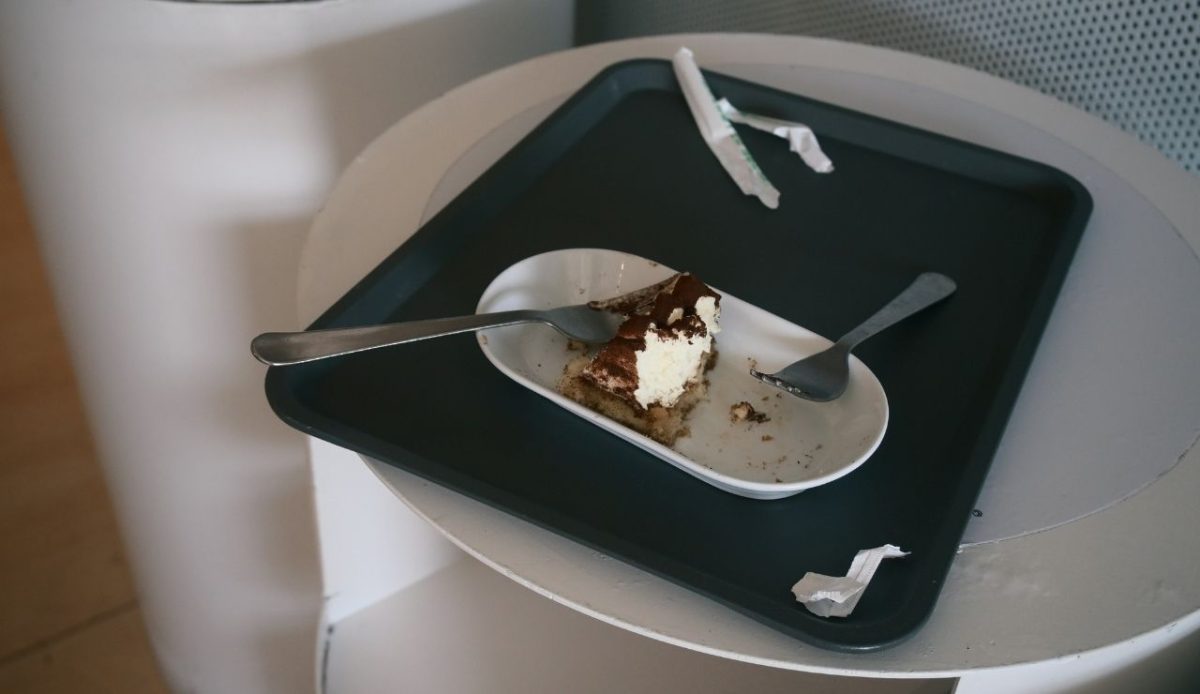
Passengers often try to help keep the cabin tidy by handing trash to the crew whenever they pass by. This backfires when it disrupts meal service or blocks carts moving through narrow aisles. Crew members manage trash collection at specific points in the service process, and receiving items early forces them to pause tasks or juggle items when their hands are full. Holding onto small wrappers until the official pickup or placing them in a personal bag keeps the aisle clear. This approach supports a more efficient cabin routine and helps the crew stay focused.
9. Keeping the Window Shade Open to “Share the View”
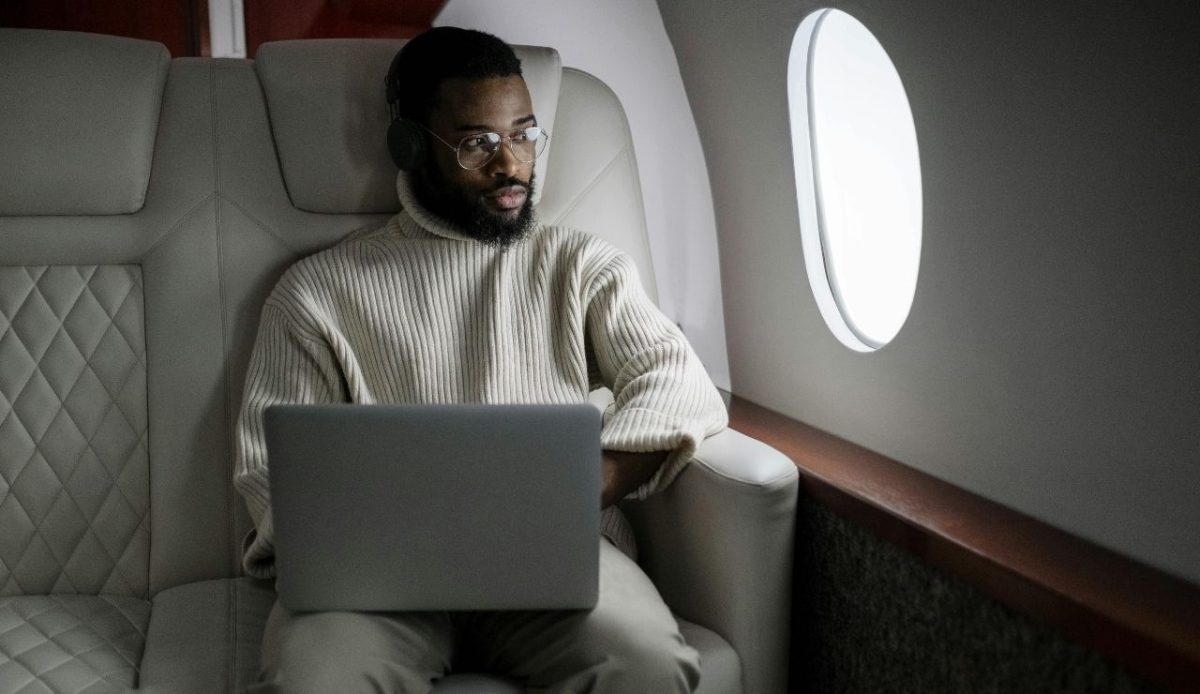
Passengers who enjoy scenery sometimes keep the window shade open, hoping others will appreciate the view. On long or overnight flights, bright light disrupts rest, screen visibility, and overall cabin comfort. Those nearby may struggle to sleep or avoid glare. Crew often dim lights for rest periods, and an open shade conflicts with that plan. Checking whether other passengers are sleeping or prefer a darker cabin helps determine the best option. Adjusting the shade with consideration keeps the environment balanced and supports the comfort of everyone seated nearby.
