
Travelers often focus on large cities, yet many suburbs offer steady activity, practical amenities, and simple layouts that support easy movement. These communities provide direct access to dining, parks, shops, and historical points without complicated routes or heavy crowds. Their structures help visitors plan short or full-day schedules without rushing, and their locations near major cities make them workable bases for regional travel. Each suburb offers reliable features that appeal to different interests, from outdoor areas to local events to compact downtown centers. The following suburbs give travelers organized environments that support stress-free visits across several regions of the country.
1. Naperville, Illinois
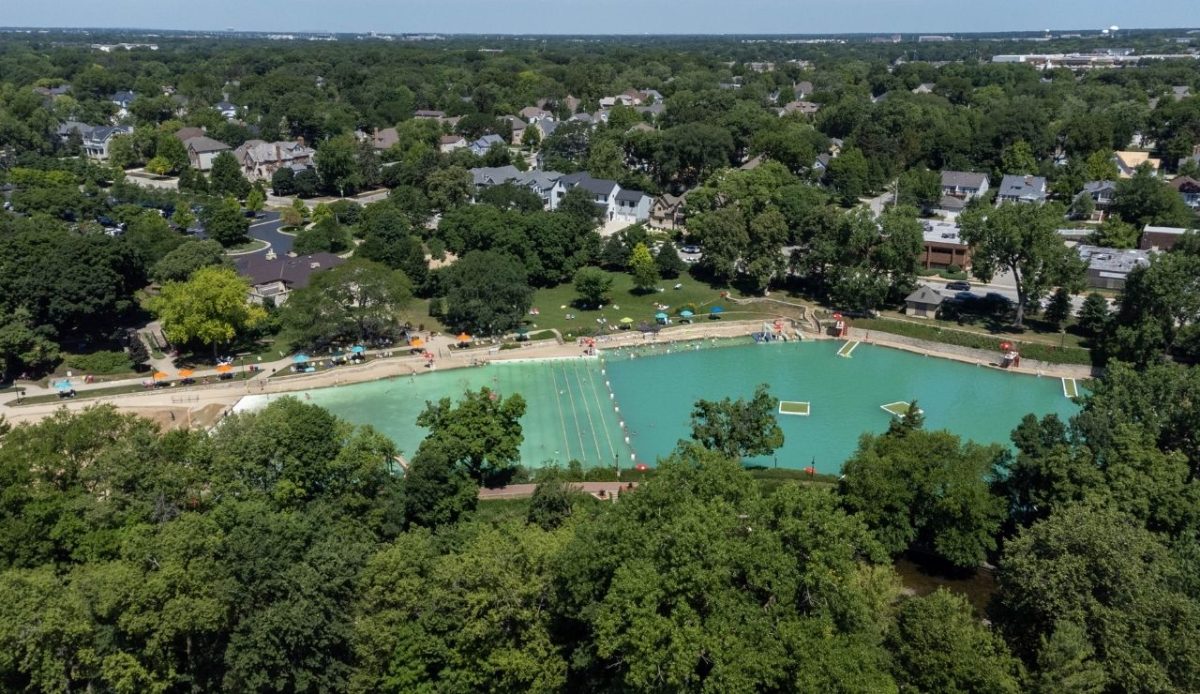
Naperville gives travelers a dependable base near Chicago with a downtown area that is simple to navigate and active throughout the week. The Riverwalk provides a straightforward walking route with benches, paved paths, and direct access to nearby restaurants and small stores. Centennial Beach offers seasonal swimming in a controlled setting that appeals to families and casual visitors. Local museums and parks supply practical options for day plans without long travel times. Street layouts are clear, parking remains manageable, and most areas feel easy to cover on foot. These factors make Naperville a steady and convenient suburb for travelers who want accessible attractions without the pace of a large city.
2. Brookline, Massachusetts
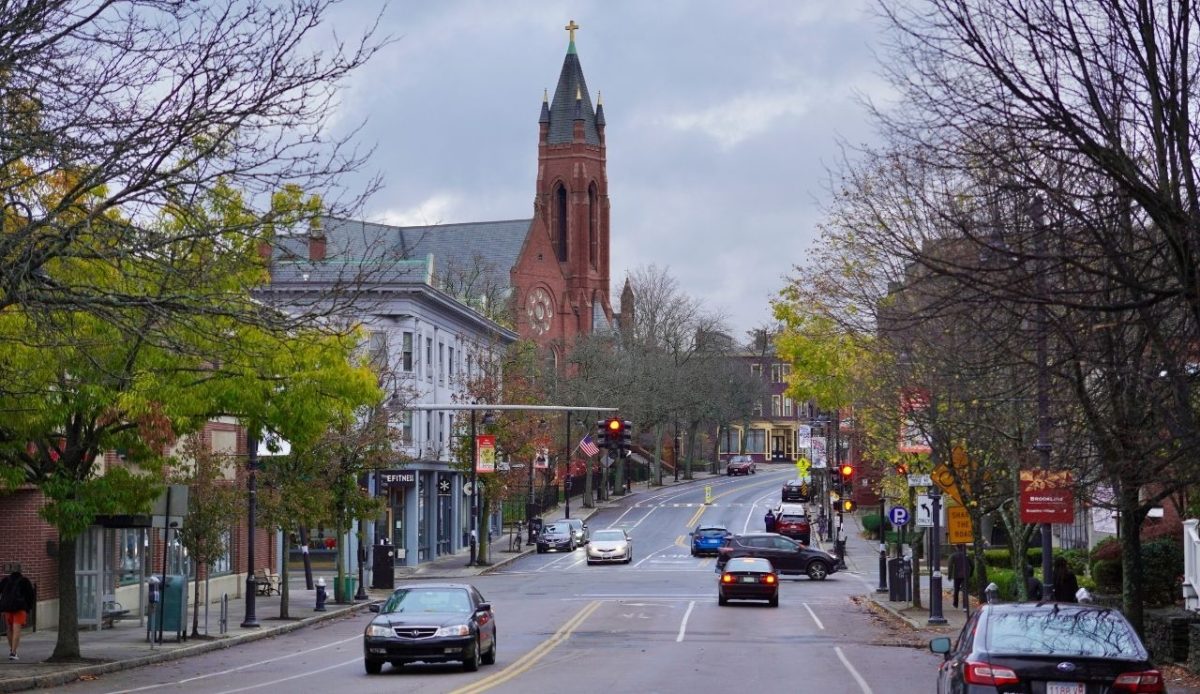
Brookline gives visitors close contact with Boston while maintaining its own routine and structure. Coolidge Corner and Washington Square contain grocery shops, bookstores, and casual restaurants that serve long-standing local needs. Public transit links place downtown Boston within quick reach, which helps travelers rely less on cars. Sites such as the John F. Kennedy National Historic Site give the area educational value, while parks like Larz Anderson Park offer open space for simple outdoor use. Streets are straightforward to navigate, and foot traffic stays consistent without becoming overwhelming. Brookline works well for travelers who want reliability, walkability, and quick access to major city attractions.
3. Concord, Massachusetts
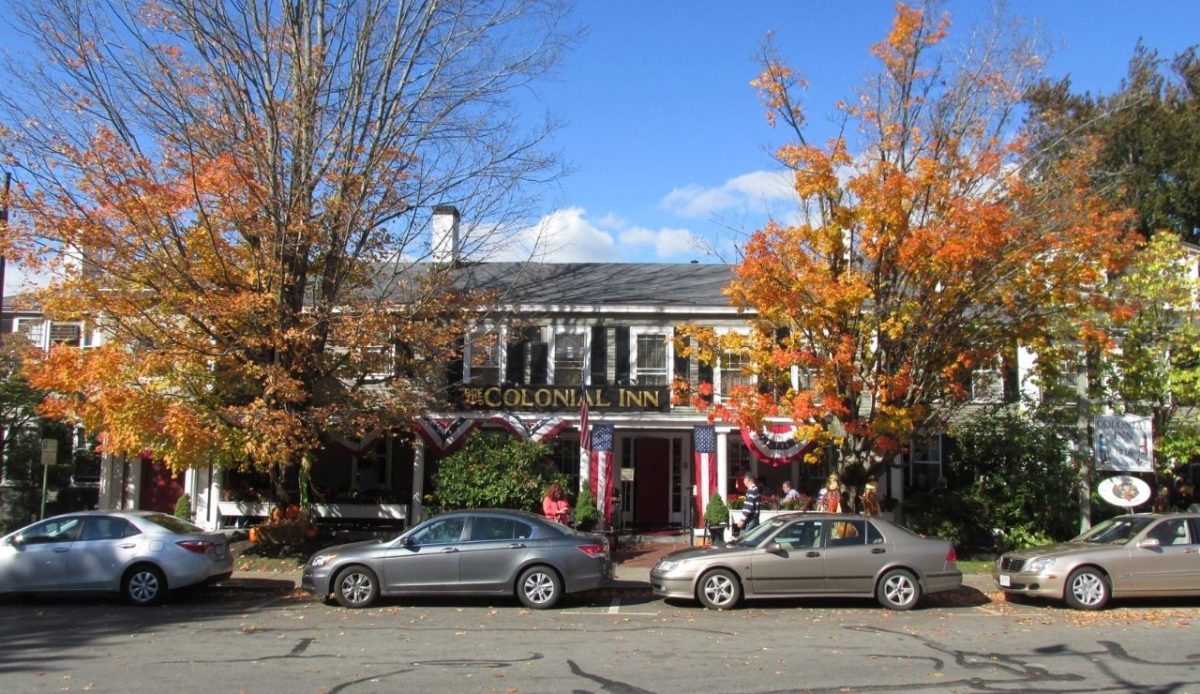
Concord offers direct access to major historical locations linked to early American events. Minute Man National Historical Park and Walden Pond remain the primary draws and are easy to reach from the town center. Downtown Concord contains essential shops, small restaurants, and local markets that maintain regular daily activity. Walking routes connect several historical markers, allowing visitors to plan their day without complicated logistics. The town’s layout supports straightforward navigation, and parking is generally available near key sites. Concord suits travelers who want organized access to well-known history, along with manageable outdoor areas close to Boston.
4. Winchester, Massachusetts
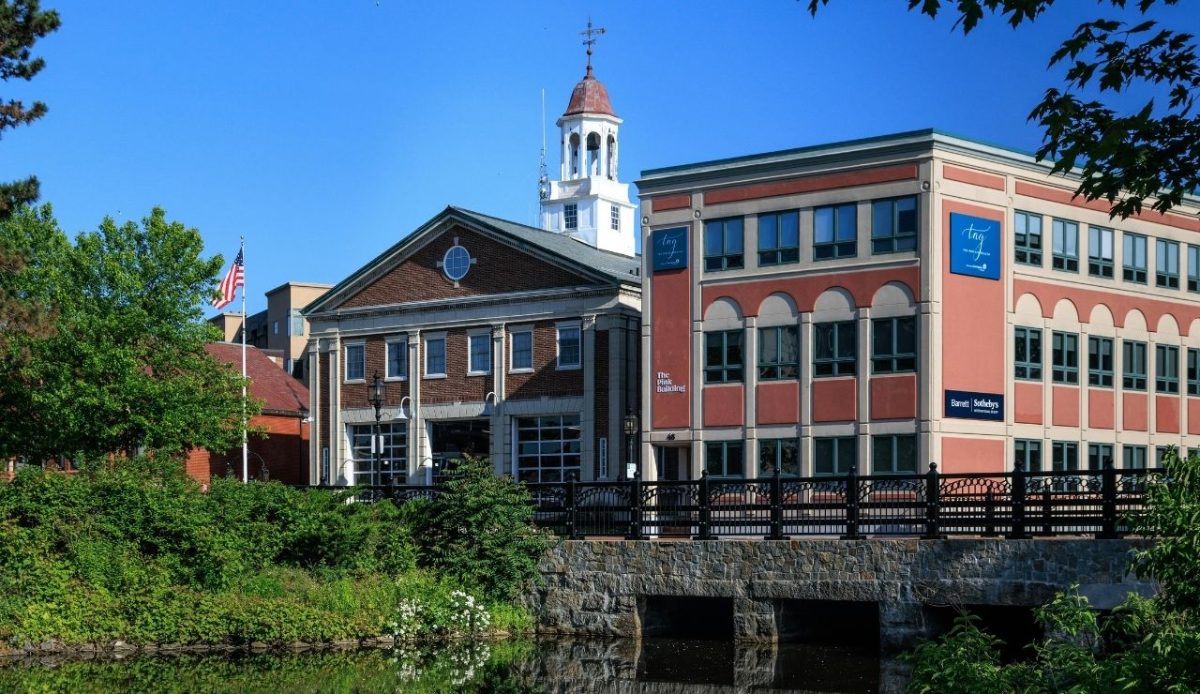
Winchester provides a calm suburban environment with reliable access to Boston. The town center includes essential stores, practical dining options, and a commuter rail station that shortens travel time into the city. The Mystic Lakes area offers predictable outdoor activities such as walking routes and basic water access for paddling or sailing groups. Historic buildings remain part of the streetscape but do not dominate the area’s layout. Community events and local farms bring steady visitors from nearby towns. Winchester’s structure makes it easy for first-time visitors to understand the area quickly, and its transit access helps travelers move between the suburb and Boston without difficulty.
5. Great Falls, Virginia

Great Falls is known for its direct access to Great Falls Park, where visitors can view the Potomac River’s strong currents from marked overlooks and short trails. The park’s boardwalks and viewing platforms help manage foot traffic and support clear movement through busy sections. Outside the park, the suburb features residential roads, small dining spots, and wide-open land that maintains a low-density feel while remaining near the Washington region. The commercial area along Georgetown Pike includes long-running businesses that serve locals and travelers. Great Falls works well for people who want reliable outdoor access and short travel times to major urban areas.
6. Sewickley, Pennsylvania
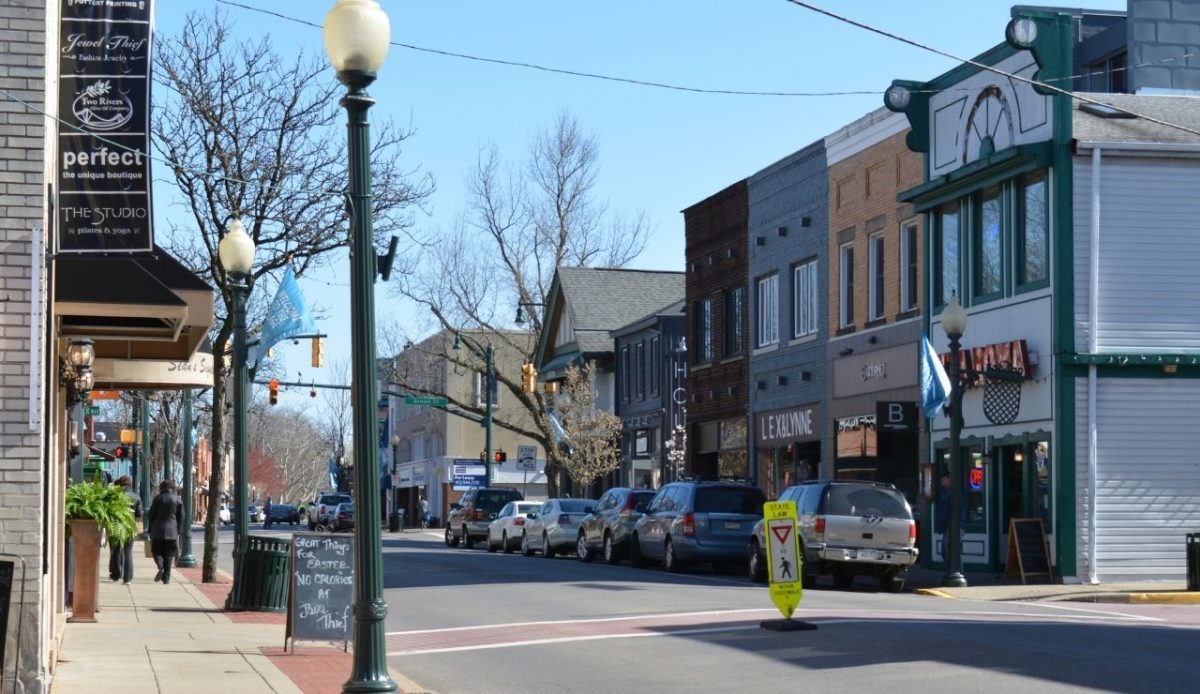
Sewickley is situated along the Ohio River northwest of Pittsburgh and offers travelers a stable, well-kept suburban setting with easy access to the city. The main business district includes locally owned stores, cafes, and service businesses that remain active throughout the week. Streets are organized in a simple grid, making the town easy to navigate on foot. The area features several older homes that have been maintained through long-term investment, adding visual interest without creating a museum-like atmosphere. Community institutions such as the Sweetwater Center for the Arts support regular classes and events that draw both residents and visitors. Sewickley provides a predictable, orderly environment for travelers who want a calm base near Pittsburgh while still having access to small-town conveniences.
7. Beaufort, South Carolina
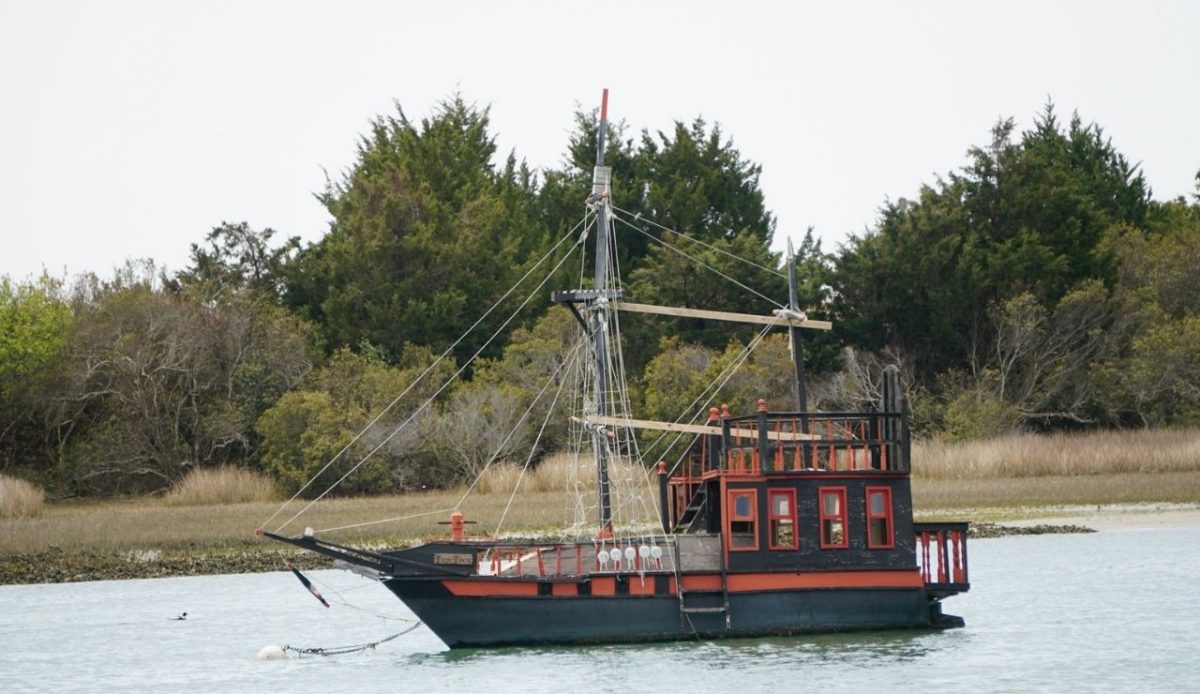
Beaufort provides straightforward access to Lowcountry history and coastal scenery. The downtown area includes practical shops, standard dining options, and a waterfront park with clear paths and open seating areas. Many older buildings have been preserved, giving visitors an accurate view of the region’s architectural timeline. The layout of the historic district keeps most points of interest within walking distance, and parking is usually available near major streets. Travelers can add simple outdoor activities such as boat tours or short drives to nearby islands. Beaufort works well for visitors who want an organized, compact area with direct ties to South Carolina’s coastal culture and history.
8. Decatur, Georgia
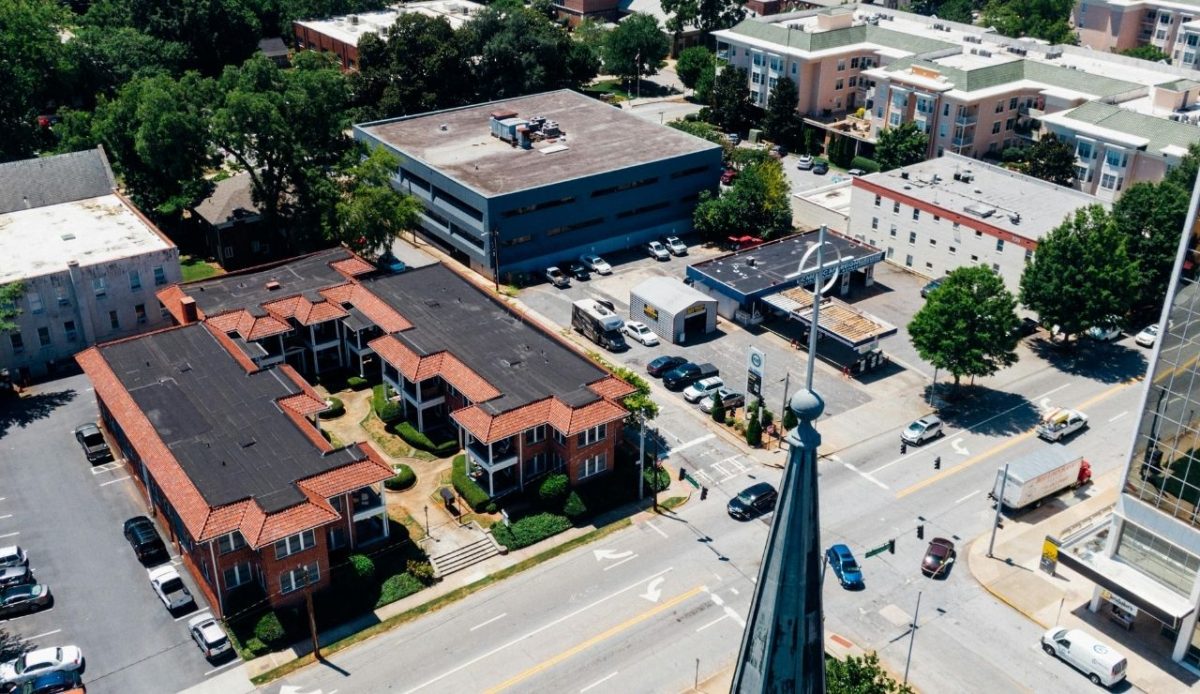
Decatur offers a reliable suburban center east of Atlanta with accessible public transit and a layout that supports steady foot traffic. The central square includes restaurants, everyday shops, and public offices that keep the area active during daytime and evening hours. Side streets host small galleries, markets, and service businesses that reflect long-standing community use rather than curated tourism. The city operates regular events such as outdoor concerts and weekend markets, giving travelers simple options for planning their stay. Residential blocks surrounding downtown are easy to navigate, with sidewalks and clear street signs. Decatur suits travelers seeking a workable balance between local activity and quick access to the larger Atlanta region.
9. Franklin, Tennessee
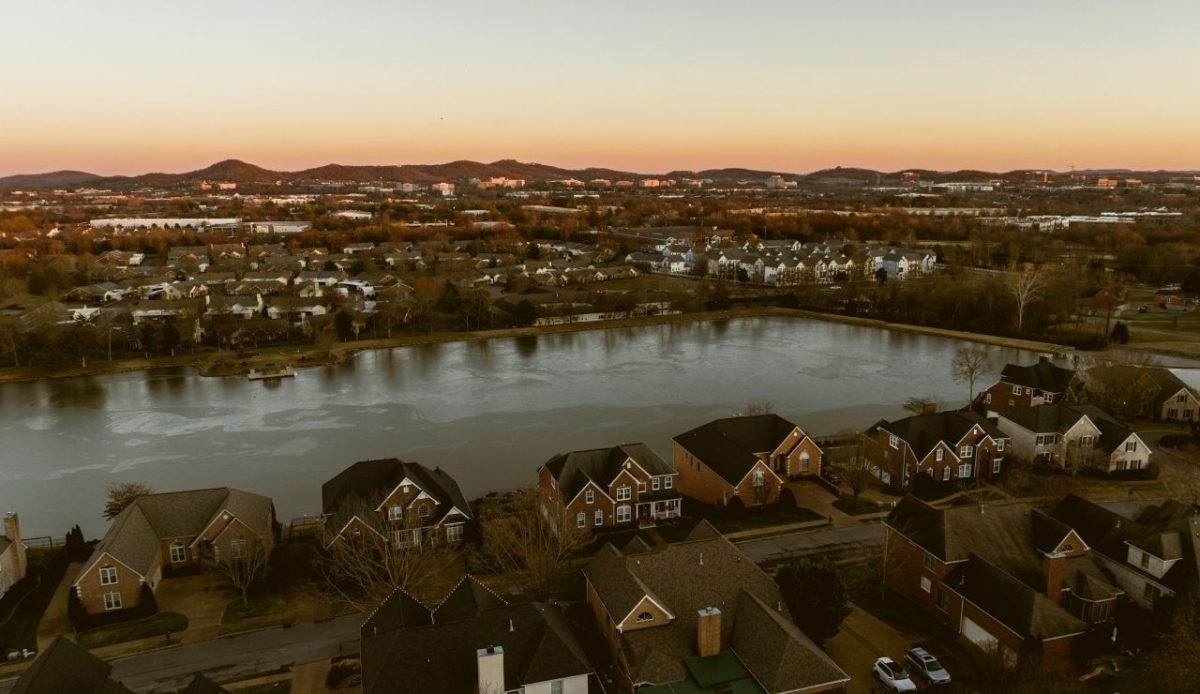
Franklin maintains a structured downtown area anchored by restored buildings that house shops, restaurants, and small entertainment venues. The layout encourages walking, with crosswalks, clear signage, and visible parking options near the main streets. The suburb’s historical sites relate to early settlement and the Civil War era, giving travelers accurate information without requiring long drives between locations. Events such as seasonal markets and street fairs occur on predictable schedules and bring steady turnout from nearby communities. Surrounding neighborhoods include parks and straightforward road networks that support easy navigation. Franklin offers a practical experience for travelers who want organized access to history, food, and simple outdoor recreation near Nashville.
10. Oxford, Mississippi
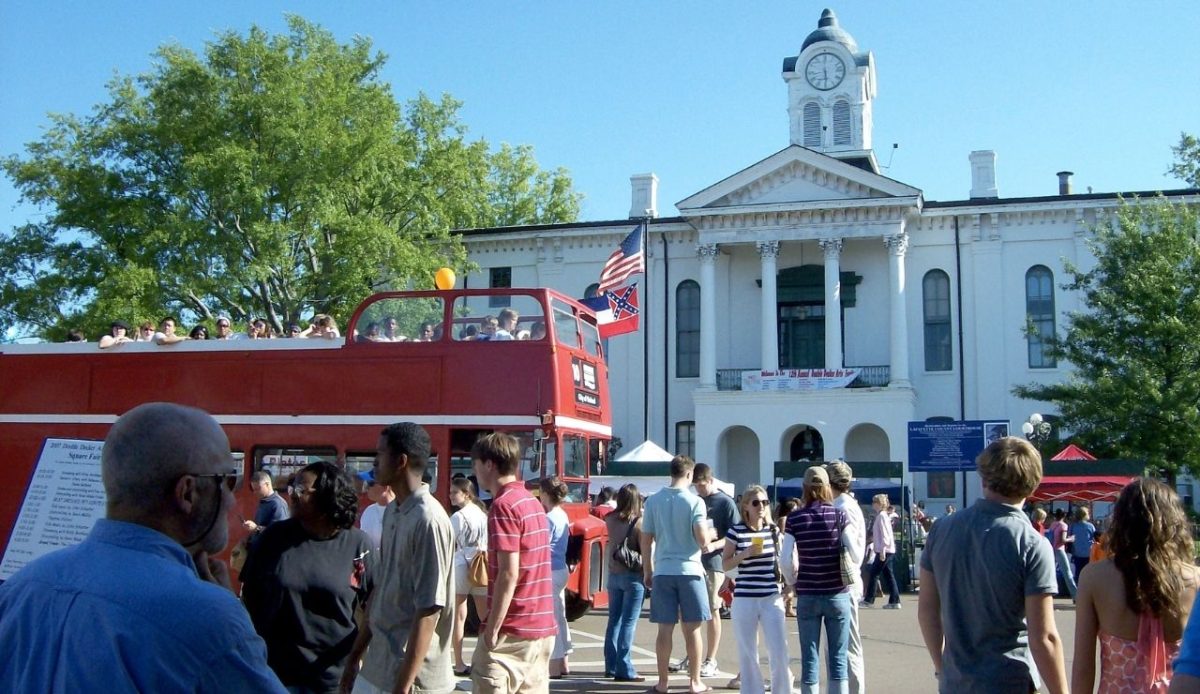
Oxford centers around its well-known square, which contains bookstores, restaurants, and retail shops that serve students, residents, and visitors. The University of Mississippi sits nearby, adding steady foot traffic and creating a dependable schedule of events throughout the year. Roads around the square are clearly marked, and most points of interest require short walks rather than complex planning. The area includes several landmarks linked to regional literature and education, providing straightforward stops for travelers. Dining ranges from informal cafes to established restaurants with long local ties. Oxford gives visitors a clean, accessible layout with academic, cultural, and everyday activities concentrated in a compact, easy-to-use setting.
11. Louisville, Colorado
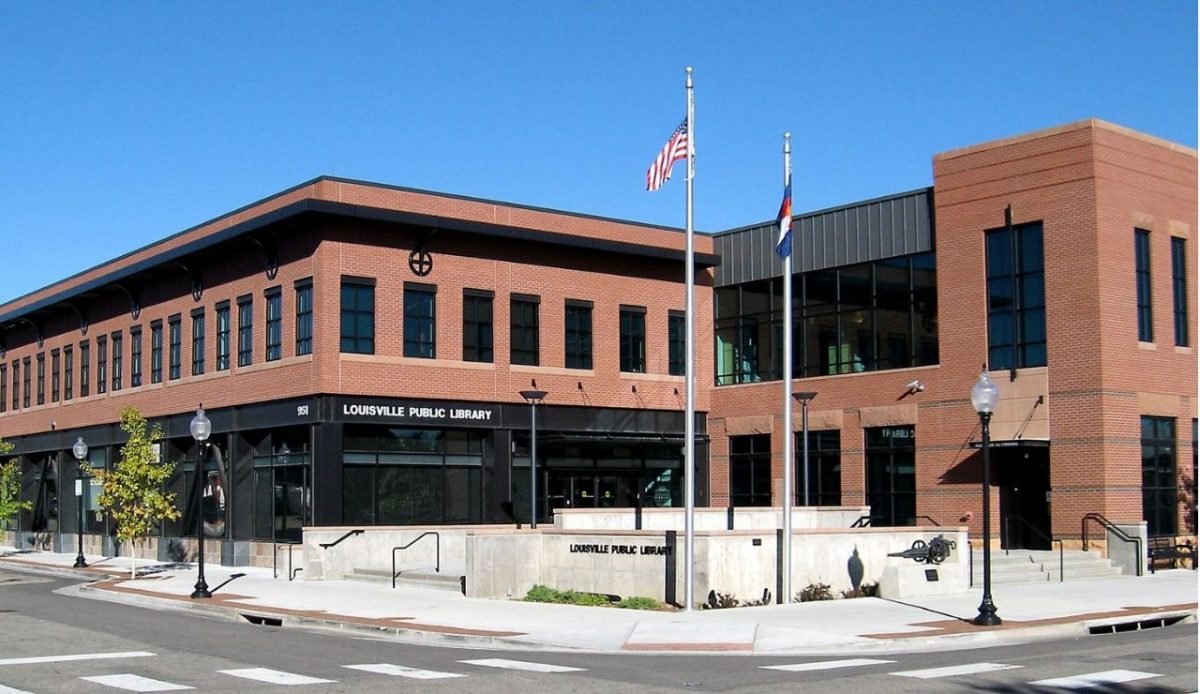
Louisville provides travelers with a steady suburban environment just east of Boulder with a compact downtown area that remains active throughout the week. Main Street includes restaurants, coffee shops, local service businesses, and small stores that support consistent foot traffic. Trails and open spaces sit close to residential areas, giving visitors simple access to walking routes without long drives. The suburb maintains organized community services, predictable event schedules, and well-marked parks that keep visits straightforward. Louisville also offers quick access to U.S. Highway 36, which shortens travel time to both Boulder and Denver. Its reliable mix of local dining, outdoor access, and manageable street layout makes it a practical stop for travelers exploring the Front Range.
