
Across Asia, some small towns have resisted change, keeping their original charm and centuries-old traditions alive. These places preserve the character of their ancestors through wooden homes, narrow alleys, and daily routines that still follow the rhythm of the past. Visitors often find themselves stepping into streets where time feels quiet and steady, surrounded by craftwork, temples, and customs passed down through families. Each of these towns offers a window into how people once lived, worked, and celebrated while maintaining a strong sense of identity that continues today.
1. Pingyao, China
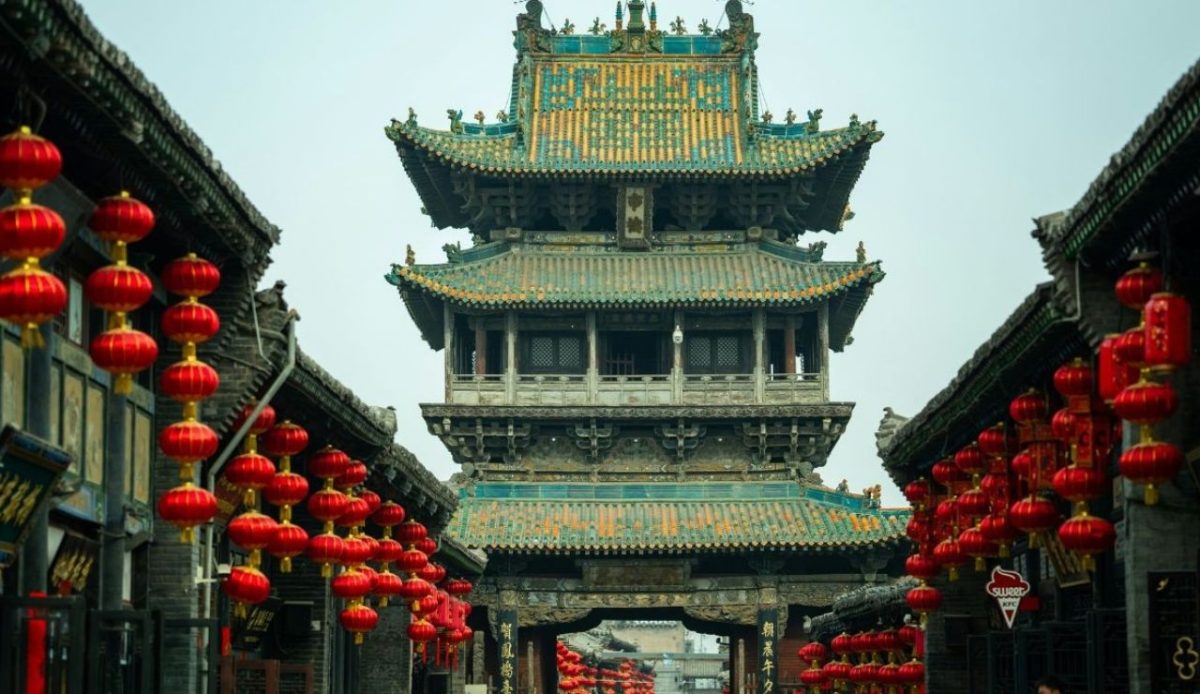
Pingyao is one of the best-preserved walled cities in China, dating from the Ming and Qing dynasties. Its tall gates and ancient walls still surround a maze of stone streets lined with teahouses, temples, and wooden courtyard homes. Once the heart of early Chinese banking, its draft banks and exchange offices now serve as museums. After sunset, red lanterns light up the cobbled lanes, reviving the energy of merchants and travelers who walked here centuries ago. Pingyao feels like stepping into a living museum where tradition continues to shape daily scenes.
2. Hongcun, China
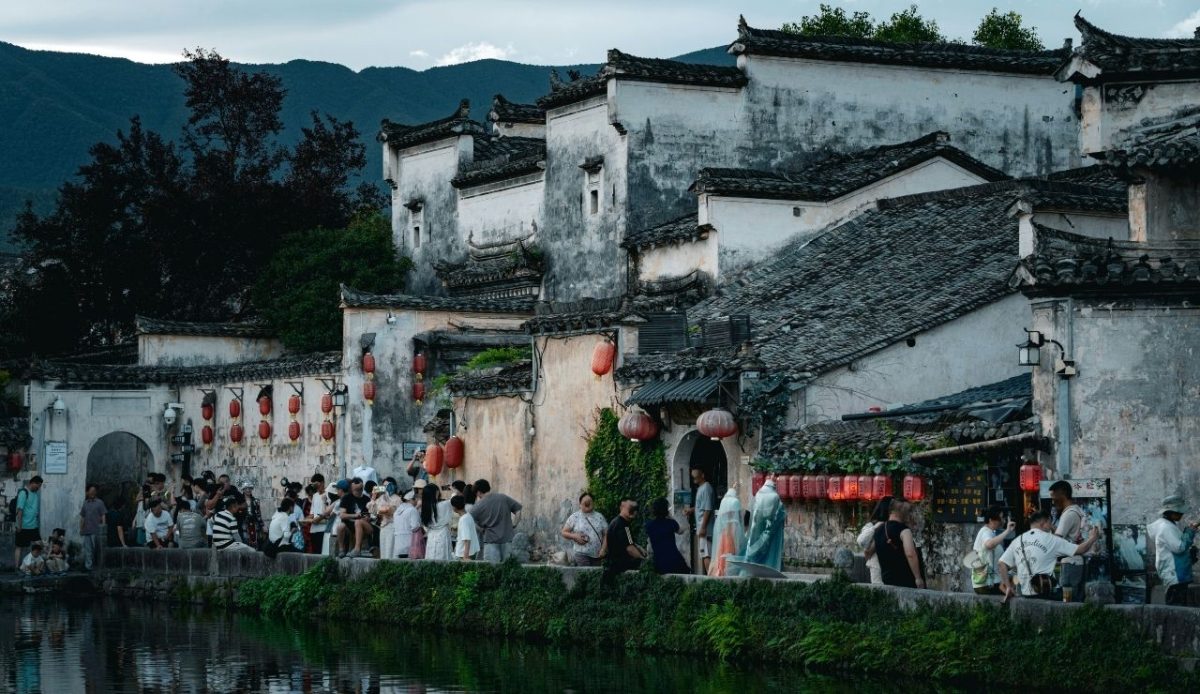
Hongcun lies quietly near Mount Huangshan in Anhui Province, known for its still ponds and narrow canals that flow between homes. The village’s 17th-century buildings, with whitewashed walls and dark roofs, have changed little over time. Families still live in courtyard houses and use water systems designed hundreds of years ago. The calm reflections across Moon Pond attract painters and photographers who appreciate its symmetry and balance. Every corner feels peaceful, carrying a sense of life that values simplicity and respect for heritage over modern speed.
3. Hoi An, Vietnam
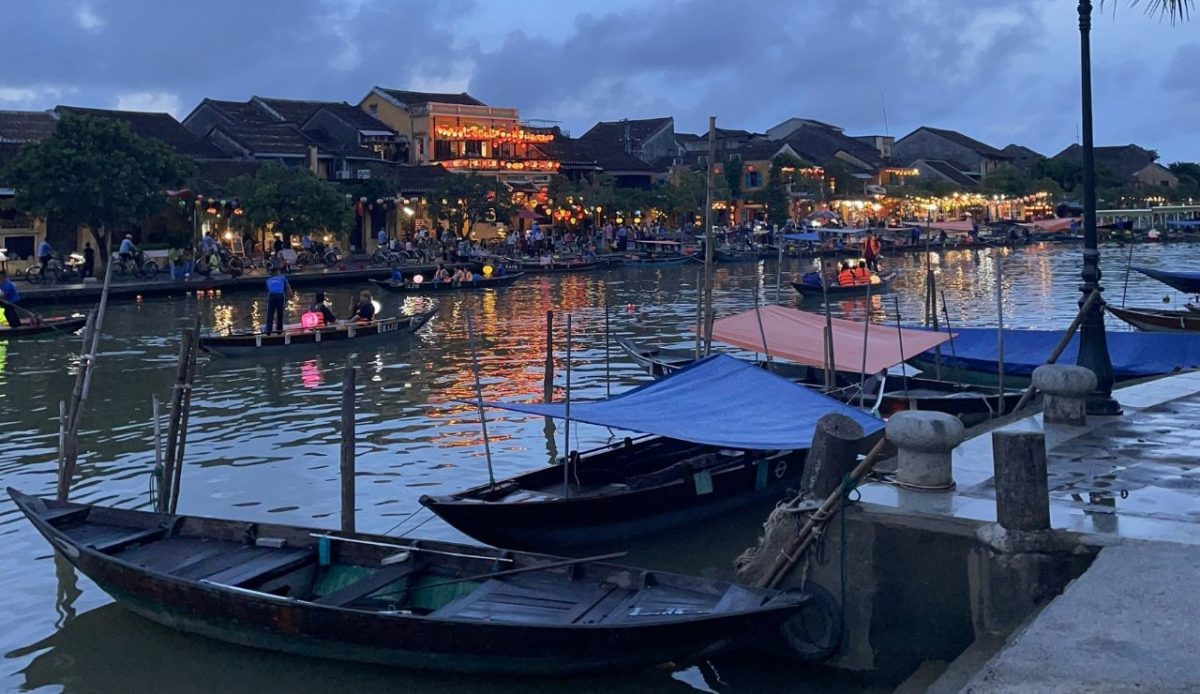
Hoi An, on Vietnam’s central coast, preserves a rare mix of Chinese, Japanese, and European influence from its trading past. The Old Town’s yellow buildings, carved woodwork, and riverside markets reflect its long history. Lanterns glow above quiet streets, and families continue their tailoring and silk-making crafts as they have for generations. When evening falls, the Thu Bon River shimmers with floating candles, and the air fills with soft music. Despite steady tourism, Hoi An keeps its rhythm calm and personal, offering a picture of daily life from centuries ago.
4. Luang Prabang, Laos
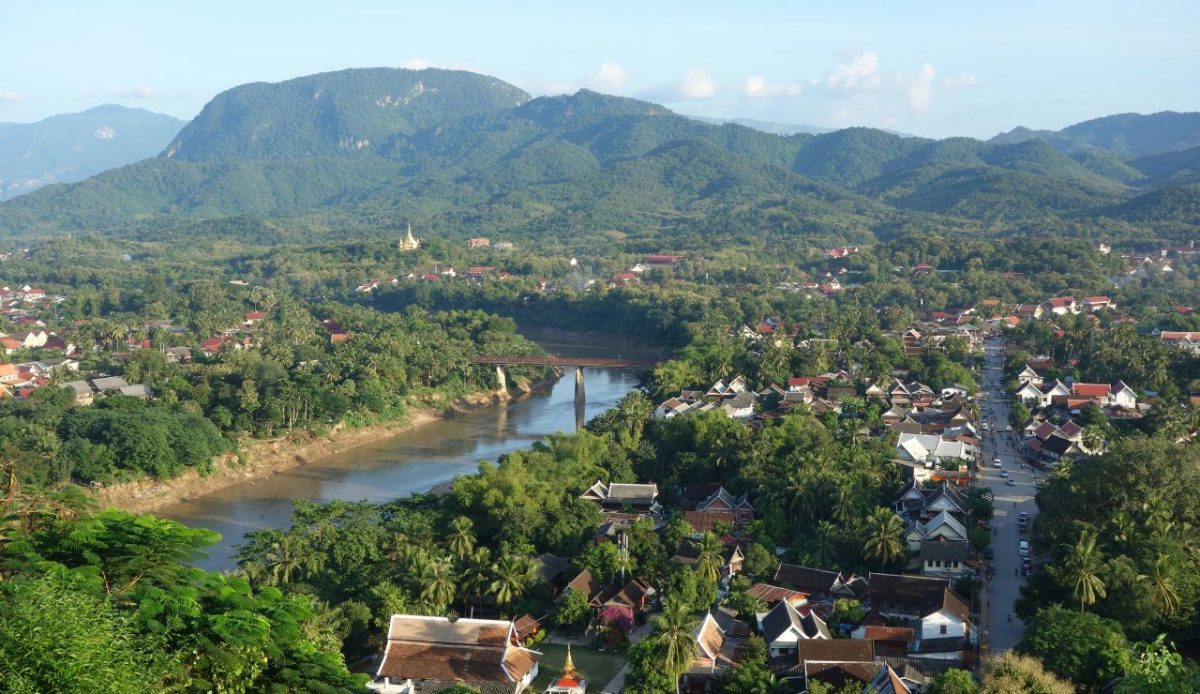
Luang Prabang rests between the Mekong and Nam Khan rivers, where old temples rise among tree-lined streets and French-era houses. The town’s calm mornings begin with orange-robed monks collecting alms from residents. Ancient monasteries, handwoven markets, and soft chanting keep the atmosphere deeply reflective. Though visitors arrive in growing numbers, its quiet pace and spiritual warmth remain steady. Walking along the riverside at dusk or hearing temple bells at sunrise reminds travelers that heritage here still guides the flow of daily life.
5. Vigan, Philippines
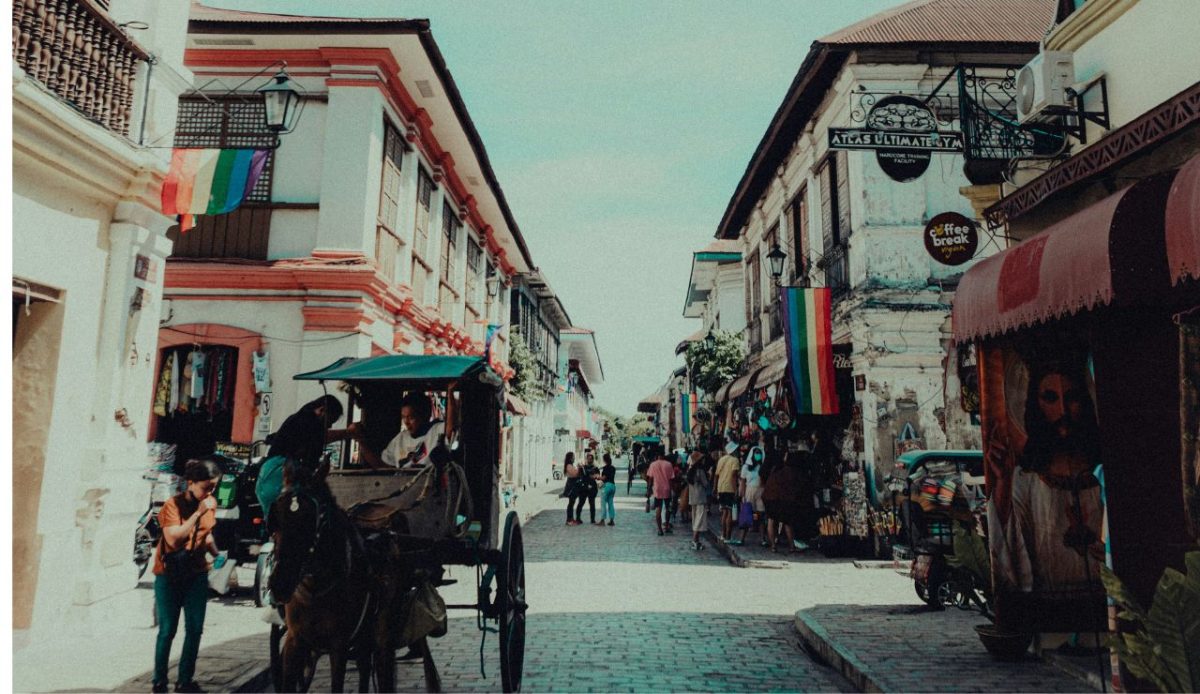
Vigan, on Luzon Island’s northwest coast, keeps its Spanish colonial charm alive through its streets and homes. Calle Crisologo’s cobblestones echo with the slow sound of horse-drawn carriages. Coral stone walls, wood balconies, and iron grilles reflect the design of a bygone era. Local families still weave fabric and make pottery using age-old methods, while festivals bring color and song to the town. When the lamps glow at night, Vigan feels unchanged, a living reminder of how history can coexist with modern Filipino life.
6. Hahoe Folk Village, South Korea
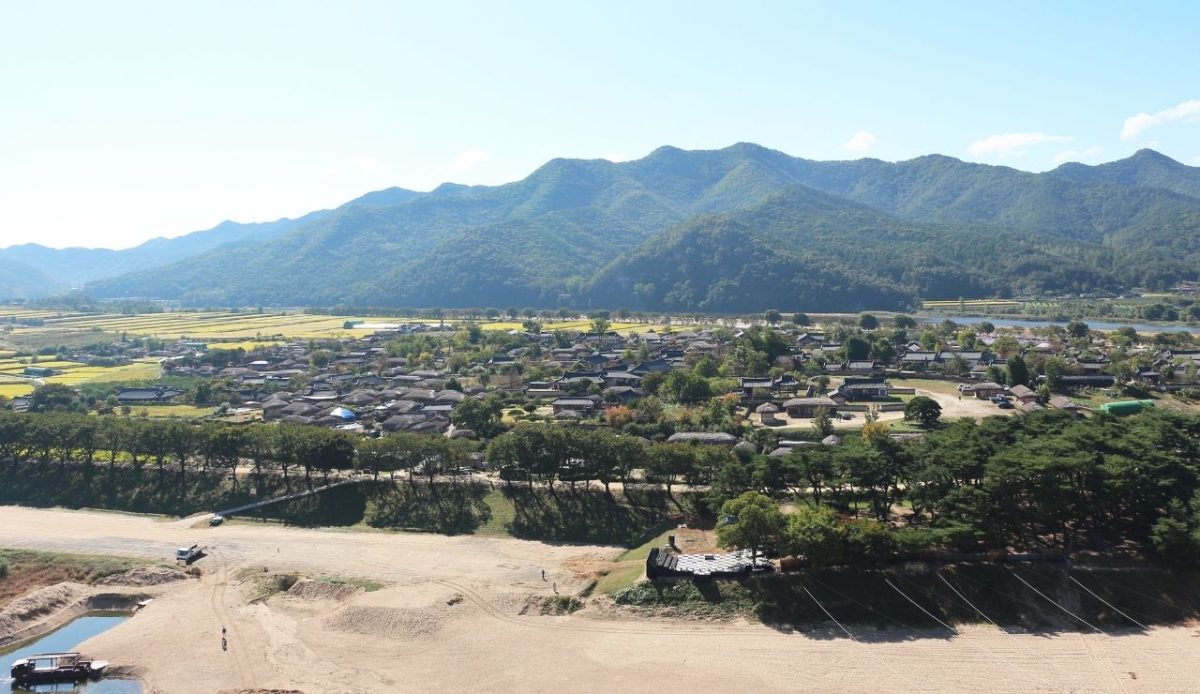
Hahoe Village near Andong preserves the look and rhythm of Korea’s Joseon dynasty. Its curved tile roofs, quiet courtyards, and narrow lanes sit between low hills and the Nakdong River. The Ryu clan has lived here for centuries, maintaining age-old customs and mask dances that honor ancestors. Visitors can stay in thatched homes, observe ceremonies, and see how heritage remains part of daily life. Despite its fame, Hahoe stays peaceful and personal, where tradition guides both community and celebration in the same way it did long ago.
7. Gokayama, Japan
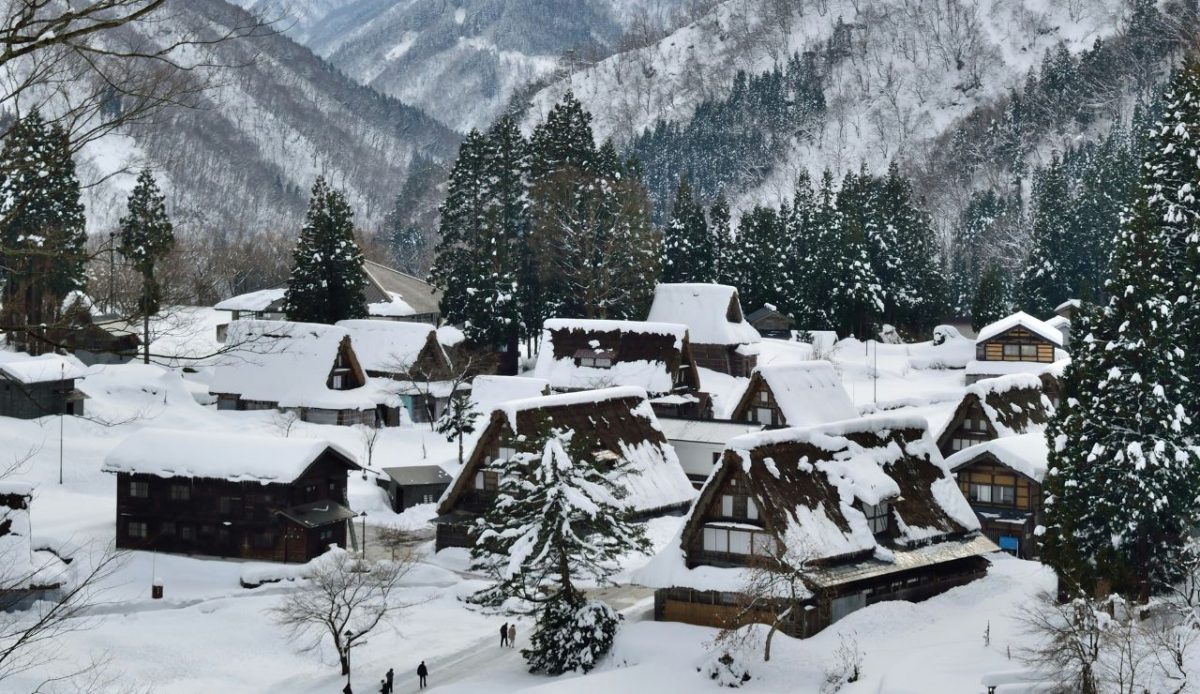
Gokayama, in Toyama Prefecture, hides small villages such as Ainokura and Suganuma, where steep, thatched farmhouses known as gassho-zukuri still stand. Built to endure heavy snow, these wooden homes date back hundreds of years and remain occupied by families practicing traditional crafts like washi paper-making and salt production. Winter turns the valleys white, creating postcard scenes untouched by time. Unlike modern resorts, Gokayama offers a glimpse into the patient, self-sufficient lifestyle of Japan’s rural past, where community life still depends on shared work and quiet respect for nature.
8. Tsumago-juku, Japan
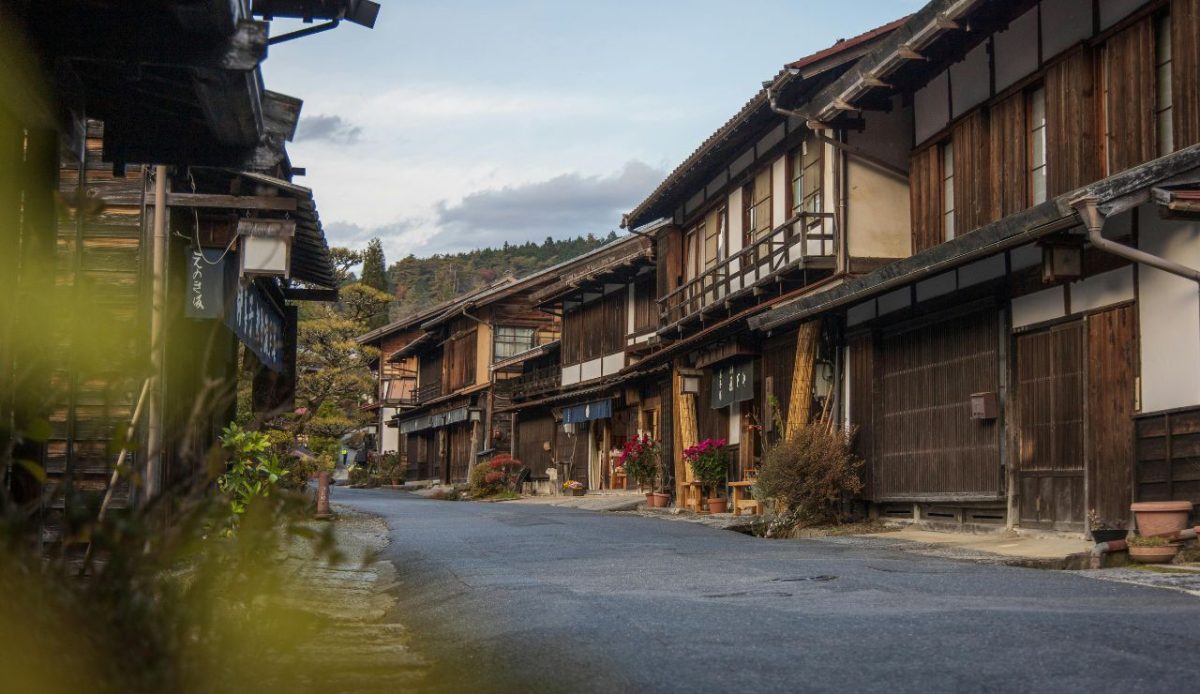
Tsumago-juku, located in Nagano Prefecture, was once a post town along the Nakasendo route connecting Kyoto and Tokyo. It was carefully restored to look exactly as it did in the Edo period, with dark wood houses, low lanterns, and quiet lanes where cars are not allowed. Shops still sell rice crackers, lacquerware, and herbal teas made from local plants. Visitors often stay in small inns that use tatami mats and oil lamps, adding to the town’s timeless calm. Every detail reflects a careful effort to keep Japan’s traveling past alive.
9. Khiva, Uzbekistan
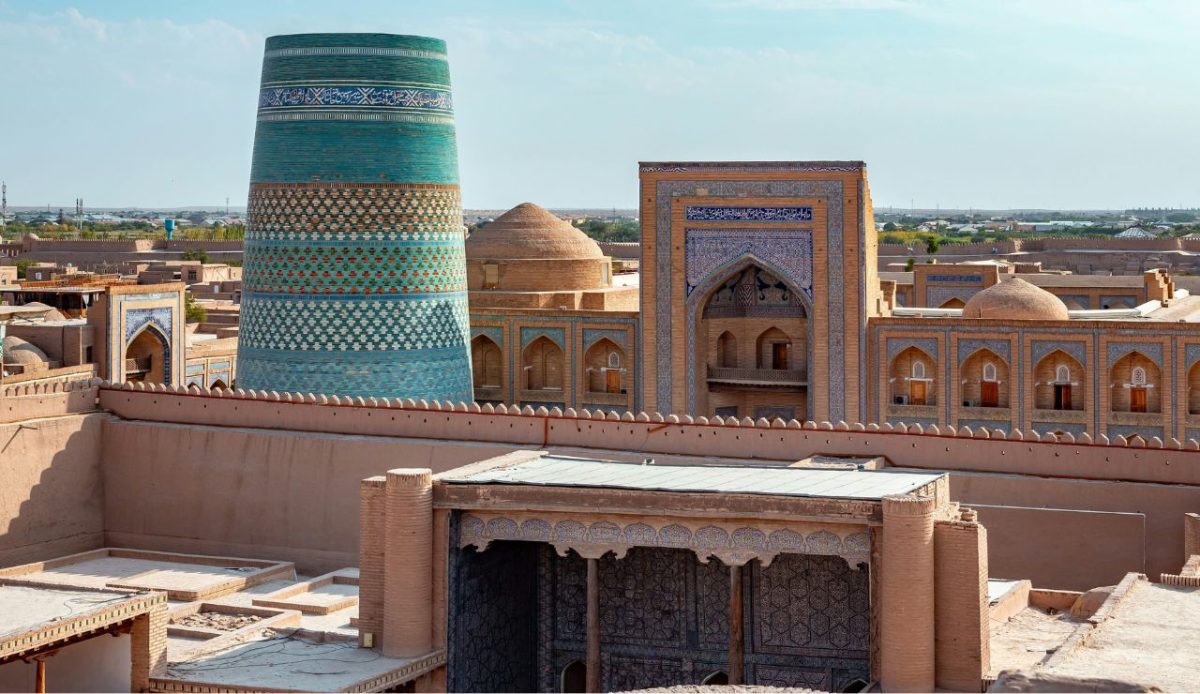
Khiva’s old town, known as Itchan Kala, remains surrounded by massive clay walls that have guarded it for centuries. Inside, blue-tiled minarets and grand madrasas create a skyline that feels more like a museum than a city. The narrow streets reveal life from the Silk Road era, where artisans carve wood, weave silk carpets, and bake bread in clay ovens. At night, the streets quiet down, and lamps cast warm light over domes and towers. Despite restoration work, Khiva keeps its ancient character intact, offering a vivid picture of Central Asia’s trading glory.
10. Bhaktapur, Nepal
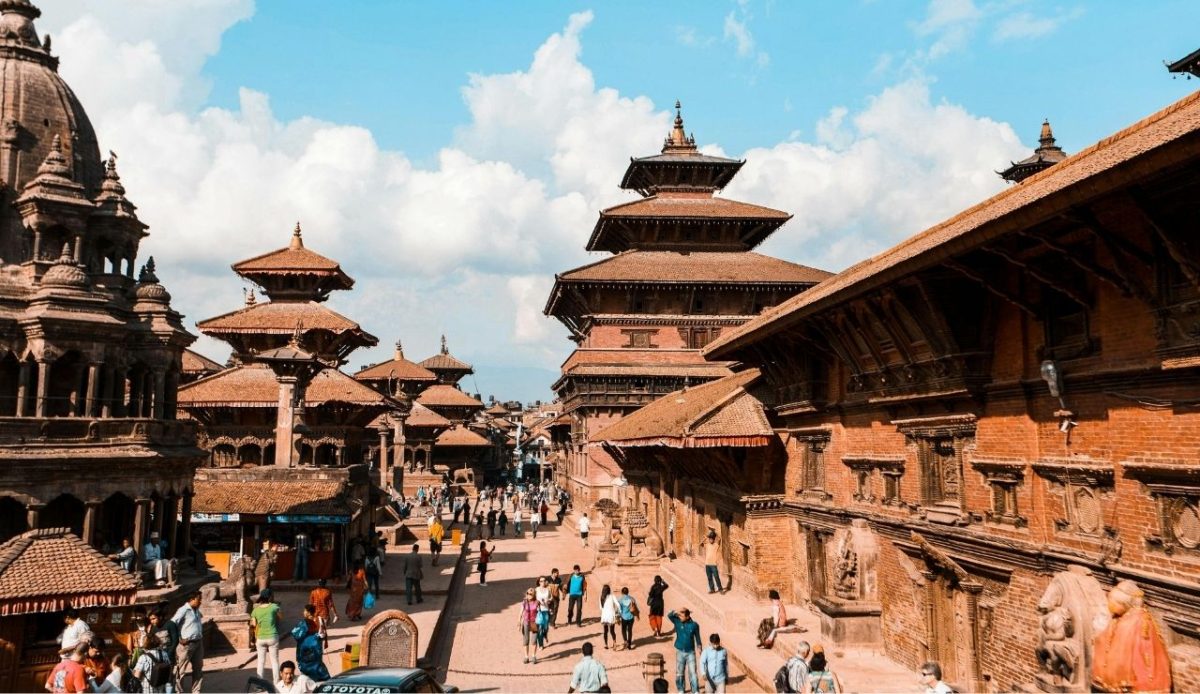
Bhaktapur, part of Nepal’s Kathmandu Valley, stands out for its red-brick buildings, carved wooden windows, and lively courtyards. Once a royal capital, it remains deeply connected to art, pottery, and temple traditions. The town’s main squares host centuries-old pagodas where locals worship daily, while narrow alleys lead to workshops producing clay pots and metal statues. Earthquakes have tested its endurance, but careful rebuilding has preserved its historic face. Visitors find that Bhaktapur feels less like a museum and more like a living reminder of medieval craftsmanship that still defines Nepalese culture.
11. Bandipur, Nepal
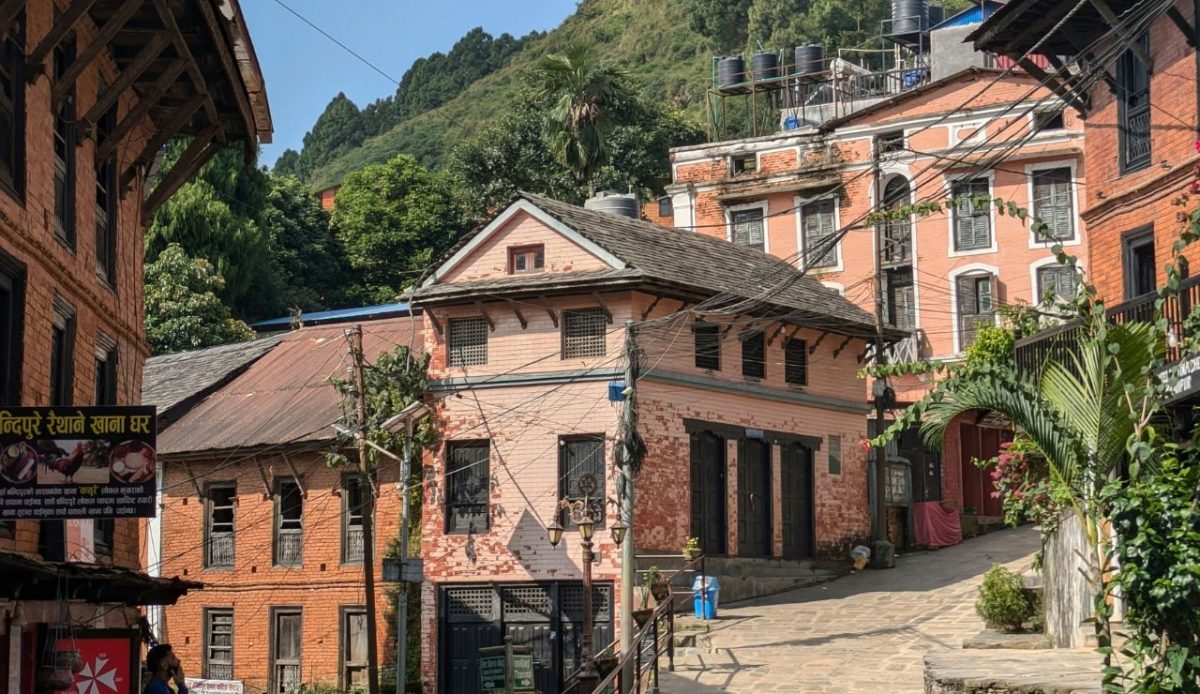
Bandipur is a quiet hilltop town in central Nepal that overlooks the Himalayas while holding on to its Newar charm. Once a major stop on the India–Tibet trade route, its main street is lined with preserved brick homes, wooden balconies, and carved windows. Cars are restricted, so travelers walk through narrow alleys where vendors sell spices, cloth, and handmade jewelry. The atmosphere feels calm and personal, with traditional music echoing during evening gatherings. Bandipur’s beauty lies not in luxury but in the simplicity of mountain life, where every corner reflects a sense of shared memory.
12. Fenghuang, China
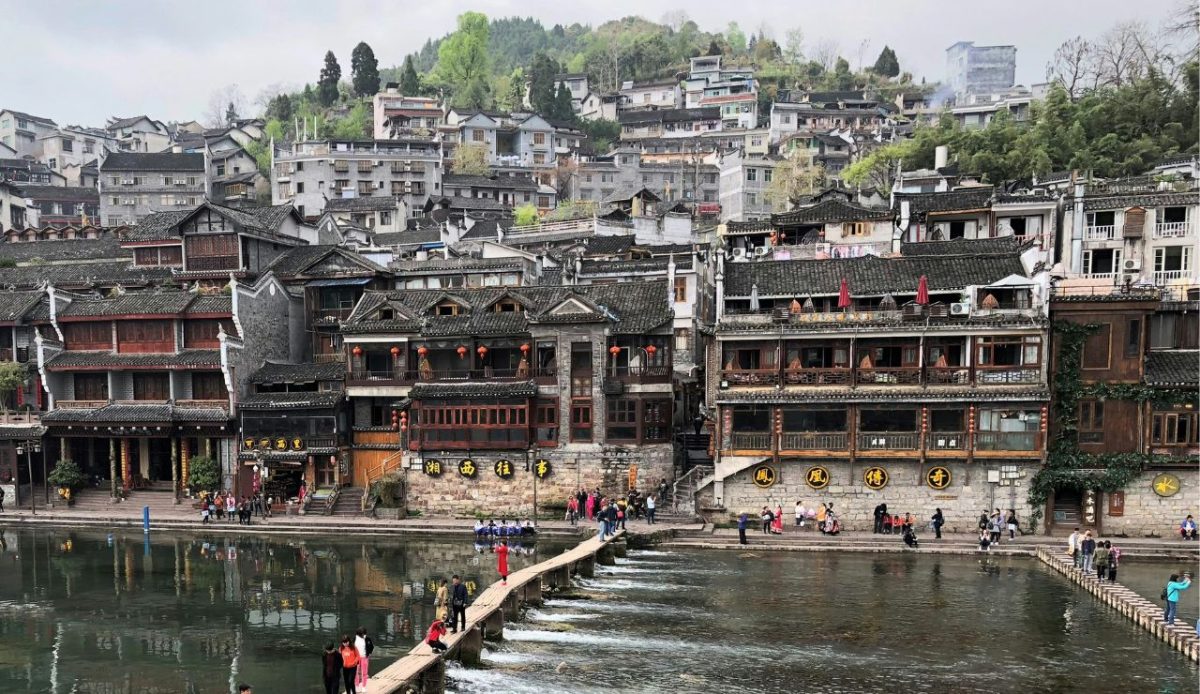
Fenghuang lines the Tuojiang River in Hunan, where stilt houses lean over green water and narrow alleys climb toward city gates. Stone bridges link both banks, and boatmen steer past houses that show Miao and Tujia design in carved beams and lattice windows. Street vendors fry snacks, brush makers set out calligraphy tools, and families chat on low stools as dusk settles across the river. Music drifts from small cafes while lamps glow against the wood. The town’s rhythm feels steady and personal, guided by the river’s flow and simple routines that locals have kept through many seasons.
