
Utah’s state parks are breathtaking, but they also test the limits of even experienced travelers. Every season brings new rescue stories tied to heat, wind, cliffs, or water. Tourists often underestimate long trails, cold lakes, and shifting weather patterns, which turn a simple outing into an emergency. Rangers say most problems come from overconfidence and ignoring safety rules. From crowded reservoirs to remote canyons, these parks remind visitors that Utah’s beauty comes with responsibility and respect for nature.
1. Antelope Island State Park
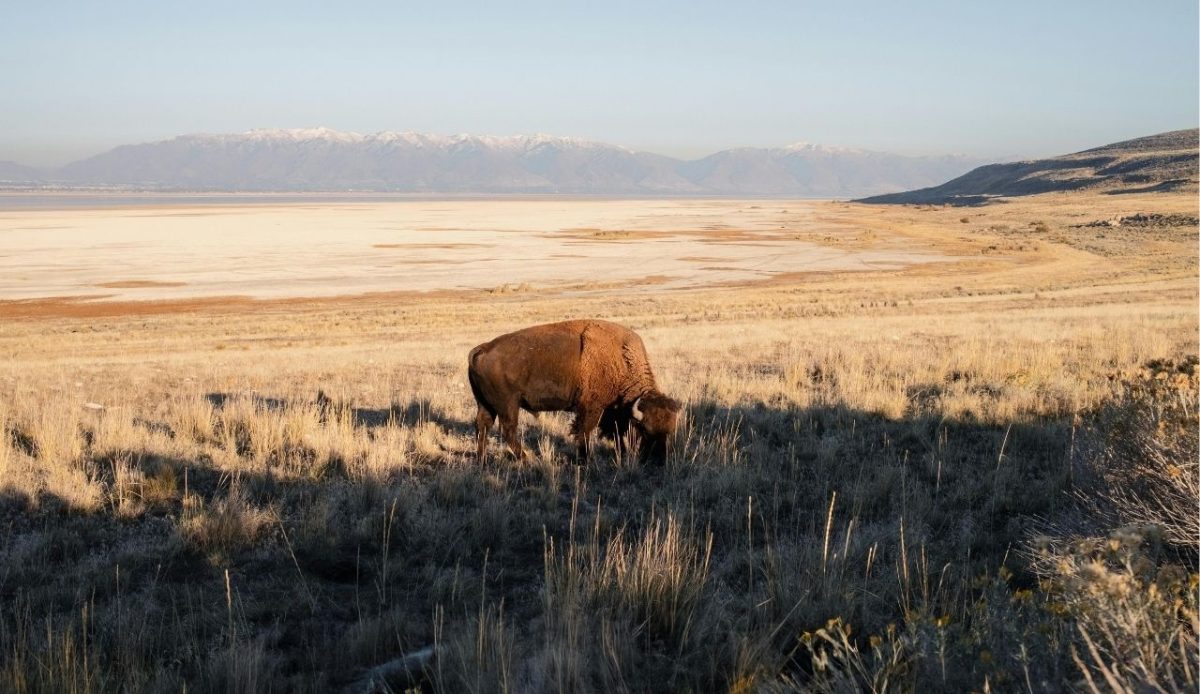
Antelope Island, famous for its roaming bison, is one of Utah’s most unpredictable destinations. Rangers respond to tourists who approach wildlife too closely for photos, leading to injuries from charges or goring. Heat exhaustion and dehydration are also common as travelers misjudge distances under direct sunlight. Despite warnings, many arrive without enough water or sturdy footwear. Rangers recently began educational tours that focus on safe wildlife viewing, trail etiquette, and preparation before exploring the island’s open terrain.
2. Sand Hollow State Park
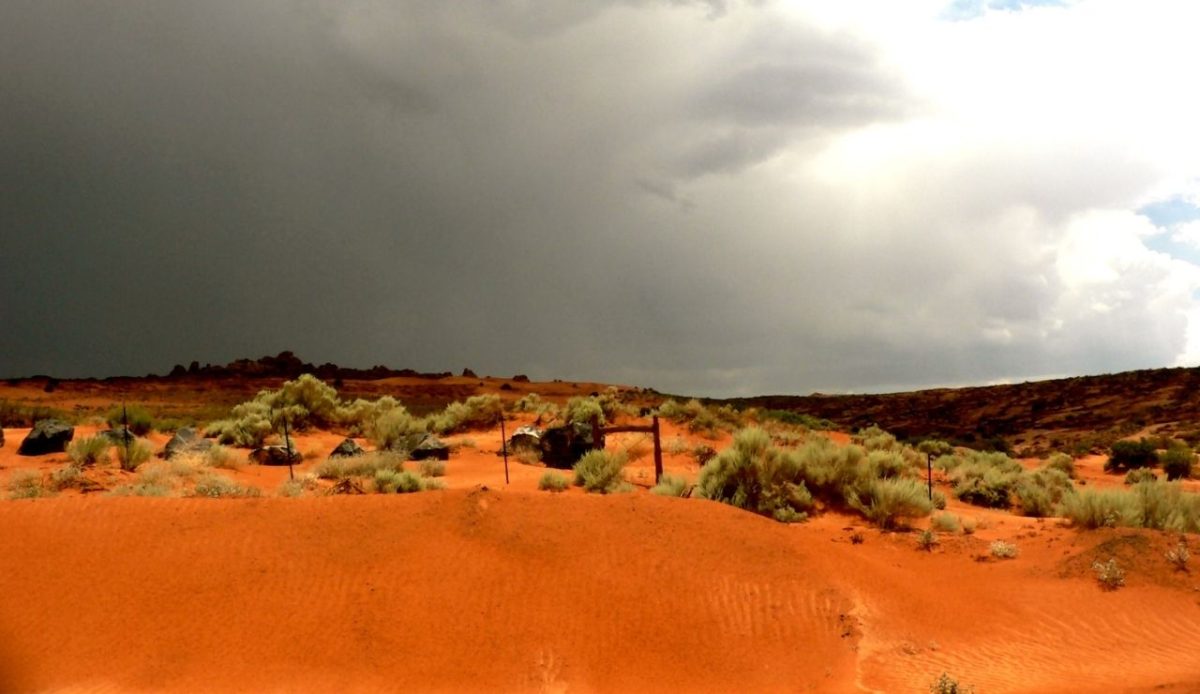
This red-sand desert oasis near Hurricane ranks among the most accident-prone parks in the state. Boaters and swimmers face unpredictable winds that can flip paddleboards or push people far from shore. Off-highway vehicle riders often misjudge dunes, causing rollovers and serious injuries. Several drownings have occurred in the reservoir when visitors skipped life jackets. To improve safety, the park added floating barrier lines, ranger checkpoints, and new visitor briefings that focus on water depth and wind awareness.
3. Quail Creek State Park
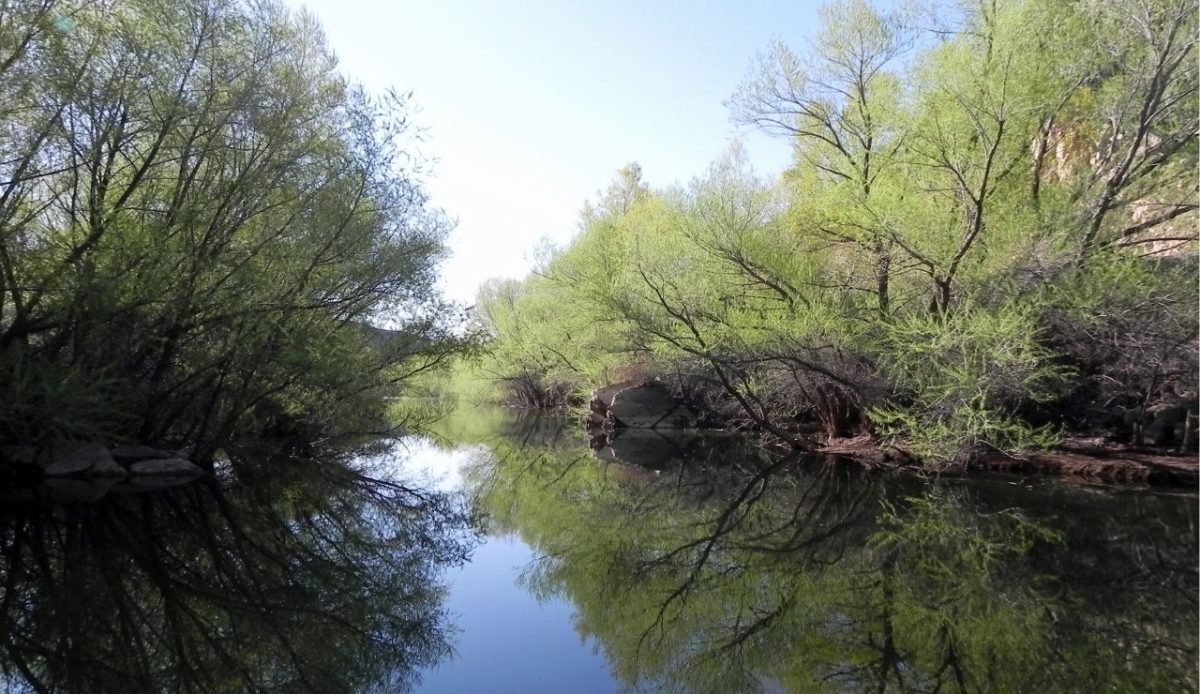
Quail Creek’s warm blue waters attract boaters from nearby St. George, yet the small reservoir can become hazardous within minutes. Sudden gusts sweep across the lake, knocking paddleboarders or kayakers into deep, cold water. Most drownings happen close to shore when people overestimate their swimming ability. Life jackets remain legally required but are often ignored. Rangers now coordinate joint patrols with local police during holidays and post updated wind advisories to prevent fast-moving boating accidents.
4. Snow Canyon State Park
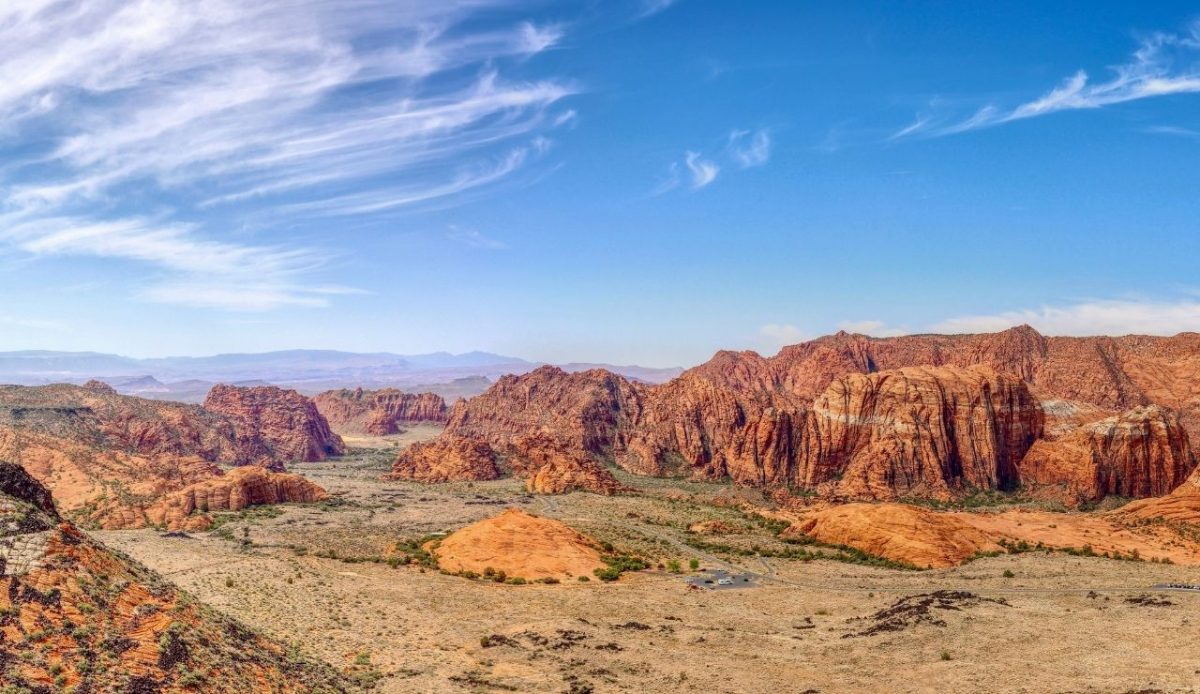
Snow Canyon’s red cliffs and lava tubes seem perfect for quick hikes, but the desert heat punishes unprepared visitors. Hikers often run out of water halfway through trails that look shorter than they are. Lava tubes trap heat, and people frequently get disoriented underground. Rangers conduct numerous rescues each year, usually caused by dehydration or poor timing. New shaded rest stops, marked exits, and volunteer patrols have been introduced to keep visitors safer during the hottest hours of the day.
5. Goblin Valley State Park
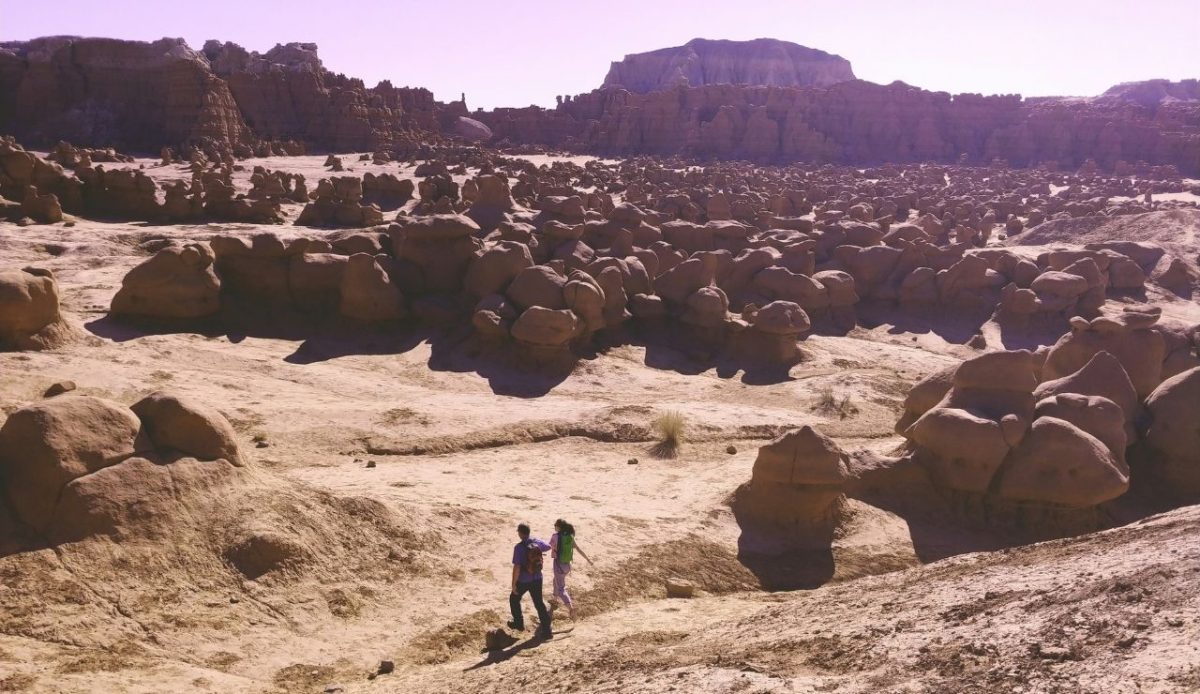
Goblin Valley’s strange rock formations hide winding routes where tourists easily lose their way. Flash floods can rush through canyons with little warning, creating dangerous conditions in minutes. Even light rainfall miles away can flood the valley floor. Families often explore too far without tracking direction or time. Rangers expanded the weather alert system and added GPS trail markers to improve visibility. Educational programs now teach visitors how to identify safe zones and plan exits before venturing deep into the park.
6. Dead Horse Point State Park
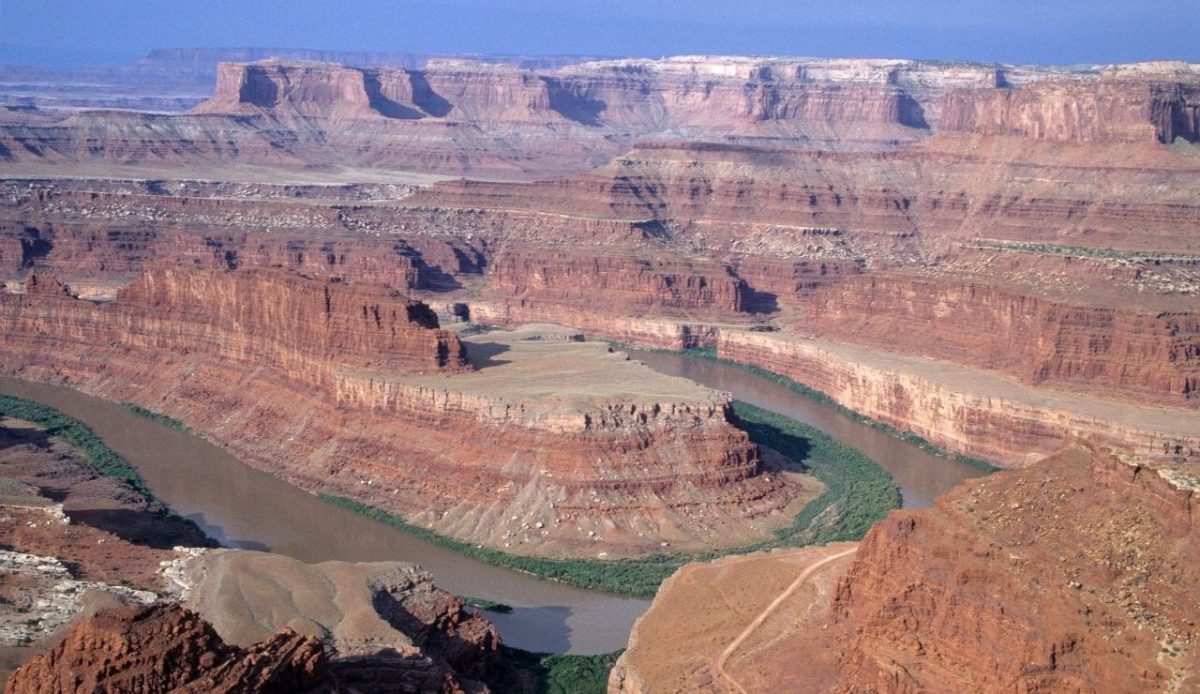
Dead Horse Point offers spectacular views but demands caution near the edges of its high cliffs. Many tourists climb past barriers for photos and lose balance on loose gravel. Strong canyon winds and dark nighttime photography have caused serious falls. Rangers advise visitors to stay on designated trails and to watch footing during sunrise and sunset when visibility changes quickly. The park recently added new fencing, rest areas, and warning lights to prevent more fatal accidents near the main overlook.
7. Willard Bay State Park
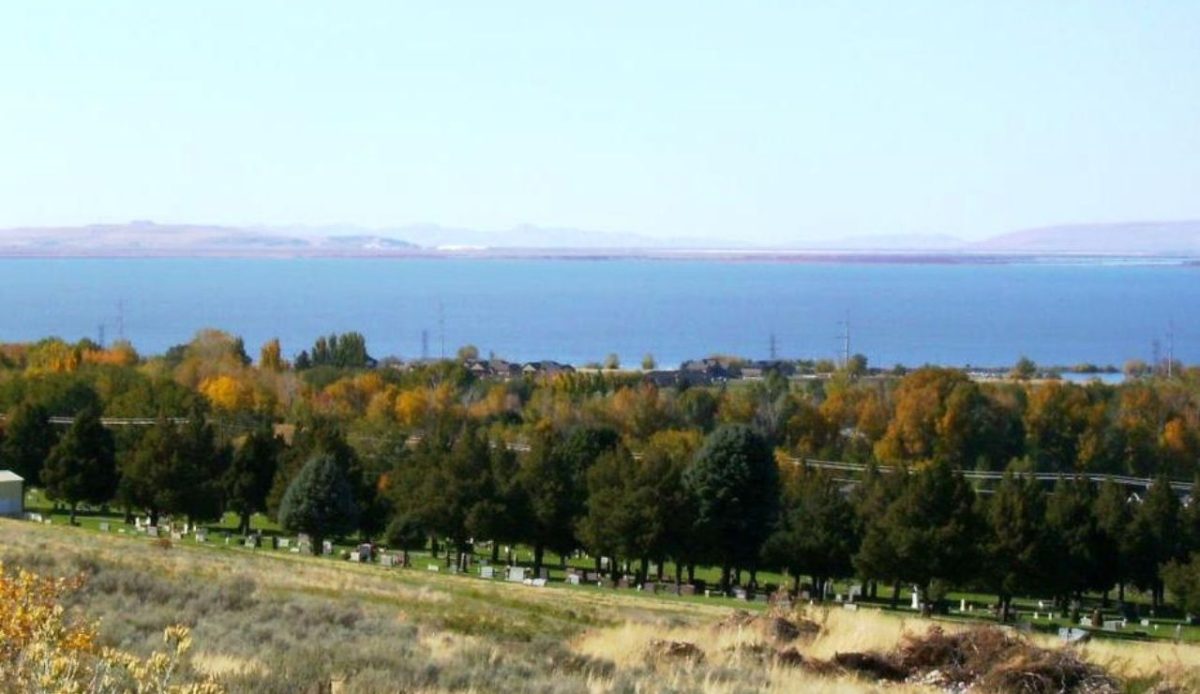
Willard Bay appears calm from the highway, but its open water becomes hazardous when storms form across the valley. Several drownings have occurred after visitors ignored early storm warnings. High winds frequently flip boats and tear through campsites, scattering gear across the shoreline. The park installed loud weather sirens and digital alert systems to warn people sooner. Crews also enforce closure orders more strictly during lightning activity to keep beachgoers and campers from reentering unsafe areas too soon.
8. Yuba State Park
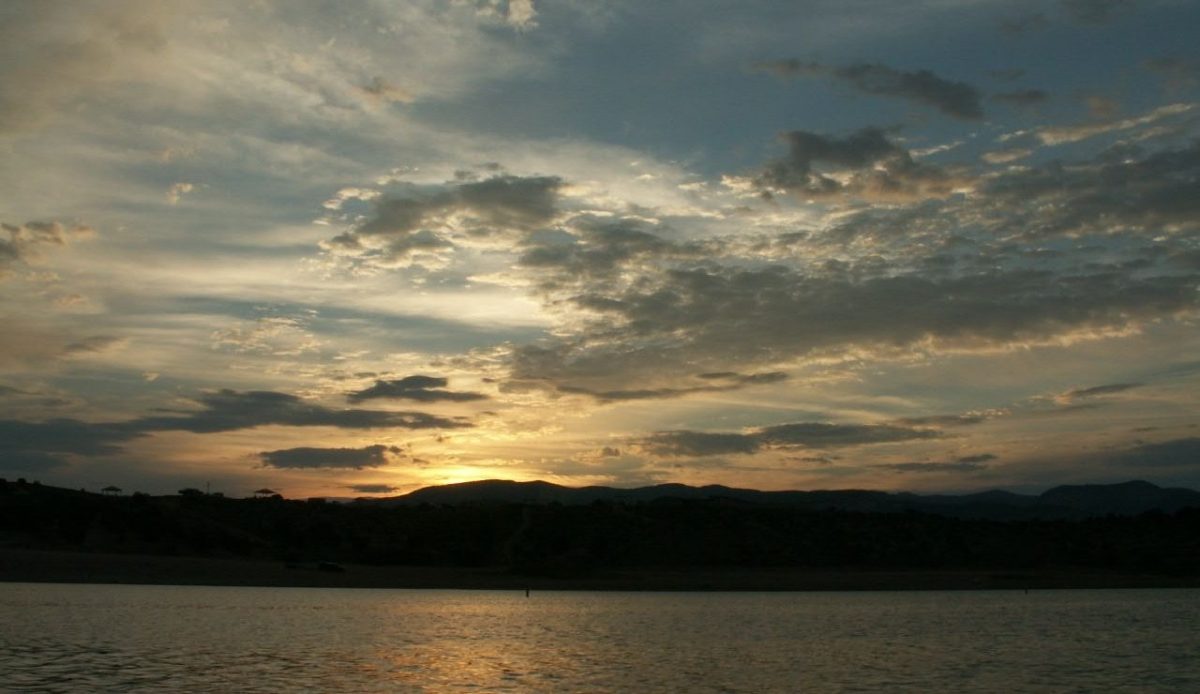
Yuba’s long beaches and warm weather draw thousands each summer, but accidents rise when visitors overestimate their swimming skills. Strong gusts sweep across the lake, pushing inflatable tubes and kayaks far from shore. Several drownings have occurred during holiday weekends when crowds ignore warnings. Rangers expanded drone coverage, increased ranger presence, and built new safety towers for faster rescues. Educational booths near main beaches now distribute free safety cards and weather alerts to promote awareness.
