
Volcanoes shape not just landscapes but entire ways of life for communities around the world, influencing culture, agriculture, and traditions.
For travelers, visiting volcanic regions offers more than dramatic scenery. It’s about seeing how people adapt to risks, harness natural resources, and celebrate these powerful forces of nature daily.
This guide highlights nine destinations where lava landscapes are part of daily life. From smoking craters to fertile slopes, these regions blend danger, beauty, and human resilience in unforgettable ways, making them truly unique destinations for adventure seekers.
1. Mount Etna, Italy
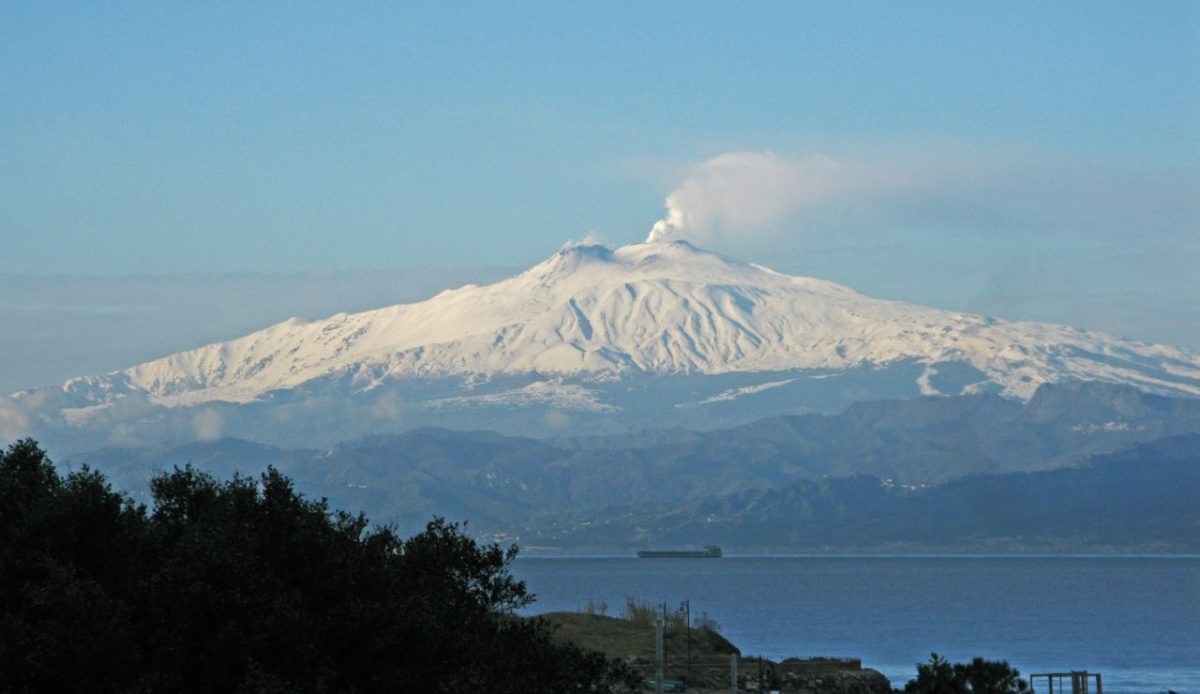
Mount Etna dominates Sicily’s landscape, with frequent eruptions shaping towns, vineyards, and roads. Locals cultivate grapes and olives in nutrient-rich volcanic soil despite potential hazards.
Tourists witness lava flows, volcanic craters, and steaming fissures, often guided by experts to ensure safety. Trails vary from easy hikes to challenging ascents, providing different perspectives on Etna’s immense power.
Visiting Mount Etna combines geology, culture, and local resilience. Travelers see how communities coexist with volcanic activity, creating a living example of life alongside fiery landscapes while enjoying Sicily’s scenic beauty.
2. Kilauea, Hawaii, USA
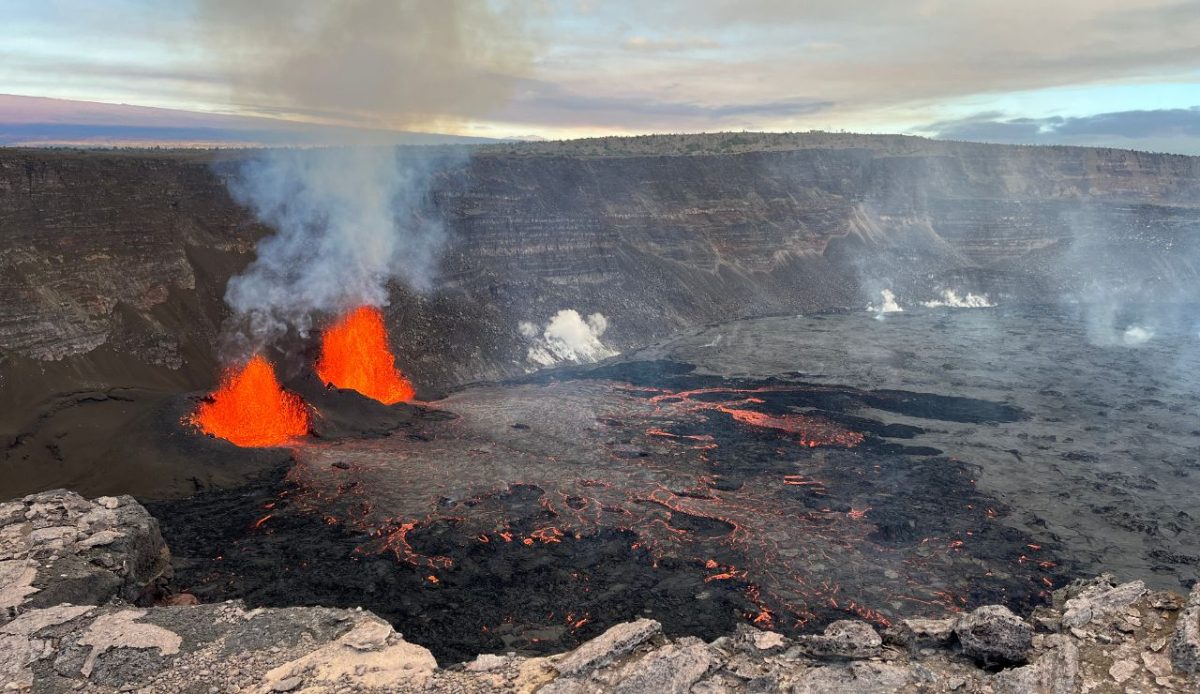
Kilauea is one of the most active volcanoes in the world, shaping Hawaii’s Big Island through constant lava flows. Villages, roads, and parks have adapted to its unpredictable behavior over decades.
Locals benefit from rich volcanic soil supporting tropical agriculture and tourism. Guided tours allow safe observation of lava fields and calderas, offering rare glimpses of molten rock in motion and extraordinary volcanic scenery.
Kilauea shows how humans embrace volcanic hazards. First-time visitors experience both danger and awe, witnessing living landscapes continually reshaped by fire and molten rock in one of the planet’s most geologically active regions.
3. Mount Bromo, Indonesia
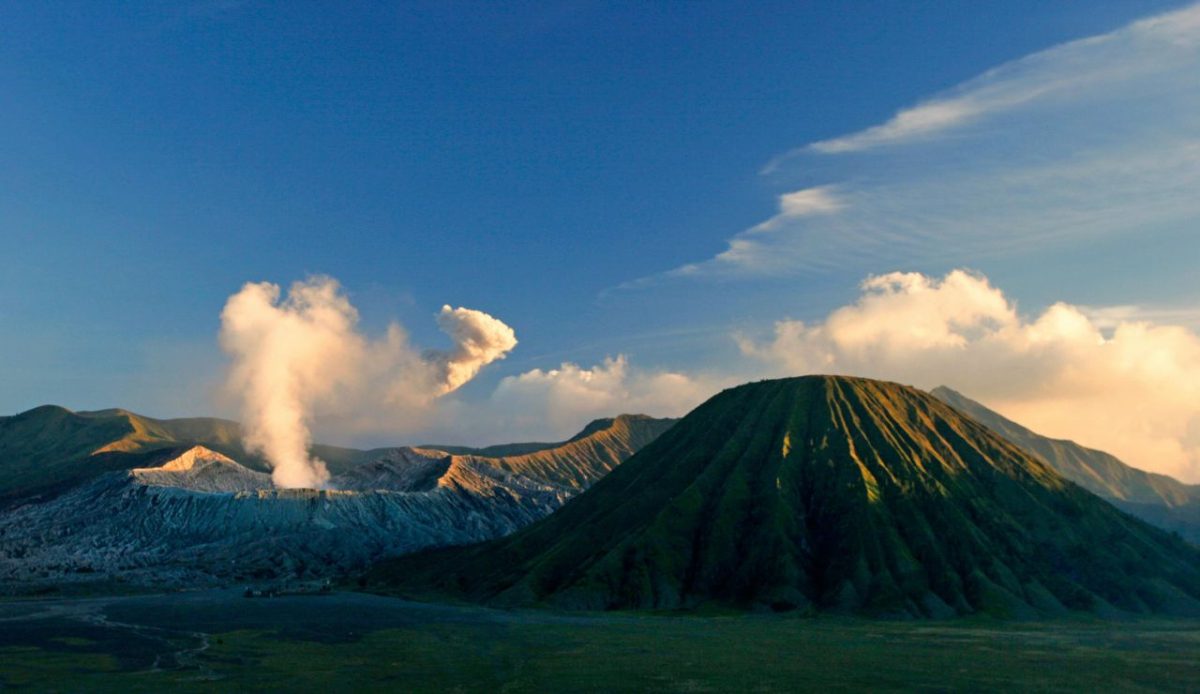
Mount Bromo, part of the Tengger massif, sits within a vast sand sea and is central to local Tenggerese culture. Daily life integrates rituals, agriculture, and festivals tied to the volcano.
Tourists climb to viewpoints for sunrise over smoky craters, navigating ash fields and sometimes sulfur fumes. Proximity to active vents requires careful observation and guidance from locals familiar with the terrain.
The region blends dramatic landscapes with cultural immersion. Visitors see how communities celebrate and respect Bromo, living daily amidst steam, ash, and volcanic activity while experiencing unforgettable panoramic views.
4. Mount Fuji, Japan
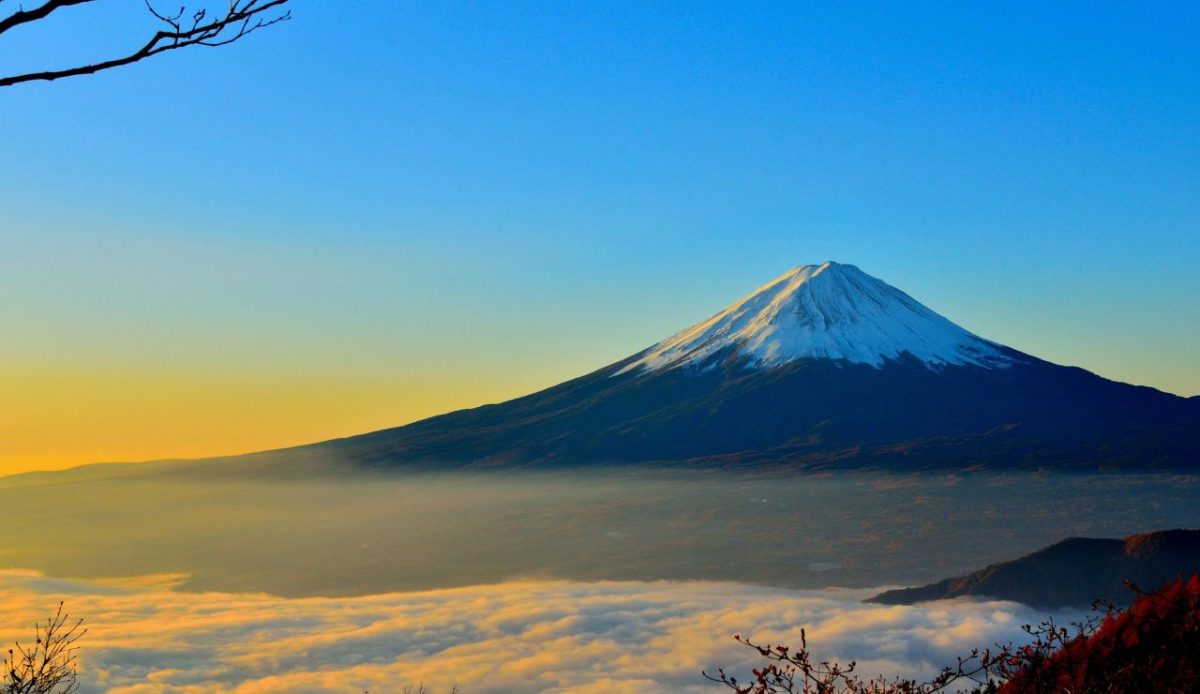
Mount Fuji is both a cultural icon and an active volcano, shaping Japanese art, religion, and tourism. Villages at its base use volcanic soils for agriculture, including tea, wasabi, and flower cultivation.
Hiking trails attract thousands each year, offering panoramic views of lava-shaped valleys and crater lakes. Safety measures and monitoring reduce eruption risks for locals and visitors alike while enhancing outdoor adventure.
Fuji exemplifies coexistence with a volcano. Travelers gain insight into how a powerful natural force integrates into spiritual practices and daily life, blending natural beauty with respect for its potential hazards.
5. Eyjafjallajökull, Iceland
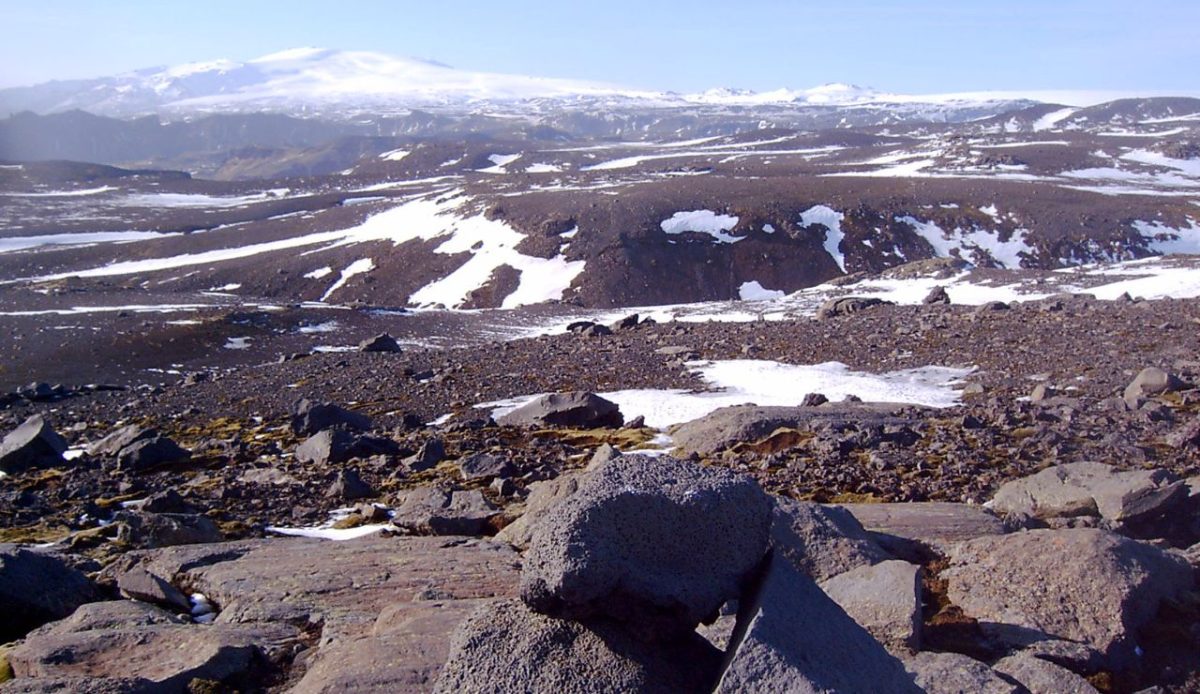
Eyjafjallajökull erupted dramatically in 2010, disrupting air travel worldwide, yet locals in southern Iceland continue to live, farm, and thrive in its shadow.
The glacier-capped volcano shapes rivers, farmland, and hiking paths, creating both hazards and opportunities. Guided tours allow travelers to safely explore craters, lava fields, ash-covered valleys, and even nearby hidden waterfalls that reveal the region’s dynamic landscape.
Eyjafjallajökull demonstrates Icelanders’ resilience and ingenuity. Visitors witness how communities balance risk and opportunity, living harmoniously alongside a volcano that continually reshapes the environment, offering breathtaking scenery and unique adventure experiences.
6. Mount Nyiragongo, Democratic Republic of Congo
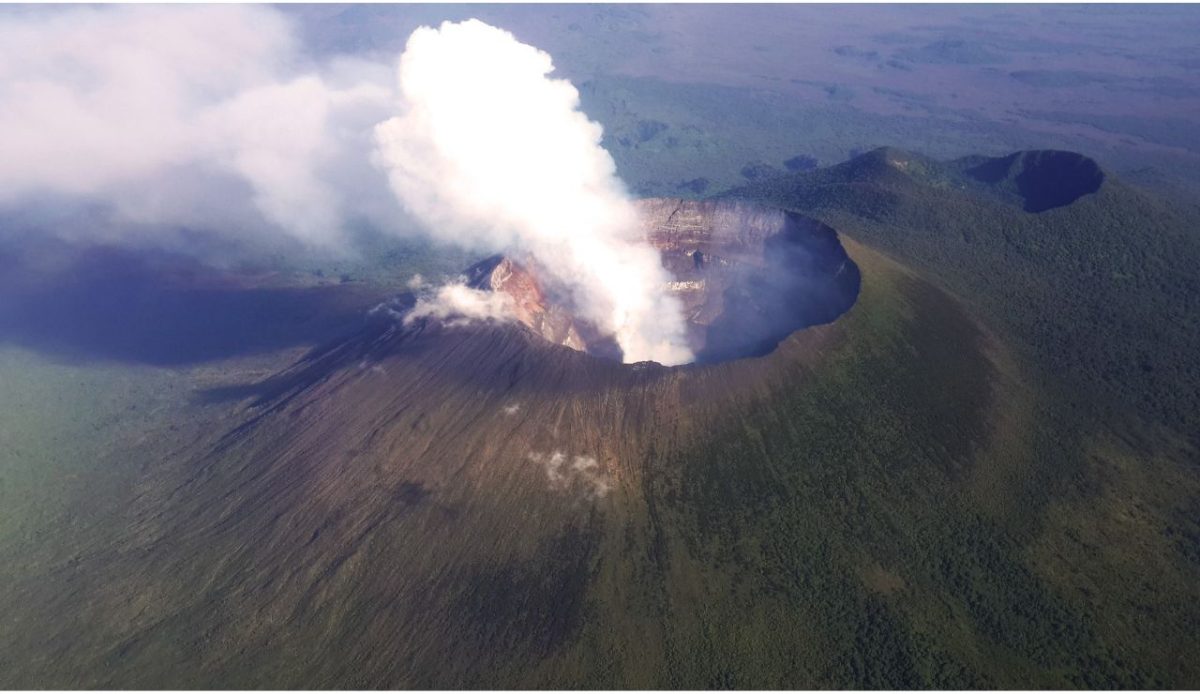
Mount Nyiragongo hosts one of the world’s largest lava lakes, directly impacting nearby Goma city and communities. Eruptions are frequent, yet locals rebuild homes and infrastructure with remarkable resilience.
The volcano attracts geologists and adventurous tourists who safely observe lava flows with local guides. Fertile surrounding soils support agriculture despite constant volcanic threats, sustaining daily life.
Nyiragongo showcases human resilience in extreme conditions. Travelers see how communities coexist with volatile lava landscapes, combining survival, adaptation, and awe-inspiring views of molten rock.
7. Mount Teide, Spain
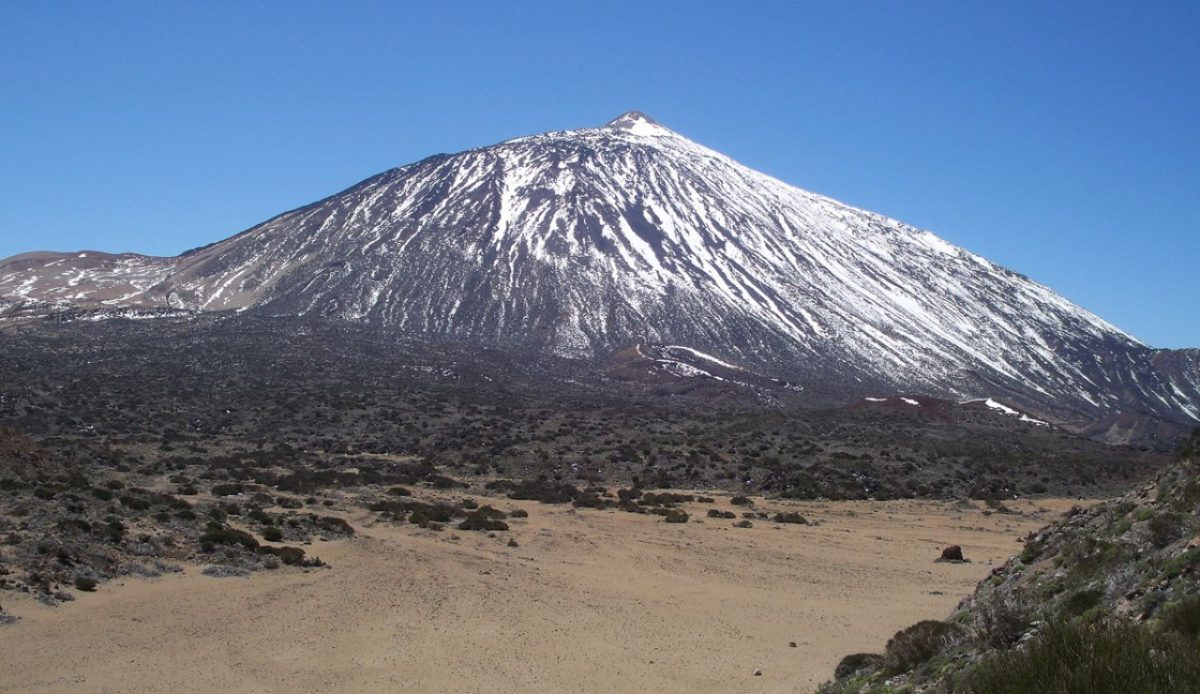
Mount Teide dominates Tenerife as Spain’s highest peak. Locals use volcanic soil for vineyards, banana plantations, and tourism businesses thriving on natural beauty shaped by eruptions over centuries.
Tourists explore national parks, lava fields, and cable cars to observe the crater. Hiking trails range from moderate walks to strenuous treks, all offering panoramic views of volcanic formations and diverse flora.
Teide highlights harmony between humans and volcanoes. Visitors witness how Tenerife’s culture, economy, and daily life are influenced by volcanic activity, balancing risk with the benefits of fertile landscapes and adventure tourism.
8. Mount Vesuvius, Italy
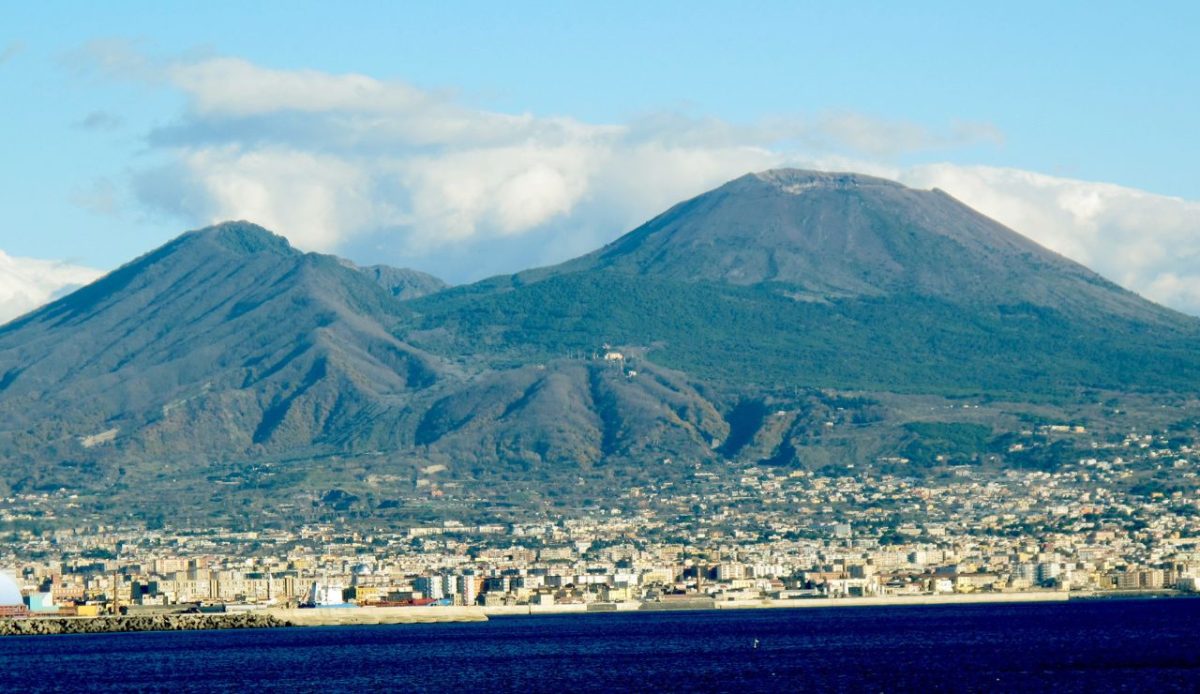
Mount Vesuvius looms over Naples and the Bay of Naples, infamous for the AD 79 eruption. Residents live beneath its slopes, benefiting from fertile volcanic soil for orchards, vineyards, and gardens.
Tourists climb trails to see the crater, historical ruins, and panoramic views, guided by safety regulations due to occasional volcanic activity and gas emissions, creating both thrilling and educational experiences.
Vesuvius illustrates the balance of danger and prosperity. Visitors understand how communities thrive daily in the shadow of one of history’s most famous volcanoes, blending culture, agriculture, and vigilance for centuries.
9. Mount Merapi, Indonesia
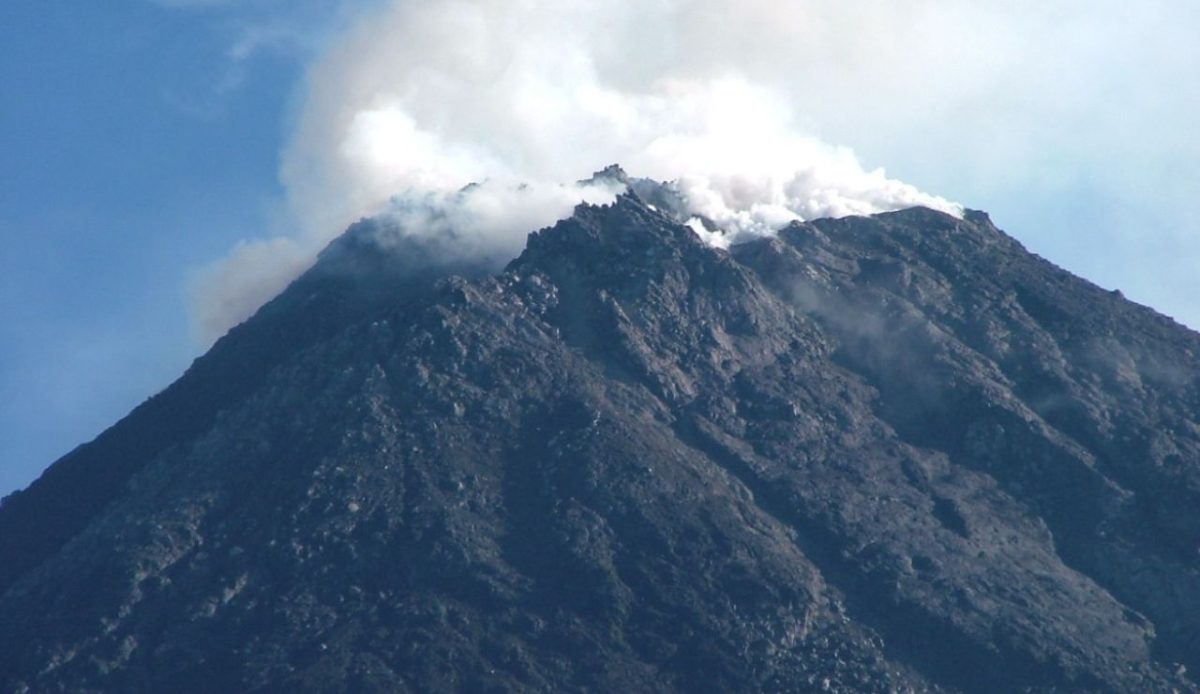
Mount Merapi is one of Indonesia’s most active volcanoes, affecting Yogyakarta and surrounding villages. Residents rebuild and adapt after eruptions, integrating volcanic hazards into daily life.
Local agriculture thrives on fertile soils, while tourism focuses on sunrise treks, lava viewpoint tours, and cultural festivals honoring the volcano. Careful guidance ensures visitor safety amid hazardous conditions.
Merapi offers insight into human adaptability. Travelers witness communities embracing natural power, creating a unique landscape where lava shapes life, culture, and adventure in one of the planet’s most active volcanic regions.
