
Food plans drive trip satisfaction because meals set the daily rhythm and signal local identity. When key restaurants close, visitors lose choice, and time gets spent searching, waiting, or settling.
In tourism centers, closures often track rent spikes, staffing gaps, disaster damage, and insurance hikes. Capacity drops even while flights, hotels, and attractions keep running at full volume.
That mismatch pushes crowds into fewer kitchens, raises menu prices, and turns walk-in dinners into reservation hunts. Hours get shorter, menus get narrower, and signature dishes can become harder to find. Visitors notice it first at dinner, then in the whole nightlife pattern.
1. Maui, Hawaii
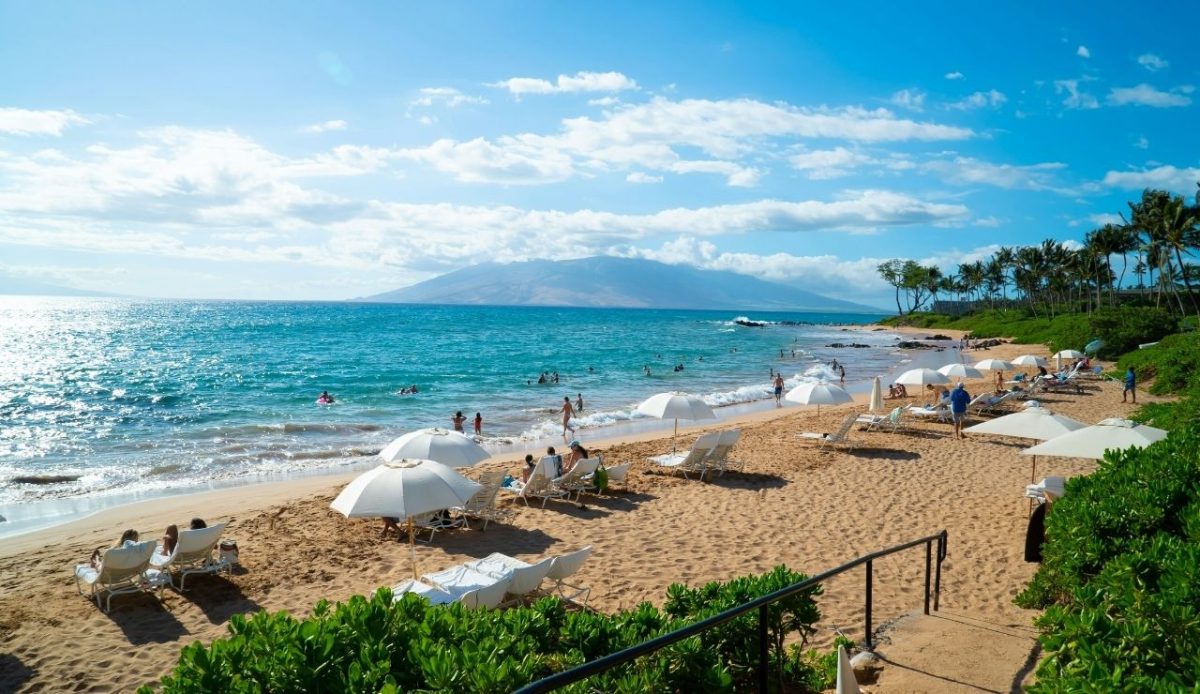
Lahaina’s 2023 wildfire removed a dense cluster of independent restaurants that once handled much of West Maui’s evening demand. Rebuilding has been slowed by debris work, utility repair, insurance disputes, and permit sequencing.
With fewer seats near the historic waterfront, demand shifts toward resort dining rooms and the remaining small operators. Reservation lead times lengthen, and walk-ups turn into long lines, often during holidays.
The experience loss is not only about quantity. Many closed rooms carried local recipes, live music, and staff with deep community ties. When those pieces vanish, visitors get fed, yet the place feels less like Maui.
2. San Francisco, California
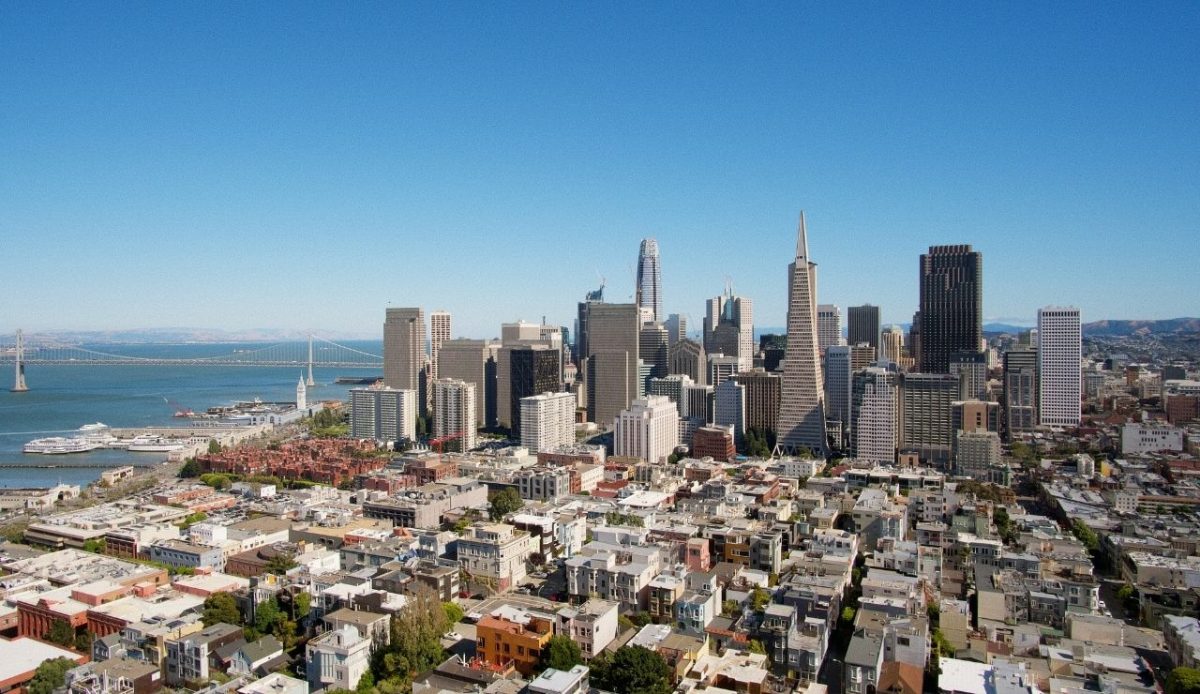
San Francisco has seen sustained restaurant churn since 2020, with a notable pullback in the Financial District and Union Square. High rents, weak weekday office traffic, and higher security and labor costs have strained margins.
For travelers, the hit shows up as fewer late hours and fewer mid-priced choices near downtown hotels. Crowds concentrate in a smaller set of active blocks, while other stretches go quiet after dark now.
That pattern changes how visitors move. More rides are taken between neighborhoods, and last-minute plans fail more often. The city still offers top-tier food, but the convenient density that made it easy is thinner.
3. New Orleans, Louisiana
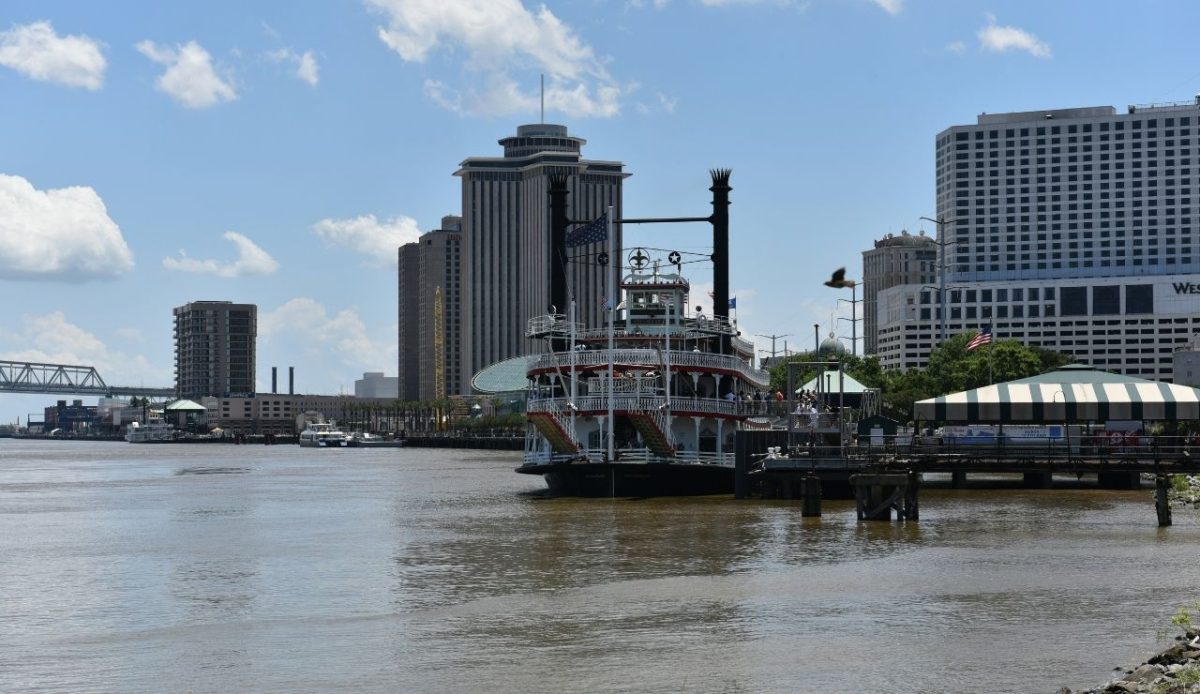
New Orleans dining is a core attraction, so closures land harder than in cities where food is secondary. Pandemic debt, staffing gaps, and rising property and liability insurance after major storms pushed some legacy rooms out. Repair work also raised costs.
Visitors feel it through reduced access to classic menus in walkable areas like the French Quarter. Fewer long-service dining rooms also means less buffering for festival surges.
When an old-line restaurant shuts, the loss includes trained crews, recipes, and supplier networks that keep quality steady. New tenants can open fast, yet it takes time before the same cultural signal returns to the plate.
4. Aspen, Colorado
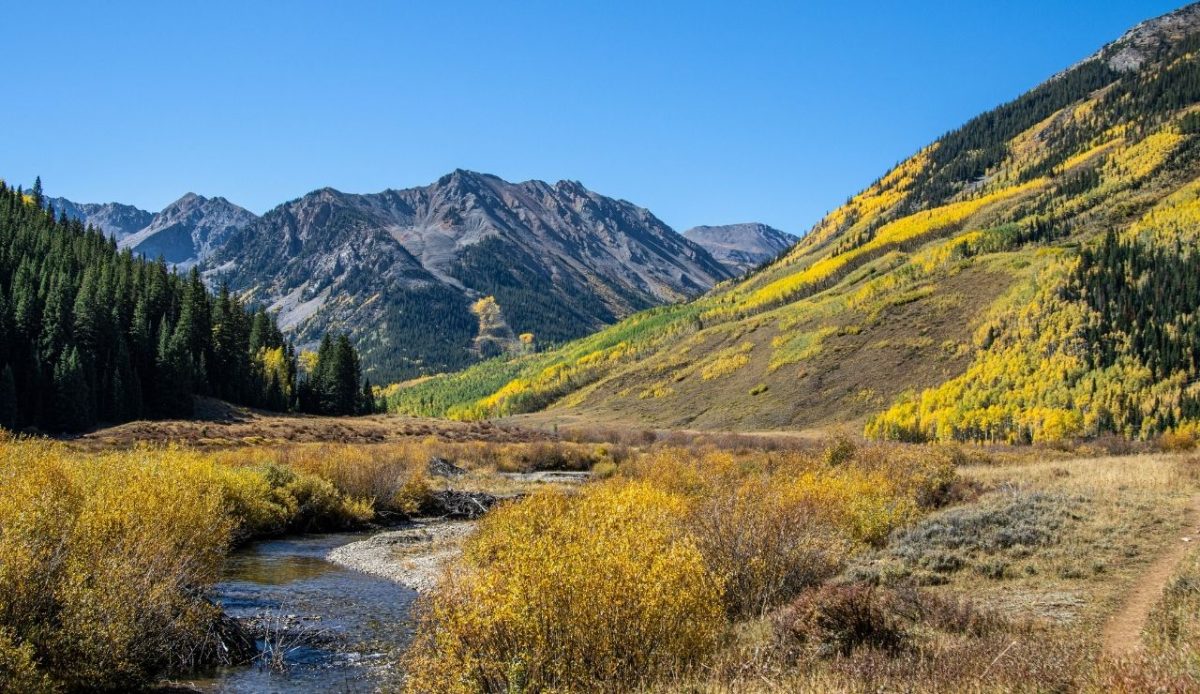
Aspen’s dining scene depends on seasonal labor, but worker housing costs and limited inventory tighten staffing each year. Some independent operators cut days, shorten hours, or pause service when they cannot fill kitchens and front of house.
Travelers arriving outside peak ski weeks face a smaller set of open tables, with reservations often needed earlier than expected. Groups end up eating at hotel outlets by default.
The impact is sharper because many visitors budget for a full resort experience that includes distinctive local restaurants. When availability collapses into a few venues, choice drops, and prices face less competitive pressure.
5. Key West, Florida
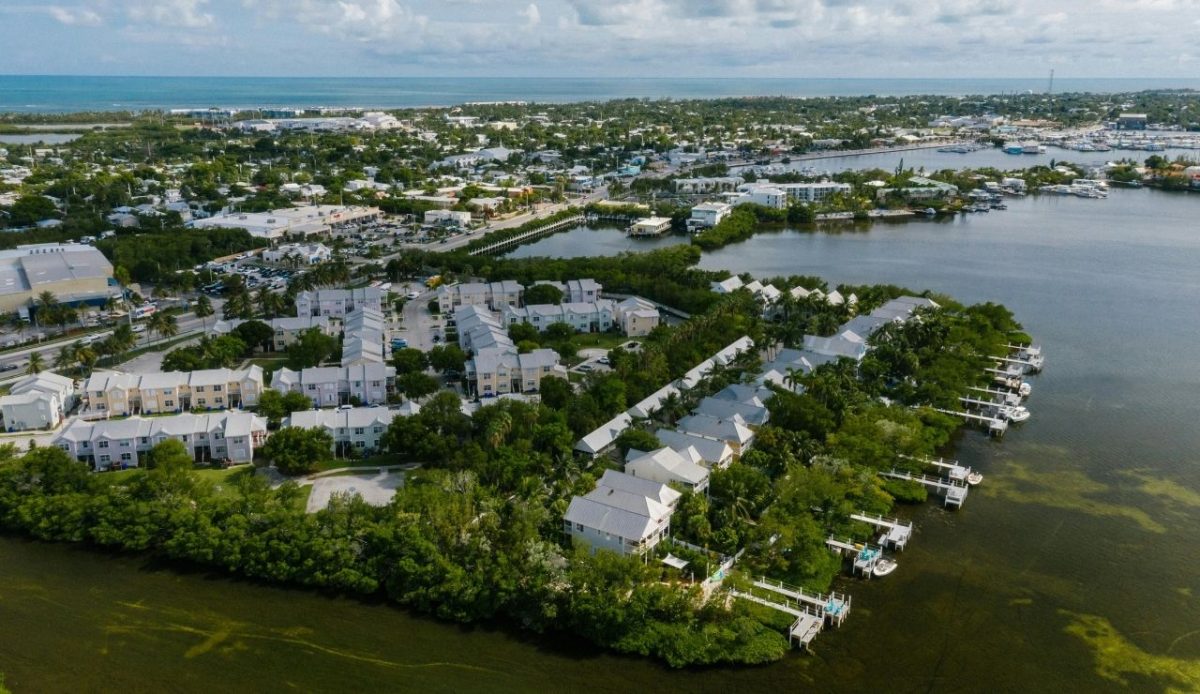
Key West restaurants operate at the edge of supply chains and storm risk, so closures can follow a single bad season. Hurricanes, flood repairs, insurance renewals, and worker shortages have forced some small seafood spots to shut.
When ships dock or weekends surge, fewer independent dining rooms mean longer waits on Duval Street and less variety off it. Visitors pay higher prices for simpler meals, and many kitchens close earlier.
The loss also shifts the feel of the island. Locals and repeat travelers miss familiar bars and docks where fresh catch moved fast. A trip still works, but it reads more like a resort strip than a distinct port town.
6. Las Vegas Strip, Nevada
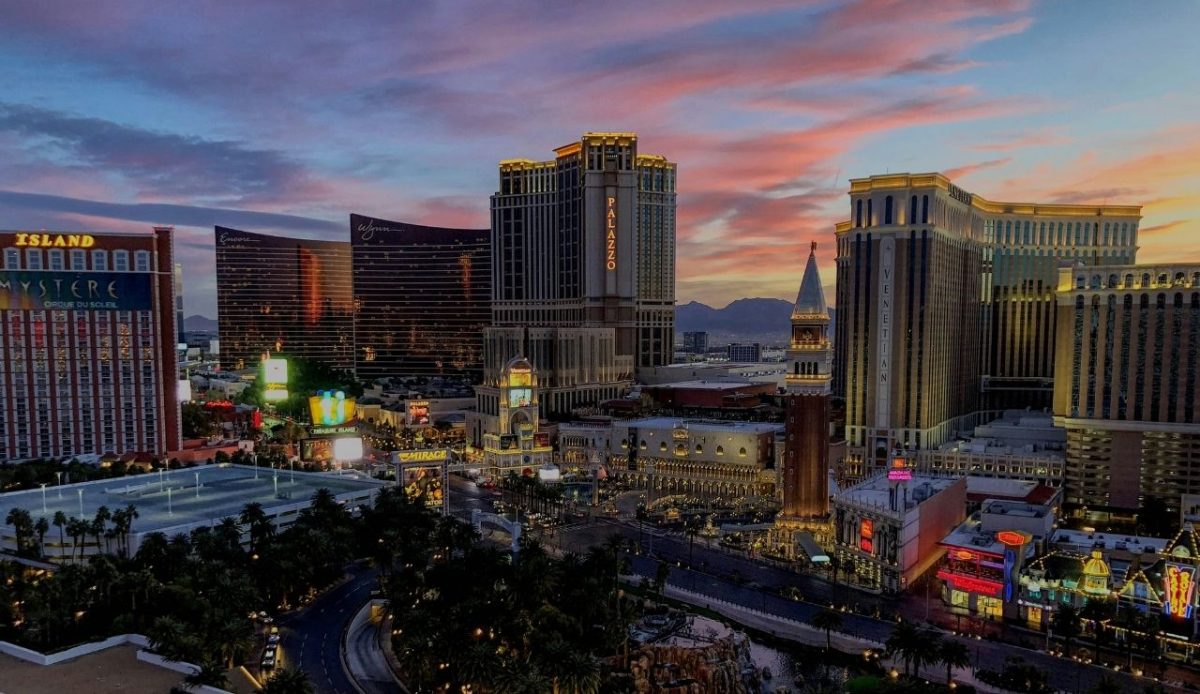
On the Las Vegas Strip, several mid-priced restaurants and many buffets never returned after pandemic shutdowns. Casino groups reallocated space to higher margin concepts, shrinking the range of quick, predictable meal options.
Tourists feel the change in budgeting and timing. With fewer low-friction choices, lines grow at surviving counters, and peak dinner costs rise. Families plan meals like show tickets.
The buffet was also a cultural draw that absorbed crowds at scale. Its decline reduces capacity during conventions and weekends, which pushes diners off-site. That adds transport time and weakens the classic walk everywhere Strip routine.
7. Lake Tahoe, California and Nevada
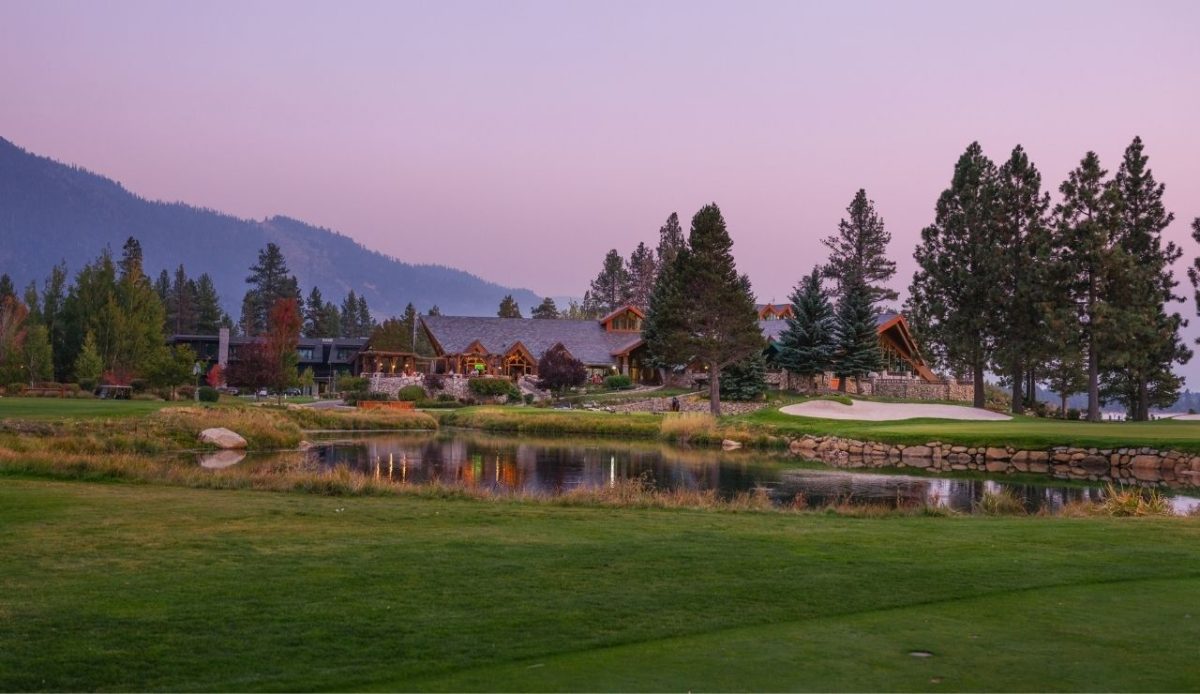
Lake Tahoe restaurants face heavy season swings, and wildfire smoke seasons add sudden closures and cancellations. Repeated disruptions, higher insurance, and staffing gaps tied to housing costs have contributed to permanent shutdowns. Reopenings can lag, too.
During peak ski and summer weeks, fewer open dining rooms mean limited same-day availability near resorts. Travelers end up eating earlier, driving farther, or relying on groceries.
That matters because Tahoe trips are built around outdoor time and flexible evenings. When dinner becomes the hardest reservation, the day feels constrained and nightlife thins, even when lodging stays full.
8. Portland, Oregon
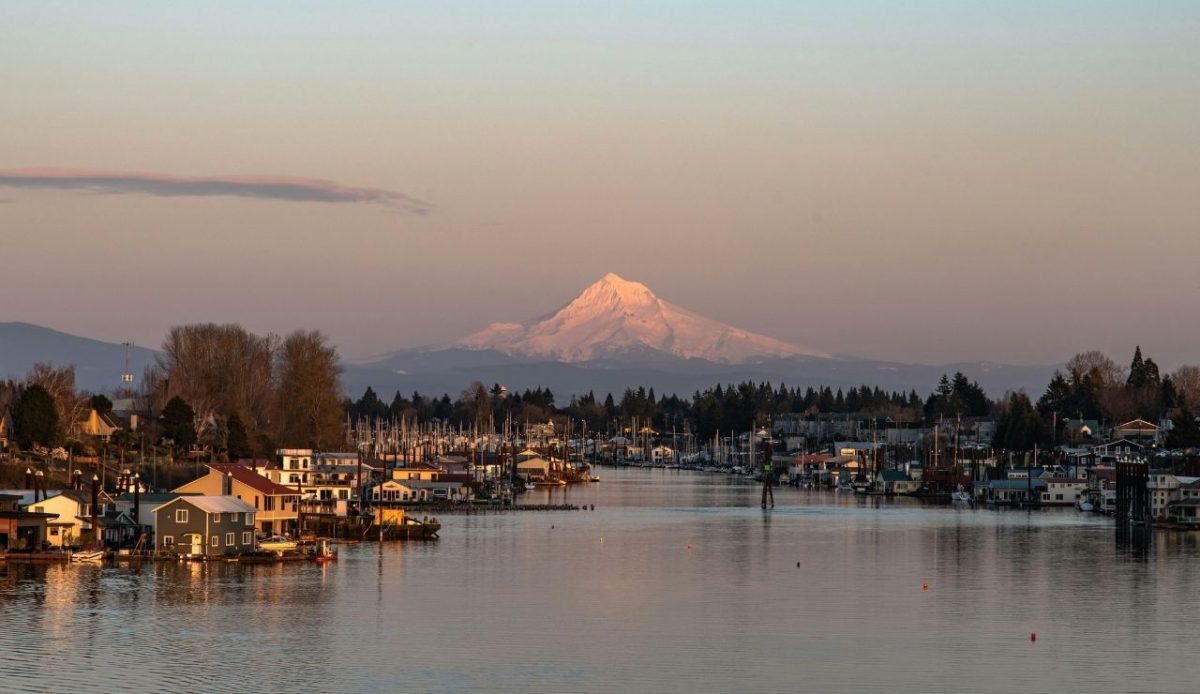
Portland’s reputation grew among small operators, food carts, and neighborhood dining rooms, yet costs have risen faster than sales in parts of the city. Higher rents, staffing gaps, and added security expenses have driven a steady stream of closures.
Visitors notice fewer destination restaurants clustered in the central core and more dark storefronts on once busy blocks. That reduces the easy, on-foot tasting style many travelers plan.
The shift also changes scheduling. People book ahead or travel farther to reach open kitchens, which adds transit friction. Portland still has strong food, but the density that made discovery effortless is reduced.
9. Nashville, Tennessee
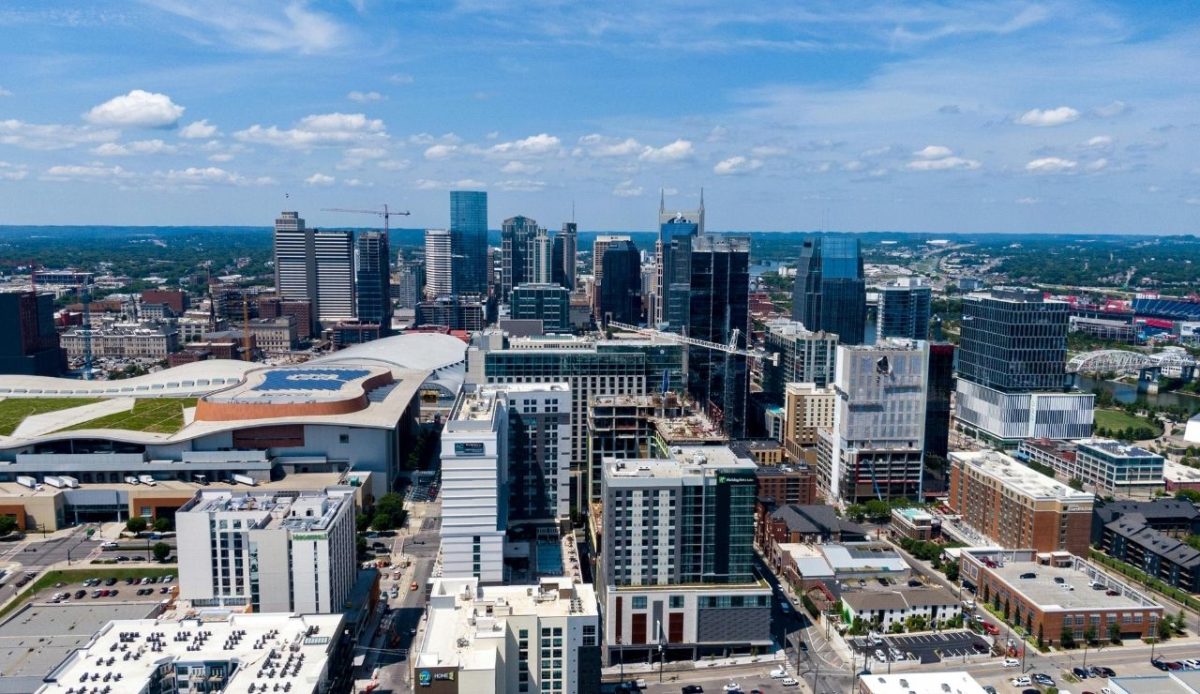
Nashville’s tourism boom raised commercial rents near Broadway and nearby districts where visitors expect to eat between shows. Redevelopment and lease resets have displaced some long-running restaurants, even as overall visitor counts grew.
Travelers now find more chain-style venues and fewer legacy rooms that once signaled local flavor close to the music corridor. Wait times rise when crowds funnel into a smaller set of dining addresses.
The loss is experiential. Older restaurants often served as informal history lessons through menus, photos, and staff stories. When those places close, a night out can feel interchangeable, even while the stages remain packed.
