
Hotel rooms can feel tighter than they used to, especially in U.S. cities where land prices, labor costs, and demand stay high year-round.
Many hotels have shifted toward smaller footprints paired with upgraded bedding, smart layouts, and more public spaces like lobbies, rooftop bars, and coworking tables. That trade can lower nightly rates in prime neighborhoods, but it changes what “standard” feels like.
That approach works for a quick stay, yet it surprises travelers expecting a classic double-queen setup with room to spread out. Below are nine cities where compact rooms are common, plus practical checks to avoid an awkward fit, from square footage to bed type and storage.
1. New York City, New York
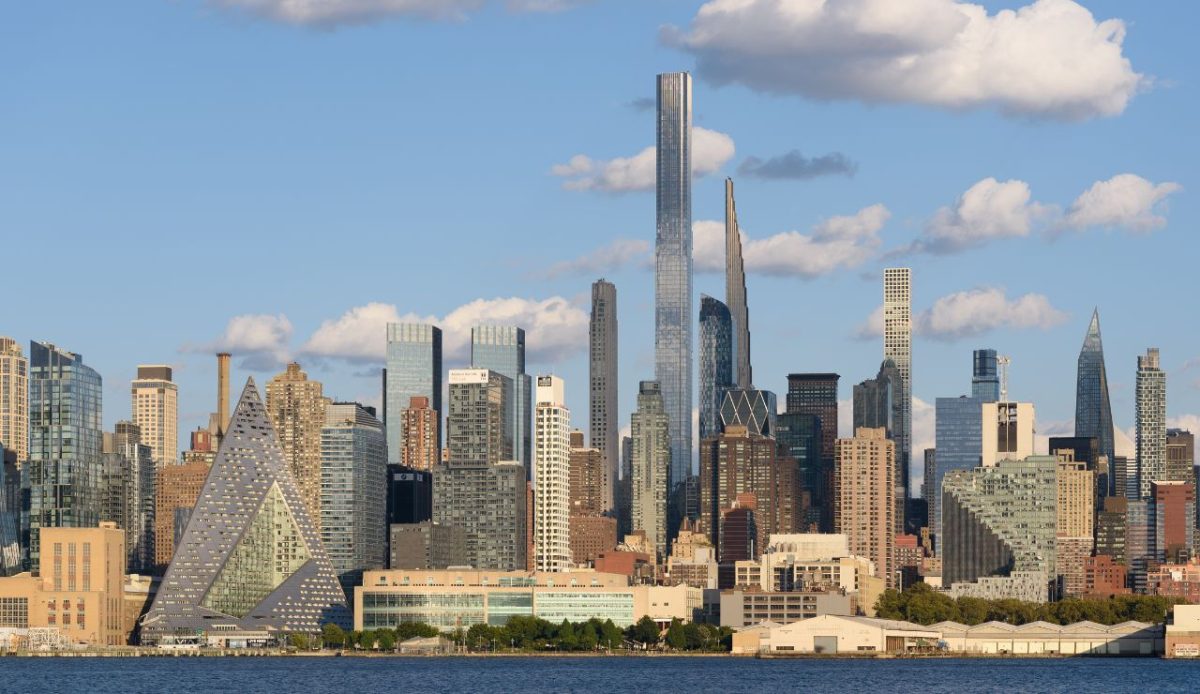
In Manhattan and busy parts of Brooklyn, the math is simple: real estate is pricey, and hotels often squeeze in more rooms per floor to make projects work. Locations near subway lines and attractions make small rooms easier to sell.
Many properties sit in older buildings with narrow floorplates, so even after renovations, rooms stay slim with tight entry corridors and bathrooms designed like puzzle pieces. Some newer “pod” concepts also bet on minimal space and bigger common areas.
To set expectations, look for square footage in the listing, watch for terms like “cozy” or “micro,” and confirm space for two suitcases to open at once. If you need more room, corner rooms and accessible rooms are often larger.
2. San Francisco, California

San Francisco has strong demand in compact neighborhoods, and zoning plus older building stock can limit how much hotels can expand or reconfigure. When land is scarce, efficient room counts help keep projects viable.
Downtown and Union Square properties frequently prioritize location over size, and newer builds sometimes use smaller-room models with shared lounges to keep rates competitive. Expect streamlined furniture, tight closets, and bathrooms that favor showers.
Check if your room is an “interior” layout, which can trade windows for quiet, and review bed-to-wall photos to see if you’ll squeeze past furniture to reach outlets and storage. If you’re working in a room, confirm a real desk, not a narrow console.
3. Boston, Massachusetts
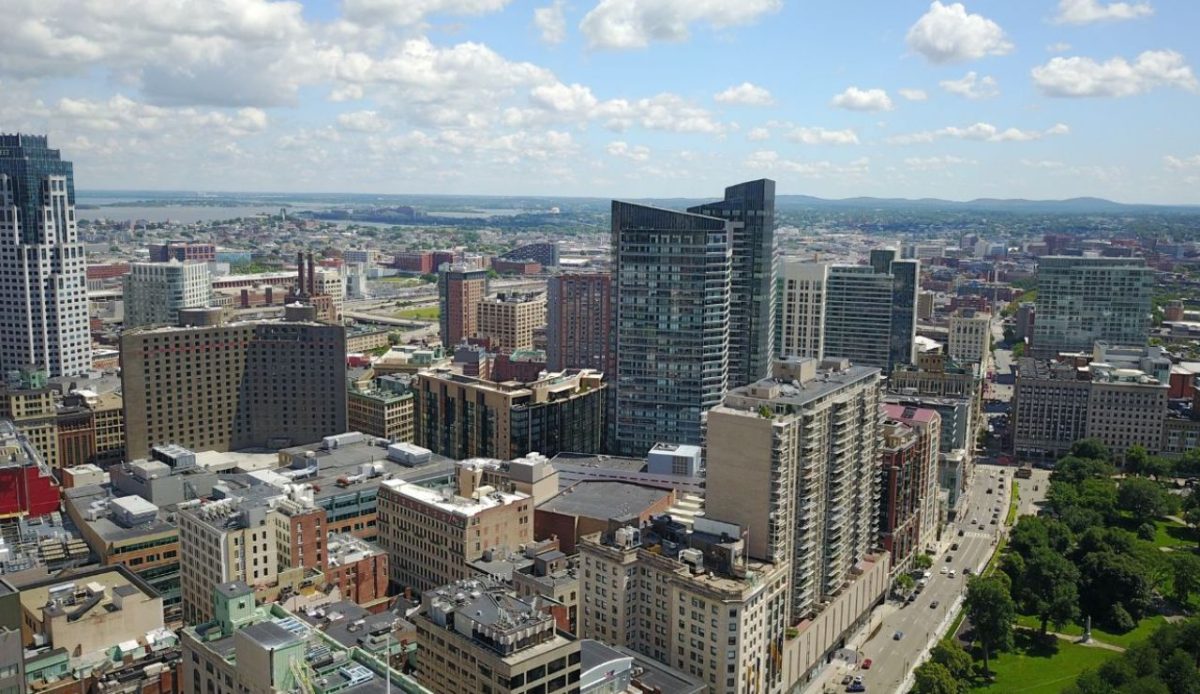
Boston hotels often operate in historic structures where room dimensions were set long before modern travel habits and oversized luggage became normal. Narrow hallways, odd corners, and angled walls can make a room feel tight.
Back Bay and downtown areas also carry high land costs, encouraging efficient layouts with compact bathrooms, shallow closets, and desks that double as nightstands. Boutique properties may emphasize design while leaving little open floor space.
If you need breathing room, filter for larger categories, verify whether the bed is a full or a queen, and watch for low ceilings that reduce headroom. Guest photos help because they show where suitcases go and how you move around the bed.
4. Washington, D.C.
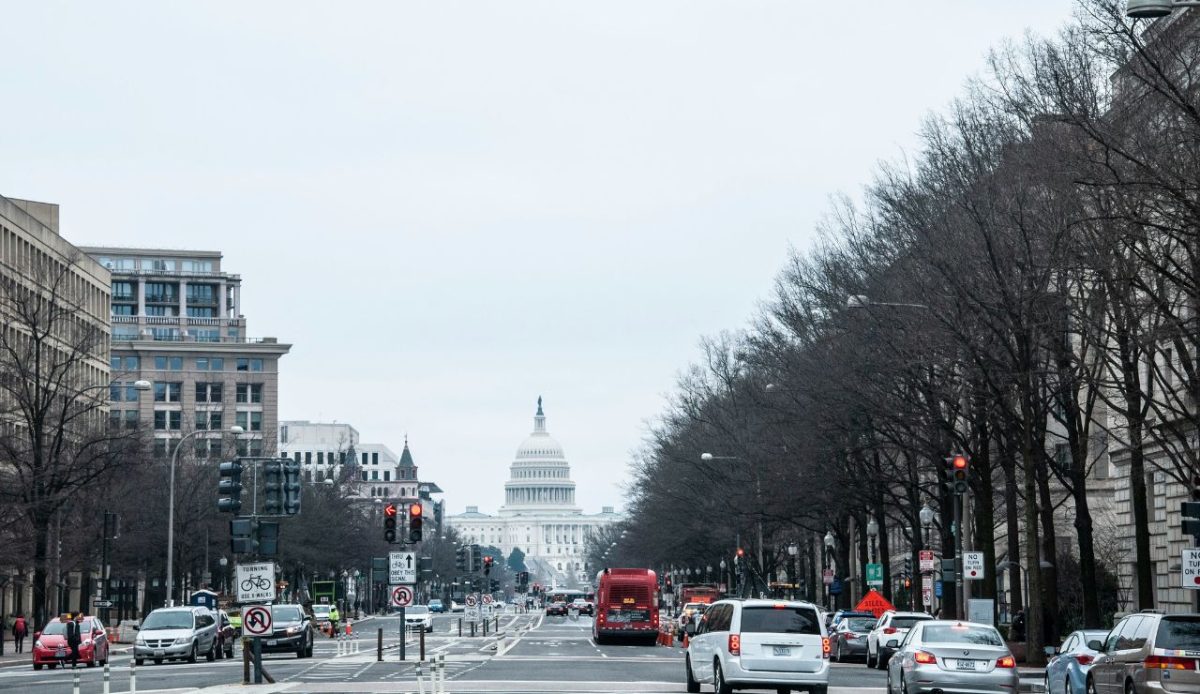
In Washington, D.C., prime hotel zones near Metro stops, federal offices, and museums attract steady demand, but available parcels are limited. That combination rewards compact layouts that keep buildings efficient.
Many hotels work within mid-rise footprints and older conversions, so rooms can be narrow even when the design looks new, with small baths and minimal wardrobe space. Some properties also devote more square footage to meeting space.
Before booking, confirm whether the rate is for a standard room or a “petite” category, and compare suites, which can be priced more closely on weekends. If you need a tub or extra seating, verify it, since photos may show higher categories.
5. Chicago, Illinois
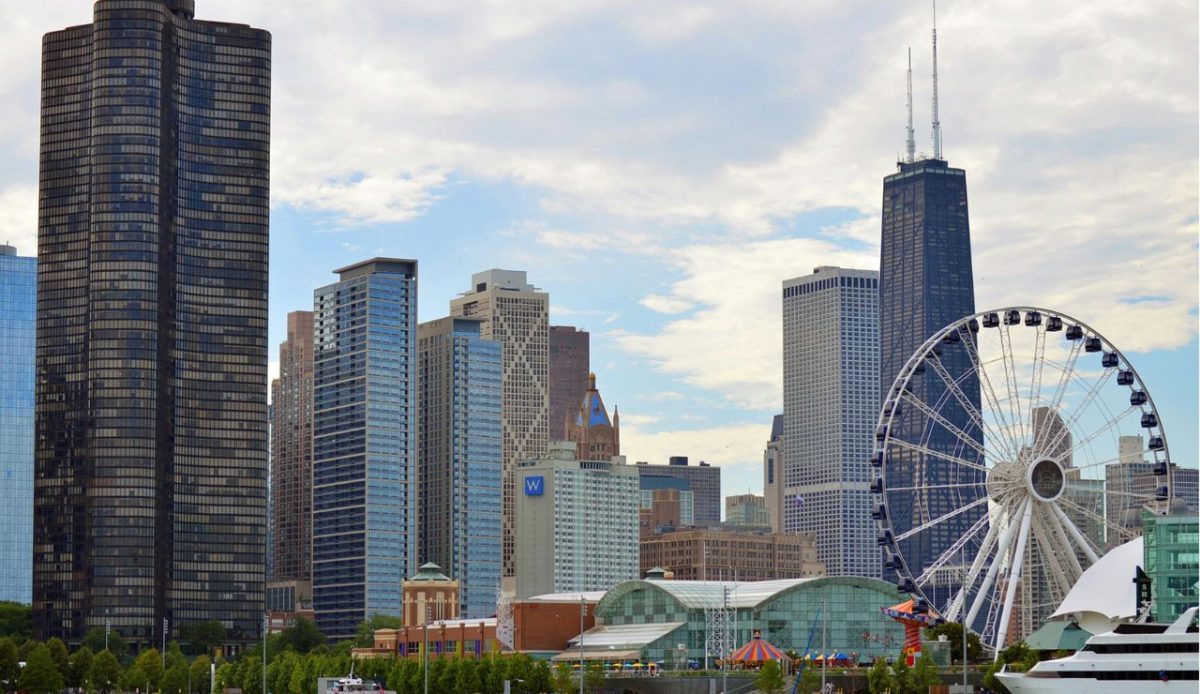
Chicago has plenty of large hotels, yet compact rooms show up often in boutique properties downtown, especially in adaptive reuses of older office buildings. When a tower wasn’t designed for guest rooms, layouts get tight.
Those conversions can create long, thin rooms, small bathrooms, and limited light, even as they deliver great locations near the Loop and riverfront. Furniture scale matters because oversized headboards and dressers shrink the walkway.
Look for recent guest photos that show luggage placement, check whether a refrigerator steals floor space, and compare “city view” versus “courtyard” layouts. For a more traditional footprint, major-brand riverfront hotels often offer larger base rooms outside peak dates.
6. Miami, Florida
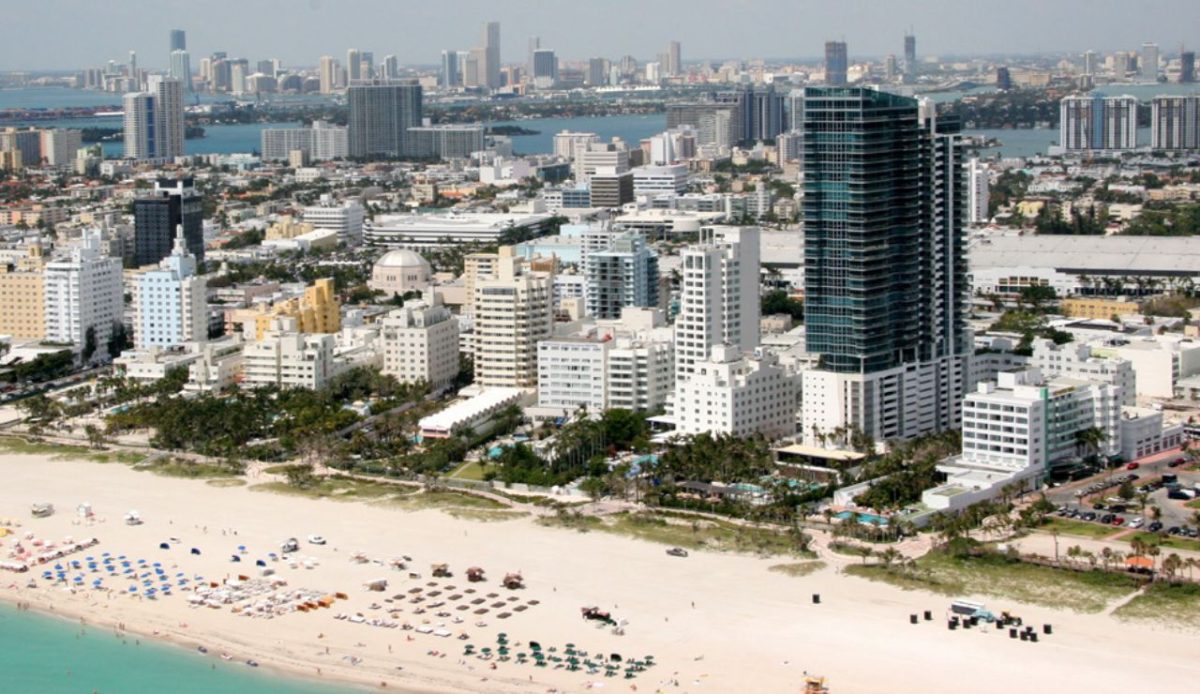
In Miami and Miami Beach, demand spikes during events and the winter season, and many hotels compete by putting travelers close to beaches, nightlife, and dining. In dense areas, smaller rooms are a common way to keep prices down.
Art Deco-era buildings in South Beach frequently have smaller rooms by design, and newer properties may use sleek, compact layouts that emphasize balconies, pools, and outdoor areas. Some rooms trade interior space for a better view.
Read the description for bed type and occupancy limits, and confirm whether the balcony is private, since outdoor space can make the indoor room feel smaller than the photos suggest. If you’re traveling with bags, prioritize a real closet and a luggage bench.
7. Seattle, Washington

Seattle hotels serve business travel, cruise traffic, and major events, while high construction costs encourage efficient room sizes in newer builds. In popular districts, small rooms are often paired with strong transit access.
Downtown and South Lake Union properties may feature built-in furniture, smaller closets, and bathrooms that prioritize showers. The tradeoff can be modern finishes and good sound control, but less room to spread out.
To avoid surprises, confirm whether the desk is a true workstation or a fold-down shelf, and check guest photos for room width, not just staged shots. Also, review parking and elevator notes, because tight rooms feel worse when logistics eat your time.
8. Las Vegas, Nevada

Las Vegas is known for huge resorts, but the smallest-feeling rooms often appear in value-focused towers where square footage is kept lean. Even within big properties, base rooms can vary a lot by tower and renovation era.
Some older categories feel cramped compared with renovated towers, especially when heavy furniture, large TVs, and big headboards take up floor space. Budget rooms may also prioritize more beds over circulation space.
Compare room type names carefully, since upgrades differ by tower, and check whether a mini fridge or safe reduces usable storage. If you plan to work or eat in-room, look for a layout with a table or desk, not just a narrow counter.
9. Honolulu, Hawaii

Honolulu, especially Waikiki, packs many hotels into a tight coastal area, and limited land plus high costs often translate into smaller rooms. High demand also keeps occupancy strong, reducing pressure to offer bigger footprints.
Many travelers accept compact interiors because they spend time outdoors, but older buildings and frequent remodels can leave odd layouts with shallow closets and tight bathrooms. Some rooms emphasize a lanai or view while keeping the interior minimal.
Before you commit, confirm if the room is a partial-ocean category, which can mean a smaller footprint, and check whether you’re getting two beds or a single bed plus a sleeper chair. If you travel with boards, look for storage or wall space for gear.
