
Frequent flyers test a lot of travel gear, and that experience often changes what looks essential on a store shelf. Products sold as “must-have” safety tools do not always work well once they are packed, carried through airports, and used in hotel rooms or on crowded transit.
The problem is usually not quality alone. Some items are bulky, slow to use, easy to forget, or less useful than simple habits such as staying aware, packing light, and keeping valuables organized.
This article looks at nine travel safety products many regular fliers say they would skip the second time around. These items are not always useless, but their real value often falls short of the promise on the package.
1. Oversized Money Belts

Money belts are often sold as a classic anti-theft solution, but many frequent flyers say large versions are uncomfortable, obvious under clothing, and awkward to reach when paying for anything. Instead of feeling more secure, some travelers end up adjusting them through airports and long security lines.
The main complaint is practicality. A belt that is too wide or too full can trap heat, press into the waist on long flights, and make simple tasks slower when a passport or card is needed quickly.
Many regular travelers prefer a slimmer option, such as a zippered inside pocket or a compact pouch that does not interfere with movement. For them, the bulky money belt becomes one more item to manage rather than a useful safety layer.
2. Cheap Luggage Locks
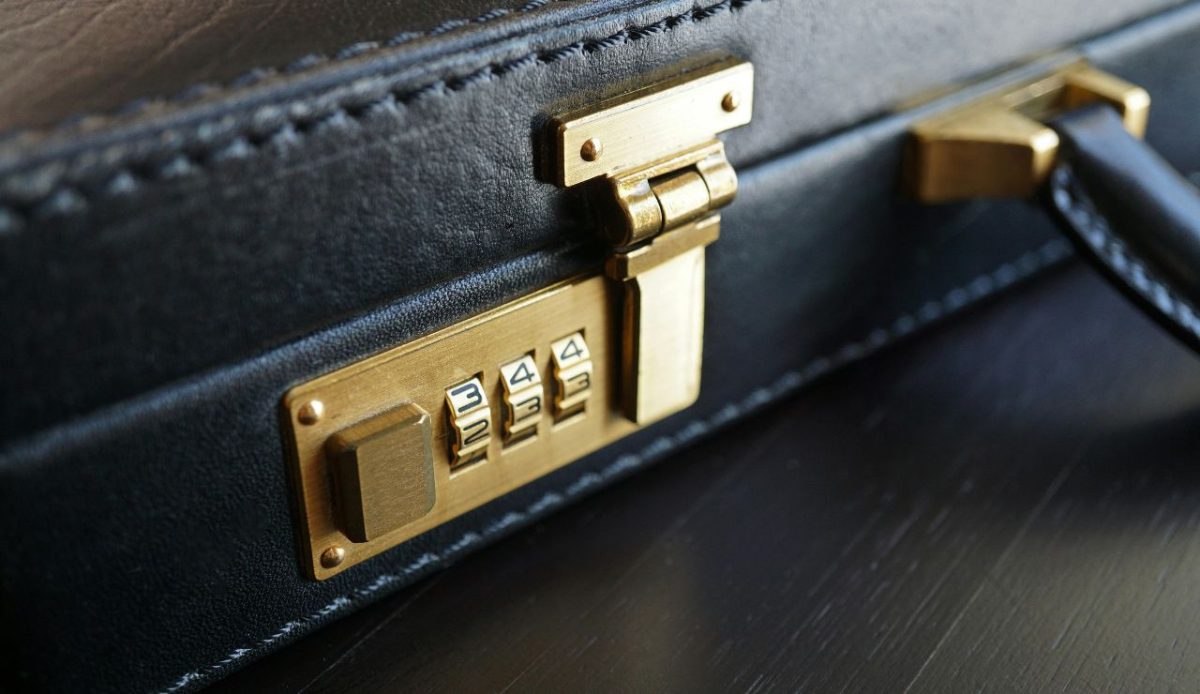
Low-cost luggage locks look reassuring online, but frequent flyers often say the cheapest models offer more confidence than real protection. Thin bodies, weak combinations, and flimsy cables can make them easy to force open, while some bags can be opened without breaking the lock.
There is also a convenience problem. Travelers rushing through check-in or repacking after inspection may find small locks awkward to handle. Once a key is lost or a dial sticks, the lock becomes a delay instead of a safeguard.
Many regular fliers see these locks as useful only for discouraging casual tampering. They usually prefer sturdy luggage, smart packing, and keeping important items in carry-ons instead of relying on a cheap lock with limited security.
3. Door Stop Alarms
Portable door stop alarms are meant to add peace of mind in hotel rooms, but many frequent flyers say they stop packing them after a few trips. The devices can be bulky for carry-on travel, may not fit every floor or door gap well, and sometimes shift out of place.
Noise is another issue. Some travelers report accidental alarms when opening the door from inside or nudging the device with luggage at night. In a shared room, that can create stress rather than reassurance.
Regular flyers often decide that choosing reputable accommodations, checking the room lock, and using the deadbolt are more reliable habits. For many, a door stop alarm sounds helpful in theory but feels unnecessary in a well-planned travel routine.
4. RFID-Blocking Extras
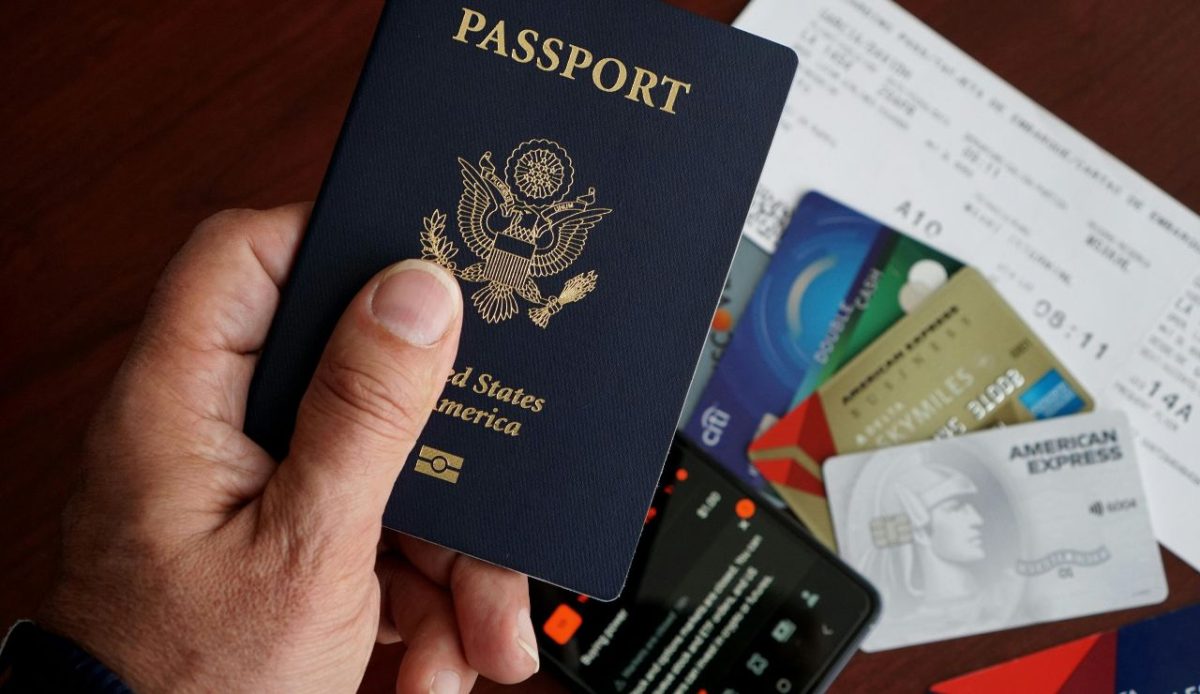
RFID-blocking wallets, sleeves, passport covers, and card holders are heavily marketed to travelers, yet many frequent flyers say buying several versions was unnecessary. The main frustration is that the sales pitch often makes the risk feel bigger than their real travel experience suggests.
Some travelers also find these products inconvenient. Extra sleeves add bulk, slow access to transit cards or hotel keys, and clutter bags that already need to stay organized during busy travel days.
Frequent travelers who regret these purchases often keep the simplest version, if any, and skip the rest. They focus more on not losing control of a wallet or bag, since theft, misplacement, and distraction remain much more common travel problems.
5. Hidden Diversion Safes
Diversion safes disguised as everyday items can seem clever before a trip, but many frequent flyers say they would not pack them again. Fake toiletry containers, drink cans, or hairbrush compartments often take up valuable space while storing only a small amount.
They can also be inconvenient during normal use. When travelers need cash, medication, or a backup card quickly, opening a disguised compartment is slower than using a normal pouch. In busy settings, that extra handling can draw attention.
Experienced travelers often conclude that simple organization works better. A secure day bag, hotel safe use and splitting valuables across more than one place usually feel more practical than gadget storage built around disguise.
6. Heavy Cut-Resistant Bags
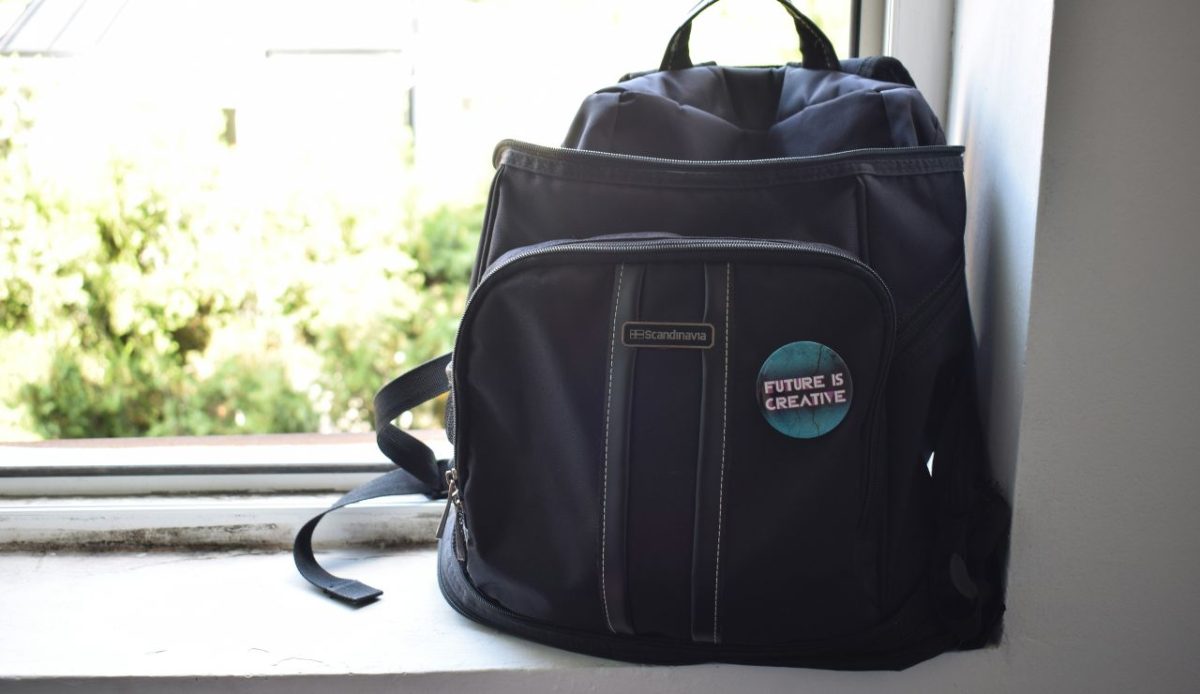
Slash-resistant or cut-resistant bags appeal to anxious travelers, but frequent flyers often say some models feel overbuilt, heavy, and expensive compared with how they actually travel. A bag marketed around worst-case theft can sound reassuring online, yet daily use may feel tiring.
Another complaint is false confidence. No bag removes the need to stay aware in crowds, keep zippers closed, or avoid placing valuables in easy outer pockets. Some travelers say the branding made them focus on the bag more than their habits.
Regular fliers who regret these purchases usually say the issue is mismatch, not the concept itself. A well-made lightweight bag that fits the trip often proves more useful than a heavily marketed security bag.
7. Low-Quality Personal Sirens
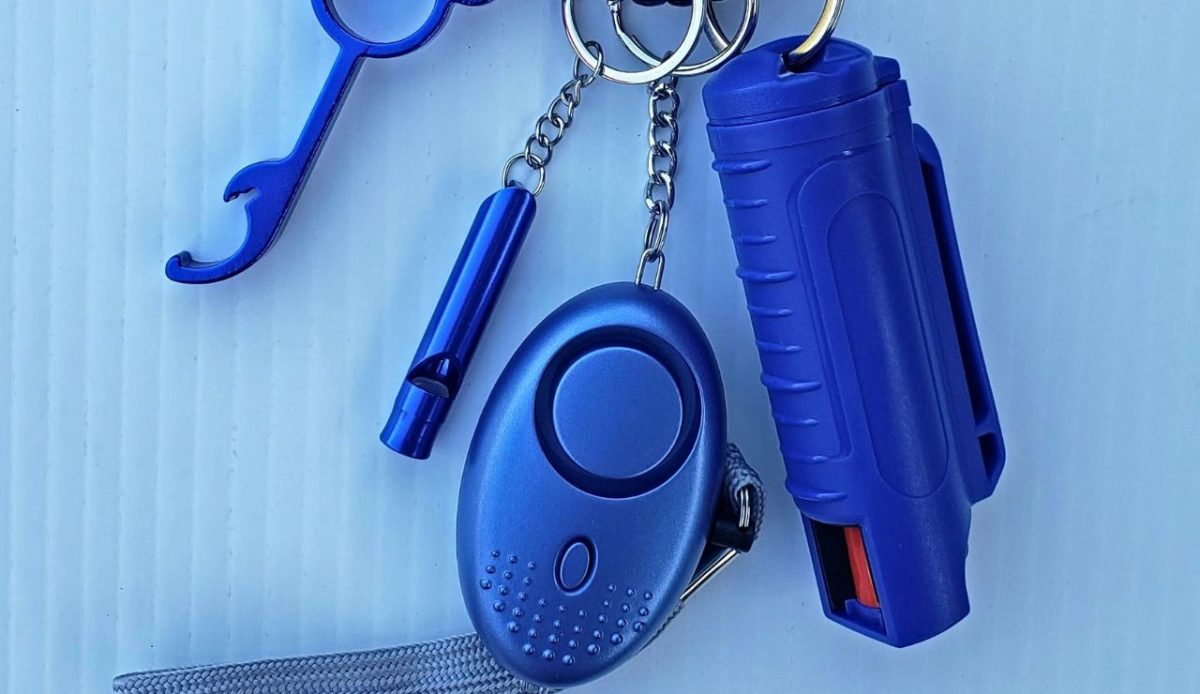
Compact personal alarms can be useful in the right situation, but frequent flyers often say the cheapest travel sirens are not worth rebuying. Some are too easy to trigger by accident inside a crowded bag, while others feel so flimsy that owners doubt they would work properly.
Battery reliability is a common concern. A device that slowly drains power in storage or gives little warning before failing can create a false sense of readiness when travelers are already managing multiple devices.
Frequent travelers who stop carrying these alarms often say the lesson was to avoid impulse buys. If they keep one at all, they choose a sturdier model after research. Otherwise, they rely on route planning, charged phones, and awareness instead.
8. Tiny Prepacked First-Aid Kits
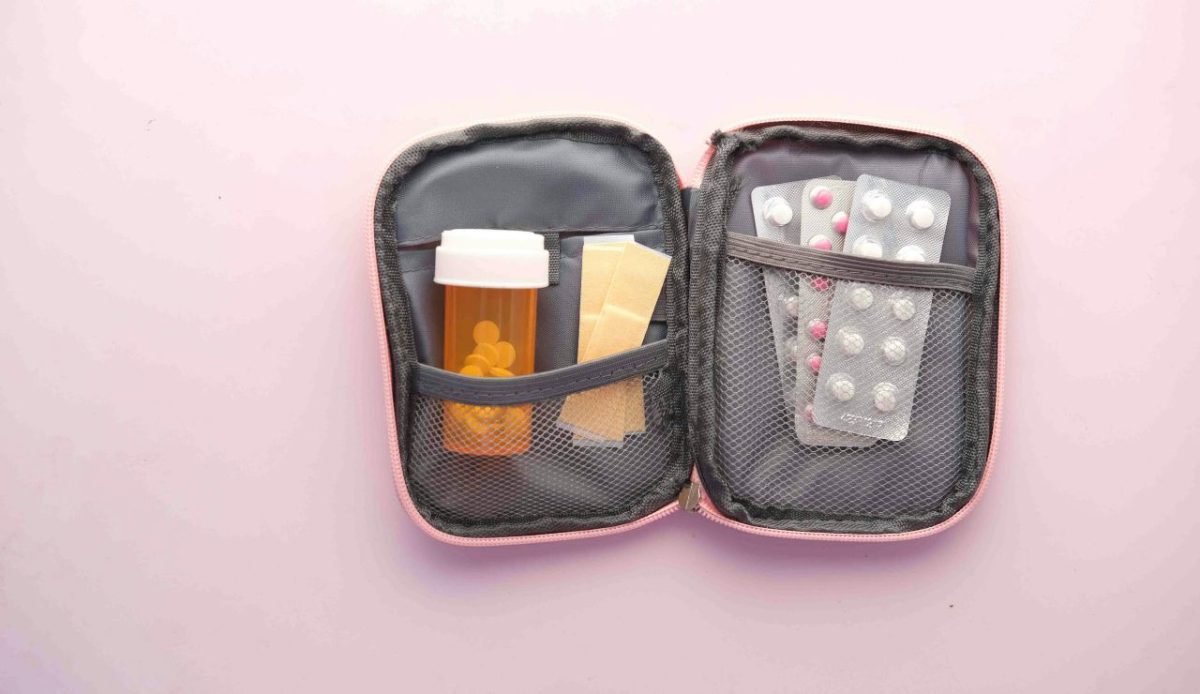
Prepacked travel first-aid kits look efficient, but many frequent flyers say the smallest kits are filled with items they rarely use and missing the products they actually want. Travelers often end up carrying repeated bandages and wipes while still buying pain relief or blister care separately.
The packaging can also be part of the problem. Hard plastic cases waste space, and tightly packed mini pouches can make it harder to see what is inside when quick access matters on a plane or during a long connection.
Many regular fliers now build their own simple kit instead. A few handpicked essentials usually work better than a generic pack designed to look complete on a store shelf. The regret is paying for filler over usefulness.
9. Gadgets That Need Constant Charging
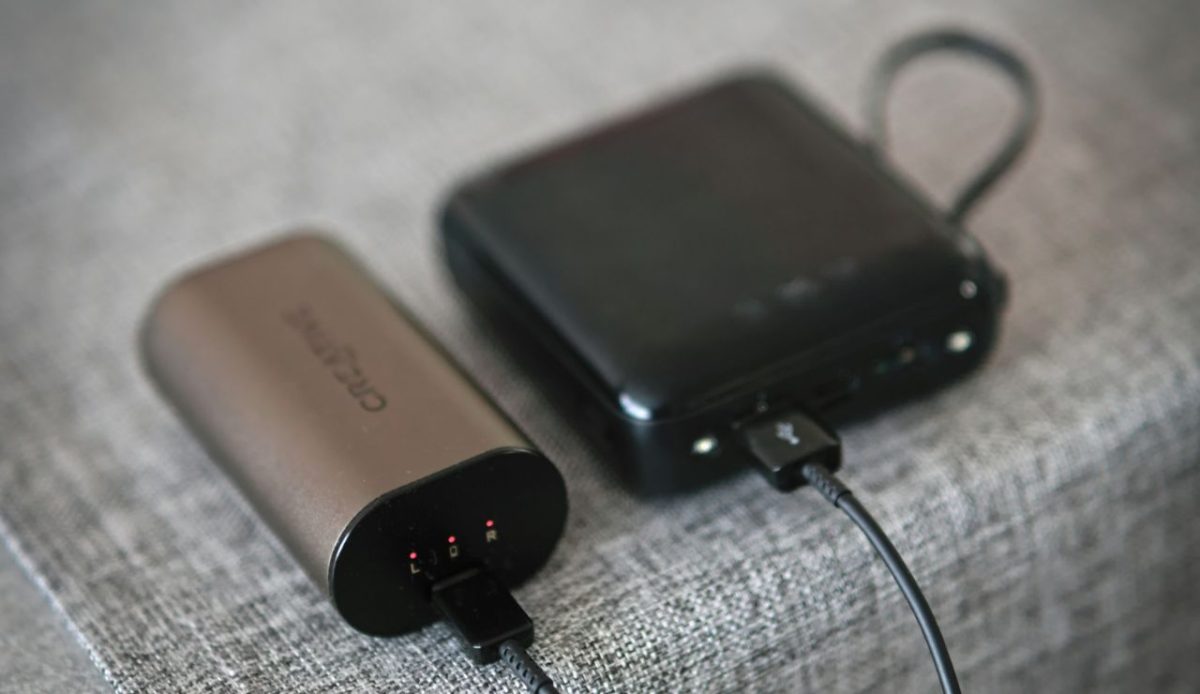
Rechargeable travel safety gadgets, from tags, alarms, and electronic locks, can sound modern and reassuring. Yet many frequent flyers say they regret devices that add one more battery to monitor on trips already filled with phones, watches, and power banks.
Charging dependence matters most during delays, overnight flights, and long transit days when outlets are limited or already needed for essential devices. Some travelers realize a safety product loses value quickly if they do not trust its battery status.
Frequent flyers who stop buying these gadgets often say the best travel tools are the ones that remain simple under stress. When a product demands charging or app checks, many decide it adds mental clutter instead of security.
