
Three Mile Island is often remembered for the 1979 Unit 2 accident, but the site’s story is still active: one reactor remains in long-term decommissioning, while another has been discussed for a possible restart. “Risk” today mostly means management, how radioactive material is stored, monitored, moved, and funded over decades.
The points below focus on practical issues that still require oversight: residual contamination, spent fuel storage, worker exposure controls, security, and the long timelines that can turn small delays into big costs.
This is not a list of movie-style dangers; it’s a snapshot of the real-world work that continues around an iconic location on the Susquehanna River.
1. Radiological hotspots during Unit 2 dismantling
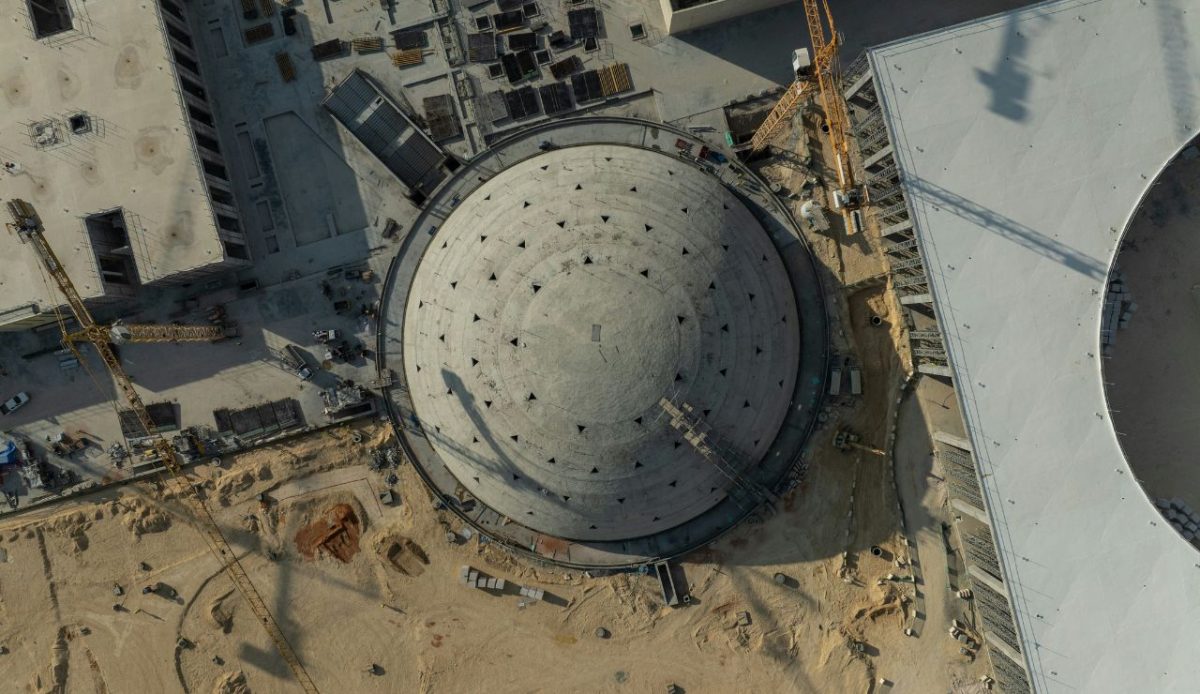
Radiological hotspots inside Unit 2’s sealed areas remain the core active risk, not because they are spreading, but because they still need controlled handling as dismantling progresses. The highest-activity components and contaminated surfaces require remote tools, shielding, and strict time limits for workers.
As more structures are opened and cut up, small planning errors can raise dose rates or create extra waste. That translates into more protective gear, more labor hours, and more regulator attention.
The risk is mainly operational: doing complex work safely, repeatedly, over many years without shortcuts, equipment failures, or complacency.
2. Groundwater and stormwater monitoring gaps
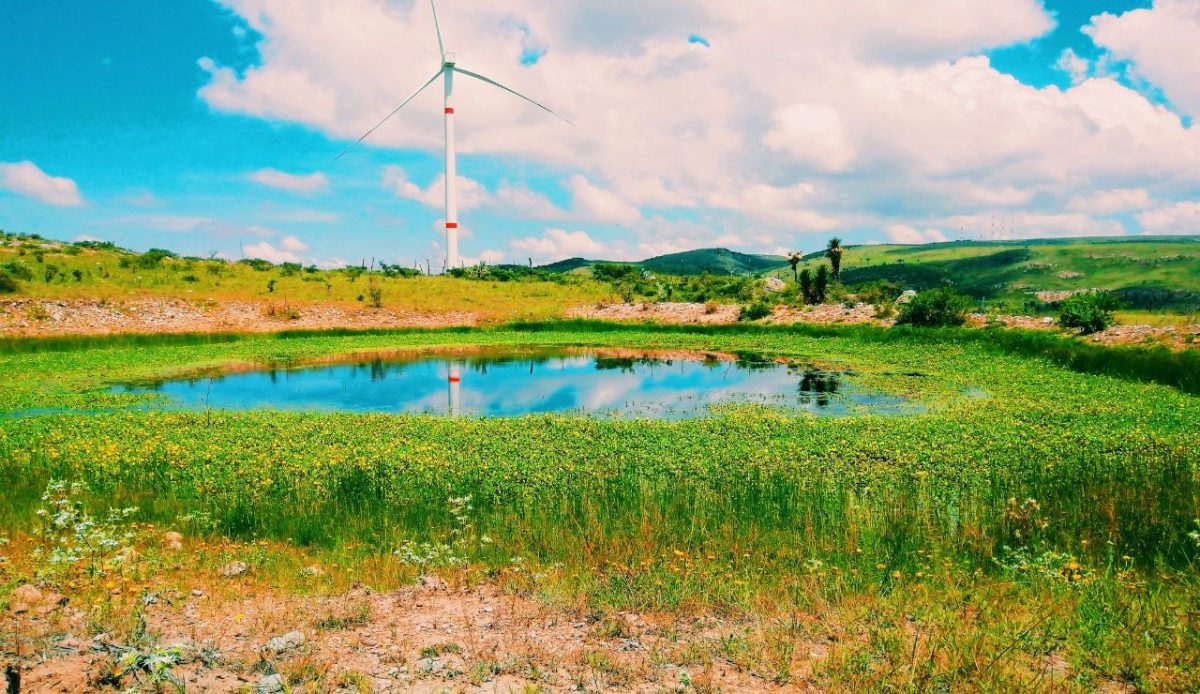
Even when contamination is contained, groundwater and stormwater monitoring stays on the to-do list. Decommissioning sites track wells, drainage, and sediment to confirm that radioactive and chemical contaminants remain below limits and do not migrate toward the river.
Monitoring is not glamorous, but it is where “slow” problems show up first: a damaged liner, a blocked drain, or an unexpected pathway that moves water where it shouldn’t go. Fixes can require excavation, new barriers, or updated controls.
The ongoing risk is detection and response. If sampling slips or data trends are missed, a small leak can become a long, expensive cleanup project.
3. Long-term spent fuel storage on site
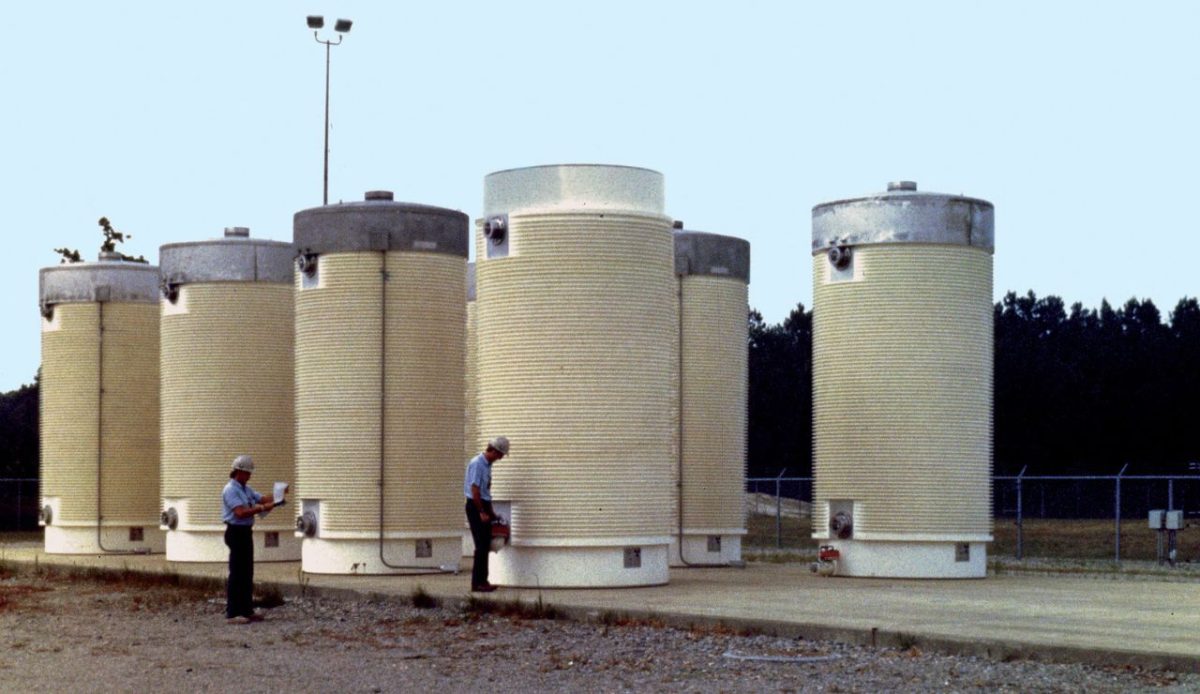
Used nuclear fuel remains on site in an Independent Spent Fuel Storage Installation (ISFSI). Dry casks are engineered for long service, but “safe for decades” still means continuous inspection, security, and maintenance, especially as weather and temperature cycles stress concrete and metal.
A key challenge is time. Federal disposal has been delayed for years, so communities may host casks far longer than early plans assumed. That raises questions about aging management, future repackaging needs, and who pays.
The active risk is not routine radiation exposure to visitors; it is governance, keeping funding, staffing, and standards consistent for as long as the fuel remains onsite.
4. Waste transport and disposal logistics
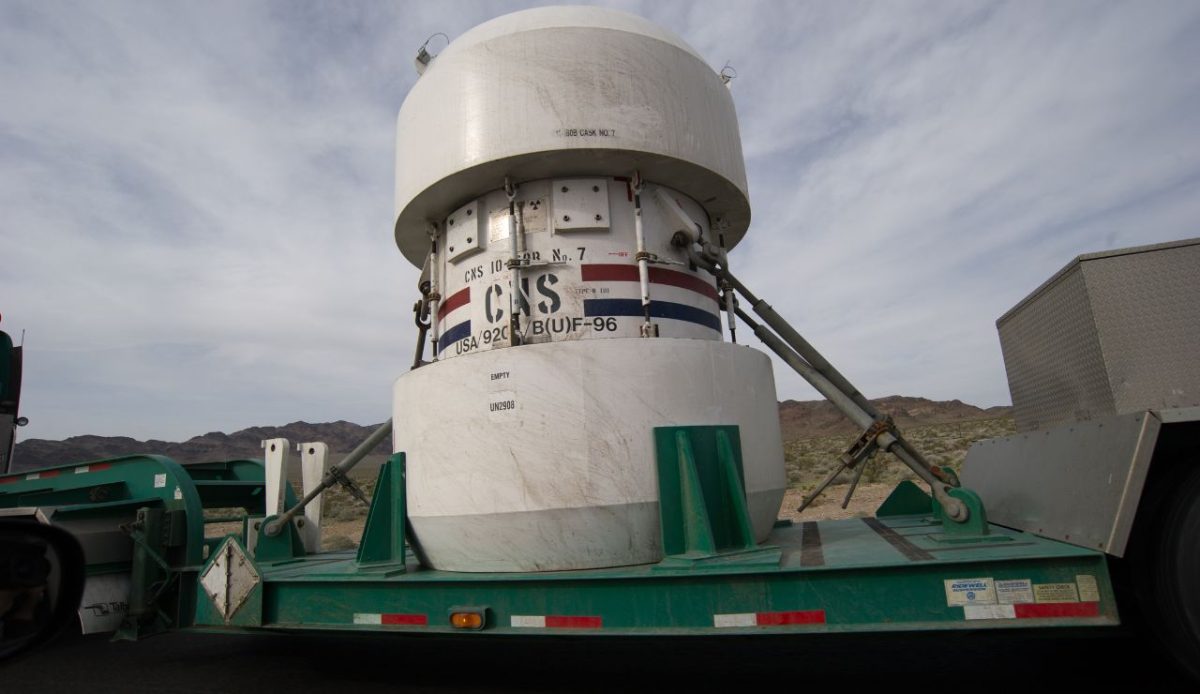
Decommissioning creates large volumes of low-level radioactive waste, plus smaller amounts of higher-activity material that need special packaging. Moving that material off site is a risk in itself: transport must meet strict NRC and DOT rules, follow approved routes, and use containers designed for accidents and fire.
Most shipments are routine, but the system relies on paperwork discipline and clear chain-of-custody. A labeling error, a damaged container, or a scheduling breakdown can trigger delays, investigations, and public concern even when exposures stay low.
The active risk is operational complexity. As dismantling ramps up, more trucks, more containers, and more handoffs increase the chances of a preventable mistake.
5. Decommissioning funding and schedule drift
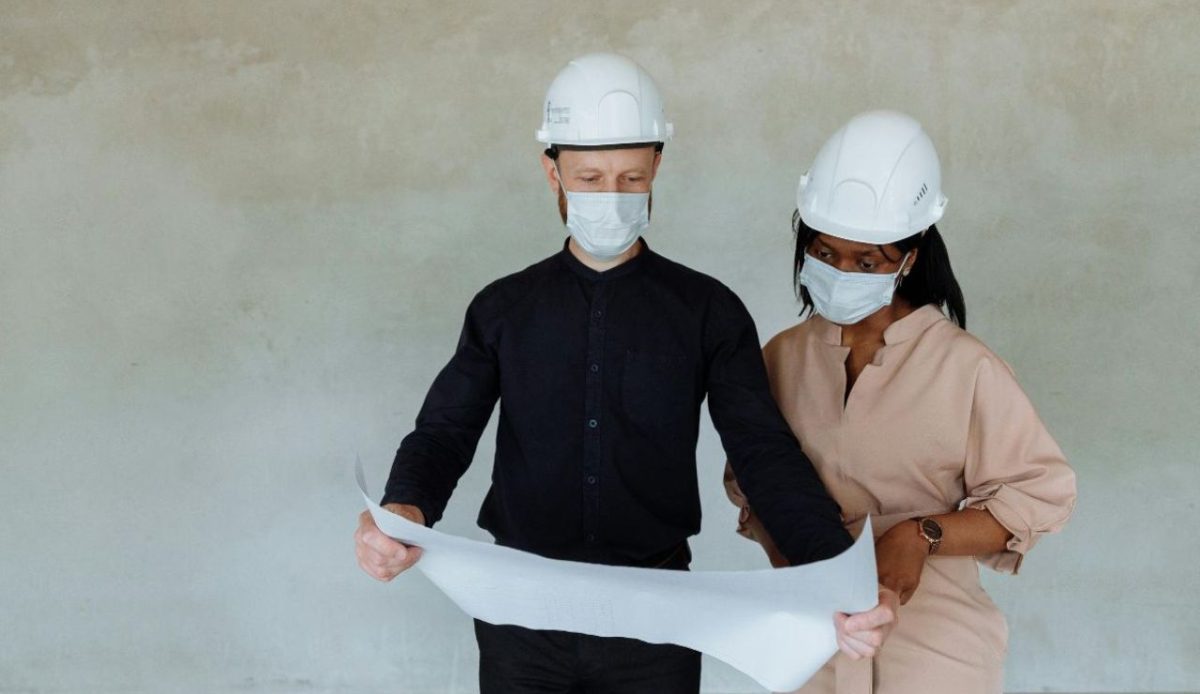
Three Mile Island’s remaining work spans decades, and long timelines create their own risk: funding, contracts, and institutional memory can change faster than the site can be cleaned. Decommissioning trusts must keep pace with inflation, disposal fees, and unexpected technical problems.
When schedules stretch, a project can drift into “minimum safe maintenance” rather than steady progress. That increases overhead and makes it harder to keep specialized staff and vendors engaged. Regulators then face a tougher job verifying that plans match reality.
The active risk is financial and managerial. If budgets tighten or priorities shift, safety can still be maintained, but milestones slip, and the end-state becomes harder to reach on schedule.
6. Restart activity alongside cleanup work
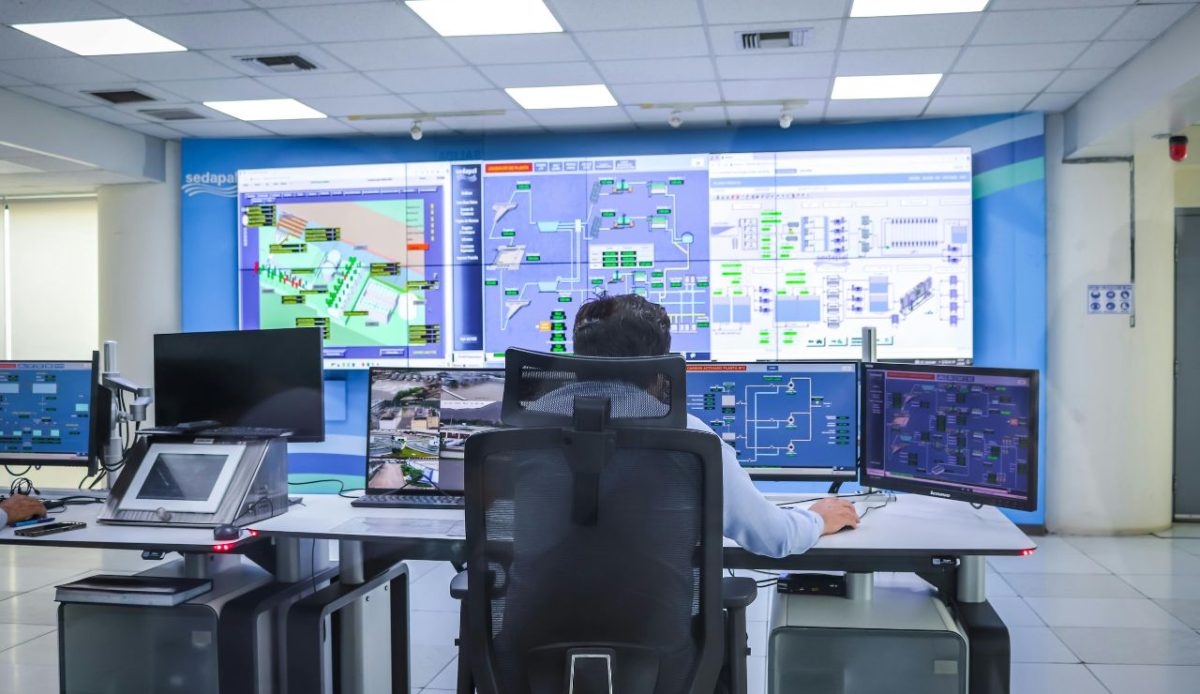
A proposed restart of the separate Unit 1 adds a “two missions, one site” challenge: one part focuses on returning a plant to service, while another continues decommissioning and waste management. Even with separation, shared roads, staffing, and site services can create coordination pressure.
Restart work involves refurbishment, inspections, and regulatory filings. That can change traffic patterns, security routines, and scheduling for contractors who also support cleanup tasks. Competition for skilled technicians becomes real.
The active risk is interface management. When big projects overlap, the safest outcome depends on crisp boundaries, clear accountability, and plans that prevent one job from rushing the other.
7. Reduced public readiness as plans change
Emergency planning changes can be a quiet risk for communities. When a reactor stops operating or shifts status, regulators can approve smaller offsite emergency planning requirements, relying more on onsite response and state notification. The logic is that accident scenarios change, but the public may not track those details.
For residents, fewer drills and less frequent messaging can mean slower recall of “what to do” during any unusual event, even if the likelihood is low. Confusion spreads fast when people don’t know whether guidance has changed.
The active risk is communication and readiness. Clear, routine information, what plans exist, who alerts whom, and where updates are posted, matters as much as technical safety systems.
8. Physical security and insider risk
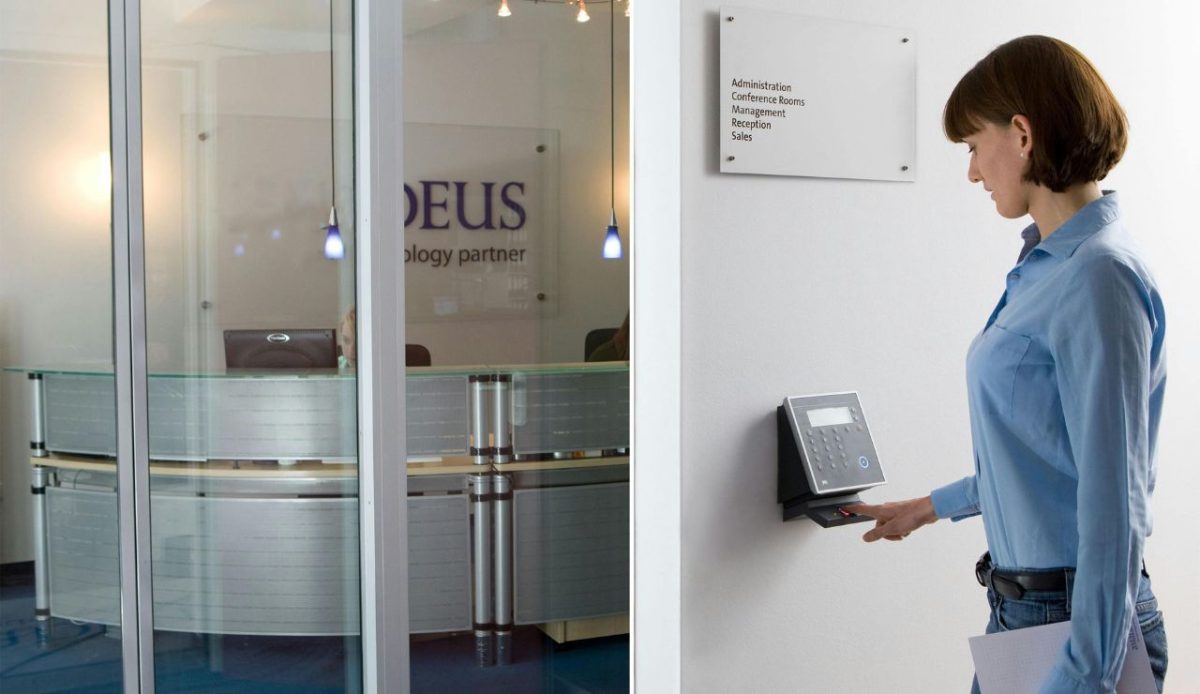
Security remains a standing risk at any nuclear site, even without an operating reactor. Spent fuel storage, radioactive waste, and sensitive infrastructure require layered protection: barriers, cameras, armed response, background checks, and coordination with local and federal partners.
Modern threats also include cyber and insider risks. Systems that support access control, monitoring, and communications must be maintained and updated, not left to age alongside the plant. During large projects, more contractors and deliveries create more access points.
The active risk is keeping security tight while work stays busy. A site can be safe radiologically and still vulnerable to lapses in procedure, outdated systems, or simple human error.
9. Long-term land use and stewardship decisions
The end goal of decommissioning is license termination and site restoration, but getting there requires long-term stewardship decisions. Some areas may be released for other use sooner, while others remain controlled until surveys prove contamination is below strict limits. That creates a patchwork of access rules.
Communities also have to plan around uncertainty: what will the site look like in 10, 20, or 40 years, and how will it fit local development? Changes in ownership, policy, or waste disposal options can shift timelines.
The active risk is governance over time. Clear records, transparent milestones, and enforceable land-use controls help ensure today’s cleanup decisions don’t become tomorrow’s surprise problem.
