
A good road trip is about freedom, adventure, and timing. Planning a journey with balance makes every mile more enjoyable. Before you start, think beyond the destination and prepare for comfort, safety, and small surprises that make travel memorable. Each route has its own rhythm, and how well you plan affects how relaxed you feel behind the wheel. A bit of structure helps avoid frustration while keeping space for discovery. The following tips mix preparation with flexibility so your next drive feels open, organized, and filled with easygoing fun.
1. Plan A Flexible Route With Time Buffers

Mapping your route gives structure, but flexibility keeps the trip enjoyable. Use navigation apps to mark fuel stops, rest areas, and viewpoints, then add at least a 15 percent buffer to each day for traffic or weather delays. Identify two alternate towns for food or lodging in case plans shift. Check local DOT updates every morning for closures or detours. Avoid scheduling more than six to eight driving hours per day so there is time for exploration without pressure. A route that allows adjustment keeps stress low and helps every mile feel unhurried.
2. Get A Full Vehicle Check Before You Go
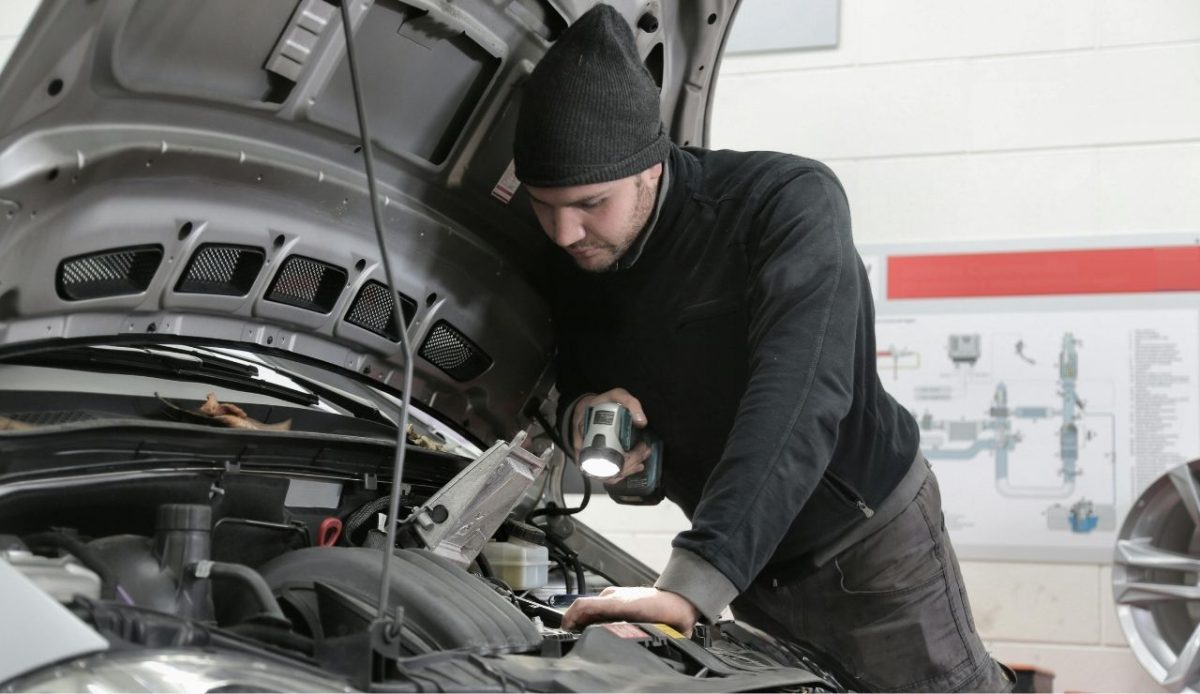
A road-ready car sets the tone for a safe journey. Book a full inspection about a week before leaving and confirm tires, brakes, oil, and battery are in good shape. Verify tread depth above 3⁄32 inch and match tire pressure to the sticker inside the driver’s door. Replace worn wipers, top up all fluids, and carry a spare tire, jack, and tool kit. Keep a roadside assistance contact saved in your phone. Stow an extra key in a magnetic box under the chassis. A fully checked car gives you confidence to travel farther without worry.
3. Use Offline Maps And Backup Navigation

Signal loss can strike anywhere, so download entire regions on your navigation app before departure. Save waypoints by exit number or landmark name and mark rest stops, fuel stations, and motels. Carry a paper atlas in case electronics fail. Keep chargers in reach and note grid references for major highways. Reliable mapping removes guesswork and lets you navigate confidently even when coverage disappears. Knowing you can reroute anytime removes stress and allows you to stay focused on the drive instead of your signal bar.
4. Share Driving Duties And Set Rest Windows

Long hours behind the wheel cause fatigue that dulls reaction time. Rotate drivers every two to three hours or about 150 miles. Plan quick breaks where everyone stretches, changes seats, and hydrates. The passenger manages music and navigation so the driver stays focused. Watch for signs of tiredness such as lane drift or frequent yawning, and switch drivers immediately when they appear. A 20-minute nap or walk at rest areas refreshes focus. Shared responsibility keeps the journey cooperative, safer, and far more enjoyable for everyone involved.
5. Pack A Real Emergency Kit And First Aid
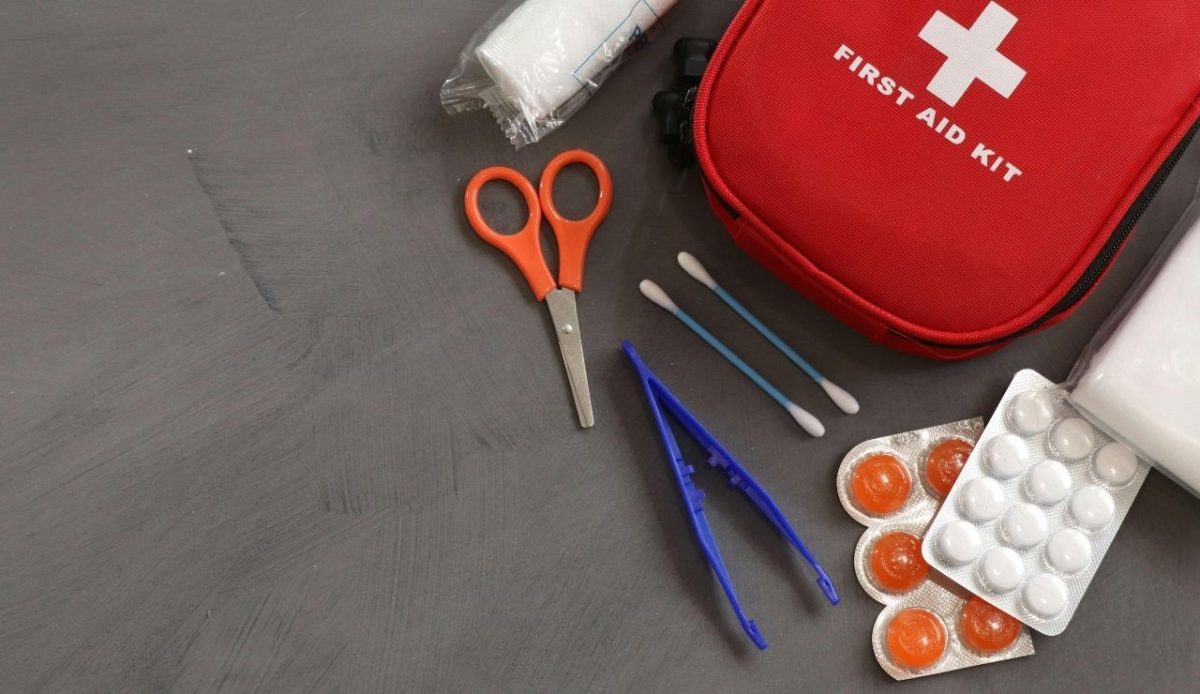
Being prepared turns a setback into a short pause instead of a crisis. Pack jumper cables, a flashlight, extra batteries, and a reflective triangle. Add a tire inflator, plug kit, thermal blanket, and compact OBD reader for quick diagnostics. Include a first-aid kit with antiseptic, bandages, and pain relief tablets, plus bottled water and protein bars. Store everything in a waterproof bag that stays within reach of the trunk lid. Preparation gives you control in unpredictable moments and keeps minor issues from cutting your trip short.
6. Bring Smart Snacks And Plenty Of Water

Staying fueled makes long drives smoother and safer. Pack a cooler with fresh fruit, nuts, sandwiches, and refillable bottles instead of relying on gas-station food. Aim for about two liters of water per person each day and rotate frozen bottles to keep the cooler cold. Avoid heavy meals that cause drowsiness or sugary snacks that spike and crash energy. Use resealable containers to prevent spills on bumpy roads. Keeping healthy food within reach saves money, shortens stops, and keeps everyone hydrated, alert, and in good spirits throughout the journey.
7. Build A Playlist And Download Podcasts

Music turns long stretches of pavement into memories. Create playlists that match the mood. Upbeat tracks for morning highways and slower tunes for evening drives. Invite passengers to add their favorites so everyone feels part of the trip. Download podcasts or audiobooks while on Wi-Fi to avoid data drops in remote areas. Assign a passenger to manage audio so the driver stays focused. When the car quiets, switch to conversation or local radio for variety. A thoughtful soundtrack keeps minds active and makes even routine miles feel fresh.
8. Keep Cash and IDs Within Easy Reach

Organized essentials save time when you need them most. Keep your driver’s license, registration, and insurance papers in a clear folder near the seat. Carry backup copies of ID and contacts in your phone or glove box. Bring a modest amount of cash for tolls, parking, or rural stores that may not accept cards. Store one extra bank card separately in case of loss. Quick access to documents helps in emergencies and checkpoints. Staying organized ensures every stop or inspection goes smoothly so you can stay focused on driving.
9. Charge Devices And Carry Extra Power Banks

Powering devices consistently helps you stay connected, informed, and safe. Bring a car charger with multiple ports so everyone can charge at once. Keep at least two power banks totaling ten thousand milliamp hours or more for backup. Recharge them overnight and rotate usage to avoid depleting everything at once. Label cords and store them neatly in a pouch so they’re easy to find during stops. A small inverter can help charge laptops or cameras in the car. Reliable power keeps navigation running and memories documented without interruption.
