
Crowds can turn a national park visit into a parking-lot tour, and 2026 is shaping up to be rough in the busiest places. Glacier is a headline example, because access systems have changed in recent years and peak-season demand keeps climbing. When plans depend on a single scenic road, backups snowball fast.
This guide looks at nine parks where congestion commonly hits the roads, trailheads, and viewpoints first. Think long entrance lines, shuttles at capacity, and popular hikes that move at city sidewalk speed.
If you still want to go, the workaround is timing and expectations: arrive before mid-morning, plan weekday slots, and treat “must-see” stops as optional.
1. Glacier National Park
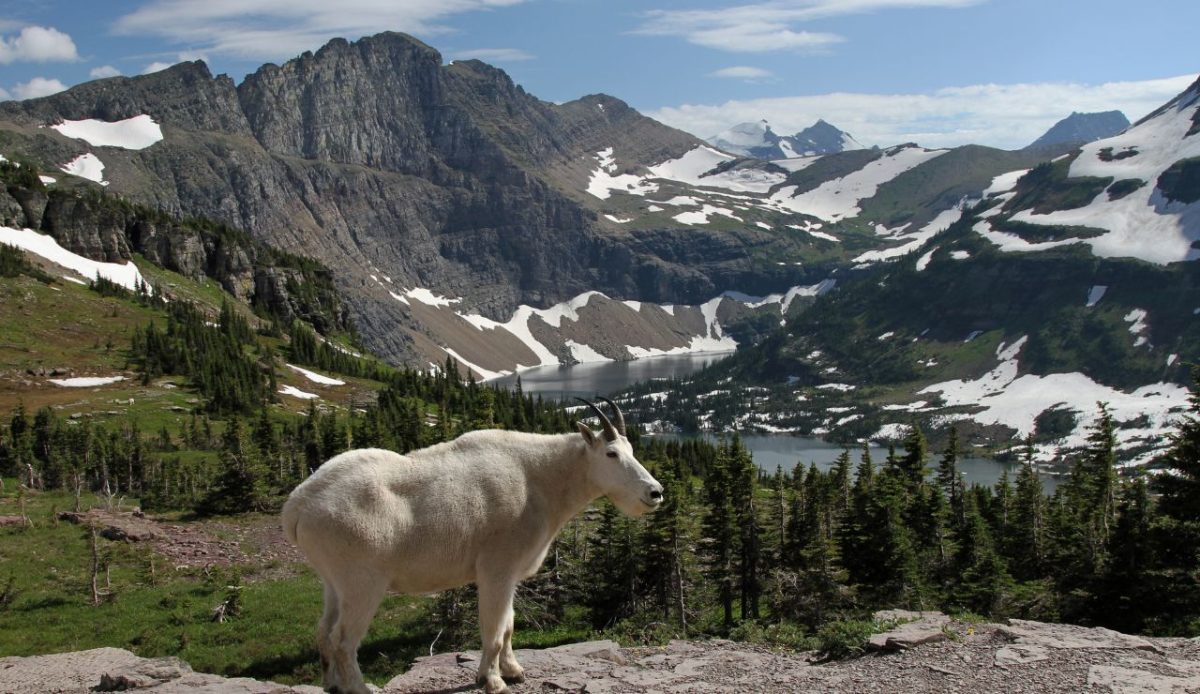
Glacier National Park’s crowd problem concentrates on a few choke points, especially Going-to-the-Sun Road and the Lake McDonald corridor. With millions of annual visits, small delays stack into hour-long traffic lines.
The park has used timed entry vehicle reservations in peak months, released in advance and again the day before, to spread arrivals. When those slots sell out, visitors pivot to the same limited alternatives at the same time.
In 2026, expect the “nightmare” feel on summer weekends: full parking at Logan Pass, shoulder-to-shoulder viewpoints, and slow trail starts. Early mornings, late afternoons, and shoulder season dates are the cleanest escape hatch.
2. Zion National Park
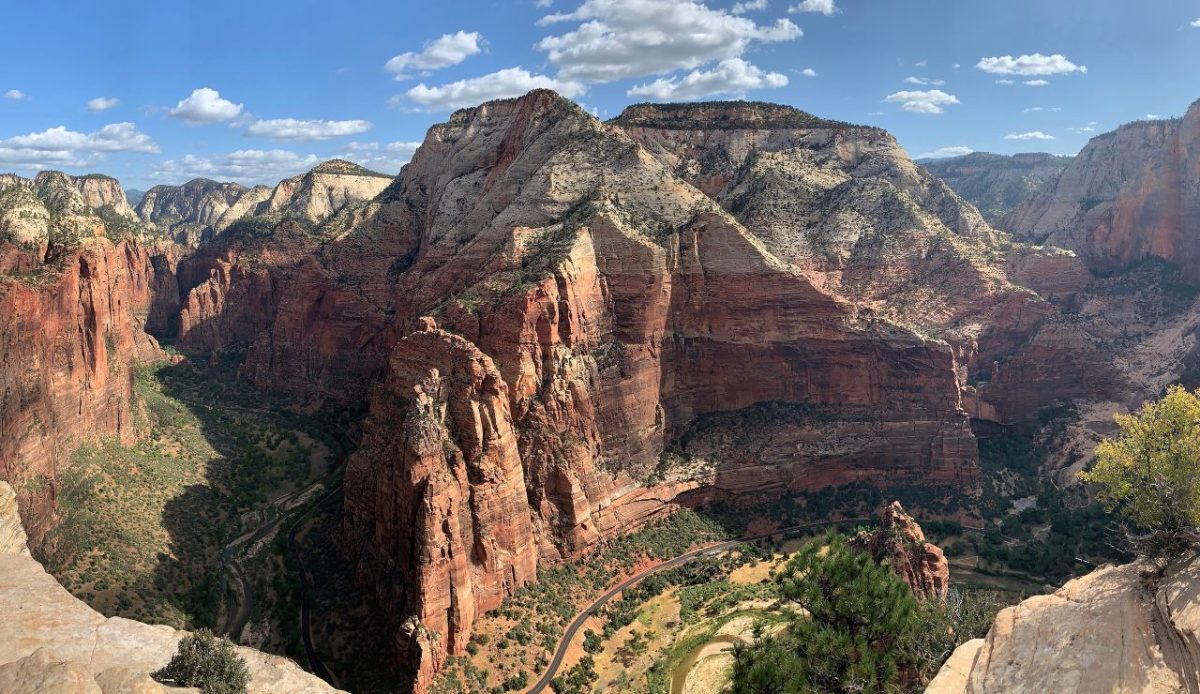
Zion National Park is built around a single main canyon, so the visitor experience funnels into the same shuttle stops and trailheads. When demand spikes, lines form before breakfast and popular paths turn into stop-and-go traffic.
For much of the year, access to Zion Canyon depends on riding the park shuttle, and the Angels Landing route uses a permit system. Those controls help, but they also concentrate crowds around fixed schedules and limited seats.
In peak season, expect a “ruined by crowds” vibe at The Narrows entry, Riverside Walk, and the Grotto area. If you want breathing room, target weekdays, use the first shuttle runs, and build your day around lesser-traveled corners outside the canyon core.
3. Yosemite National Park
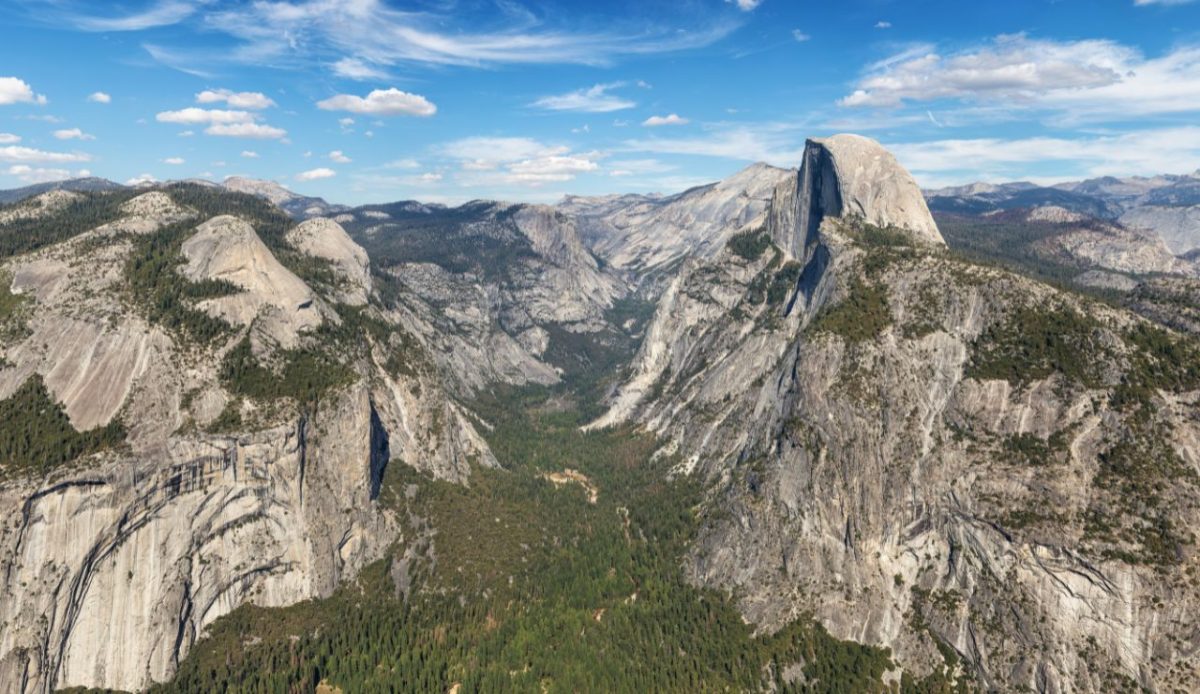
Yosemite’s iconic valley floor is small, but its reputation is huge, so summer demand arrives in waves. Once parking fills, the day becomes a loop of circling lots, waiting for shuttles, and watching traffic crawl.
Access policies have shifted over time, including reservation requirements on select peak dates in recent years. Even with controls, the same photo spots, Tunnel View, Yosemite Falls, and Glacier Point routes, draw heavy midday surges.
When the park is packed, hikes that feel remote on paper can feel like a parade in practice. For a calmer trip, enter early, stay late, and consider higher-elevation or shoulder-season itineraries where the valley is not the only plan.
4. Great Smoky Mountains National Park
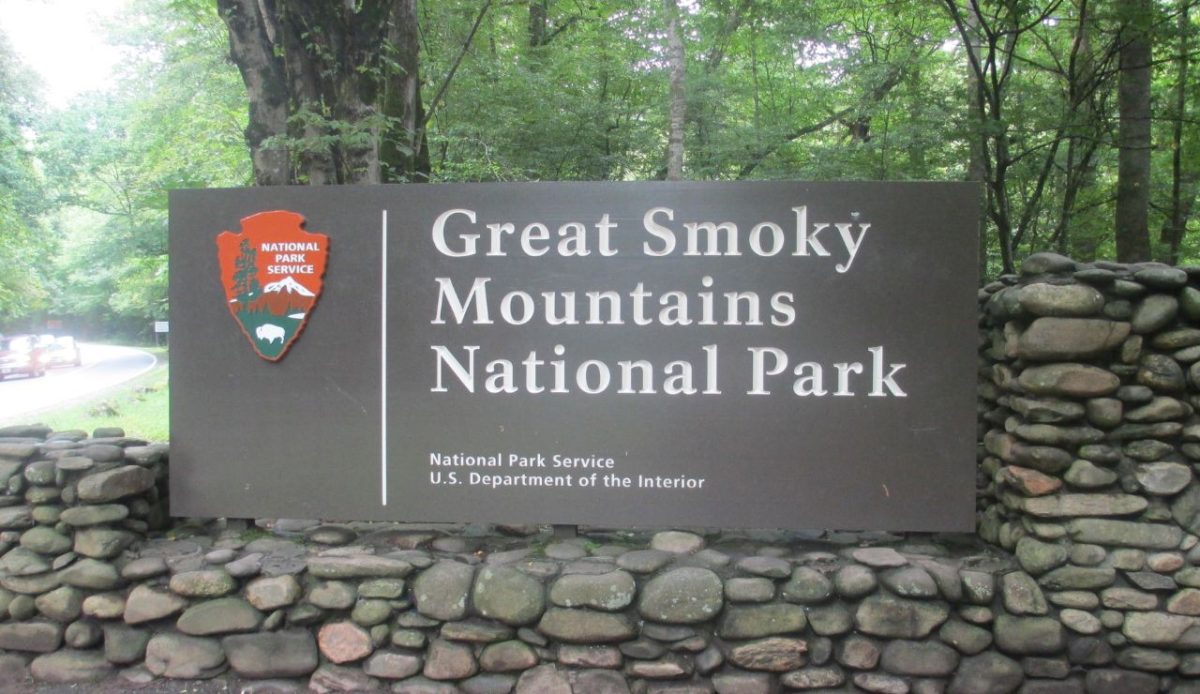
Great Smoky Mountains National Park leads the system in annual visitation, and that volume shows up first at the easiest pullouts. On busy days, the park’s free entry does not feel “free” once traffic slows to a crawl.
Congestion concentrates near Gatlinburg and Cherokee gateways, and in destinations like Cades Cove and Clingmans Dome. Wildlife spotting and fall color weekends can turn two-lane roads into long, patient lines.
The crowd impact is often subtle but constant: fewer quiet overlooks, limited picnic space, and trails with frequent passing. To keep it enjoyable, visit midweek, start early, and use less famous trailheads deeper in the forest rather than the marquee loops.
5. Grand Canyon National Park
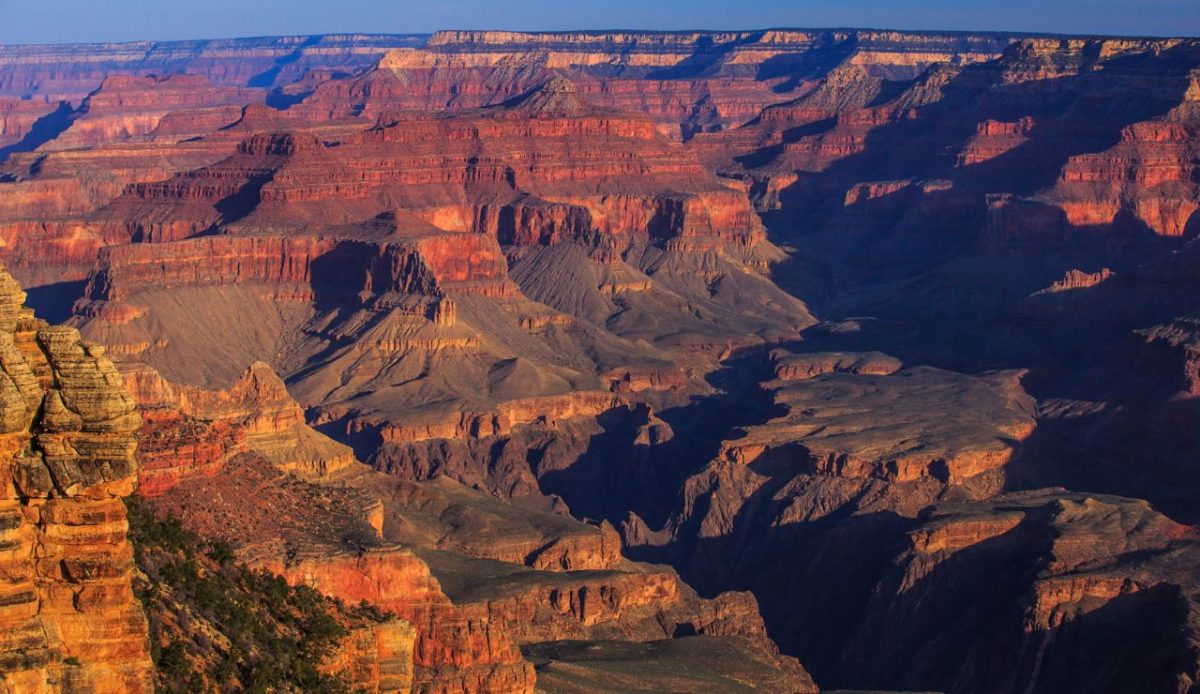
Grand Canyon National Park can feel split in two: the canyon stays massive, but the South Rim experience can feel compressed. When tour buses and day trippers peak, viewpoints become crowded platforms rather than quiet edges.
Most visitors cluster along the Rim Trail corridor, the main village services, and the Hermit Road shuttle route. Parking fills early, and the most famous overlooks draw constant turnover for photos and quick stops.
Crowds also change hiking decisions, because narrow trail sections and heat planning become harder in a moving group. If you want space, consider sunrise or sunset windows, use longer viewpoint walks between stops, or aim for quieter rim areas beyond the central hub.
6. Yellowstone National Park
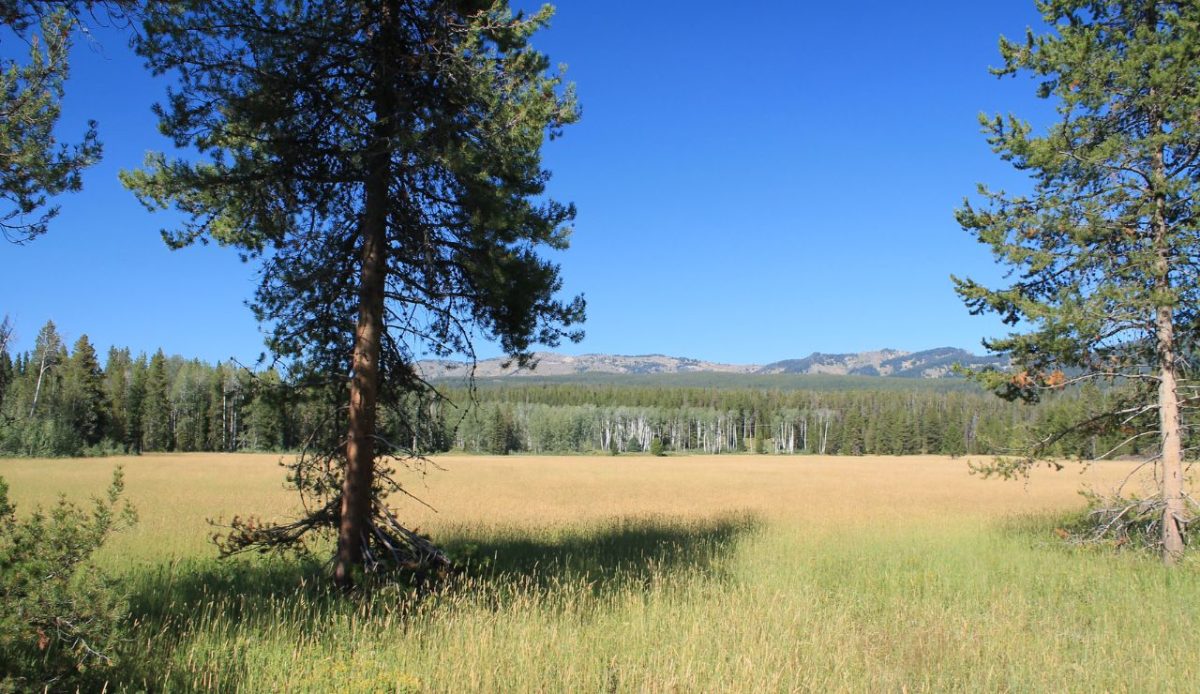
Yellowstone National Park’s highlights are spread out, but many people chase the same “greatest hits” in the same order. That creates classic bottlenecks around geyser basins and near wildlife sightings on narrow roads.
Old Faithful, Grand Prismatic, and the Canyon area can feel like outdoor stadiums at midday, with full boardwalks and packed parking lots. Even a brief bison stop can trigger a multi-mile traffic jam that rewrites your timeline.
Crowds here are not just inconvenient; they affect safety and etiquette around wildlife and thermal areas. For a smoother visit, plan early departures, build extra buffer time between loops, and prioritize less famous basins or longer trails that thin out the groups.
7. Rocky Mountain National Park
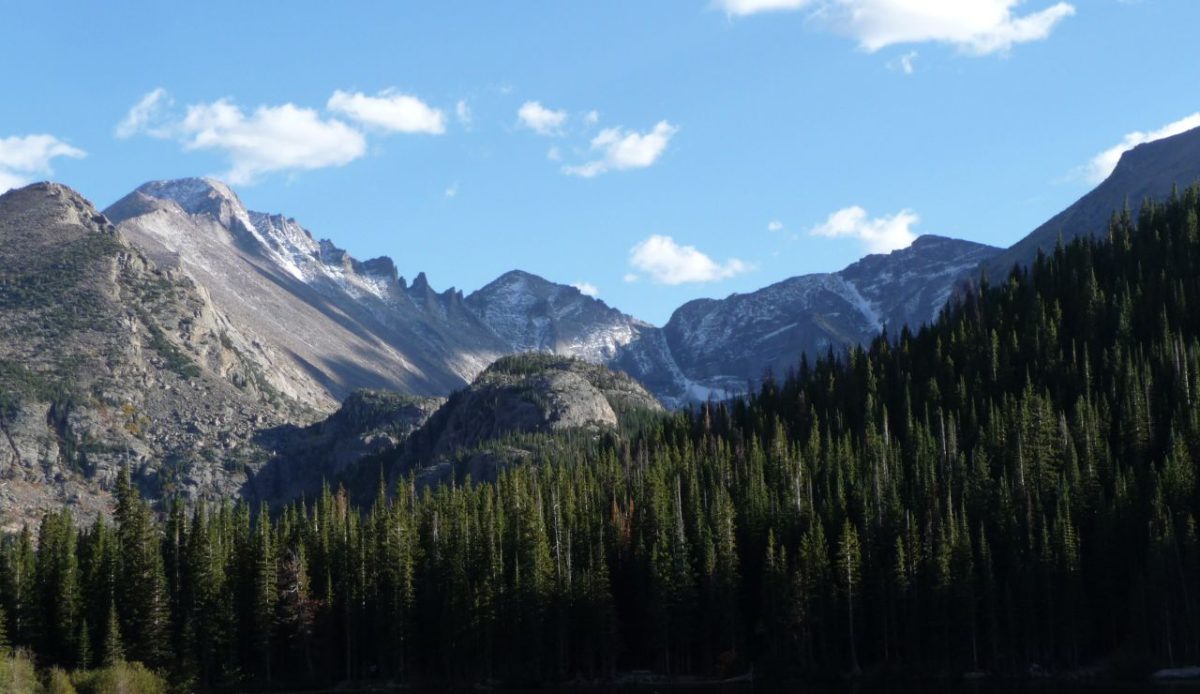
Rocky Mountain National Park packs big scenery into a compact set of access roads, so the busiest corridors hit capacity fast. The Bear Lake Road area is the prime example, where trailhead parking can fill early and stay full.
The park has used timed entry style management in peak periods in recent years to reduce gridlock, but demand still surges around mid-morning. Trail Ridge Road pullouts and the most famous alpine hikes become the default plan for thousands of visitors.
When crowds peak, the experience shifts from alpine quiet to constant movement: full shuttles, limited restrooms, and noisy overlooks. Arrive before the rush, hike away from the lakes, and treat popular trailheads as “if available” rather than guaranteed.
8. Acadia National Park
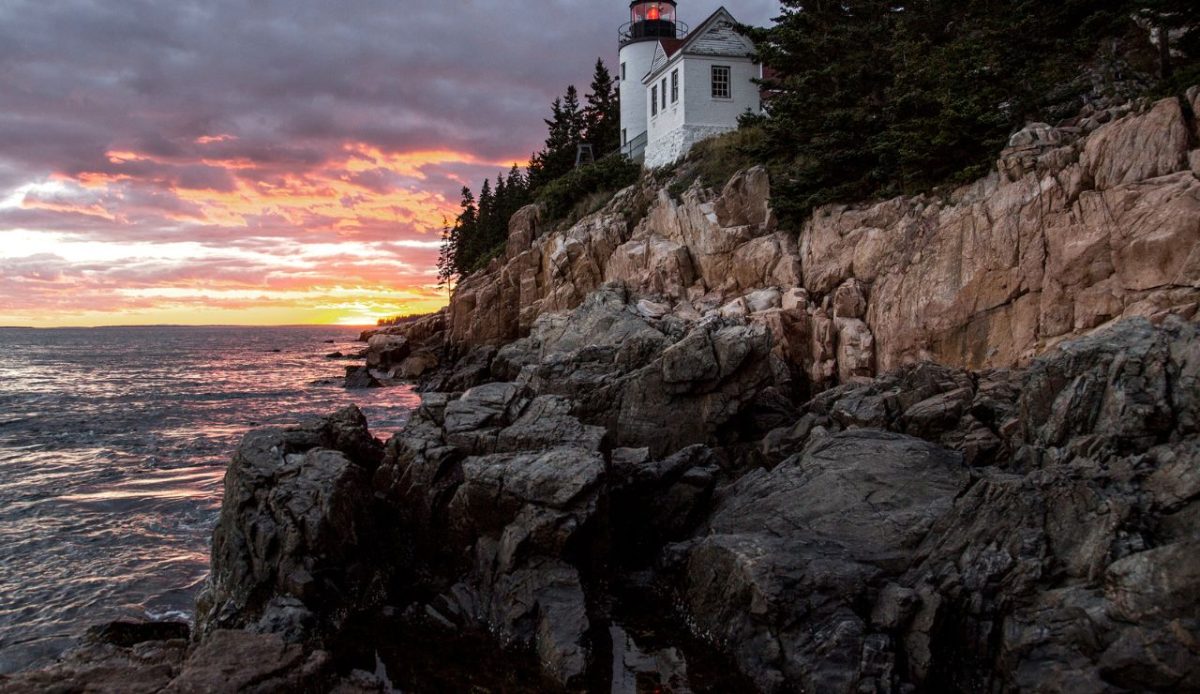
Acadia National Park squeezes ocean views, granite peaks, and a famous loop road onto a small island footprint, so traffic stacks quickly. Bar Harbor spillover adds to the pressure when summer lodging turns arrivals into a narrow-window plan.
The park requires vehicle reservations for Cadillac Summit Road during the busy season, including 2026 dates, because sunrise and daytime demand can overwhelm the summit. That keeps Cadillac Mountain from becoming gridlock, but it also creates a hard cap that fills fast.
Elsewhere, the Park Loop Road pullouts, Sand Beach, and Jordan Pond area can still feel packed at midday. Go early, use shuttles where available, and consider hiking or biking to popular spots to skip the parking roulette.
9. Grand Teton National Park
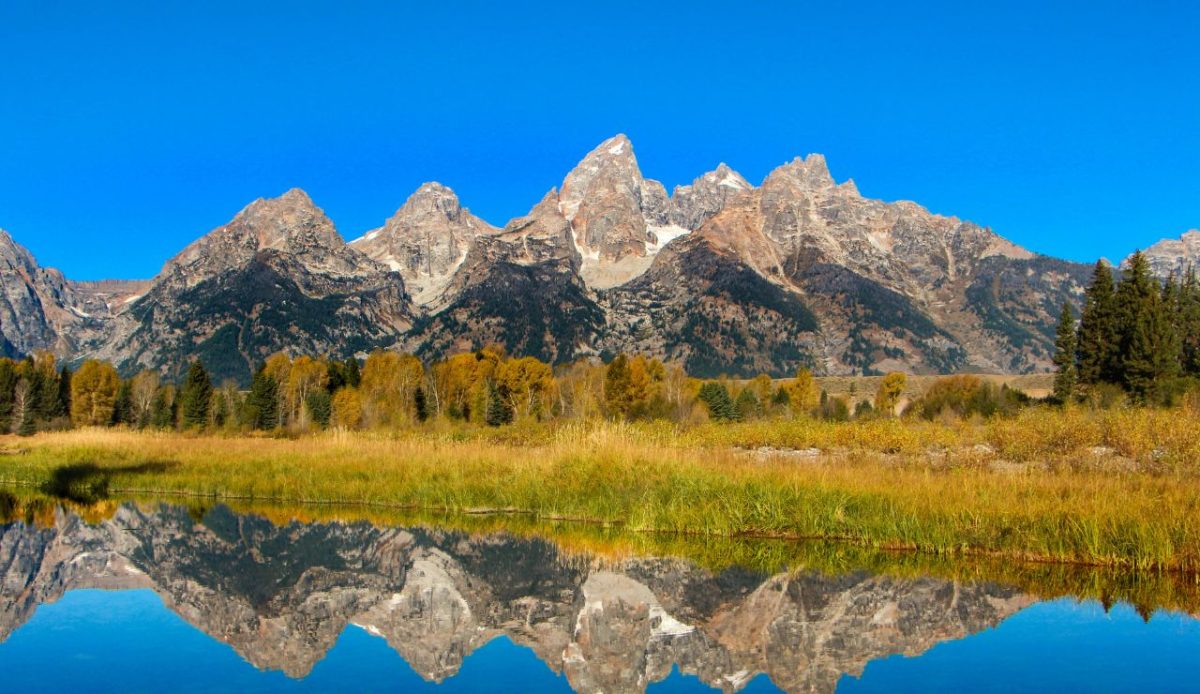
Grand Teton National Park looks wild and open, but most visitors cluster along the same lakeshore roads and short hikes. That means a few trailheads and overlooks carry a disproportionate share of the pressure.
Jenny Lake is the classic pinch point, where parking, boat access, and nearby trails compete for limited space. Scenic stops like Mormon Row and Oxbow Bend also attract heavy sunrise and sunset traffic because the photos are so reliable.
When crowds peak, wildlife viewing and mountain reflections can feel rushed, with constant pull-ins and quick turnovers. To slow it down, start early, pick longer trails that move away from the lake edge, and plan extra time if you’re pairing Tetons with Yellowstone in one trip.
