
The Silk Road is legendary for connecting East and West, shaping trade, culture, and history for centuries. While the ancient network of routes is no longer used for caravans, travelers can still explore segments that evoke the spirit of this iconic trade route. From mountain passes to desert trails and historic cities, these paths offer immersive experiences in culture, architecture, and landscapes. In this article, we highlight nine Silk Road routes travelers can experience today, blending adventure, history, and stunning scenery along routes that were once vital for merchants, explorers, and empires.
1. Kashgar to Turpan, China
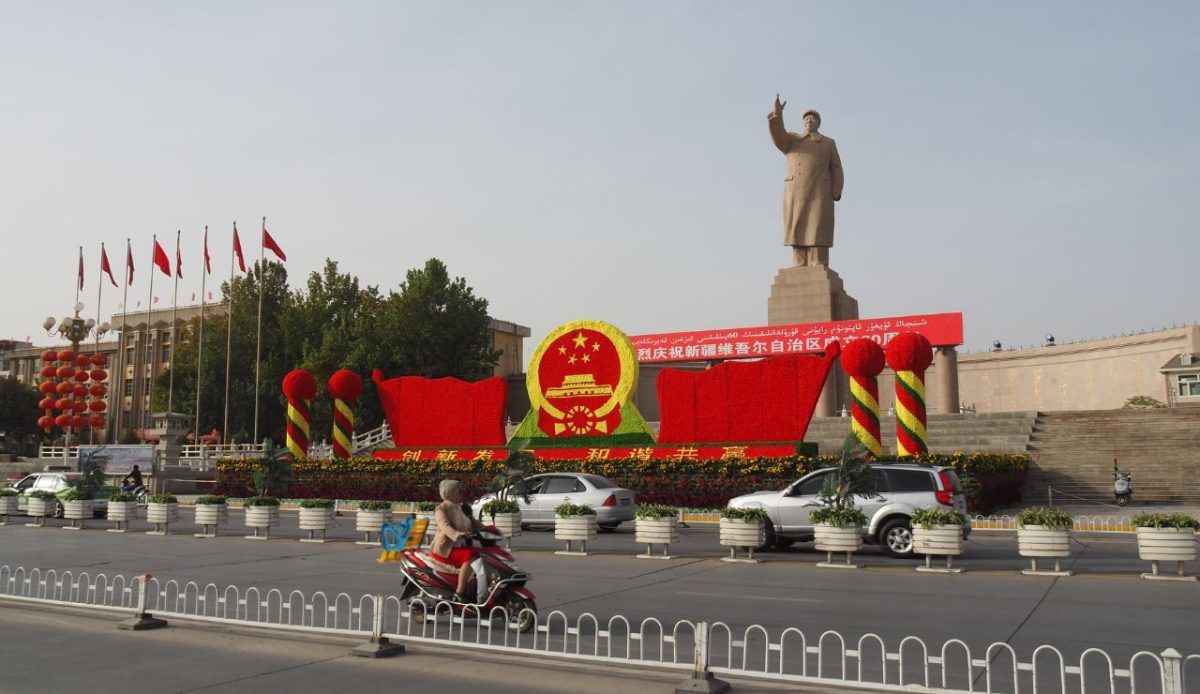
This route through China’s Xinjiang region connects Kashgar, an ancient trade hub, to Turpan, famed for its oasis landscapes. Travelers encounter historic bazaars, mud-brick architecture, and vast desert terrain that stretches for miles. The route passes through the Taklamakan Desert, offering dramatic dunes and remote villages barely touched by modern development. Silk Road history is visible in ancient caravanserais, mosques, and trade relics. Modern travelers can hike, cycle, or drive the route, experiencing the mix of culture, history, and stunning desert vistas that make this journey unforgettable.
2. Samarkand to Bukhara, Uzbekistan
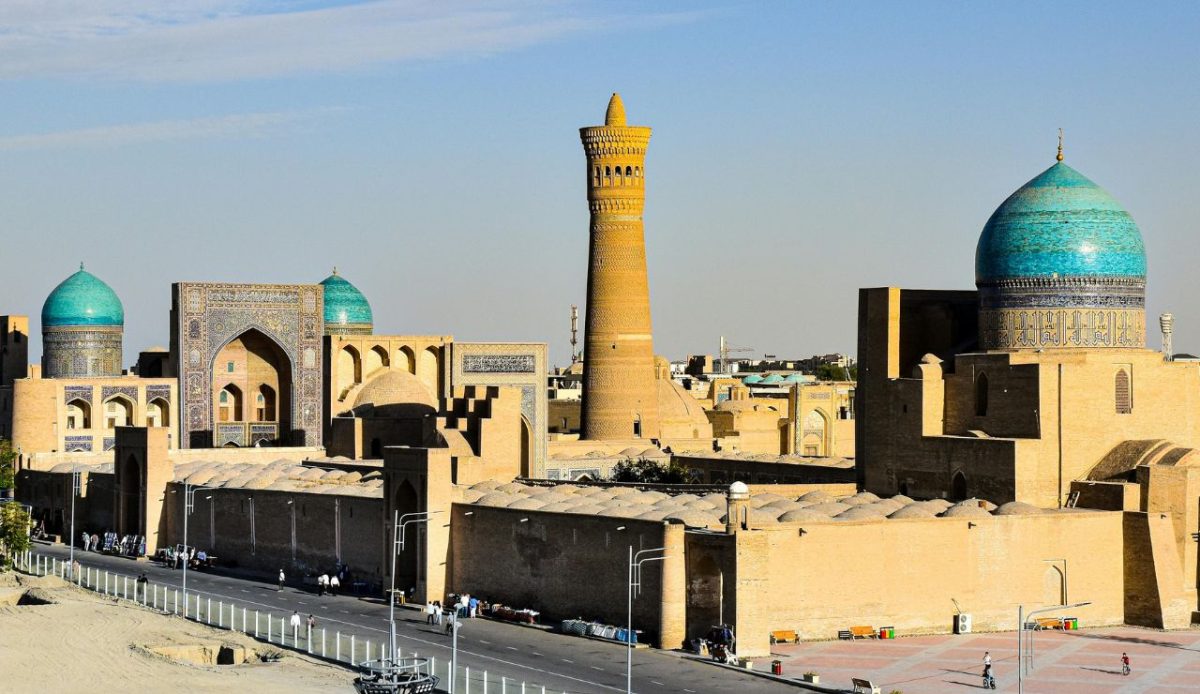
This central Silk Road route links two of Uzbekistan’s most iconic cities: Samarkand and Bukhara. Travelers encounter grand Islamic architecture, majestic mosques, and bustling bazaars alive with tradition. Caravan paths wind through desert plains and fertile valleys, echoing centuries of trade and cultural exchange. Ancient madrasas and mausoleums tell stories of merchants and scholars who once traversed this path. Walking or driving the route immerses visitors in vibrant history, while local cuisine, handicrafts, and colorful marketplaces add sensory richness. Samarkand to Bukhara captures the essence of the Silk Road in modern travel.
3. Tehran to Mashhad, Iran
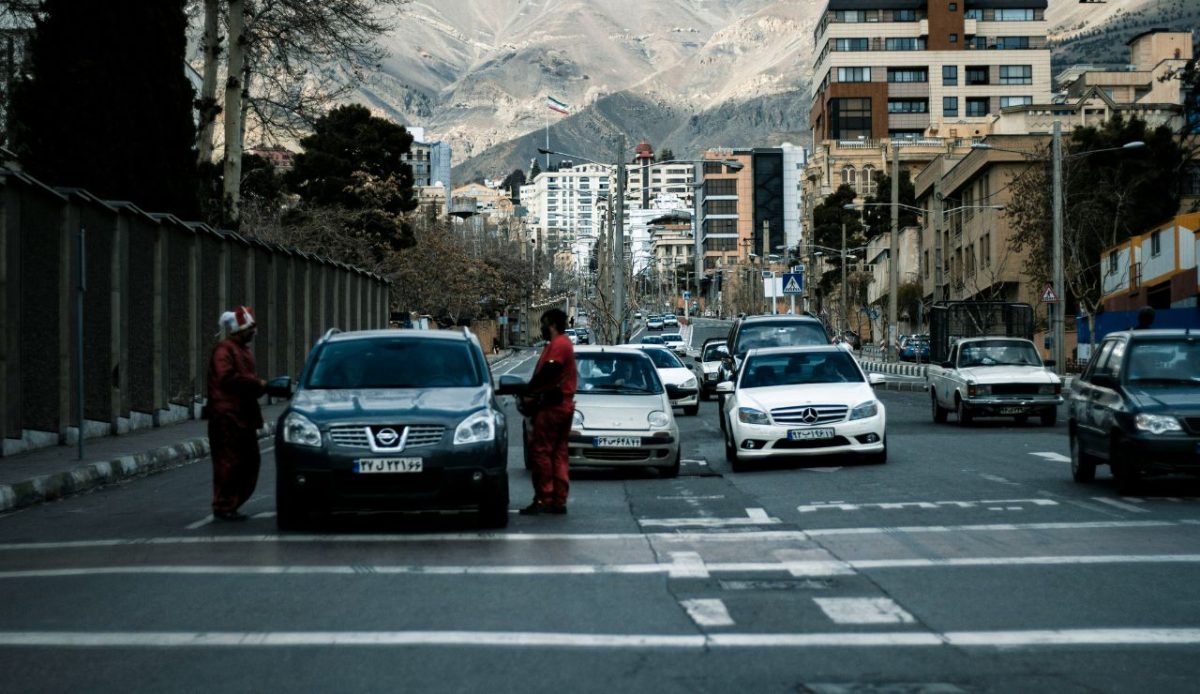
The Iranian segment from Tehran to Mashhad traverses plains, mountains, and historic caravan stops. Travelers encounter Persian architecture, bustling markets, and sacred sites. The route offers insights into trade, religion, and culture that flourished along the Silk Road. Desert landscapes and highlands provide scenic vistas between cities. Along the way, caravanserais and ancient ruins offer a glimpse of the travelers, merchants, and pilgrims who once navigated this path. This journey blends history with modern accessibility, making the trip from Tehran to Mashhad a fascinating Silk Road experience for contemporary travelers.
4. Tashkent to Almaty, Uzbekistan/Kazakhstan
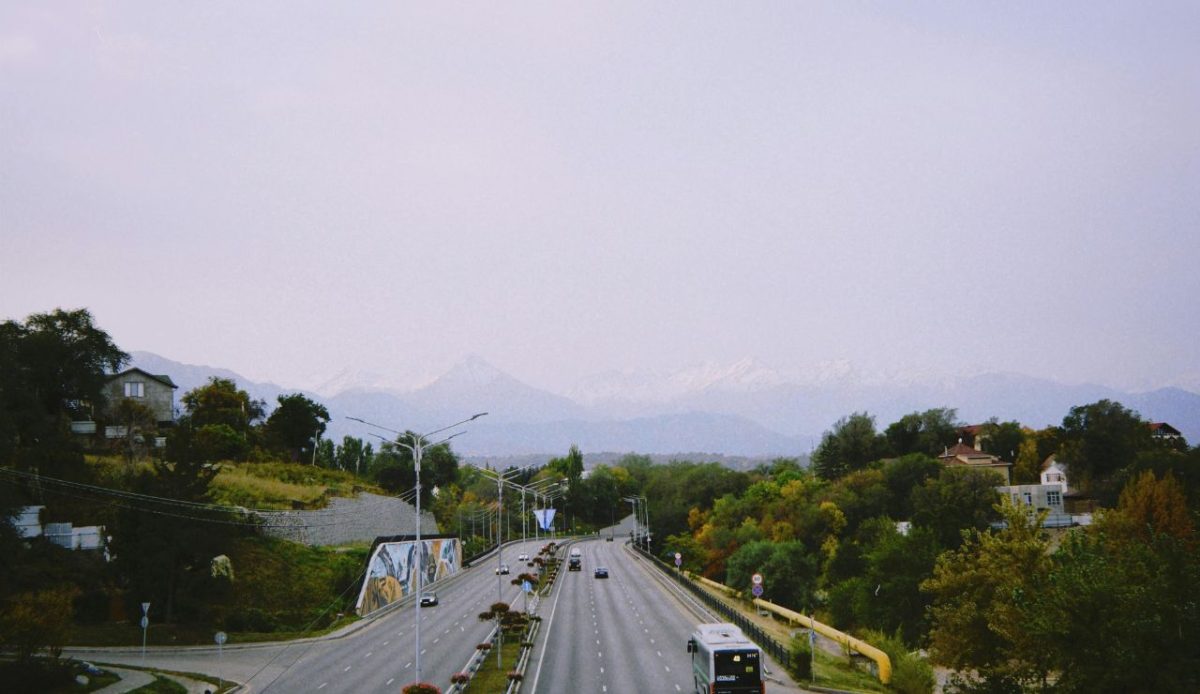
Linking Tashkent in Uzbekistan to Almaty in Kazakhstan, this route passes mountains, valleys, and steppe landscapes. Travelers explore ancient fortresses, trade towns, and scenic passes once traversed by Silk Road merchants. The path offers a mix of Central Asian culture, including local markets, traditional cuisine, and historical monuments. Hiking, cycling, or road travel reveal vast landscapes that shaped trade and migration patterns. Tashkent to Almaty offers a modern perspective on the Silk Road while retaining the historical significance of a route that connected diverse peoples and economies for centuries.
5. Istanbul to Ankara, Turkey
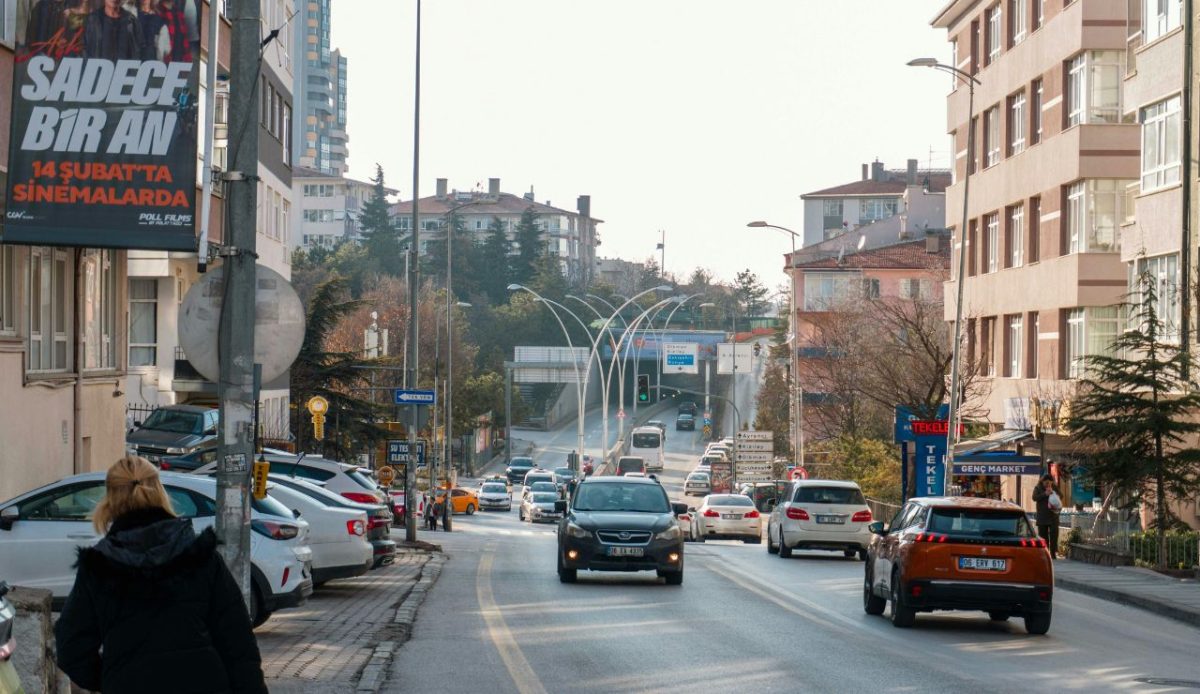
Turkey’s western Silk Road route links Istanbul, the former imperial capital, to Ankara, crossing plains, hills, and ancient trade towns. Travelers encounter Byzantine and Ottoman architecture, bustling bazaars, and cultural heritage sites. Caravanserais and historic mosques highlight centuries of commerce and pilgrimage. The route passes through fertile valleys and semi-arid regions, offering scenic diversity. Modern travelers can follow remnants of the road by car or guided tours, experiencing history firsthand. Istanbul to Ankara blends urban and rural landscapes, revealing the enduring influence of the Silk Road in Turkey.
6. Kashgar to Yarkand, China
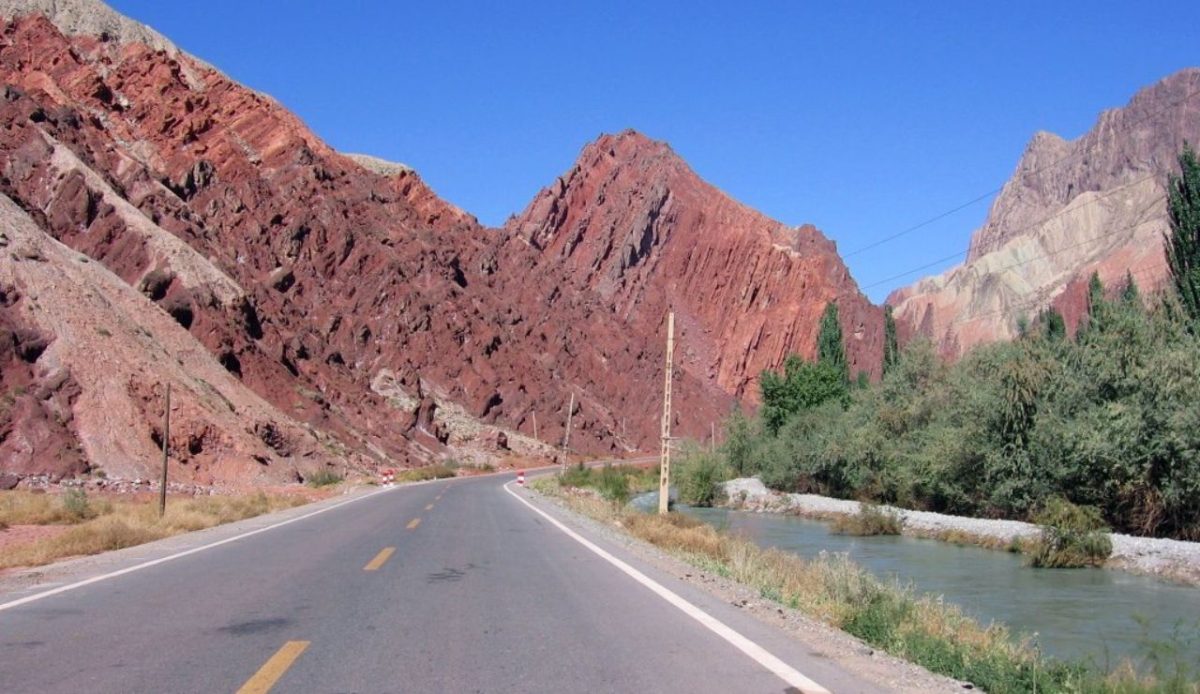
This shorter Chinese route focuses on the journey between Kashgar and Yarkand, both historical trade hubs. Travelers navigate desert terrain, oasis towns, and ancient marketplaces. The path showcases traditional Uyghur culture, architecture, and local crafts. Caravanserais and historic mosques evoke the Silk Road’s bustling past. Hiking, cycling, or road trips offer scenic vistas of mountains and desert landscapes. The route remains less-traveled, allowing an immersive experience of history, culture, and natural beauty, highlighting how Silk Road legacies survive in modern-day Xinjiang for adventurous travelers.
7. Samarkand to Khiva, Uzbekistan
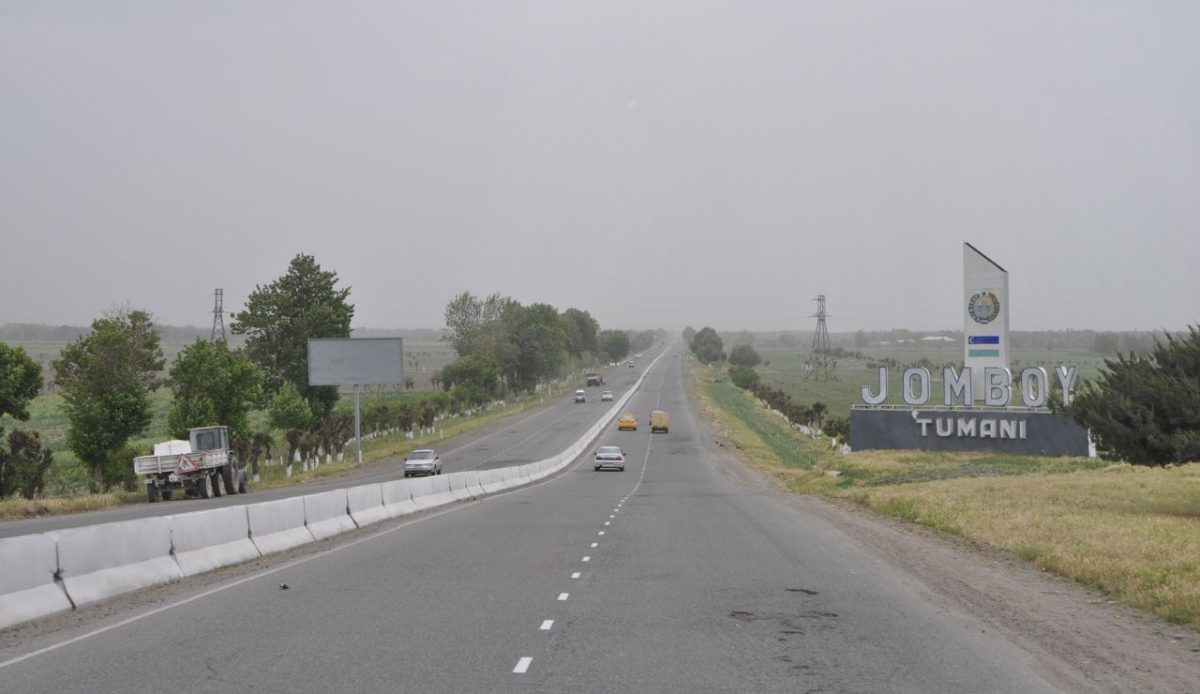
This route connects Samarkand to the desert city of Khiva, passing arid plains and oasis settlements. Travelers encounter minarets, madrasas, and fortified city walls that speak to centuries of trade and scholarship. Caravan paths reveal the routes merchants used to move silk, spices, and ideas. Desert landscapes, local villages, and bazaars offer authentic cultural experiences. Modern travelers can explore this path by car or guided tours, witnessing the remarkable architecture and history that survived the centuries. Samarkand to Khiva blends adventure, heritage, and scenic desert vistas along the historic Silk Road.
8. Tehran to Isfahan, Iran
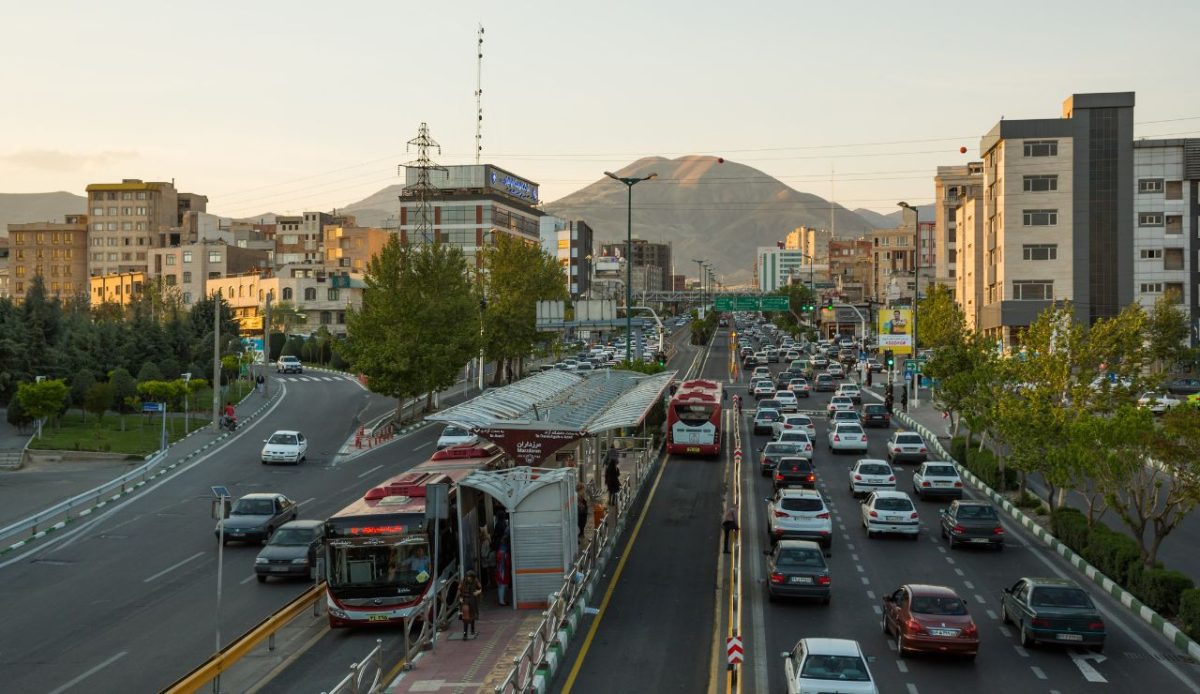
The Tehran to Isfahan route takes travelers through central Iran, revealing historical caravan towns and ancient trade stops. Isfahan’s iconic bridges, squares, and mosques illustrate the Silk Road’s architectural and cultural impact. Between cities, desert plains, and mountains, offer dramatic landscapes that merchants once navigated. Travelers encounter traditional bazaars, local artisans, and Persian cuisine reflecting centuries of commerce. The path is accessible yet steeped in history, allowing travelers to explore a segment of the Silk Road where natural beauty, culture, and urban history converge for a rich travel experience.
9. Kashgar to Hotan, China
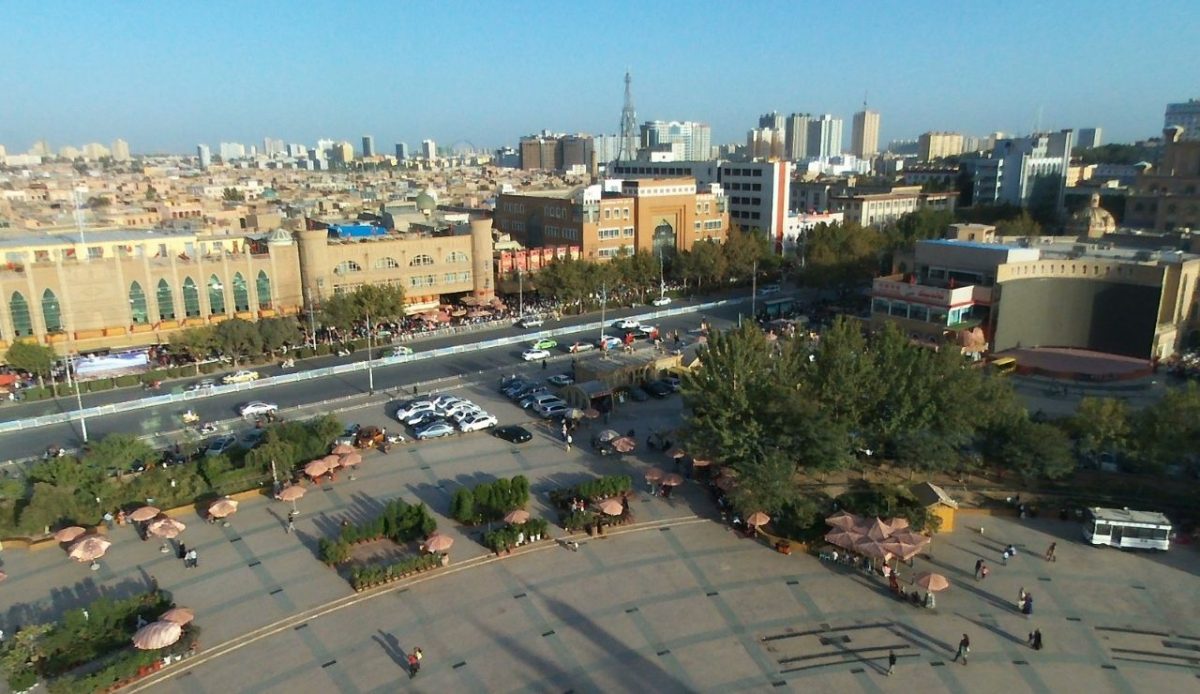
The stretch from Kashgar to Hotan traverses southern Xinjiang, crossing the Taklamakan Desert and ancient caravan towns. Travelers experience dunes, oasis settlements, and historical sites, including caravanserais and traditional markets. The route highlights Uyghur culture, including crafts, music, and cuisine. Desert landscapes provide both beauty and challenge, reflecting the Silk Road’s demanding environment. Modern hikers, cyclists, or drivers can follow remnants of the ancient paths, experiencing history and natural scenery combined. Kashgar to Hotan remains a vivid example of Silk Road heritage alive today.
