
Quiet zones are showing up in more terminals: sensory rooms, calm rooms, prayer/meditation spaces, and even “quiet airport” policies that cut down loud announcements. Fans say they reduce stress, help neurodivergent travelers, and make long delays more tolerable, especially during peak holiday surges.
Skeptics aren’t anti-peace; they worry about missed boarding calls, unclear rules, and whether scarce space is being taken from seating, dining, or family areas. Airlines also rely on paging to fix last-minute gate changes and irregular operations.
Here are nine airports adding or expanding quiet options, plus the practical reasons travelers can’t agree on whether “less noise” always means “better travel.”
1. Denver International Airport
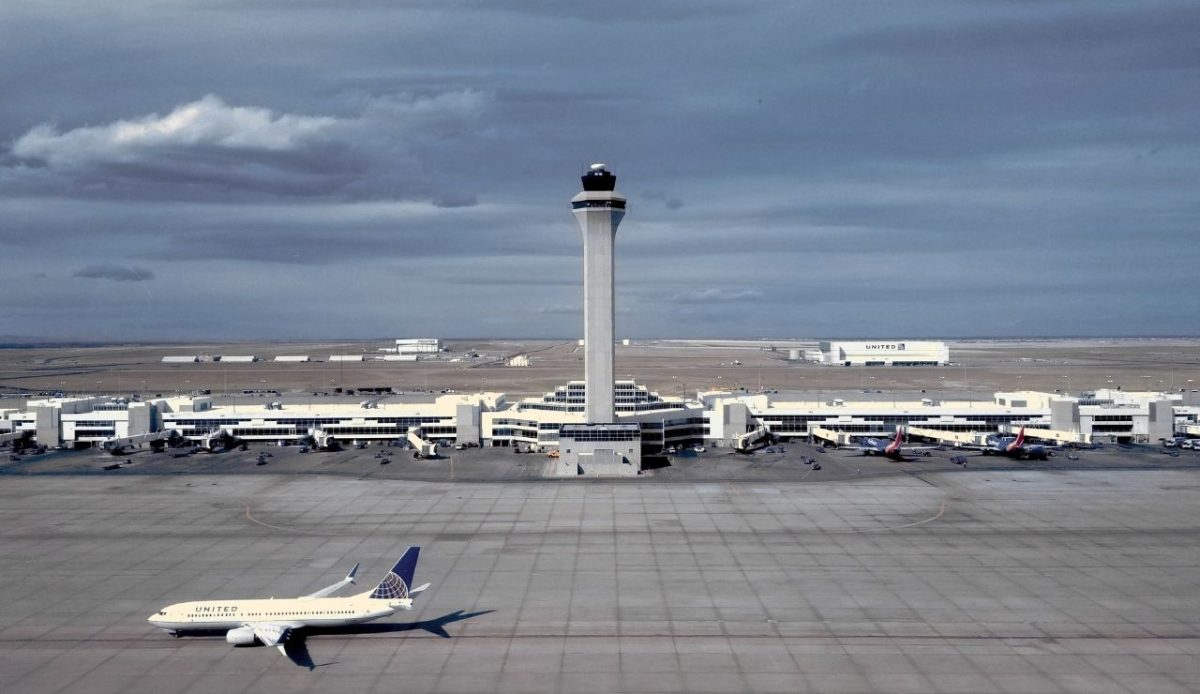
Denver International has tested a “quiet airport” approach by shrinking how far gate microphones can reach, so announcements don’t blanket multiple concourses. The idea is to cut repetitive noise while still keeping critical safety and boarding info available.
Supporters love the calmer vibe in busy corridors and say it helps concentration, especially for families trying to keep kids regulated. It also pushes travelers toward screens for real-time updates.
Others feel it shifts the burden to passengers: if your phone dies, Wi-Fi glitches, or you’re hard of hearing, fewer loud pages can mean more uncertainty. Airlines have also pushed back when they think it hurts operations.
2. San Francisco International Airport
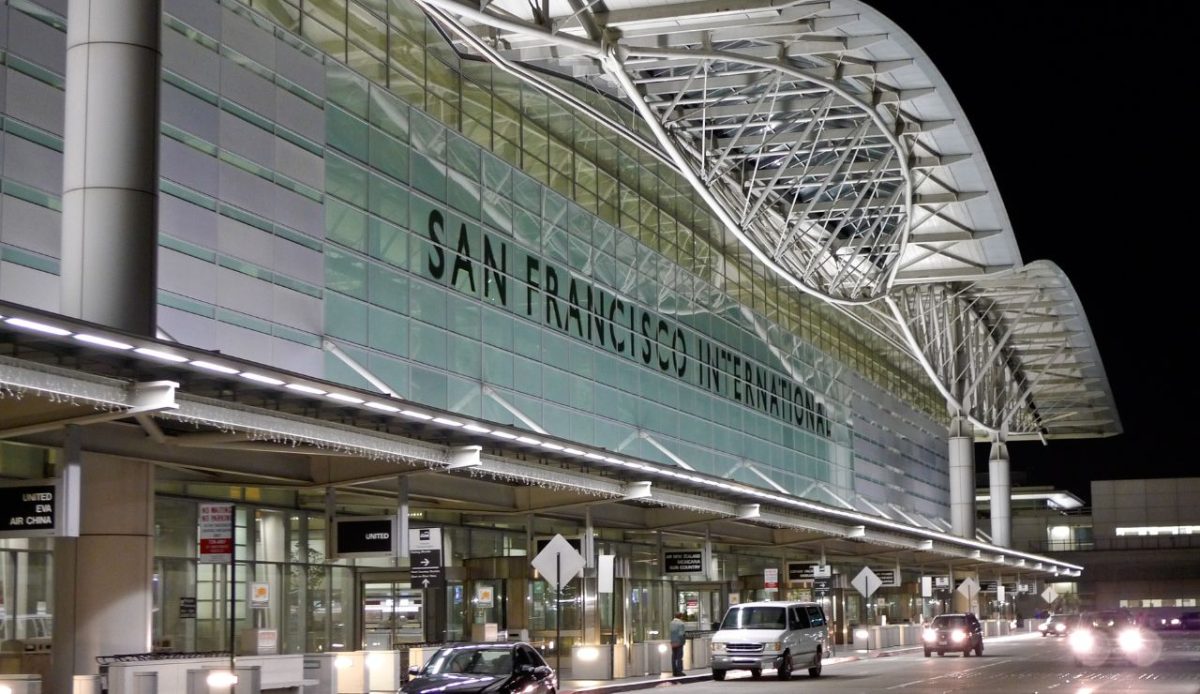
San Francisco International pairs quiet spaces (like free yoga rooms and a sensory room with a dedicated quiet area) with efforts to reduce unnecessary terminal noise. The model is “announce what matters” and let the rest live in apps, screens, and gate-level sound.
Travelers who get overwhelmed by crowds say these zones make layovers survivable, not miserable. A defined quiet room also gives staff a place to guide passengers who need a reset.
The split comes from expectations: some people still want old-school paging as a backstop for gate changes, delays, and final calls. When quiet policies aren’t obvious, passengers may not know where silence is expected or where they can talk normally.
3. Helsinki Airport
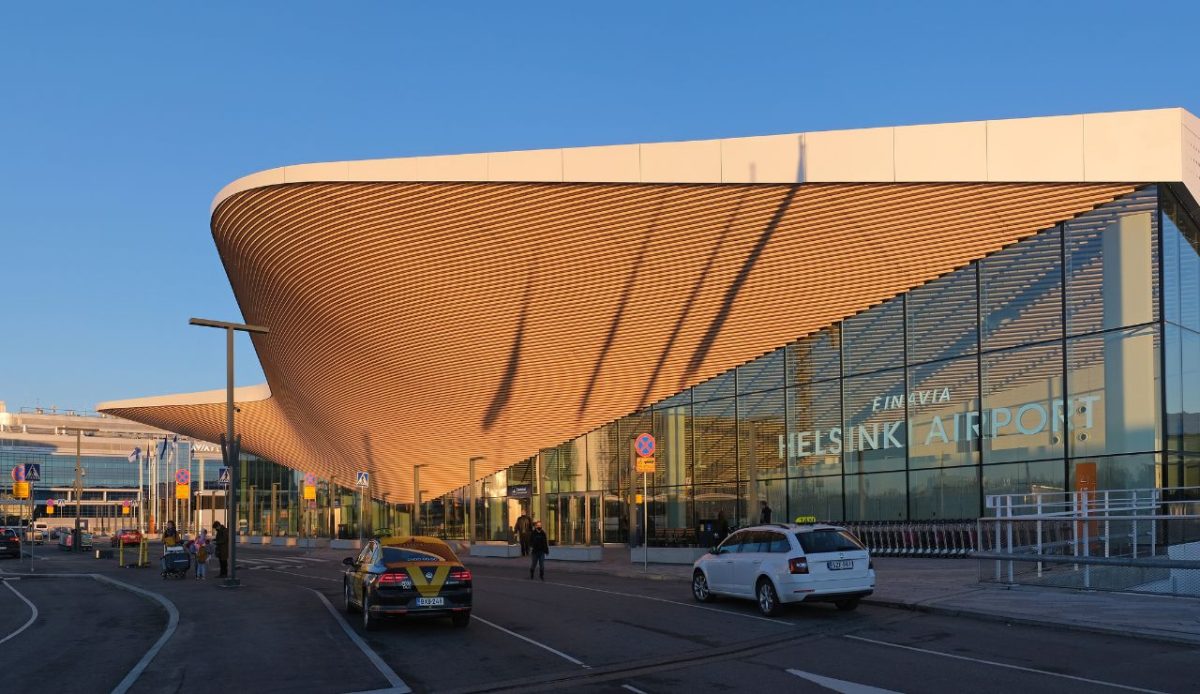
Helsinki Airport expanded its wellbeing offer with a quiet room designed for calm reflection, meditation, or prayer, including a newer 24-hour option near the Schengen gates. It’s framed as open to everyone, regardless of faith, and as a break from the departure hall’s sensory load.
Fans say it’s one of the few places in a terminal where you can truly decompress without paying for lounge access. For anxious flyers, having a predictable “low-stim” spot can change the whole trip.
Critics question signage and capacity: a small room can fill fast, and some travelers worry about etiquette conflicts, quiet users versus those who treat it like a phone booth or nap corner. Airports have to balance openness with clear rules.
4. Singapore Changi Airport

Singapore Changi introduced a dedicated Calm Room built around different sensory needs, with zones intended for quiet rest and gentle stimulation. It’s a more structured version of the classic “quiet corner,” designed to help travelers regulate before or between flights.
Supporters argue it normalizes accessibility: instead of improvising in a noisy gate area, you get a purpose-built space. It also helps families avoid meltdowns without feeling like they’re bothering everyone.
The pushback is practical. Some travelers don’t want scarce terminal real estate used for a room they’ll never enter, and others worry about how quiet spaces are managed when they become popular, lines, time limits, and people using them as lounges.
5. Bengaluru Kempegowda International Airport
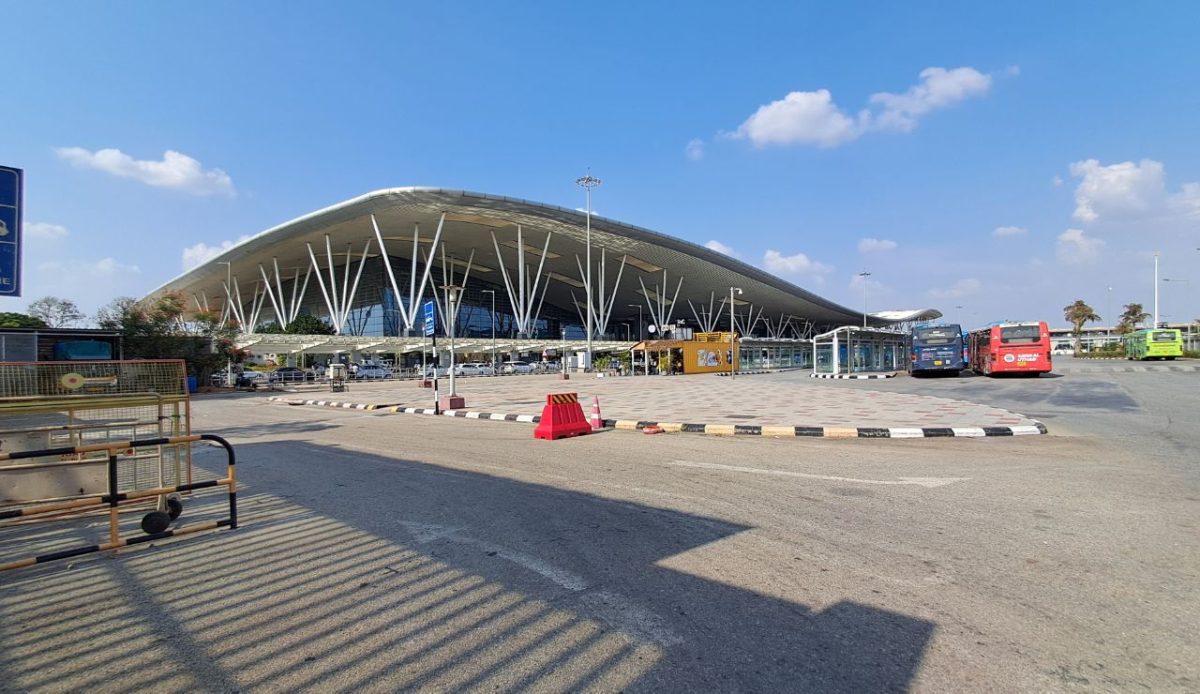
Bengaluru’s Kempegowda International highlighted a sensory room with a quiet zone for people who need low sensory input. These setups typically focus on softer lighting, fewer sudden sounds, and spaces that let travelers pause without drawing attention.
Many passengers see it as overdue, especially for autistic travelers, people with anxiety, and families navigating long queues. A clear “quiet” label also reduces awkwardness; staff can direct someone there instead of improvising.
Skeptics raise a fairness question: if quiet rooms are post-security and limited, who gets priority during rush periods? And because needs vary, one person’s calming behavior can be another person’s distraction, so rules and supervision matter.
6. Los Angeles International Airport
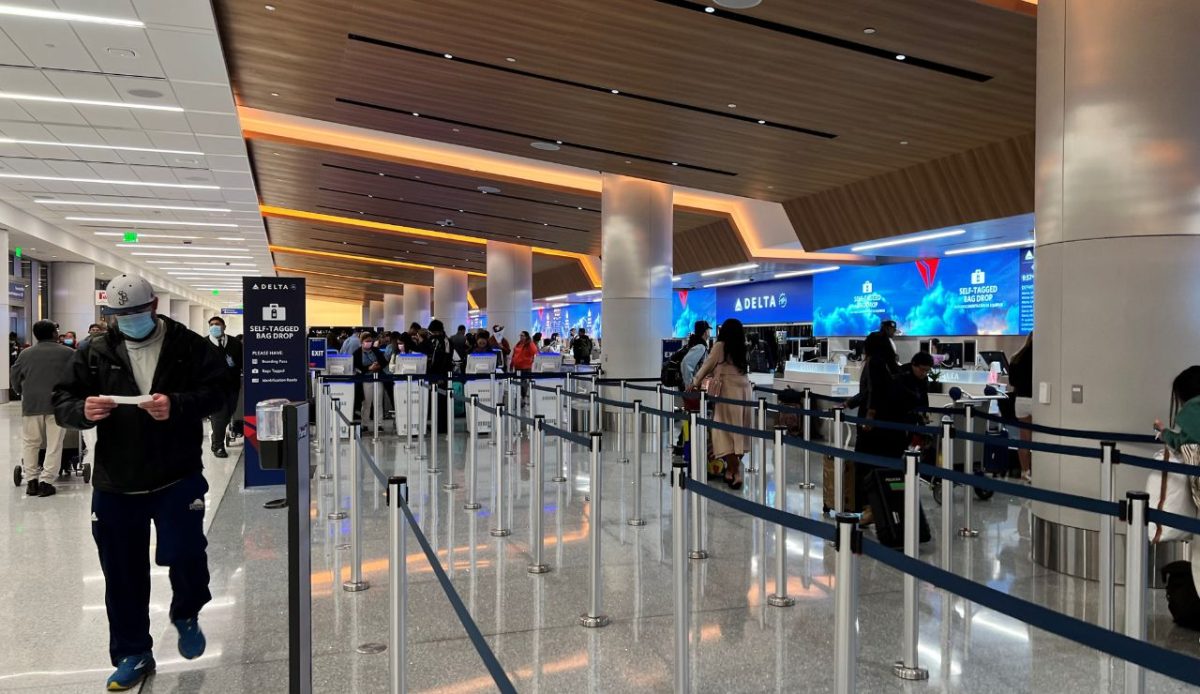
Los Angeles International added a multi-faith prayer/meditation room in the Tom Bradley International Terminal, marketed as a quiet retreat for reflection. It’s part spiritual facility, part practical calm space, useful when you’ve got a long connection and nowhere peaceful to sit.
Supporters like that it doesn’t require a fee, status, or a lounge pass. For many travelers, especially on long-haul itineraries, a predictable, quiet room is a basic dignity feature.
The split comes from boundaries. Some passengers worry about whether the room stays inclusive and genuinely quiet, while others ask why airports don’t put the same effort into more seating, better acoustics, or clearer boarding communications across the terminal.
7. Seattle–Tacoma International Airport
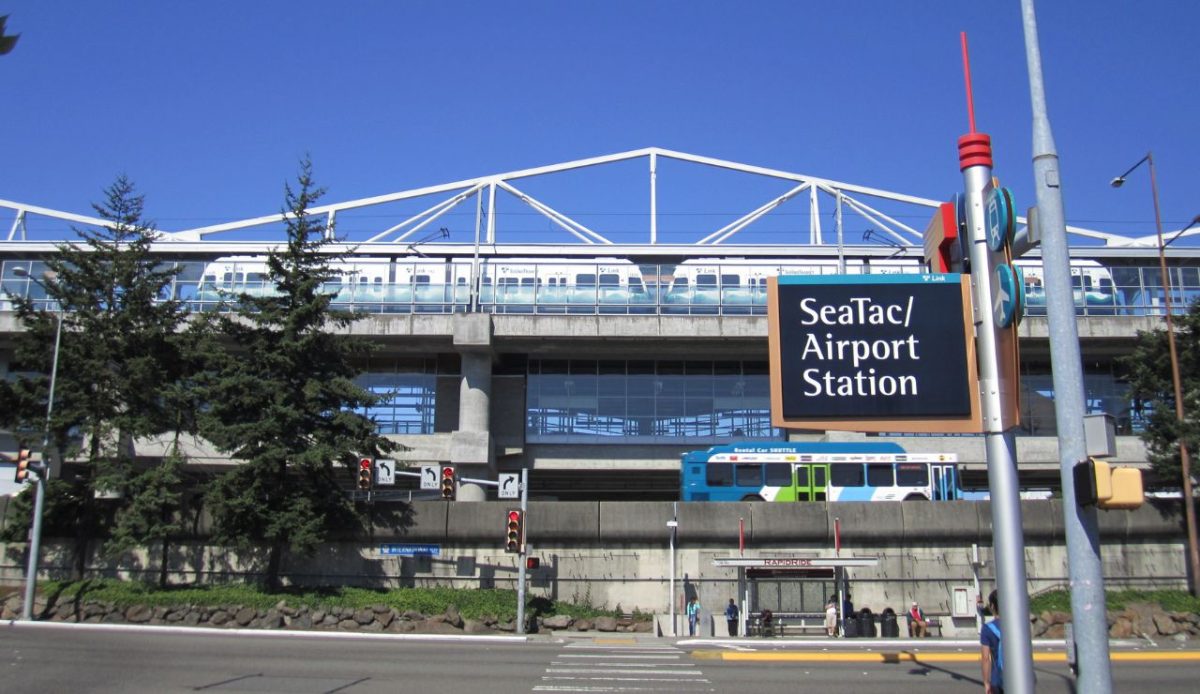
Seattle–Tacoma opened a Sensory Room aimed at reducing travel stress, alongside an interfaith prayer and meditation room. The sensory space is designed as a calming escape from terminal sights and sounds, and it’s positioned as usable by any traveler needing a reset.
Fans say this is what “inclusive design” looks like in real life: a defined low-stimulation option that helps passengers avoid overload before boarding. It also gives airport staff a concrete place to guide someone who’s struggling.
Others worry about demand and expectations. If the room is full or far from your gate, the benefit disappears. Quiet zones can also turn into nap spots, creating friction unless rules, cleaning, and access limits are clear.
8. Kansas City International Airport
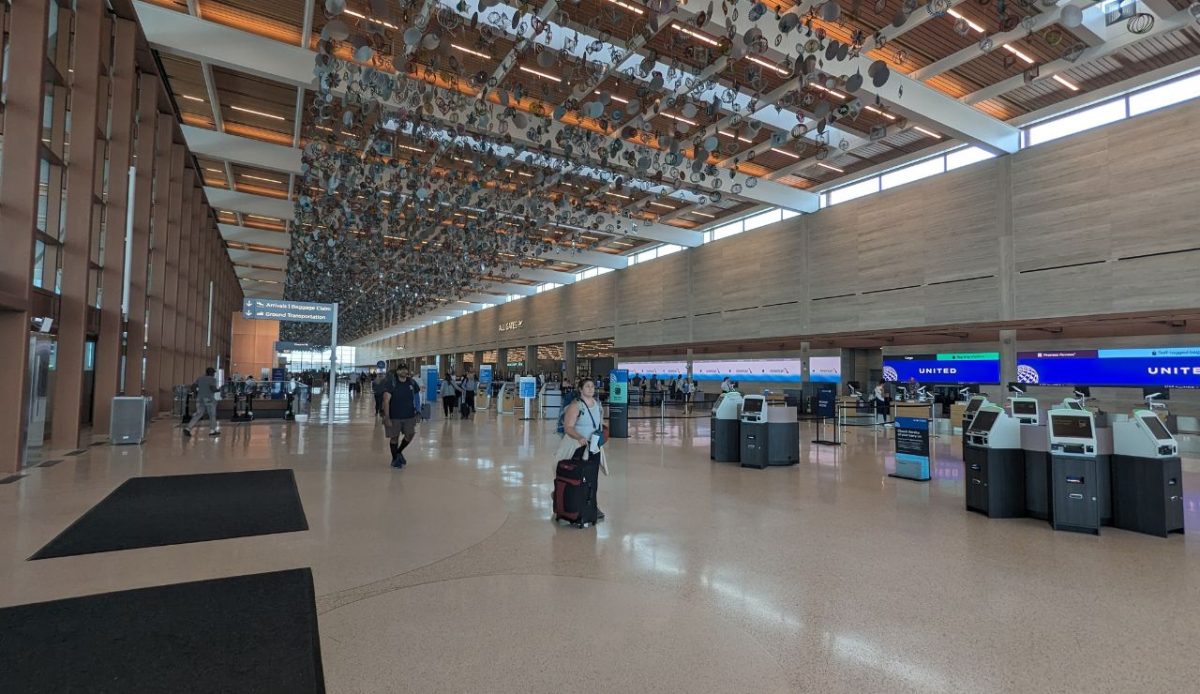
Kansas City International’s newer terminal includes a quiet room and a sensory room as part of its accessibility design. The intent is simple: give travelers a refuge from bright lights, constant motion, and the general airport soundtrack.
Supporters argue it’s practical infrastructure, not a luxury. For anxious or neurodivergent passengers, having a predictable low-stim spot inside security can prevent a bad spiral right before boarding.
The disagreement is about rules and visibility. Some travelers want clearer wayfinding and limits on how long people can stay, while others think “quiet” becomes meaningless if it turns into overflow seating. Airports must choose between staffing, time limits, or an honor system.
9. Portland International Airport
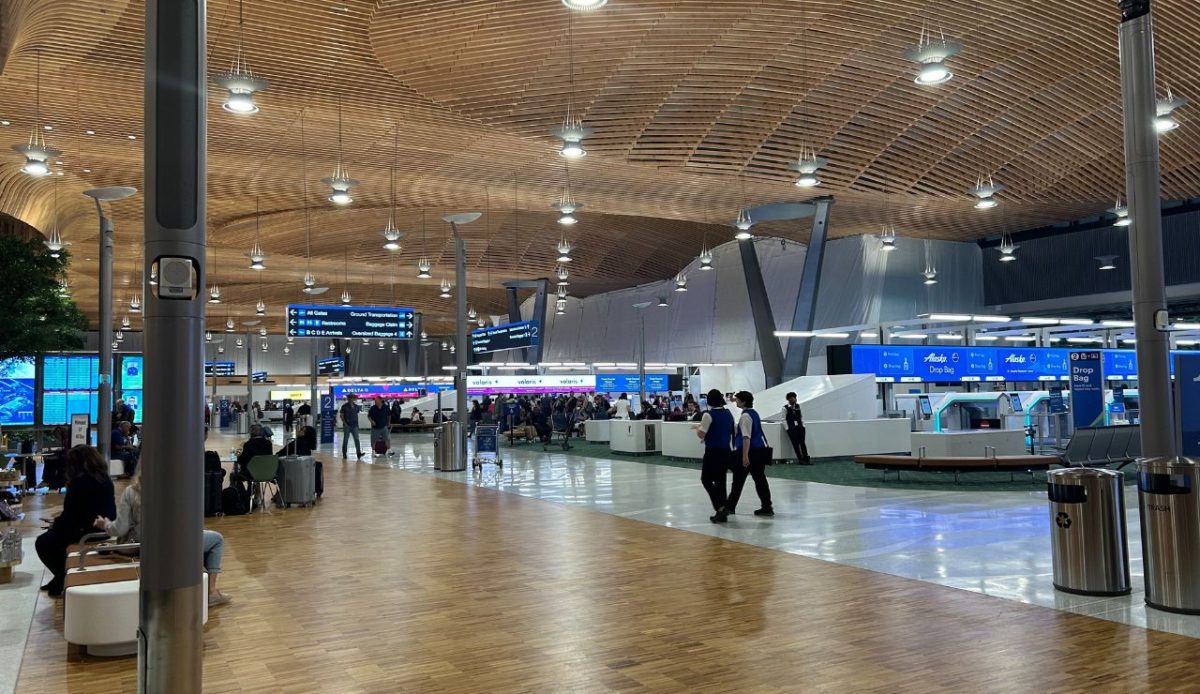
Portland International created a sensory room for travelers who feel overwhelmed and need quiet respite from the terminal. Controlled lighting and calming furnishings are meant to make it feel separate from the rush of announcements, carts, and crowds.
Supporters say sensory rooms are a simple way to improve the airport experience for families, autistic travelers, and anyone dealing with anxiety. They also reduce stigma, because stepping away becomes an official amenity.
Skeptics point to recurring issues: limited capacity, unclear etiquette, and “quiet” rooms getting loud when they’re treated like extra seating. The best setups work when signage sets expectations, and staff can step in if needed.
