
Airline credits can look like simple “money for later,” but in 2026, many travelers say the fine print feels tighter. Credits often come from cancelled trips, schedule changes, or fare drops, yet using them can require matching names, specific fare types, and exact timelines.
Airlines also separate credits into different buckets; some act like vouchers, others behave like leftover ticket value with stricter rules. That makes it easy to assume a credit works one way when it actually works another.
The result is more planning: you may need to book earlier, fly sooner, and keep better records to avoid losing value. These are the nine credit rules that flyers most often describe as harder to use now.
1. Shorter expiration clocks

Many credits still expire on a fixed clock, often tied to the original ticket issue date rather than the day you cancelled. If you booked months in advance, then cancelled near departure, the “usable time” can be much shorter than expected.
Airlines may also separate disruption-issued credits from voluntary-cancel credits. Delta, for example, notes longer validity for some disruption eCredits, while voluntary cancellations commonly run on a one-year timeline.
Travelers say the harder part in 2026 is tracking which clock applies and whether extensions are possible. Some airlines state they won’t extend or reissue an expired credit, so a missed deadline can mean total loss.
2. Travel-by vs book-by deadlines

Not every credit is a simple “book by” deadline. Some require you to start travel by the expiration date, which can force an earlier trip than you planned and complicate round-trip travel.
United explanations highlight that certain credits must be used for travel that begins before the expiration date, not merely reserved before it. Other airlines handle this differently, so the same label can mean different things across carriers.
Travelers say this rule is easier to miss during checkout than painfully obvious after you pay. In 2026, many now confirm whether the deadline applies to the first flown segment, the full itinerary, or only the booking date.
3. Non-transferable, name-matched credits

Airline credits are frequently locked to the original passenger. United notes that future flight credits are normally non-transferable and must be used by the same traveler, which limits flexibility for families and group trips.
Redemption steps can also require identity matching. Delta’s rebooking guidance describes validating an eCredit by confirming the original ticket holder’s name before applying it, reinforcing that these credits are personal, not shareable.
Travelers say the friction shows up in real life: middle names, suffixes, or profile changes can trigger manual review. In 2026, people report spending more time proving “this is me” than actually picking flights.
4. Fare-type limits and add-on exclusions

Credits often inherit the rules of the fare that created them. If the original ticket was basic economy or heavily restricted, the credit may come with similar limits, even when airlines advertise “no change fees.”
Many credits apply to the base fare but not to everything travelers buy now, like preferred seats, bags, upgrades, or some partner itineraries. That matters on busy routes where the headline price is low but the real trip cost is mostly add-ons.
In 2026, travelers say unbundled pricing makes credits feel less like cash. A credit might cover the ticket, yet still leave you paying a big out-of-pocket balance to rebuild the same trip.
5. Residual value becomes a new, smaller credit

If your new ticket costs less than your credit, airlines typically don’t refund the difference in cash. Instead, the leftover value becomes a new credit, sometimes with its own deadlines and conditions.
American Airlines explains that certain credits won’t be extended or reissued after expiration, so small leftover balances can still carry high stakes if you forget about them. Travelers describe this as money getting “stuck in fragments.”
In 2026, flyers say this happens more often because fares swing quickly. You change once, end up with a smaller remainder credit, then have to repeat the process to avoid losing it, which encourages overpaying just to zero out the balance.
6. Limited to specific airlines, channels, or ticket stock
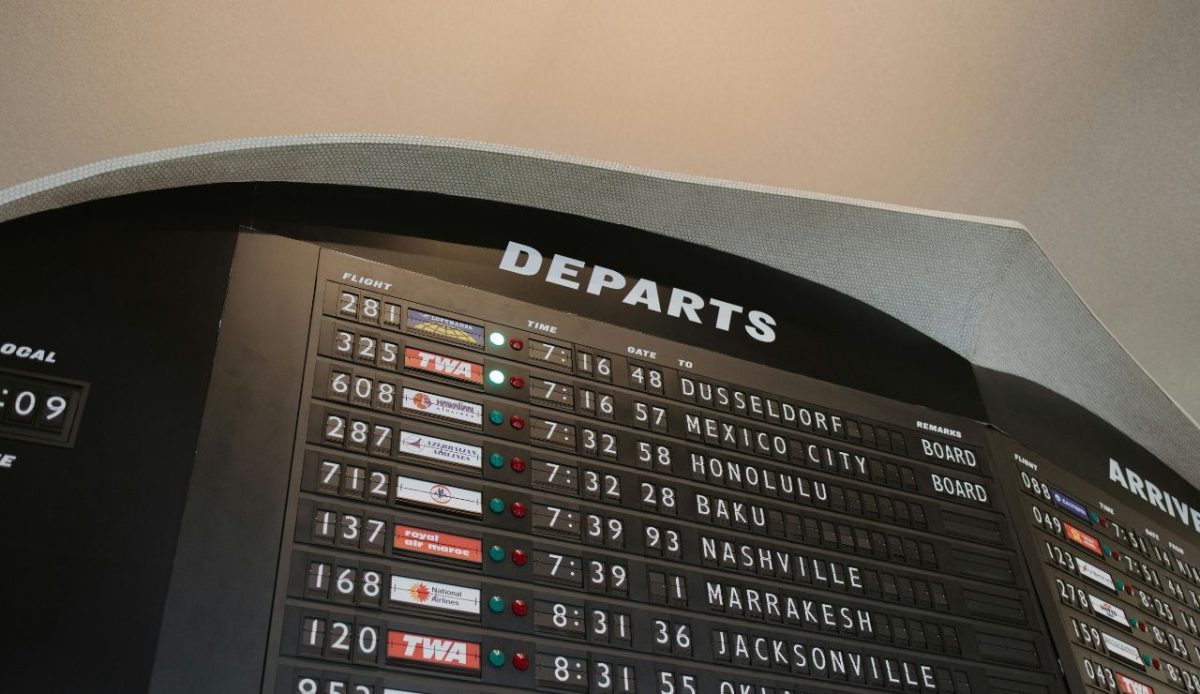
Some credits are valid only on the issuing airline and only on tickets sold and ticketed directly by that airline. If your best replacement route is a codeshare or partner-heavy itinerary, the credit may not apply cleanly.
Booking channel also matters. Credits tied to third-party purchases can require extra steps, while airline-issued credits may only work on the carrier’s website or app, not through every travel agent or portal.
Travelers say this feels harder in 2026 because networks and schedules keep shifting. When the “best” option is a mixed-carrier itinerary, a same-airline-only credit can push you toward longer routings or worse departure times.
7. Limits on combining credits and split payments

Airlines may cap how many credits you can apply to one booking, or require a call once you exceed a limit. Families notice this when multiple passengers cancel separately and then try to pool credits for one replacement trip.
Split payments can add another layer. A booking might mix a credit with a card, points, or a voucher, and later changes can cause each portion to be refunded differently, creating multiple new credits with different conditions.
In 2026, travelers say the policy is less of a problem than the execution. The website may reject combinations that should work, turning a “quick rebook” into a long customer service session at all.
8. Digital lookup, validation, and account friction

Credits often require online redemption and accurate lookup details. You may need the exact ticket number, confirmation code, or profile login, and some systems won’t surface the credit automatically unless everything matches.
Delta’s process, for instance, describes finding an eCredit and then validating it by entering the original ticket holder’s name before applying it. If you booked as a guest, changed emails, or can’t find the number, the credit can feel invisible.
Travelers say the 2026 pain point is scattered records, emails, wallets, apps, and multiple profiles. The practical risk is simple: if you can’t locate and validate the credit at checkout, you pay cash again.
9. New expiration rules on previously flexible credits
Policy shifts have also reduced the “use it whenever” cushion some travelers relied on. Southwest, for example, moved to expiration dates for flight credits created from reservations booked or changed on or after a set date in 2025.
When a carrier adds a firm clock, it changes cancellation behavior. A credit that once could sit until your next big trip now pushes you to book and travel sooner, even if prices and schedules aren’t ideal.
Travelers say in 2026 they treat credits like perishable items. Reports also note that airlines may block easy workarounds designed only to refresh dates, so the safest assumption is that most credits are time-limited unless explicitly stated otherwise
