
Bridge collapses are rare, but warning signs are tracked long before a span fails. Inspection teams look for deformation, section loss due to corrosion, cracked beams, and support movement that alters how loads transfer into the ground.
When those findings reach a critical threshold, agencies close or restrict a bridge because a posted sign cannot fix an unstable member. Traffic removal is used when engineers cannot confirm remaining capacity with confidence.
The eight cases below were selected because officials documented active structural hazards and kept closures or hard restrictions in place. Each section explains the failure mechanism that triggered action and what condition still must be corrected.
1. SR 165 Carbon River Fairfax Bridge, Washington
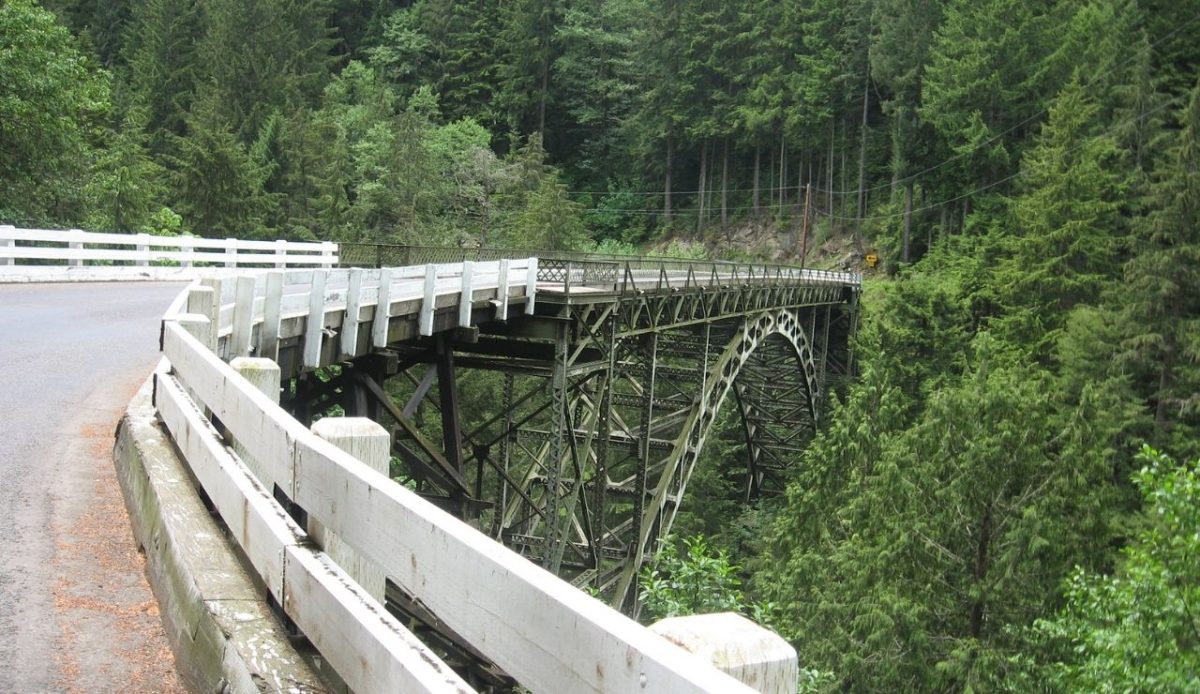
WSDOT permanently closed the SR 165 Carbon River Fairfax Bridge after inspections found new steel deterioration across the truss. Agency photos show a support column bent in two directions and starting to buckle, signaling instability in a primary load path.
Inspectors also noted advanced deterioration in multiple gusset plates, the connections that tie truss members together. When plates thin, force transfer becomes uneven, and remaining members can be overstressed under ordinary traffic.
The bridge remains closed because buckling and weakened connections cannot be controlled with a posted limit. Major repair or replacement is required before reliable capacity can be restored.
2. Atkins Clark Bridge, Bossier Parish, Louisiana
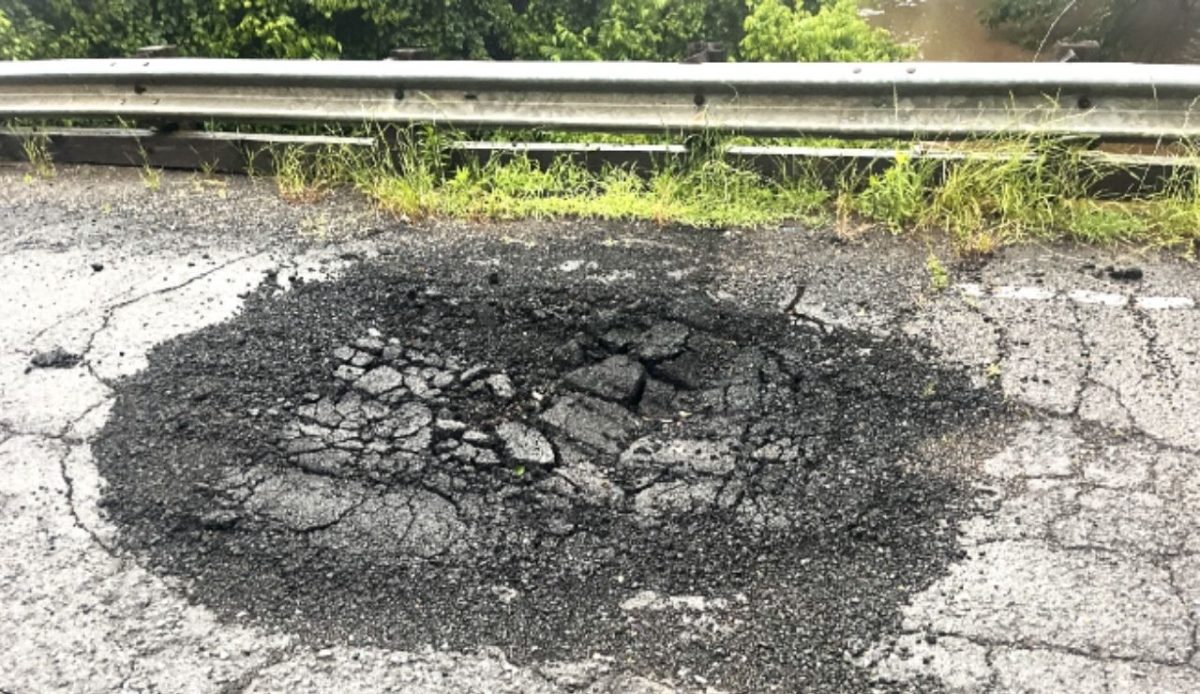
Bossier Parish ordered an immediate closure of the Atkins Clark Bridge in May 2025 after structural sinkage was observed. Sinkage means the supports or approaches are settling, changing geometry, and shifting load into joints not designed for that alignment.
Unlike surface damage, settlement can advance with rainfall, soil changes, or repeated vibration. As the support moves, bearings can bind, deck joints can open, and cracking can start in areas that once carried little stress.
The bridge remains closed indefinitely because stability must be reestablished before a safe load rating can be issued. Until the foundation condition is corrected, reopening would risk loss of support that could lead to collapse.
3. Interlaaken Bridge, Lakewood, Washington
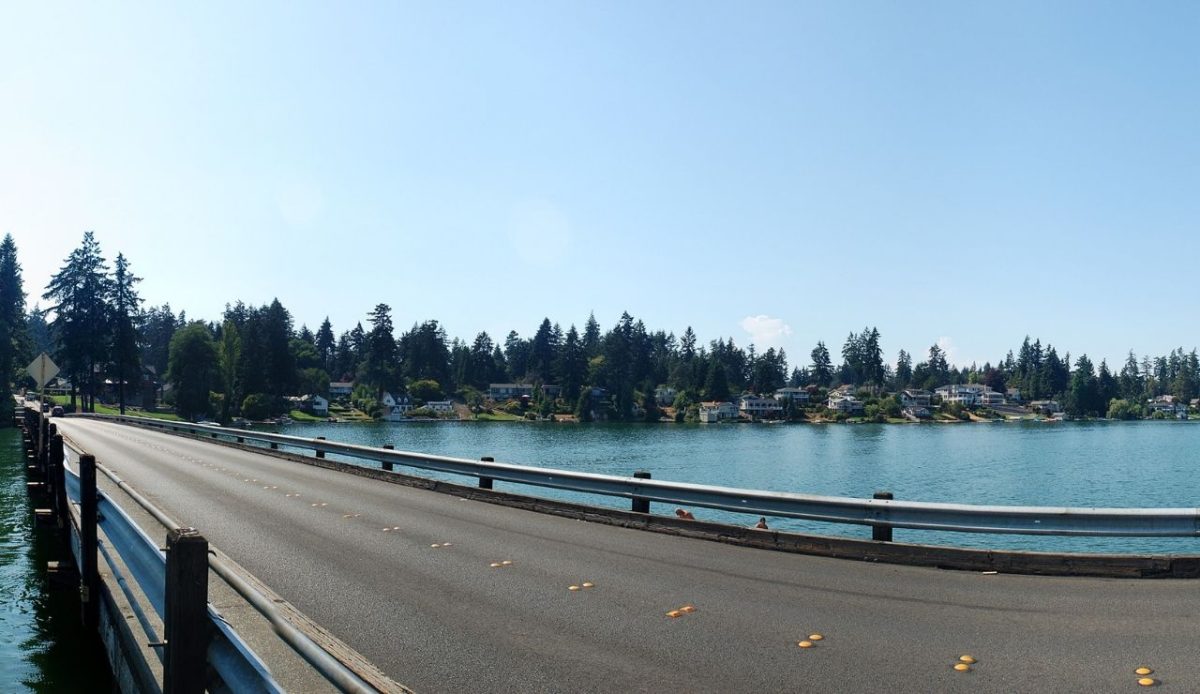
Lakewood, Washington, closed the Interlaaken Bridge to all vehicles and pedestrians after an emergency assessment found a high rate of deterioration in the wood beams. Those beams are primary load-carrying elements, so material loss directly reduces bending and shear capacity.
Timber members can weaken internally from decay and moisture cycling, leaving little visual warning before a split or crush failure occurs. Because the bridge relies on many similar beams, one weak segment can overload adjacent pieces and trigger cascading damage.
The city kept the closure indefinite while repair and replacement plans are developed. Removing all traffic prevents added stress on degraded beams and avoids a sudden break that could drop the deck.
4. Walpack Bridge, New Jersey
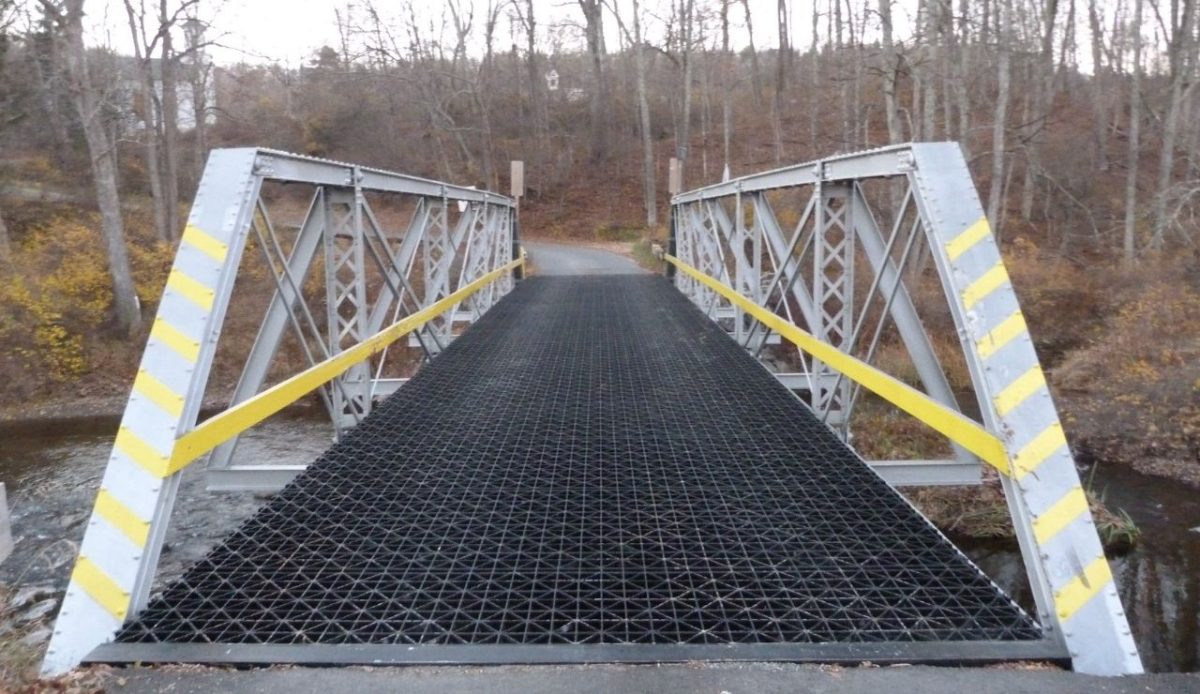
The National Park Service lists the Main Street bridge in Walpack, New Jersey, as closed because of structural damage. It carries local access inside Delaware Water Gap National Recreation Area, and the restriction indicates the span cannot safely carry normal traffic.
Damage at small river crossings often involves section loss in steel, degraded timber members, or undermined supports after high water. Each mechanism reduces stiffness and can shift loads into remaining pieces that were not meant to act as the main support.
The closure remains until repairs or replacement restore a verified capacity. Keeping vehicles off limits during load cycles can extend cracks and prevent failure during another high-flow season.
5. 16th Street Viaduct Bridge, Milwaukee, Wisconsin
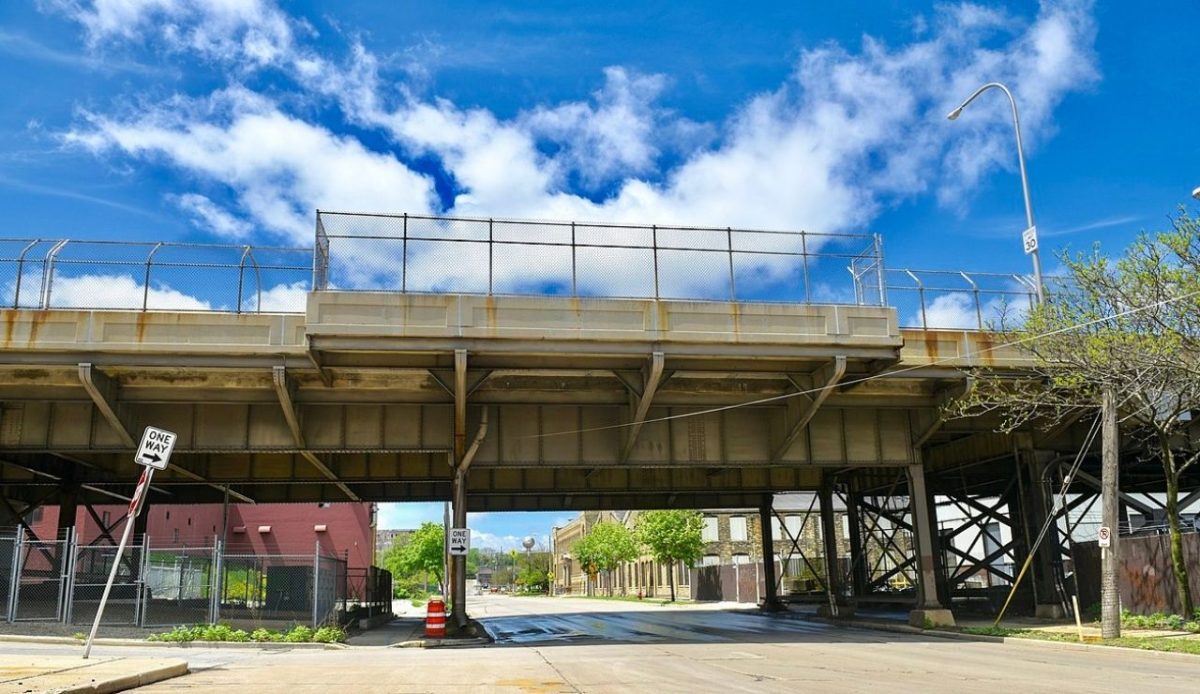
Milwaukee’s Department of Public Works closed the 16th Street Viaduct, also called the James E. Groppi Unity Bridge, after an in-depth inspection found a floor beam with accelerated wear. Floor beams support the deck and pass wheel loads into the main system, so one weak beam can trigger a sudden localized drop.
DPW said the beam required immediate replacement, and the full viaduct had to close because the defect sits where traffic forces cannot be bypassed. Replacement is not quick since the new beam must match the original geometry and connections.
City updates indicate the closure is expected to last into April 2026. Keeping vehicles off avoids repeated loading that could fracture the weakened beam and start a progressive failure sequence.
6. Overlake Bridge, Ocean Shores, Washington
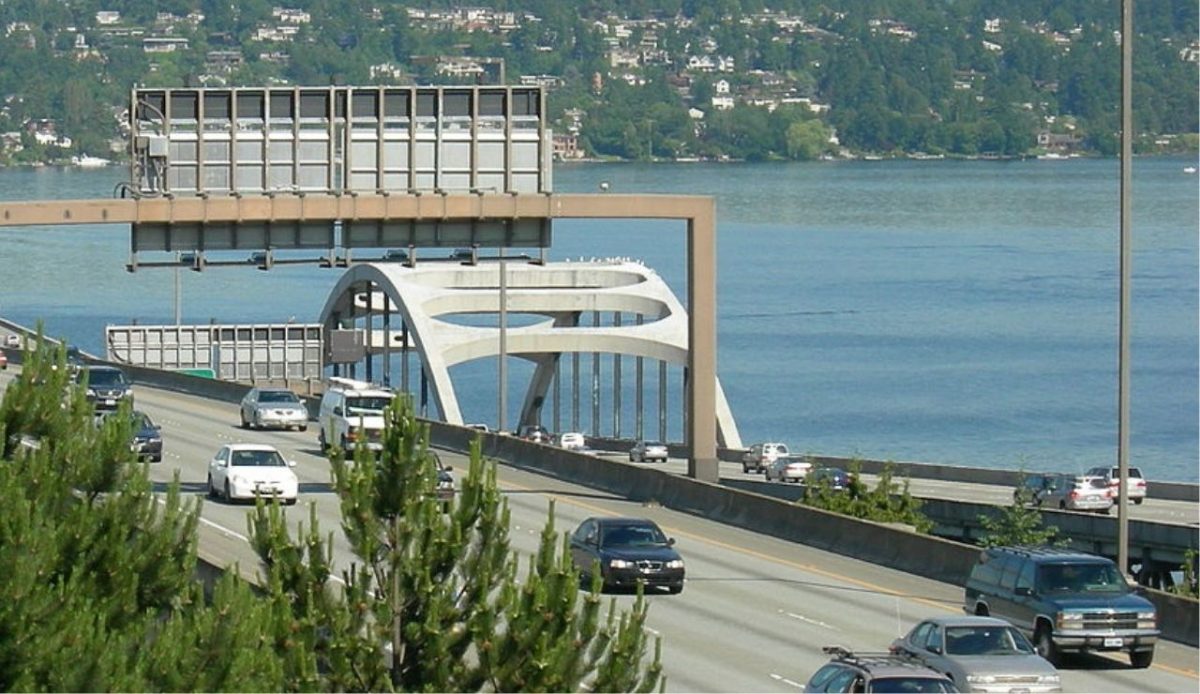
Ocean Shores, Washington, closed the Overlake Bridge after routine timber inspections identified a critical issue with an abutment. An abutment anchors the end of a span and keeps the deck aligned, so damage can compromise bearing support and allow the bridge to shift under load.
Abutment failures can involve rot in timber elements, fastener loss, or erosion that removes backfill and reduces resistance to sliding. When support weakens, loads concentrate at fewer points, and the deck can settle or twist, raising fracture risk.
The city kept the bridge closed until repairs were completed and checked. Keeping vehicles off prevents added movement at the damaged end and lowers the chance that a support slip causes partial collapse.
7. Stuyvesant Falls Bridge, New York
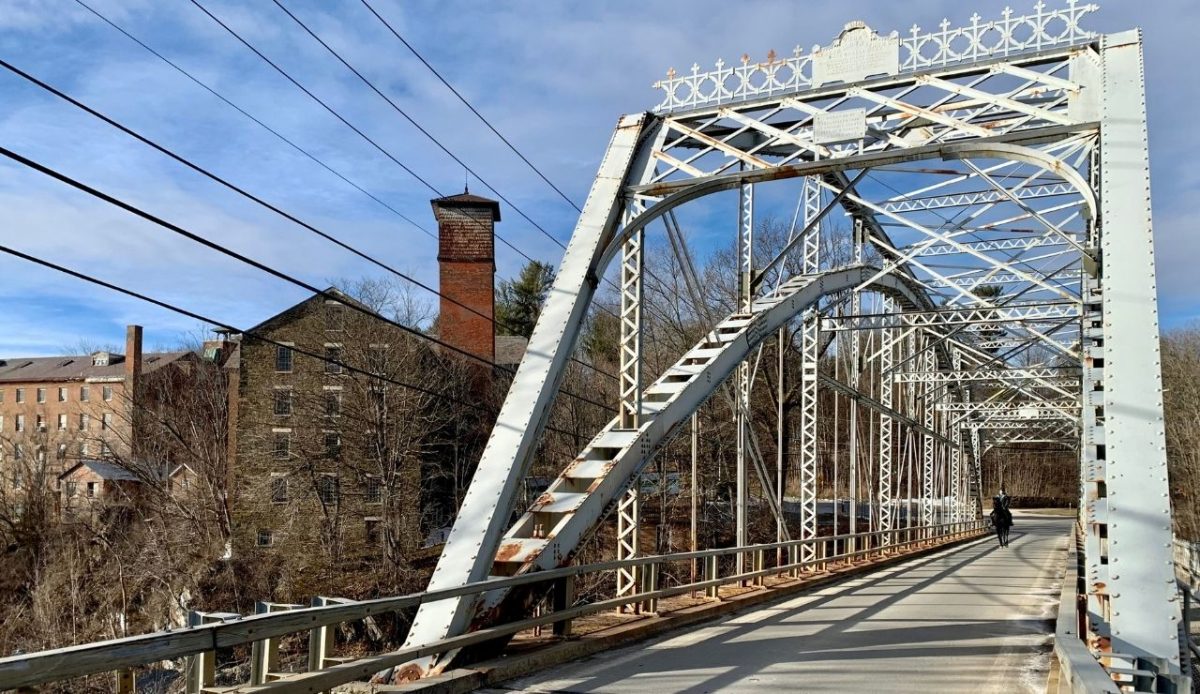
The Stuyvesant Falls Bridge in Columbia County, New York, was closed to vehicles on January 12, 2026, after NYSDOT raised concerns and requested an updated load rating. A load rating converts observed deterioration into a verified weight limit, so traffic is stopped when capacity cannot be confirmed.
Town notices said the bridge will stay closed until the updated report arrives, while consultants recheck member thickness and connections flagged during the fall inspection. These checks look for section loss and joint weakness that reduce redundancy.
Keeping vehicles off avoids stressing a truss that may be near its allowable limit. After the rating is issued, the bridge may reopen under strict limits or remain closed for major work.
8. Sunset Hill Road Bridge, Greenough, Montana
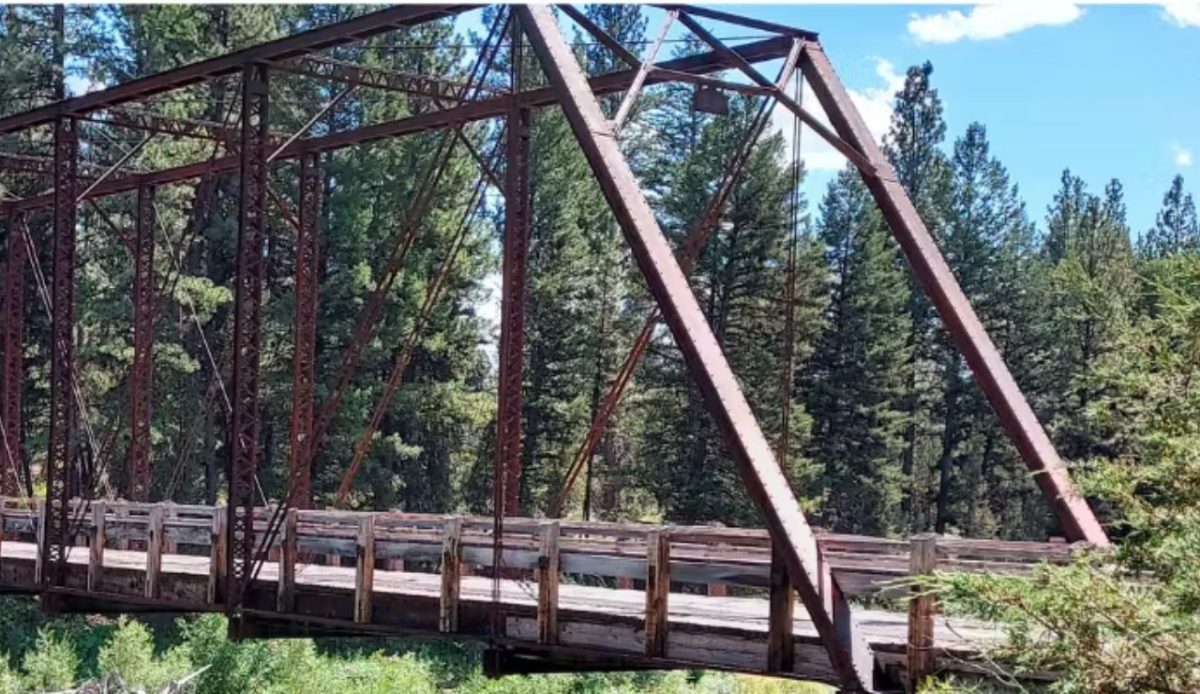
Missoula County Public Works closed the Sunset Hill Road Bridge near Greenough, Montana, in September 2025 after a Montana DOT inspection found concerns serious enough that the bridge could not carry traffic safely or reliably. The closure applies to all uses, including walking, which indicates primary element risk.
County statements described deformation on a truss member as a key issue. Deformation changes load geometry, and repeated loading can extend movement into cracking, connection loosening, or buckling, especially when corrosion has reduced thickness.
The bridge remains closed while repairs are planned and managed. Keeping all users off limits added stress on the deformed member and reduced the chance of sudden truss failure.
