
National parks handled record demand in 2024 while staffing stayed tight in many units. Vacant ranger roles and delayed seasonal onboarding can thin coverage at gates, campgrounds, and patrols. When crews run short, hours shrink, maintenance slips, and emergency response may slow.
This article covers eight parks where staffing gaps were described in the 2025 reporting and park updates. Each park is tied to a clear effect, such as closed fee posts, reduced visitor center time, or safety strain. The focus stays on visible impacts.
The examples include crowded corridors and remote terrain where rescue readiness depends on staffing. Pressures differ by season, yet the same tradeoffs appear. People are moved to essentials; other work is postponed.
1. Yosemite National Park
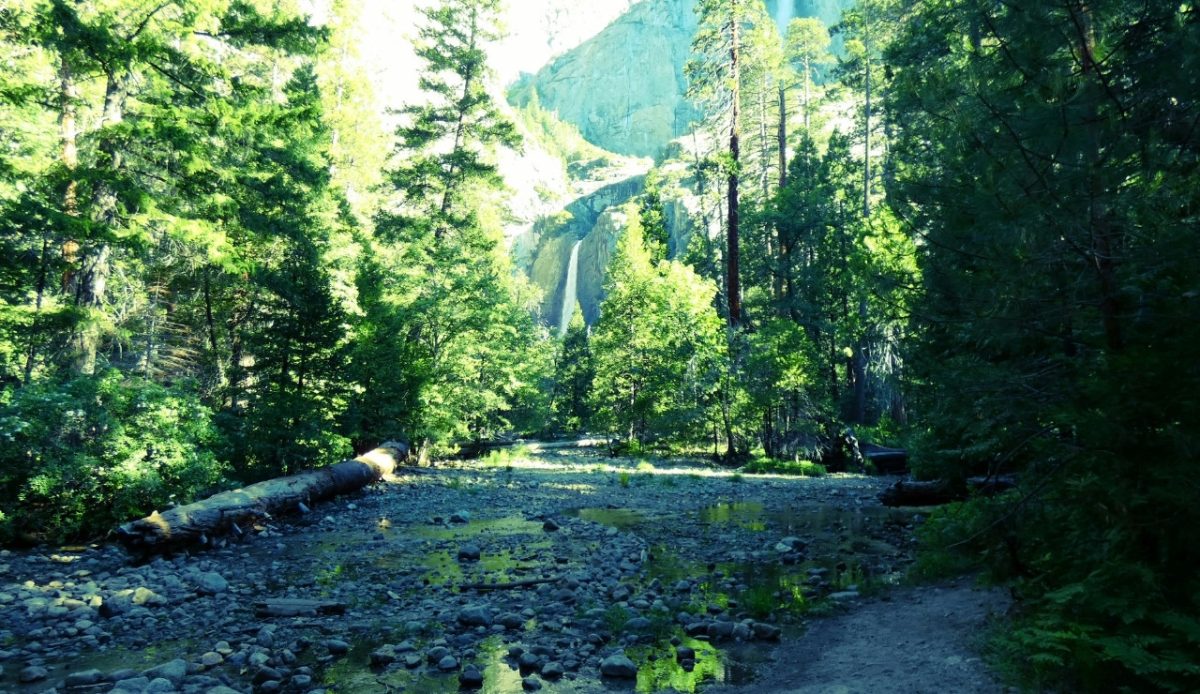
Yosemite draws intense summer use, so gates, campgrounds, and patrols need steady staffing. In 2025, reporting described staff being pulled from other duties to cover sanitation and entry work. That reshuffle shows that frontline capacity was strained.
With fewer rangers available, traffic control and trail checks can be reduced, raising risk in crowded zones. Search and rescue calls compete for the same people needed for law enforcement and medical response. Some programs may be paused so safety duties stay staffed.
Restrooms, trash, and campground oversight protect health and prevent closures. When crews are short, hours can be shortened and services limited. Daily priorities shift to keep critical functions covered.
2. Crater Lake National Park
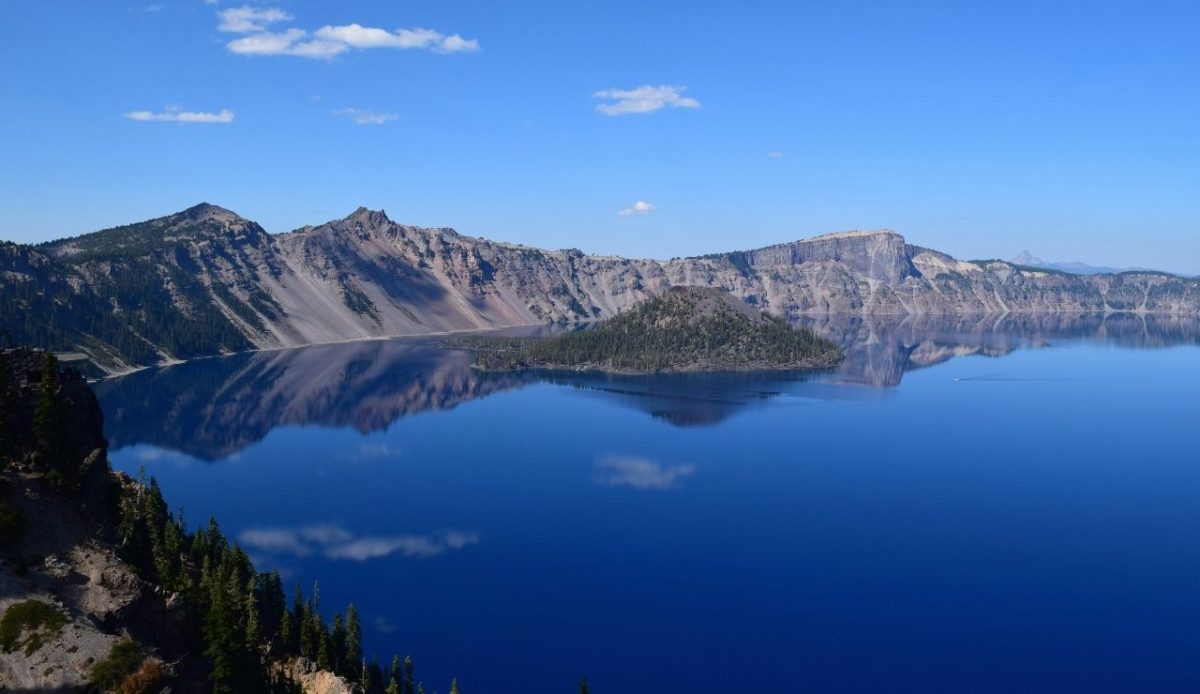
Crater Lake relies on a small crew to clear snow and open Rim Drive each year. In 2025, reporting tied staffing gaps to the risk that losing one key operator could disrupt road work and access. The superintendent’s resignation was linked to safety concerns under low staffing.
Snow removal and heavy equipment work require trained operators who cannot be replaced quickly. When those roles stay vacant, opening dates can slip, and visitors arrive in a shorter season. That adds pressure on rangers handling hazards.
Visitor services and patrol coverage may be adjusted to match available shifts. Maintenance projects can be deferred so basic operations continue. In a remote park, thin staffing makes disruptions harder to absorb.
3. Zion National Park
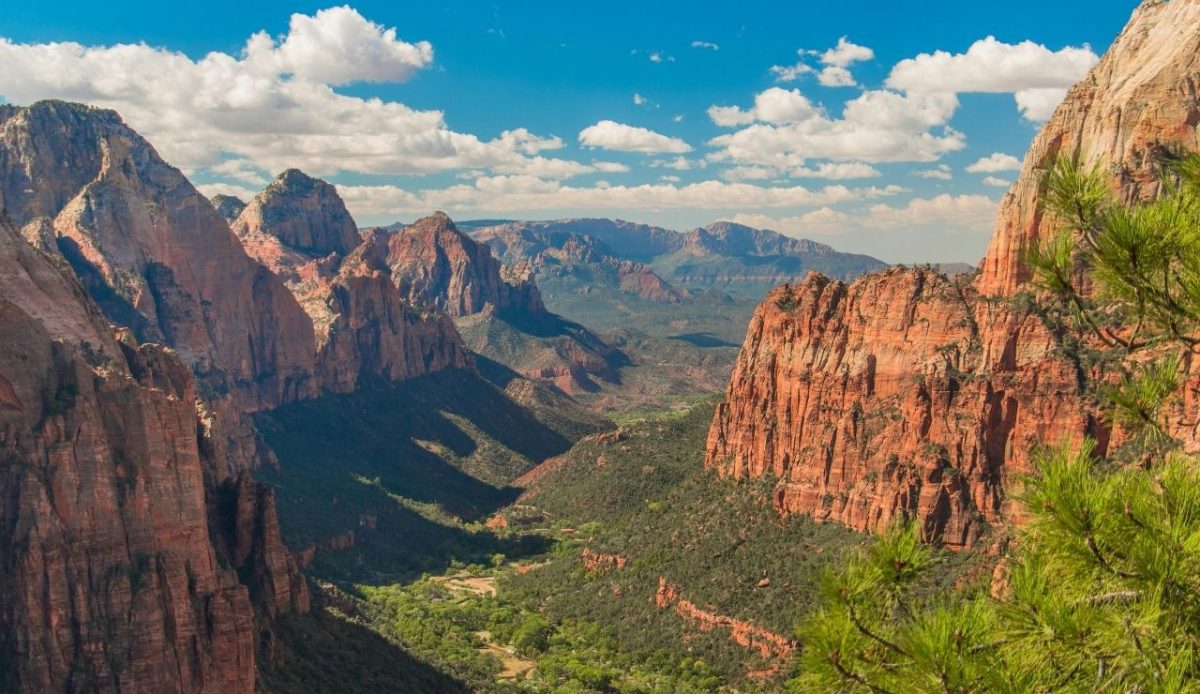
Zion has high visitation and narrow canyon corridors that demand constant traffic and trail management. Updates summarized by park advocates described multiple fee stations being closed due to staffing shortages. Longer entry waits were tied to the staffing gap.
When the fee posts close, fewer staff direct vehicles and answer safety questions upon arrival. Rangers handle heat illness, flash flood risk, and technical rescues in canyons. With fewer personnel, response capacity can be stretched.
The same updates described delays to tasks such as water testing and inspections when staffing ran short. Those checks support safe operations for facilities used by large crowds. Managers shift effort to essentials and postpone other work.
4. Acadia National Park
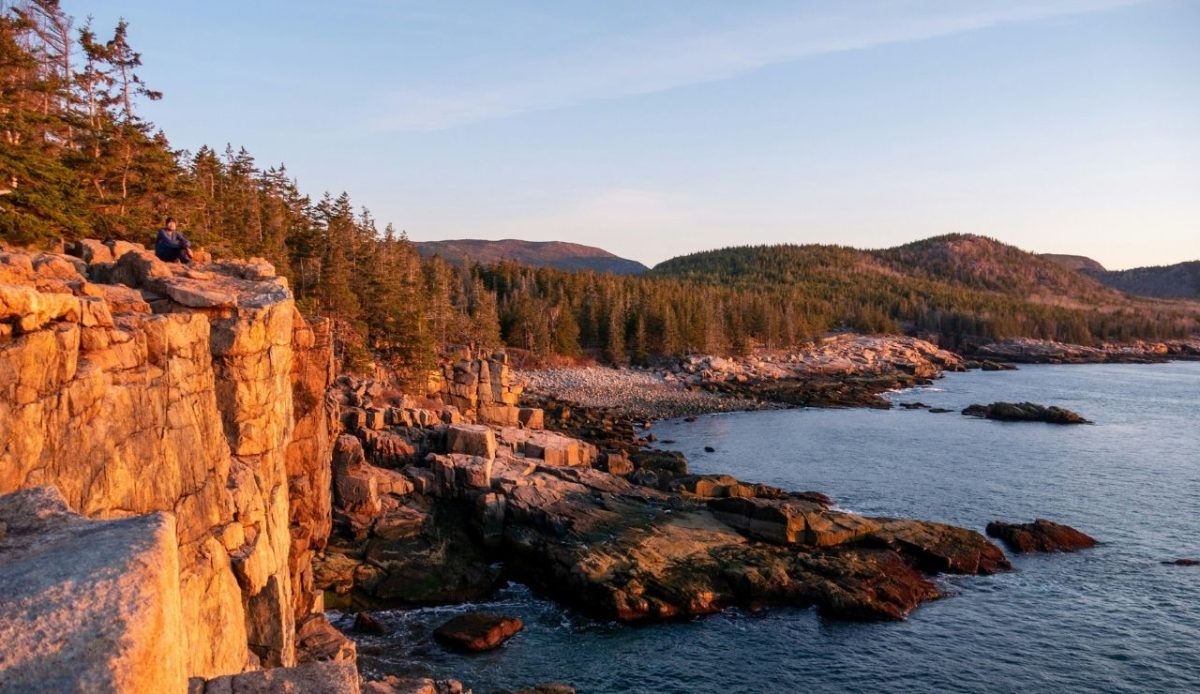
Acadia has heavy summer demand on a compact road network, so entrance staffing shapes congestion and access. Park updates showed vacant fee positions that reduced entrance station staffing and shortened hours. Longer waits were linked to staffing shortages.
Fee staffing supports visitor contact where rules and safety guidance are shared early. When stations are short-staffed, rangers may be pulled from other duties to manage queues. Other work can then be delayed.
Acadia Rangers cover trail patrols, medical calls, and resource protection along busy coastal routes. When staffing is thin, some programs and routine maintenance may be reduced. Managers’ focus shifts to keeping roads and trails open safely.
5. Denali National Park
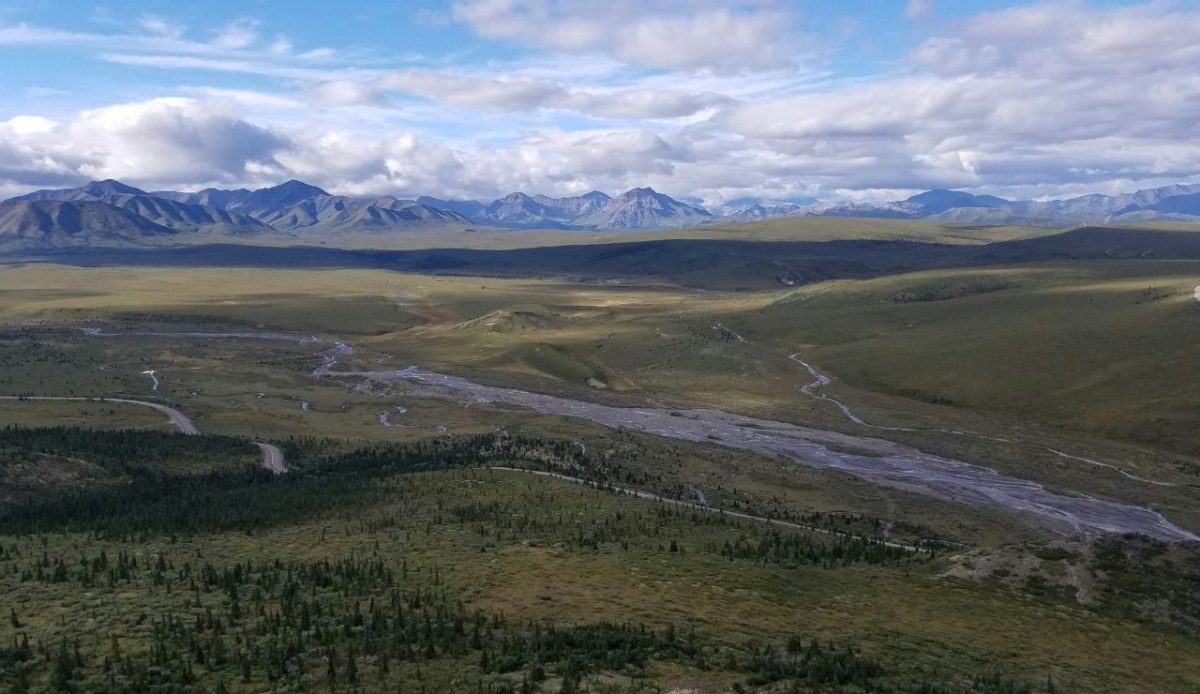
Denali operates in remote terrain where staffing supports wildlife safety and backcountry response. Park summaries reported reduced visitor center and ranger station hours, plus program cutbacks when staffing ran short. Those changes were tied to staffing impacts.
Incidents can require long travel and coordination with other agencies. When fewer rangers are available, shifts are built around rescue readiness and enforcement over education programs. Some field activities are reduced to protect coverage.
The park relies on seasonal staff for summer transportation and visitor services. When hiring lags, remaining staff absorb tasks, and fatigue risk increases. Hours and offerings are adjusted so safety standards are maintained.
6. Glacier National Park
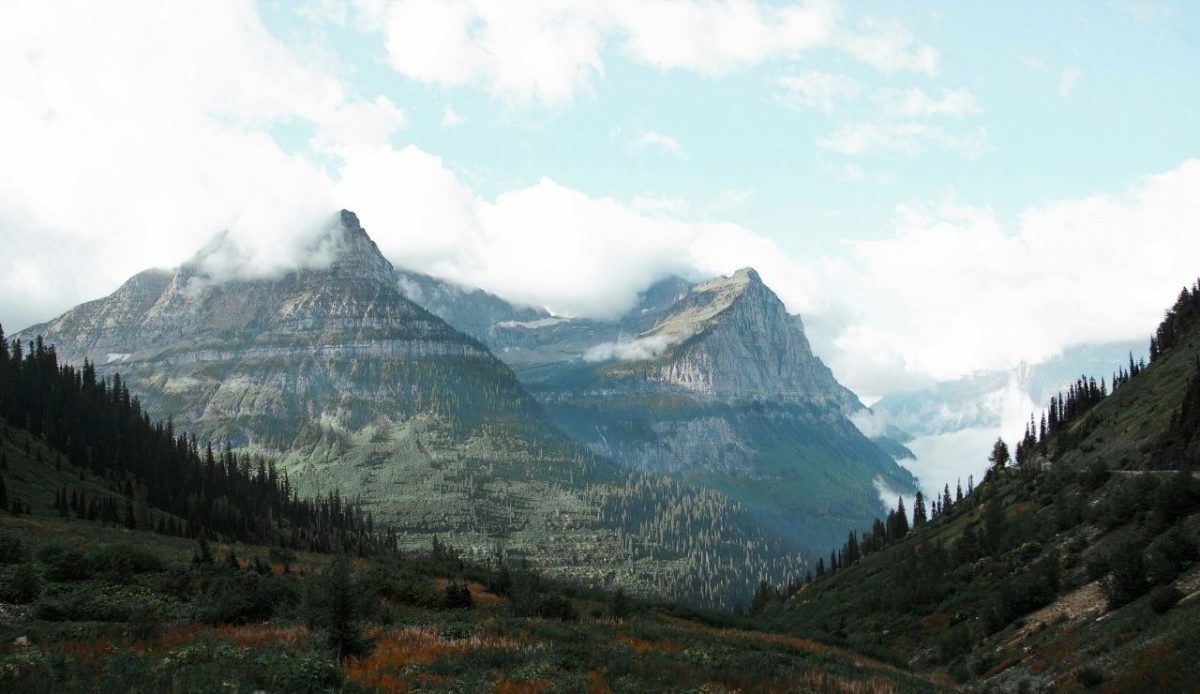
Glacier sees intense summer traffic along Going to the Sun Road, where staffing affects flow and safety. Park updates indicated entrance stations were unstaffed at times during normal hours due to shortages. That disruption affects entry control and guidance.
Rangers manage bear safety messaging, trail patrols, and emergency response in steep terrain. Fewer staff can mean fewer preventative contacts at trailheads and pullouts. Coverage is prioritized for incidents, and other duties are delayed.
Maintenance backlogs can grow when crews are redirected to keep restrooms and campgrounds usable. Visitor center operations may be trimmed to match staffing. These adjustments show how staffing gaps change service levels.
7. Grand Teton National Park
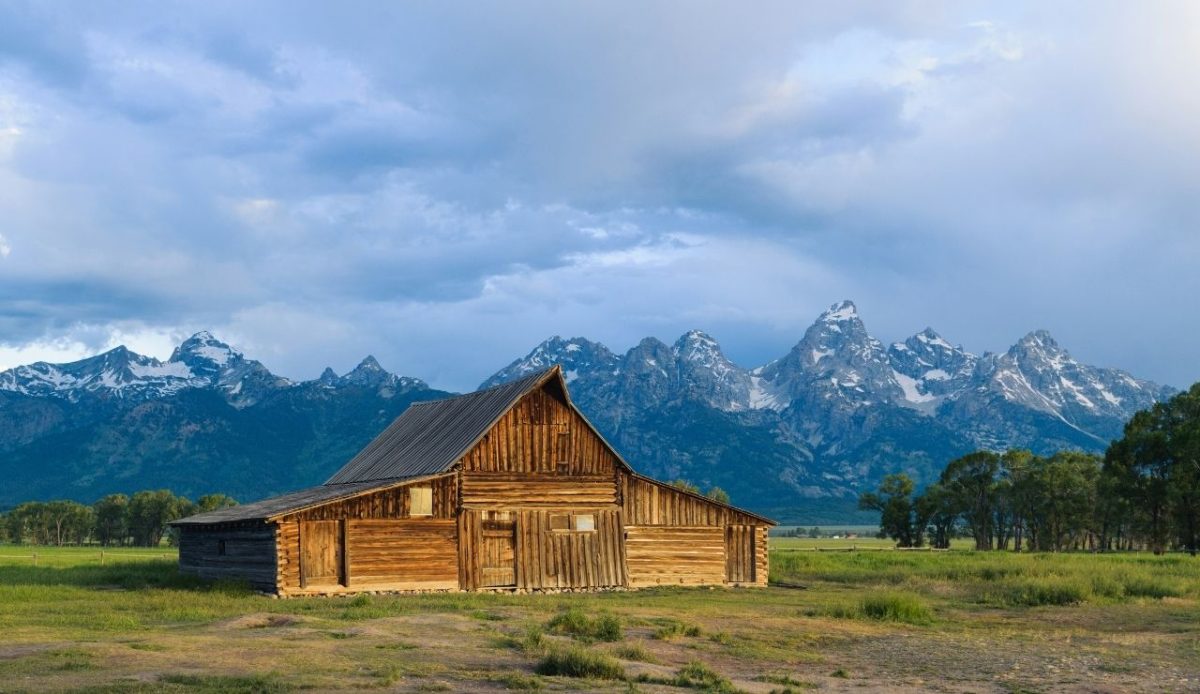
Grand Teton sees heavy summer use from hiking, boating, and wildlife traffic near Jackson Hole. In 2025, reporting described staffing cuts that reduced supervisory capacity used to hire and train seasonal workers. When supervisors are cut, onboarding can be impaired before peak months.
Seasonal rangers support patrols and visitor contact, but they require training and schedules. If fewer managers are available, fewer shifts can be built, and coverage can thin across busy areas. That can affect response time.
Supervisors coordinate safety planning and incident follow-up. When staffing is reduced, leaders carry more workload, and less time is left for field presence. Service hours and some programs may be adjusted.
8. Shenandoah National Park
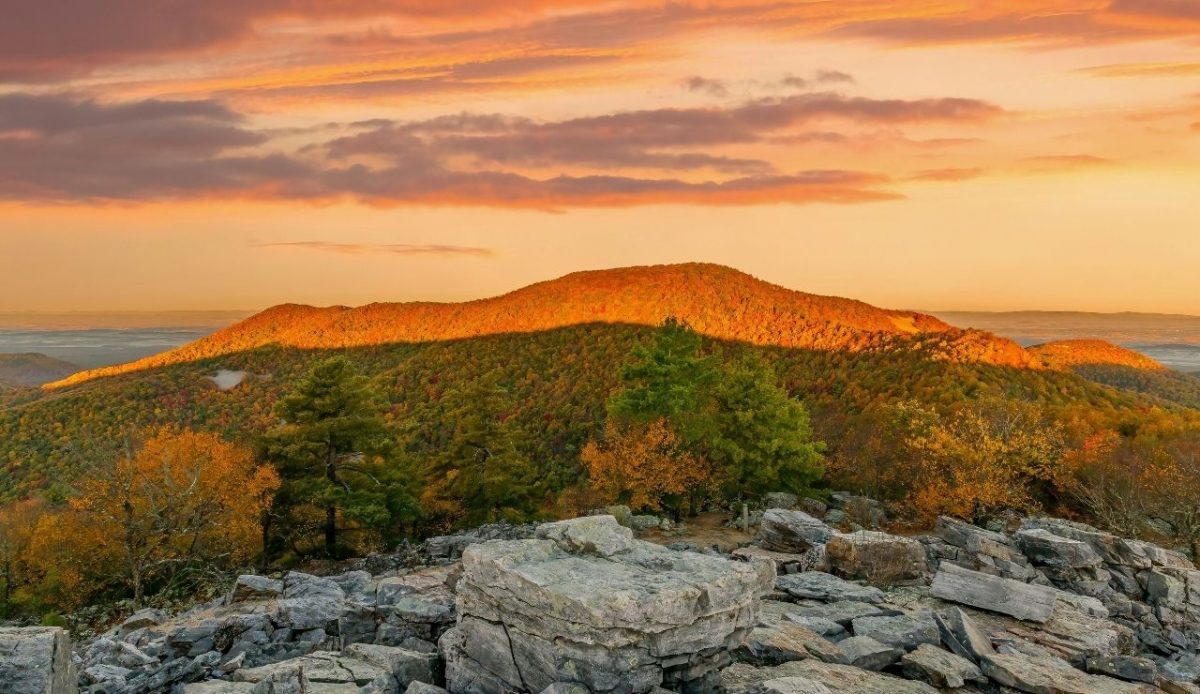
Shenandoah serves heavy day use from the Washington area, with Skyline Drive access and dense trails. Reporting noted that fee collectors and trail maintenance employees were laid off, raising concern that trails could become hard to pass after heavy rains. Those roles keep routes open and safe.
Trail crews clear blowdowns, repair drainage, and address erosion that worsens during storms. When staffing is reduced, damage can spread, and closures can last longer while hazards remain. Rangers may be redirected to cover patrols.
Fee staffing influences entrance operations and visitor contact at busy times. When fewer staff are available, lines can grow, and fewer questions are handled early. Managers focus on urgent safety needs.
