
Peru is a country of stunning diversity, from coastal cities to Andean towns rich in history and culture. Travelers can explore colonial architecture, vibrant markets, ancient ruins, and breathtaking natural landscapes, all within a single journey. From the bustling streets of Lima to the high-altitude charm of Cusco, each destination offers a unique perspective on Peruvian life and heritage. This list highlights eight cities and towns that showcase the country’s history, culinary delights, and scenic beauty, providing a roadmap for travelers eager to experience Peru’s best urban and cultural destinations.
1. Lima
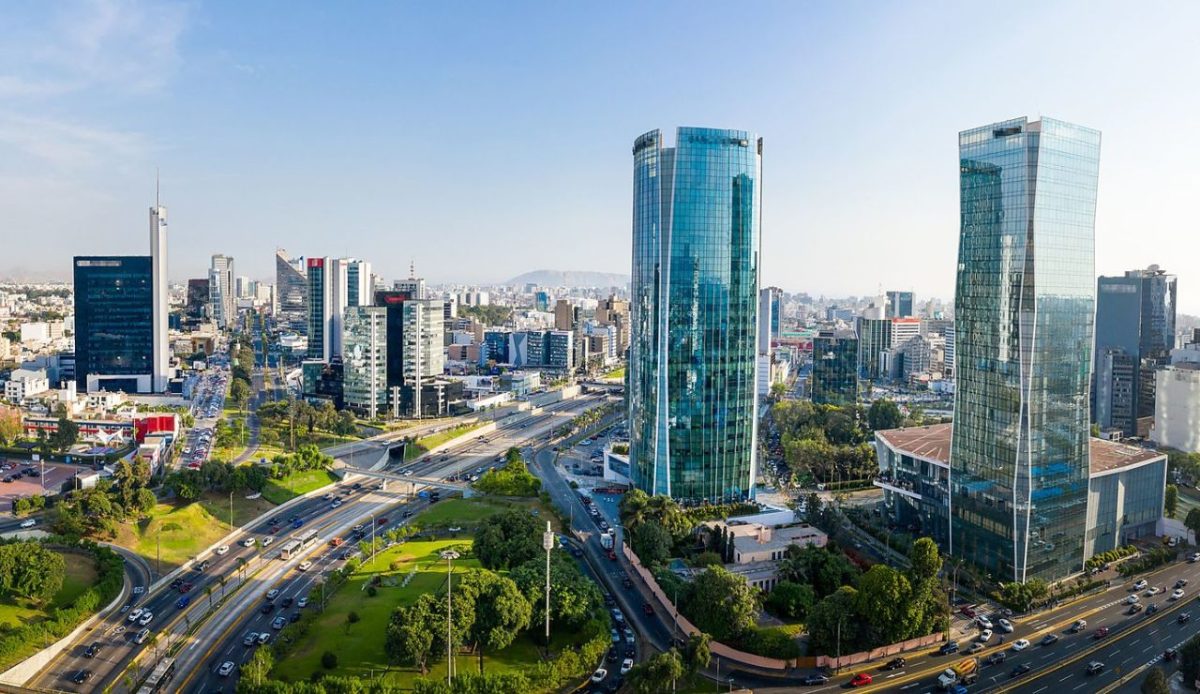
Lima, Peru’s capital, blends modern skyscrapers with historic neighborhoods and coastal charm. The city is a culinary hotspot, famous for ceviche and innovative fusion cuisine, drawing food enthusiasts worldwide. Visitors can explore the colonial center, with Plaza Mayor and ornate cathedrals, or wander the trendy districts of Barranco and Miraflores for art, nightlife, and cliffside ocean views. Lima also serves as a gateway to other regions of Peru, making it the perfect starting point for exploration. Its mix of history, culture, gastronomy, and vibrant street life ensures every visitor finds something to love.
2. Paracas
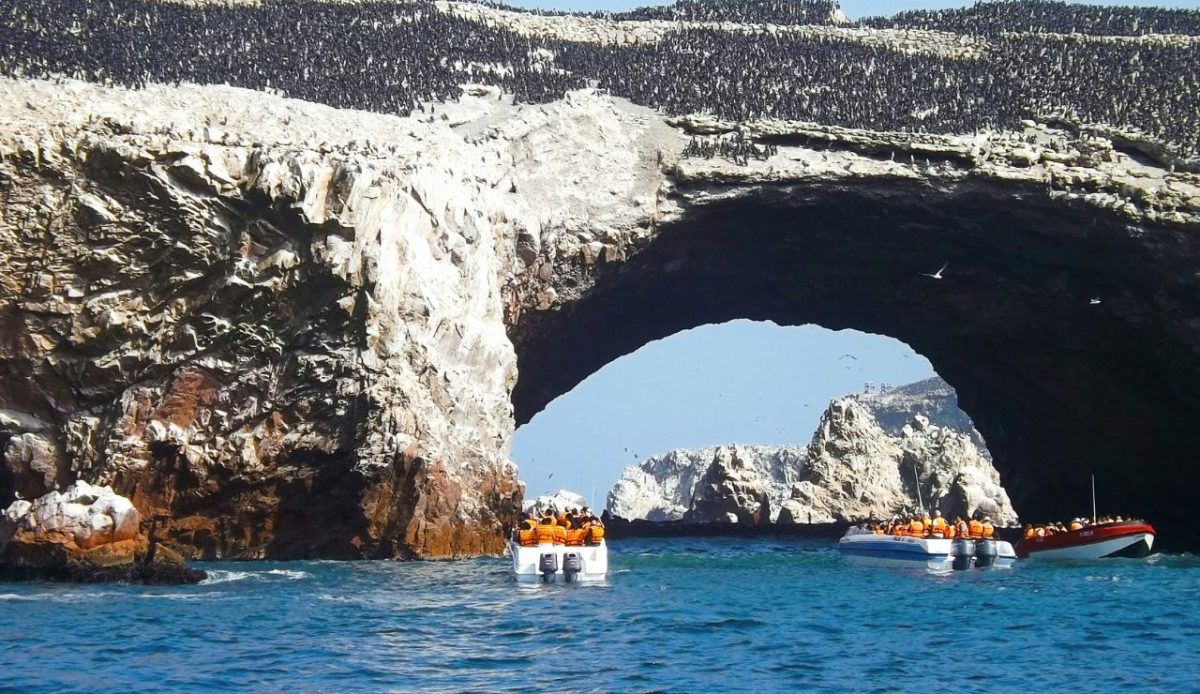
Paracas is a serene coastal town known for its stunning landscapes, wildlife, and peaceful desert-ocean mix. The Paracas National Reserve offers dramatic cliffs, desert landscapes, and abundant seabirds. Boat trips to the Ballestas Islands reveal sea lions, penguins, and flamingos, creating unforgettable wildlife encounters. Paracas also boasts pristine beaches ideal for relaxation or water sports, and visitors can enjoy fresh local seafood in small restaurants along the coast. Its proximity to both desert and ocean makes it a unique destination connecting natural beauty, adventure, and tranquility in one visit.
3. Nazca
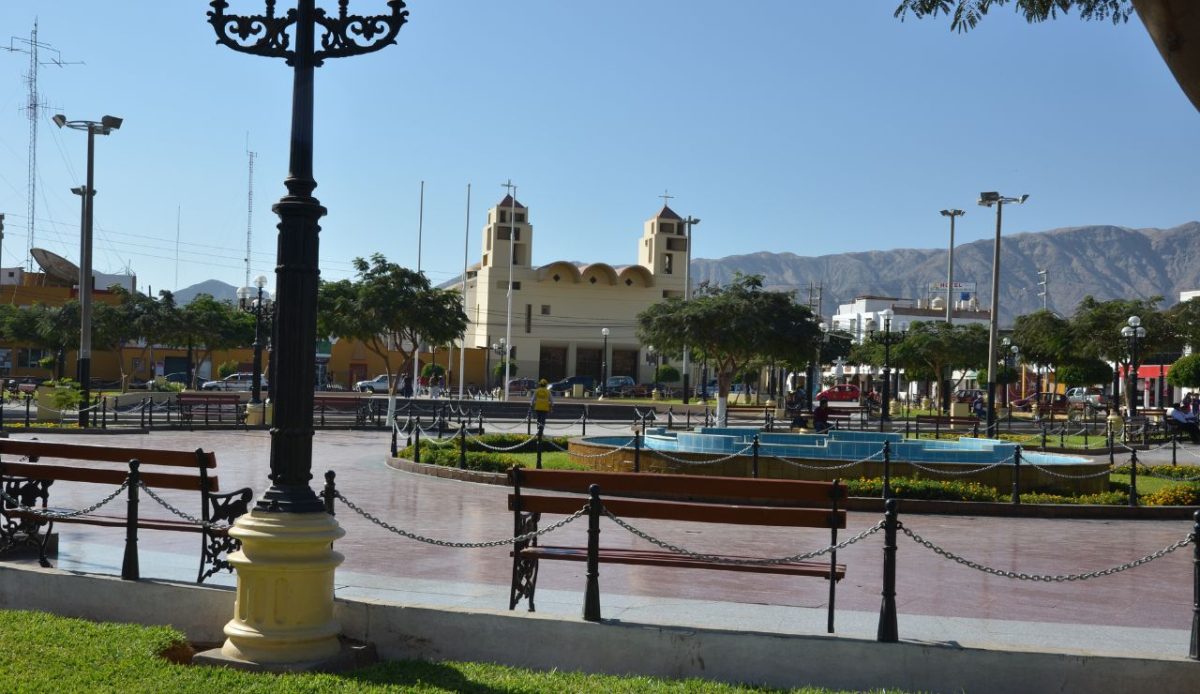
Nazca is famed for the mysterious Nazca Lines, massive geoglyphs etched into the desert floor centuries ago. Aerial tours offer the best perspective on these intricate designs, which remain one of Peru’s most enigmatic archaeological treasures. Beyond the lines, Nazca provides insights into pre-Columbian culture through small museums and historic ruins. The town’s desert surroundings offer dramatic landscapes for photography and exploration. Visiting Nazca allows travelers to marvel at human ingenuity and ancient mysteries, connecting history, art, and adventure in an unforgettable desert setting.
4. Arequipa
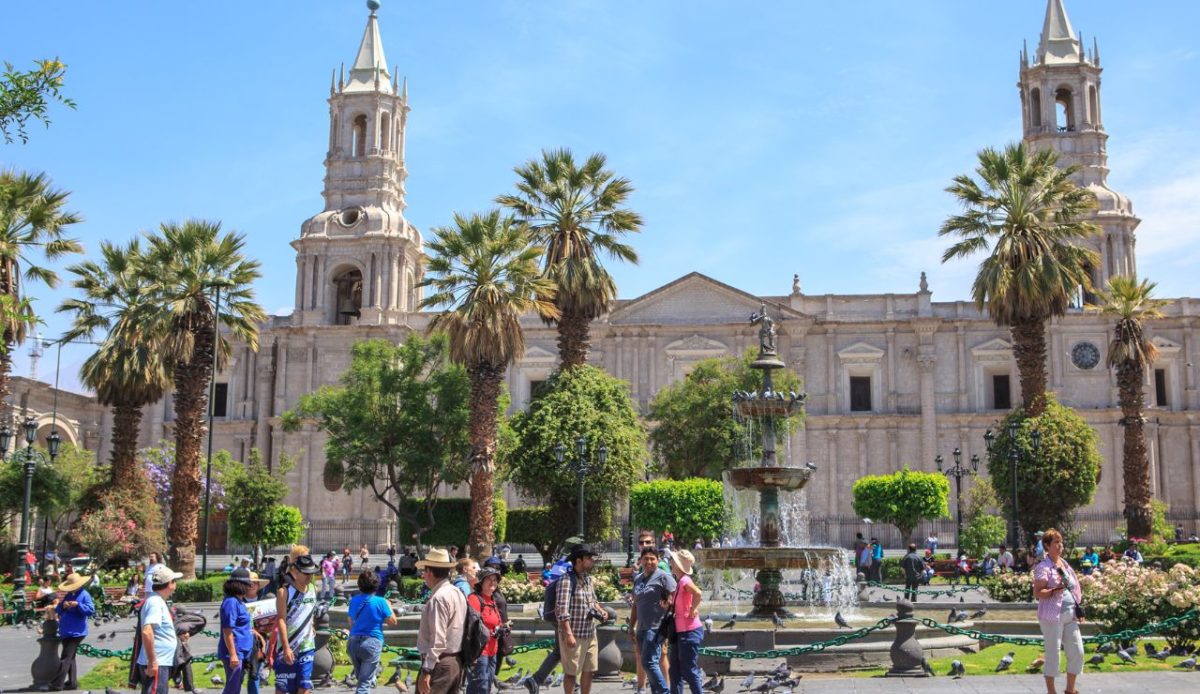
Arequipa, known as the “White City,” features colonial-era architecture built from gleaming volcanic stone. Its historic center, a UNESCO World Heritage site, boasts beautiful plazas, cathedrals, and cloisters. Surrounded by mountains and volcanoes, the city offers scenic views and outdoor adventure opportunities, from hiking to exploring nearby Colca Canyon. Arequipa’s lively markets and local cuisine, including rocoto relleno and adobo, provide authentic culinary experiences. The city blends rich history, striking landscapes, and vibrant culture, making it an essential stop for anyone exploring southern Peru.
5. Puno
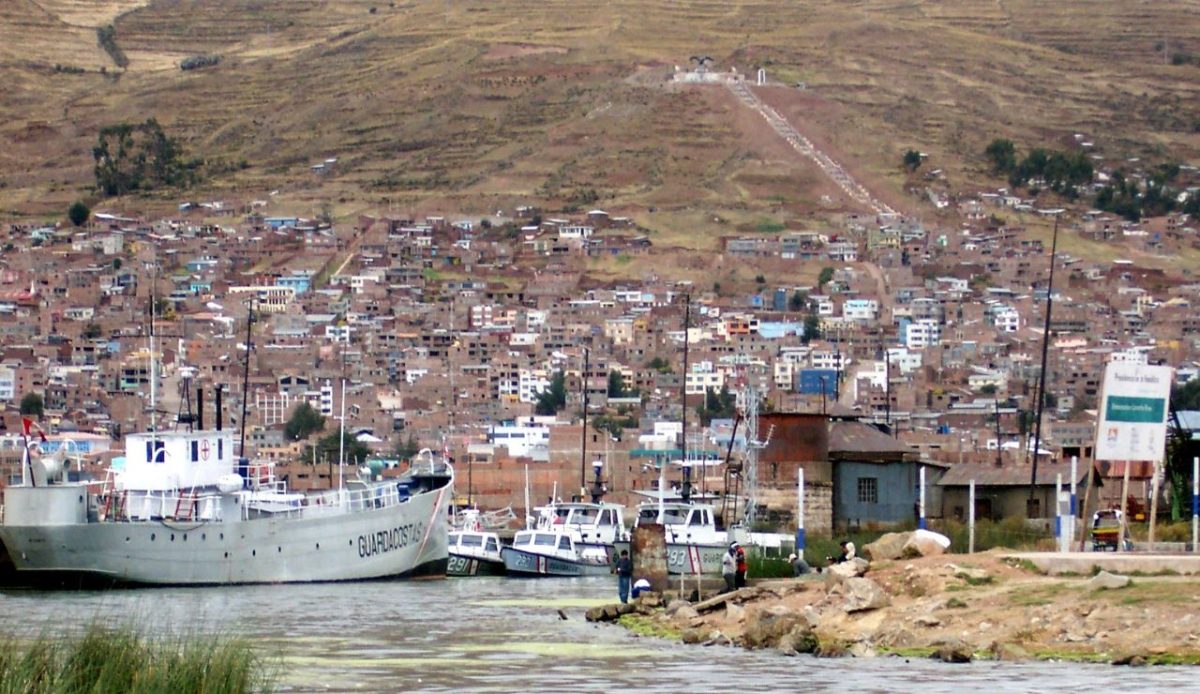
Puno sits on the edge of Lake Titicaca, the world’s highest navigable lake, offering breathtaking scenery and a rich cultural heritage. Travelers can explore traditional floating reed islands inhabited by the Uros people, witnessing unique ways of life preserved for centuries. Puno is also known for its vibrant festivals, with colorful costumes, dance, and music celebrating local traditions. The combination of high-altitude landscapes, cultural immersion, and lakeside beauty makes Puno an unforgettable stop. Visitors gain insight into indigenous heritage while enjoying one of Peru’s most iconic natural wonders.
6. Cusco
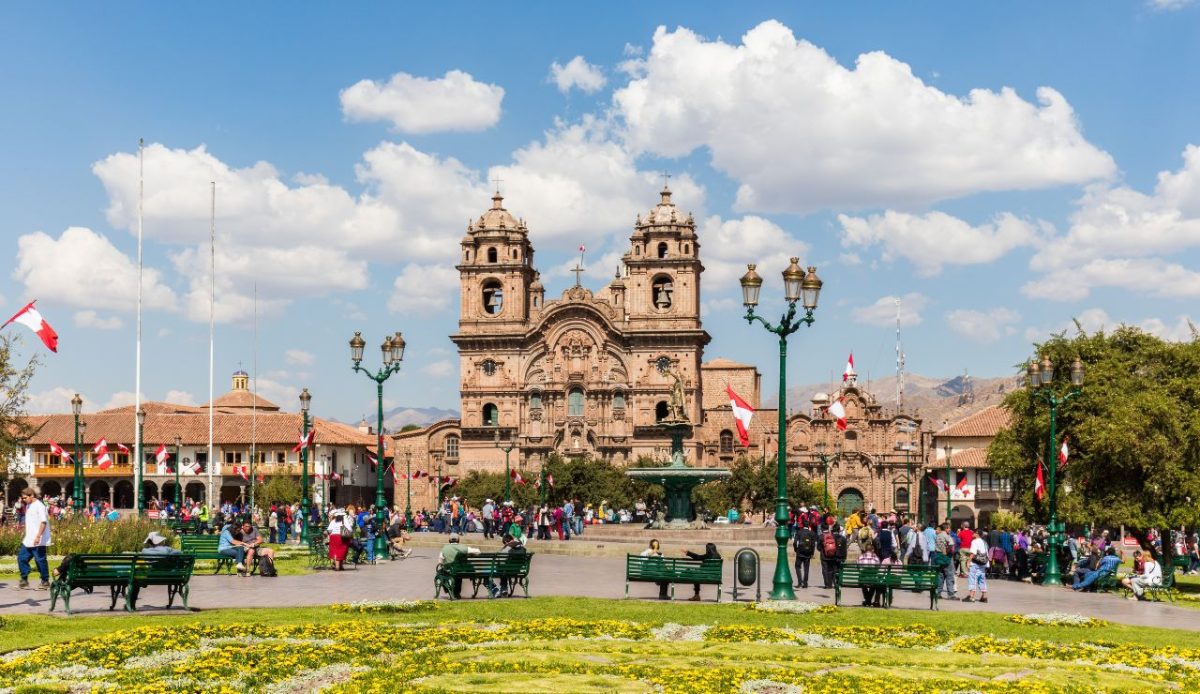
Cusco, once the capital of the Inca Empire, is a city steeped in history, culture, and highland charm. Its cobblestone streets wind past Inca walls, colonial churches, and bustling plazas. As a gateway to Machu Picchu, Cusco is a hub for travelers exploring the Sacred Valley and nearby archaeological sites. Local markets sell handicrafts, textiles, and souvenirs, while nearby ruins provide insight into Inca engineering and traditions. The city’s high-altitude setting adds adventure, and its blend of indigenous and Spanish influences offers a rich cultural tapestry, making Cusco a must-visit Peruvian destination for any traveler.
7. Ollantaytambo
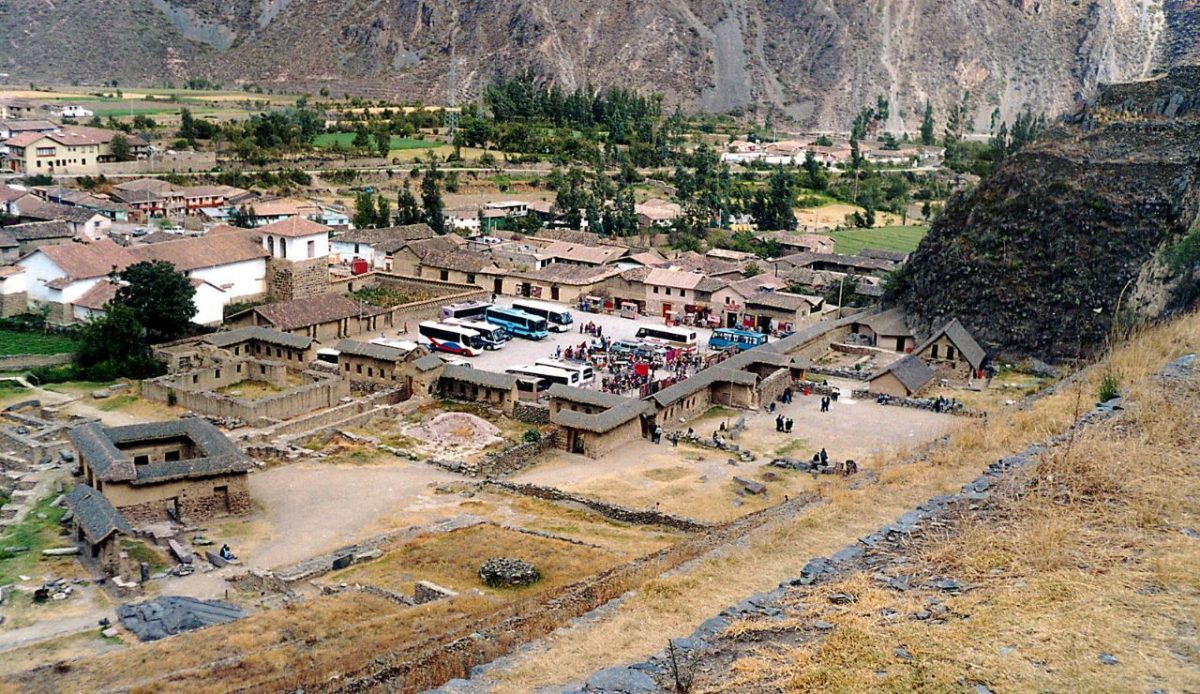
Ollantaytambo is a charming town in the Sacred Valley known for its well-preserved Inca ruins and cobblestone streets. Visitors can explore terraces, temples, and fortifications that offer panoramic valley views. The town also serves as a key starting point for trains to Machu Picchu, making it a practical and scenic base for travelers. Local markets provide handcrafted souvenirs, and traditional architecture preserves the town’s historical feel. Ollantaytambo’s combination of history, culture, and strategic location offers a glimpse into Inca life and an immersive experience in the Sacred Valley.
8. Aguas Calientes
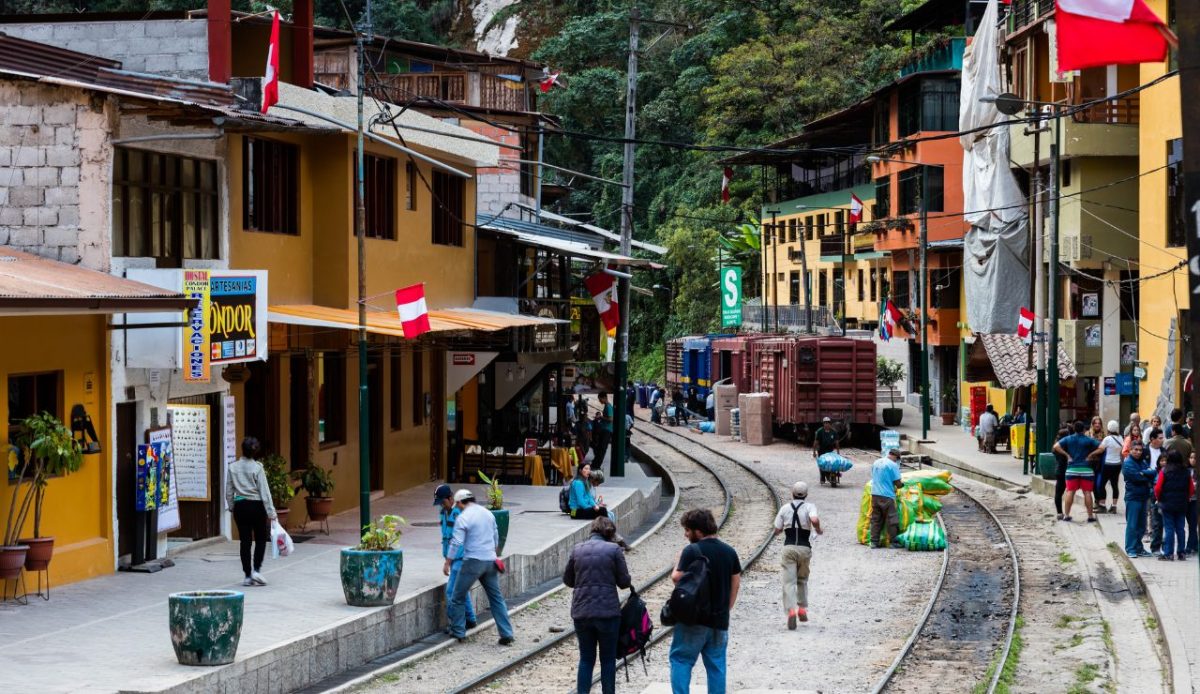
Aguas Calientes, also called Machu Picchu Pueblo, is the gateway to the world-famous Inca citadel. Nestled in a lush mountain valley, it offers hotels, restaurants, and thermal springs, making it a convenient and scenic base for visiting Machu Picchu. Travelers can explore local markets and enjoy stunning views of the surrounding peaks. The town’s setting allows early access to Machu Picchu, ensuring optimal sunrise visits. Despite its small size, Aguas Calientes provides essential services, beautiful landscapes, and a unique atmosphere, making it an integral stop for anyone journeying through Peru’s Sacred Valley.
