
Hotel rooms are designed to feel welcoming, with fresh sheets, tidy spaces, and amenities waiting for guests. But behind the polished look, staff know that not every item receives the same level of cleaning. Certain objects are handled by nearly every visitor, yet overlooked during quick turnovers. For first-time travelers, teens, or families, these hidden details can change how safe a room feels. Knowing which items to avoid and how to handle them gives you more comfort during your stay and helps you enjoy the trip without worry.
1. TV Remote Control
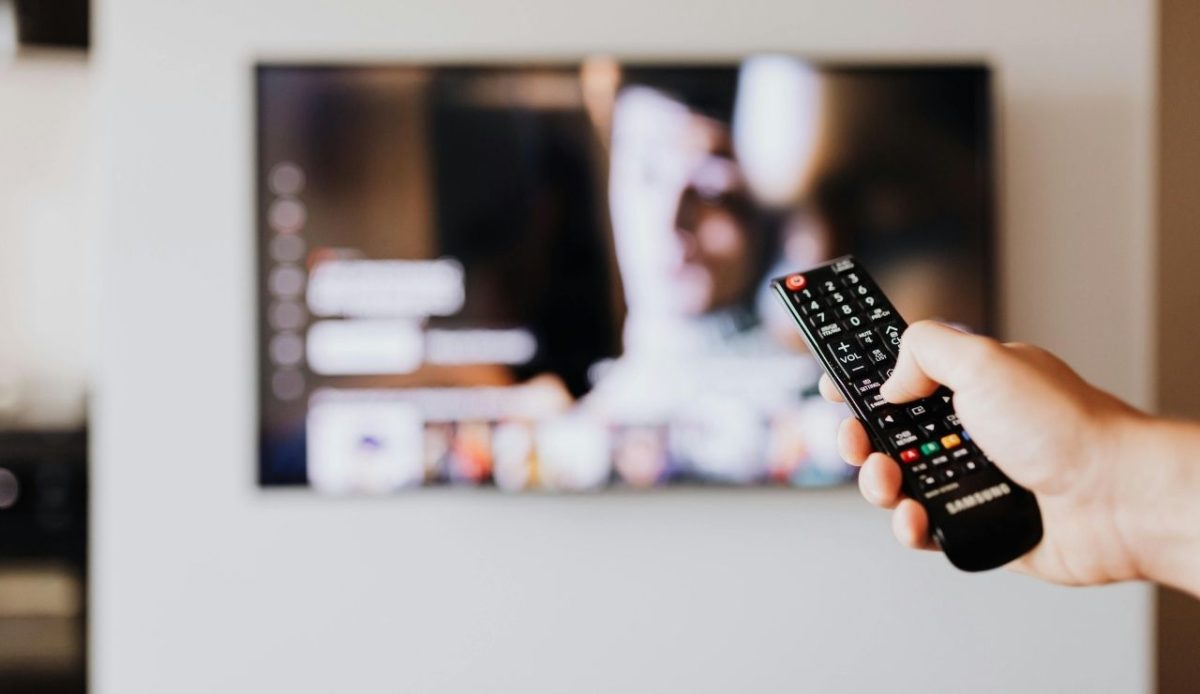
The remote control is often the most handled object in a hotel room. Guests use it daily, pressing buttons while eating, lounging, or even when sick. Housekeeping has limited time, and remotes don’t always get a full wipe-down. Germs and dirt from countless hands build up quickly, making it one of the dirtiest items in the room. Travelers who want peace of mind often use a tissue or disinfecting wipe before touching it. Teens, especially, may forget this detail, but it makes a real difference in staying healthy.
2. Light Switches and Lamp Controls
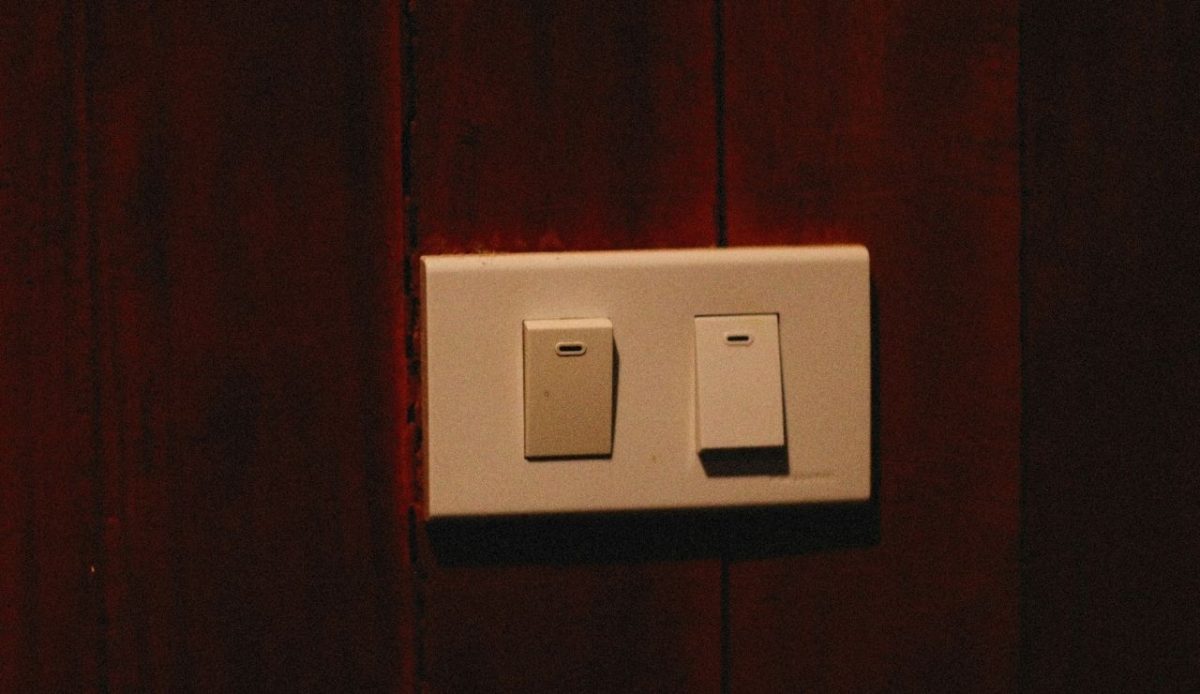
Light switches and bedside lamp controls are easy to miss during a quick cleaning routine. They’re touched every day by guests yet rarely sanitized. Unlike sheets or towels, these surfaces don’t get refreshed between stays, so germs can linger. Travelers who check in late at night often flip them on without a second thought. Carrying small wipes or using a tissue helps reduce contact. For families, reminding teens to wash their hands after settling in is an easy habit that cuts down exposure.
3. Bedspread or Decorative Throw
While sheets and pillowcases are washed often, the outer bedspread or decorative throw is not always cleaned between guests. These items may only be washed occasionally, which means dust, allergens, and even bacteria can collect over time. Many seasoned travelers fold the bedspread aside before sleeping, choosing to stick with the sheets underneath. Teens may find the patterned covers inviting, but avoiding direct contact is the safer choice. This simple step reduces exposure and makes resting in a new place feel much cleaner.
4. Ice Bucket and Glasses

The ice bucket may look harmless, but it is rarely sanitized the way you’d expect. Some guests use it for more than ice, and liners do not always stop germs from spreading. Glasses provided in rooms can be risky too, since they might only get rinsed between stays instead of being properly washed. Plastic-wrapped cups are usually safer, but many hotels still place glass ones on the counter. Travelers can ask for fresh liners or use bottled drinks instead. Taking these steps lowers the risk of coming into contact with hidden germs.
5. Phone Handset
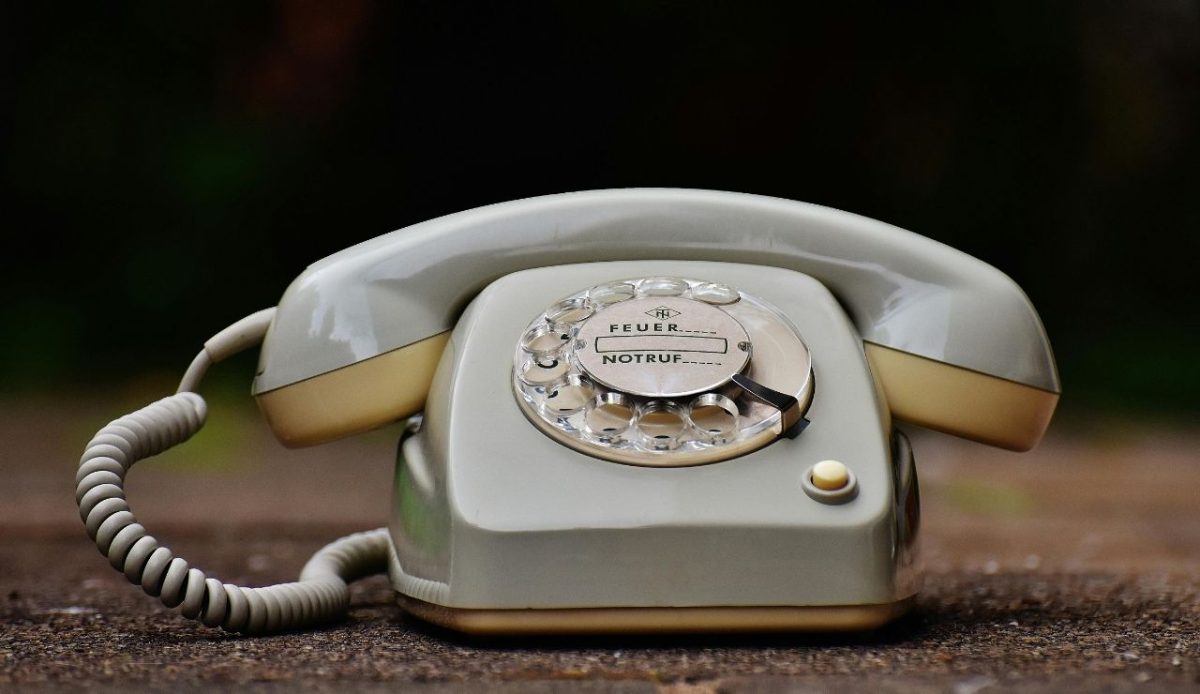
Hotel phones may not be used as much today, but they still sit in the room collecting germs from guest after guest. The handset and buttons are easy to forget during cleaning, so they rarely get the attention they need. Teens might be tempted to pick it up for fun or curiosity, not realizing how dirty it can be. If a call to the front desk is necessary, wiping the phone first is a smart move. Keeping the contact brief or using your personal cell instead can also help avoid exposure.
6. Coffee Maker and Kettle
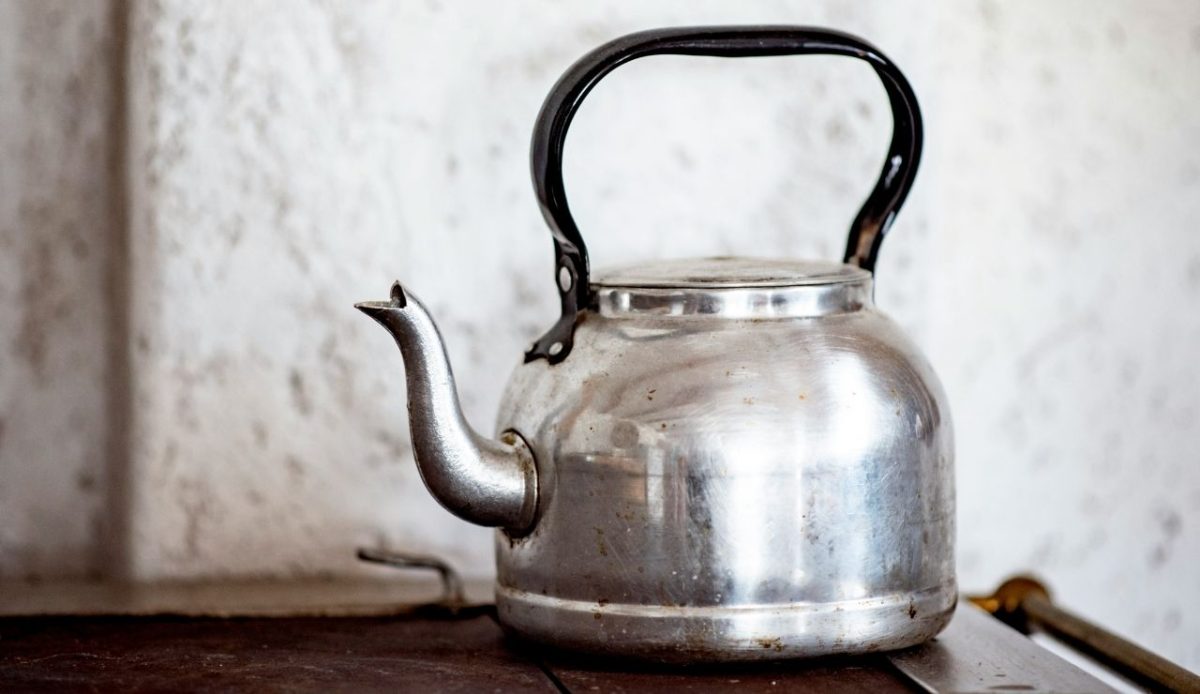
A coffee maker or kettle may seem like a helpful convenience, yet these appliances are difficult to clean properly. Inside parts are often rinsed rather than fully sanitized, leaving behind residue from earlier guests. Some travelers report finding old water or even leftover grounds when checking. Staff have limited time, and these small machines are not always a priority. Teens eager for a quick cup might overlook this, but skipping the in-room machine and grabbing coffee from the lobby or a café nearby is usually the safer choice.
7. Curtains and Blinds
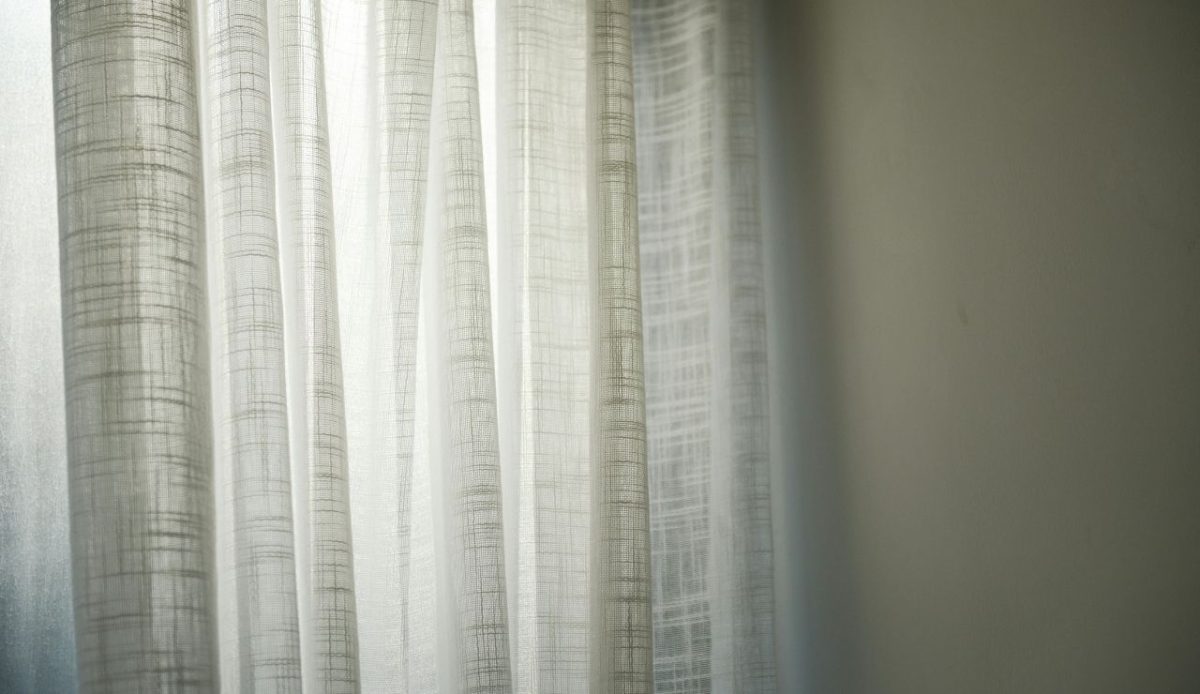
Curtains and blinds give hotel rooms a cozy look, but they are rarely cleaned. Unlike sheets or towels, they stay in place for long stretches, collecting dust, pollen, or even mold in damp climates. Guests open and close them daily, leaving behind germs that build over time. Teens with allergies may notice sneezing or watery eyes after handling them. If you need to adjust curtains, washing your hands afterward is a simple precaution. It’s a small detail, but it helps reduce exposure to allergens and makes your stay more comfortable.
8. Hair Dryer
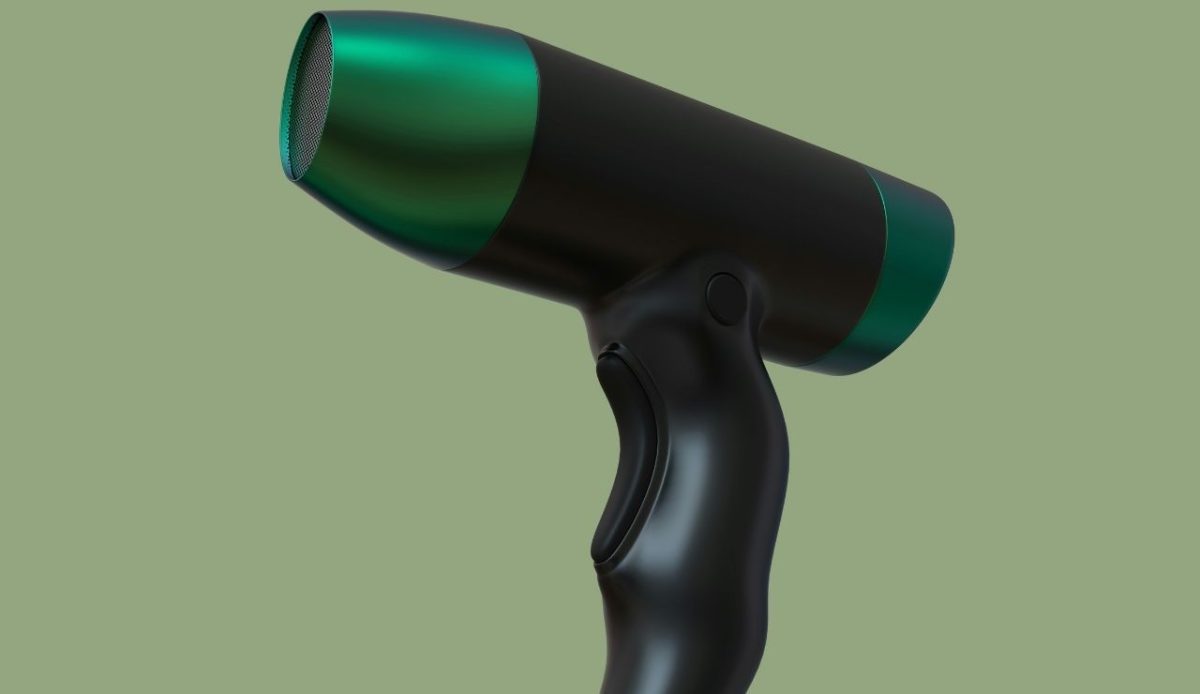
Hotel hair dryers are shared by countless guests, but they aren’t always cleaned thoroughly. Handles and switches carry germs, while vents can hold dust or even hair from earlier use. Staff may give them a quick check, yet the machines rarely get a deep cleaning. Teens using them after a shower may not realize how much buildup can linger. Bringing a small travel dryer is the safest choice, but if that isn’t possible, wiping the handle and vent cover before use helps reduce exposure.
