
Passenger rail built some of America’s most beautiful public buildings, then watched many of them empty out as travel habits changed. By the 1960s–1980s, a lot of grand stations were labeled “obsolete,” and demolition looked like the easiest line item to approve.
The eight stations below dodged the wrecking ball through landmark status, creative reuse, and, usually, locals who refused to let a city icon vanish. Some lost pieces along the way, but the core buildings survived.
These aren’t just pretty lobbies for photos. They’re working hubs, museums, hotels, and commuter terminals that prove historic infrastructure can still earn its keep when cities invest smartly.
1. Washington, D.C.: Union Station
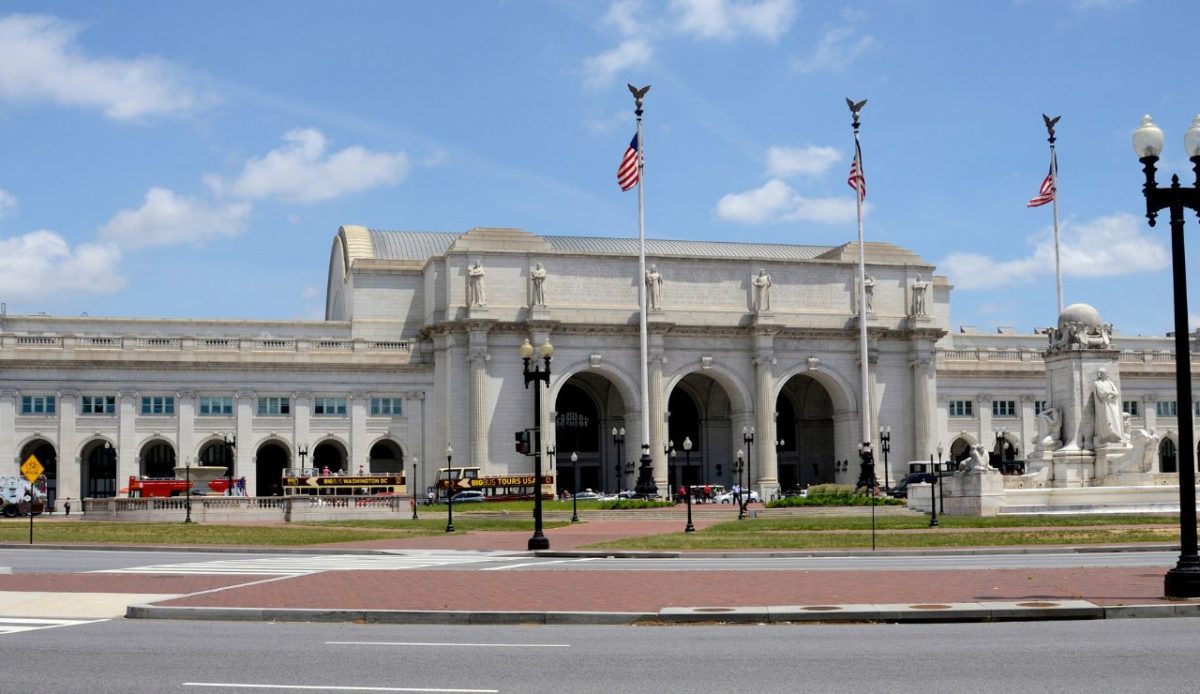
By the late 1970s, Washington’s Beaux-Arts Union Station was deteriorating and widely seen as an outdated rail facility, putting its future at risk.
In 1983, a federal-led public/private partnership funded a large restoration project (often cited around $160 million), bringing the building back from decades of decline.
Listed as a historic landmark long before the makeover, it became a test of whether preservation could pay for itself. Leaders didn’t want another Penn Station-style loss, so the fix kept the “cathedral” feel while modernizing systems. After its late-1980s reopening, it blended transit with shops and food via Amtrak, MARC/VRE, and Metro links.
2. St. Louis, Missouri: St. Louis Union Station
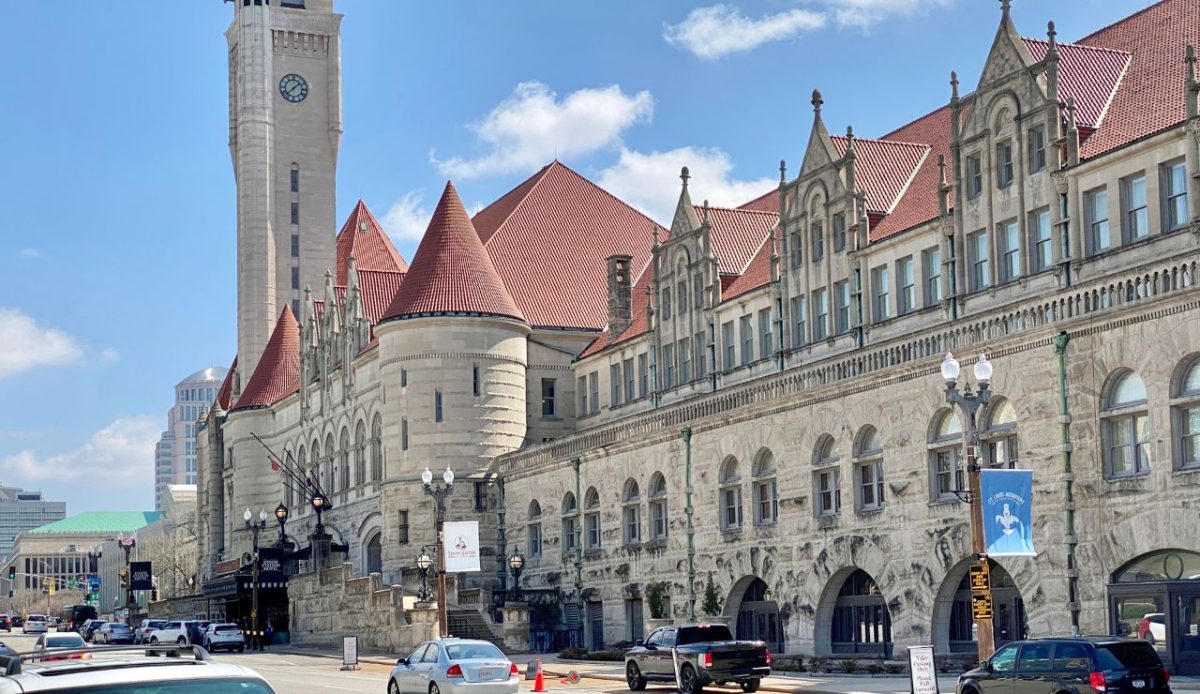
When passenger rail collapsed, St. Louis Union Station saw its last Amtrak train depart in 1978, leaving a gigantic landmark with an uncertain future.
A redevelopment push began soon after: new owners purchased the complex in 1979 and pursued adaptive reuse instead of teardown, repositioning the former terminal for a new era.
The station’s survival story is basically “change the job, keep the building.” By turning a dormant rail palace into an entertainment and visitor destination, the project kept the core architecture standing while the city figured out what modern downtown demand looked like.
3. Detroit, Michigan: Michigan Central Station
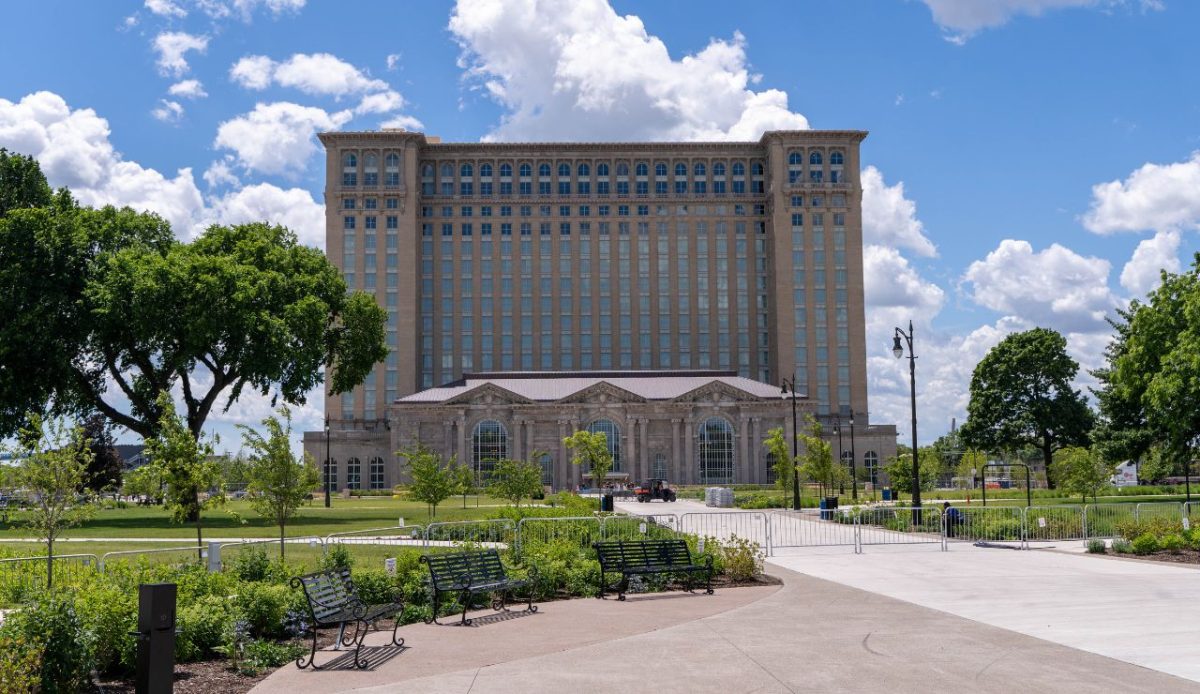
After closing in 1988, Michigan Central Station became a symbol of abandonment, and at points it was even discussed as a demolition candidate as the structure deteriorated.
In 2018, Ford Motor Company bought the building and launched a multi-year historic restoration, aiming to reuse it as the centerpiece of a tech and cultural campus in Corktown.
The save wasn’t just cosmetic: crews stabilized masonry, restored major interior spaces, and rebuilt systems so the station could function again. The result is a rare “second life” for a mega-terminal, proof that a building can go from ruin-porn to real-world workplaces.
4. Nashville, Tennessee: Union Station
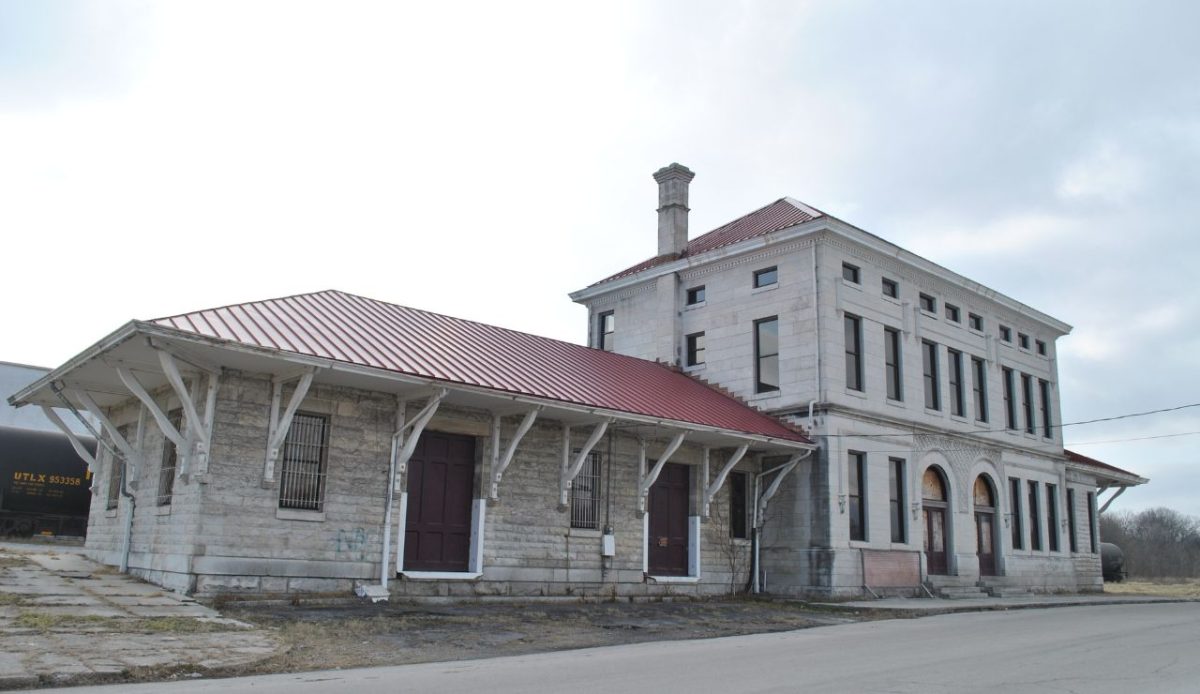
Nashville’s 1900 Union Station lost passenger service and, by the late 1970s, faced the real possibility of being “lost” as rail routes changed and the building became a financial burden.
Preservation advocates organized around the S.O.S. (“Save Our Station”) effort and pushed for a reuse plan that kept the main terminal rather than replacing it.
That pressure helped steer the site toward adaptive reuse, and the station ultimately reopened as a hotel. The pivot kept signature features, like the dramatic barrel-vaulted lobby ceiling, alive for the public, even though the adjacent trainshed later suffered damage and was removed.
5. Denver, Colorado: Denver Union Station
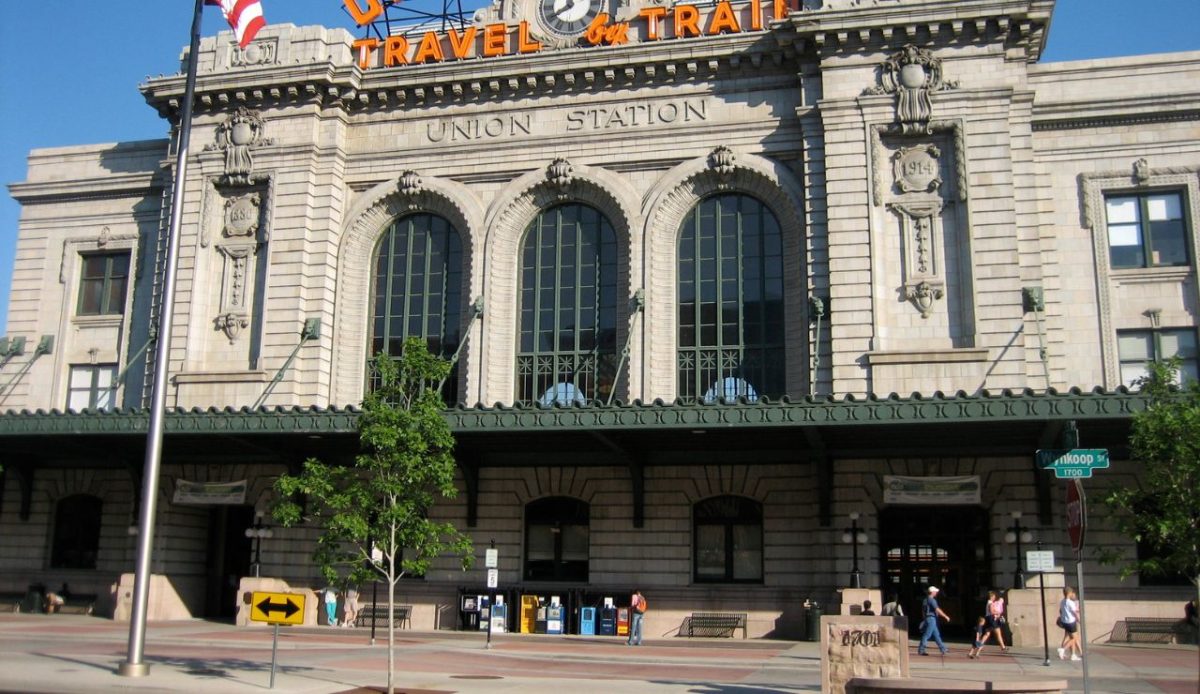
It’s easy to assume Denver Union Station was always beloved, but preservation groups have noted it was threatened with demolition in 1980 and again before the major 2014 restoration.
Instead of erasing it, Denver doubled down on a “historic front door” approach: restore the landmark and make it the anchor for transit connections and surrounding redevelopment.
Today the building works because it’s busy, rail, bus, and pedestrian traffic keep value flowing through the space every day. The lesson is simple: a station survives when it’s treated as core infrastructure, not leftover décor from the steam era.
6. Kansas City, Missouri: Union Station
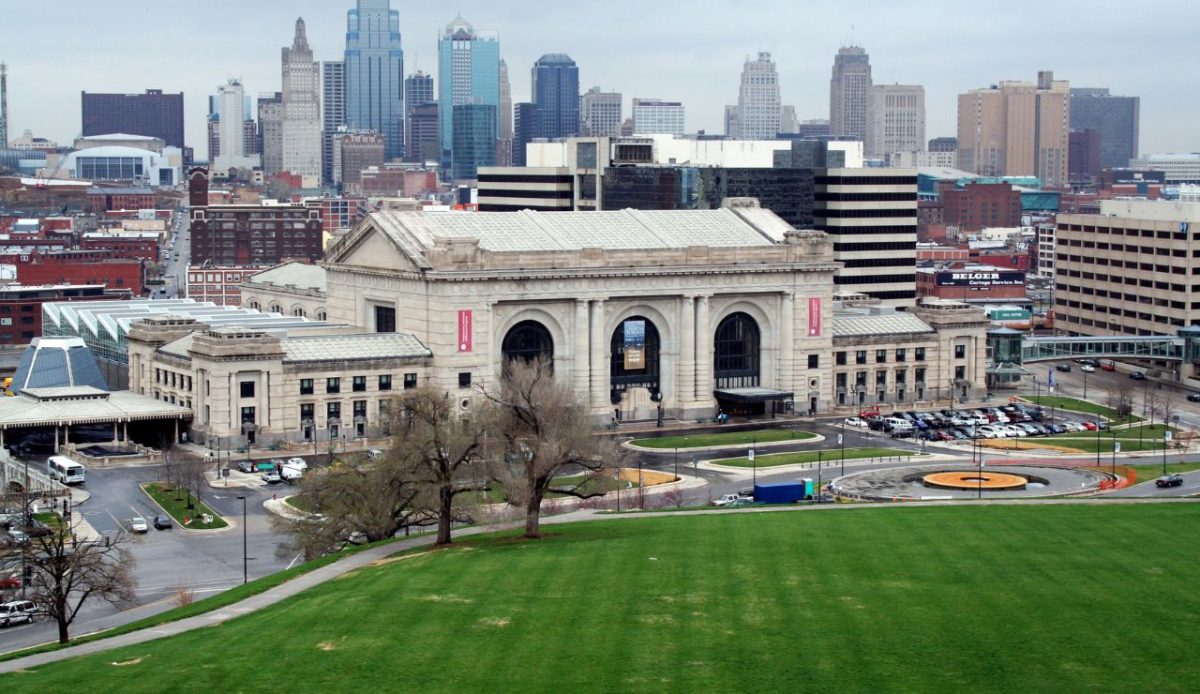
After years of decline, Kansas City’s Union Station needed more than a fresh coat of paint, it needed a funding plan big enough to keep demolition off the table.
In 1996, voters in a bi-state region approved a one-eighth-cent sales tax to restore and redevelop the station, raising major public dollars that unlocked a larger overall project.
The restoration was completed for a 1999 reopening, and the building’s new identity leaned into public-serving uses like exhibits and education alongside events. It’s a classic Midwestern win: a community literally voted to keep its landmark standing, then filled it with reasons to visit.
7. Cincinnati, Ohio: Cincinnati Union Terminal
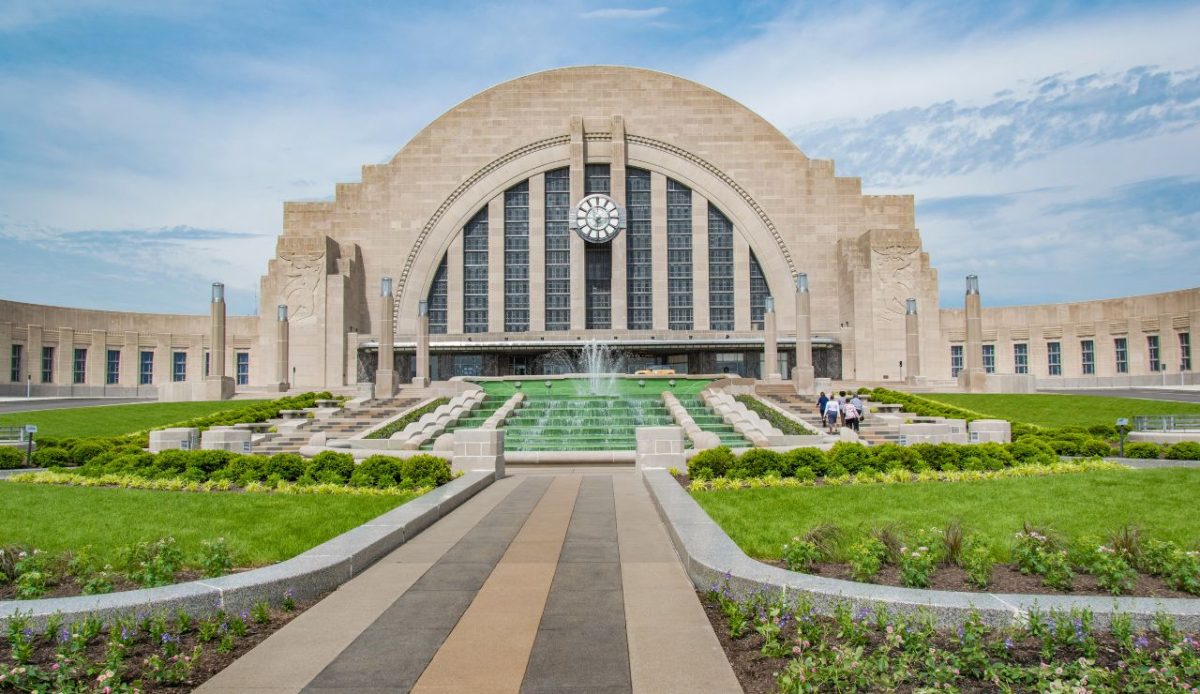
When Amtrak service ended in 1972, Southern Railway planned major changes, and an emergency push nominated the terminal for the National Register as demolition plans loomed.
Local activism followed fast, campaigns like “Save the Terminal” raised money to rescue key artworks, and preservation actions helped block total destruction even as parts of the complex were lost.
Over time, the building found a durable new role as the Cincinnati Museum Center, with passenger rail later returning. The station’s story is messy but real: saving historic places often means compromises, years of reuse experiments, and relentless civic patience.
8. Hoboken, New Jersey: Hoboken Terminal
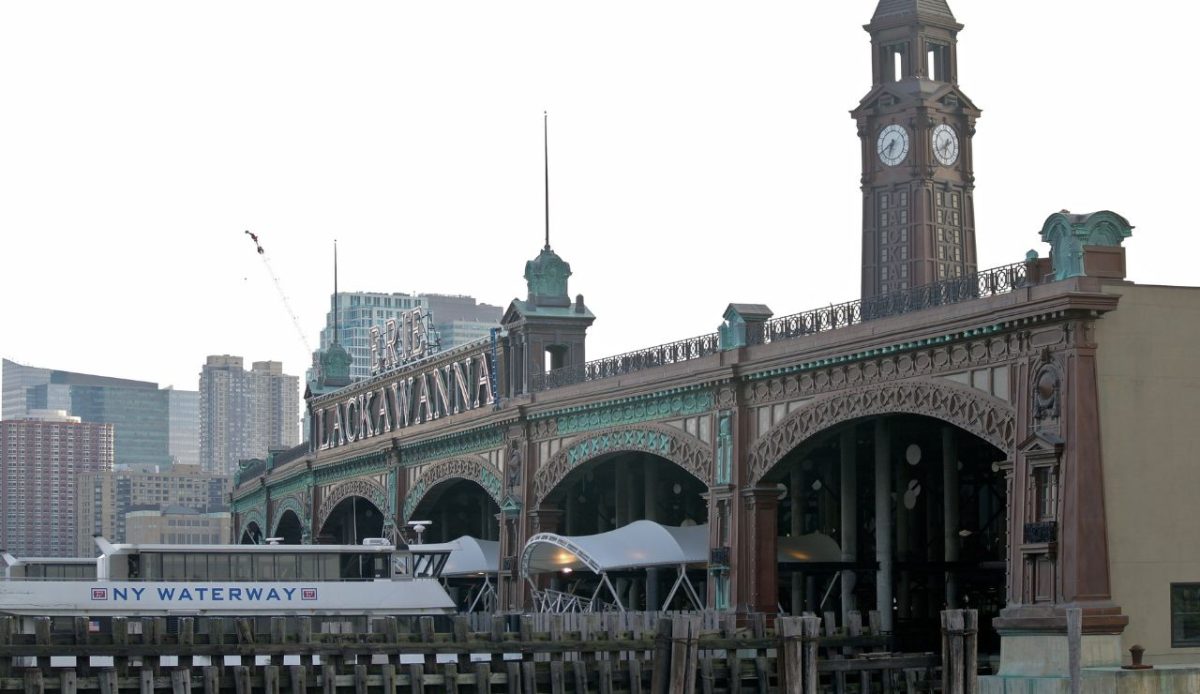
Many terminals died when long-distance rail shrank, but Hoboken’s waterfront complex stayed essential for New York–bound commuters, one reason it survived the demolition threat that hit other big stations.
Accounts of the terminal’s history note that even through the railroad industry’s 1970s turmoil, the station remained a critical commuter link, helping preserve the building’s place in the region.
That everyday usefulness created space for later restoration work, from structural repairs to bringing back signature details like the clock tower and iconic signage. It’s not a “saved once” story; it’s a station that kept proving, year after year, that it was still needed.
