
Public transit in some countries functions reliably enough that travelers complete entire trips without needing a rental car. These systems rely on predictable schedules, simple payment methods, and clear station layouts that help visitors navigate new places with confidence. Trains, metros, and buses link airports, tourist areas, and local districts in ways that reduce stress and cut travel time. Because these networks cover both major and smaller regions, tourists move comfortably across cities and rural areas without dealing with parking, unfamiliar roads, or long drives.
1. Japan

Japan offers one of the most efficient systems in the world, with punctual trains, large metro networks, and reliable buses. The Shinkansen links major cities with fast and frequent service. Local trains connect airports, districts, and towns through routes that are easy for visitors to follow. Buses support rural regions, ensuring travelers reach smaller destinations without difficulty. Rechargeable cards work across nearly all systems, removing the need to buy separate tickets. Stations include multilingual signs and staff who assist with platform changes or fare questions. These features allow tourists to plan full trips without renting a car.
2. Singapore
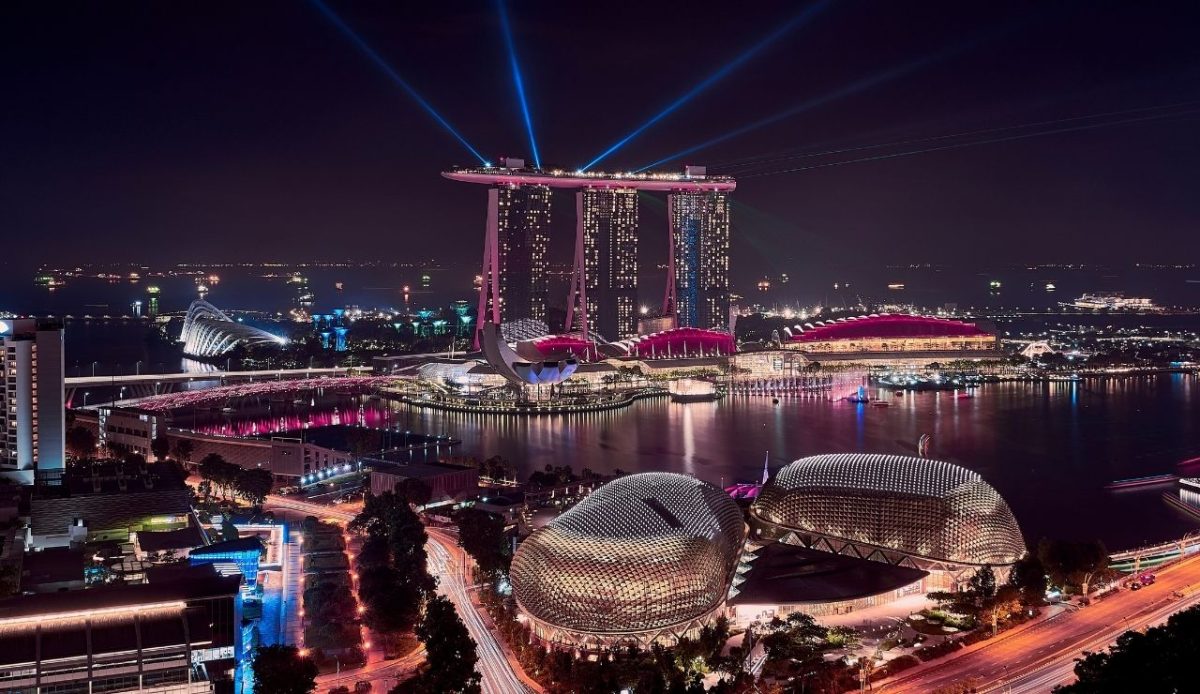
Singapore gives visitors simple and dependable car-free travel through its metro and bus network. The MRT connects major districts, airports, shopping areas, and waterfront zones with steady train frequencies. Signs inside stations remain clear, helping newcomers choose the correct lines quickly. Payment cards function across trains and buses, reducing extra steps during transfers. The compact structure of the city shortens travel time, making it easy to reach multiple neighborhoods on the same day. Buses operate in areas not covered by rail, while stations include wide corridors and elevators that help travelers with luggage. Most tourists find no need for rental cars during their stay.
3. Switzerland
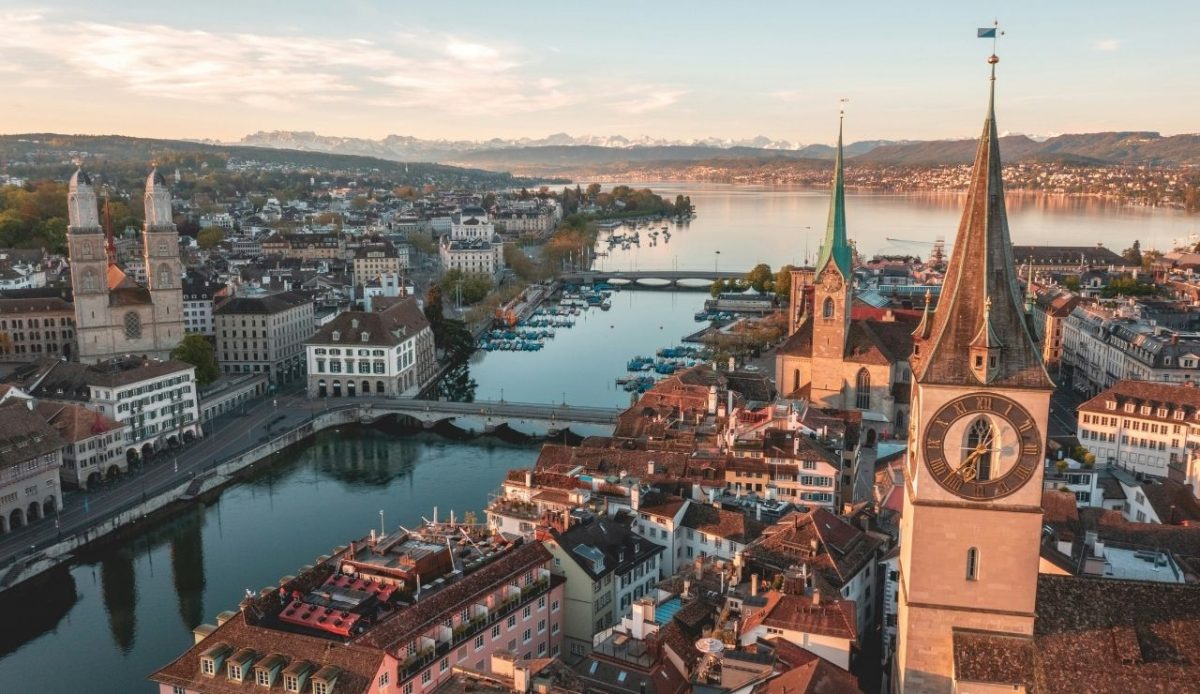
Switzerland supports car-free travel through a coordinated system of trains, buses, trams, and boats that reach major regions and remote mountain towns. Trains run at steady intervals and connect smoothly with buses, limiting wait times during transfers. Rail passes include access to several networks, giving tourists flexible movement during multi-day trips. Stations feature signs in multiple languages, helping international travelers navigate routes without confusion. Scenic lines reach high-altitude destinations, removing the need to drive on narrow or steep roads. Buses fill gaps in regions without rail service, ensuring visitors reach villages, lakes, and popular outdoor areas with ease.
4. Germany

Germany maintains a broad network that includes high-speed trains, regional lines, trams, and buses. Fast trains link major cities such as Berlin, Munich, Hamburg, and Cologne through predictable schedules. Metro and tram systems support movement within urban areas, helping visitors reach museums, business districts, and historic neighborhoods. Regional trains provide access to smaller towns, while buses cover local zones not connected by rail. Ticket options include passes that allow unlimited travel for a set period, which works well for multi-city itineraries. Stations use clear maps and digital screens to guide travelers toward the correct platforms, making rental cars unnecessary.
5. Netherlands
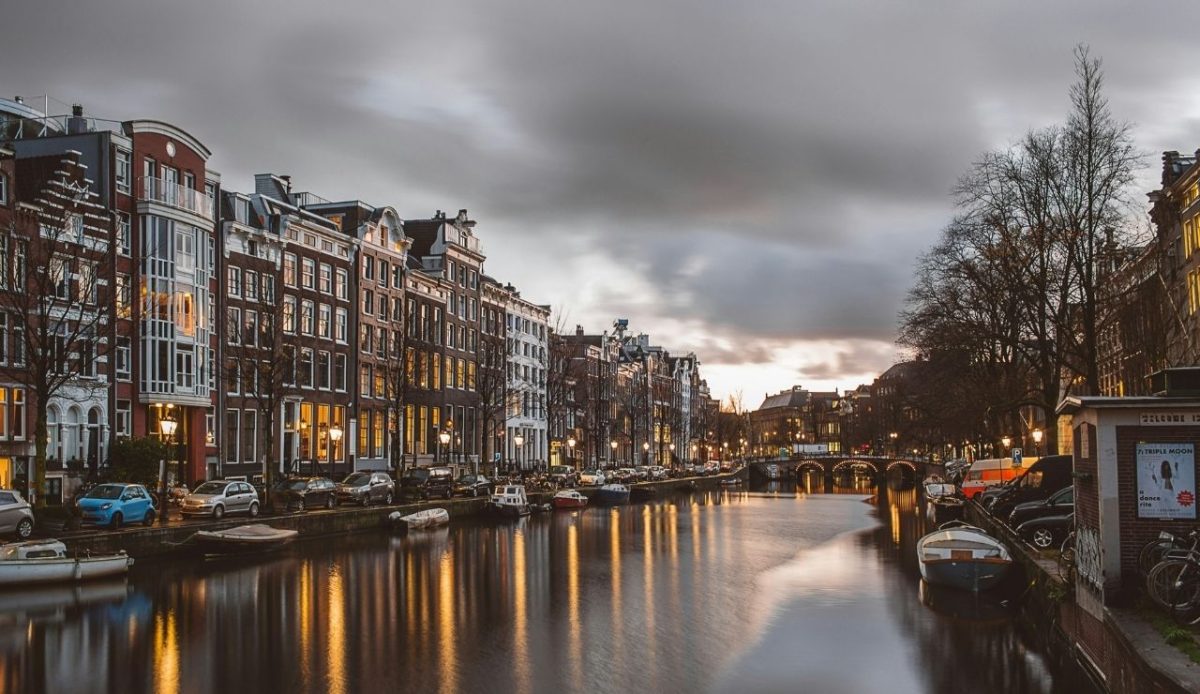
The Netherlands offers an efficient, compact network that keeps travel easy across cities and smaller regions. Intercity trains link Amsterdam, Rotterdam, Utrecht, and The Hague with frequent departures. Metro lines, trams, and buses cover urban districts and support short routes near cultural areas, markets, and canals. Transit cards work across nearly all systems, which simplifies transfers. Many travelers combine transit with short bike rides, as rental bikes are easy to find near most stations. Because distances remain short and schedules stay predictable, visitors move through the country comfortably without needing a car.
6. France

France enables car-free travel through its wide system of high-speed trains, regional lines, metros, and trams. The TGV connects Paris with Lyon, Marseille, Lille, and other cities through fast routes that run on consistent schedules. Regional lines reach coastal towns, rural regions, and historic attractions. Paris relies on a large metro system with stations near museums, parks, and markets. Other cities use trams that move through central zones without traffic delays. Buses operate in areas outside rail coverage, helping tourists complete routes through suburban and small-town areas. These networks allow visitors to explore France without relying on rental cars.
7. South Korea

South Korea provides strong options for car-free travel through its KTX high-speed rail, extensive metro networks, and coordinated bus routes. The KTX links Seoul with Busan, Daegu, and other major cities through steady departures. Metro lines in Seoul reach airports, markets, and busy districts, and digital signs guide new visitors clearly. Bus routes serve neighborhoods that rail networks do not reach, helping travelers complete detailed sightseeing plans. Payment cards function across nearly all systems, reducing the need for separate tickets. Signs in English support international travelers, making the system easier to navigate.
8. Austria

Austria supports travelers through dependable rail lines, trams, and buses that reach major cities and alpine regions. Trains connect Vienna, Salzburg, Innsbruck, and other hubs with consistent schedules. Regional routes provide access to lakes, cultural towns, and mountain areas that may feel difficult to reach by car. Trams in Vienna and Graz support short urban trips, while buses run through smaller neighborhoods and tourist districts. Stations maintain clear signage, and passes work across multiple systems, making multi-day travel simple. With attractions located near transit stops, visitors explore Austria comfortably without a rental vehicle.
