
Maui attracts travelers with its clear beaches, volcanic highlands, and small towns that reflect everyday Hawaiian life. The island offers both quiet moments and outdoor experiences suited for every visitor. You can stand above the clouds at Haleakalā, swim with tropical fish near coral reefs, or follow a road lined with waterfalls deep into the rainforest. Each corner of the island reveals a distinct atmosphere shaped by nature and history. Whether exploring its trails or relaxing by the ocean, travelers quickly see why Maui leaves a lasting impression on anyone visiting for the first time.
1. Watch the Sunrise at Haleakalā National Park
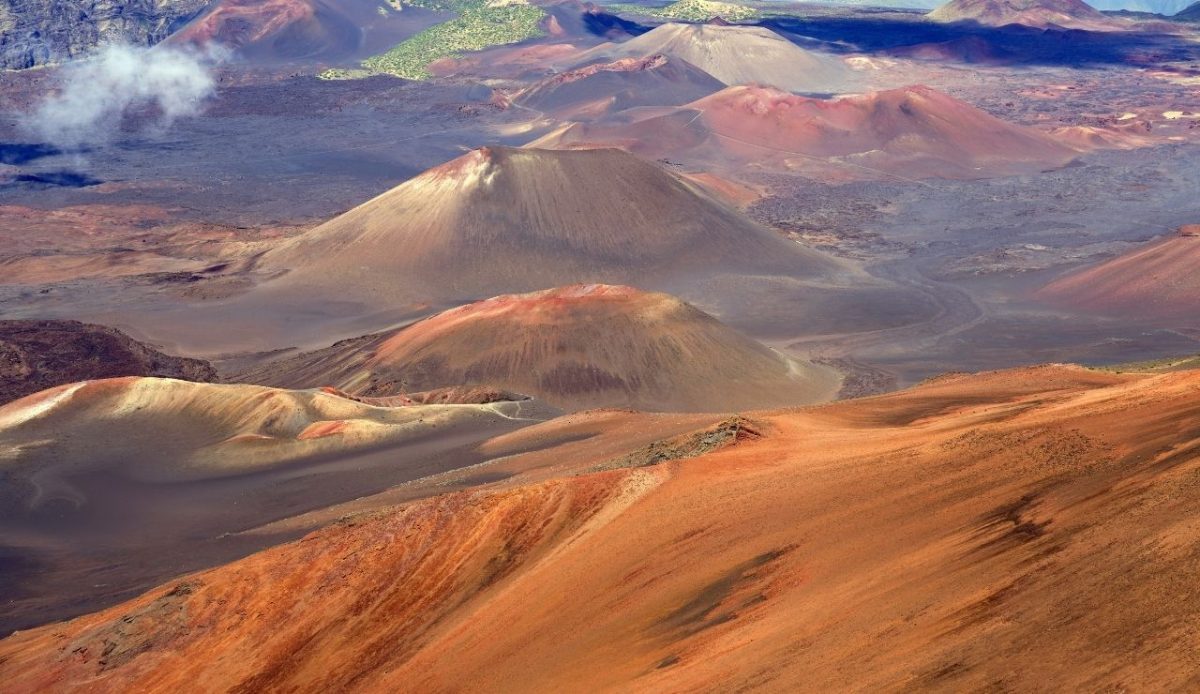
Haleakalā National Park rises above 10,000 feet and rewards visitors with a sunrise that feels otherworldly. Many travelers leave around 3 a.m. to reach the summit before dawn and watch sunlight pour across the crater. The park requires reservations for entry between 3 and 7 a.m., and temperatures can drop below 40°F, so warm layers are essential. Daytime trails such as Pa Ka‘oao and Sliding Sands lead to colorful volcanic ridges. Native silversword plants and seabirds like the nēnē goose make this protected area a highlight of Maui’s natural heritage.
2. Drive the Scenic Road to Hana
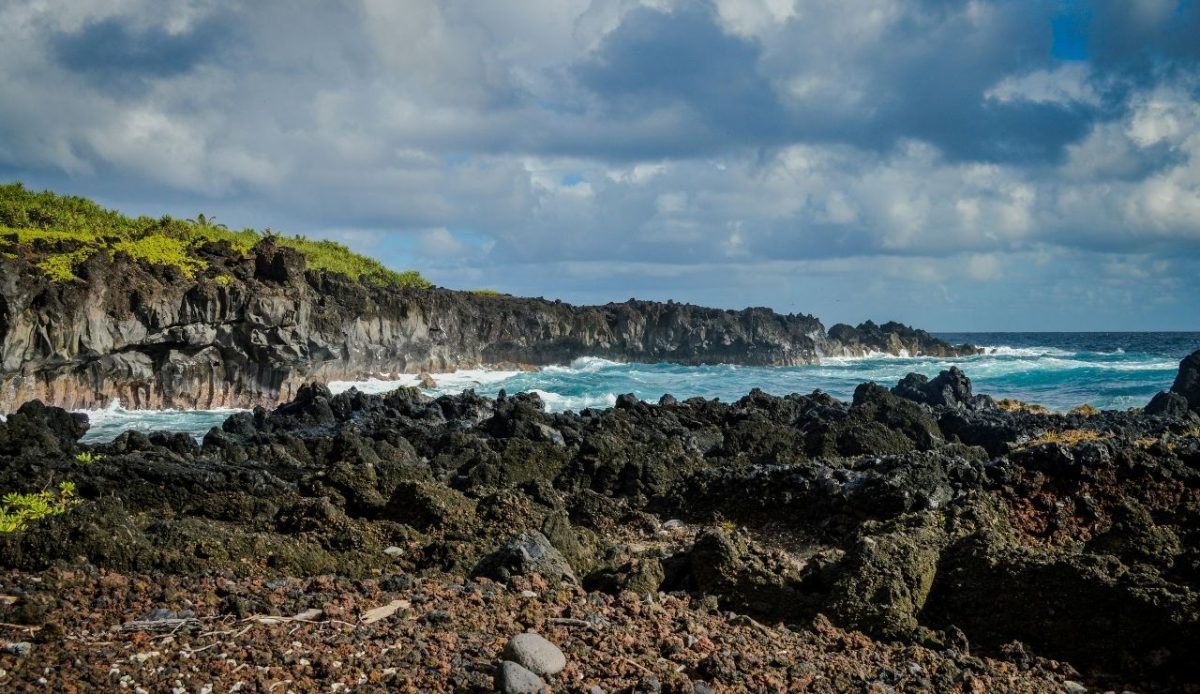
The 64-mile Road to Hana curves through rainforest cliffs, bridges, and countless waterfalls along Maui’s eastern coast. Key stops include Twin Falls, Ke‘anae Arboretum, Waiʻanapanapa State Park’s black-sand beach, and the Pools of ‘Ohe‘o Gulch. Locals recommend leaving Kahului before 7 a.m. to avoid traffic and allowing a full day to explore. Bring snacks, cash, and an offline map since cell service fades for much of the route. Respect private land and take breaks at scenic lookouts. The drive is about slowing down and appreciating Maui’s calm, natural rhythm away from resort areas.
3. Relax on Kaanapali Beach
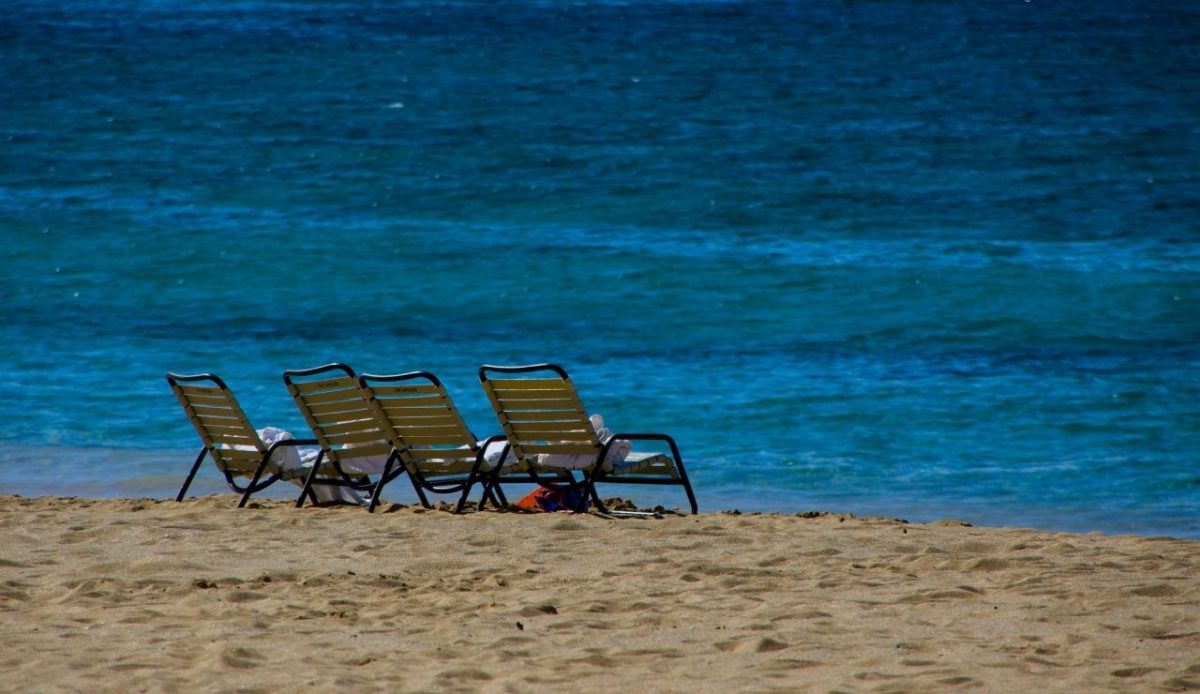
Kaanapali Beach, once a royal retreat, is now one of Maui’s most famous coastlines, stretching for three miles of golden sand and calm surf. The reef near Black Rock is ideal for snorkeling with colorful fish and sea turtles. Restaurants, beach paths, and the open-air Whalers Village make it a convenient choice for families. Each evening, cliff divers light torches and leap from Black Rock, honoring a local tradition. For a quieter time, Napili Bay and Polo Beach nearby offer peaceful swimming spots and views of neighboring islands across the Pacific.
4. Snorkel at Molokini Crater
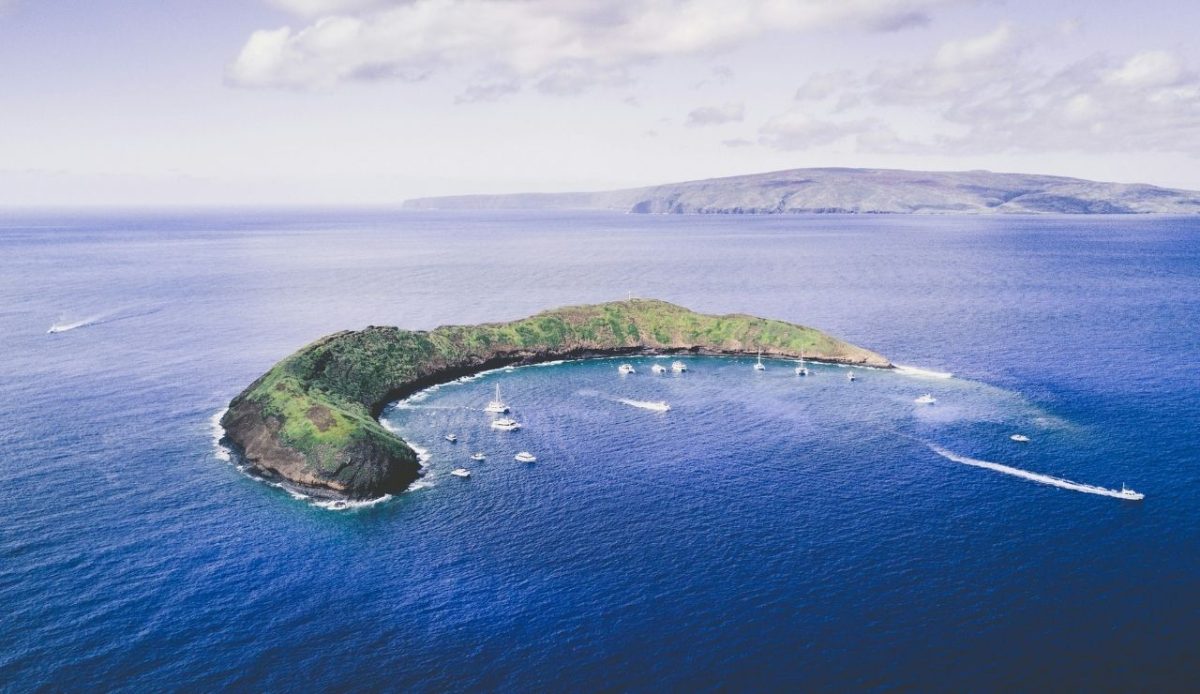
Molokini Crater, located three miles off Maui’s southern coast, is a partially submerged volcanic cone known for clear water and vibrant sea life. Boat tours from Ma‘alaea Harbor or Kihei depart early when the ocean is calmest and visibility can reach 150 feet. Snorkelers often see butterflyfish, parrotfish, and sometimes small reef sharks. Most tours include a second stop at Turtle Town to swim near Hawaiian green sea turtles. As part of a protected marine preserve, visitors must follow no-touch rules to keep coral and wildlife safe for future generations.
5. Explore ʻĪao Valley State Monument
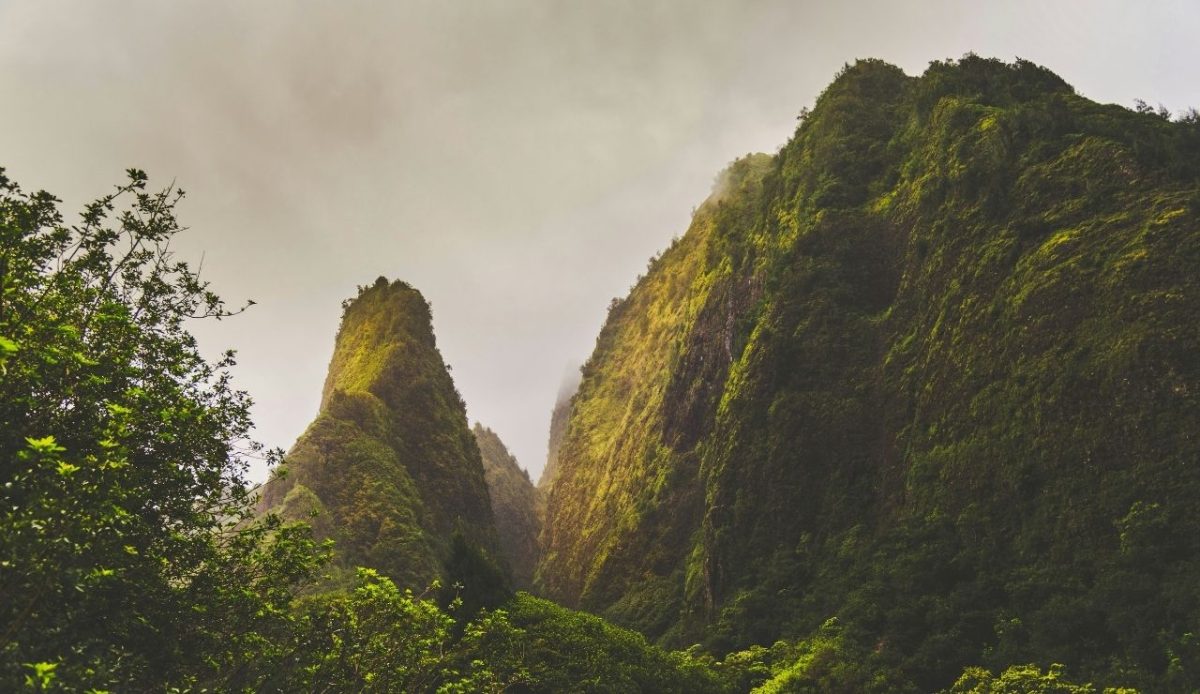
ʻĪao Valley near Wailuku offers a lush setting filled with tropical vegetation and cultural history. The park’s centerpiece, the ʻĪao Needle, rises 1,200 feet above the valley floor, and visitors reach it by following an easy paved trail and steps to viewing platforms. This site served as the 1790 battleground where King Kamehameha I fought to unite the Hawaiian Islands. Early mornings work best before clouds gather around the peaks. The area includes picnic spots, botanical gardens, and interpretive signs. A small fee for parking and entry supports ongoing restoration projects.
6. Go Whale Watching During Winter
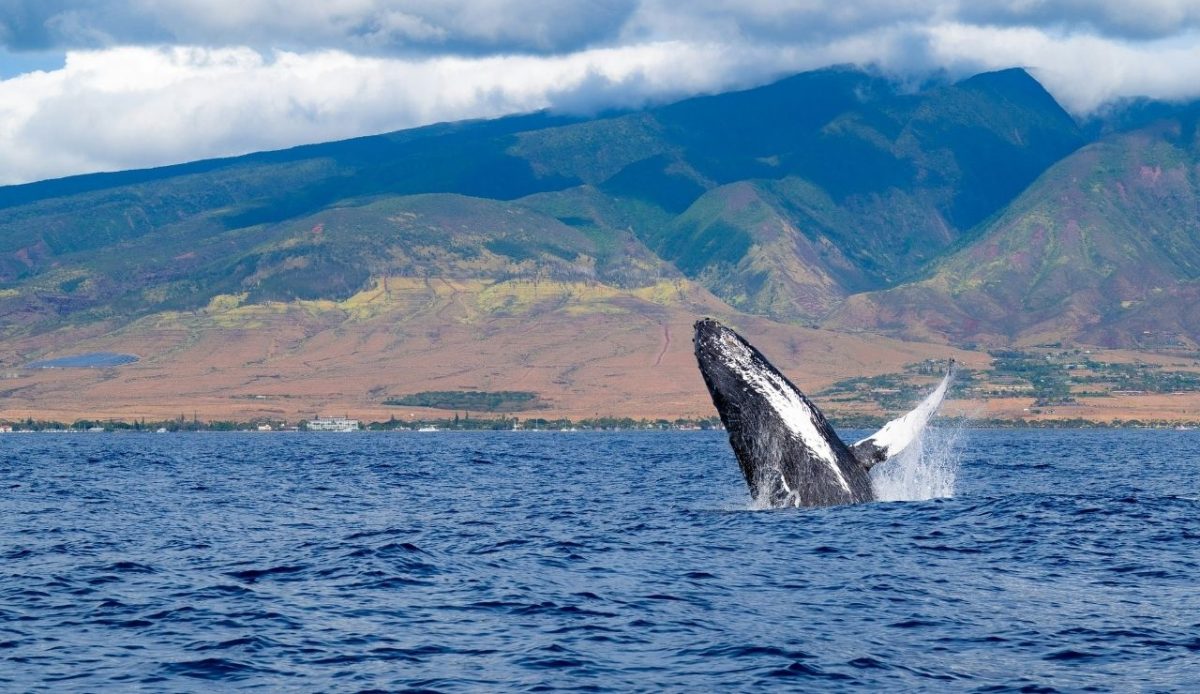
From November through early May, humpback whales migrate from Alaska to breed and nurse their young in Maui’s warm waters. Lahaina Harbor and Ma‘alaea Harbor serve as the main departure points for whale-watching tours, and morning trips usually bring the calmest seas. Visitors often spot whales breaching, slapping their tails, or surfacing close to the boats. The Pacific Whale Foundation and other local operators provide guided cruises that explain behavior and conservation efforts. Binoculars and cameras with zoom lenses help, though many whales pass close enough to be enjoyed with the naked eye.
7. Visit Historic Lahaina Town
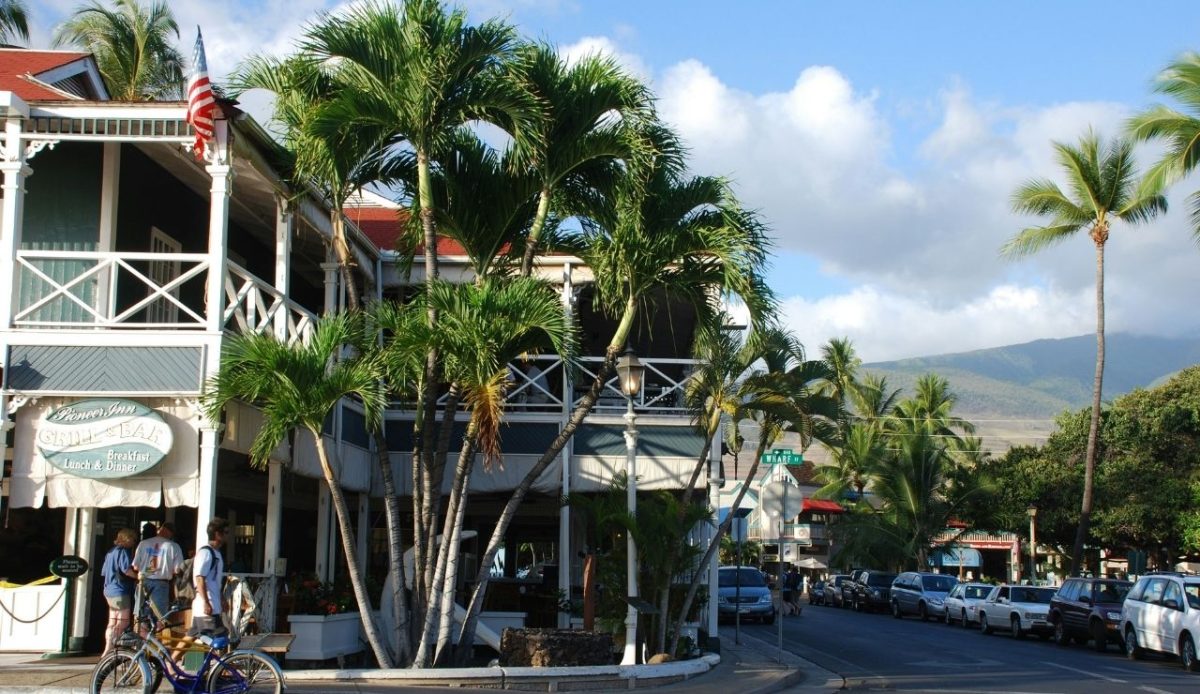
Lahaina once served as the capital of the Hawaiian Kingdom and later became a busy whaling port. Today, small shops, art galleries, and oceanfront restaurants line its main street and reflect its layered history. The massive banyan tree in Courthouse Square spans nearly an acre and ranks among the largest in the United States. Although fires in 2023 damaged parts of the town, many businesses continue to reopen with community support. Local leaders encourage visitors to explore respectfully and learn about Lahaina’s cultural and historical importance.
8. Watch the Sunset on Maui’s West Coast
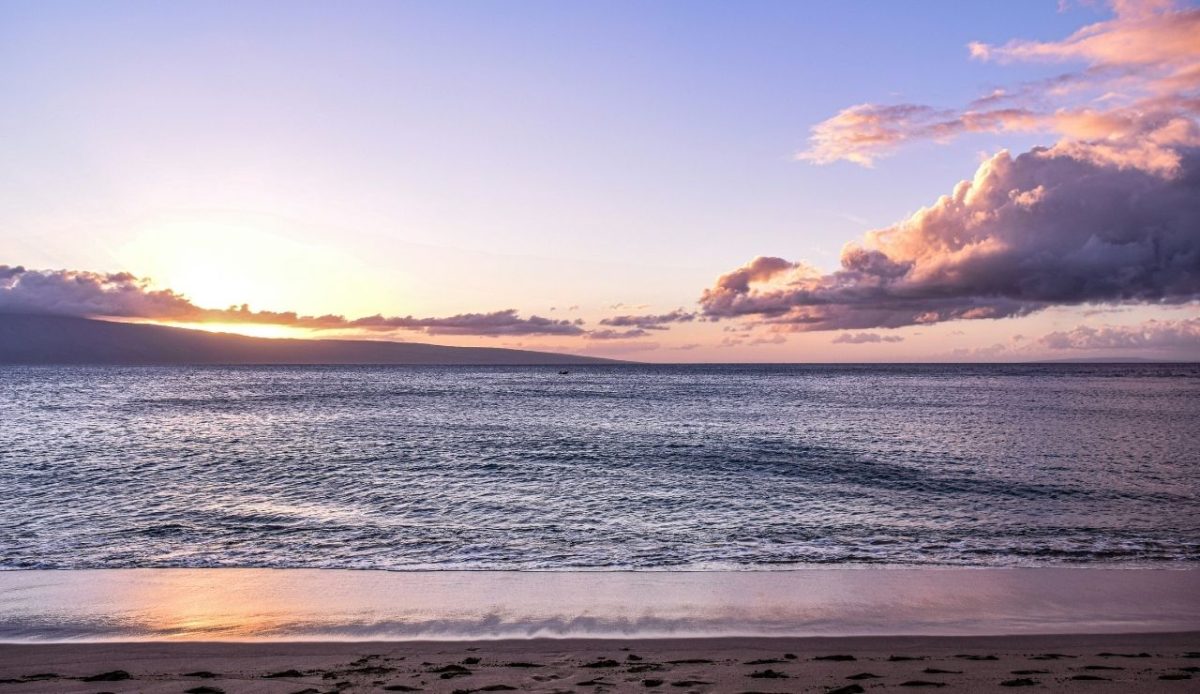
Maui’s west coast offers some of the most beautiful sunsets in Hawaii, drawing both residents and visitors to the shoreline each evening. Kaanapali, Lahaina, and Kihei provide favorite viewing spots where the sky often turns pink, gold, and violet over the Pacific. Many travelers choose a sunset cruise that departs from Lahaina Harbor and glides along the coast. Photographers usually arrive an hour before dusk to capture changing colors and reflections on the water. Whether from a sailboat, a quiet beach, or a seaside restaurant, a Maui sunset brings a relaxed ending to a busy day.
