
Some trips feel complete after a single visit. A place can be famous and busy yet still leave travelers thinking their time would be better spent somewhere new next year. That reaction comes from how the visit works, not the label.
For this topic, each spot is a U.S. travel draw that many people sample once, then skip on later vacations. The reasons are practical, like crowd pressure, high prices for simple experiences, or an atmosphere that feels more transactional than relaxing.
Each section explains what drives that decision at the location listed. Attention is placed on access patterns, visitor flow, and value tradeoffs that shape repeat interest. Personal taste varies, yet similar frictions are common enough to affect planning.
1. Fisherman’s Wharf, San Francisco, California
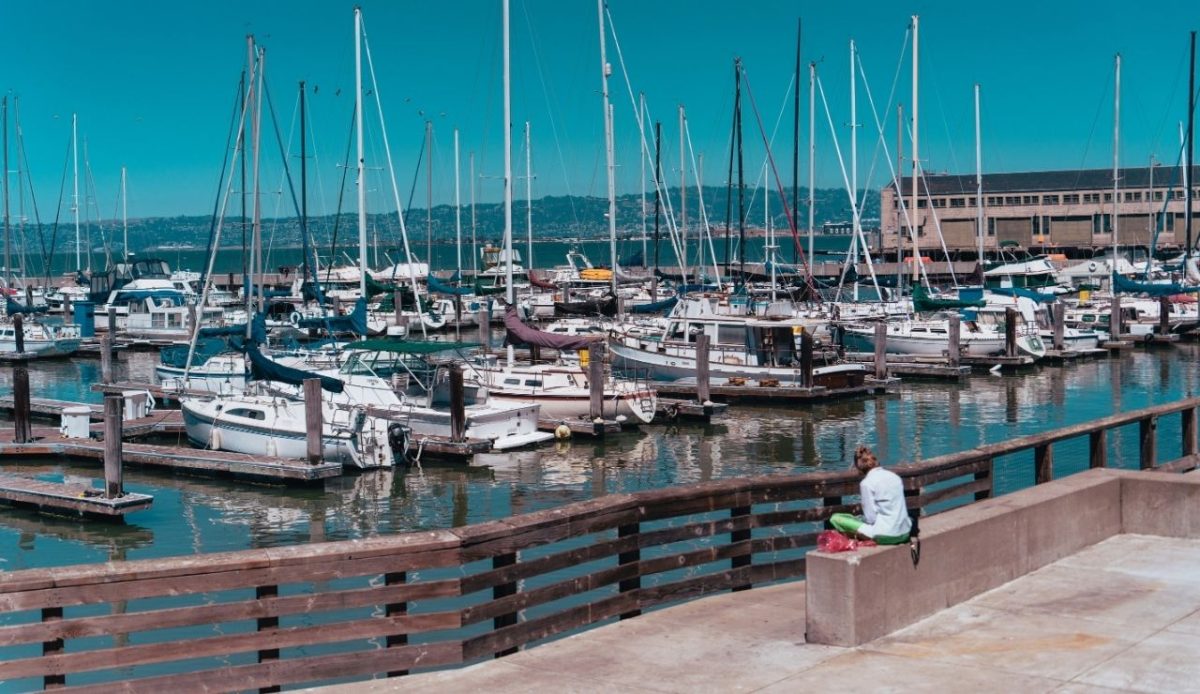
Fisherman’s Wharf concentrates souvenir retail, tour counters, and casual dining along a short waterfront strip. It is easy to reach, so foot traffic builds early and stays dense. What feels lively at first can turn into slow shuffling between storefronts.
Many stops deliver the same product in different packaging, which reduces surprise on a second visit. Meal prices are set for high turnover, and tables are treated as quick resets. Views exist, but crowds compete for the same photo angles.
Once the sea lions, pier walks, and key sights are checked off, repeat value is limited. Return visits usually prioritize neighborhoods with stronger local character. The Wharf is experienced as a snapshot, not a place to settle again.
2. Wall Drug, Wall, South Dakota
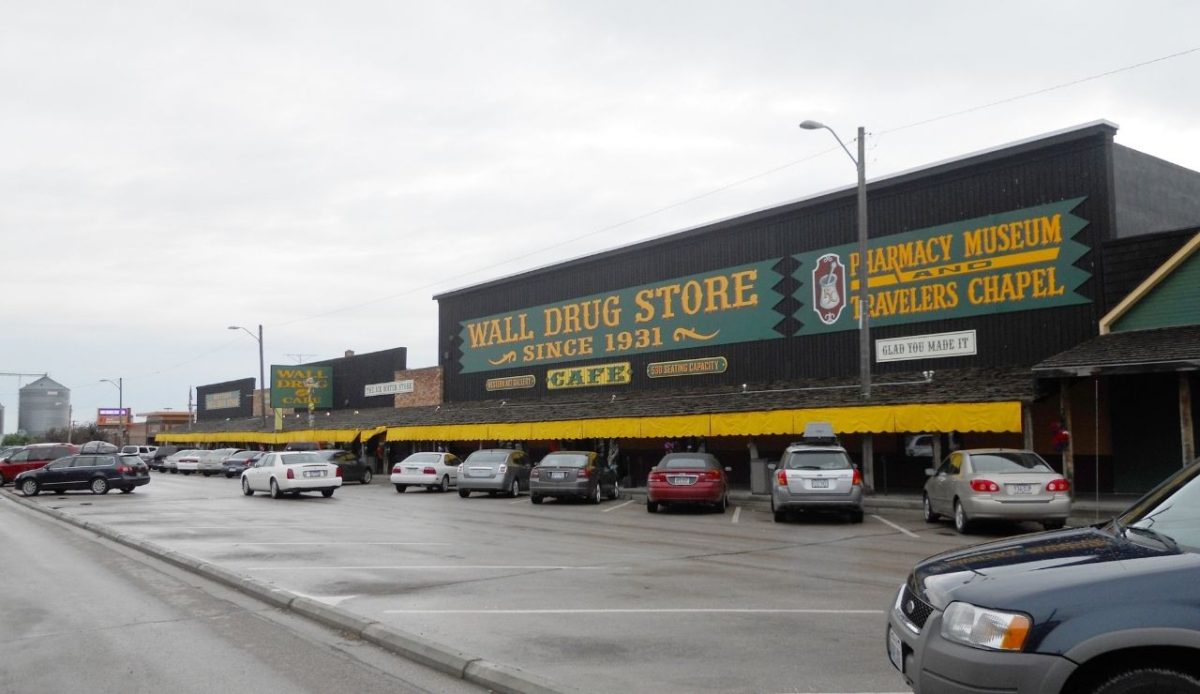
Wall Drug was built as a planned roadside stop, with signs pulling drivers off the highway long before they arrive. Inside, themed rooms, retail aisles, and photo props guide a fast loop. The design rewards brief wandering, not a long stay.
Most visitors finish the core experience quickly because the activities are fixed and the setting changes little over time. Shopping is the main draw, while the free water and classic billboards act as the hook. During summer peaks, lines and parking add friction.
After the novelty fades, a return trip rarely feels necessary unless the same route is being driven again. It is remembered as a quirky pause between destinations. The place is made to be checked off, not revisited for new layers.
3. Dole Plantation, Wahiawa, Hawaii
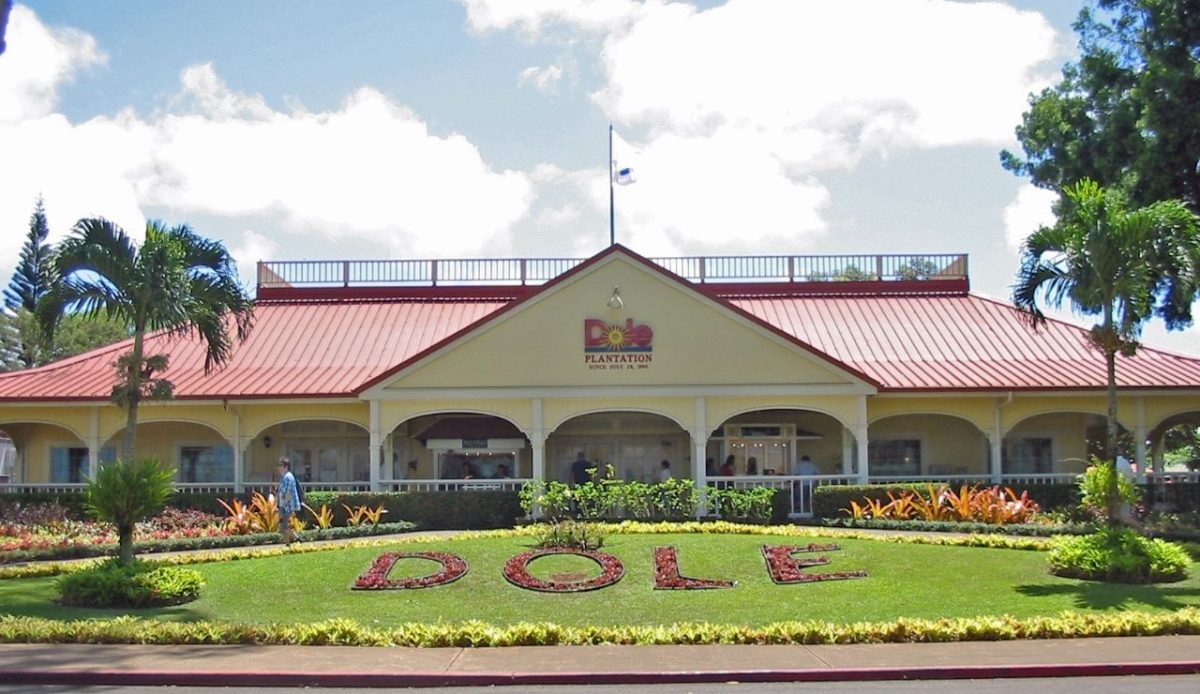
Dole Plantation offers a structured visit built around a short train ride, mapped gardens, and a big gift shop. It sits near North Shore routes, so tour buses can stack up. The result is a controlled pace that feels scheduled.
Interpretive material stays light, so history and labor context may feel thin compared with the branding on site. The maze can involve waiting, and the walkways are narrow in rush hours. Much of the visit is spent in lines or browsing retail.
Many travelers leave feeling they have seen the full product in one afternoon. On a later Oahu trip, they often choose beaches, hikes, or neighborhood food instead. The plantation stop feels packaged rather than a place to repeat.
4. Times Square, New York City, New York
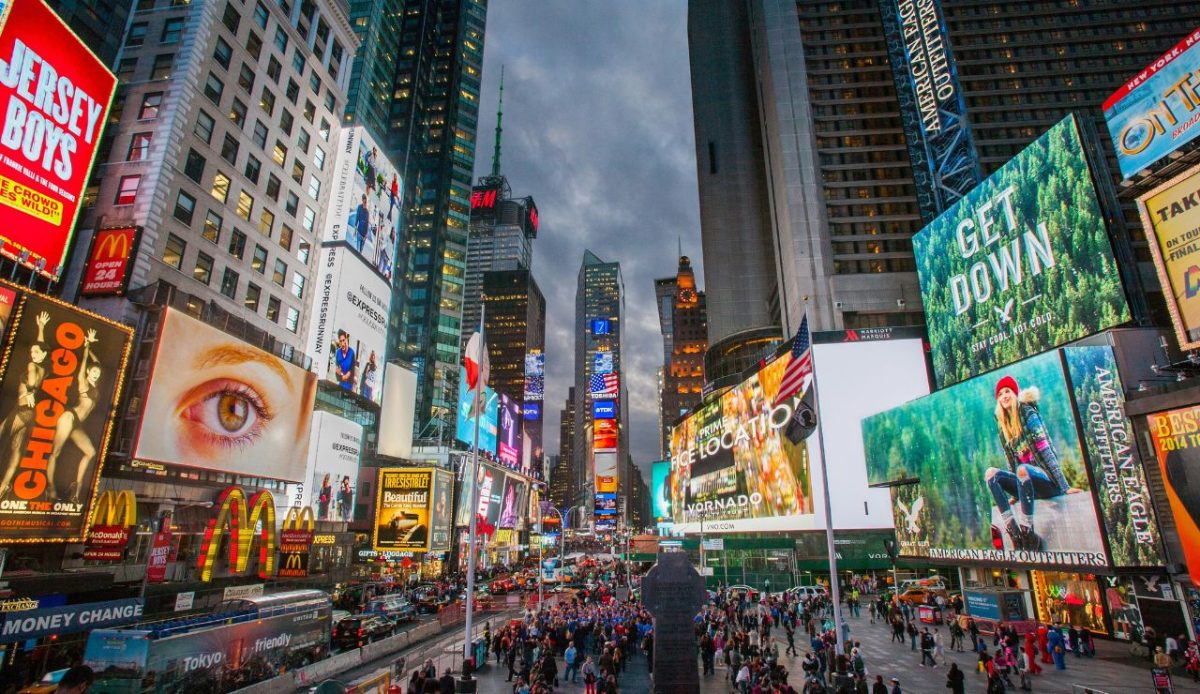
Times Square hits visitors with screens, noise, and constant motion, creating a quick sensory payoff. Multiple subway lines feed the crossroads, so it stays packed from morning through late night. Standing still can feel like being pushed along.
Restaurants and shops skew toward global chains and high rent pricing. Street performers and promoters add energy, yet space is tight, and attention is pulled in every direction. A calm moment is hard to find, and the area can feel draining.
After one pass through the lights, many travelers spend later days in neighborhoods with parks, museums, or quieter streets. The spectacle is memorable, but it is consumed fast. A return is often skipped because the scene changes little.
5. Navy Pier, Chicago, Illinois
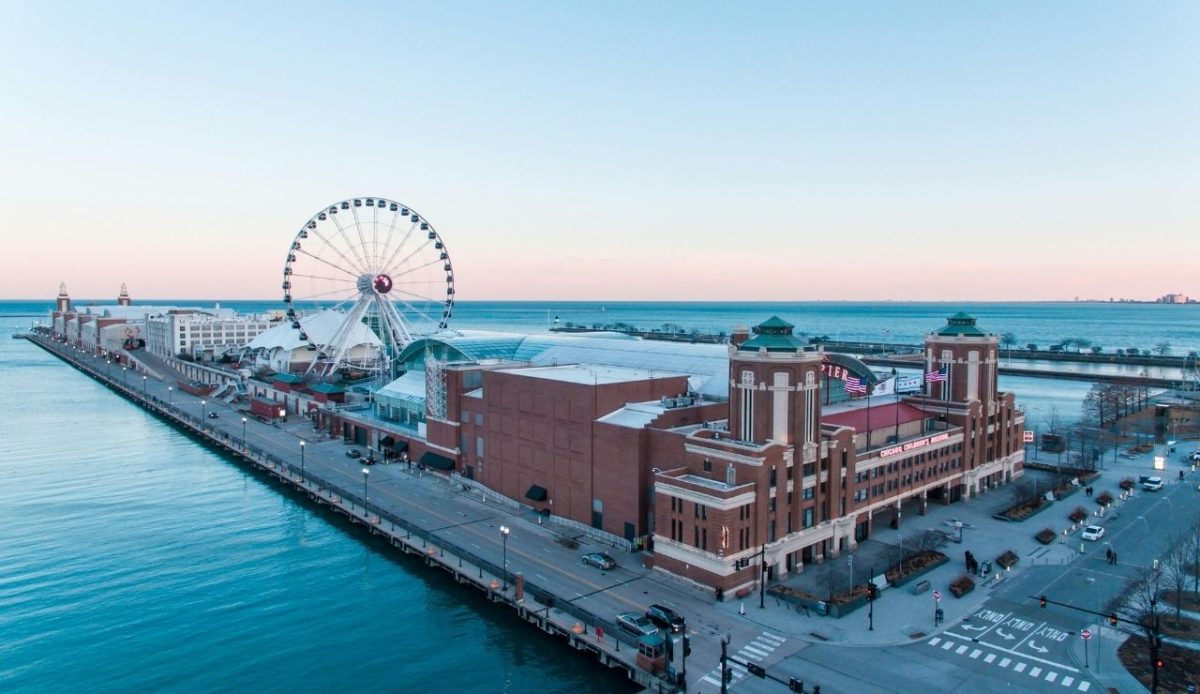
Navy Pier funnels visitors along a lakefront walkway lined with shops, food counters, and paid attractions. Entry is simple, so families and tour groups arrive in waves, especially on weekends. The pier can feel like a contained circuit.
Most activities are ticketed, from rides to exhibits, and costs rise quickly for a group. Seating is scarce when it is busy, and indoor areas get loud. Skyline views are strong, but railings crowd up during peak hours.
After the first lap and a lakeside photo, some travelers decide they have captured the point. Later Chicago trips are spent in neighborhoods, museums, or the Riverwalk. Many file the pier as a one-time detour and move on.
6. Hyman’s Seafood, Charleston, South Carolina
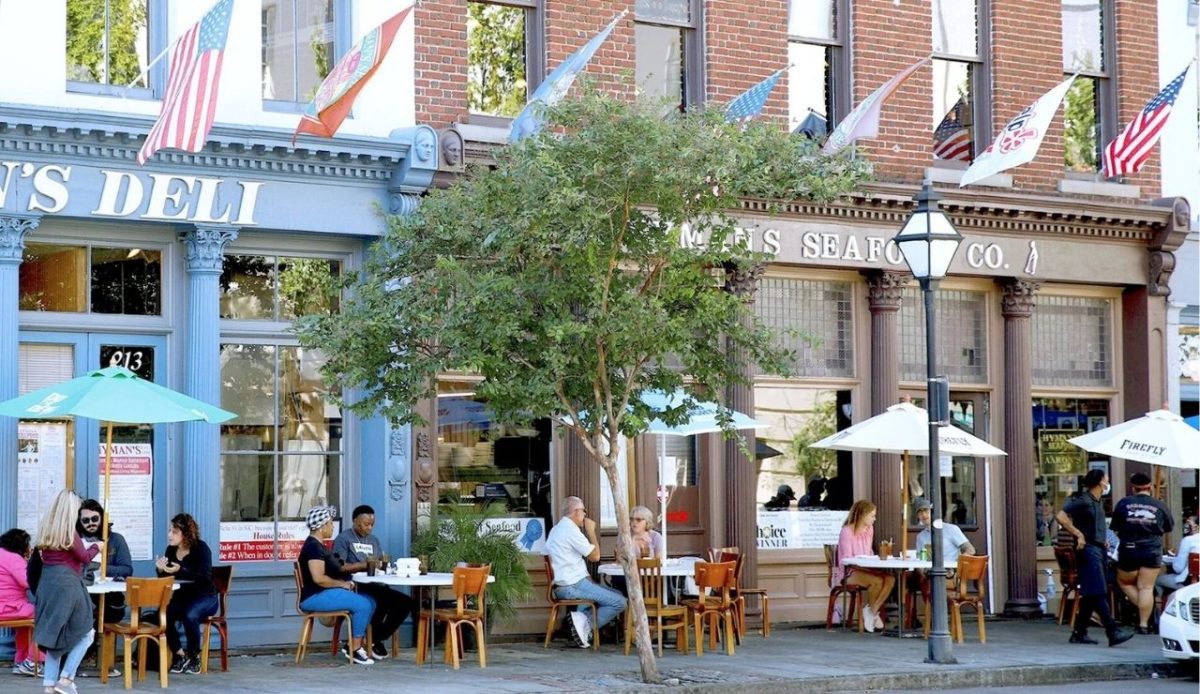
Hyman’s Seafood sits in Charleston’s busy visitor core and draws long lines because it is treated as a must-try stop. Seating turns over quickly, and the room stays loud. The meal may be experienced as a timed event, not a relaxed break.
The menu is broad and consistent, but the experience is shaped by volume, not pacing. Staff efficiency is needed to move tables, so service can feel rushed when crowds spike. Nearby alternatives may offer similar dishes with less waiting.
After a first visit, many travelers decide their next Charleston dinner should happen elsewhere. The restaurant is remembered, yet it is not often repeated because the tradeoff is time. On return trips, people book smaller rooms that feel calmer.
7. Historic River Street, Savannah, Georgia
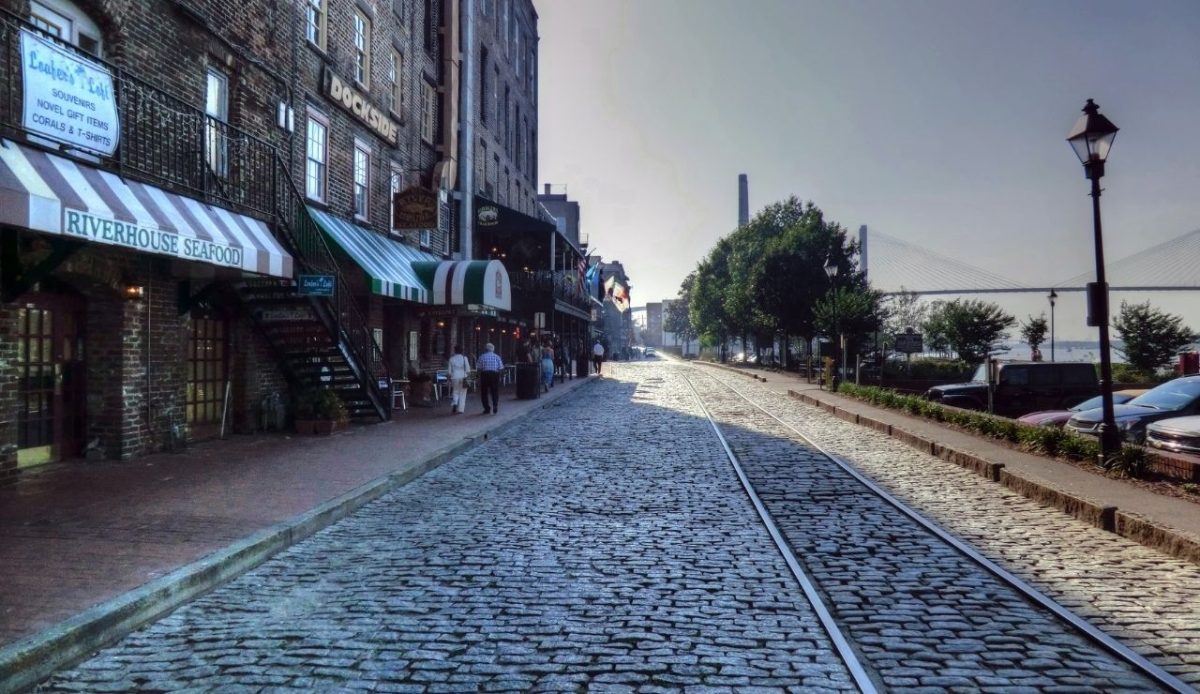
Historic River Street compresses bars, shops, and river views into a narrow cobblestone corridor along Savannah’s waterfront. The scenery is strong, but the path can bottleneck when tour groups arrive. Movement slows and repetition sets in.
Many storefronts sell similar souvenirs, and food choices lean toward quick service aimed at passing crowds. Uneven paving can make long walks tiring. In humid months, heat and density are often described as uncomfortable.
After an initial visit, travelers often choose Savannah’s squares, museums, and residential streets where the pace is gentler. River Street works for a short window. It is seen as a checkbox stop, not a repeat stop.
8. Pike Place Market, Seattle, Washington
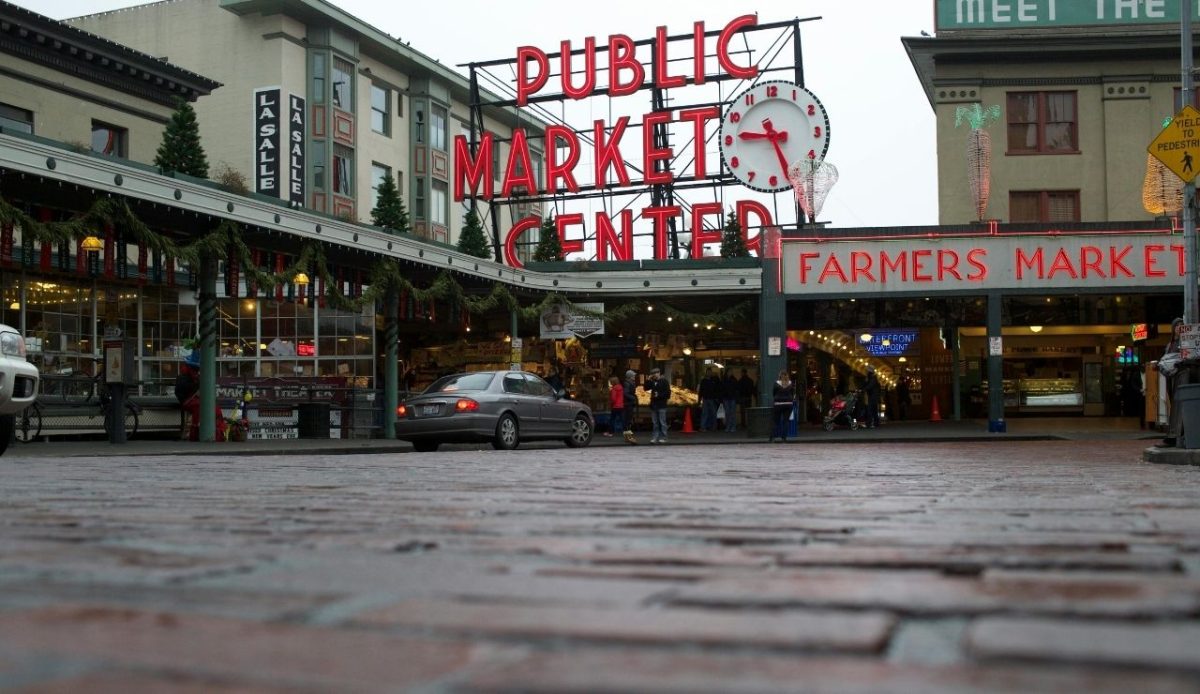
Pike Place Market packs produce stalls, fish counters, and craft vendors into tight lanes above Seattle’s waterfront. The setting is iconic, so crowds form early and stay thick for much of the day. Browsing can feel like inching forward.
Popular corners attract clusters that block traffic, and narrow aisles leave little space to pause. Prices vary, yet snacks and souvenirs can carry a tourist premium. Seating is limited, so eating may require stepping outside.
Many travelers leave satisfied after one visit because the layout and vendor lineup change slowly. On later trips, time is shifted to areas like Capitol Hill or Ballard. The market is worth seeing, but it is not always chosen twice.
