
All-inclusive resorts sell the dream: one price, zero stress. In 2026, plenty of guests still love the format, but the same few frustrations keep showing up in reviews, comment threads, and group chats.
Most complaints aren’t about the beach or the buffet; they’re about expectations vs. fine print. Small policy details can turn into big “never again” moments once you’ve already checked in, unpacked, and handed over your card for incidentals.
Use this list as a pre-booking checklist, not a reason to panic. If you know what typically triggers complaints, you can spot red flags early, ask smarter questions, and choose a property that fits how you actually travel.
1. Surprise fees and constant upsells
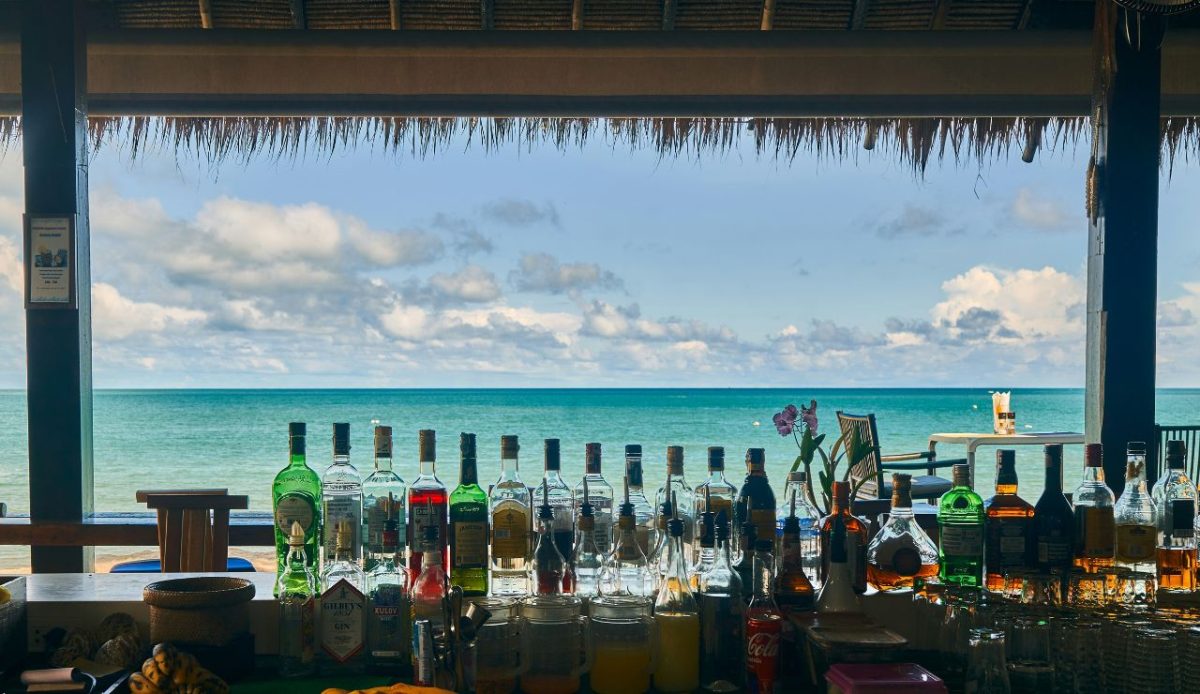
The “all-inclusive” price can hide add-ons that feel mandatory, like premium dining, branded liquor, minibar restocks, room service fees, or “VIP” seating by the pool.
Travelers say the surprise isn’t the existence of upgrades, it’s how hard it is to avoid them. Menus and bar lists sometimes push paid options first, and staff may frame them as the default, which makes the included choices feel like a downgrade.
Before booking, confirm what’s truly included: room category, alcohol brands, à la carte limits, gratuities, and any daily resort fee. Also check whether activities, spa access, and airport transfers cost extra. Those line items add up fast on a weeklong stay.
2. Pool chair wars and towel reserving

Lounge chairs disappear at sunrise in many resorts, and guests complain about towel “reservations” that block seats for hours with nobody around.
This creates a competition vibe that clashes with the relaxation pitch. People report waking early just to claim shade, then feeling stuck nearby to protect their spot, while others wander and can’t find anywhere to sit by late morning. Some reviews mention staff not intervening because it sparks arguments.
Look for resorts that enforce time limits on unattended chairs or offer assigned cabanas and extra shaded areas on both pool and beach. If policies aren’t stated, assume you’ll be playing chair roulette during peak weeks.
3. Food quality gaps and repetitive menus

Buffets get the most heat when repetition sets in: the same themes, lukewarm trays, and limited options for dietary needs after day two.
Even when food is plentiful, travelers complain about quality swings, a great breakfast, a bland dinner, or long lines for the one station that’s actually fresh. The worst reviews describe “quantity over care,” where sauces taste identical and local specialties feel like an afterthought.
Check recent photos and reviews for variety across the week, not just one “wow” meal. Properties with multiple smaller venues, rotating menus, and clear allergen labels usually avoid the worst buffet fatigue. If you’re picky, budget for a few off-site meals.
4. Restaurant reservations that feel impossible

A common 2026 gripe is “reservation rage”: restaurants fully booked minutes after check-in, with prime times locked behind apps, concierge tiers, or longer stays.
Guests say it feels like paying for choices they can’t access. When every dinner requires a reservation and only late slots remain, the experience starts to feel managed, not carefree, especially for families with kids or travelers on early tours.
Ask how reservations work before you arrive, when they open, how many you can hold, and whether walk-ins exist. If the answer is vague, expect limited flexibility and plan backup options like the buffet or room service. Weekend nights are usually the hardest.
5. Rooms that don’t match the photos

Rooms matter more at all-inclusive properties because you’re on-site most of the day. Complaints spike around humidity, musty smells, thin walls, and dated bathrooms.
Travelers also mention “photo mismatch” issues: the website shows renovated suites, but standard rooms look older and sit farther from the beach and amenities. Another recurring gripe is poor soundproofing, hallway chatter, carts, and door slams that ruin sleep.
Read reviews filtered by your exact room type, not just the resort name. If renovations are ongoing, ask which buildings are updated and request a specific block and floor, not a general note in the booking. A quiet room is worth the fuss.
6. Slow service and long waits everywhere

Some guests report service that’s friendly but stretched thin, especially at busy family resorts. The complaint isn’t rudeness, it’s waiting: for drinks, towels, check-in, maintenance, or a table.
Staffing levels can swing by season, and the “all-inclusive” model adds pressure when every guest is ordering constantly across multiple venues. Reviews often mention bar lines at peak hours and rooms not ready until late afternoon, which can sour day one.
To reduce friction, travel off-peak when possible and prioritize resorts known for strong staff-to-guest ratios. In reviews, look for repeated mentions of wait times and response speed, not one-off bad days.
7. Noise, party spillover, and weak quiet zones

Noise is a dealbreaker for many travelers, and all-inclusive properties can be loud: late-night shows, pool DJs, corridor traffic, and thin doors.
Families complain about adults-only areas being porous, while couples complain about kids’ zones bleeding into quiet spaces. The issue is less “kids exist” and more poor zoning, weak enforcement, and entertainment placed too close to guest rooms. Some guests also point to loud wedding groups and bachelor parties.
Pick a resort designed for your vibe: adults-only, family-first, or split-section layouts. When booking, request a room away from stages, elevators, and main pools, and check whether quiet hours are enforced after events end.
8. Beach reality not matching the brochure

Guests often expect clear water and clean beaches, but are surprised by seasonal seaweed, rough surf, or limited swim areas due to reefs and safety flags.
Resorts can’t control the ocean, but travelers complain when the property downplays conditions or doesn’t provide alternatives like shuttles to calmer coves, more pool shade, or clear daily updates. Another frustration is beach vendors or public access that changes the “private” feel.
Before you go, check seasonal patterns for the region and ask what the resort does during seaweed periods. A good property communicates honestly, offers water activities elsewhere, and keeps the beach maintained without constant extra charges.
