
Airlines rarely announce perk reductions with a big headline. In 2026, a lot of changes show up only when you try to pick a seat, earn miles, or grab food on board.
Most cuts don’t hit premium cabins first; they land in basic or lowest fare families, where “included” quietly becomes “available for a fee,” or disappears unless you hold status.
The pattern is consistent: tighter fare rules, fewer automatic freebies, and more “choose your experience” upsells. If you fly a mix of carriers, assumptions from last year can cost you fast. Below are eight airlines where the shift is easy to notice, and what to double-check before you click purchase.
1. Southwest Airlines
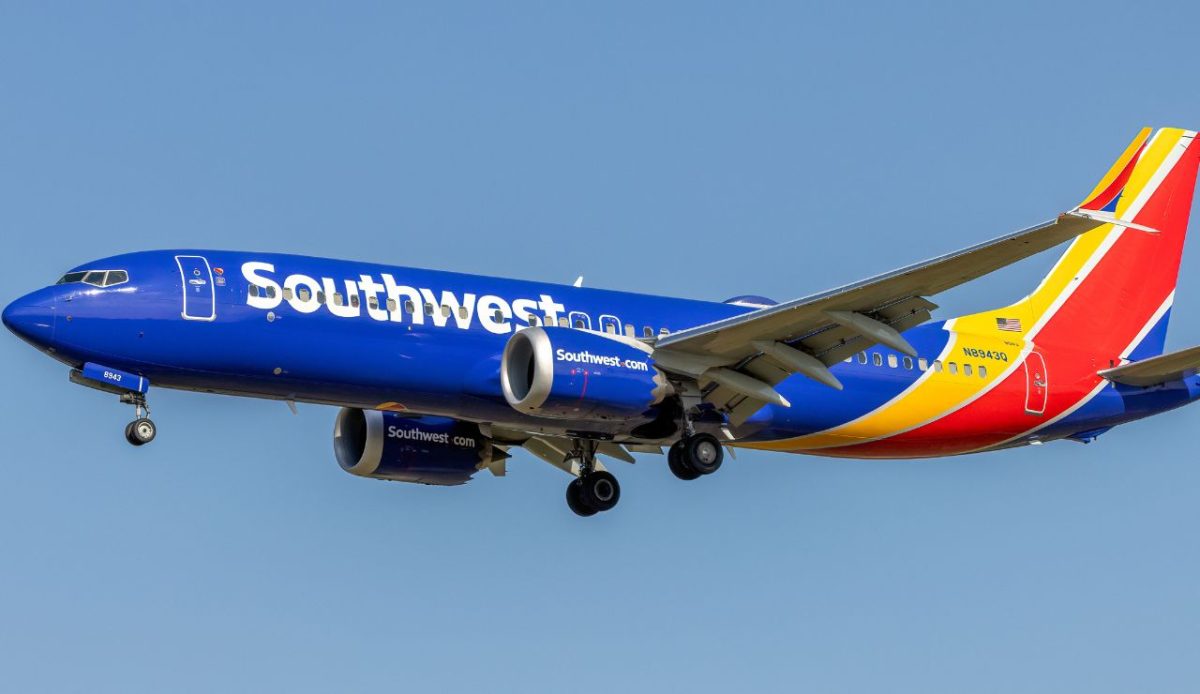
Southwest’s biggest “quiet cut” is the end of its simple open-seating vibe. For flights in 2026, most fares now involve choosing a seat during booking, and the boarding process is no longer built around A/B/C line positions.
The sting is for the lowest fare: instead of picking early and hunting for a decent spot, Basic customers can be assigned a seat at check-in, which makes last-minute changes and family seating less predictable.
Southwest also tightened its long-running extra-seat approach for larger travelers, shifting from a complimentary extra seat with a guaranteed refund to an upfront purchase, with refunds only in certain cases too.
2. American Airlines
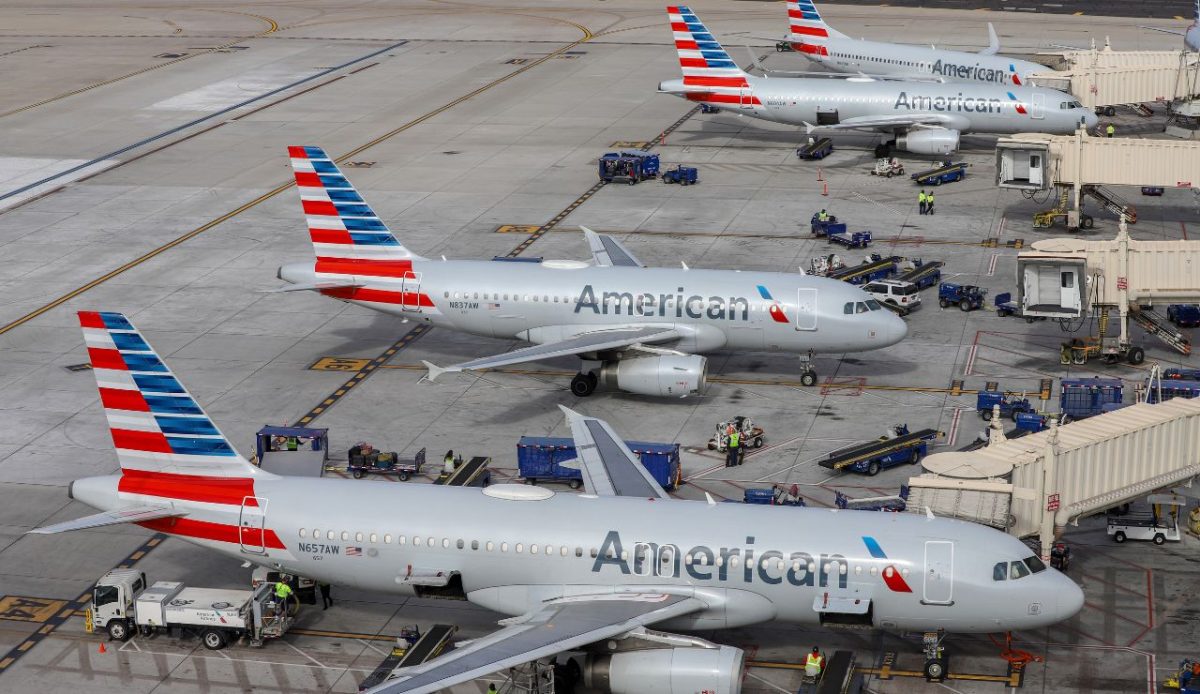
American’s perk pullback is aimed at its cheapest tickets. Basic Economy still gets the basics, one personal item and carry-on on most routes, but the “quiet” change is about loyalty value, not baggage.
As of late 2025 rolling into 2026, many Basic Economy tickets no longer earn frequent-flyer miles or Loyalty Points that count toward elite status, removing a reason budget flyers used to stay brand-loyal.
Elites can still see some benefits on these fares, but the earning gap matters most for occasional travelers trying to climb tiers. The practical impact is that the same trip can look identical in the cabin but do far less for your year-end totals. Check the fare class and earning page before booking.
3. United Airlines
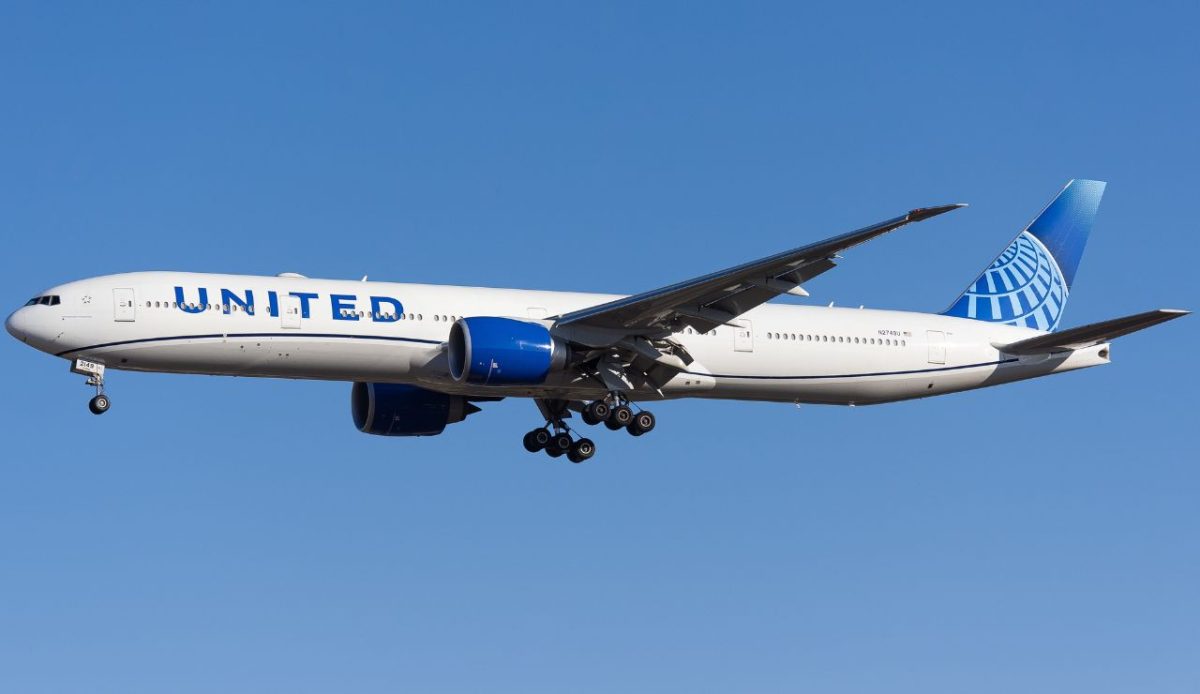
United’s 2026 cuts hit two places travelers assume are automatic: food and points. On some routes, fresh economy meals are no longer something you can decide to buy once you’re already seated.
Instead, United has pushed certain fresh meal options to pre-order only, meaning no preorder can equal no meal choice beyond what’s stocked for sale onboard.
On the loyalty side, United also moved to make Basic Economy less rewarding, with reduced mileage earning rules tied to the ticket issue date in 2026. If you book the cheapest fare, confirm whether you’ll earn miles at all, and whether a standard Economy fare is worth the bump for flexibility today.
4. Delta Air Lines
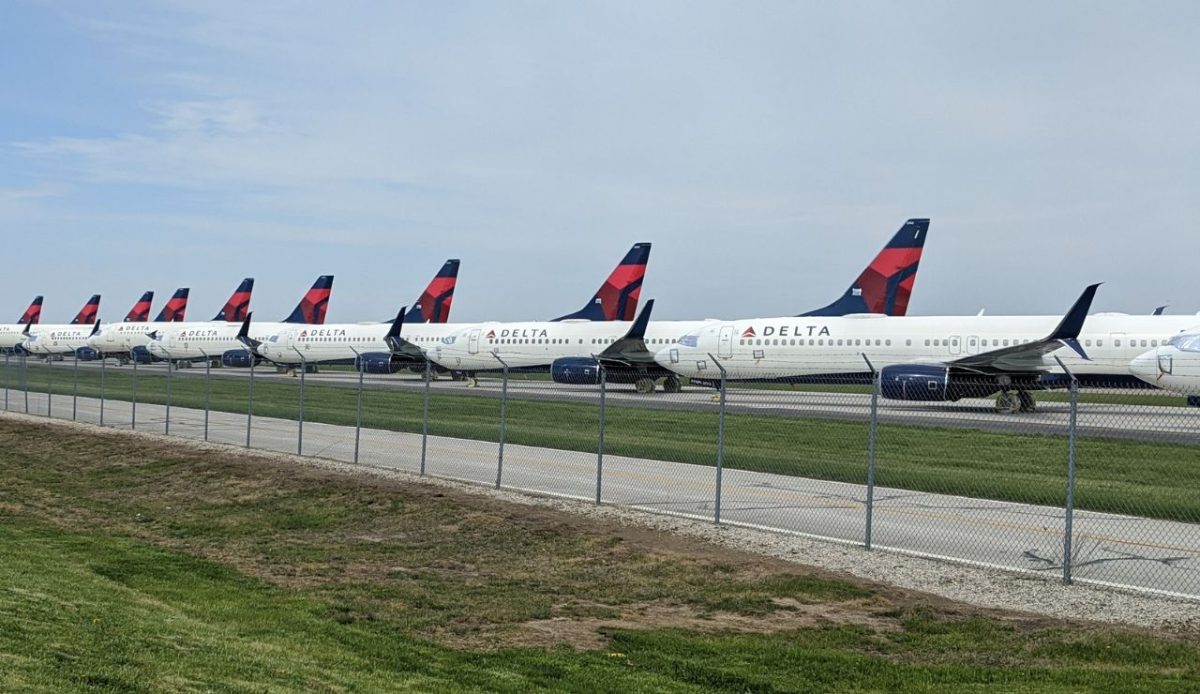
Delta has turned its lowest tier into a clear “no-perks” zone. Delta Main Basic can be cheaper up front, but the tradeoffs are sharper than many travelers expect when they’re used to earning something on every trip.
Basic customers may not get a seat assignment until check-in, and they’re not eligible for paid or complimentary upgrades or preferred seating, even if they hold Medallion status. Club access and priority-style benefits are also off the table.
The quiet part is that these restrictions show up as a pile of tiny frictions: less control over where you sit, fewer ways to improve the experience later, and less value for frequent flyers. If you care about seats, buy up a tier.
5. Aer Lingus
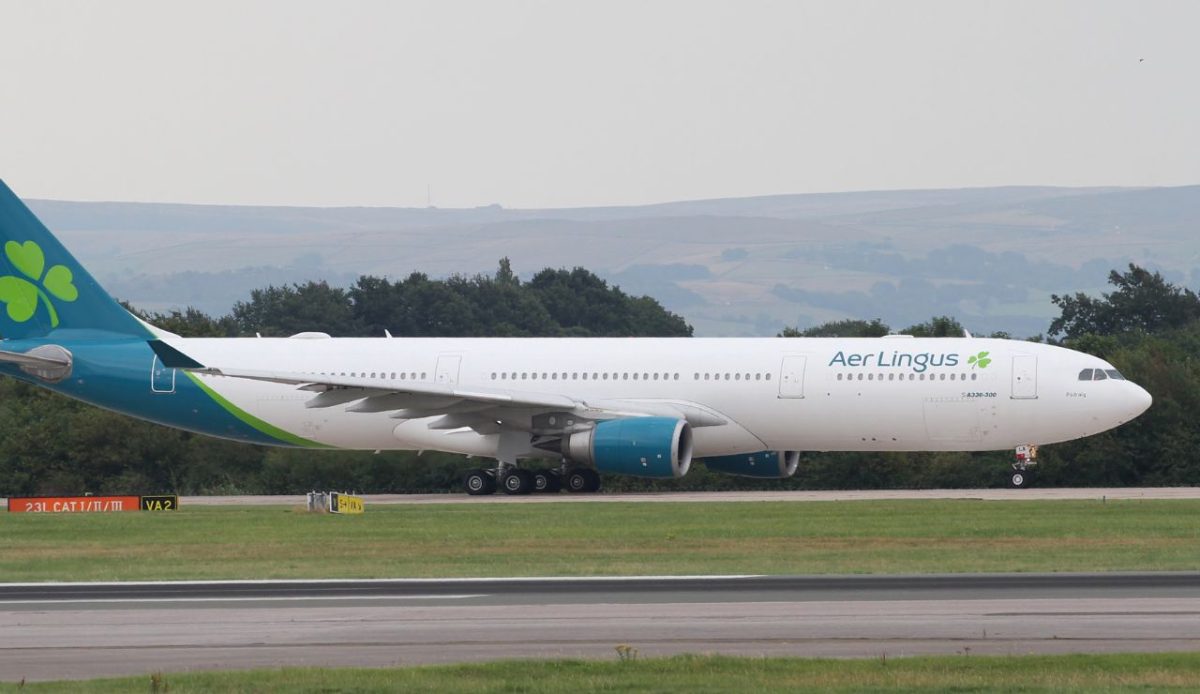
Aer Lingus made a 2026 baggage move that looks generous at first glance: more flights now fall under the same 10kg bag policy. The catch is where that bag goes.
If you book a Saver fare, you may need to pay a fee to bring a 10kg bag into the cabin, even though you can still check that bag into the hold for free. Higher fare types include the cabin option, and frequent flyers keep extra allowances.
For travelers who rely on a quick cabin bag to skip baggage reclaim, this can feel like a perk cut disguised as “more consistency.” Before you book, compare Saver versus Plus/Advantage pricing and decide whether cabin access is worth paying for now.
6. Air France
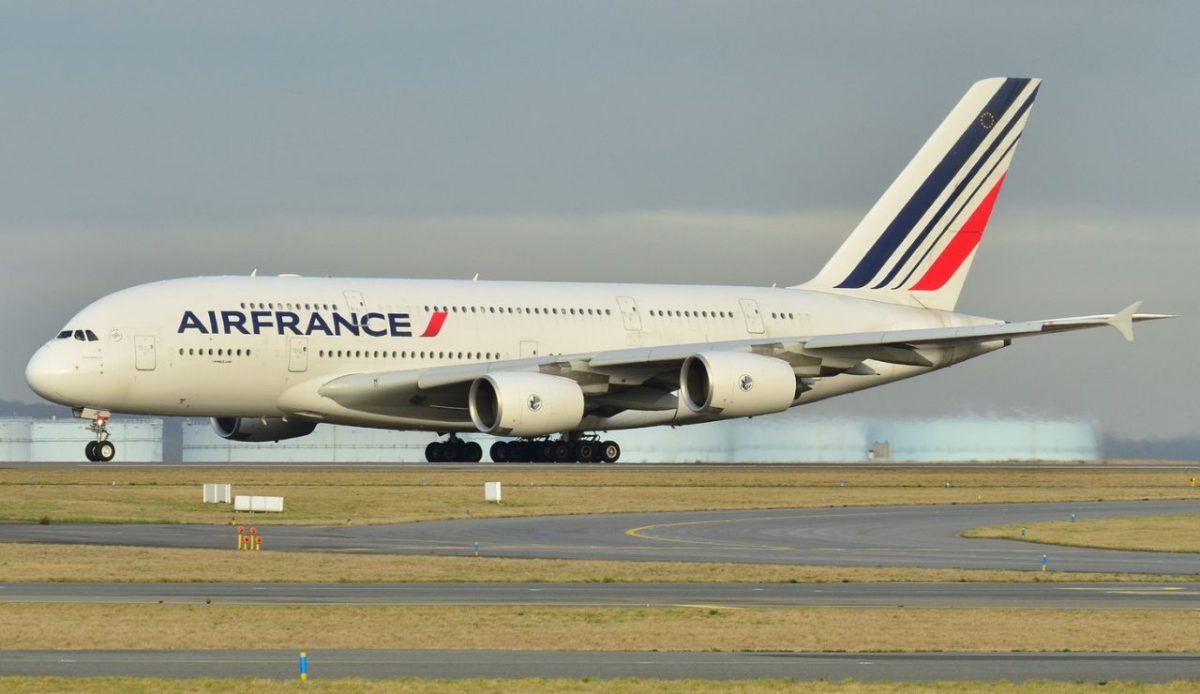
Air France has been experimenting with a buy-on-board approach on selected short- and medium-haul routes, a shift that matters because its free snack-and-drink service has long separated it from true low-cost rivals.
Under the trial model, items that were commonly included, like a simple sandwich-style bite or a drink, can become paid options, with only limited complimentary items remaining, depending on route and timing.
For travelers who choose a legacy carrier specifically to avoid airport meal planning, the change feels “quiet” because it doesn’t always show up until you’re onboard. If food matters to you, check the route’s catering notes and pack a backup snack.
7. KLM
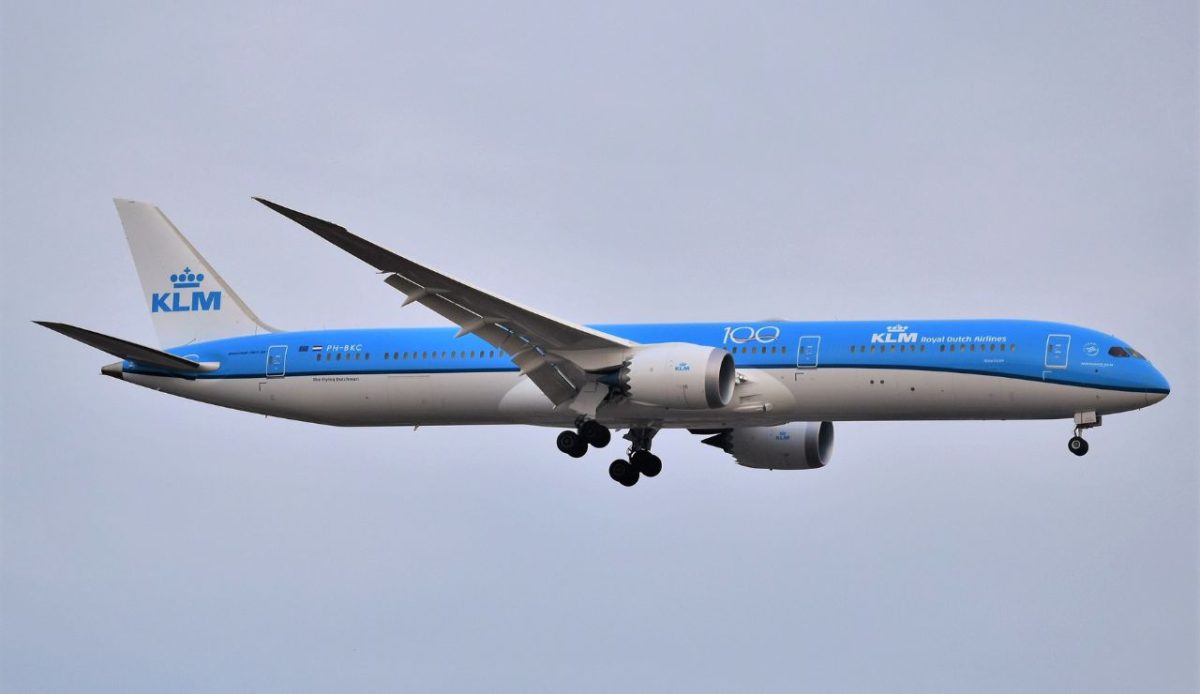
KLM has also been moving toward a paid-catering model on parts of its European network. The headline isn’t “no food,” it’s “no longer automatically included,” which is where travelers get caught.
In trial routes, economy passengers can see a slimmer set of complimentary items, while more substantial snacks and sandwiches shift to a purchase menu. The exact mix can vary by flight length and route.
This matters most on mid-length hops where you’d previously count on a quick bite to bridge a connection. If you’re traveling with kids, tight connections, or dietary needs, treat KLM short-haul like a low-cost flight: eat before boarding or bring something you know you’ll actually want.
8. British Airways
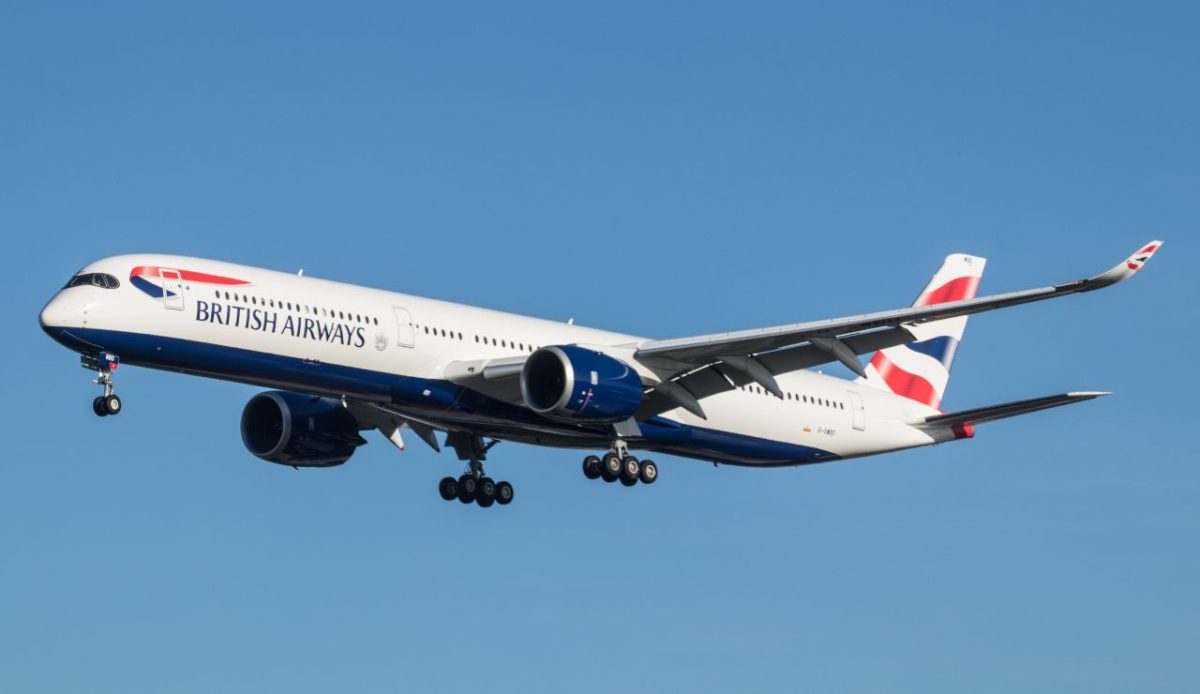
British Airways trimmed a premium-cabin freebie in 2026: on some of its shortest Club Europe routes, the classic hot breakfast service has been scaled back.
Instead of a full cooked option, affected flights can switch to a lighter continental-style tray, think yogurt, fruit, and a warmed pastry, while economy continues with a small snack and water on many routes.
The practical effect is subtle but real for frequent business travelers who are used to planning around a quick onboard meal. If you’re paying for the front cabin mainly for “feed me and let me work,” double-check the route and time of day first, and consider eating in the lounge before boarding.
