
Housing pressure continues to rise across many parts of the country, and several states show clear signs that affordability will worsen as 2027 approaches. High demand, limited supply, and elevated insurance costs all contribute to the financial strain families already feel. Many households struggle to keep pace with price increases, especially in places where wages do not align with ongoing market changes. These conditions make it harder for buyers to enter the market and for renters to find stable long-term options. Current trends suggest the following states face the greatest challenges.
1. Hawaii

Hawaii already carries some of the highest housing costs in the United States, and current forecasts show that affordability will continue to decline. The median home price stays far beyond what average households can manage, even with steady income growth. Strong demand from mainland buyers, tourism rentals, and limited buildable land drive prices upward each year. Coastal insurance adds more financial pressure, especially as storms grow stronger and coverage becomes more expensive. Because construction remains slow and demand stays high, many residents risk being priced out of communities they have lived in for generations.
2. California

California remains one of the most expensive states for both renters and buyers, with major cities facing persistent supply shortages. Coastal regions handle the most pressure, as zoning rules and land limits slow down construction. Home prices stay well above national averages, and wage growth cannot keep up with the pace of market change. Insurance costs rise in fire-prone areas, adding strain for homeowners already dealing with high mortgage payments. While some inland regions show slower increases, the overall state outlook points to continued affordability challenges that will likely deepen through 2027.
3. Massachusetts
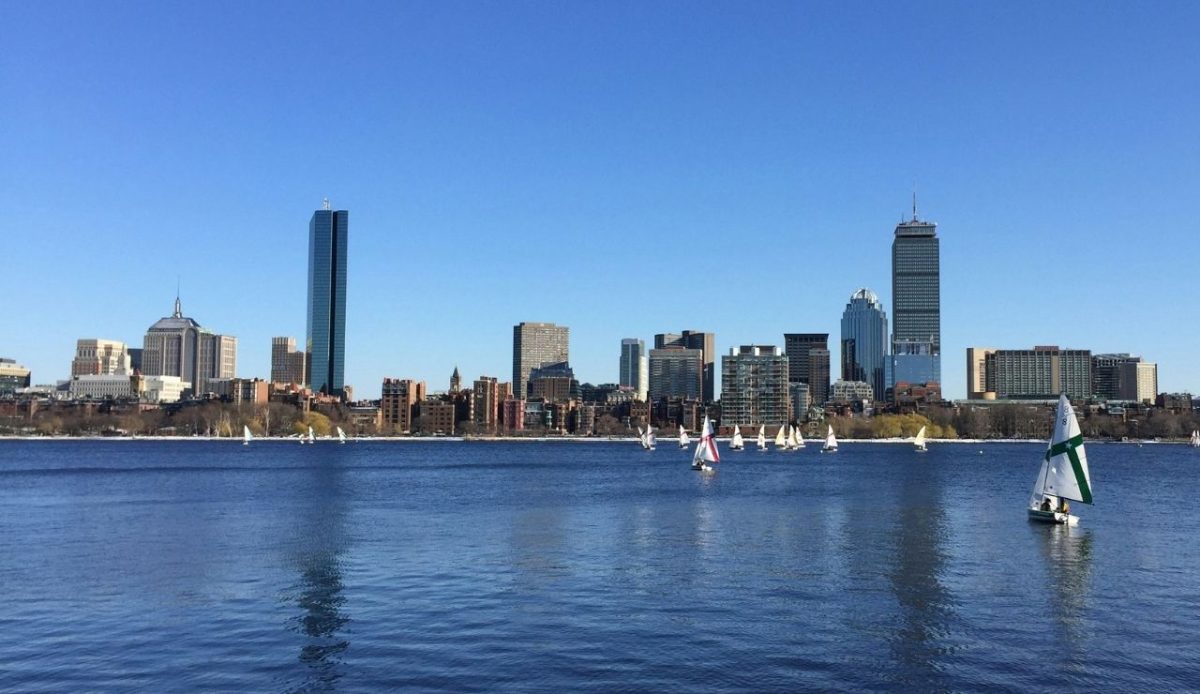
Massachusetts faces significant affordability issues, especially in and around Boston, where inventory remains tight. Many families dedicate a large portion of their income to housing, and new development has not matched population needs. Zoning in many towns restricts higher-density construction, keeping available supply low across key job corridors. Rising mortgage rates and increased construction expenses make it even harder for middle-income households to enter the market. Without major changes such as streamlined permitting or expanded state-level incentives, Massachusetts will continue to place heavy financial pressure on residents.
4. Washington
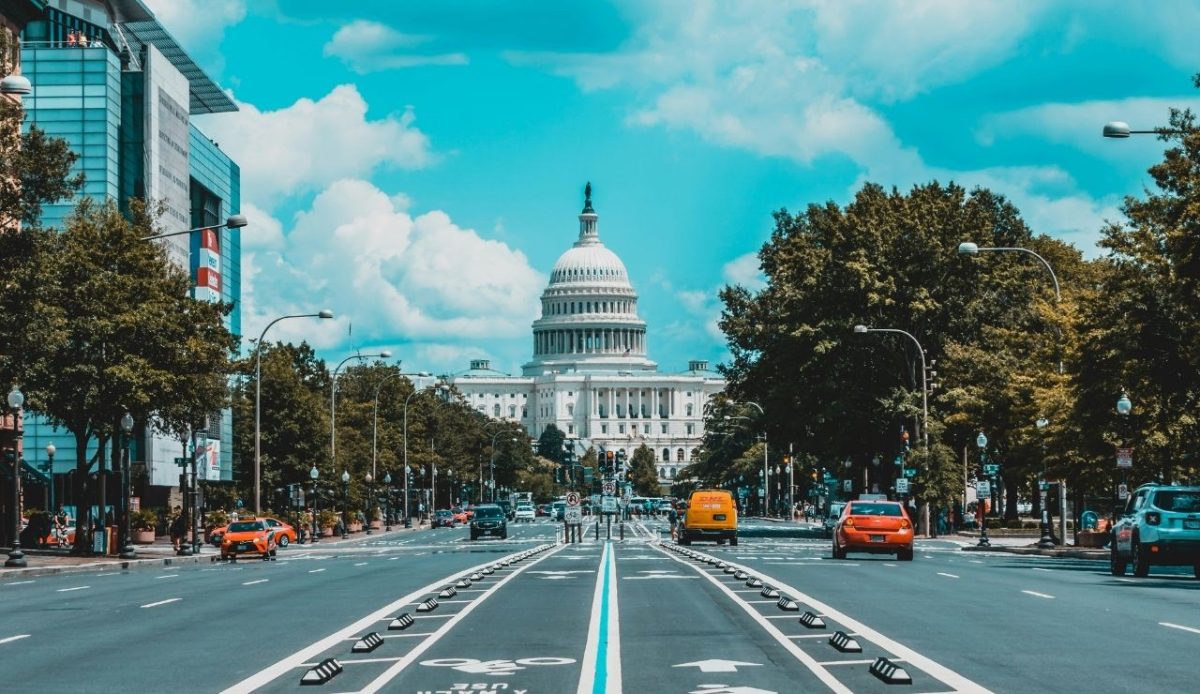
Washington continues to feel strong demand driven by job growth in major metro areas. Seattle and the surrounding suburbs attract workers from across the country, and this inflow keeps competition high for available homes. Construction has increased, but not fast enough to support the pace of population growth. Limited developable space in areas close to major employment centers pushes prices higher. Utility costs, taxes, and insurance also add to the monthly burden for many families. With these factors in place, Washington is expected to remain a challenging market for buyers heading toward 2027.
5. Montana
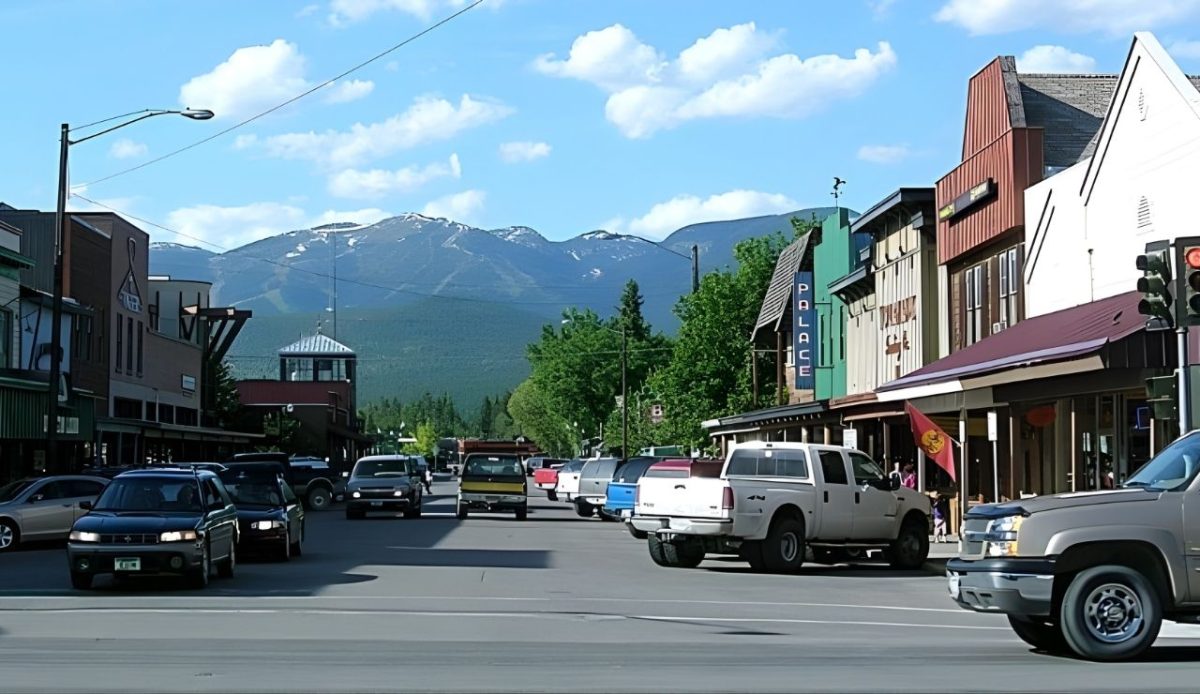
Montana shifted from a low-cost state to one facing sharp increases in home prices due to rapid in-migration. Remote workers and retirees continue to move into scenic towns, creating strong demand that local wages cannot match. Rental markets tightened as newcomers purchased investment properties or moved into long-term units, reducing housing options for residents. Construction growth remains slow in high-demand areas, especially near parks and outdoor recreation regions. These trends suggest affordability problems will continue, particularly for younger workers and families trying to stay near their communities.
6. Idaho
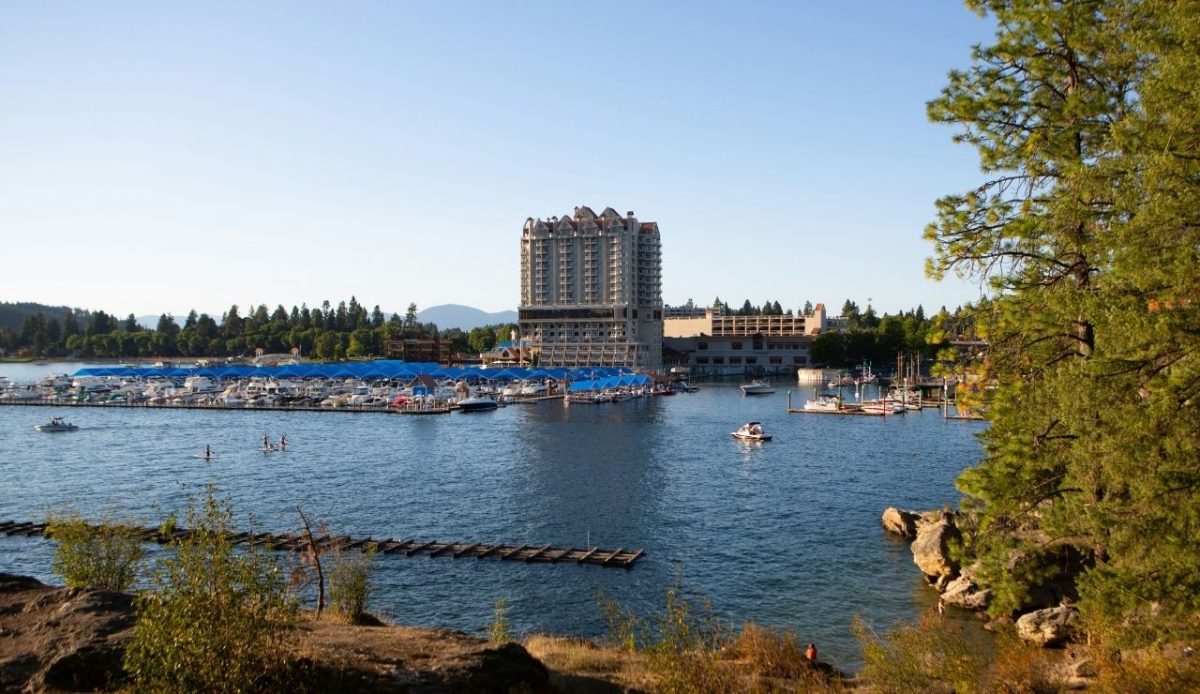
Idaho has seen dramatic price increases as new residents move in from higher-cost states. Boise and surrounding suburbs saw some of the steepest gains, and smaller towns now experience similar pressure. Inventory stays low across many regions, and rising construction costs slow the pace of new development. Local salaries have not kept up with rising home values or increasing rents, creating a large gap between income and typical housing expenses. As demand continues and land supply tightens in key areas, Idaho is expected to remain difficult for many households through 2027.
7. Colorado
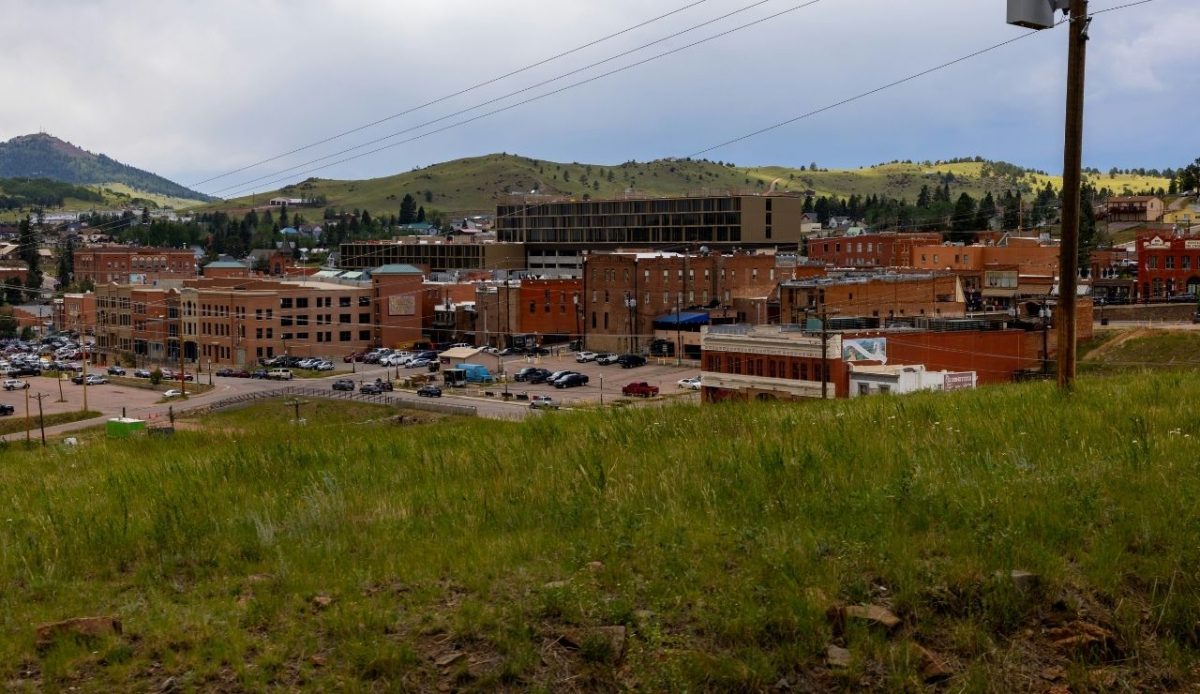
Colorado attracts residents with strong job centers and outdoor access, but those same benefits contribute to higher living costs. Denver, Boulder, and several Front Range communities face tight housing conditions that drive prices up across most property types. Insurance expenses continue to rise in regions affected by fire and weather hazards, adding to overall ownership costs. Development has not kept pace with population growth, especially in areas with transportation or land-use constraints. With rental prices also increasing, Colorado is expected to face ongoing affordability problems for many residents moving into the next several years.
