
Rental car rates have cooled in some markets since the post-pandemic peak, but a handful of U.S. cities still price like it’s high season all year. Demand-heavy airports, limited fleet supply, and add-on fees can keep the “cheap compact” feeling like a luxury purchase.
In these places, you’ll often see higher base rates plus airport surcharges, taxes, and pricey insurance or toll programs layered on top. Even when you find a deal, availability can disappear fast around conventions, sports weekends, or weather events.
This guide spotlights seven cities where rental cars tend to stay expensive, and why. The goal isn’t panic, it’s smarter planning: compare off-airport pickups, book refundable, and read the fee breakdown before you click pay.
1. Chicago, Illinois
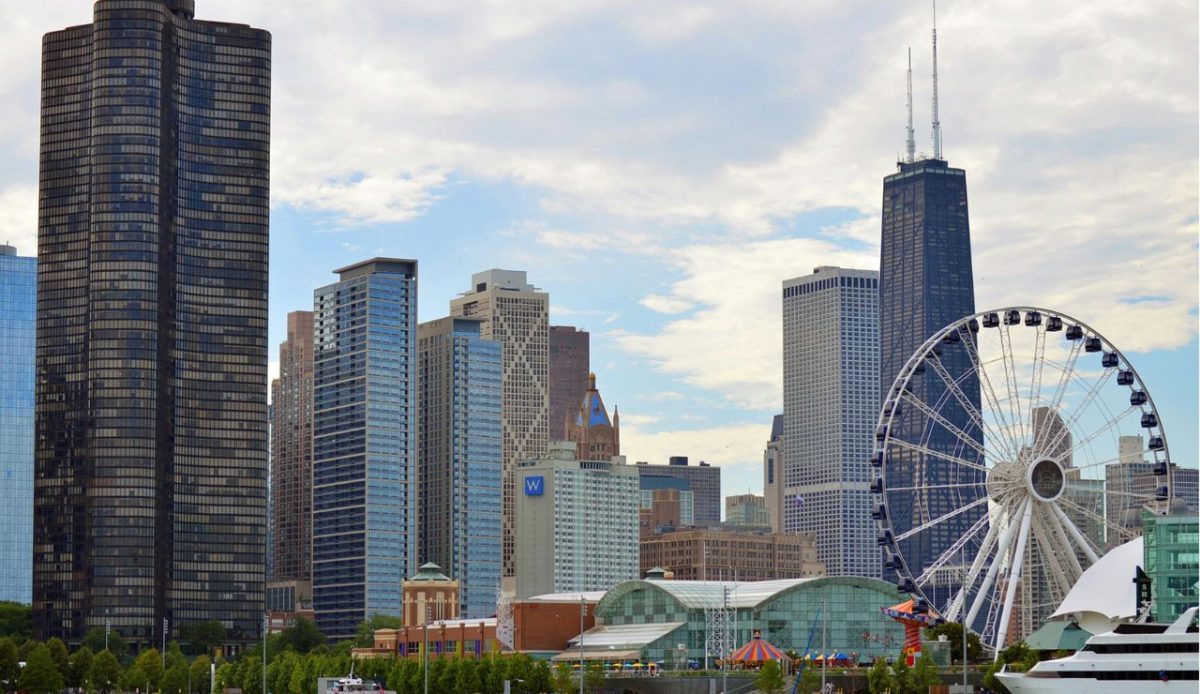
Chicago rental cars are consistently pricey, especially around O’Hare, where demand is huge and pricing often stays elevated versus many other big metros. Business travel and packed event weekends can keep fleets tight even outside summer.
Airport rentals also stack facility charges and local taxes, so the total can jump well beyond the headline daily rate. Late arrivals can limit open counters, which narrows choice and nudges you into higher-priced categories.
To soften the hit, compare Midway versus O’Hare, and check a neighborhood pickup along the ‘L’ if you’re staying central. If you only need wheels for day trips, rent for fewer days instead of holding a car all week.
2. Seattle, Washington
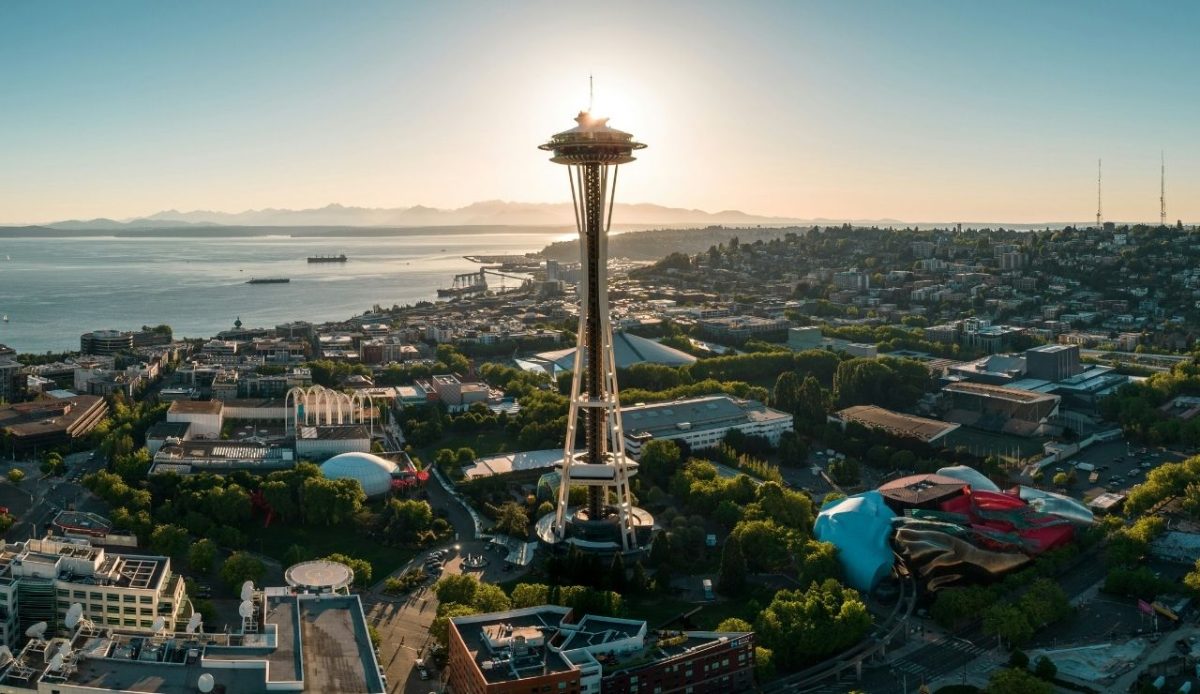
Seattle can be a sneaky budget buster for drivers. The region’s steady tourism, cruise traffic, and year-round outdoor escapes keep rental demand high, and the airport setup concentrates a lot of pickups in one place.
High base rates get amplified by airport surcharges and taxes, and one-way rentals can spike when people fly in and drive out toward the coast or mountains. In shoulder seasons, inventory can still feel tight during conference weeks or big home-game weekends.
If your plans stay inside the city, price out rail and rideshares first, then rent only for the days you’ll actually leave town. An off-airport pickup in a neighborhood like downtown or South Lake Union can sometimes undercut SEA’s all-in total.
3. Denver, Colorado
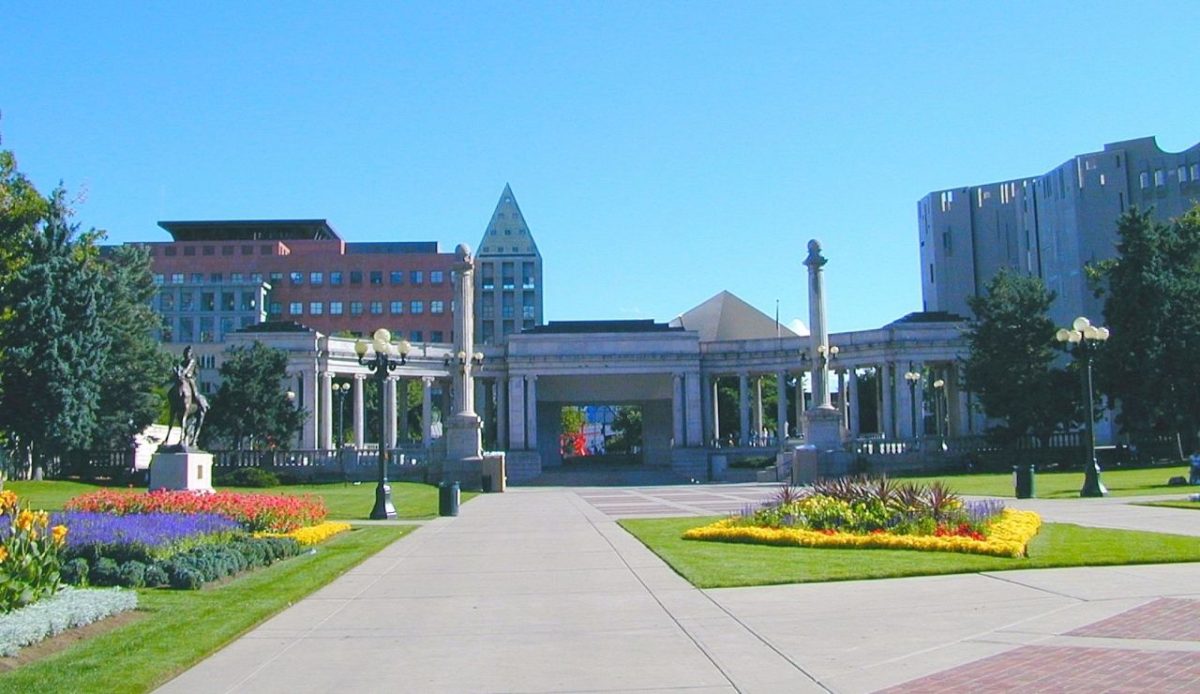
Denver’s rental car prices often run high because it’s the front door to Colorado road trips. Even travelers who only want the city usually end up driving to ski towns, national parks, or scenic byways, keeping demand strong.
At DEN, the volume of arrivals plus peak-season surges can push rates up fast, and larger vehicles command a premium when weather turns. Add fees for airport facilities and optional toll programs, and the checkout total can feel miles away from the ad price.
To keep costs in check, book earlier for winter and summer weekends, and compare a compact versus an SUV unless you truly need the clearance. If you’re doing a mountain loop, avoid one-way returns when possible, those drop fees can be brutal.
4. Los Angeles, California
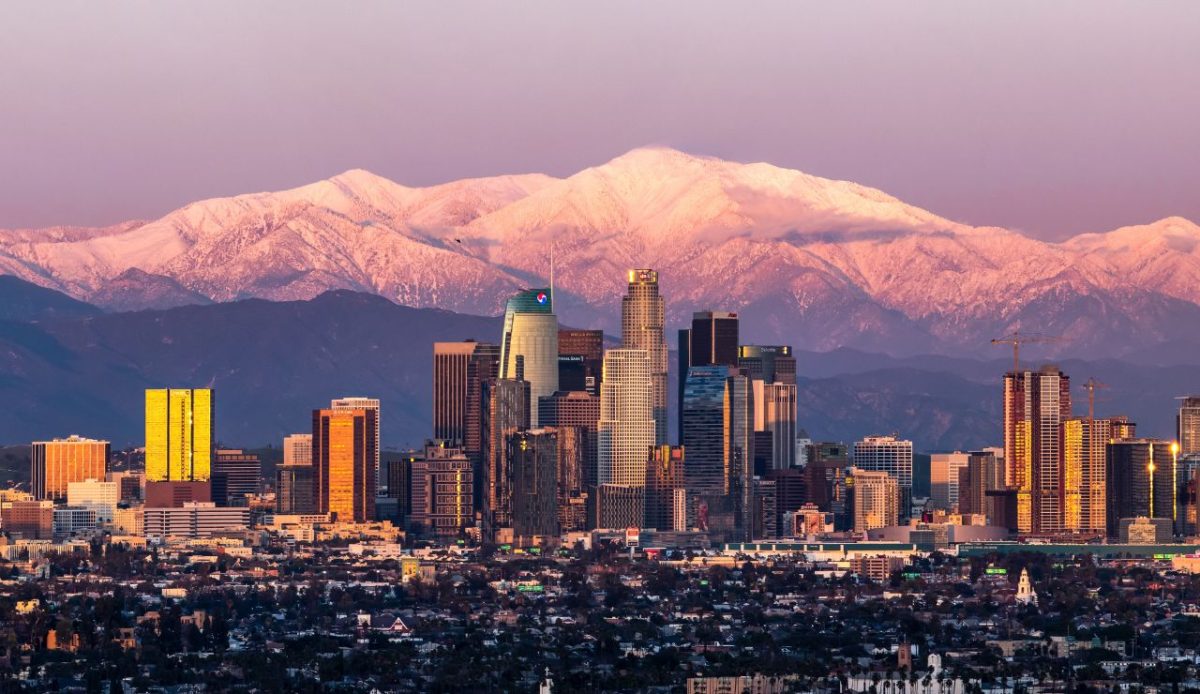
Los Angeles is car country, so rental demand rarely lets up. Visitors need wheels for beaches, studios, and day trips, while locals book rentals during repairs or weekend getaways, creating constant churn in the market.
Airport rentals around LAX can look reasonable until the add-ons land: facility charges, tourism taxes, and pricey daily insurance upsells. During big concerts, awards season, or holiday traffic waves, rates and minimum-day requirements can climb quickly.
If you want LA mobility without the premium, compare nearby pickup points like Burbank, Long Beach, or neighborhood locations reachable by Metro. Also check the fuel policy and toll settings, small “extras” can quietly turn a decent deal into a painful receipt.
5. San Francisco, California

San Francisco rentals stay expensive partly because the Bay Area’s costs are high across the board, and visitors often use a car as a launchpad to Napa, the coast, or Yosemite routes. That mix of city and road-trip demand keeps pricing firm.
At SFO, airport surcharges and local taxes can inflate totals, and parking constraints make fleets harder to store and shuffle. Rates can jump around conferences and tech events, when many travelers want the same pickup windows.
If you’ll spend most of your time in the city, it can be cheaper to skip the car until departure day and rent only for the out-of-town segment. Consider an off-airport pickup across the Bay or in a transit-friendly neighborhood, then return where it best matches your flight.
6. Honolulu, Hawaii
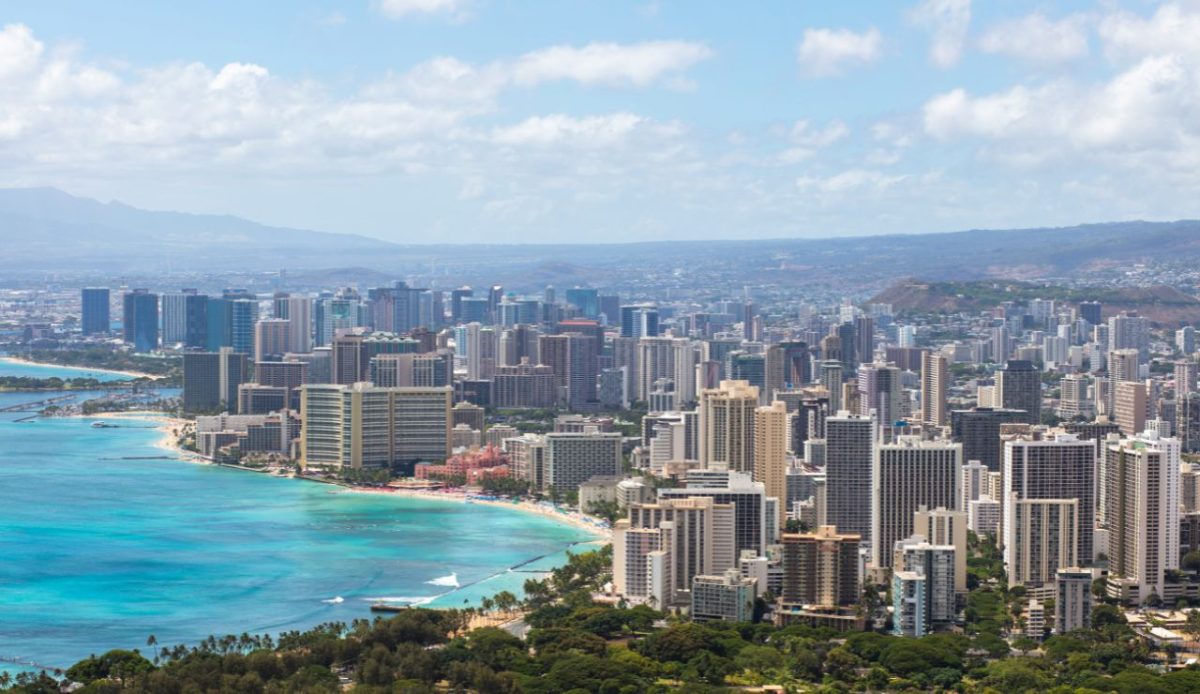
Honolulu can deliver sticker shock because Hawaii’s rental fleets are constrained by geography. Cars have to be shipped in, land is expensive, and demand stays steady from beach vacations, family visits, and winter escapes.
Even when base rates dip, the all-in total often climbs with airport fees and taxes, and smaller inventories mean popular vehicle types can sell out. If a storm disrupts flights, rebooking waves can tighten supply and push last-minute prices higher.
To avoid overpaying, lock a refundable reservation early and recheck prices periodically. If you’re mostly staying in Waikiki, compare splitting the trip: no car for city days, then a shorter rental for a North Shore or Windward Coast loop.
7. Anchorage, Alaska
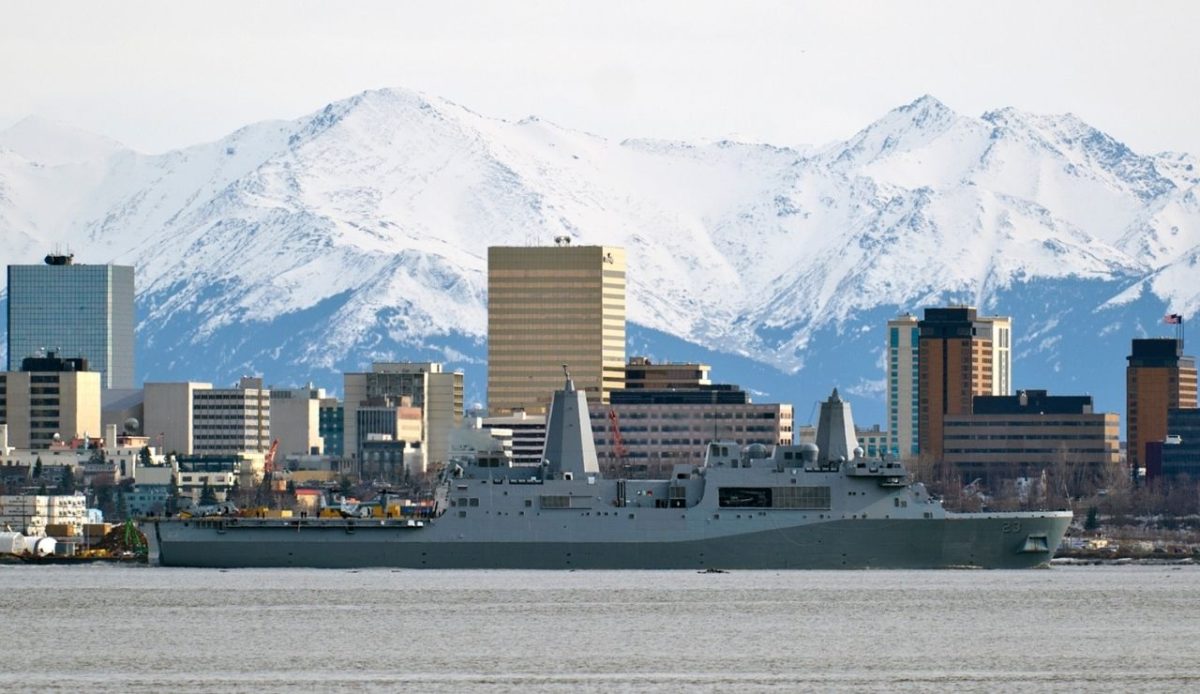
Anchorage rental cars often run high because Alaska is a classic “must-drive” destination. Visitors need a vehicle for long distances, and the summer season compresses huge demand into a short window, leaving little slack in fleet supply.
Prices can stay elevated even outside peak weeks because replacements and repairs cost more in remote markets, and there are fewer alternate airports to absorb overflow. If cruise and tour schedules line up, availability can vanish fast.
For 2026 planning, book early for summer, and don’t assume you can grab something on arrival. If your itinerary is city-focused, compare local transit and day tours, then rent only for the stretch you’ll actually road-trip, like Seward or Denali routes.
