
Facial matching has moved from trials to regular checks at many U.S. gateways. Customs and Border Protection uses facial comparison to confirm identity for international arrivals and some departures, and airlines connect gate cameras to that service.
A second track is TSA checkpoint identity tools that compare a live photo with the image on a license or passport. Together, these systems can shrink lines, yet they raise questions about consent, error handling, and data control.
CBP says photos of U.S. citizens are discarded within 12 hours after verification, while noncitizen records can be kept longer under DHS rules. Travelers benefit from speed, but they need clear opt-out instructions and signage.
1. Hartsfield-Jackson Atlanta International Airport
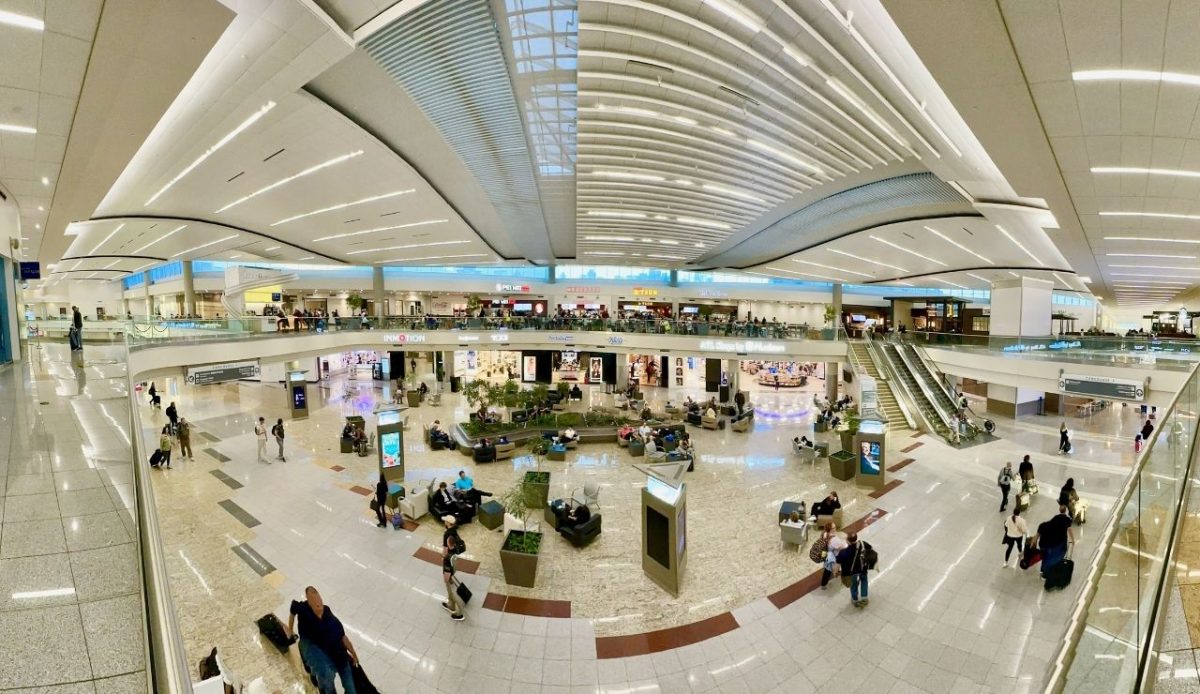
Atlanta is a major hub where biometric boarding became common early, especially on international routes. At select gates, a camera captures a live image, and CBP confirms identity against passport records through its traveler verification service.
TSA PreCheck Touchless ID also started with Delta at Atlanta and is expanding in 2026, letting opted-in travelers pass certain ID checks with a face scan linked to an airline profile and passport.
If the match fails, manual review is used, which can slow boarding for that passenger. Travelers who want a document check should ask the agent before stepping into the camera zone so the alternate process is applied.
2. Los Angeles International Airport
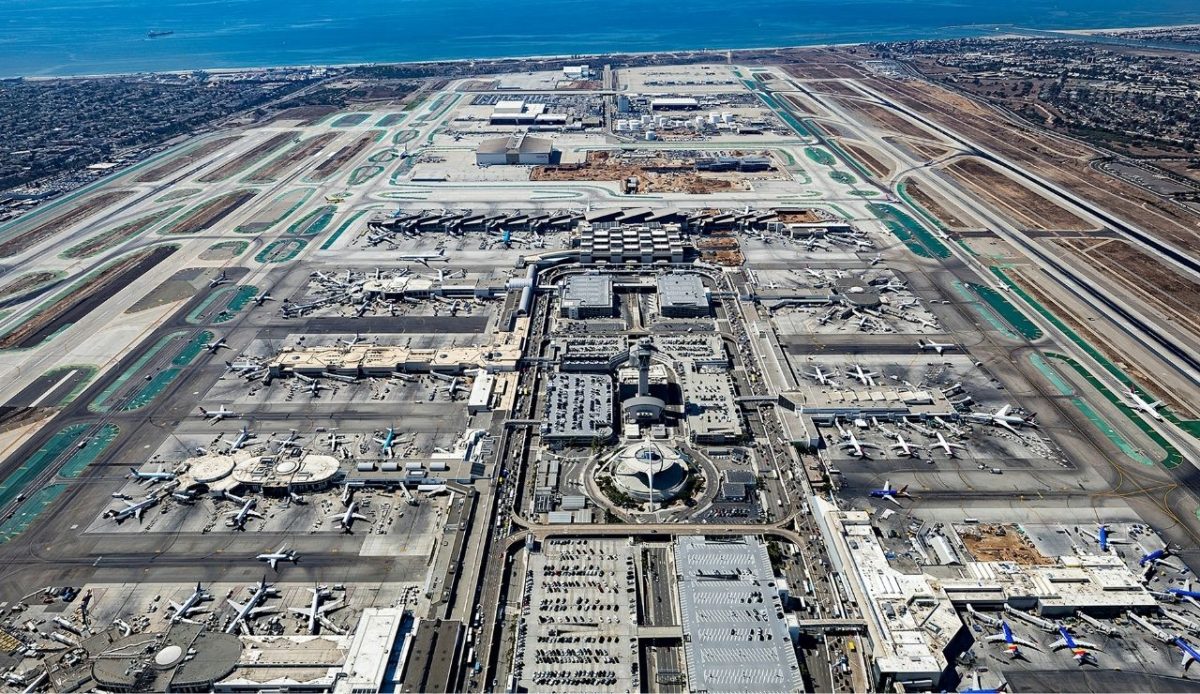
LAX handles heavy international volume, so CBP facial comparison is used at many departure gates to create exit records and reduce manual passport inspection. The system is part of the federal biometric entry-exit effort mandated by law and updated through recent rulemaking.
At the checkpoint, TSA has also expanded camera-based ID verification in many airports, and LAX is often included in those rollouts. That layer is separate from CBP and is aimed at domestic screening efficiency.
For travelers, the practical change is more moments where a face photo is requested. Opting out is allowed for TSA and generally possible for U.S. citizens with CBP at the gate, but the request must be made before capture.
3. John F. Kennedy International Airport
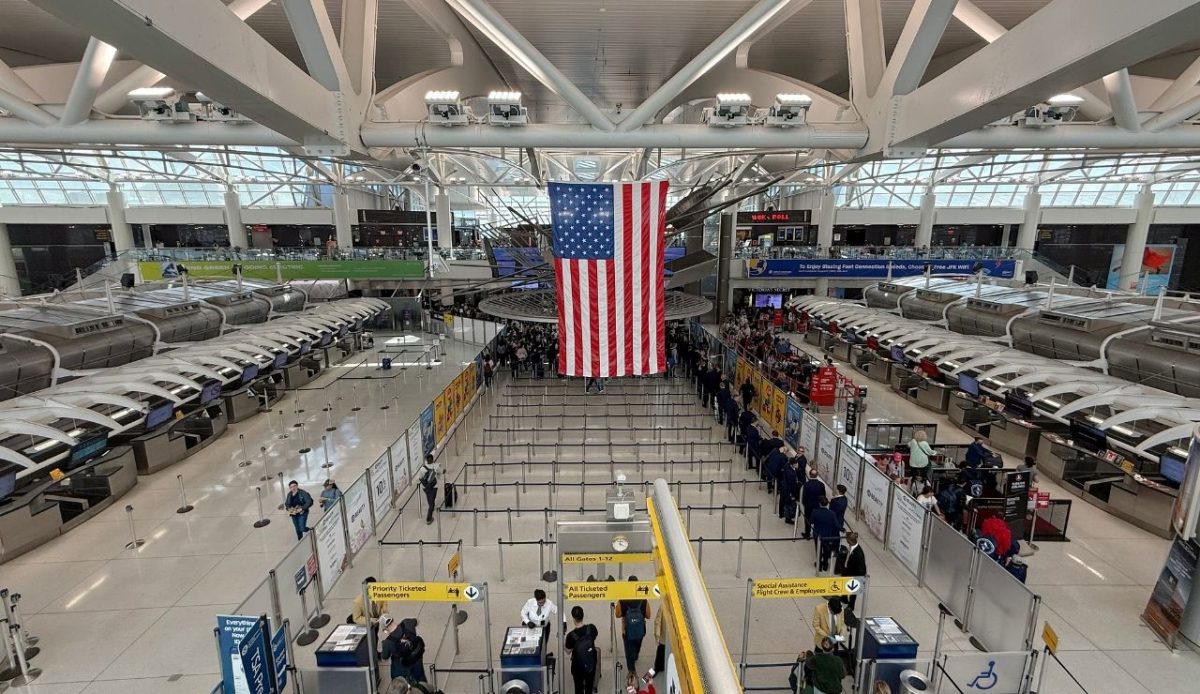
JFK has multiple international terminals where airlines use biometric boarding linked with CBP TVS. The camera match can replace repeated passport checks between the gate and the aircraft door, which helps during peak transatlantic waves.
New York area travelers also see growing TSA use of camera-based identity readers. Participation in PreCheck Touchless ID is opt-in through the airline and depends on a linked passport, so it is not automatic for most flyers.
A key traveler issue is uneven notice. Some gates post clear opt-out language, while others rely on verbal prompts, which can be missed in a crowded boarding lane. Asking early reduces friction and keeps the line moving.
4. Dallas Fort Worth International Airport
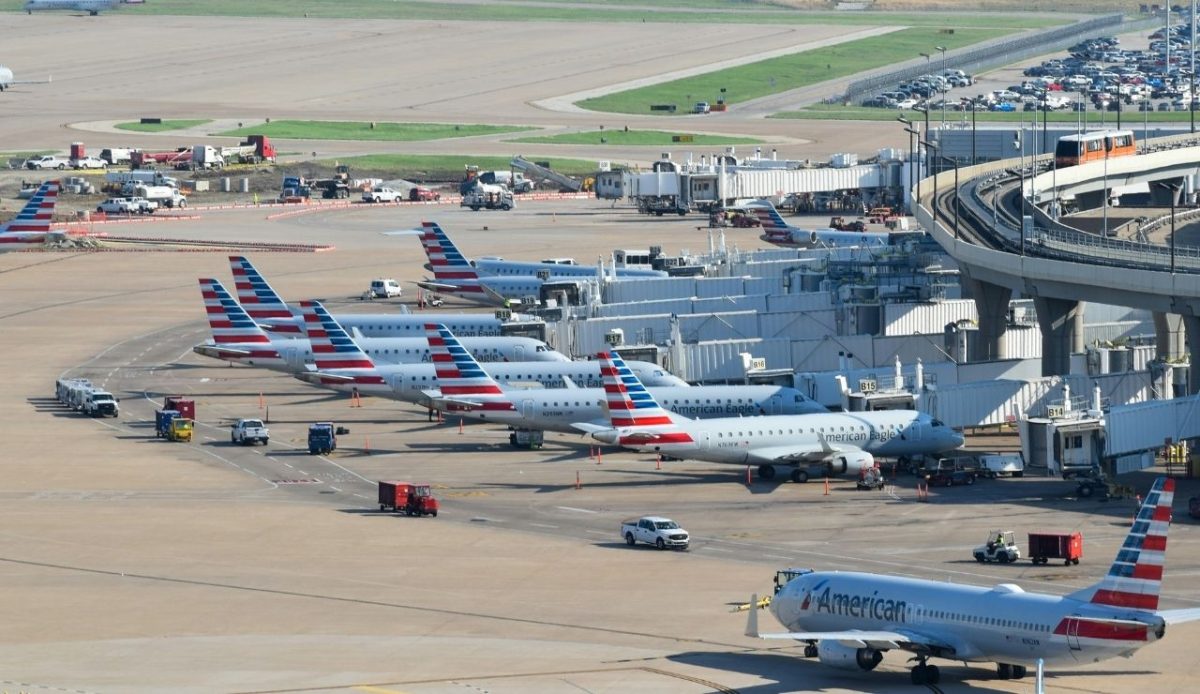
DFW is an American Airlines hub and an early site for biometric boarding on international departures. CBP cameras verify identity and support the creation of exit records, which helps the agency measure overstays and confirm departures.
The legal framework has recently been reinforced by DHS rules that require photographing departing noncitizens, which increases the likelihood that biometric capture will be routine on many outbound trips.
For travelers, the main risk is confusion between airline, TSA, and CBP systems. Each has different consent paths and retention rules, so a refusal at one point does not automatically carry to another point in the journey.
5. Miami International Airport
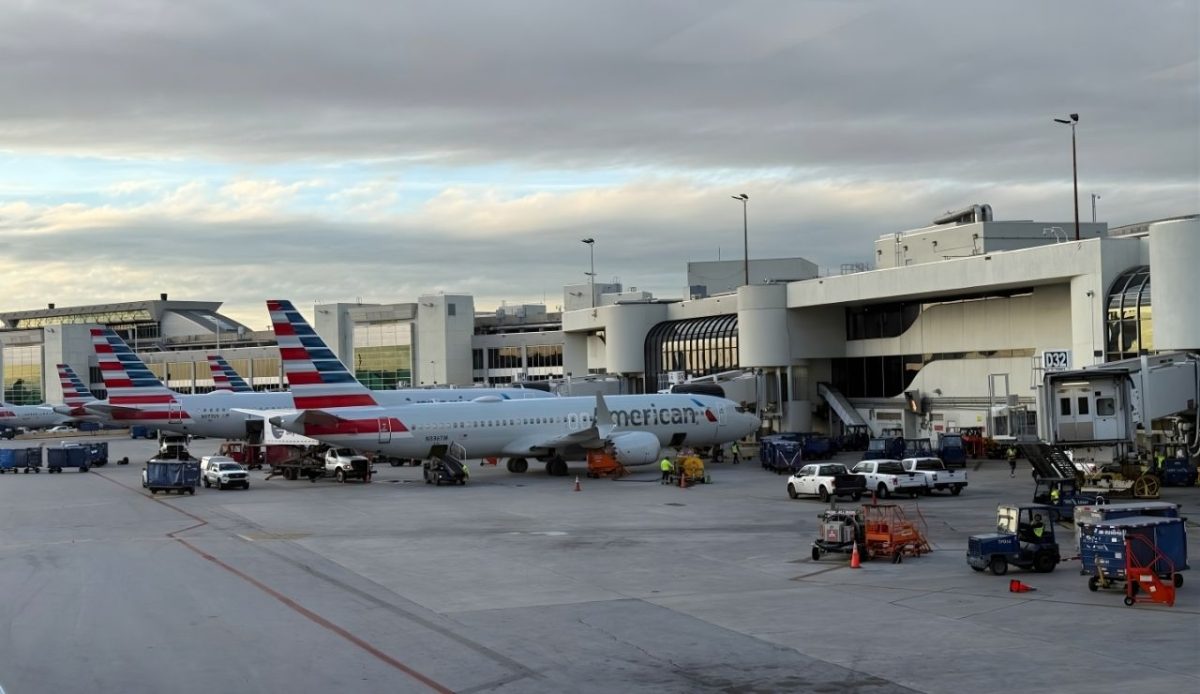
Miami is a busy gateway to Latin America and the Caribbean, so CBP biometric exit is widely used for outbound flights. Facial comparison at boarding can shorten queues and reduce document handling at gates with heavy passenger loads.
CBP says its biometric service stores no biographic data in the facial system itself and runs in a secure cloud environment, yet travel event records still exist across DHS systems. That distinction often surprises travelers.
Miami travelers should expect facial capture on many international departures, with manual checks available if requested. If secondary screening occurs, retention may differ, so deletion promises apply mainly to routine U.S. citizen matches.
6. San Francisco International Airport
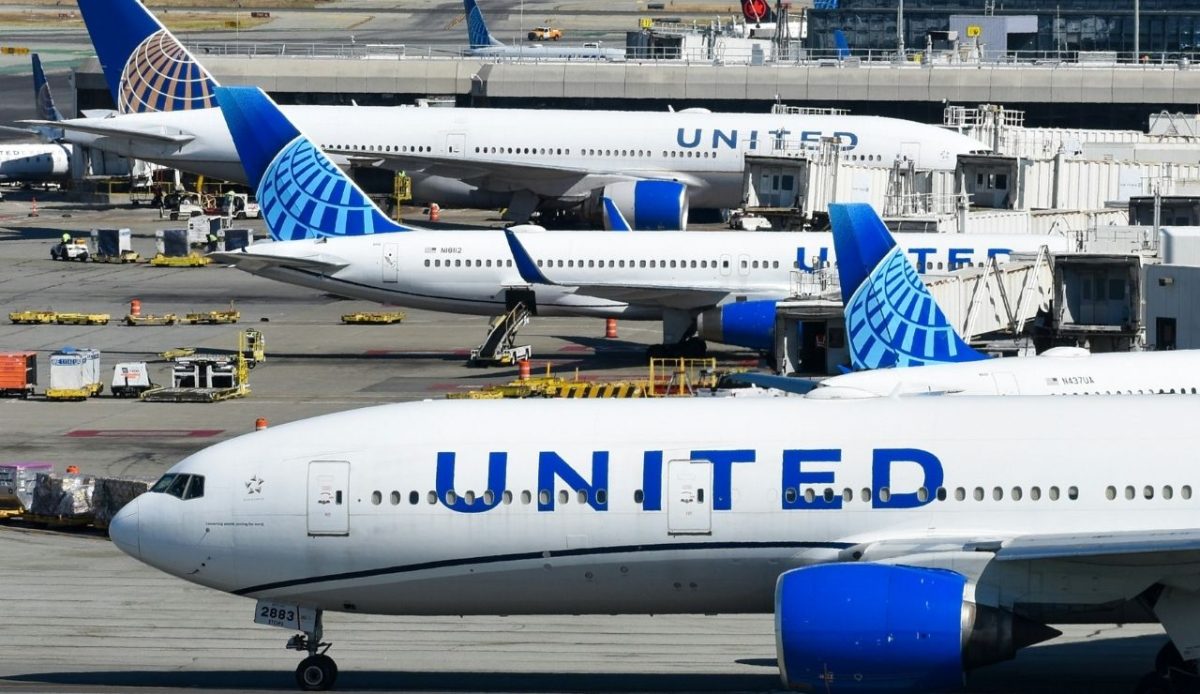
SFO serves large transpacific flows, where biometric boarding can reduce repeated passport presentation at the gate. Airlines connect cameras to CBP traveler verification so the match is confirmed in seconds for many passengers.
CBP also operates Enhanced Passenger Processing for some arriving U.S. citizens, using facial comparison to speed primary inspection in certain locations. Expansion has been ongoing and may widen the set of airports offering it.
For travelers, accuracy and fairness matter as much as speed. Lighting, masks, and aging photos can lower match rates, leading to manual checks. Keeping a passport handy avoids delays when the system cannot confirm identity.
7. Seattle Tacoma International Airport
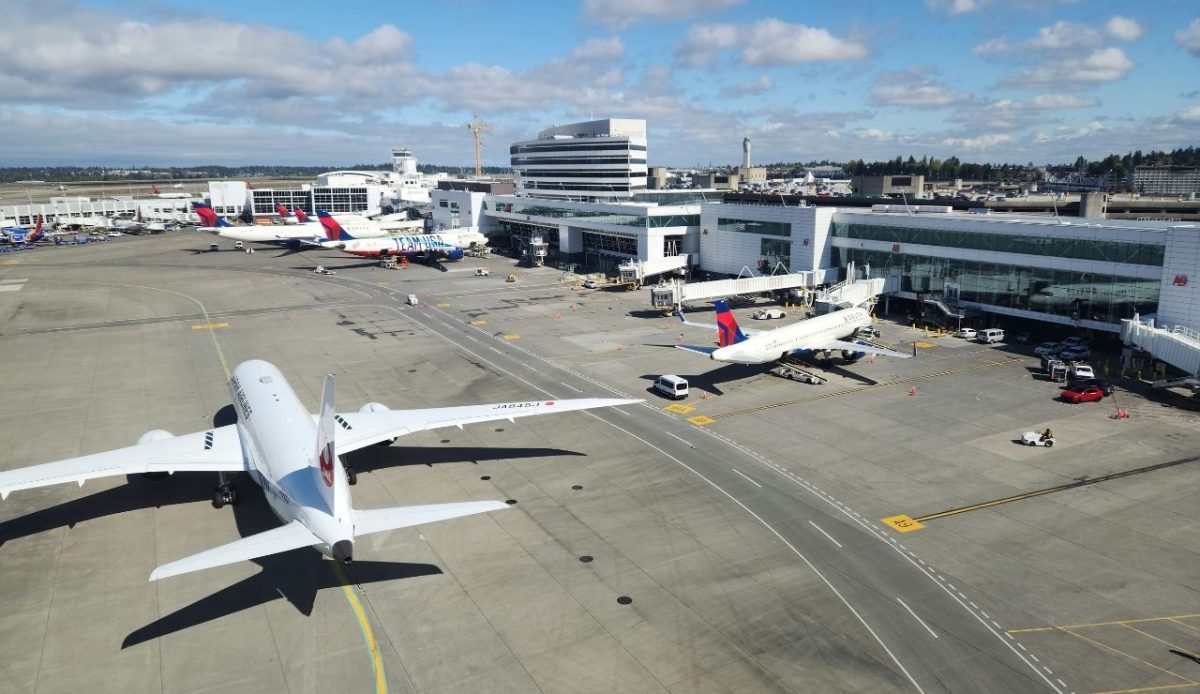
SeaTac is a West Coast gateway with strong Asia service, making it a practical place for CBP biometric exit at international gates. Facial comparison supports faster boarding and helps CBP confirm departures without stamping passports.
TSA checkpoint use of facial tools is also growing nationwide, and Seattle area travelers may encounter camera-based ID readers depending on lane and airline participation. These systems are separate, so consent is managed at each step.
For travelers, the best approach is simple preparation. Decide in advance whether to participate, watch for posted notices, and speak up early if you prefer manual verification. That prevents last-second disputes at the camera line and keeps boarding orderly.
