
Some of the world’s lowest-income countries still draw travelers in large numbers when a place offers something rare. High demand shows up in limited permits, sold-out tours, and repeat coverage in guidebooks and travel media. The destinations below stay popular because they concentrate value in one clear experience, such as gorilla trekking, heritage linked to global history, or protected waters that support diving. Each example also shows how visitor spending can support jobs and conservation. Popularity is not measured by luxury but by steady international interest that returns even after shocks and price increases.
1. Bwindi Impenetrable National Park, Uganda
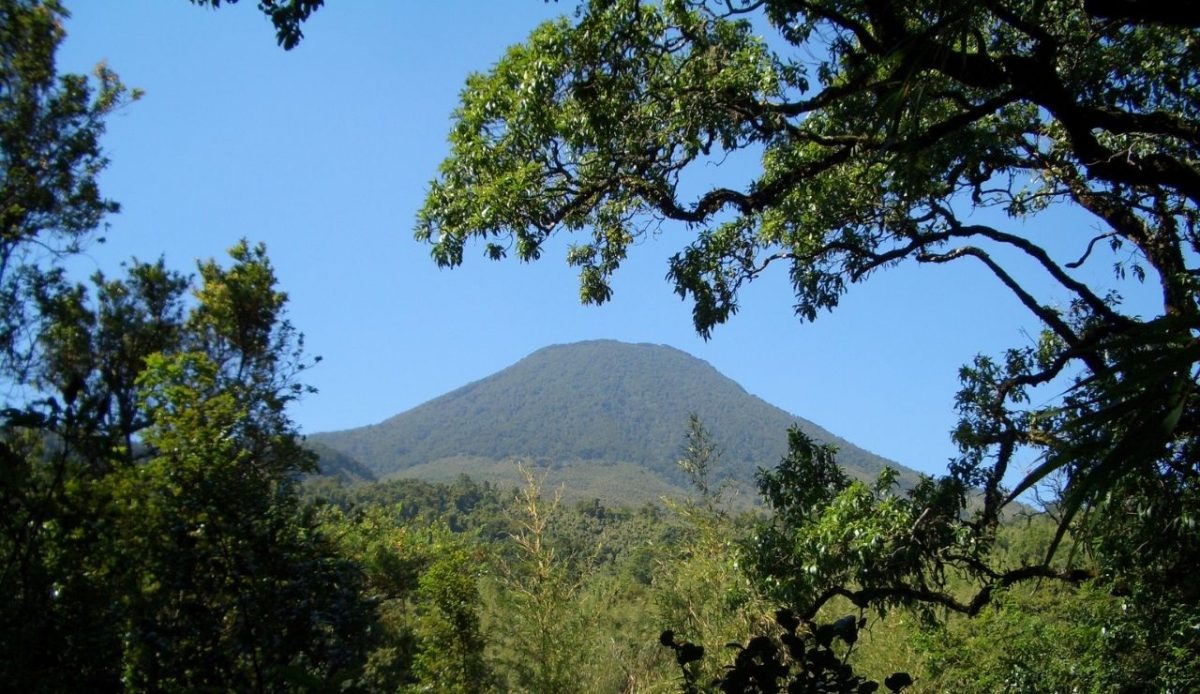
Uganda draws travelers who plan entire trips around Bwindi’s mountain gorillas. Daily entry is capped, and tracking groups are assigned with trained guides, so permits often need booking. The hike can take hours through dense forest, yet the payoff is a close, regulated view of a family group in its habitat. Fees are routed through park operations and community programs, which helps keep the experience protected and in demand among wildlife-focused visitors. Roads are rough, and lodging is simple in many areas, but the draw stays strong because few places on Earth offer this encounter under strict rules.
2. Volcanoes National Park, Rwanda
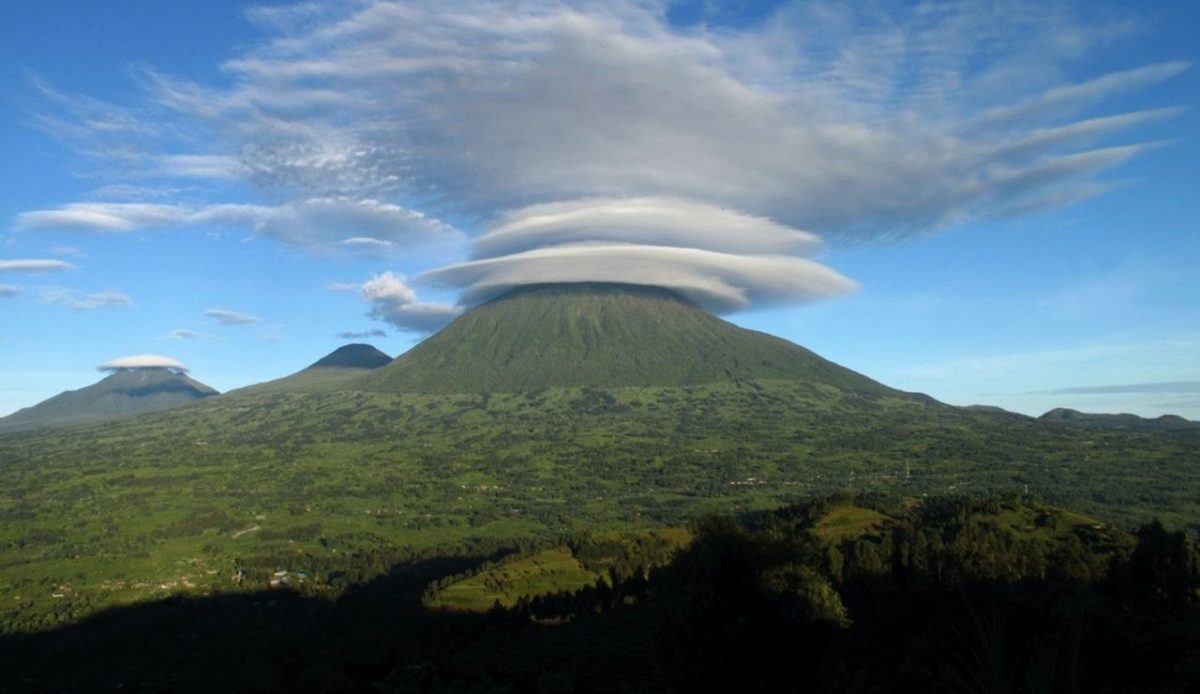
Rwanda’s Volcanoes National Park shows how a focused product can outperform broad sightseeing. Gorilla permits are priced at a premium, yet demand remains high because group sizes stay small and trekking is run with tight timing and clear briefings. The park lies within a day’s drive of Kigali, which makes short itineraries feasible. Visitors also add golden monkey walks and volcano views, keeping guides, drivers, and lodges busy through much of the year. That reliability matters in a low-income setting where travelers want predictable logistics and safety standards before paying a high fee on arrival.
3. Rock-Hewn Churches of Lalibela, Ethiopia
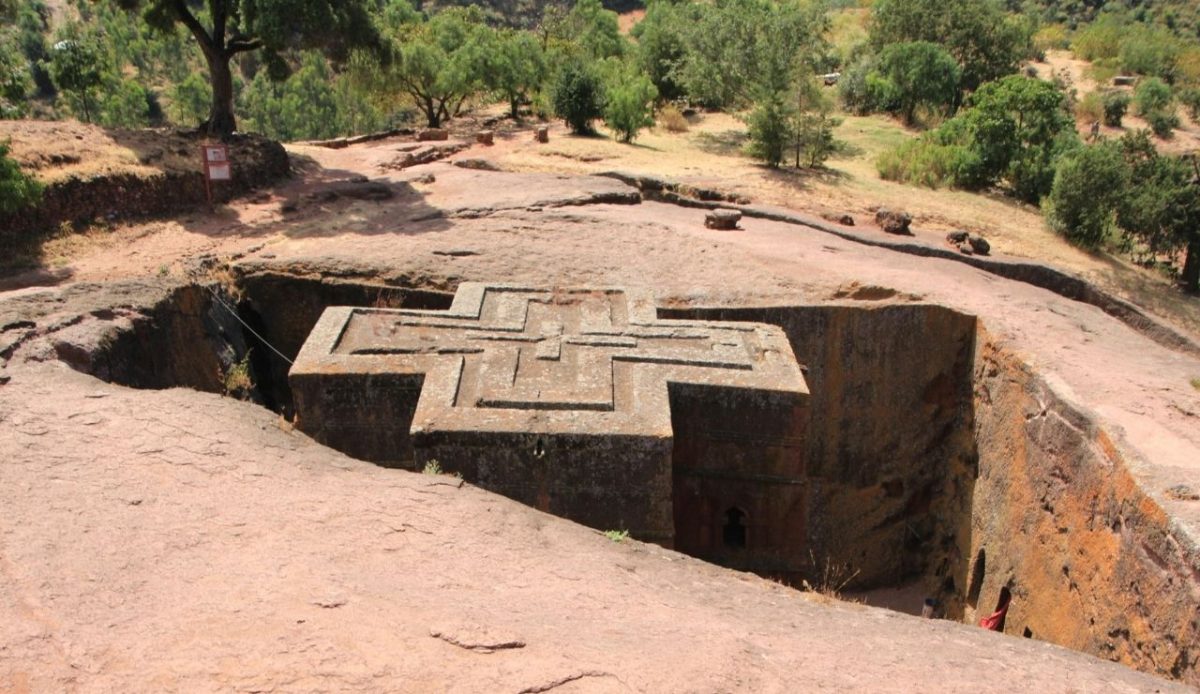
Ethiopia’s Lalibela remains a magnet for cultural travelers because the rock-cut churches are both architectural feats and living places of worship. The buildings were carved below ground level, linked by passages and courtyards that still host priests, choirs, and pilgrims. Major feast days bring surges of domestic and foreign visitors, while quieter months suit travelers who want time for guided interpretation. Even with limited national tourism capacity, Lalibela keeps global name recognition. Local hotels and guides keep visits manageable, making the site a priority stop on many Horn of Africa trips.
4. Kunta Kinteh Island, The Gambia
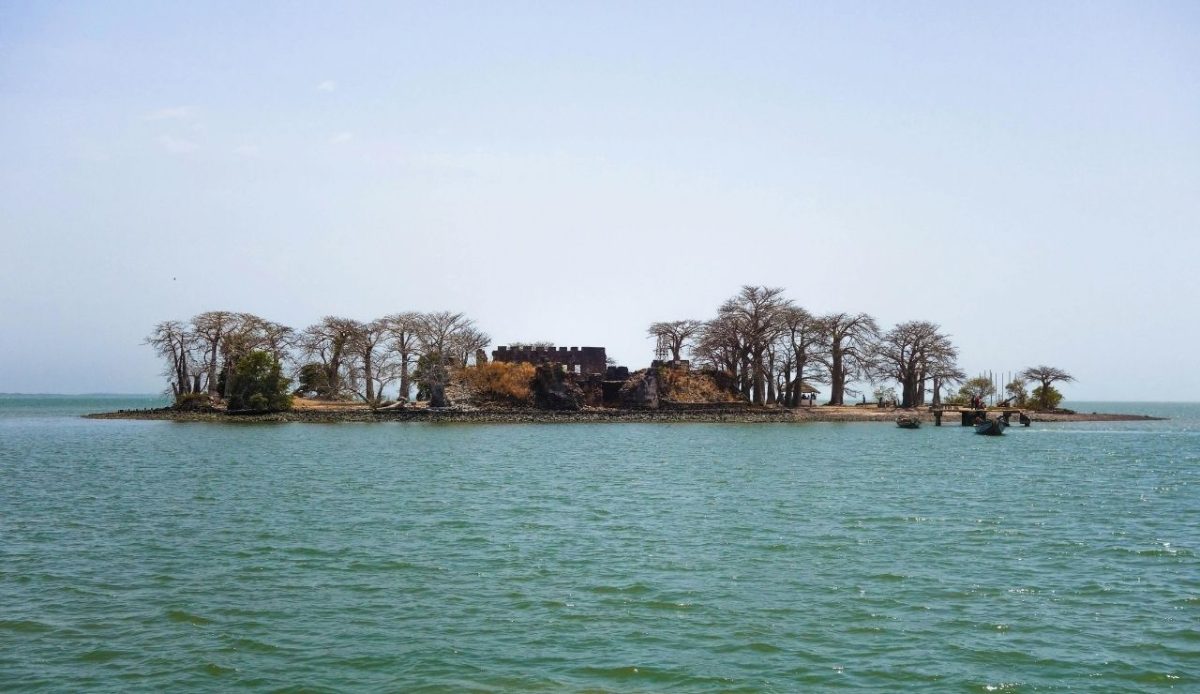
The Gambia draws beach travelers, and many add a heritage excursion to Kunta Kinteh Island on the Gambia River. The fort remains a stark reminder of the transatlantic slave trade, and tours often pair it with nearby museum stops and village visits. Because the country is compact, operators can run the trip as a full-day loop from coastal hotels without complex planning. Interest from diaspora travelers and school groups keeps the site busy beyond the usual sun and sand season. Clear storytelling by guides and the simple boat crossing help visitors connect history to place, which is why the stop stays popular year after year.
5. Bazaruto Archipelago, Mozambique
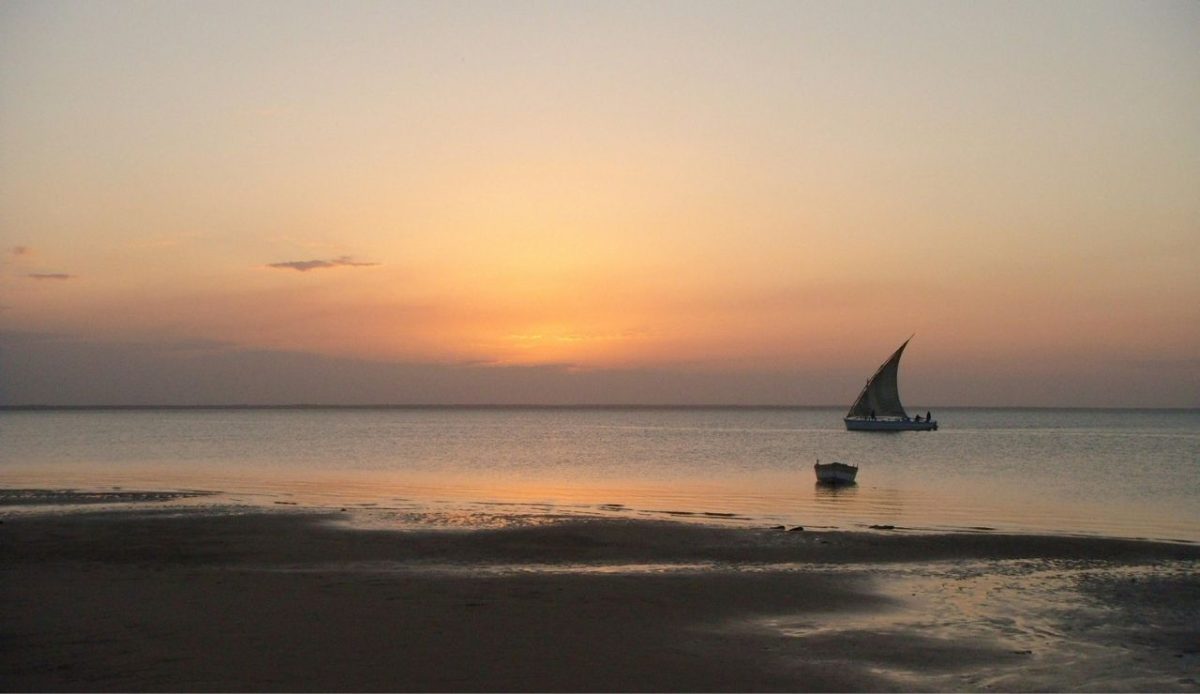
Mozambique’s Bazaruto Archipelago attracts international visitors who want warm water diving and quiet beaches far from crowded hubs. Protected areas support coral, reef fish, and seasonal big species, which keep snorkeling and boat trips central to most stays. Access usually involves a short flight or transfer from the mainland, so trips are planned rather than spontaneous. Resorts and local guides sell a narrow set of marine activities, and that focus helps the islands stay competitive in the region. Even in a low-income country, travelers pay rates here because the environment is protected and the experience feels hard to replace.
6. Avenue of the Baobabs, Madagascar
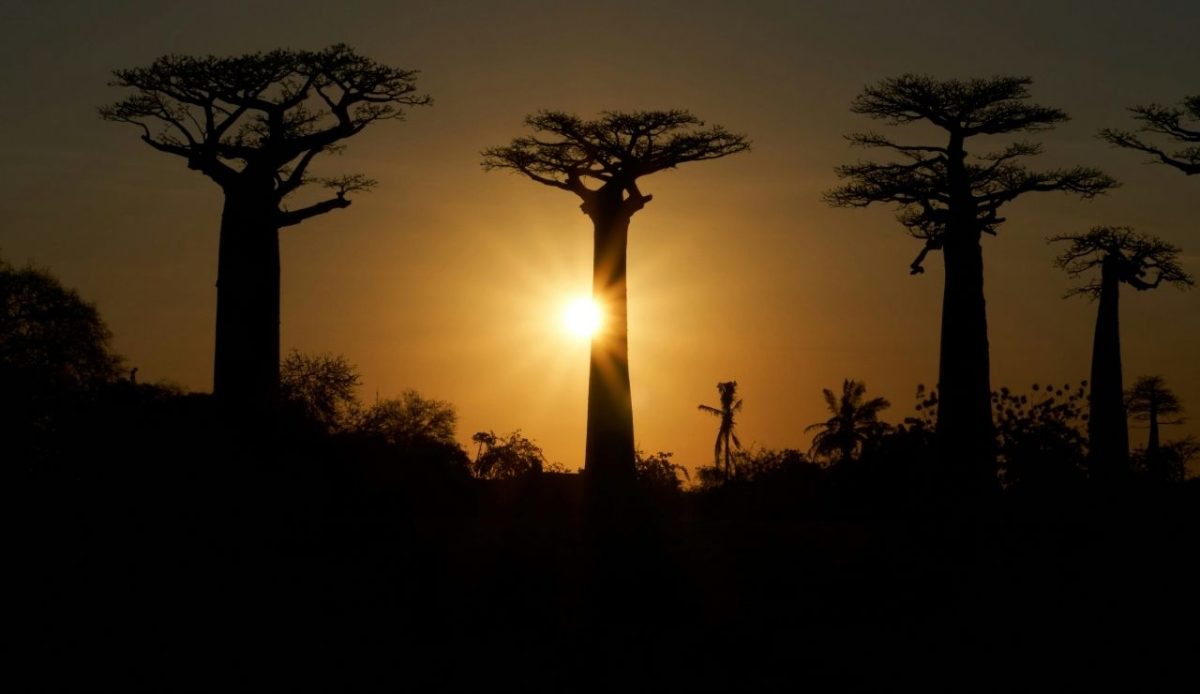
Madagascar’s Avenue of the Baobabs near Morondava stays on traveler wish lists because it delivers an iconic scene with minimal barriers. The dirt road is lined with towering trees that glow at sunrise and sunset, so visits fit easily into a single afternoon outing. Local drivers, guides, and craft sellers benefit from the steady flow, even when longer wildlife circuits are skipped. The stop often anchors a west coast itinerary that also includes mangrove boat rides and nearby beaches. Photography demand is a major engine here, and the site remains popular because it offers a signature image without requiring specialist gear or permits.
7. Lake Malawi, Malawi
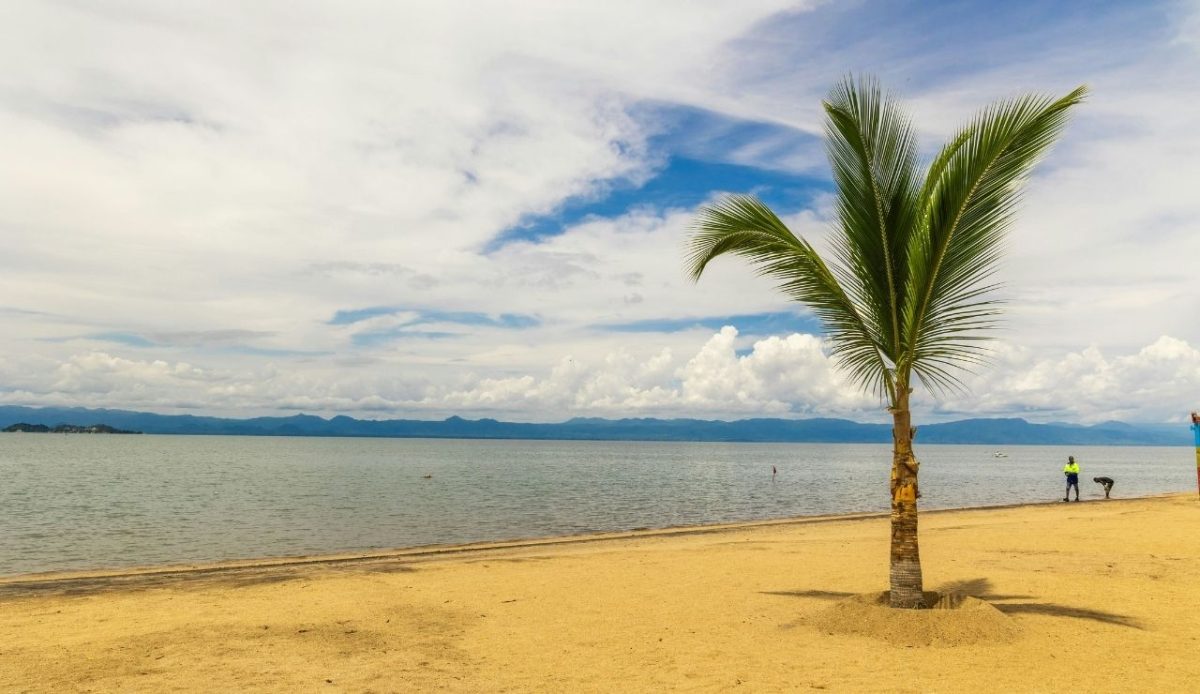
Lake Malawi appeals to travelers who want freshwater swimming and a relaxed shore culture in a country with a small tourism footprint. Clear water supports snorkeling, and rocky coves hold colorful cichlid fish that draw divers without ocean conditions. Cape Maclear and other lakeside areas offer simple guesthouses, boat hires, and community tours that keep costs predictable. Because access is straightforward from regional routes, the lake has become Malawi’s best-known stop for backpackers and families alike. A protected park zone helps limit overuse, so the setting stays attractive, and repeat visits are common for long-haul travelers.
