
Bugs and wildlife trouble are easier to prevent than to handle once a hike is underway. Ticks and mosquitoes favor exposed skin, damp brush, and calm air, while larger animals respond to food odor, sudden movement, and crowding. Choices made at the trailhead matter most, including what is worn, how snacks are packed, and when shady stretches are walked. During the hike, steady awareness and a few quick checks keep small problems from growing. The sections below share field-tested steps that reduce bites and cut the odds of a tense encounter, without relying on gimmicks. They work for day trips, family walks, and longer backcountry routes.
1. Choose EPA Registered Repellent And Apply It Correctly

Choose an EPA-registered repellent and apply it with attention to dose and timing, because light sprays often fail. For skin, products with DEET or picaridin are widely recommended, and they should be reapplied after heavy sweat or swimming as the label directs. For clothing, permethrin treatment on socks, pants, and gaiters can stop ticks from crawling upward. Apply sprays outdoors, keep them off eyes and cuts, wash hands before eating, and store bottles upright to avoid pack leaks. If sunscreen is used, apply it first, then repellent after it sets. Carry a small wipe to remove residue before handling contact lenses or food.
2. Wear Barriers That Stop Bites Before They Start

Dress to block access points rather than hoping insects stay away. Long pants, crew socks, and a light long-sleeve shirt protect skin when grass and low branches crowd the path. Pick tighter weaves and secure cuffs so mosquitoes cannot reach ankles and wrists. Light colored fabric helps ticks show up during quick scans, and pant legs folded into socks reduce transfers in tall vegetation. In buggy wetlands, a head net can keep your face calm while you stay on pace. After finishing, check seams and waistbands, then shake clothing outside before it goes into a bag. Gaiters add coverage on routes and keep burrs from dragging along your socks.
3. Do Tick Checks During The Hike And After
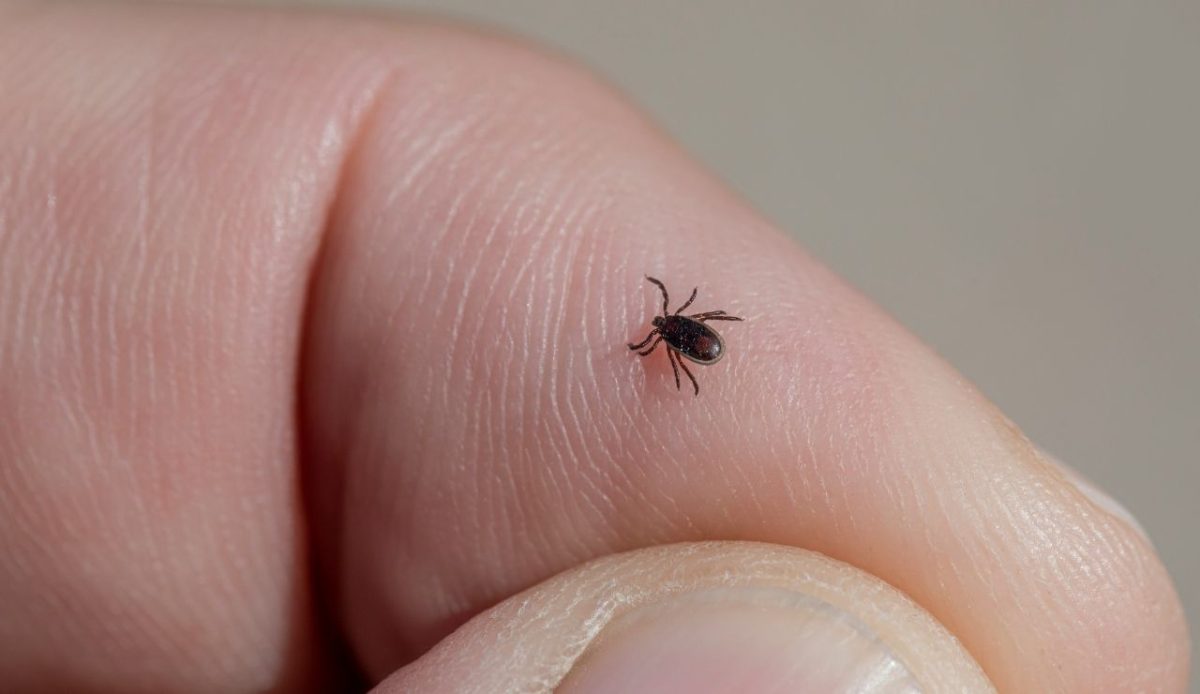
Build tick checks into the hike instead of waiting until you are home and tired. Every hour or two, scan pant legs, sock tops, waistbands, and shoulder straps where hitchhikers collect. Use a phone camera for the backs of calves and the belt line, and ask a partner to check your neck and hat area. Carry fine-tip tweezers so an attached tick can be removed by gripping close to the skin and pulling straight out. Clean the spot, note the date, and watch for fever or a spreading rash afterward. At the end, shower soon and dry clothes on heat when possible. For possible ID later, seal the tick in a small bag instead of crushing it.
4. Pack Food And Scented Items So Wildlife Stays Away

Wildlife trouble often begins with smell, so manage every scented item, not only meals. Keep snacks, trash, sunscreen, lip balm, and toothpaste in sealed bags in your pack, and never leave wrappers in side pockets. On popular routes, use bear boxes or approved canisters when required, and keep storage away from where you rest or sleep. Eat in one spot, pack out all scraps, and avoid spilling powdered drinks on straps. If you cook, do it away from tents and pack out food bits. Small crumbs can teach animals that hikers mean food, which raises conflict for the next group. At day’s end, inspect pockets so a bar does not sit in the car overnight.
5. Make Predictable Noise To Avoid Surprise Encounters

Most tense wildlife encounters happen when an animal is surprised at close range. Hike with steady conversation or occasional calls so bears and other wildlife can move off the corridor. Increase sound near blind bends, dense brush, or loud water where hearing and sight are reduced. Keep earbuds out so you can notice snapping branches or warning huffs. If fresh tracks or scat appear, slow down, scan far, and give the area extra space. Carry bear spray where it can be reached fast and practice the draw before your trip. Keep the group closer together on narrow trails, and if you spot an animal ahead, stop early and let it choose an exit route.
6. Keep Distance And Never Feed Animals
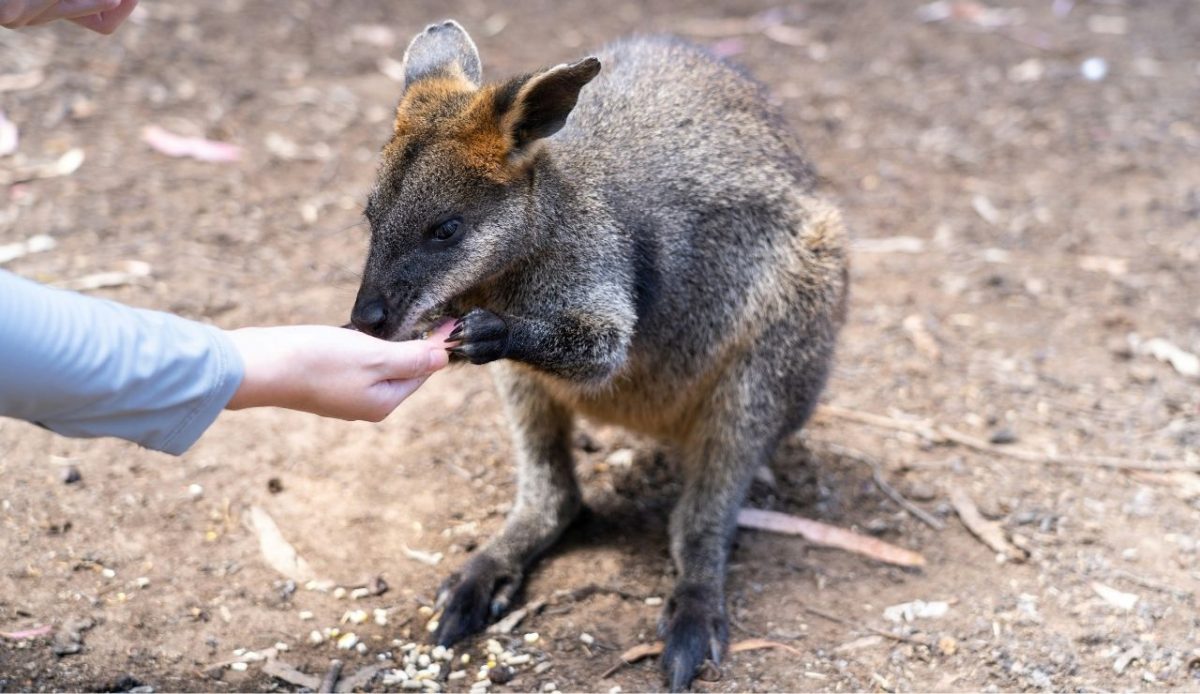
When you see wildlife, the safest move is to create distance and stay predictable. Stop, speak calmly, and avoid running, which can trigger pursuit in some species. Use binoculars for viewing, and give extra room to mothers with young or animals feeding. Do not block narrow passages like bridges or tight switchbacks where an animal cannot pass without feeling trapped. Never feed any animal, even small ones, because food conditioning leads to repeated approaches and future conflict. If attention stays on you, back away slowly while facing the animal. Photos should be taken from afar, and the trail should be cleared so it can move away.
7. Control Dogs To Prevent Chases And Bites
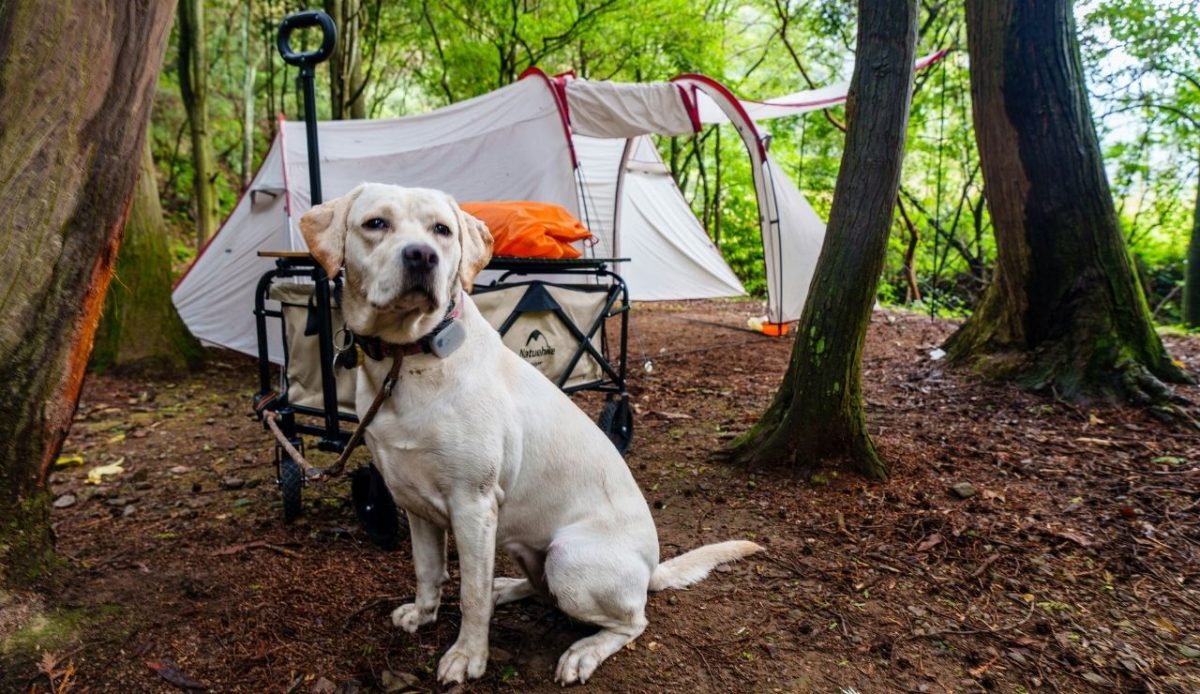
Dogs can attract ticks and also spark wildlife conflict, so control matters for everyone on the route. Keep pets on a leash where rules require it, and use one anyway in areas with deer, elk, or bears. A chasing dog may return with an angry animal behind it, putting the handler at risk. Check fur, ears, and collars during breaks, since ticks hide where fingers do not reach quickly. Carry enough water so your dog avoids stagnant pools where mosquitoes breed. Store treats like human food and pack out waste to avoid drawing scavengers. Practice a recall command before seasons and step off the tread when others pass so leashes do not trip people.
