
Across the world, travelers visit religious sites to see how faith shapes daily life and history. These places hold meaning for millions of people and remain active centers of prayer, ritual, and community. Some rise as monumental structures, while others stay simple but powerful in spirit. Each carries stories of devotion that continue to influence culture and tradition. Visiting them gives travelers a chance to understand belief not as distant history but as something still alive. The following seven sites show how religion continues to guide, inspire, and connect people across countries and generations.
1. St. Peter’s Basilica, Vatican City
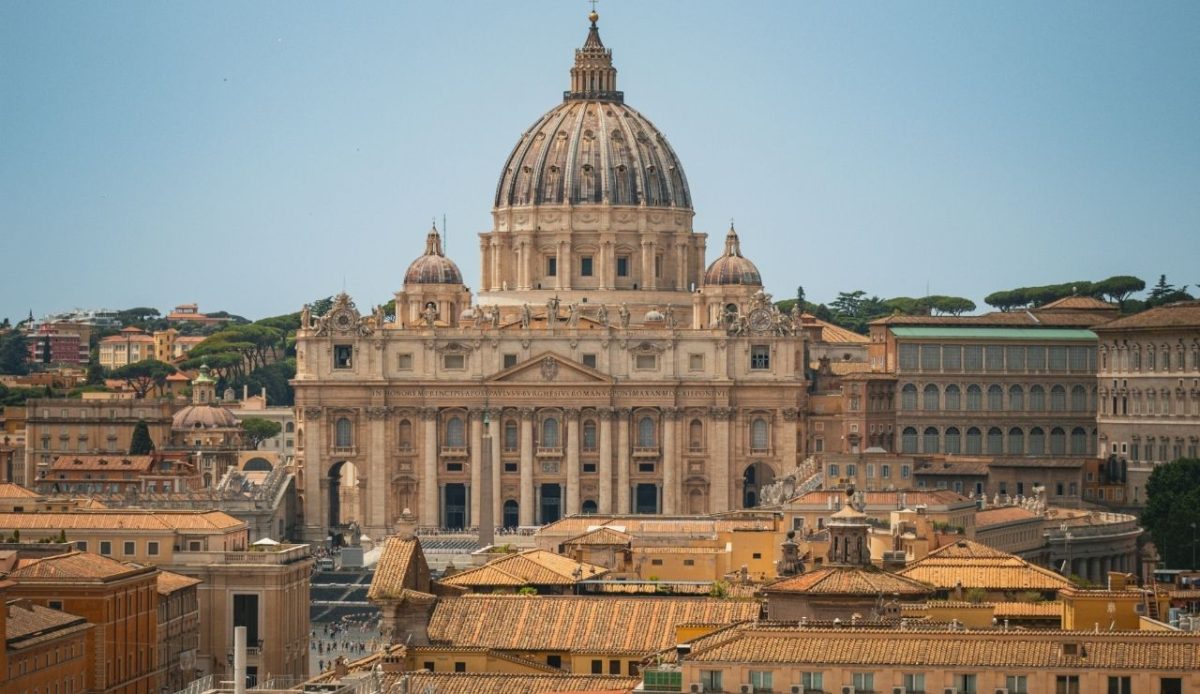
St. Peter’s Basilica is one of the most visited pilgrimage sites and the heart of Vatican City. Visitors admire Michelangelo’s dome, Bernini’s canopy, and the enormous nave, which can hold tens of thousands of people. Many climb to the top for wide views of Rome. Tradition says builders placed the basilica over the tomb of Saint Peter, making it deeply important to Catholics. Its Renaissance and Baroque design also draws those interested in art and history. Early mornings give travelers more quiet time inside, while large gatherings during major events show its global role in worship. Travelers often describe it as both a work of art and a center of devotion.
2. The Kaaba, Mecca, Saudi Arabia
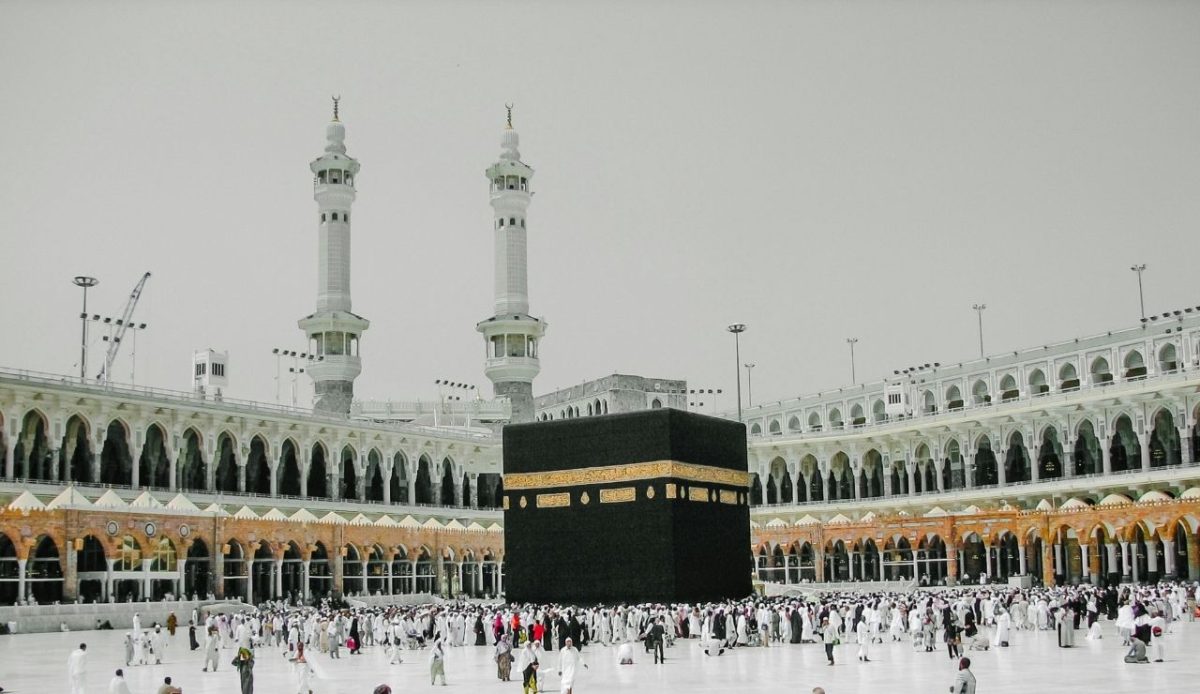
The Kaaba, located in Masjid al-Haram, is the holiest site in Islam. Millions of Muslims arrive each year for the Hajj, while others perform Umrah at other times. A black cloth embroidered in gold covers the cube-shaped building. Muslims face it during prayer no matter where they are in the world. Pilgrims circle the Kaaba as a key part of their devotion, often describing the experience as life-changing. Only Muslims may enter Mecca, but its central place in faith makes the Kaaba one of the most recognized religious landmarks worldwide. Its role in daily prayers links it to every Muslim, wherever they live.
3. Varanasi Ghats, India
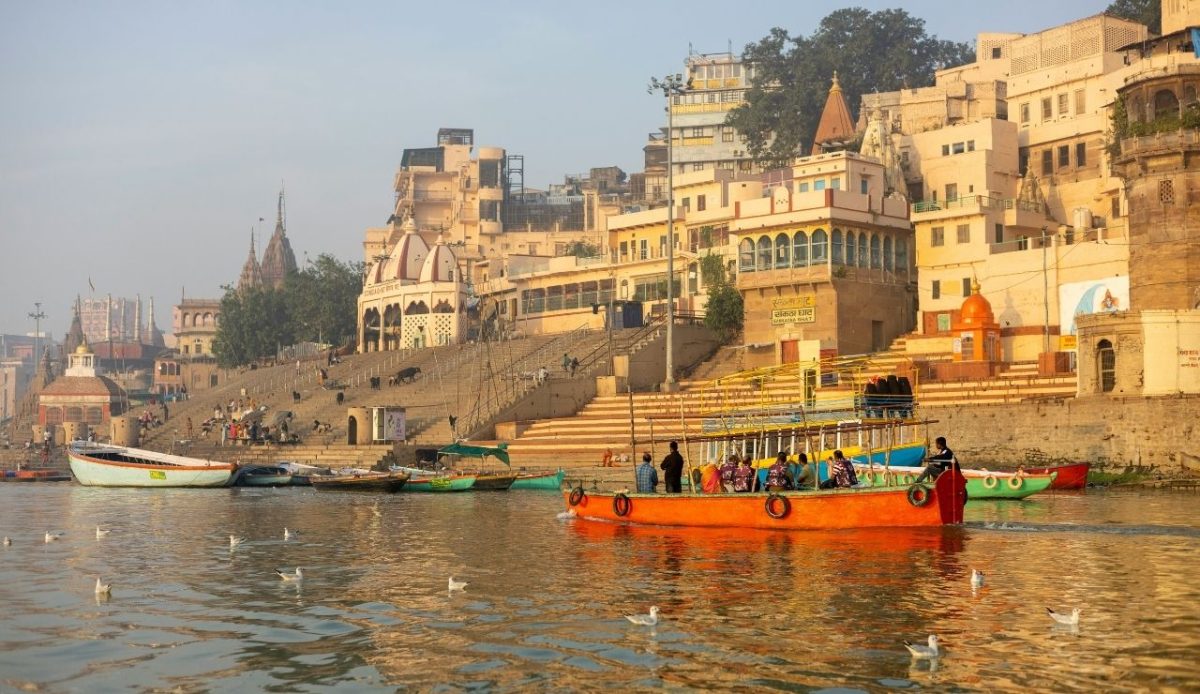
Varanasi, on the Ganges River, is one of the world’s oldest cities and a sacred site for Hindus. Stone steps, called ghats, lead down to the river where pilgrims bathe to purify themselves. Priests lead morning and evening ceremonies with fire, chants, and bells. In the evening, travelers often see floating lamps lighting the river during aarti rituals. Narrow alleys near the ghats reveal small temples and busy markets. This mix of worship and daily life makes Varanasi both a spiritual center and a cultural experience for anyone visiting. Many travelers say the rituals by the river are unforgettable moments to witness.
4. Western Wall, Jerusalem, Israel
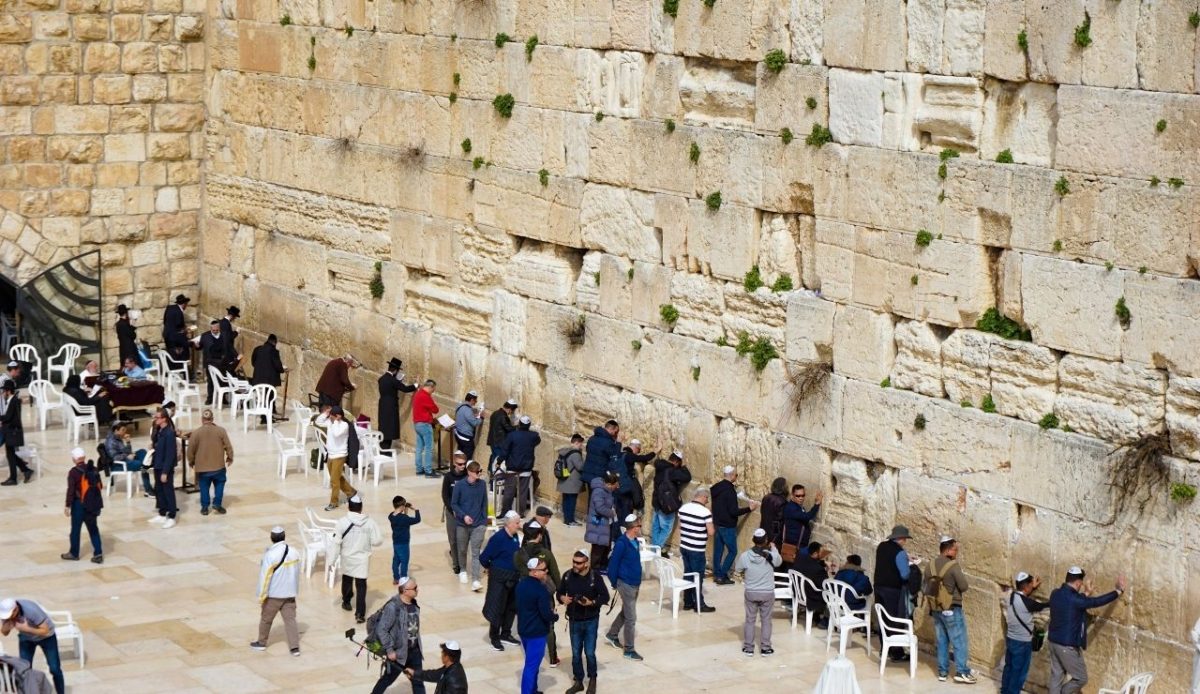
The Western Wall is a surviving part of the Second Temple and one of the holiest places in Judaism. People come to pray at the ancient stones and place small notes with personal messages in the cracks. The plaza hosts events such as bar mitzvahs and national ceremonies, showing its role in both faith and community life. Men and women enter separate sections, but all can approach the wall to reflect or pray. Nearby, the Old City has Christian, Muslim, and Armenian quarters, reminding visitors that Jerusalem holds many traditions side by side. Standing before the wall connects people to a history that spans thousands of years.
5. Shwedagon Pagoda, Yangon, Myanmar
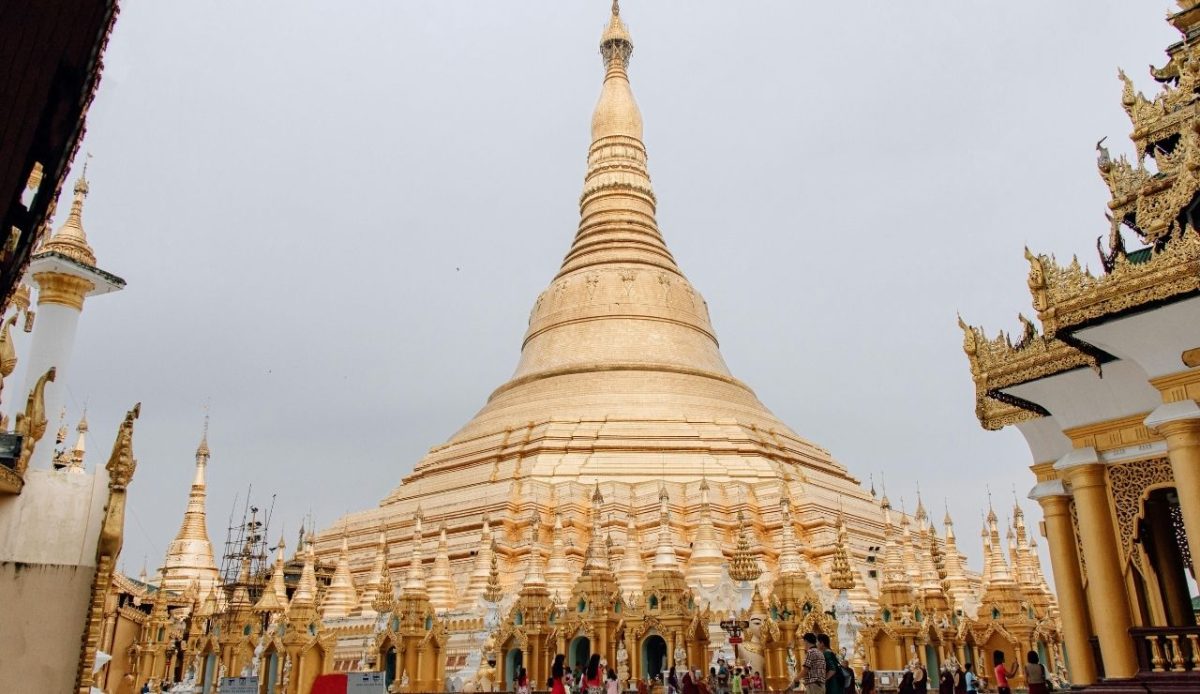
Shwedagon Pagoda rises above Yangon with a stupa covered in gold leaf and topped with diamonds. It is the most sacred Buddhist site in Myanmar, drawing pilgrims who walk clockwise around the base while offering flowers and prayers. Tradition holds that the stupa houses relics of past Buddhas, giving it deep spiritual meaning. Travelers often visit at sunrise or sunset when the gold surface shines with changing light. Surrounding shrines and statues provide more detail for visitors to explore. The atmosphere blends daily devotion with large gatherings during festivals. Many describe the sense of calm as unforgettable, even among busy crowds.
6. Notre-Dame Cathedral, Paris, France
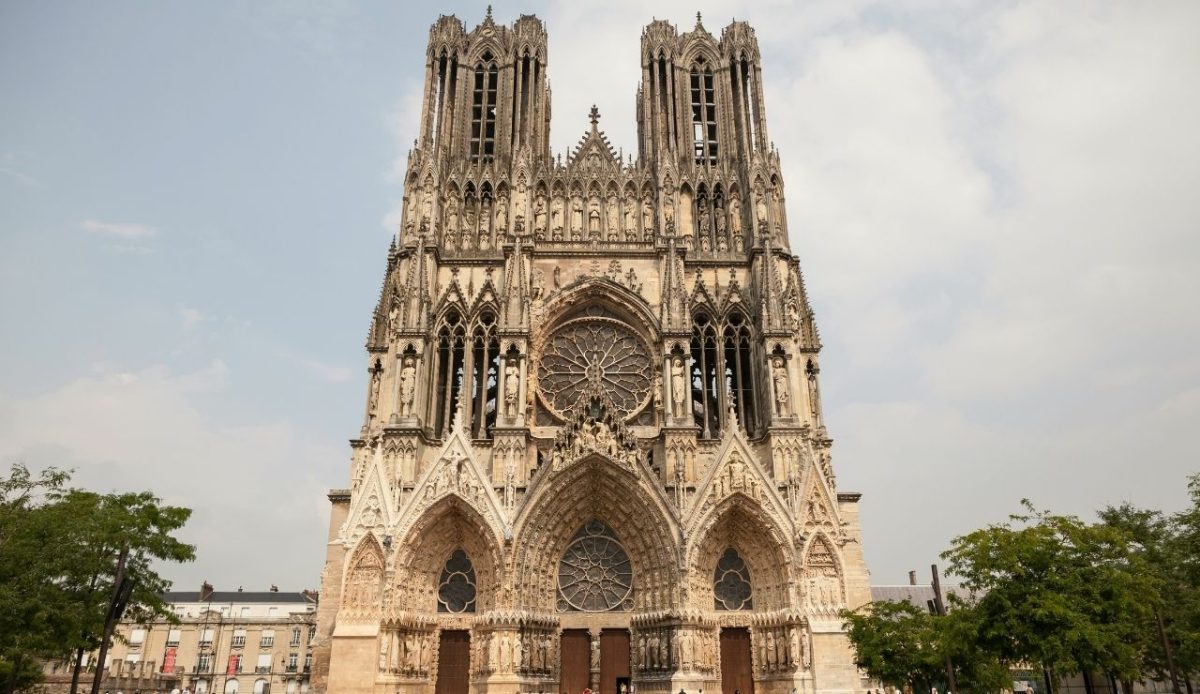
Notre-Dame Cathedral has been a landmark of Paris since the 12th century and a major center of Catholic worship. Its twin towers, rose windows, and flying buttresses show Gothic design at its height. Inside, stained glass fills the space with color as sunlight passes through. The 2019 fire damaged its roof and spire, but restoration work continues. Travelers still visit the square in front to admire its façade and sense its long history. Religious services and choral music give visitors a chance to connect with its role as a place of worship. The cathedral’s endurance through centuries secures its place among Europe’s most important spiritual sites.
7. Uluru, Northern Territory, Australia
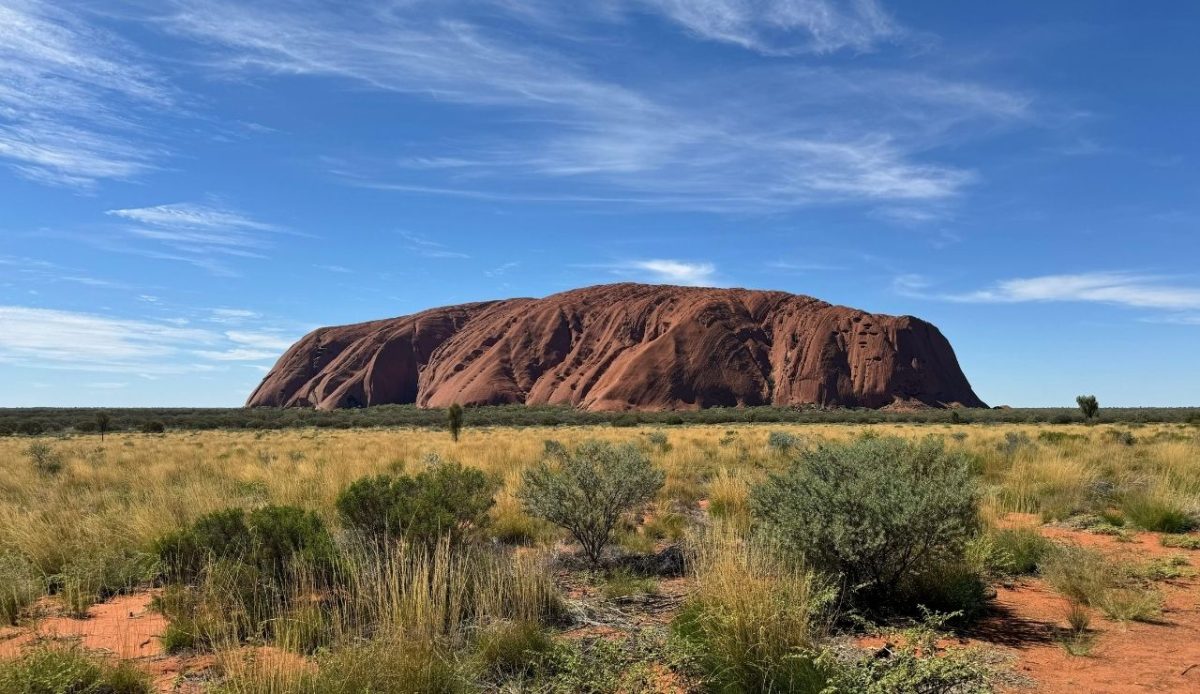
Uluru, also called Ayers Rock, is sacred to the Anangu people of central Australia. The sandstone monolith rises from the desert and changes color with the light, from deep red at sunrise to glowing orange at sunset. For the Anangu, it is a place of creation stories and ceremonies. Travelers can walk around the base to see rock art and learn about traditional beliefs through guided tours. Authorities no longer allow climbing out of respect for its spiritual importance. Many visitors describe the sense of silence and connection to the land as powerful. Uluru remains a living symbol of both culture and spirituality.
