
Airport security trouble often starts with packing decisions made at home. A carry-on that seems organized in the bedroom can become a problem at the checkpoint when liquids are loose, electronics are buried, or restricted items are hiding in small pockets.
Most delays happen because travelers pack for convenience instead of screening. They toss in toiletries, snacks, chargers, and everyday items without thinking about how officers need to review the bag quickly and clearly.
Understanding which mistakes cause the most friction can make the trip smoother. These seven packing habits are common, but each one can lead to extra screening, slower lines, and avoidable stress before boarding even begins.
1. Overpacking Liquids in Carry-On Bags
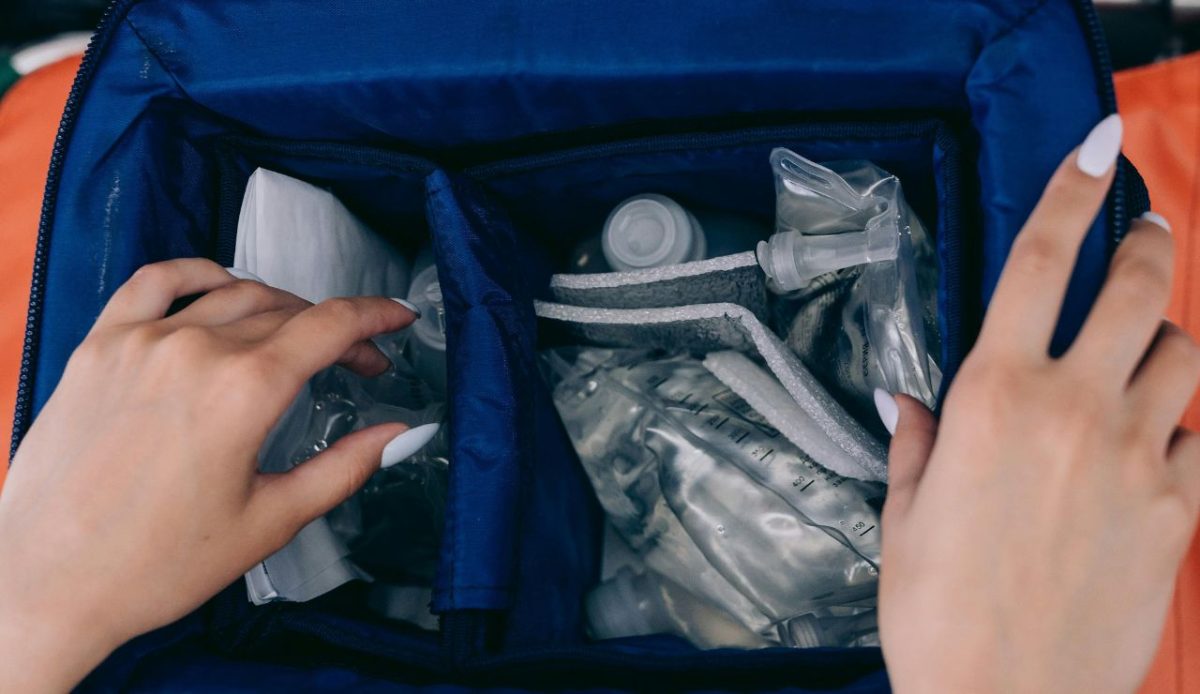
Liquids cause frequent delays because travelers often pack too many of them or pack them carelessly. Full-size bottles, extra cosmetics, and travel containers placed in several pockets can make a routine screening take longer than expected.
The issue is not only the amount, but the layout inside the bag. When lotion, toothpaste, sunscreen, and perfume are mixed with cables, papers, and clothing, officers may need a closer look and travelers may have to unpack items at the belt.
Keeping liquids together in one clear, easy-to-reach pouch makes the process faster. It helps officers review the bag quickly and reduces the chance of having to throw away items before heading to the gate.
2. Forgetting Sharp Items in Everyday Bags
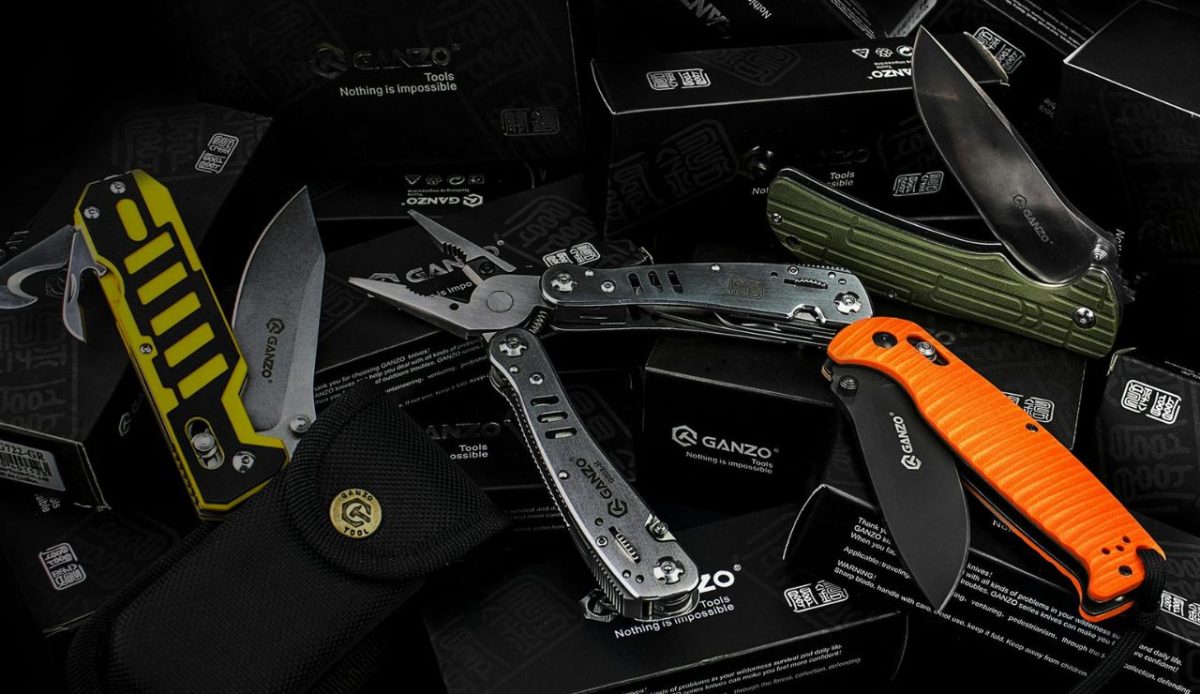
Sharp items often reach airport security by accident because they were already sitting inside a daily-use bag. Small scissors, pocket knives, tools, tweezers, and similar objects can stay hidden in side pockets or zipped sections long after people forget about them.
That becomes a problem when a carry-on is scanned and flagged for inspection. Many travelers do not realize a restricted item is still in the bag until security opens it, which creates delays and can lead to confiscation right before the flight.
Checking every compartment before leaving home is one of the simplest ways to avoid this. Bags used for work, school, or older trips tend to collect forgotten items, and airport screening is where they usually reappear.
3. Burying Electronics Under Clothing

Electronics are easier to screen when they can be reached quickly, but many travelers pack them at the bottom of a full carry-on. Laptops, tablets, cameras, and gaming devices often end up trapped under layers of clothes, shoes, and last-minute extras.
That creates a problem when security staff need a clearer view of larger devices or ask for them to be removed. A tightly packed bag forces travelers to dig around in a hurry, which slows the line and makes repacking more frustrating than it needs to be.
Placing electronics near the top of the bag makes screening more efficient. It also keeps chargers and accessories easier to manage, so travelers spend less time sorting through their belongings after the checkpoint.
4. Letting Cables and Chargers Spread Everywhere
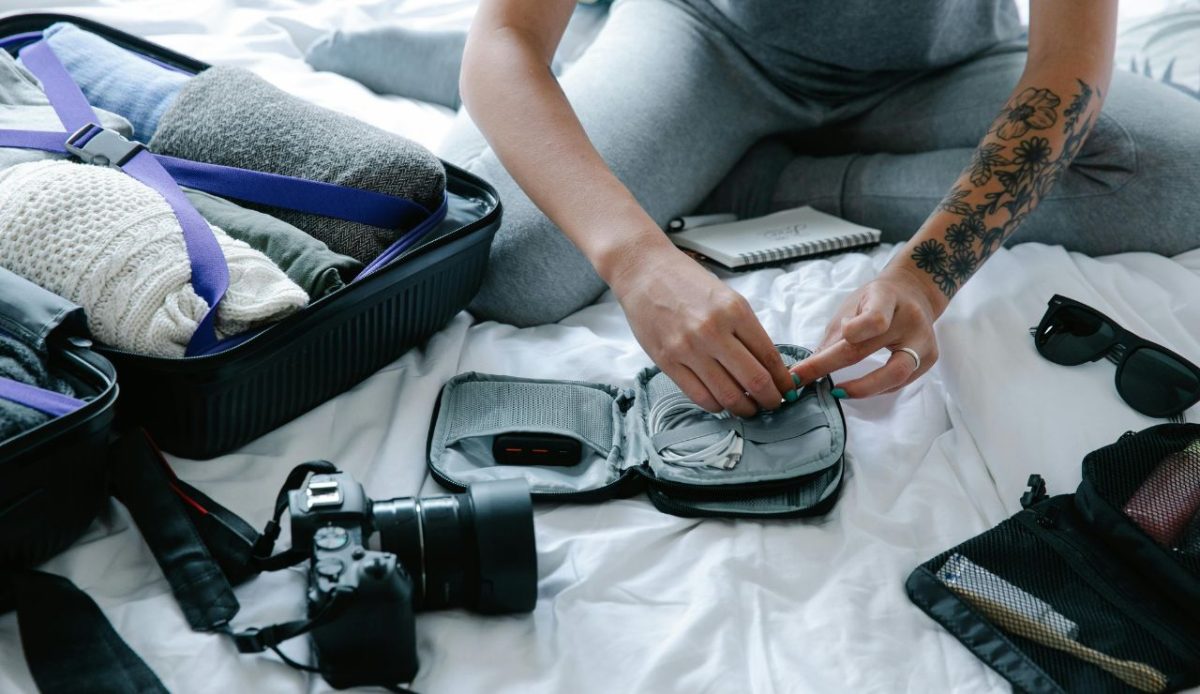
Chargers, adapters, and loose cables rarely seem important while packing, but they can make a carry-on look cluttered during screening. When these items are scattered through several compartments, they add visual density and make the bag harder to assess quickly.
The issue is usually not that such accessories are prohibited, but that disorganization creates confusion. Wires wrapped around electronics or mixed with toiletries and clothing can prompt closer inspection, especially when the contents look dense on a scanner.
Keeping all cables and chargers in one pouch helps simplify the process. It makes the bag easier to review, speeds up repacking after screening, and lowers the chance of leaving a small but essential item behind in a tray.
5. Packing Food That Looks Unclear on Scanners
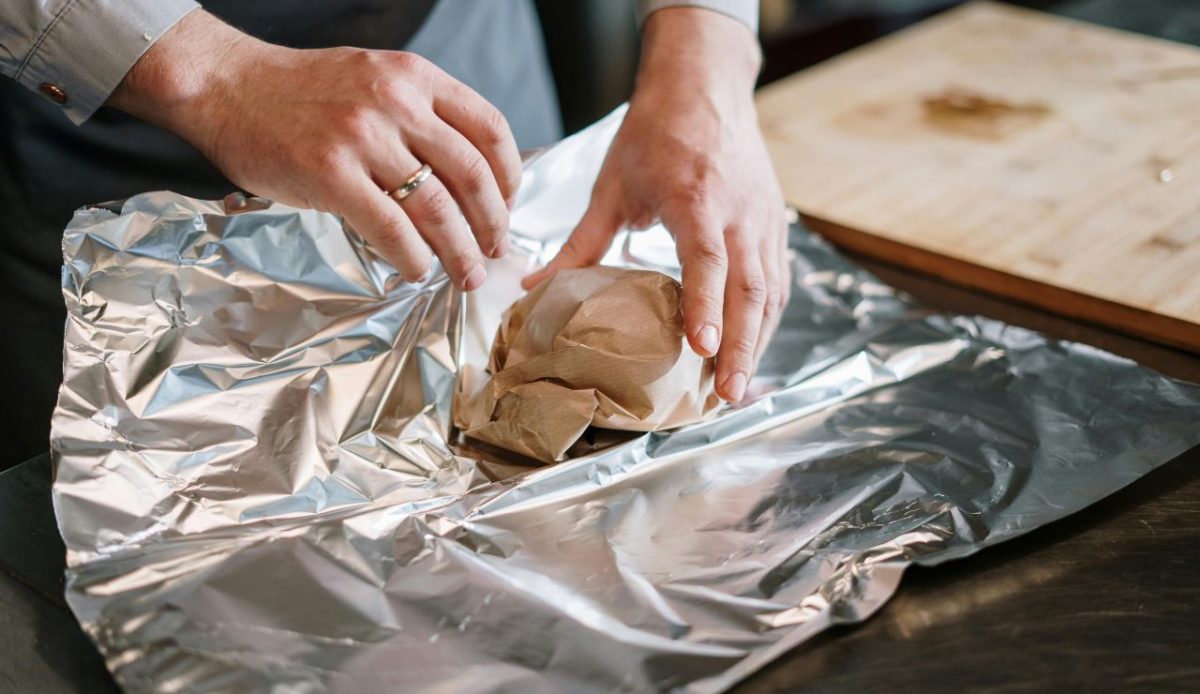
Food can slow airport security when it is packed without much thought. Dense snacks, foil-wrapped leftovers, spreads, sauces, and homemade items may be harder to identify on a scanner, especially when they are wedged between electronics and other compact items.
Travelers sometimes assume that all food is simple to carry, but certain products attract more attention during screening. Items such as dips, soft cheese, jam, or nut butter may require extra review because they can resemble liquids, gels, or dense masses.
Packing food separately and choosing items that are easy to identify can help avoid delays. A more organized bag gives officers a clearer view and reduces the chances of a manual check during a busy security rush.
6. Scattering Metal Items Across Pockets
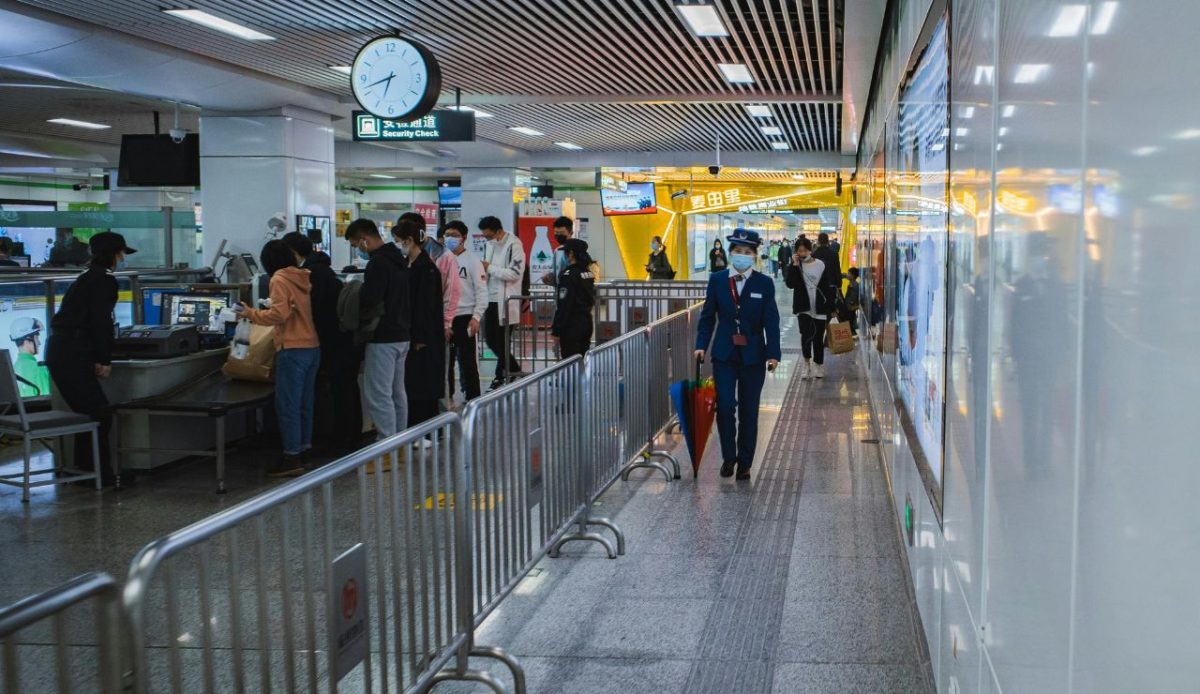
Metal items can create delays when they are spread across clothing and bags instead of kept in one place. Keys, coins, belts, watches, and small accessories may seem minor on their own, but together they raise the chance of alarms and repeat screening.
Many travelers remember to remove large items such as phones and wallets, yet still forget about spare change in a jacket, a watch in a side pocket, or keys clipped inside a tote. Those small oversights often add time at the scanner and slow the line.
Gathering metal items before reaching the checkpoint makes screening easier. When everything is ready to go into one tray, there is less confusion, fewer missed objects, and a better chance of moving through security without interruption.
7. Waiting Until the Checkpoint to Reorganize
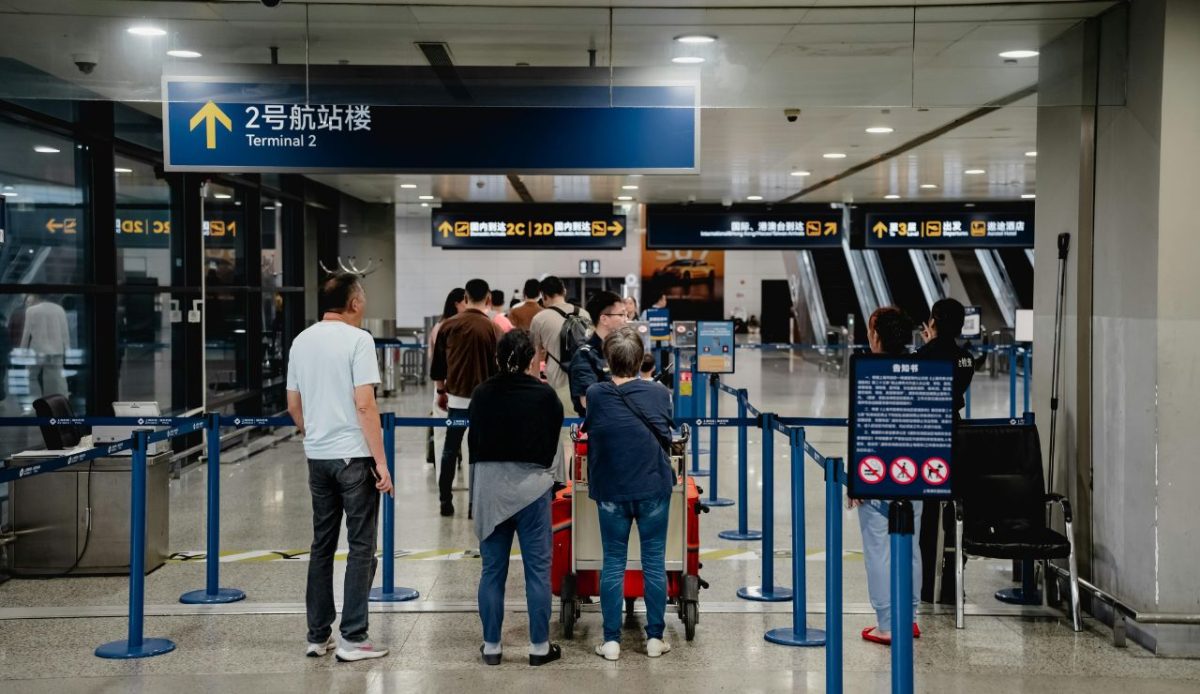
A common packing mistake happens when travelers wait until they reach the security belt to sort out their bags. That is when they start moving toiletries, pulling out electronics, checking pockets, and searching for documents while the line builds behind them.
Airport screening moves more smoothly when bags are packed with the checkpoint in mind before arrival. Last-minute reorganizing increases the chance of forgotten items, misplaced belongings, and slow decisions about where things go during inspection.
A few minutes of preparation before joining the line can prevent most of these problems. When liquids, electronics, documents, and small personal items are already organized, the screening process becomes faster and easier to manage.
