
Holiday trips can be ruined before departure when planning is rushed, and rules are assumed instead of checked. Airlines enforce fare conditions, airports apply screening standards, and border officers rely on documents that must be correct on the day of travel. During peak weeks, long lines and tight boarding windows reduce the chance to correct errors at the counter. A quick review of IDs, entry requirements, baggage limits, and payment holds can prevent a surprise stop at security or check-in. The ten mistakes below focus on preventable slips that can cancel flights, block entry, or drain money before the first vacation photo is taken.
1. Arriving With The Wrong ID Or Expired Documents
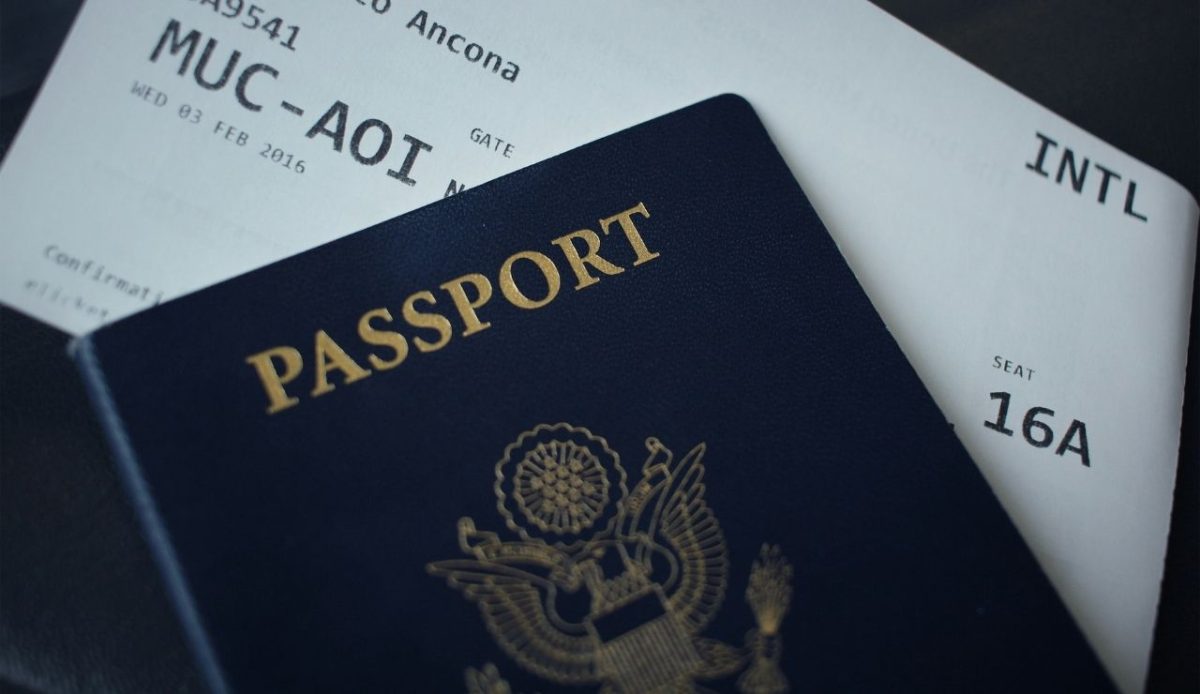
Showing up with the wrong ID is a fast way to lose a flight. For US domestic travel, security staff may reject a license that does not meet current standards, and a backup document might be required. For international routes, passports must remain valid long enough to meet destination rules, and some countries require blank pages for stamps. Name mismatches between the ticket and the document, including missing middle names or recent marriage changes, can trigger denial. Airlines check eligibility before boarding, so the problem appears at check-in rather than after landing. Fixing it may require reissue fees or a same-day passport visit.
2. Buying A Cheap Fare Without Reading The Conditions

Buying the cheapest fare can backfire when the rules are not read in full. Many basic economy tickets block changes, limit carry-on bags, and assign seats at the gate, which can split families. Some carriers treat a missed first segment as a no-show and cancel the rest of the itinerary automatically. If a ticket is booked through a third party, help may be routed through that seller, slowing fixes when minutes matter. Holiday traffic can turn a small delay into a forfeited trip, plus new fares at walk-up prices. Review change fees, credit rules, and bag policies before purchase. Also, confirm whether same-day standby or switches are allowed.
3. Underestimating Airport Time During Peak Weeks

Underestimating airport time is a common holiday mistake, especially at large hubs. Parking lots can fill, shuttle waits grow, and bag drop lines may close earlier than expected. Security screening can slow down when extra checks are required for gifts, food, or electronics packed tightly. Even with expedited screening programs, random checks occur, and lane staffing changes by the hour. Airlines often cut off checked bags a set number of minutes before departure, and boarding doors close even sooner. Prebook parking, watch checkpoint estimates, and plan for long walks between concourses. A simple delay can become an overnight rebook.
4. Packing Items That Trigger Screening Or Airline Limits

Packing without checking security rules can create a failure point at the checkpoint. Large liquid containers, oversize gels, and wrapped gifts may force manual searches and item disposal. Spare lithium batteries and power banks must be carried in the cabin and protected from short circuits, not placed in checked bags. Snow globes, jars of sauce, and drinks are often treated as liquids and can be taken, even as gifts. Prescription medicine should stay accessible in packaging in case staff ask for verification during a bag check. Review cabin bag rules and checked limits the night before, so packing changes are not made under pressure.
5. Missing Entry Or Health Requirements For The Route
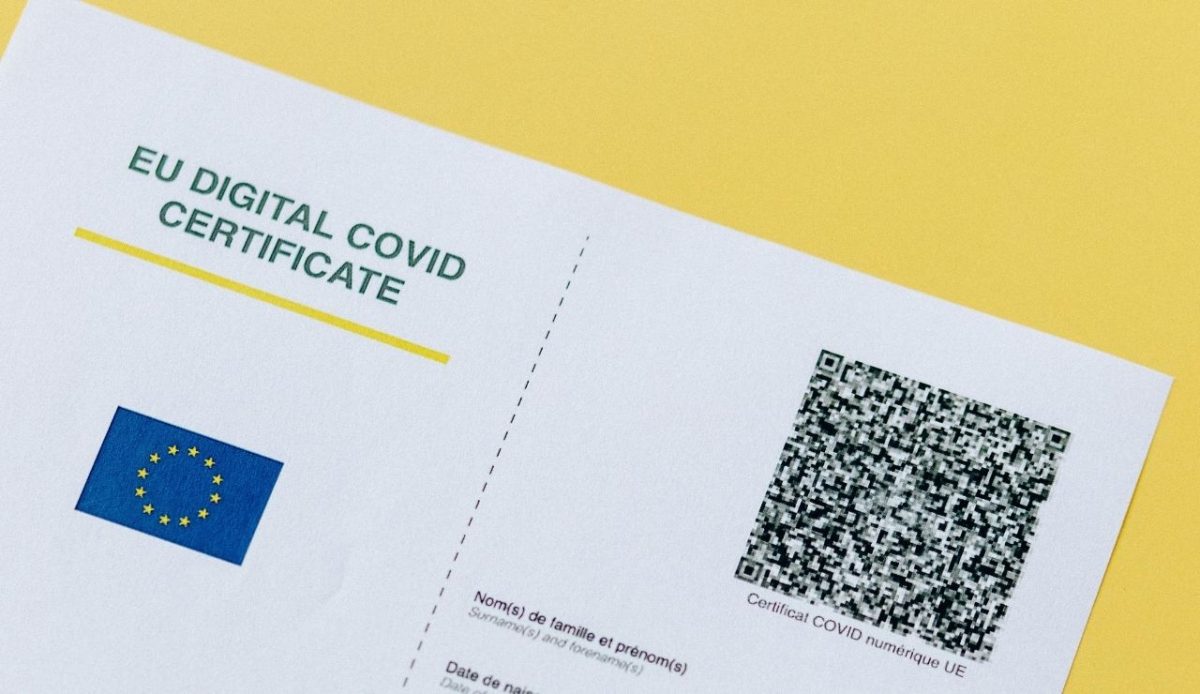
Skipping entry requirements can end a trip at the airline counter. Some countries require electronic authorizations, proof of onward travel, or specific transit visas even for short connections. Health rules can include vaccine documentation or online forms that must be submitted before arrival. Because airlines can be fined for transporting ineligible passengers, staff may deny boarding when paperwork is missing. Vaccines may need weeks to complete, so late planning can make compliance impossible. Check official government pages for the destination and any transit points, then save digital and printed copies of approvals.
6. Letting Payment And App Access Break At The Worst Time
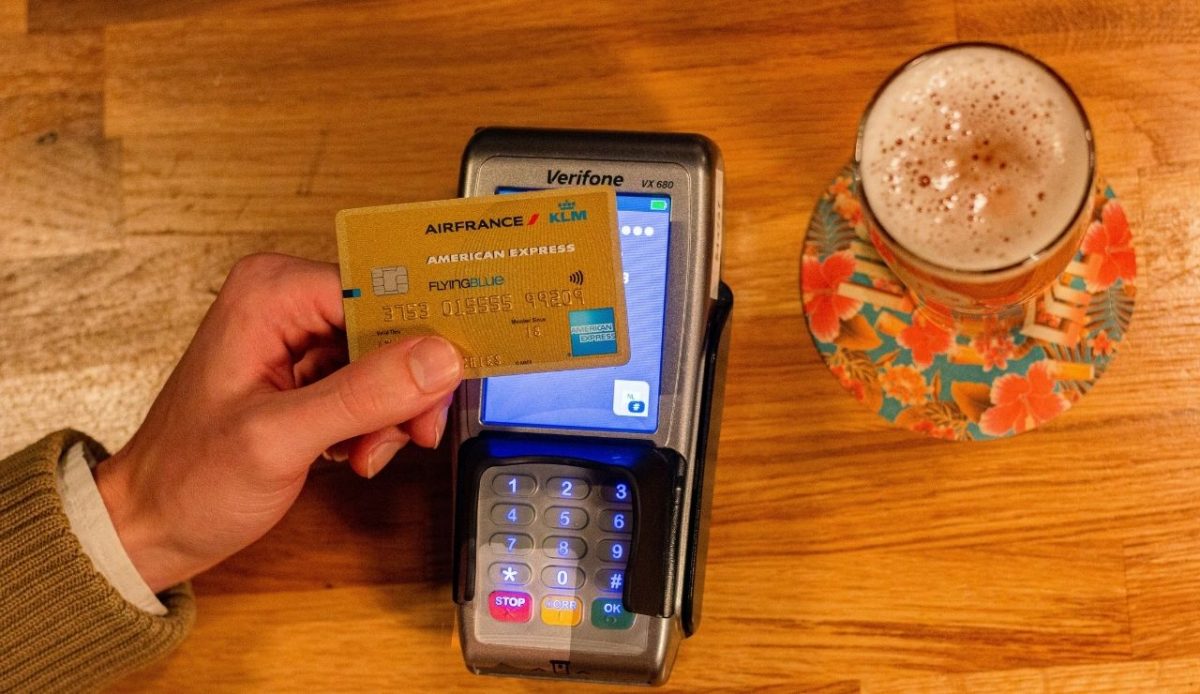
Letting payment details lapse can sabotage travel before bags are packed. A card that expires, a billing address mismatch, or a fraud block can cancel a booking, remove a seat assignment, or prevent online check-in. Some hotels place large authorization holds during holiday weeks, which can tie up available funds on debit cards. Ticket apps may require a one-time text code, so a dead phone line or no roaming can lock you out of proof of purchase. International trips may also fail if a bank declines foreign charges for transit or required fees. Update wallets, pack a small cash reserve, and carry two payment methods stored separately.
7. Overpacking And Getting Hit With Fees Or Gate Checks
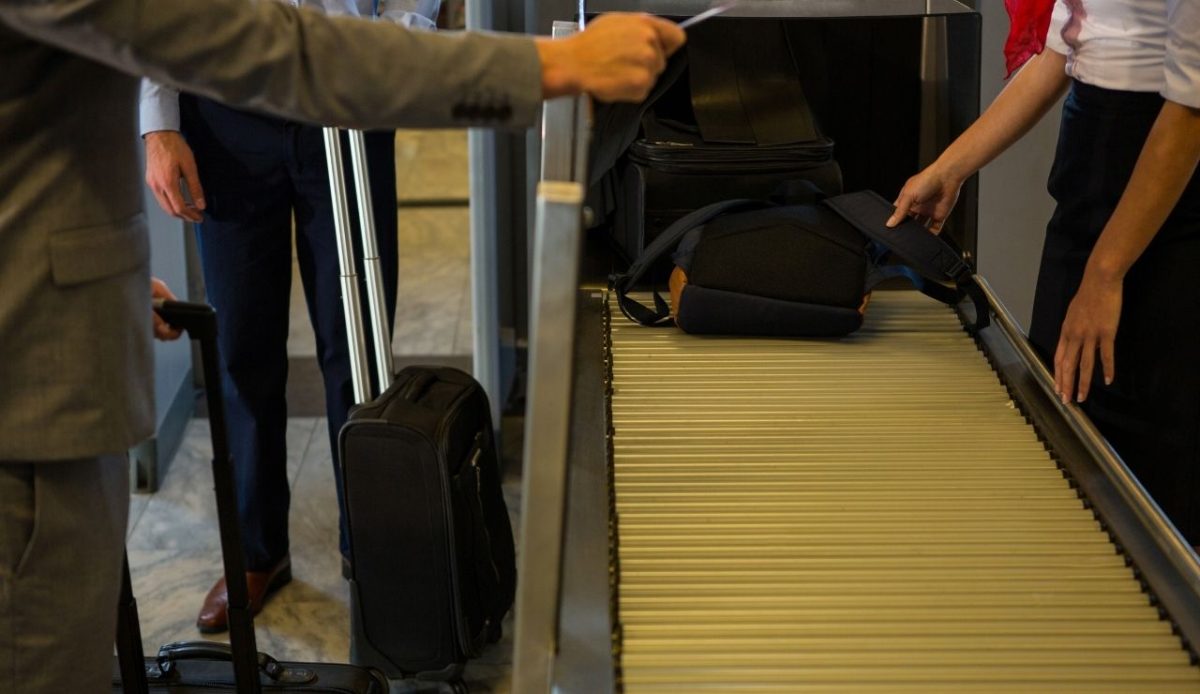
Overpacking creates problems that surface before boarding. Airlines set size and weight limits for both carry-on and checked bags, and holiday gifts can push luggage over the threshold quickly. At the counter, excess fees may be charged, or items may have to be moved into a second bag that costs more. On small regional jets, carry-ons may be gate checked, which complicates tight connections and fragile items. Without clear labels, bags pulled for inspection can be misrouted when staff are handling high volumes. Weigh bags at home, add an ID tag inside, and keep essentials in a personal item that stays with you.
